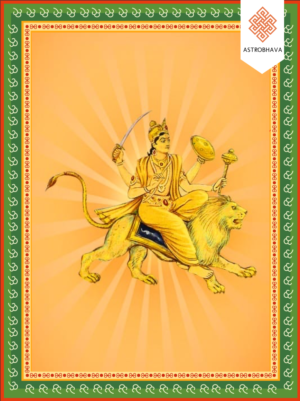
Rahu Puja
Benefits of Rahu Puja
- Neutralizes Rahu dosha, alleviating sudden misfortunes and confusion.
- Removes obstacles in career and business for swift success.
- Provides protection from hidden enemies and black magic influences.
- Enhances courage to overcome fears and phobias.
- Attracts unexpected opportunities and windfall gains.
- Balances Rahu-Ketu axis for mental clarity and focus.
- Supports relief from addiction and addictive behaviors.
- Promotes foreign travel and settlement benefits.
- Strengthens during Rahu transits and Sade Sati phases.
- Delivers profound protection and prosperity through divine grace.
- Ideal for Kaal Sarpa Dosha remedies and holistic healing.
Rahu Mahadasha |
Rahu Ketu: The Shadow Planets
Vedic Significance of Puja Durations in Rahu Puja
In Vedic tradition, the duration of your puja aligns with cosmic cycles to deepen the blessings. Choose the package that matches your intention:
- 1-Day Puja: Symbolises divine unity (Ekam). It brings instant connection and quick blessings within one solar cycle – ideal for urgent needs or immediate grace.
- 11-Day Puja: Balances the 11 Indriyas (5 Jnanendriyas: hearing, touch, sight, taste, smell + 5 Karmendriyas: speech, grasping, movement, excretion, reproduction + the mind as the 11th). It creates inner clarity, resolves karma and builds steady strength and protection.
- 21-Day Puja: Works on the 21-fold Vedic structure (7 chakras multiplied by the 3 gunas – Sattva, Rajas, Tamas). It gently unties karmic knots and brings holistic balance, healing and evolution.
- 48-Day Puja: The complete mandala that harmonises all 27 Nakshatras, 12 Rashis and 9 Grahas. It resolves deep doshas and delivers profound, long-lasting prosperity and protection – the highest level of Sarva Graha Shanti.
The longer the sacred cycle, the deeper and more powerful the divine blessings become.
Choose your ideal duration above and book your puja now to invite profound, lasting transformation and grace.
Kaal Sarpa Dosha |
Generate your free Kundali
Why Choose AstroBhava for Rahu Puja
Our expert Vedic priests perform the Rahu Puja with authentic recitation of the sacred stotra/mantra, ensuring powerful invocation of Rahu’s blessings.
- Certified Vedic Priests — Trained from Traditional Padashala & Recruited by “Brahmashree Shivaaya”, Head of Astrological and Spiritual Solutions. Visit our team
- No Travel Required — Perfomed remotely from our Sacred Temple
- Complimentary Energized Yantra — Rahu Yantra, specific to the Puja, free gift
- Lifelong Protection Talisman — Energized yantra sealed in sacred silver amulet for continuous protection when worn around neck or waist (Applicable for 48 day Puja Package)
- Free Worldwide Shipping — Yantra & Prasadam delivered globally
- 100% Individual Puja — Only for you & immediate family (no group Pujas)
- Personalised Sankalpa — Your specific intention is set
- Open to All Devotees — Worldwide, every country & background
- Free Personalized Puja Guidance — Unsure which Puja is best for your needs? Our astrologers provide complimentary recommendations based on your birth details — no obligation. WhatsApp Us | Email Us | Call Us at +91 96295 55442.
YouTube channel:
https://www.youtube.com/@AstroBhava/streamsWho Should Perform Rahu Puja
- Individuals facing Rahu dosha in their birth chart.
- Those experiencing sudden career setbacks or obstacles.
- People seeking protection from enemies or negative energies.
- Devotees during Rahu Mahadasha or Antardasha periods.
- Anyone with Kaal Sarpa Yoga seeking relief.
- Persons struggling with addictions or mental unrest.
- Travelers or those aiming for foreign opportunities.
- Individuals desiring success in litigation or competitions.
- Global devotees wanting Rahu Puja online USA, UK, or worldwide.
Rahu Ketu Shanti Homa | Planetary Transits Tool
Historical Context
Rahu Puja traces its origins to ancient Vedic texts like the Puranas, where Rahu emerges during the Samudra Manthan—the cosmic churning of the ocean by gods and demons. Swallowing the nectar of immortality, Rahu’s head was severed by Lord Vishnu, immortalizing it as the north lunar node, symbolizing eclipses, illusions, and transformative power. In astrology, Rahu governs ambition, innovation, and sudden upheavals, often causing doshas when afflicted.
Traditionally performed in temples dedicated to Navagrahas, Rahu Puja involves specific mantras and offerings to pacify its fierce energy, as described in Brihat Parashara Hora Shastra. Rituals originated in South Indian Agama traditions, emphasizing abhishekam with sesame oil and blue flowers to counter malefic effects. Kings and sages invoked Rahu for victory over adversaries and material success.
In modern times, Rahu Puja online worldwide adapts this ancient practice for global devotees, enabling remote participation via personalized sankalpa. With urbanization and planetary transits affecting billions, this puja offers convenient access to temple rituals, blending tradition with technology for NRIs in USA, UK, Canada, Australia, and beyond. It empowers overcoming contemporary challenges like career stagnation or unexplained fears through divine intervention.
Discover more in our Gallery of Divine Puja Ceremonies.
Rahu Mantra
The Rahu Puja is centered on the powerful Moola Mantra of Rahu: “Om Bhram Bhreem Bhroum Sah Rahave Namah”
Devotees participating remotely can chant this mantra during the schedule to deepen their personal connection with the deity.
Rahu Mantra Benefits | Yantra Collection
Procedure of Rahu Puja
How to Book Your Rahu Puja
- Select your package (1 day, 11 days, 21 days or 48-day Puja) as per your choice
- Provide your name, gotra, and specific sankalpa/wish during checkout.
- Our priests select an auspicious muhurta and confirm the schedule within 24-48 hours.
- The Rahu Puja is performed personally on your behalf inside the temple sanctum.
- Receive blessed Prasadam shipped free to your address worldwide.
- For 48-day Puja: Receive complimentary energised Rahu Yantra along with final Prasadam.
How the Complimentary Yantra is Energized
The Rahu Yantra is energized through a sacred three-day process to infuse it with divine energy:
- Jala Pratishta: Immersion and consecration in holy water with mantras.
- Prana Pratishta: Infusing life force through pranayama and sacred chants.
- Jeeva Pratishta: Awakening the soul energy with 108 mantra recitations and offerings.
How the Rahu Puja is Performed
The Rahu Puja at AstroBhava is performed with utmost devotion and reverence in our sacred temples, strictly following Vedic and Agama shastras. The same detailed procedure is followed every single day for 1-day, 11-day, 21-day, and 48-day pujas. In the 48-day mandala puja, a dedicated yantra puja is performed alongside the main deity puja for the full 48 days to completely energise the complimentary Rahu Yantra.
- Sankalpa — Your name, gotra, nakshatra, and specific purpose are declared with clear intention.
- Avahana — The deity is reverently invited into the idol through sacred mantras (Rahu Yantra introduced for 48-day energisation).
- Abhishegam — The deity’s idol is bathed with five auspicious substances: Milk, Curd, Honey, Ghee, and Panchamrita.
- Alankaram & Upachara — The deity is adorned with fresh flowers, sandalwood paste, and offered incense, lamps, fruits, and betel leaves.
- Mantra Japa — Powerful Vedic mantras dedicated to the deity are chanted with deep focus and devotion.
- Naivedyam — Pure sattvic food and sweets are offered to the deity as bhog.
- Aarti & Pradakshina — Camphor aarti is performed followed by circumambulation around the deity.
- Conclusion — The puja ends with final prayers of gratitude, seeking the deity’s continued blessings.
- Prasad Collection & Distribution — Blessed prasad and the fully energised Rahu Yantra (in 48-day puja) are prepared and distributed.
Note on Sacred Tradition As per strict Agama vidhi, no videography or photography is permitted inside the temple sanctum — this preserves the pure sacred energies of the temple and ensures undisturbed divine focus during the ritual. For the 48-day puja option, daily rituals are performed with full devotion but are not live telecasted (due to the extended nature and sanctum guidelines). You will receive energized items and prasadam upon completion.
Procedure to Wear the Energized Rahu Yantra Talisman – applicable for 48 day puja
After the Puja is completed, the energized Rahu Yantra is carefully rolled and placed inside a sacred silver amulet. This silver amulet acts as a Sacred Sound Instilled Talisman, providing lifelong enhanced benefits and protection from all negative influences when worn around the neck or waist.
- Our astrologer will mark the auspicious date and time to wear the yantra according to your birth details.
- The energized Rahu Yantra is carefully rolled and placed inside a sacred silver amulet.
- This sacred silver amulet has to be worn around the neck or waist.
- These details will be sent along with the email containing the tracking number of the shipment.
- Dip the silver amulet in raw milk or Ganga Jal for an hour before wearing.
- Clean with normal water.
- Perform the wearing process facing East or North for maximum benefit.
- Show Dheep and Dhoop to the amulet.
- Wear it around your neck or waist in a thread or chain.
- You may chant “Om Bhram Bhreem Bhroum Sah Rahave Namah” once while wearing for enhanced blessings.
- Repeated offering of Dheep and Dhoop keeps the energy intact.
- If you do not wish to wear the amulet, place it in the puja altar or keep it in your wallet.
For personalized guidance on the most suitable Puja (completely free), WhatsApp Us | Email Us | Call Us at +91 96295 55442.
Contact Us | Divine Puja Ceremonies