Ashtami Tithi 2026
What is Ashtami: Understanding Its Significance?
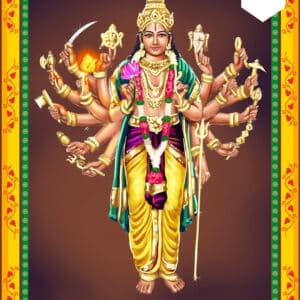
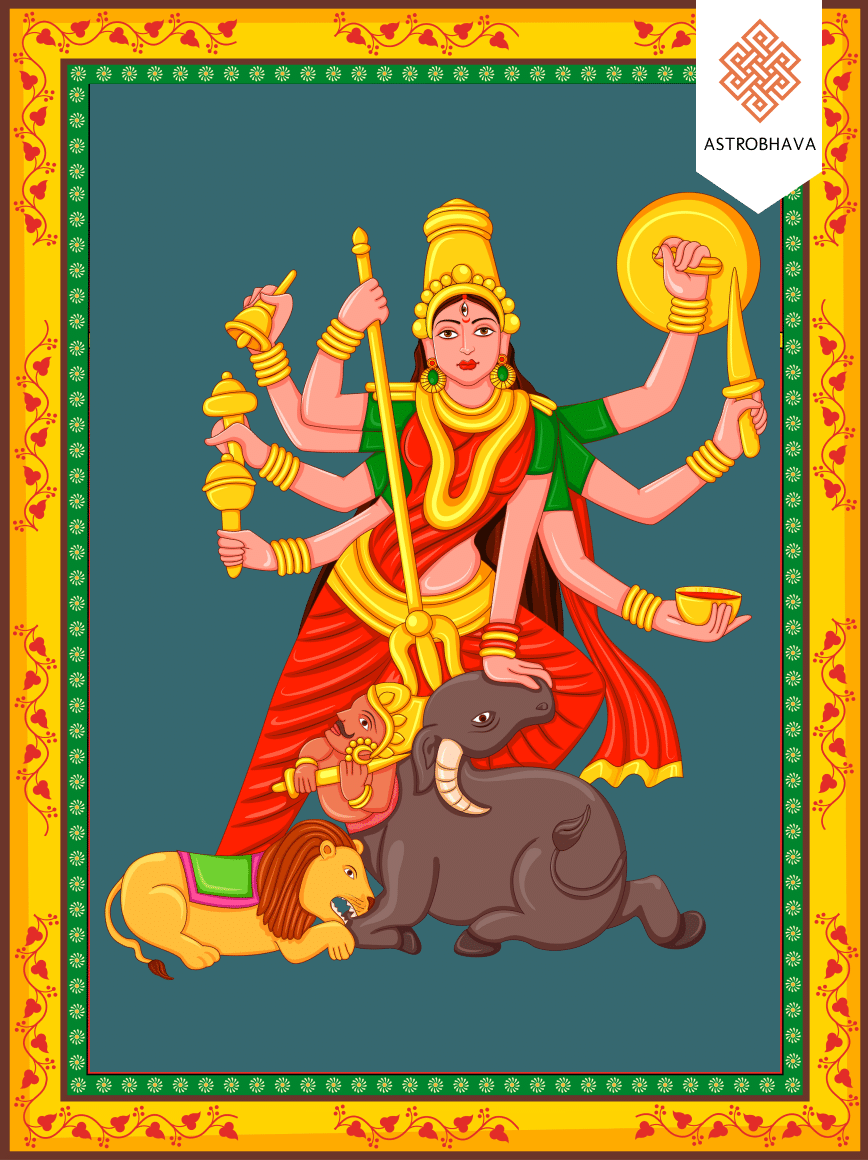
Ashtami is the eighth day (tithi) in both the waxing (Shukla Paksha) and waning (Krishna Paksha) phases of the lunar month. Spiritually potent and symbolically powerful, Ashtami is most notably connected with Goddess Durga and Lord Krishna. Among all Ashtamis, Krishna Ashtami (Janmashtami) and Durga Ashtami (part of Navratri) are especially revered.
This tithi holds the energy of transformation, protection, and the triumph of divine over demonic. It is considered ideal for seeking blessings to overcome internal enemies like fear, anger, ego, and ignorance. Goddess Durga, who is invoked on this day, embodies divine strength (Shakti) and grants courage and protection to devotees. In Vaishnavite traditions, Ashtami is also associated with the birth and playful leelas of Lord Krishna, reflecting divine joy, love, and mischief.
Fasting, mantra chanting, and puja on Ashtami strengthen mental discipline and invite divine grace. It is also considered auspicious for resolving karmic debts, especially those linked with ancestral or emotional patterns. Many observe Ashtami for blessings in health, protection, and spiritual elevation. Each Ashtami offers a chance to shed the old and emerge renewed through the blessings of the divine feminine or Vishnu’s incarnations.
“Facing repeated obstacles or delays in life?
Book Sankata Hara Ganesha Homa online to remove hurdles and receive Lord Ganesha’s blessings for smooth progress and success.”
Mantras to Chant During Ashtami
Chanting sacred mantras on Ashtami aligns the devotee with powerful divine energies, especially those of Goddess Durga and Lord Krishna. The following mantras are especially potent when chanted with devotion, ideally during Brahma Muhurta or during evening puja:
For Goddess Durga (for Shakti and protection)
1. Durga Dhyana Mantra:
“Om Dum Durgayei Namaha”
This bija mantra invokes Maa Durga’s energy for strength, fearlessness, and removal of obstacles.
2. Durga Ashtami Mantra:
“Sarva Mangala Mangalye, Shive Sarvartha Sadhike
Sharanye Tryambake Gauri, Narayani Namostute”
Chanted to honor the protective and benevolent aspects of Devi Durga.
For Lord Krishna (especially on Krishna Ashtami)
3. Krishna Moola Mantra:
“Om Kleem Krishnaya Namaha”
This mantra attracts divine love, joy, and harmony into one’s life.
4. Hare Krishna Maha Mantra:
“Hare Krishna Hare Krishna
Krishna Krishna Hare Hare
Hare Rama Hare Rama
Rama Rama Hare Hare”
Chanting this mantra helps purify the mind and heart, connecting deeply with the essence of Krishna consciousness.
General Mantra for Protection on Ashtami
5. Devi Kavacham Mantra (excerpt):
“Om Aim Hreem Kleem Chamundaye Vichche”
Powerful in warding off negative energies and invoking divine feminine power.
Chanting any of these with sincerity and mental focus brings spiritual strength and inner transformation on Ashtami.
“Looking for all-round protection, courage, and victory?
Experience Panchamukha Hanuman Homa, the sacred Vedic ritual that shields life from harm and ensures strength, stability, and success.”
Ashtami Tithi 2026 (Chennai Time)
| Month | Paksha | Ashtami Timing (Start – End) |
|---|---|---|
| January | Krishna Paksha | Jan 10, 3:54 pm – Jan 11, 5:50 pm |
| January | Shukla Paksha | Jan 26, 6:40 am – Jan 27, 4:48 am |
| February | Krishna Paksha | Feb 09, 12:31 pm – Feb 10, 2:57 pm |
| February | Shukla Paksha | Feb 24, 2:32 pm – Feb 25, 12:22 pm |
| March | Krishna Paksha | Mar 11, 9:24 am – Mar 12, 11:49 am |
| March | Shukla Paksha | Mar 25, 9:20 pm – Mar 26, 7:19 pm |
| April | Krishna Paksha | Apr 10, 3:50 am – Apr 11, 5:46 am |
| April | Shukla Paksha | Apr 24, 3:19 am – Apr 25, 1:52 am |
| May | Krishna Paksha | May 09, 8:33 pm – May 10, 9:37 pm |
| May | Shukla Paksha | May 23, 11:34 am – May 24, 10:57 am |
| June | Krishna Paksha | Jun 08, 9:55 am – Jun 09, 9:54 am |
| June | Shukla Paksha | Jun 21, 9:51 pm – Jun 22, 10:10 pm |
| July | Krishna Paksha | Jul 07, 7:55 pm – Jul 08, 6:52 pm |
| July | Shukla Paksha | Jul 21, 10:33 am – Jul 22, 11:47 am |
| August | Krishna Paksha | Aug 06, 3:12 am – Aug 07, 1:23 am |
| August | Shukla Paksha | Aug 20, 1:50 am – Aug 21, 3:48 am |
| September | Krishna Paksha | Sep 04, 8:55 am – Sep 05, 6:44 am |
| September | Shukla Paksha | Sep 18, 7:31 pm – Sep 19, 9:57 pm |
| October | Krishna Paksha | Oct 03, 3:30 pm – Oct 04, 1:22 pm |
| October | Shukla Paksha | Oct 18, 3:58 pm – Oct 19, 6:22 pm |
| November | Krishna Paksha | Nov 01, 10:22 pm – Nov 02, 8:41 pm |
| November | Shukla Paksha | Nov 17, 11:50 am – Nov 18, 1:35 pm |
| December | Krishna Paksha | Dec 01, 7:42 am – Dec 02, 6:44 am |
| December | Shukla Paksha | Dec 17, 6:16 am – Dec 18, 6:56 am |
| December | Krishna Paksha | Dec 30, 8:06 pm – Dec 31, 8:02 pm |
Remedies for Ashtami
- Visit a Durga or Kali temple and offer red hibiscus flowers, kumkum, coconut, and sweets to the deity. Performing a simple pradakshina (circumambulation) and lighting a ghee lamp is highly meritorious on Ashtami.
- At home, chant the Durga Saptashati or read selected verses with devotion, followed by offering fruits and incense at your altar. Keeping silence for a few hours enhances the energy of this ritual.
- Book the Durga Shakti Protection Homa on the AstroBhava website to invoke fierce divine energy for overcoming inner fears, enemies, and negative influences.
- Schedule the Ashtami Dosha Nivaran Homa from AstroBhava to remove recurring obstacles, ancestral blocks, and negative planetary influences linked to Rahu and Ketu.
- Perform the Chandi Path Puja through AstroBhava to invoke the blessings of the Divine Mother for health, courage, and victory over tamas (inertia).
- Book the Maha Durga Navaratri Puja from AstroBhava especially if Ashtami falls during Navaratri. It helps in removing deep karmic blocks and restoring divine order in one’s life.
- Donate red cloth, ghee, and jaggery to a temple priest or a female devotee. These acts strengthen the results of Ashtami observance and remove ego-driven tendencies.
- Avoid anger, harsh speech, and violence in thought or deed—mental purity is key to receiving Ashtami blessings fully.
“Facing obstacles, enemies, or lack of confidence?
Book Skanda Homa online to invoke Lord Skanda’s blessings for courage, victory, and protection.”
Do’s During Ashtami
- Wake up early during Brahma Muhurta, take a ritual bath with a few drops of Ganga water, and wear clean, modest clothes—preferably red, saffron, or white.
- Observe fasting based on your strength and tradition—nirjala (without water), phalahar (fruits only), or sattvic meals after sunset are all accepted forms.
- Offer arghya (water offering) and light a ghee lamp for Goddess Durga or Kali. Use red flowers, sindoor, and incense for your home puja or altar.
- Chant powerful Devi mantras such as “Om Dum Durgayei Namaha”, “Aim Hreem Kleem Chamundaye Vichche”, or recite verses from the Durga Saptashati.
- Visit a Durga or Kali temple and participate in puja, abhishekam, or bhajans. Listening or singing Devi bhajans enhances vibrational alignment.
- Perform kanya puja (worship of young girls), especially on Maha Ashtami, by offering food, gifts, and blessings. It is considered highly auspicious.
- Engage in acts of charity—donate food, clothes, or money to the needy or temple priests. Serving with humility honors the Devi’s grace.
- Practice self-discipline—observe silence or speak only when necessary to conserve spiritual energy and deepen awareness.
- Meditate during the evening or night, visualizing the goddess form that resonates most with you—Chandi, Bhairavi, or Mahakali, depending on your path.
- Read from sacred texts such as the Devi Mahatmyam, Lalita Sahasranama, or Bhagavata Purana to attune with divine wisdom.
- Clean your home, especially the altar space, to invite divine energies and maintain ritual purity.
- End the day with gratitude and prayer, offering your actions and intentions at the feet of the Divine Mother for inner and outer transformation.
“Looking to improve knowledge, communication, and decision-making?
Experience Medha Suktha Homa, the sacred Vedic ritual that strengthens intellect, wisdom, and mental clarity.”
Don’ts During Ashtami
- Do not consume non-vegetarian food, alcohol, onion, garlic, or processed items. These are tamasic in nature and disturb the subtle spiritual energy needed on this day.
- Avoid waking up late or skipping your morning rituals. Missing Brahma Muhurta and neglecting morning worship reduces the power of your observance.
- Refrain from speaking harshly, arguing, or using negative language. The vibration of your words should honor the presence of the Divine Mother.
- Do not engage in excessive material distractions—television, idle talk, or social media indulgence dilutes the spiritual energy cultivated during the day.
- Avoid harming or disrespecting women, especially young girls and elders. The feminine is sacred on Ashtami and must be honored in thought, word, and deed.
- Do not waste food or water. Conserve resources mindfully as an offering to the Devi who represents nature’s abundance and sustainability.
- Refrain from cutting hair or nails, as traditional beliefs associate these acts with energy loss and ritual impurity on holy days.
- Do not disrespect or ignore ancestral traditions if they include puja, fasting, or family rituals during Ashtami. Honor lineage practices where possible.
- Avoid sleep during the day unless medically necessary. Laziness or lethargy is considered tamasic and opposed to the Shakti energy of Ashtami.
- Do not leave the altar unclean or without a burning diya. The presence of light symbolizes divine consciousness and should be maintained throughout the evening.
- Refrain from performing rituals casually or without devotion. Mechanical worship without sincerity reduces spiritual merit.
- Do not criticize others’ beliefs, mantras, or forms of worship. The Divine Mother manifests in many ways—every sincere path is valid on Ashtami.
“Want courage, confidence, and protection in difficult times?
Perform Durga Homa to remove negativity and receive powerful blessings for success and inner strength.”
Benefits of Ashtami Fasting
1. Enhances Inner Strength and Courage
Ashtami is ruled by Goddess Durga, the embodiment of divine power. Fasting on this day awakens inner resilience and determination. It empowers you to face life’s challenges with courage, clarity, and composure. Whether it’s battling inner demons like fear and doubt or outer obstacles, the vibrational frequency of Ashtami fasting helps you stand firm and strong on your path.
2. Balances Feminine Energy (Shakti)
The Divine Feminine, or Shakti, is honored on Ashtami. Fasting and prayer connect you with this energy, promoting emotional intelligence, nurturing qualities, and intuitive wisdom. It’s especially powerful for women seeking spiritual balance and men looking to integrate emotional depth with strength. This balance leads to harmony in relationships and personal well-being.
3. Cleanses Mental and Emotional Toxins
Fasting on Ashtami provides a pause from sensory overload and emotional chaos. As the body rests, so does the mind. It becomes easier to let go of resentment, jealousy, and mental clutter. This purification process enhances peace of mind, emotional clarity, and spiritual receptivity, preparing the seeker for deeper meditation and introspection.
4. Removes Planetary Doshas (Especially Rahu & Ketu)
Astrologically, Ashtami is significant for pacifying shadow planets like Rahu and Ketu, which can cause confusion, illusions, and sudden setbacks. Fasting and performing pujas or homas on this day help in nullifying their negative influence, bringing stability, clarity, and protection against hidden karmic obstacles.
5. Promotes Devotion and Bhakti
Ashtami fasting is a direct expression of surrender and devotion to the Divine Mother. It deepens the bond between devotee and deity. This bhakti not only brings inner contentment but also invokes divine grace, blessings, and protection, allowing spiritual growth with humility and love.
6. Helps Overcome Addictions and Attachments
Ashtami encourages spiritual discipline. By abstaining from food and distractions, you weaken the grip of addictions and unhealthy attachments—be it to habits, people, or outcomes. The conscious choice to fast and pray shifts your energy from compulsion to control, helping you make empowered decisions.
7. Supports Healing from Ancestral Karmas
Karmic patterns often run through family lines. Ashtami is an auspicious day for ancestral healing, especially from the maternal side. Fasting combined with rituals like tarpanam or charity acts as a bridge between generations, dissolving lingering debts and restoring balance within the family tree.
8. Strengthens Willpower and Self-Control
Fasting requires you to resist physical cravings and emotional impulses. Regularly observing Ashtami fasting builds willpower like a muscle. This mental discipline spills into other areas of life—helping with productivity, delayed gratification, and overcoming procrastination or indecision.
9. Attracts Divine Protection
By aligning with the energy of Goddess Durga, who is the remover of fears and destroyer of evil, you invoke her protection. This shield isn’t just metaphysical—it reflects in reduced external conflicts, better relationships, and an internal sense of being safeguarded and guided.
10. Improves Digestive Health and Detoxification
Fasting gives your digestive system a much-needed break. On Ashtami, the body enters repair mode, enhancing metabolism and detoxifying organs. Those who fast monthly on Ashtami often report improved gut health, clearer skin, and more balanced energy throughout the month.
11. Empowers Women Spiritually
Ashtami honors Devi in her fierce and nurturing forms. Women fasting on this day strengthen their intuitive and spiritual faculties. It’s a time to embrace your Shakti, break generational silence, and affirm your inner power through rituals and silence.
12. Elevates Consciousness and Awareness
When the body is light, and the senses are stilled, the mind naturally turns inward. Ashtami fasting is a portal to higher awareness—of your thoughts, behaviors, and patterns. This inner awareness is the key to transformation and conscious living.
13. Deepens Meditation and Spiritual Practice
With a lighter body and purified mind, your meditation becomes deeper and more focused. Mantras have greater potency, and spiritual realizations come faster. It’s an ideal day for japa, dhyana, and connecting with your chosen deity or inner guidance.
14. Aligns You with Cosmic Rhythms
Each lunar tithi carries a unique energetic imprint. Ashtami holds the vibration of divine breakthrough and inner power. By fasting on this specific tithi, you tune yourself to the cosmic flow—amplifying results of your sadhana and rituals.
15. Helps Release Deep-Seated Fears
The Durga aspect of the goddess faces and conquers fear itself. Ashtami fasting creates a sacred space for identifying and dissolving fears stored in the subconscious—be it fear of rejection, failure, or abandonment. This release brings freedom and emotional resilience.
16. Removes Spiritual Blockages
Energetic stagnation—caused by past trauma, guilt, or spiritual neglect—can be cleared during Ashtami observances. Fasting opens energetic pathways and mantras purify the chakras, especially the solar plexus and heart, restoring divine flow and clarity.
17. Increases Auspicious Karma
Spiritual efforts made on Ashtami carry magnified impact. Acts of fasting, donation, mantra chanting, and helping others earn merit (punya) that dissolves negative karma and invites more favorable circumstances in both worldly and spiritual matters.
18. Brings Peace During Emotional Turbulence
If you’re going through loss, heartbreak, or confusion, fasting on Ashtami offers deep emotional reset. The practice calms the heart and nervous system, while invoking divine grace to accept, release, and begin anew with inner strength.
19. Supports Divine Feminine Awakening in All Genders
Regardless of gender, fasting on Ashtami awakens dormant feminine qualities—creativity, compassion, intuition, and strength. This inner integration leads to balanced decision-making, deeper relationships, and alignment with life purpose.
20. Grants Blessings for Family Harmony and Protection
Fasting with intention and prayer on Ashtami benefits the entire household. Many report reduced conflicts, better communication, and divine protection for children and elders. The goddess energy invoked through the fast spreads peace throughout the home.
FAQs Related to Ashtami
1. Why is Ashtami considered important in Hindu tradition?
Ashtami is sacred as it marks the tithi associated with Goddess Durga and her various fierce and protective forms. It’s a day of spiritual power, inner cleansing, and seeking divine intervention for strength and protection. Festivals like Durga Ashtami and Krishna Janmashtami fall on this tithi, amplifying its significance.
2. Is Ashtami fasting suitable for everyone?
Yes, it can be observed by men and women of all ages. Those with health conditions can follow a milder form of fasting, such as fruit-only or sattvic food. The focus is on devotion and self-discipline, not just abstaining from food.
3. What is the best time to perform Ashtami puja?
Early morning during Brahma Muhurta is ideal for meditation and chanting. The main puja is generally done during the tithi period itself. Evening worship with lamp-lighting and mantra chanting is also powerful.
4. Can I do Ashtami vrat at home without a priest?
Absolutely. Simple offerings, chanting, and fasting done with sincerity at home are spiritually effective. Reciting Durga Saptashati, Devi Kavacham, or even simple mantras with intention invites divine blessings.
5. Does Ashtami help remove negative karma or doshas?
Yes. It’s especially effective for clearing Rahu/Ketu-related afflictions, fears, and karmic entanglements. Rituals and fasting help purify mental and astral bodies, making way for clarity and grace.
6. Is Ashtami only about worshipping Durga?
Primarily, yes. However, certain regions also honor other deities like Bhairavi, Krishna, or Kali on Ashtami depending on the tradition. The core essence is invoking divine energy for transformation and protection.
7. Can menstruating women observe Ashtami rituals?
While traditional norms may suggest rest during menstruation, spiritual practices like mantra chanting, meditation, and simple prayers can still be followed as per individual discretion and comfort.
8. What food is allowed during Ashtami fasting?
Fruits, milk, coconut water, and sattvic items like sabudana, kuttu, and rock salt-based preparations are common. Avoid onion, garlic, grains, and spicy or processed food.