

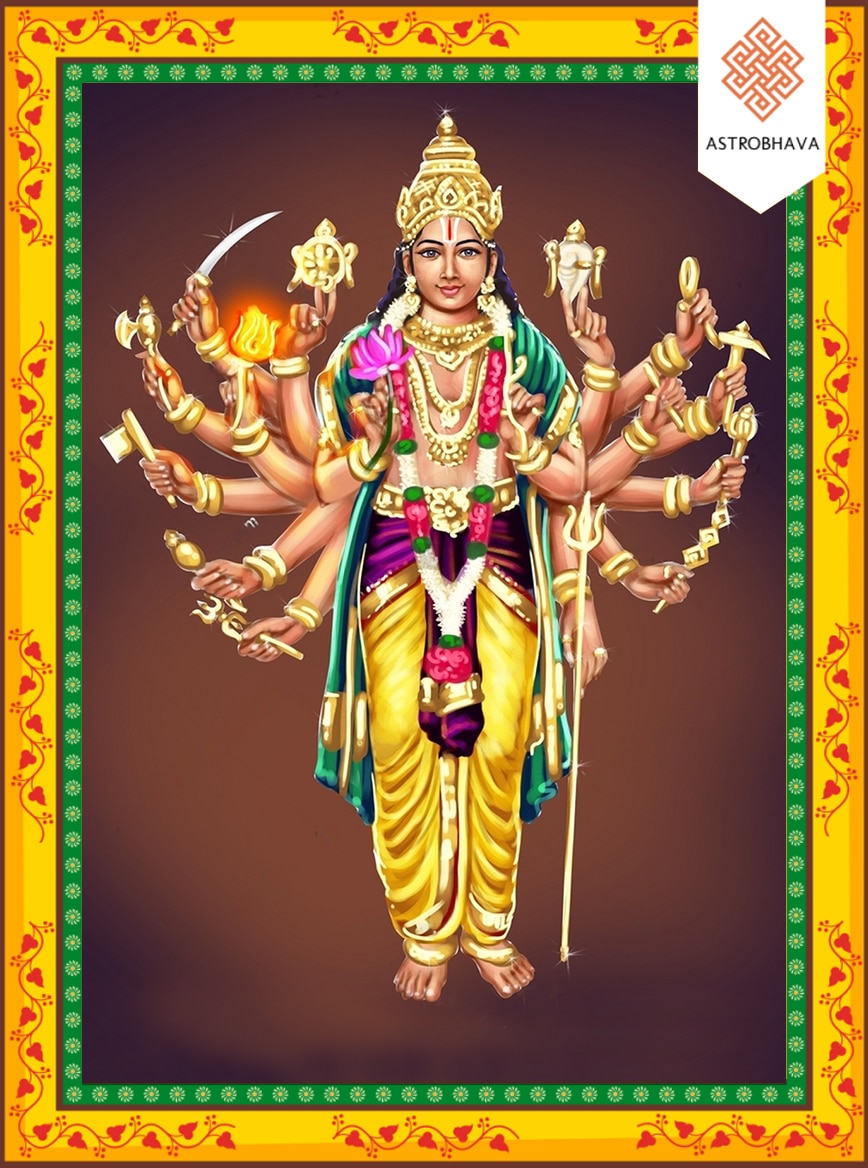
Dwadashi Tithi 2026
What is Dwadashi: Understanding Its Significance?
Dwadashi is the twelfth lunar day in each fortnight of the Hindu calendar, following Ekadashi and preceding Trayodashi. It occurs twice a month—once in the Shukla Paksha (waxing moon) and once in the Krishna Paksha (waning moon). Spiritually and ritually, Dwadashi is highly significant as it marks the conclusion of the Ekadashi vrat (fast) and is the proper day for Parana—breaking the fast.
According to ancient texts, Dwadashi is considered auspicious for worshipping Lord Vishnu and his incarnations, especially in the form of Narayana. Devotees believe that observing Dwadashi with devotion can cleanse the sins of past lifetimes and help attain moksha (liberation). It is also connected with charity and righteous living; giving food, clothes, or donations on this day is said to yield multiplied merit.
For those observing Ekadashi fasting, Dwadashi is not just a routine follow-up day—it holds equal spiritual value. Eating a simple, sattvic meal and chanting Vishnu mantras with gratitude is recommended. In certain traditions, it is also a preferred day for performing Annadanam (feeding others), which is considered a deeply rewarding act.
Dwadashi embodies humility, completion, and thanksgiving in one’s spiritual journey.
“Facing health issues, fear, or negative influences?
Book Garuda Homa online to receive Lord Garuda’s protection and remove toxic energies and ailments.”
Mantras to Chant During Dwadashi
Chanting mantras on Dwadashi enhances the spiritual culmination of Ekadashi fasting and aligns the devotee with divine energies. These mantras are ideal for gratitude, purification, and continued blessings from Lord Vishnu.
1. Om Namo Bhagavate Vasudevaya
A foundational Vishnu mantra that invokes divine presence, protection, and liberation. Chanting it after breaking the fast on Dwadashi helps preserve the spiritual merit gained.
2. Om Namo Narayanaya
This eight-syllable mantra offers surrender to Lord Narayana and is known to bring peace, devotion, and spiritual alignment.
3. Om Vishnave Namah
A simple salutation to Lord Vishnu, ideal for repetition throughout the day, especially during puja, meditation, or japa.
4. Sri Vishnu Ashtottara Shatanamavali
Chanting the 108 names of Lord Vishnu on Dwadashi strengthens devotion, purifies the mind, and invites auspiciousness into one’s life.
5. Govinda Namavali or Narayana Kavacham (selected verses)
Devotees may also choose to recite short stotras like the Govinda Namavali or protective hymns to Lord Vishnu to complete their vrat cycle with focus and inner protection.
These mantras can be chanted 11, 27, 54, or 108 times using a japa mala or mentally with full attention and devotion.
Dwadashi Tithi 2026 (Chennai Time)
| Month | Paksha | Dwadashi Timing (Start – End) |
|---|---|---|
| January | Krishna Paksha | Jan 14, 5:53 pm – Jan 15, 8:17 pm |
| January | Shukla Paksha | Jan 29, 1:55 pm – Jan 30, 11:09 am |
| February | Krishna Paksha | Feb 13, 2:26 pm – Feb 14, 4:02 pm |
| February | Shukla Paksha | Feb 27, 10:33 pm – Feb 28, 8:43 pm |
| March | Krishna Paksha | Mar 15, 9:17 am – Mar 16, 9:41 am |
| March | Shukla Paksha | Mar 29, 7:46 am – Mar 30, 7:10 am |
| April | Krishna Paksha | Apr 14, 1:09 am – Apr 15, 12:12 am |
| April | Shukla Paksha | Apr 27, 6:16 pm – Apr 28, 6:52 pm |
| May | Krishna Paksha | May 13, 1:30 pm – May 14, 11:21 am |
| May | Shukla Paksha | May 27, 6:22 am – May 28, 7:57 am |
| June | Krishna Paksha | Jun 11, 10:36 pm – Jun 12, 7:37 pm |
| June | Shukla Paksha | Jun 25, 8:09 pm – Jun 26, 10:22 pm |
| July | Krishna Paksha | Jul 11, 5:23 am – Jul 12, 2:04 am |
| July | Shukla Paksha | Jul 25, 11:34 am – Jul 26, 1:58 pm |
| August | Krishna Paksha | Aug 09, 11:05 am – Aug 10, 8:01 am |
| August | Shukla Paksha | Aug 24, 4:19 am – Aug 25, 6:21 am |
| September | Krishna Paksha | Sep 07, 5:04 pm – Sep 08, 2:43 pm |
| September | Shukla Paksha | Sep 22, 9:43 pm – Sep 23, 10:51 pm |
| October | Krishna Paksha | Oct 07, 12:35 am – Oct 07, 11:17 pm |
| October | Shukla Paksha | Oct 22, 2:48 pm – Oct 23, 2:36 pm |
| November | Krishna Paksha | Nov 05, 10:36 am – Nov 06, 10:31 am |
| November | Shukla Paksha | Nov 21, 6:32 am – Nov 22, 4:57 am |
| December | Krishna Paksha | Dec 04, 11:45 pm – Dec 06, 12:52 am |
| December | Shukla Paksha | Dec 20, 8:15 pm – Dec 21, 5:36 pm |
This table lists all the Dwadashi tithi periods in 2026 according to Chennai time zone, showing exact start and end timings for both Krishna Paksha and Shukla Paksha each month.
“Seeking strong divine intervention to end persistent problems?
Experience Samhara Bhairava Homa, the sacred Vedic ritual that removes suffering and safeguards your life and surroundings.”
Remedies for Dwadashi
- Visit a nearby Vishnu or Narayana temple and offer tulsi leaves and yellow flowers to the deity with devotion and recitation of Vishnu Sahasranama.
- Offer food or fruits to cows, brahmins, or the needy as part of Dwadashi Annadanam, which enhances the spiritual merit earned through Ekadashi fasting.
- Perform Sri Satyanarayana Puja from AstroBhava to seek blessings for truth, clarity, and removal of family-related karmas.
- Book the Sri Sudarshana Homa from AstroBhava to cleanse aura, eliminate negative energies, and protect against unseen obstacles.
- Opt for the Lakshmi Narayana Puja on AstroBhava to gain divine grace for prosperity, family harmony, and spiritual upliftment.
- Perform Dwadashi Puja for Moksha via AstroBhava to enhance the benefits of Ekadashi vrat and invoke the energy of Vishnu for liberation.
- Book Papa Vimochana Puja from AstroBhava to dissolve ancestral karma, past-life burdens, and repetitive life patterns.
- Perform Dwadashi Papa Shanti Puja through AstroBhava to neutralize negative effects of knowingly or unknowingly committed wrongdoings and to realign one’s spiritual path.
Do’s During Dwadashi
- Begin your day early with a spiritual bath, preferably in cold water, to purify the body and mind before engaging in rituals.
- Offer prayers to Lord Vishnu or any of His avatars, especially with tulsi leaves and yellow flowers, as Dwadashi is auspicious for His worship.
- Break the Ekadashi fast (Parana) during the prescribed Dwadashi Parana Muhurat with sattvic food like fruits, milk, and light home-cooked meals.
- Recite Vishnu Sahasranama, Narayana Stotra, or chant mantras such as “Om Namo Narayanaya” or “Om Namo Bhagavate Vasudevaya” to retain spiritual energy.
- Feed Brahmins, cows, or the needy as a continuation of Ekadashi’s charitable spirit—this act is considered highly meritorious on Dwadashi.
- Light a ghee lamp in front of Lord Vishnu’s image or idol and offer homemade prasad such as poha, sabudana, or fruits.
- Perform tulsi archana or abhishekam to a Shaligram (if available) as part of home puja or temple worship.
- Visit temples dedicated to Lord Vishnu, Sri Ranganatha, or Lord Narayana to participate in special Dwadashi rituals and darshan.
- Practice spiritual reading, especially Vishnu Purana or chapters from the Bhagavad Gita, to deepen your connection with dharma.
- Maintain a humble, peaceful mindset—avoid ego, anger, or distraction, and focus on gratitude for completing the Ekadashi vrat.
“Want relief from problems and mental stress?
Perform Sankata Hara Ganesha Homa to eliminate difficulties, clear obstacles, and attract peace, prosperity, and stability.”
Don’ts During Dwadashi
- Do not consume grains, beans, or lentils while breaking the fast if following a strict vrat tradition; complete the Parana with only sattvic, grain-free meals.
- Avoid consuming garlic, onion, alcohol, or non-vegetarian food on Dwadashi, as these diminish the sattvic energy cultivated during Ekadashi.
- Refrain from waking up late or skipping the morning bath, as physical purity is considered essential for spiritual observance on this day.
- Don’t neglect the Parana (fast breaking) timing; failing to break the fast during the appropriate Dwadashi period can negate the spiritual merits of Ekadashi vrat.
- Avoid engaging in arguments, gossip, or aggressive behavior; the energy of Dwadashi is delicate and should be protected with inner calm and restraint.
- Do not waste food, water, or resources on this day—practicing gratitude and mindfulness in consumption reinforces the day’s spiritual intent.
- Steer clear of overindulgence after fasting. Even if grains are permitted in certain traditions, over-eating or heavy meals can disturb the digestive and spiritual balance.
- Do not ignore the rituals and offerings to Vishnu—skipping even basic acts of devotion may reduce the energetic significance of Dwadashi.
- Avoid unnecessary travel or business dealings unless absolutely required. The day is better spent in spiritual reflection and community support.
- Don’t forget acts of charity or dharmic duties. Avoid selfishness and extend compassion in thought and deed, even through small actions like kind words or silent prayer.
Benefits of Dwadashi Fasting
1. Purification of Mind and Body
Dwadashi fasting helps cleanse the physical and subtle body after the spiritual rigor of Ekadashi. The day emphasizes satvik living—light meals, mantra chanting, and rest. This detoxification supports healthy digestion, removes mental clutter, and builds inner clarity. When combined with early morning baths and prayers, it purifies one’s aura and uplifts the energetic field, allowing deeper spiritual receptivity.
2. Spiritual Upliftment
Dwadashi is a sacred bridge between effort and divine grace. It anchors the heightened state reached during Ekadashi, encouraging continued focus on divine remembrance. Spiritual practices on this day are more effective as the mind is calm and purified. It provides a steady platform for meditation, chanting, and scriptural contemplation, helping one remain grounded in sattva (purity) and devotion.
3. Fulfills Vishnu Devotion
Dedicated to Lord Vishnu, Dwadashi is the perfect occasion to deepen one’s bhakti (devotion). Offering tulsi leaves, reciting Vishnu Sahasranama, or simply meditating on His form brings inner peace and divine connection. When performed with sincerity, it strengthens spiritual bonds and invites Vishnu’s grace into everyday life, protecting the devotee from worldly distractions and spiritual stagnation.
4. Enhances Ekadashi Vrat Merits
Scriptures stress that breaking the Ekadashi fast on Dwadashi, at the right time, is essential. Skipping this or breaking the fast improperly diminishes the spiritual rewards. Dwadashi serves as the closure of a two-day spiritual cycle, honoring the effort made on Ekadashi and allowing its benefits—purification, merit, and grace—to fully take root in the seeker’s life.
5. Karma Cleansing
The cumulative effect of fasting, silence, and service during Ekadashi and Dwadashi is potent for karmic resolution. Dwadashi amplifies these effects by offering a window for charity, self-reflection, and prayer. It is believed to reduce the weight of past life misdeeds, especially when combined with mantras and offerings to deities. Over time, this leads to inner liberation and karmic freedom.
6. Improved Mental Discipline
Maintaining a fast across two days requires willpower and focus. Dwadashi, when observed with intention, sharpens mental control and reduces impulsivity. It teaches the practitioner to observe their cravings without reacting, strengthening detachment. This discipline spills into daily life, fostering better habits, emotional maturity, and greater resilience in the face of stress or temptation.
7. Health and Digestive Benefits
Fasting is a known support for gut health. On Dwadashi, light, non-spicy meals soothe the system after the previous day’s austerity. This rhythmic pause allows the digestive organs to reset and promotes detoxification. Long-term, regular observance can aid in reducing bloating, acidity, and fatigue while improving digestion and natural immunity.
8. Supports Spiritual Routines
Dwadashi encourages the maintenance of a consistent spiritual practice. Reciting sacred texts, chanting, or sitting in silence on this day reinforces regularity in one’s sadhana. When followed monthly, it establishes a spiritual rhythm aligned with lunar energies, helping aspirants feel more centered, less distracted, and naturally inclined toward higher pursuits.
9. Boosts Emotional Stability
Emotional imbalances are soothed through the grounding energy of Dwadashi. Fasting stills the mind, and prayers calm the heart. When paired with japa or reading about Lord Vishnu’s avatars, emotional strength grows. The tithi supports healing from grief, anxiety, or inner restlessness and promotes balanced feelings rooted in trust, faith, and surrender.
10. Generates Good Samskaras
Each act performed on Dwadashi—be it a mantra, a donation, or a thought of surrender—creates a positive samskara (mental impression). These shape the individual’s subconscious, encouraging dharmic behavior and uplifting tendencies. Over time, such impressions transform the inner landscape, drawing the soul toward lasting purity and spiritual evolution.
11. Ideal Day for Dana (Charity)
Giving is spiritually amplified on Dwadashi. Offering food, clothing, or support to those in need blesses the devotee with peace and prosperity. Even small acts like feeding animals or offering fruits to saints hold great power. Charity performed on this day purifies ego, enhances humility, and ensures positive returns both spiritually and materially.
12. Strengthens Family Harmony
Families that observe Dwadashi together strengthen their collective spiritual energy. Shared prayers, simple meals, and temple visits foster mutual respect and peaceful bonds. It becomes a day of connection—not just with the Divine, but also with loved ones. The values instilled on Dwadashi ripple through relationships, encouraging patience and unity.
13. Reduces Rahu and Ketu Doshas
Astrologically, Dwadashi rituals pacify malefic influences from shadow planets like Rahu and Ketu. By fasting, chanting, and offering tulsi to Lord Vishnu, one can reduce the karmic turbulence associated with these grahas. Dwadashi is thus recommended in Vedic astrology for those with doshas causing confusion, delays, or spiritual stagnation.
14. Auspicious for Ancestor Offerings
Dwadashi is a favorable time for performing tarpan or shraddha rituals for departed souls. Offering sesame seeds, water, or food in their name is said to bring peace to their journey and blessings to the living. This practice clears ancestral blocks and aligns the devotee with both divine and ancestral grace.
15. Gateway to Moksha
Texts like the Padma Purana emphasize that sincere observance of Ekadashi and Dwadashi can liberate the soul from the cycle of rebirth. The combination of fasting, charity, and prayer opens the spiritual gates to moksha. Over time, the mind becomes free from worldly attachments and ready for divine absorption.
16. Energetic Realignment
Fasting during this lunar window helps realign the body’s pranic flow with cosmic cycles. Dwadashi is a moment of energetic balance—a soft landing after the peak energy of Ekadashi. Yogic practitioners find this time ideal for deep breathing, subtle practices, and meditative alignment with universal rhythm.
17. Improves Devotional Concentration
The sattvic purity of Dwadashi improves mental clarity and helps devotees concentrate better in japa, stotra chanting, or deity worship. Without the distraction of heavy food or outer activity, spiritual focus increases. It’s easier to feel devotion, visualize the deity, and enter meditative states on this day.
18. Connects with Vaikuntha Energies
Vaikuntha, the abode of Vishnu, is said to be most accessible through sincere Dwadashi observance. Devotees who live in harmony with dharma and observe these lunar fasts with love and surrender attune themselves to Vaikuntha vibrations—full of peace, order, and grace.
19. Eliminates Tamas and Inertia
Dwadashi fasting counteracts laziness, procrastination, and tamasic inertia. The discipline encourages activity in the right direction—towards the Self. It pushes one to rise early, engage in meaningful rituals, and avoid distractions. This break from indulgence resets the mind toward purpose, leading to more inspired action.
20. Builds Foundation for Other Vrats
For beginners on the spiritual path, Dwadashi offers a structured, accessible discipline. Over time, it prepares the aspirant for deeper observances like Purnima vrat, Pradosham, or Navaratri. The strength developed from monthly Dwadashi fasting lays the groundwork for lifelong spiritual resilience.
“Seeking divine intervention for protection and success?
Experience Narasimha Homa, the sacred Vedic ritual that shields you from harm and brings confidence, victory, and inner peace.”
FAQs Related to Dwadashi
1. What is Dwadashi and why is it important?
Dwadashi is the twelfth lunar day of each fortnight in the Hindu calendar, observed after Ekadashi. It marks the proper time to conclude Ekadashi fasting. Spiritually, it is dedicated to Lord Vishnu and is important for preserving the merits of the fast and continuing one’s devotional practices.
2. Can I eat grains on Dwadashi?
Traditionally, grains are avoided on Ekadashi. On Dwadashi, grains may be consumed to break the fast, but only during the prescribed Parana time. Many still prefer light sattvic, grain-free meals to maintain the energy of the fast.
3. What is the best time to break the fast on Dwadashi?
The fast should be broken during the Dwadashi Parana Muhurat, a specific window based on local lunar timings. Breaking it too late or too early may reduce the benefits of the vrat. Always check accurate timing based on your location, especially for Chennai if you’re following AstroBhava’s guidance.
4. What should I do if I miss breaking the fast on time?
If the Parana is missed, it is believed that the Ekadashi fast becomes spiritually incomplete. It’s advisable to consult a learned priest for remedies or perform additional acts of devotion and charity on the same day.
5. Is Dwadashi only for those who observe Ekadashi?
While it primarily completes the Ekadashi vrat, Dwadashi is auspicious on its own too. One can still benefit spiritually by worshipping Lord Vishnu, offering charity, and maintaining a sattvic lifestyle even without observing Ekadashi.


