Purnima Tithi 2026
What is Purnima: Understanding Its Significance?
Purnima, or Full Moon day, is the fifteenth lunar tithi and marks the culmination of the moon’s waxing phase. It holds deep spiritual and astrological significance across Hindu traditions. The radiant full moon symbolizes completeness, spiritual illumination, and cosmic harmony. On this day, the moon is in its fullest form, energetically amplifying emotions, intuition, and the potency of prayers and rituals.
Purnima is regarded as an auspicious time for worship, charity, and fasting. Many important festivals and vrats like Guru Purnima, Sharad Purnima, Kartik Purnima, and Holi fall on this tithi. It is believed that performing acts of devotion on Purnima yields multiplied blessings and punya (spiritual merit).
Spiritually, Purnima represents the balance of the solar and lunar energies within us. Meditation and mantra chanting are especially powerful on this day, as the mind becomes naturally calm and focused. Ritual bathing in sacred rivers, temple visits, and offering food or clothes to the needy are common practices.
Purnima is also associated with Satya (truth), clarity, and surrender. Fasting on this day purifies the body and mind, allowing one to connect deeply with divine consciousness. It is a sacred opportunity for inner reflection, gratitude, and spiritual renewal.
“Facing intense obstacles, fear, or negative influences?
Perform Aghora Pasupatha Homa to remove black magic, hostile energies, and regain spiritual strength and stability.”
Mantras to Chant During Purnima
Chanting mantras on Purnima enhances mental clarity, emotional balance, and spiritual awareness. The full moon amplifies the energy of these sacred vibrations, making it an ideal time for mantra sadhana. Below are some powerful mantras to be recited during Purnima:
1. Om Namo Narayanaya
This eight-syllable mantra is dedicated to Lord Vishnu, the preserver of the universe. It promotes inner peace, harmony, and protection.
Chant:
“Om Namo Narayanaya”
(Meaning: I bow to the divine being who sustains and nourishes all life.)
2. Om Chandraya Namah
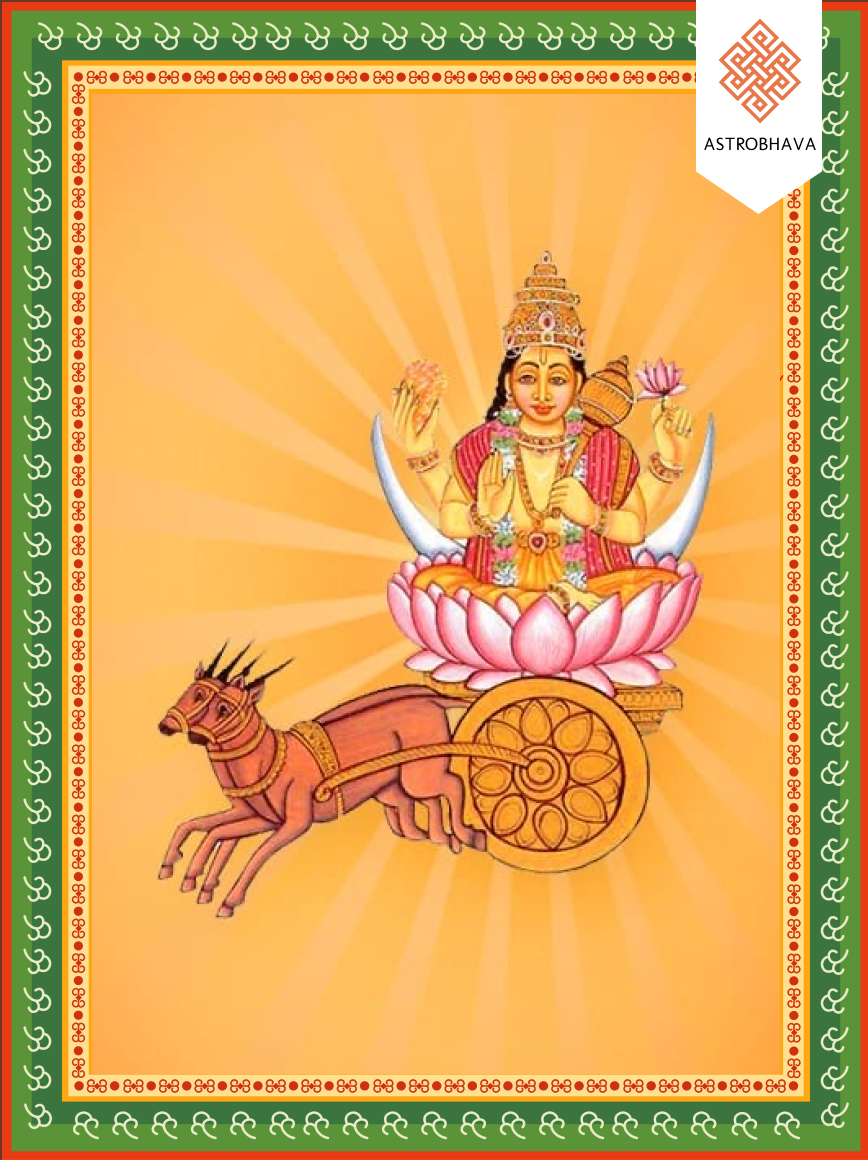
As Purnima is governed by the moon (Chandra), this mantra helps in calming the mind, improving emotional stability, and enhancing intuition.
Chant:
“Om Chandraya Namah”
(Meaning: Salutations to Chandra, the Moon God.)
3. Gayatri Mantra
Chanting the Gayatri Mantra on Purnima enhances intellect and spiritual insight. It connects the practitioner to universal wisdom.
Chant:
“Om Bhur Bhuvah Swaha
Tat Savitur Varenyam
Bhargo Devasya Dheemahi
Dhiyo Yo Nah Prachodayat”
(Meaning: We meditate on the divine light of the Supreme Creator. May it enlighten our intellect.)
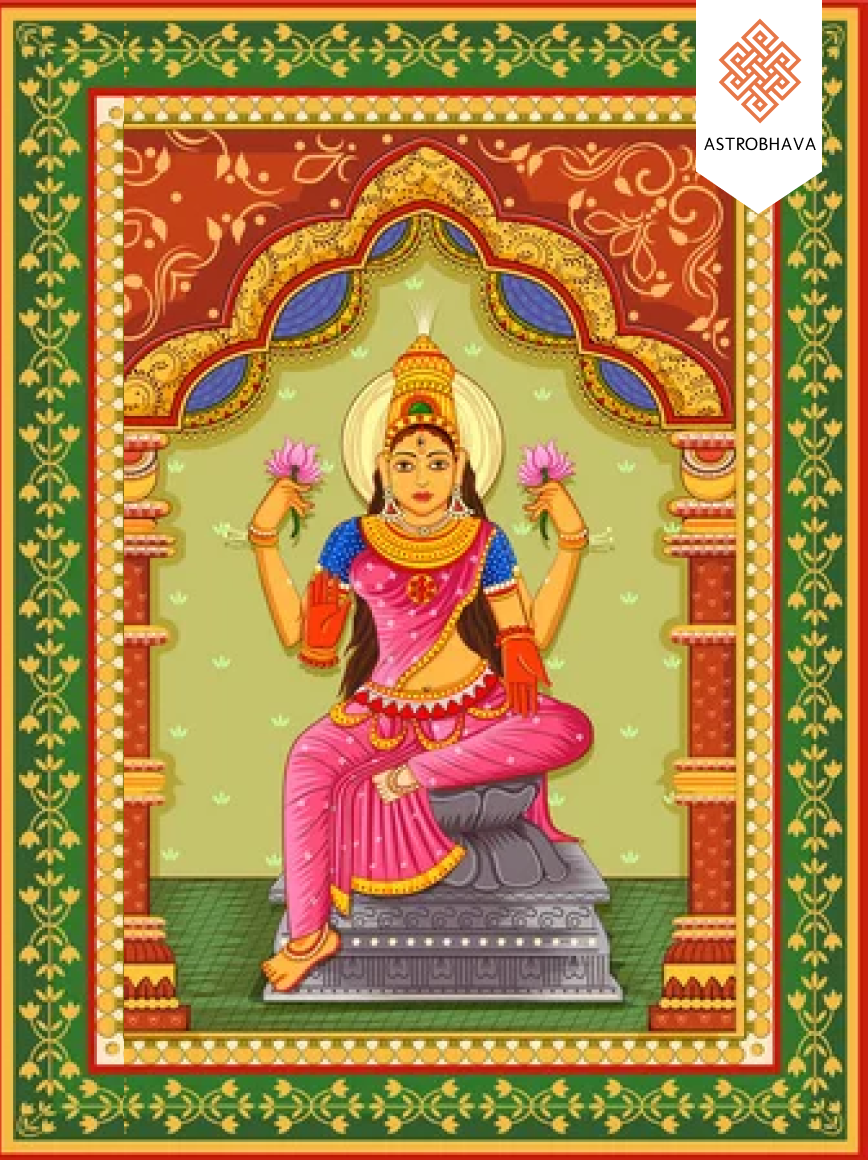
4. Om Shreem Mahalakshmiyei Namah
If Purnima aligns with any Lakshmi-related vrats, this mantra invokes abundance, grace, and prosperity.
Chant:
“Om Shreem Mahalakshmiyei Namah”
(Meaning: Salutations to Goddess Lakshmi, the embodiment of wealth and well-being.)
Chant any of these mantras 108 times during sunrise, sunset, or under the full moon to deepen your spiritual experience on Purnima.
“Seeking powerful protection from all directions?
Book Panchamukha Hanuman Homa online to invoke the five-faced Hanuman’s blessings for complete protection and fearlessness.”
Purnima Tithi 2026 (Chennai Time)
| Month | Purnima Timing (Start – End) |
|---|---|
| January | Jan 02, 6:54 pm – Jan 03, 3:32 pm |
| February | Feb 01, 5:53 am – Feb 02, 3:39 am |
| March | Mar 02, 5:56 pm – Mar 03, 5:07 pm |
| April | Apr 01, 7:06 am – Apr 02, 7:41 am |
| April–May | Apr 30, 9:13 pm – May 01, 10:53 pm |
| June | Jun 29, 3:06 am – Jun 30, 5:26 am |
| July | Jul 28, 6:19 pm – Jul 29, 8:05 pm |
| August | Aug 27, 9:09 am – Aug 28, 9:48 am |
| September | Sep 25, 11:07 pm – Sep 26, 10:19 pm |
| October | Oct 25, 11:56 am – Oct 26, 9:41 am |
| November | Nov 23, 11:42 pm – Nov 24, 8:23 pm |
| December | Dec 23, 10:47 am – Dec 24, 6:58 am |
These timings are according to the Chennai time zone and reflect the periods during which the Purnima tithi (full moon day) is in effect.
Remedies for Purnima
- Visit a nearby Shiva or Vishnu temple during sunrise or sunset and offer water, milk, and white flowers to the deity while observing silence for a short period to absorb the spiritual vibrations of the full moon day.
- Perform deep cleaning at home, light a ghee lamp in the northeast corner, and chant the Gayatri mantra 108 times to clear stagnant energy and attract mental clarity.
- Book the Chandra Graha Shanti Homa from AstroBhava to reduce the negative influence of Moon-related afflictions in the birth chart and to strengthen emotional well-being and mental balance.
- Perform the Purnima Special Homa from AstroBhava, a fire ritual designed to harmonize lunar energies, improve intuition, and support spiritual growth by aligning with full moon vibrations.
- Schedule the Maha Lakshmi Homa from AstroBhava to invoke divine prosperity, abundance, and inner richness. This puja, especially done on Purnima, multiplies blessings related to wealth and family harmony.
- Book the Satyanarayan Puja from AstroBhava to express gratitude and seek divine protection. It is traditionally performed on Purnima to honor Lord Vishnu in his truth-sustaining form.
- Choose Purnima Papavimochana Homa from AstroBhava to atone for past misdeeds, remove inner blockages, and gain divine forgiveness through sacred rituals.
- Opt for Pitra Dosha Nivaran Puja from AstroBhava to relieve ancestral karmic burdens that may affect present life harmony, especially recommended on Purnima.
“Seeking divine intervention for protection and success?
Experience Narasimha Homa, the sacred Vedic ritual that shields you from harm and brings confidence, victory, and inner peace.”
Do’s During Purnima
- Observe a Fast: Fasting on Purnima is believed to purify the body and mind. It helps control desires and supports deeper spiritual awareness throughout the day.
- Take a Holy Bath: Begin the day with a bath, preferably in a sacred river or at home with added tulsi leaves. It symbolizes inner cleansing and prepares the body for devotional practices.
- Offer Prayers to the Moon: During moonrise, offer water and rice mixed with milk while mentally expressing gratitude. This helps balance emotions and strengthens lunar influences.
- Chant Vedic Mantras: Reciting mantras like “Om Namo Narayanaya,” “Om Chandraya Namah,” or the Gayatri mantra during sunrise or moonrise enhances mental clarity and spiritual depth.
- Engage in Charity: Donate food, clothes, or essential items to the needy or temples. Acts of charity on Purnima are believed to yield multiplied spiritual benefits.
- Perform Satyanarayan Puja: This special puja performed on Purnima honors Lord Vishnu and brings blessings for prosperity, peace, and protection from negative energies.
- Read Sacred Texts: Study scriptures such as the Bhagavad Gita, Vishnu Sahasranama, or other spiritual literature to align your mind with higher wisdom.
- Practice Meditation and Silence: Dedicate time to silent reflection, japa (mantra repetition), or guided meditation. The calm influence of the full moon enhances inner stillness.
- Visit a Temple: Participate in community prayers, bhajans, or evening aartis. Temple visits on Purnima carry auspicious vibrations and amplify devotional merit.
- Express Gratitude and Forgiveness: Reflect on your blessings and make a conscious effort to forgive past hurts, fostering inner peace and emotional release.
Don’ts During Purnima
- Avoid Non-Vegetarian Food: Refrain from consuming meat, eggs, and intoxicants. These are tamasic in nature and disturb the sattvic vibrations of Purnima, which is meant for purity and devotion.
- Do Not Skip Fasting if Undertaken: If you’ve committed to a Purnima vrat, do not break it mid-way without a valid reason. Fasting with discipline strengthens willpower and spiritual focus.
- Avoid Negative Emotions: Stay away from anger, jealousy, or harsh speech. The full moon amplifies emotional energy, and negativity can rebound with greater intensity.
- Do Not Engage in Gossip or Criticism: Keep your speech sacred. Idle talk and criticism dilute the spiritual benefits of the day and create unnecessary mental agitation.
- Avoid Laziness or Wasting Time: This is not a day for indulgence in entertainment or lethargy. Make conscious efforts to use the time for spiritual or meaningful activities.
- Do Not Cut Hair or Nails: Traditional belief advises against grooming practices like haircuts or nail trimming on Purnima to preserve subtle spiritual energy.
- Refrain from Breaking Silence During Japa or Meditation: If you’ve taken up a mantra chanting or silent sadhana, try not to interrupt it with distractions or external conversations.
- Do Not Ignore Moonrise: Failing to acknowledge or connect with the full moon energy, even briefly, is considered a missed opportunity for spiritual attunement.
- Avoid Arguments at Home: Maintain a peaceful environment. Conflict disrupts the sanctity of the day and creates emotional disturbances.
- Don’t Delay Evening Rituals: Be mindful of the full moon timing. Perform prayers, pujas, and offerings during the auspicious window without procrastination.
Benefits of Purnima Fasting
1. Cleanses the Mind and Body
Fasting on Purnima naturally detoxifies the body by giving the digestive system rest. It also helps calm the mind by withdrawing focus from physical cravings and redirecting it toward spiritual awareness.
2. Balances Lunar Energy
Purnima corresponds to the full moon, which governs the mind and emotions. Fasting aligns your internal energies with the heightened lunar vibration, promoting mental clarity, emotional stability, and spiritual receptivity.
3. Increases Willpower and Discipline
Abstaining from food and sensual indulgences on Purnima trains the mind to be more disciplined. It fosters inner strength, determination, and conscious self-control, which helps in both spiritual and material life.
4. Enhances Spiritual Practices
With fewer distractions from the senses, fasting supports deeper concentration during prayer, japa (mantra chanting), meditation, and scriptural reading. The sattvic energy of the full moon enhances these spiritual activities.
5. Reduces Karmic Load
Purnima fasting, combined with sincere prayer and repentance, is believed to help reduce the burden of past karmas. It creates an opportunity for spiritual purification and personal transformation.
6. Supports Emotional Healing
The mind is naturally more sensitive during full moon phases. Fasting on Purnima reduces mental clutter, allowing one to reflect, release suppressed emotions, and promote inner healing.
7. Improves Digestive Health
Fasting aids in digestion by giving the stomach and liver a chance to rest. When done regularly on Purnima, it can lead to improved metabolism and better gut health.
8. Boosts Inner Radiance
Many observe that regular fasting on Purnima results in a brighter complexion and better skin health due to detoxification, improved digestion, and reduced stress—all of which support natural glow.
9. Strengthens Devotion
Purnima is spiritually linked to deities like Lord Vishnu, Lord Satyanarayan, and Goddess Lakshmi. Fasting intensifies devotion and builds a stronger emotional connection to the divine.
10. Invokes Divine Protection
It is believed that those who fast with faith on Purnima receive divine grace and protection from malefic planetary effects, black magic, and subtle negative forces in the environment.
11. Multiplies the Results of Good Deeds
Any spiritual act—be it chanting, giving, or meditating—done on Purnima is said to bring multiplied benefits. Fasting amplifies this effect and helps manifest inner and outer abundance.
12. Promotes Sattvic Living
Purnima fasting encourages abstinence from tamasic habits like meat, alcohol, laziness, and gossip. This naturally cultivates a more sattvic (pure) lifestyle rooted in peace, health, and spiritual discipline.
13. Improves Sleep Patterns
After a day of controlled food intake and mental focus, most people experience more restful sleep. Purnima fasting also balances hormonal fluctuations associated with the moon’s cycle.
14. Elevates Intuition and Inner Wisdom
The full moon is associated with heightened psychic perception. Fasting helps quiet the noise of the mind, allowing deeper intuitive insights and connection with one’s higher self.
15. Clears Astral Imbalances
According to Vedic astrology, the moon governs the astral body. Fasting on Purnima purifies the chakras and nadis (energy channels), clearing subtle imbalances caused by emotional stress or planetary movements.
16. Ideal for Spiritual Vows
Initiating or reaffirming a spiritual vow (like mantra japa, scriptural study, or silence) on Purnima while fasting makes the sankalpa (intention) more powerful, with long-term transformative impact.
17. Helps Fulfill Desires Through Satyanarayan Puja
Many observe Satyanarayan puja on Purnima. When combined with fasting, the puja is believed to help fulfill sincere material and spiritual desires through divine blessings.
18. Promotes Gratitude and Contentment
Fasting teaches restraint and mindfulness, encouraging individuals to feel grateful for the food, family, and comforts often taken for granted. This leads to deeper inner contentment.
19. Supports Ancestral Healing
Purnima is a powerful day to offer prayers to ancestors. Fasting acts as a sacred offering that aids in relieving ancestral karmic patterns and brings peace to departed souls.
20. Brings Alignment with Cosmic Rhythms
Observing fasts on lunar days like Purnima attunes the individual with natural cosmic rhythms. This alignment supports holistic wellness—physically, mentally, and spiritually—over time.
“Want strong spiritual protection and fearlessness?
Perform Sarabeswara Homa to remove deep-rooted negativity and restore peace, stability, and inner strength.”
FAQs Related to Purnima
1. What is Purnima and why is it important?
Purnima is the full moon day in the Hindu lunar calendar. It marks the peak of the moon’s energy and is considered highly auspicious for spiritual practices, religious observances, and charity. It is also associated with important festivals like Guru Purnima, Sharad Purnima, and Kartik Purnima.
2. Can anyone observe Purnima fasting?
Yes, anyone seeking spiritual benefits, emotional balance, or personal transformation can observe Purnima fasting. It is open to people of all ages and backgrounds, although those with health conditions should consult a doctor before undertaking strict fasts.
3. How is Purnima fasting done?
Devotees usually fast from sunrise to moonrise. Some observe a water-only or fruit-only fast, while others avoid grains and heavy meals. Many conclude the fast after moonrise with light satvik food and prayers.
4. What should be avoided on Purnima?
Avoid tamasic foods (meat, alcohol), negative speech, gossip, anger, and idle distractions. Refrain from cutting nails or hair and instead focus on spiritual activities, cleanliness, and calmness.
5. Which deity is worshipped on Purnima?
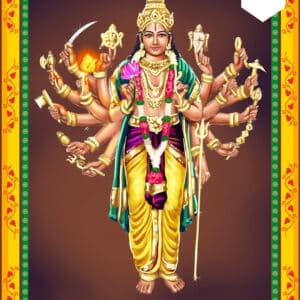
Lord Vishnu is primarily worshipped on Purnima, especially in the form of Satyanarayan. In some months, Goddess Lakshmi, Lord Shiva, or Chandra (Moon) may be venerated depending on regional or festival-specific significance.
6. Is it necessary to perform a puja on Purnima?
While not mandatory, performing a puja—especially Satyanarayan Puja—is highly recommended. It enhances the spiritual merit of fasting and invites divine blessings for peace, prosperity, and well-being.
7. Can women observe Purnima vrat?
Absolutely. Women are encouraged to observe Purnima vrat as it is believed to promote harmony in relationships, protect family members, and enhance inner peace and spiritual growth.
8. What is the best time to break the fast on Purnima?
Most devotees break the fast after sighting the full moon and performing a brief ritual or offering water to the moon. If moonrise is delayed, one may break the fast as per local calendar guidelines.
9. Is there a specific mantra to chant during Purnima?
Yes. Popular mantras include “Om Namo Narayanaya,” “Om Chandraya Namah,” the Gayatri Mantra, and Vishnu Sahasranama. Chanting these enhances the positive effects of fasting and aligns one with divine energies.
10. Are there different types of Purnima fasts?
Yes. Some fasts are specific to certain Purnimas, such as Guru Purnima, Kartik Purnima, or Sharad Purnima. These may have additional rituals or associated deities but follow the same principle of lunar alignment and fasting.