Saptami Tithi 2026
What is Saptami: Understanding Its Significance?
Saptami is the seventh lunar day (tithi) in both the waxing (Shukla Paksha) and waning (Krishna Paksha) phases of the Moon in the Hindu calendar. This tithi holds powerful spiritual and cosmic importance, especially as it is closely associated with Lord Surya (the Sun God) and Goddess Durga in various regional traditions.
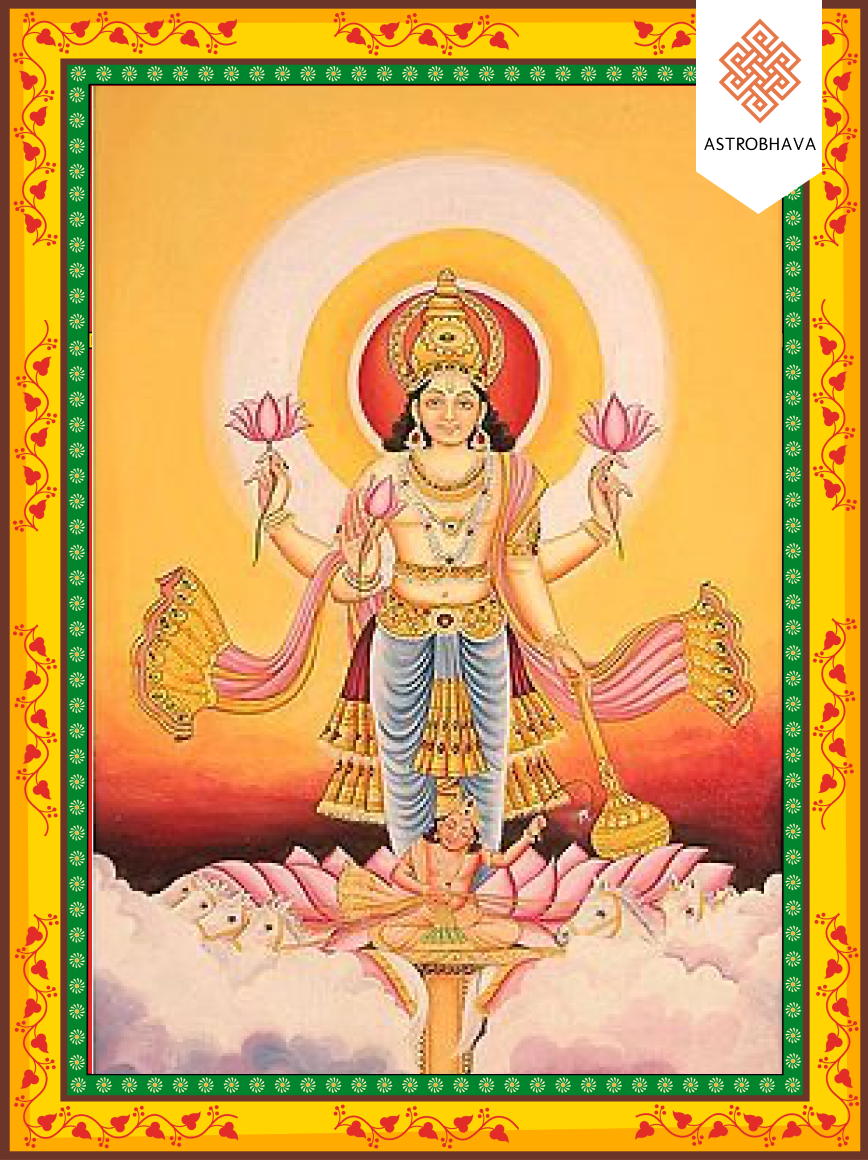
In Vedic astrology, the Sun represents the soul (Atma), authority, willpower, health, and inner illumination. Worshiping the Sun on Saptami enhances vitality, clarity of purpose, and karmic purification. The most notable observance is Ratha Saptami, celebrated on Shukla Paksha Saptami of the Magha month. On this day, Surya Bhagavan is honored as the charioteer of cosmic order, and rituals are performed at sunrise to invoke blessings for good health and prosperity.
Saptami is also significant in the Navadurga tradition, where it marks the worship of Kalaratri, the fierce form of Goddess Durga who destroys darkness and removes fear. Fasting and prayers on this day help eliminate deep-rooted negativity and promote inner strength.
Spiritual practices on Saptami include Surya Namaskar, offering arghya (water) to the Sun at dawn, reciting Aditya Hridayam, and engaging in acts of service. This tithi is ideal for cultivating discipline, health, courage, and divine connection through light.
“Looking for profound spiritual cleansing and divine transformation?
Experience Ekadashini Rudra Homa, the sacred Vedic ritual that purifies energy, balances life, and brings lasting peace and stability.”
Mantras to Chant During Saptami
Saptami is a spiritually charged day, primarily associated with the Sun God (Surya) and often revered for health, vitality, and illumination of the inner self. Chanting the following mantras during Saptami, especially at sunrise, can bring profound benefits:
1. Aditya Hridayam
“Aditya Hridayam Punyam Sarva Shatru Vinashanam”
Meaning: The sacred heart of the Sun is auspicious and destroys all enemies.
Purpose: Reciting this verse energizes the heart, sharpens the intellect, and removes both internal and external negativity.
2. Surya Gayatri Mantra
“Om Bhaskaraya Vidmahe Mahatejase Dhimahi Tanno Aditya Prachodayat”
Meaning: We meditate on the radiant one; may that divine Sun enlighten our mind.
Purpose: Enhances inner light, clears confusion, and brings clarity of purpose.
3. Surya Beej Mantra
“Om Hraam Hreem Hroum Sah Suryaya Namah”
Meaning: Salutations to the brilliant Sun God using his seed syllables.
Purpose: Strengthens solar energy in the body and is beneficial for those facing Sun-related doshas in their horoscope.
4. Ashtakshara Surya Mantra
“Om Suryaya Namah”
Meaning: I bow to Surya, the source of life.
Purpose: A simple yet potent mantra for daily chanting, especially during Surya Arghya (water offering).
Chanting these mantras during Brahma Muhurta or at sunrise while facing east significantly amplifies their impact, promoting vitality, insight, and spiritual awakening.
“Seeking wealth, success, and overall prosperity?
Book Ashta Lakshmi Homa online to invoke the eight forms of Goddess Lakshmi for complete abundance and well-being.”
Saptami Tithi 2026 (Chennai Time)
| Month | Paksha | Saptami Timing (Start – End) |
|---|---|---|
| January | Krishna Paksha | Jan 09, 7:05 am – Jan 10, 8:24 am |
| January | Shukla Paksha | Jan 25, 12:40 am – Jan 25, 11:10 pm |
| February | Krishna Paksha | Feb 08, 2:54 am – Feb 09, 5:01 am |
| February | Shukla Paksha | Feb 23, 9:09 am – Feb 24, 7:02 am |
| March | Krishna Paksha | Mar 09, 11:27 pm – Mar 11, 1:54 am |
| March | Shukla Paksha | Mar 24, 4:08 pm – Mar 25, 1:50 pm |
| April | Krishna Paksha | Apr 08, 7:02 pm – Apr 09, 9:20 pm |
| April | Shukla Paksha | Apr 22, 10:50 pm – Apr 23, 8:49 pm |
| May | Krishna Paksha | May 08, 12:22 pm – May 09, 2:03 pm |
| May | Shukla Paksha | May 22, 6:25 am – May 23, 5:04 am |
| June | Krishna Paksha | Jun 07, 2:41 am – Jun 08, 3:25 am |
| June | Shukla Paksha | Jun 20, 3:47 pm – Jun 21, 3:21 pm |
| July | Krishna Paksha | Jul 06, 1:47 pm – Jul 07, 1:25 pm |
| July | Shukla Paksha | Jul 20, 3:30 am – Jul 21, 4:03 am |
| August | Krishna Paksha | Aug 04, 10:03 pm – Aug 05, 8:42 pm |
| August | Shukla Paksha | Aug 18, 5:51 pm – Aug 19, 7:20 pm |
| September | Krishna Paksha | Sep 03, 4:26 am – Sep 04, 2:25 am |
| September | Shukla Paksha | Sep 17, 10:48 am – Sep 18, 1:01 pm |
| October | Krishna Paksha | Oct 02, 10:15 am – Oct 03, 8:00 am |
| October | Shukla Paksha | Oct 17, 5:54 am – Oct 18, 8:28 am |
| October | Krishna Paksha | Oct 31, 4:57 pm – Nov 01, 2:52 pm |
| November | Shukla Paksha | Nov 16, 2:01 am – Nov 17, 4:20 am |
| November | Krishna Paksha | Nov 30, 1:47 am – Dec 01, 12:12 am |
| December | Shukla Paksha | Dec 15, 9:19 pm – Dec 16, 10:46 pm |
| December | Krishna Paksha | Dec 29, 1:25 pm – Dec 30, 12:36 pm |
This table gives you all Saptami tithi periods in 2026 according to the lunar calendar with Chennai timings for planning fasts, pujas, or spiritual activities.
Remedies for Saptami
- Wake up during Brahma Muhurta and offer Arghya (water offering) to the Sun facing east, using copper vessel water mixed with red flowers and rice—this purifies karma and enhances vitality.
- Visit a Surya temple or perform Surya Namaskar at sunrise while chanting the Surya Gayatri Mantra to align your body and soul with solar energy.
- Book the Surya Graha Shanti Homa from the AstroBhava website to neutralize malefic Sun influences in the horoscope and strengthen confidence, health, and leadership.
- Perform the Saptami Health & Energy Homa from AstroBhava to invoke the blessings of Surya Bhagavan for recovery from chronic illness and energizing the subtle body.
- Schedule the Navagraha Surya Puja through AstroBhava for boosting immunity, recognition in career, and receiving ancestral grace tied to the Sun’s placement.
- Book the Ratha Saptami Special Puja on AstroBhava to draw divine solar vibrations into your life, particularly for healing father-related karmas and regaining purpose.
- Avoid negative speech, laziness, and dishonesty throughout the day—practice discipline and truthfulness to honor the Sun’s dharmic principles.
- Offer jaggery, wheat, or red cloth to a Brahmin or temple priest, symbolizing gratitude to the Sun and clearing egoistic tendencies tied to Surya dosha.
Do’s During Saptami
- Wake up before sunrise and begin your day with a spiritual mindset. Cleanse your body with a bath infused with tulsi or neem leaves for purification.
- Perform Surya Arghya (water offering to the Sun) during sunrise using a copper vessel. Add red sandalwood, kumkum, or flowers to energize the water.
- Chant powerful Surya mantras such as the Surya Gayatri or Aditya Hridayam Stotra to align your energy with divine solar vibrations.
- Observe a vrat or fast on Saptami based on your capacity—either full, fruit-only, or sattvic food. Fasting helps purify the physical and mental body.
- Visit a nearby Surya temple or your home altar and light a diya (ghee lamp) facing east as an offering to the Sun God.
- Donate jaggery, wheat, copper, or red cloth to the needy or a temple priest to express gratitude and reduce ego-driven karmas.
- Engage in Surya Namaskar (sun salutations) to honor the Sun both physically and spiritually. It’s considered an ideal sadhana on this day.
- Recite or listen to the Aditya Hridayam for strength, clarity, and protection against all forms of negativity.
- Practice inner silence and introspection, focusing on your personal growth and how you can radiate positivity to others.
- Meditate facing the rising Sun and visualize golden light filling your body and aura. This enhances vitality and mental clarity.
- Offer red flowers, sugarcane, or rice to the Sun deity with devotion and mindful surrender.
- Perform acts of seva (service) such as helping elders, feeding cows, or assisting the underprivileged to honor the dharma of the Sun.
- If possible, take a dip in a sacred river or sprinkle sacred water at home to invite solar blessings.
- Read scriptures or stories related to Surya Bhagavan, such as those from the Markandeya Purana or the Mahabharata’s Surya episodes.
- Maintain a vegetarian diet and consume sattvic meals after sunset if you’re not fasting entirely.
- Set positive intentions for your career, health, and clarity—Saptami is powerful for initiating goals aligned with righteousness.
- Offer red or orange cloth on your altar or temple Murti to invoke divine solar energy.
- Observe respectful and uplifting speech throughout the day—honoring the Sun also means honoring truth and clarity.
- Write a gratitude list in the morning or evening, especially thanking your father or paternal lineage, as the Sun governs ancestry.
- Avoid sitting idle—channel your energy into productive or uplifting tasks that contribute to your growth and the well-being of others.
“Seeking protection, strength, and victory over obstacles?
Book Durga Suktha Homa online to invoke Goddess Durga’s blessings for courage, safety, and success.”
Don’ts During Saptami
- Do not wake up late or ignore your morning routine—missing sunrise on Saptami weakens the vibrational benefit of the day.
- Avoid consuming non-vegetarian food, garlic, onions, or processed meals. These lower sattvic energy and dilute spiritual benefits.
- Do not skip the Surya Arghya ritual if you’re observing Saptami—it’s the core practice that connects you with the Sun’s divine energy.
- Refrain from speaking harshly, lying, or engaging in gossip. Saptami is linked to truthfulness and dharma, and negative speech blocks solar blessings.
- Avoid overindulgence in sleep, food, or entertainment. The energy of Saptami supports discipline and self-restraint—not indulgence.
- Do not disrespect elders, especially your father or paternal figures. The Sun governs the father in astrology, and reverence to one’s lineage is essential.
- Refrain from being idle or wasting time. Use the day productively for goal setting, personal development, or acts of service.
- Do not wear dull or dark-colored clothing for spiritual practices. Prefer red, saffron, or white, which harmonize with Surya’s frequency.
- Avoid excessive screen time or mindless scrolling—Saptami is best spent in reflection, prayer, or uplifting activities.
- Don’t neglect hydration if you are fasting; sip warm water or herbal infusions to keep the system balanced.
- Avoid expressing jealousy, arrogance, or anger. These are considered solar imbalances and can counter the positive effects of your observance.
- Refrain from dishonoring the Sun’s symbolism—laziness, egoism, or neglecting duty goes against the nature of Surya Bhagavan.
- Don’t ignore intuitive insights that come during Saptami. The day supports spiritual clarity—trust your inner guidance.
- Avoid starting the day without cleansing—ritual and physical purity are both important to receive maximum spiritual energy.
- Refrain from polluting your surroundings—cleanliness, especially near your altar or puja area, honors the Sun’s illuminating presence.
- Avoid breaking your fast with heavy or oily food. Begin with light fruits or warm liquids to maintain the subtle energy state.
- Do not leave lamps unlit at the altar after sunset—keep at least one diya burning as a symbol of divine presence.
- Avoid selfishness in actions. The Sun gives selflessly; emulate that energy through generosity and service.
- Don’t criticize or mock spiritual practices—maintain reverence for all paths that lead to the light.
- Avoid delaying rituals too far past the tithi period. Align your practices with solar timings to ensure you receive the full benefit.
Benefits of Saptami Fasting
1. Boosts Vitality and Energy
Fasting on Saptami, especially while offering prayers to Surya, recharges the body and mind. The Sun governs the prana (life force), and abstaining from heavy food allows this energy to circulate more freely. Many devotees feel energized and mentally alert after the fast, reporting a boost in stamina and endurance in the days that follow.
2. Cleanses Physical Toxins
Saptami fasting encourages detoxification by allowing the digestive system to rest. When the body isn’t engaged in continuous digestion, it begins flushing out toxins more efficiently. This leads to clearer skin, improved metabolism, and even relief from chronic conditions related to digestion, inflammation, and sluggishness.
3. Improves Mental Clarity
With less focus on food and more attention on mantra and meditation, the mind becomes sharp and reflective. Devotees often use this clarity for setting intentions or resolving long-standing dilemmas. Fasting on Saptami is especially effective for those dealing with decision-making fatigue or mental fog.
4. Balances Solar Energy in the Body
Surya governs the solar plexus chakra (Manipura), which influences confidence, decision-making, and emotional balance. Fasting on Saptami activates and balances this chakra. This leads to greater self-assurance, better leadership ability, and a reduction in fear-based thinking.
5. Strengthens Immunity
Fasting gives the immune system space to reset and repair. Combined with Surya’s blessings, it promotes long-term vitality. People who fast regularly on Saptami often report fewer illnesses and faster recovery times, as the solar vibrations are said to boost natural immunity and healing.
6. Removes Obstacles in Career and Ambition
Saptami is ideal for invoking the power of Surya to eliminate delays in profession and personal ambitions. Those who fast and perform proper rituals often experience breakthroughs in job opportunities, business ventures, or recognition for their efforts. The Sun supports dharma, discipline, and progress.
7. Sharpens Focus and Discipline
The very act of fasting cultivates discipline. But when paired with Surya worship, it develops laser-sharp focus. Many students and professionals observe this fast to improve their academic or work performance. It trains the mind to resist distractions and stick to priorities.
8. Enhances Spiritual Insight
Saptami tithi is a doorway to spiritual growth. Fasting opens up the intuitive channels by clearing physical and emotional noise. Those who meditate deeply on this day often experience clarity, heightened awareness, and deeper connection with their higher self or guiding deity.
9. Aids in Healing Paternal Karmas
Surya represents the father and paternal lineage. Fasting on Saptami helps resolve ancestral karma, particularly from the father’s side. Many observe the fast to seek blessings for their father’s health or to release subconscious blocks related to father figures or authority.
10. Improves Eye and Skin Health
The Sun rules eyesight and the skin. Fasting on Saptami, while offering Surya arghya and avoiding toxins, rejuvenates these two organs. Some devotees report clearer vision, reduced eye strain, or improved skin tone with regular observance of Saptami.
11. Attracts Positivity and Success
The sattvic energy generated through fasting, prayer, and mantra on Saptami attracts auspiciousness. It purifies the aura and magnetizes opportunities. People often find unexpected assistance or progress in areas where they felt stuck when Saptami is observed with sincerity.
12. Breaks Ego and Self-Centered Patterns
The Sun, while powerful, teaches humility through service and consistency. Fasting on Saptami dissolves ego-driven tendencies by placing the focus on gratitude, light, and divine purpose. Over time, this leads to more harmonious relationships and a balanced personality.
13. Supports Digestive Health
Surya governs Agni (digestive fire). Saptami fasting rekindles this inner fire, which can become sluggish due to overindulgence or stress. As digestion improves, so does nutrient absorption, mood stability, and energy flow throughout the body.
14. Inspires a Sense of Duty (Dharma)
The Sun’s path is unwavering and disciplined—qualities that fasting devotees begin to emulate. Observing this vrat regularly instills a sense of responsibility, time management, and the desire to live a life aligned with values and purpose.
15. Protects Against Negative Influences
Fasting creates a sattvic shield around the practitioner. Paired with mantra chanting and arghya, it protects against psychic disturbances, emotional draining, or environments filled with jealousy or toxicity. The solar energy acts as a natural purifier and defender.
16. Deepens Connection with Natural Rhythms
Saptami fasting reconnects you with solar cycles and the rhythm of nature. By honoring the sunrise and aligning rituals accordingly, you begin to harmonize your biological and energetic systems with the cosmos—resulting in better sleep, mood, and overall vitality.
17. Elevates Your State of Gratitude
Offering water and prayers to the Sun awakens a deep sense of gratitude for life, light, and breath. Devotees report feeling more thankful and emotionally centered after Saptami fasting. This emotional uplift attracts peace and abundance naturally.
18. Promotes Healthy Masculine Energy
For both men and women, Saptami helps awaken divine masculine traits like courage, clarity, resilience, and integrity. It balances excess aggression with awareness and supports those who struggle with assertiveness or personal boundaries.
19. Activates Long-Term Transformation
Saptami is not just a one-day ritual—it plants seeds for ongoing transformation. With consistent practice, you develop a stronger personality, clearer mind, healthier body, and refined spiritual energy. The effects of each observance are cumulative.
20. Brings Harmony to All Aspects of Life
Ultimately, Saptami fasting creates a sacred alignment—physical wellness, mental peace, emotional balance, and spiritual strength. It harmonizes all layers of being, which reflects in improved health, relationships, career, and connection with divine purpose.
“Seeking powerful spiritual cleansing and protection?
Experience Kapaala Bhairava Homa, the sacred Vedic ritual that removes karmic blocks and safeguards life from negativity.”
FAQs Related to Saptami
1. What is the importance of Saptami in the Hindu calendar?
Saptami is the seventh day of the lunar fortnight and holds great significance for the worship of Lord Surya (Sun God). It is considered a powerful time for cleansing, energizing the body and mind, and connecting with cosmic order. Rituals on this day are believed to enhance health, success, and inner radiance.
2. Can anyone observe a fast on Saptami?
Yes. Saptami fasting is suitable for all, regardless of age or gender, as long as the individual is healthy enough to fast. Those unable to fast completely may opt for fruits or light sattvic meals while maintaining the spiritual intention of the day.
3. Is it necessary to visit a temple for Saptami rituals?
While visiting a Surya temple is ideal, it is not mandatory. You can perform effective rituals at home, such as offering water (arghya) to the rising sun, chanting Surya mantras, and meditating during sunrise.
4. What mantras are recommended for chanting on Saptami?
Mantras like “Om Suryaya Namah”, the Surya Gayatri, and verses from the Aditya Hridayam are highly beneficial. These mantras invoke Surya’s energy for health, clarity, and protection.
5. How does Saptami help in astrology or planetary dosha remedies?
The Sun governs the soul, health, and authority in astrology. Fasting and worship on Saptami help alleviate Surya-related doshas, like low self-confidence, poor health, strained paternal relationships, and weak career growth.
6. What should I avoid doing on Saptami?
Avoid tamasic food, negative speech, laziness, and disrespect toward elders. The day calls for discipline, reverence, and sattvic behavior aligned with the energy of Surya.
7. Can women observe Saptami vrat during menstruation?
Traditionally, temple visits and certain rituals may be avoided, but mental worship, chanting, and mindful fasting can still be practiced depending on individual comfort and spiritual discretion.
8. Is Ratha Saptami the same as regular Saptami?
Ratha Saptami is a particularly auspicious form of Saptami that occurs in the Magha month (January–February). It marks the symbolic birth of Surya and his chariot’s northward journey (uttarayana). However, every Saptami is considered spiritually potent when observed with faith and purity.