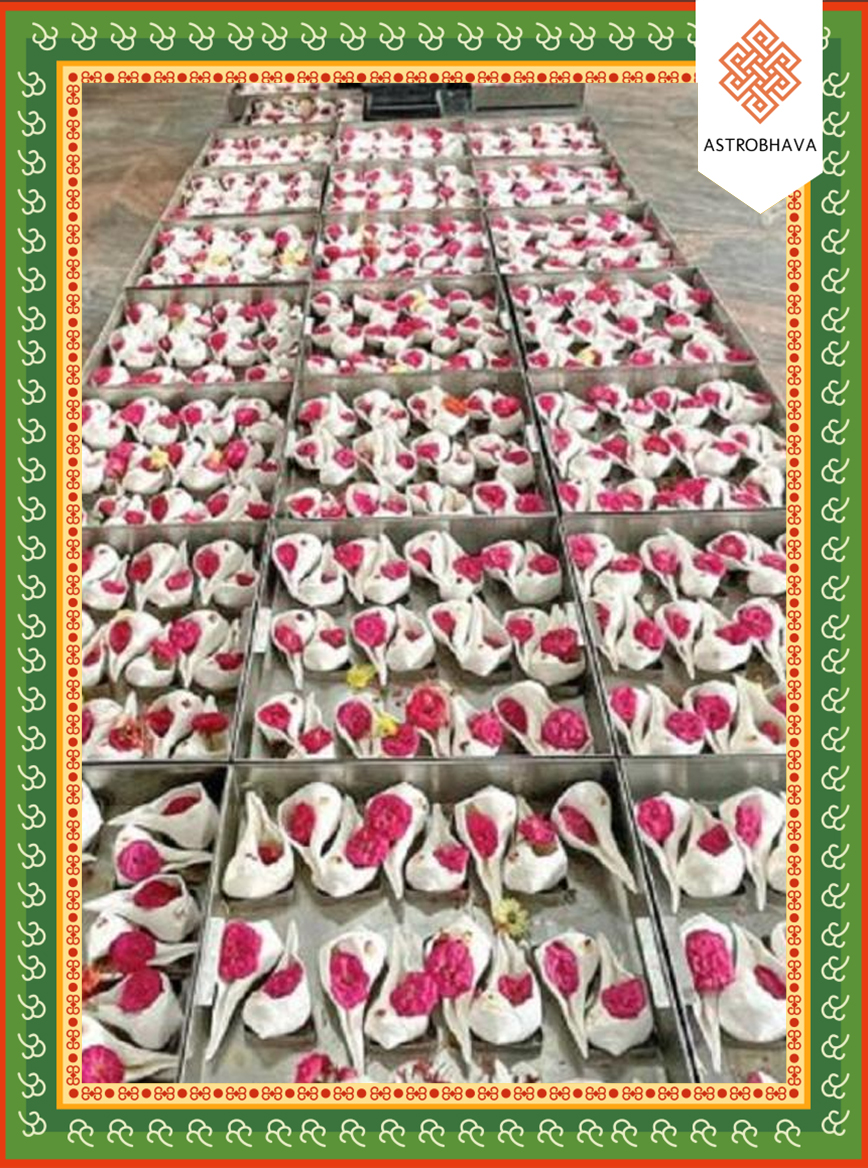
Trayodashi Tithi 2026
What is Trayodashi: Understanding Its Significance?
Trayodashi is the thirteenth lunar day (tithi) in each Paksha of the Hindu lunar calendar—occurring twice a month, once during the waxing phase (Shukla Paksha) and once during the waning phase (Krishna Paksha) of the Moon. It holds significant spiritual and astrological value, particularly in Shaivite traditions.
This tithi is closely associated with Lord Shiva, and certain Trayodashi days, especially Pradosham, are highly revered for Shiva worship. Pradosham occurs during the twilight period on Trayodashi and is considered one of the most powerful times for dissolving karma and receiving divine blessings. Devotees observe fasts, visit temples, perform abhishekam to Shivalinga, and chant Shiva mantras like “Om Namah Shivaya” to honor the deity.
Trayodashi is believed to support healing, purification, and inner transformation. It is ideal for letting go of negativity, asking for forgiveness, and performing remedies for planetary doshas. Some traditions also regard this tithi as favorable for beginning spiritual practices or resolving long-standing issues, both material and karmic.
Whether observed through fasting, prayer, or temple rituals, Trayodashi provides an opportunity to align with Shiva’s energies and cleanse the spiritual path of obstacles, making it a vital day in the lunar cycle.
“Seeking wisdom, clarity, and spiritual growth?
Book Gayathri Homa online to receive divine blessings for intelligence, purity of mind, and inner illumination.”
Mantras to Chant During Trayodashi
Trayodashi is especially sacred for the worship of Lord Shiva, particularly when it coincides with Pradosham, a twilight period considered highly auspicious for dissolving karmic burdens. Chanting the following mantras on Trayodashi invokes Shiva’s grace, brings inner purification, and aids in spiritual upliftment.
1. Om Namah Shivaya
This is the most fundamental and powerful Panchakshari mantra dedicated to Lord Shiva. It purifies the mind, calms the emotions, and creates a deep connection with the Supreme Consciousness. Chant it 108 times during Pradosham for best results.
2. Maha Mrityunjaya Mantra
Om Tryambakam Yajamahe Sugandhim Pushtivardhanam,
Urvarukamiva Bandhanan Mrityor Mukshiya Maamritat
This mantra is chanted for protection, healing, and liberation from the fear of death. Reciting it on Trayodashi strengthens health and removes deep-rooted karma.
3. Om Namo Bhagavate Rudraya
This Vedic mantra salutes the fierce and compassionate aspects of Rudra, the earlier form of Lord Shiva. Chanting it helps in clearing obstacles and receiving divine strength.
4. Shiva Ashtottara Shatanamavali (108 Names of Shiva)
Reciting the 108 names of Lord Shiva on Trayodashi invokes multiple divine qualities of the Lord and intensifies one’s devotion and spiritual merit.
Chanting these mantras during the Pradosham period (before and after sunset) is considered especially fruitful. Use a Rudraksha mala for japa, and maintain a focused, humble state of mind while chanting.
Trayodashi Tithi 2026 (Chennai Time)
| Month | Paksha | Trayodashi Timing (Start – End) |
|---|---|---|
| January | Shukla Paksha | Jan 01, 1:48 am – Jan 01, 10:22 pm |
| January | Krishna Paksha | Jan 15, 8:17 pm – Jan 16, 10:22 pm |
| January | Shukla Paksha | Jan 30, 11:09 am – Jan 31, 8:26 am |
| February | Krishna Paksha | Feb 14, 4:02 pm – Feb 15, 5:05 pm |
| February | Shukla Paksha | Feb 28, 8:43 pm – Mar 01, 7:09 pm |
| March | Krishna Paksha | Mar 16, 9:41 am – Mar 17, 9:23 am |
| March | Shukla Paksha | Mar 30, 7:10 am – Mar 31, 6:56 am |
| April | Krishna Paksha | Apr 15, 12:12 am – Apr 15, 10:31 pm |
| April | Shukla Paksha | Apr 28, 6:52 pm – Apr 29, 7:52 pm |
| May | Krishna Paksha | May 14, 11:21 am – May 15, 8:31 am |
| May | Shukla Paksha | May 28, 7:57 am – May 29, 9:51 am |
| June | Krishna Paksha | Jun 12, 7:37 pm – Jun 13, 4:08 pm |
| June | Shukla Paksha | Jun 26, 10:22 pm – Jun 28, 12:43 am |
| July | Krishna Paksha | Jul 12, 2:04 am – Jul 12, 10:30 pm |
| July | Shukla Paksha | Jul 26, 1:58 pm – Jul 27, 4:15 pm |
| August | Krishna Paksha | Aug 10, 8:01 am – Aug 11, 4:54 am |
| August | Shukla Paksha | Aug 25, 6:21 am – Aug 26, 7:59 am |
| September | Krishna Paksha | Sep 08, 2:43 pm – Sep 09, 12:31 pm |
| September | Shukla Paksha | Sep 23, 10:51 pm – Sep 24, 11:18 pm |
| October | Krishna Paksha | Oct 07, 11:17 pm – Oct 08, 10:16 pm |
| October | Shukla Paksha | Oct 23, 2:36 pm – Oct 24, 1:37 pm |
| November | Krishna Paksha | Nov 06, 10:31 am – Nov 07, 10:48 am |
| November | Shukla Paksha | Nov 22, 4:57 am – Nov 23, 2:37 am |
| December | Krishna Paksha | Dec 06, 12:52 am – Dec 07, 2:22 am |
| December | Shukla Paksha | Dec 21, 5:36 pm – Dec 22, 2:24 pm |
This table lists all the Trayodashi tithi periods in 2026 according to the Chennai time zone, showing precise start and end timings for both Krishna and Shukla Paksha each month.
“Seeking wealth, stability, and family harmony?
Book Lakshmi Narayana Homa online to receive divine blessings for prosperity, peace, and balanced living.”
Remedies for Trayodashi
- Observe Pradosham Vrat by fasting from sunrise to sunset and breaking the fast after offering prayers to Lord Shiva during twilight hours.
- Visit a Shiva temple and perform Abhishekam with water, milk, honey, and bilva leaves while chanting “Om Namah Shivaya” for karmic cleansing.
- Perform Rudra Homa from the AstroBhava website to invoke the fierce yet benevolent aspect of Lord Shiva and dissolve deep-rooted karmic blocks.
- Book the Mrityunjaya Homa through AstroBhava for protection from untimely death, health recovery, and removal of fears.
- Participate in the Pradosham Puja via AstroBhava to gain Lord Shiva’s blessings for liberation and to clear ancestral karma.
- Book the Shiva Panchakshari Puja from AstroBhava to strengthen spiritual energy, dissolve negativity, and invite peace into your home.
- Perform Kala Bhairava Puja through AstroBhava to protect against time-bound obstacles, delays, and planetary afflictions.
- Book the Dosha Nivaran Puja at AstroBhava to mitigate malefic effects from planetary doshas like Rahu-Ketu or Shani that may be influencing health or progress.
These remedies help maximize the spiritual and karmic benefits of Trayodashi, especially when practiced with sincerity and devotion.
Do’s During Trayodashi
- Wake up before sunrise and take a sacred bath to purify your body and mind for the day’s spiritual practices.
- Observe a fast or consume only sattvic food during the day to maintain inner clarity and spiritual discipline.
- Visit a Shiva temple or perform Abhishekam to a Shivalinga at home using water, milk, curd, ghee, honey, and sugar.
- Chant “Om Namah Shivaya” or recite the Maha Mrityunjaya Mantra for spiritual protection and removal of inner fears.
- Participate in or organize a Pradosham Puja during twilight hours (Sandhya Kala), which is highly auspicious on Trayodashi.
- Light a diya (lamp) with ghee or sesame oil and offer it to Lord Shiva with devotion and pure intentions.
- Donate food, clothes, or money to Brahmins, temple priests, or those in need, as charity performed on this day yields multiplied merits.
- Read scriptures such as Shiva Purana, Linga Purana, or spiritually uplifting texts to deepen your connection with Lord Shiva.
- Meditate on Lord Shiva’s form or chant his 108 names (Ashtottara Shatanamavali) for spiritual cleansing and divine grace.
- Maintain silence or speak only when necessary to conserve energy and maintain inner calmness throughout the day.
- Offer bilva leaves, white flowers, sandal paste, and incense to Shiva during your prayers.
- Engage in self-reflection and pray for forgiveness for past actions while seeking divine guidance on your path forward.
These actions elevate the significance of Trayodashi and help align with the powerful spiritual vibrations of the tithi.
“Facing intense negativity or karmic burdens?
Book Kapaala Bhairava Homa online to invoke fierce protection and cleanse deep-rooted negative energies.”
Don’ts During Trayodashi
- Do not consume non-vegetarian food, alcohol, or any tamasic (impure) substances, as they lower the sattvic vibrations of the day.
- Avoid consuming onion, garlic, or overly spicy and oily foods which can agitate the mind and body during this spiritually sensitive period.
- Refrain from sleeping during the day, especially during the Pradosham window, as it is the most auspicious time for Shiva worship.
- Don’t miss the opportunity to observe silence or reduce idle talk; unnecessary conversation can disrupt the meditative and introspective quality of the tithi.
- Avoid engaging in arguments, anger, or any form of violence—verbal or physical. It disrupts the inner harmony needed for effective sadhana.
- Do not neglect daily rituals or spiritual commitments such as prayer, chanting, or lighting a lamp at dusk.
- Steer clear of material distractions like excessive screen time, social media, or mindless entertainment, which can pull the mind away from devotion.
- Avoid cutting hair, nails, or shaving, especially during the Pradosham period, as it is considered inauspicious on days meant for spiritual upliftment.
- Do not speak ill of others, indulge in gossip, or harbor negative thoughts; maintain purity in speech and intention.
- Refrain from disrespecting elders, spiritual teachers, or sacred texts—even unintentionally—as such acts reduce spiritual merit.
- Do not ignore the Paradosham window; skipping rituals or prayers during this time diminishes the potency of Trayodashi observance.
- Avoid laziness or procrastination—use this day as a chance to deepen discipline and spiritual effort.
Benefits of Trayodashi Fasting
1. Cleanses Physical Toxins
Trayodashi fasting supports natural detoxification. By abstaining from heavy and processed foods, the digestive system gets a chance to rest and reset. This break encourages the body to eliminate accumulated toxins through natural cleansing processes. Drinking warm water, herbal teas, or fruit-infused water on fasting days further enhances internal purification. Over time, this practice leads to improved digestion, clearer skin, and increased vitality, making the body more receptive to spiritual practices.
2. Strengthens Willpower and Self-Discipline
Voluntarily restraining from food and distractions on Trayodashi builds mental resilience. The process of observing a fast despite physical hunger helps sharpen one’s focus and strengthens control over desires. This discipline gradually expands beyond food, affecting other life habits like speech, thought, and action. Over time, one becomes more grounded and mentally prepared to face daily challenges without agitation.
3. Supports Emotional Healing
Emotional weight often remains buried under constant stimulation. Trayodashi’s fasting and spiritual practices create a quiet space for emotions to surface and be released. Reflection, meditation, and prayer during this time help process anger, grief, or anxiety, promoting emotional clarity. By surrendering to Lord Shiva, devotees experience relief from emotional burdens, resulting in greater inner calm and stability.
4. Accelerates Karmic Cleansing
According to sacred texts, fasting on Trayodashi—especially during the Pradosham period—helps neutralize past karmas. It is believed that sincere observance of this fast, paired with Shiva worship, allows devotees to be freed from lifetimes of accumulated karmic baggage. The power of this tithi lies in its ability to open channels for forgiveness, both divine and self-directed.
5. Boosts Spiritual Awareness
Fasting quiets the body, which in turn settles the mind, allowing for deeper meditation. On Trayodashi, the vibrational field becomes more conducive to spiritual progress. By aligning with the day’s energy through chanting, puja, and silence, seekers can experience moments of expanded awareness, intuition, and connection with higher consciousness.
6. Improves Energy and Vitality
While skipping meals might seem draining, when done correctly, Trayodashi fasting boosts energy levels. As the body isn’t burdened with digestion, prana (life force) is preserved and redirected to vital organs and spiritual pursuits. Those who observe this fast regularly report greater stamina, alertness, and lightness of being.
7. Invokes Lord Shiva’s Grace
Trayodashi is closely associated with Shiva, particularly during Pradosham. Observing a fast, chanting mantras like “Om Namah Shivaya,” and performing abhishekam draw immense blessings. Shiva is known as the destroyer of ignorance and ego. Fasting becomes a form of surrender that opens the heart to receive His grace.
8. Balances Planetary Afflictions
In Vedic astrology, Pradosham Trayodashi is ideal for reducing the malefic effects of Saturn, Rahu, and Ketu. Fasting on this day, combined with rituals such as Rudra Homa or Dosha Nivaran Puja, helps pacify planetary doshas. Those facing delays, legal troubles, or relationship strain find that Trayodashi observance brings relief and clarity.
9. Inspires Charitable Acts
The sattvic nature of Trayodashi inspires compassion and generosity. It’s considered highly auspicious to donate food, clothes, or money on this day. Such selfless actions done in a purified state carry greater spiritual weight and contribute to positive karmic accumulation.
10. Improves Sleep and Mental Restfulness
As the body goes through natural detox and the mind experiences less stimulation, sleep becomes deeper and more restful. Those who fast on Trayodashi often report improved sleep patterns and a refreshed mind the following day, due to reduced inflammation and mental clutter.
11. Promotes Humility and Surrender
Trayodashi fasting is not just physical; it is an inner act of surrender. The hunger pangs remind the devotee of the body’s impermanence and dependence on divine energy. This realization fosters humility, making the individual more receptive to guidance, blessings, and inner transformation.
12. Reinforces Devotional Practice
For many, life’s distractions weaken spiritual discipline. Trayodashi acts as a periodic reset button. The fast encourages temple visits, puja, chanting, and reading scriptures. This repeated association with spiritual activity builds a stronger devotional habit over time, enriching the path of bhakti.
13. Removes Obstacles in Life
Fasting on Trayodashi, when paired with Shiva puja or homas like Mrityunjaya Homa, is known to remove unseen blocks. Whether the hurdles are material, emotional, or spiritual, the act of aligning oneself with divine consciousness on this day clears stagnant energies and opens up the path ahead.
14. Facilitates Detachment from Materialism
Regular Trayodashi fasting helps break the cycle of attachment to taste, indulgence, and gratification. This detachment does not mean denial but allows one to enjoy material life with more awareness and less dependence. The soul becomes more attuned to lasting joy beyond the senses.
15. Strengthens Digestive Fire (Agni)
Periodic fasting stokes and strengthens the digestive fire. Trayodashi is ideal for resetting metabolism. Rather than weakening the system, it revitalizes it. With proper hydration and post-fast food choices, the digestive system becomes more efficient and less prone to disorders like acidity or bloating.
16. Aligns with Lunar Energies
Trayodashi, being part of the lunar cycle, carries specific energetic qualities. Observing a fast on this day aligns the devotee with the subtle influences of the Moon, enhancing emotional stability, psychic sensitivity, and awareness of natural rhythms.
17. Brings Family Harmony
When entire families observe Trayodashi together—even if only with light food and a group puja—it creates unity. The shared spiritual focus and sattvic atmosphere promote understanding, reduce conflicts, and deepen emotional bonds within the household.
18. Supports Ancestral Blessings
Trayodashi is a powerful day to perform rituals for ancestors. Fasting, offering water (tarpanam), or lighting a lamp in their memory brings peace to their souls. In return, the devotee receives their subtle blessings, often reflected as ease in career, relationships, or health.
19. Increases Mental Sharpness
Abstaining from food and limiting sensory input increases clarity of thought. Those who fast on Trayodashi find themselves more focused, intuitive, and capable of deeper contemplation. Students and professionals alike can benefit from the heightened mental efficiency gained through regular observance.
20. Nurtures Gratitude and Contentment
Fasting shifts one’s perspective from constant consumption to appreciation. The simplest food after a day’s fast feels sacred. The breath, the body, and the opportunity to connect with divinity are no longer taken for granted. This gratitude radiates peace and contentment, enriching everyday life.
“Seeking balance, humility, and steady growth in life?
Book Vamana Homa online to remove ego-related obstacles and attract prosperity and harmony.”
FAQs Related to Trayodashi
1. What is the significance of Trayodashi in Hindu tradition?
Trayodashi, the 13th tithi in each lunar fortnight, is particularly significant for Shiva devotees. It holds immense spiritual importance, especially when observed as Pradosham, the twilight period associated with Lord Shiva’s divine grace and karma-cleansing potential.
2. Why is Pradosham observed on Trayodashi?
Pradosham falls during the twilight hours of Trayodashi. It is believed to be the time when Lord Shiva performs the cosmic dance of dissolution and grants liberation. Devotees perform special prayers and observe fasts during this time to seek his blessings for removing sins and obstacles.
3. Can Trayodashi fasting be done by anyone?
Yes, anyone can observe Trayodashi fasting regardless of gender or age, provided their health permits it. Even partial fasting or simply avoiding tamasic foods while engaging in prayers and rituals is beneficial.
4. What food should be consumed during Trayodashi fasting?
Sattvic food such as fruits, milk, nuts, and simple vegetarian preparations without onion and garlic are recommended. Some devotees observe a complete fast with water only until Pradosham.
5. What time should Trayodashi puja be performed?
The most auspicious time is during the Pradosham window, approximately 1.5 hours before and after sunset. This period is spiritually charged and ideal for Shiva abhishekam, mantra chanting, and lighting lamps.
6. What are the benefits of Trayodashi fasting?
Benefits include emotional purification, spiritual upliftment, karmic relief, improved discipline, digestive health, and enhanced clarity. It is also known to reduce the malefic effects of planetary doshas.
7. Can women observe Trayodashi fasting during menstruation?
Traditionally, women refrain from temple visits or puja during menstruation. However, silent prayer, chanting, or mentally observing the fast with intention can still be beneficial.
8. Is it necessary to perform puja at a temple or can it be done at home?
Puja can be effectively performed at home. Devotees may offer abhishekam to a Shiva Linga, chant mantras, offer bilva leaves, and light lamps. Visiting a temple adds merit but is not mandatory.
9. Can one break the fast after sunset or wait till the next day?
It is ideal to break the fast after performing Pradosham puja. However, if health or schedule constraints exist, one can break the fast after sunset with light sattvic food.
10. How often should one observe Trayodashi fasts?
While it occurs twice a month, observing at least the Krishna Paksha Trayodashi or special ones like Maha Pradosham can yield immense spiritual and karmic benefits. Regular observance amplifies these effects over time.