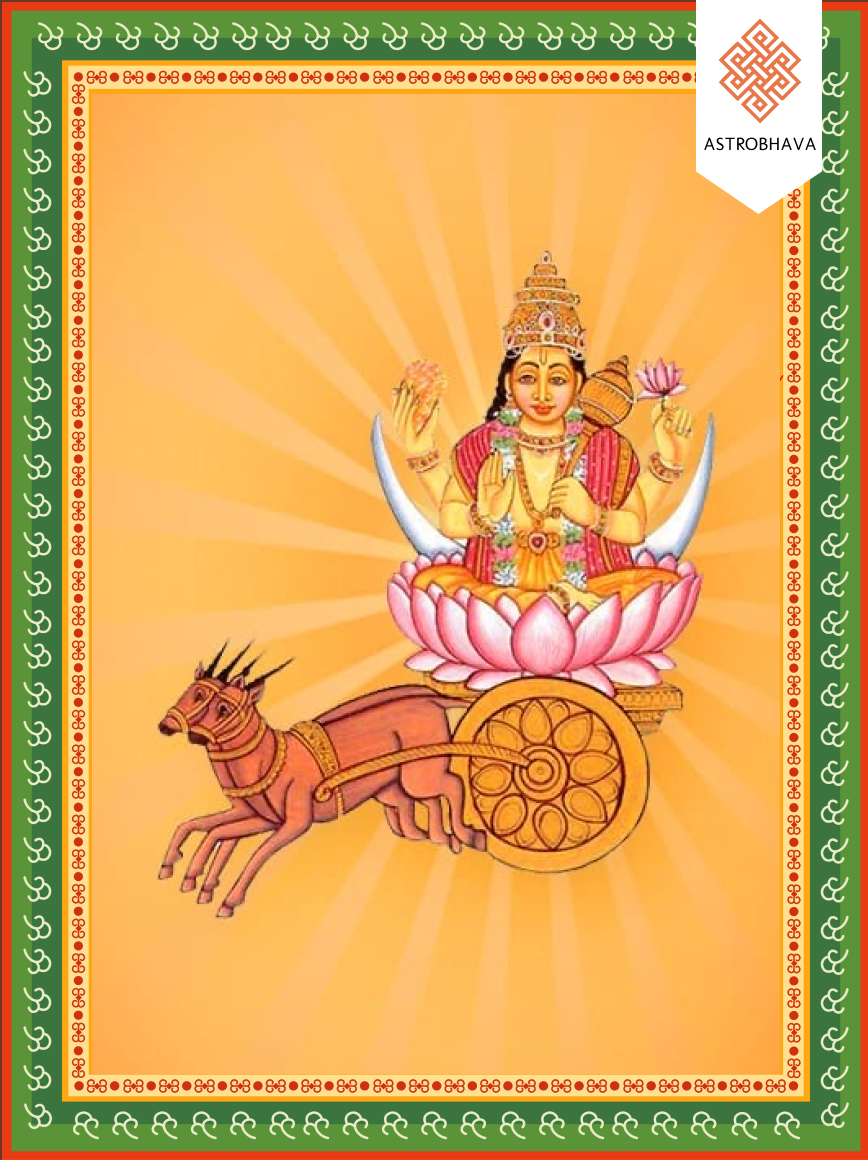
Amavasya Tithi 2026
What is Amavasya: Understanding Its Significance?
Amavasya, or the New Moon day, is the darkest night of the lunar month when the moon is not visible in the sky. It marks the end of the waning phase and is a powerful time for spiritual cleansing, introspection, and ancestral reverence. Unlike the luminous energy of Purnima, Amavasya represents stillness, withdrawal, and the potential for inner transformation.
In Hindu tradition, Amavasya is considered ideal for paying respects to ancestors through Tarpana, Shraddha, and charity. It is believed that on this day, the veils between realms are thinner, making it easier to connect with the departed souls and seek their blessings. Pitru-related rituals performed on Amavasya bring peace to ancestors and help clear karmic influences in one’s life.
Spiritually, Amavasya is a time to look inward, retreat from distractions, and realign with truth and clarity. Sages recommend fasting, meditation, and silence on this day to cultivate awareness and release negative patterns. Many observe the day by lighting sesame oil lamps, visiting temples, or performing special homas and pujas to remove inner darkness and obstacles.
Amavasya reminds us that endings are sacred beginnings. In stillness lies the seed of renewal.
“Seeking powerful protection and spiritual transformation?
Book Aghora Pasupatha Homa online to invoke Lord Shiva’s fierce Aghora energy for destruction of negativity and deep karmic cleansing.”
Mantras to Chant During Amavasya
Chanting mantras on Amavasya is a powerful way to clear negative energies, honor ancestors, and support inner transformation. The new moon’s spiritual silence offers a fertile space for introspection and subtle healing. Below are some important mantras recommended for Amavasya:
1. Om Namo Bhagavate Vasudevaya
This 12-syllable Vishnu mantra is ideal for cleansing the mind and seeking divine guidance during the spiritually potent hours of Amavasya.
Chant:
“Om Namo Bhagavate Vasudevaya”
(Meaning: I surrender to the Supreme Lord who resides in all beings.)
2. Om Pitru Devaya Namah
This mantra is dedicated to ancestors (Pitrs) and is chanted during tarpana and shraddha rituals to offer respect and seek ancestral blessings.
Chant:
“Om Pitru Devaya Namah”
(Meaning: Salutations to the divine souls of my ancestors.)
3. Om Namah Shivaya
Lord Shiva, the destroyer of darkness and ignorance, is deeply venerated on Amavasya. This mantra brings peace, grounding, and liberation from negativity.
Chant:
“Om Namah Shivaya”
(Meaning: I bow to Lord Shiva, the supreme consciousness.)
4. Om Shanti Shanti Shanti
A universal mantra for peace. Chanting this at the end of your practice on Amavasya calms inner turbulence and harmonizes the environment.
Chant:
“Om Shanti Shanti Shanti”
(Meaning: Peace in body, mind, and spirit.)
Chant these mantras with a clean heart and focused mind for best results during Amavasya.
“Facing enemies, legal issues, or constant opposition?
Book Bagalamukhi Homa online to silence negativity, stop hostile forces, and gain victory in conflicts.”
Amavasya Tithi 2026 (Chennai timings)
| Month | Amavasya Timing (Start – End) |
|---|---|
| January | Jan 18, 12:04 am – Jan 19, 1:21 am |
| February | Feb 16, 5:34 pm – Feb 17, 5:30 pm |
| March | Mar 18, 8:25 am – Mar 19, 6:52 am |
| April | Apr 16, 8:11 pm – Apr 17, 5:21 pm |
| May | May 16, 5:11 am – May 17, 1:30 am |
| June | Jun 14, 12:19 pm – Jun 15, 8:23 am |
| July | Jul 13, 6:49 pm – Jul 14, 3:12 pm |
| August | Aug 12, 1:52 am – Aug 12, 11:06 pm |
| September | Sep 10, 10:33 am – Sep 11, 8:56 am |
| October | Oct 09, 9:35 pm – Oct 10, 9:19 pm |
| November | Nov 08, 11:27 am – Nov 09, 12:31 pm |
| December | Dec 08, 4:12 am – Dec 09, 6:21 am |
Remedies for Amavasya
- Offer sesame seeds and water as part of tarpana to honor ancestors, ideally performed during early morning or before noon near a water body or temple.
- Light sesame oil lamps at home or in temples during sunset to dispel negative energies and invoke spiritual protection.
- Perform Pitru Shanti Homa from the AstroBhava website to pacify ancestral souls and resolve any lineage-based karmic blocks affecting current life.
- Schedule Karna Vedha Homa from AstroBhava to enhance spiritual receptivity and purify subtle channels during the energy-intense phase of Amavasya.
- Book Navagraha Dosha Nivarana Homa through AstroBhava to reduce planetary afflictions that may get activated on Amavasya days.
- Perform Durga Saptashati Homa from AstroBhava to remove obstacles and invoke the fierce protective energies of the Divine Mother.
- Opt for Pitru Dosha Parihara Puja via AstroBhava to alleviate issues caused by unsettled ancestral karma, especially effective when done on Amavasya.
- Conduct Maha Mrityunjaya Puja through AstroBhava to guard against health issues, fear, and accidents, aligning with the transformative powers of the new moon.
These remedies help purify karmic residues, bring ancestral peace, and harness the deep spiritual potential of Amavasya.
“Want to overcome fear and break through limitations?
Perform Bhairavi Homa to remove negativity, awaken inner strength, and gain clarity and confidence.”
Do’s During Amavasya
- Wake up early, preferably during Brahma Muhurta, and take a holy bath to purify body and mind for the day’s rituals.
- Observe silence or reduce verbal interactions as much as possible to maintain internal stillness and spiritual clarity.
- Offer water and sesame seeds (tarpana) to ancestors with sincerity and devotion to seek their blessings and resolve lineage-based karmas.
- Visit sacred rivers, ponds, or temples and perform rituals like lighting oil lamps or offering food to Brahmins and the needy.
- Observe a partial or complete fast if possible, as fasting on Amavasya is believed to enhance spiritual strength and cleanse subtle bodies.
- Chant mantras like “Om Namah Shivaya” or “Om Namo Bhagavate Vasudevaya” to align with higher energies and invite peace within.
- Donate essentials like food, clothes, or grains to the poor, widows, or sadhus to accumulate punya (spiritual merit).
- Perform or arrange for Shraddha or Pitru Puja if there is a presence of Pitru Dosha or unfulfilled ancestral obligations.
- Meditate or engage in deep prayer during the evening to take advantage of the naturally introspective nature of the new moon.
- Burn incense, dhoop, and oil lamps at dusk in the home to purify the environment and remove unseen negative energies.
- Read or listen to sacred texts like Garuda Purana or Bhagavad Gita, which are highly recommended for contemplation during Amavasya.
- Maintain cleanliness in the house, especially near the prayer altar, and keep the atmosphere spiritually uplifting and calm.
“Seeking strength, courage, and protection from fear?
Book Hanuman Homa online to receive Lord Hanuman’s blessings for power, confidence, and victory over obstacles.”
Don’ts During Amavasya
- Avoid beginning new ventures, signing contracts, or making major financial decisions, as Amavasya is not considered auspicious for fresh beginnings.
- Do not travel long distances unless necessary, as the energy of the day is inward-turning and not ideal for outward action.
- Refrain from consuming non-vegetarian food, onion, garlic, or intoxicants, as these disrupt the subtle spiritual atmosphere of Amavasya.
- Avoid negative emotions like anger, jealousy, or arguments, as these can magnify under the emotionally sensitive influence of the new moon.
- Do not ignore ancestral obligations; skipping tarpana or neglecting remembrance rituals can contribute to Pitru Dosha effects over time.
- Refrain from cutting nails or hair on Amavasya, as it is considered a day for spiritual cleansing, not personal grooming.
- Avoid sleeping during the day or indulging in laziness, as the new moon is best utilized for focused introspection or worship.
- Do not light up the house excessively at night; instead, use oil lamps or ghee lamps to maintain spiritual sanctity.
- Steer clear of gossip, false speech, or spreading negativity—such actions carry stronger karmic weight on this spiritually potent day.
- Avoid eating stale or leftover food, especially during Amavasya fasting, as it lowers the vibrational quality of your practice.
- Do not engage in any form of violence or cruelty, including toward animals, as the karmic repercussions are believed to intensify on Amavasya.
- Refrain from ignoring the energies of the day; even minimal spiritual observance is considered better than none.
Benefits of Amavasya Fasting
1. Cleansing of Ancestral Karma
Fasting on Amavasya is deeply linked to ancestor rituals (Pitru karma). It is believed that observing a fast while performing tarpana and remembering one’s forefathers clears ancestral karmic debts. This not only grants peace to the departed souls but also reduces the effect of Pitru Dosha, which can impact relationships, health, and career paths. Regular observance of this fast brings harmony in family life and spiritual upliftment.
2. Emotional Reset and Mental Clarity
Amavasya, being the darkest night, influences the mind’s deeper layers. Fasting supports mental stillness, especially when combined with silence or mantra chanting. The absence of food helps calm agitations and increases clarity. It’s a powerful time to disconnect from mental clutter, anxiety, or old emotional loops and experience a cleaner, more aware mental state.
3. Deepened Spiritual Practices
The new moon energy supports internalization. Fasting during Amavasya strengthens meditation, prayer, and mantra chanting. Spiritual seekers often report heightened intuition, visions, or emotional catharsis when fasting sincerely on this day. It’s especially effective when coupled with meditation, silence, or time in a sacred environment.
4. Detoxification of the Body
Abstaining from food allows the digestive system to rest, giving the body a chance to eliminate accumulated toxins. This periodic cleanse improves liver function, skin health, and energy levels. Fasting on Amavasya becomes a natural way to align spiritual discipline with physical detox.
5. Reduces the Influence of Negative Energies
Amavasya is traditionally believed to be a time when tamasic (heavy or dark) energies are heightened. Fasting creates an internal sattvic (pure) environment that shields the practitioner from psychic disturbances, fear, or emotional overwhelm. Many use this day to light sesame oil lamps to repel such influences.
6. Improves Self-Discipline
Saying no to food for spiritual reasons builds willpower. Over time, this develops greater mastery over cravings, emotional reactivity, and attachments. This discipline naturally spills over into other areas—diet, speech, screen time, or spending habits—leading to a more composed and conscious life.
7. Purification of the Energy Channels (Nadis)
Fasting combined with pranayama or breathwork during Amavasya aids the purification of nadis—the energy pathways in the body. This results in improved circulation, heightened mental focus, and a better connection to subtle energies, making spiritual practices more effective.
8. Brings Peace to Departed Souls
Amavasya is the most potent day for appeasing ancestors. Fasting shows devotion and humility while performing ancestral rites. It is believed that this sincere offering helps liberate troubled souls and resolves recurring generational challenges like financial issues, repeated health patterns, or emotional conflicts.
9. Aids in Letting Go of the Past
Amavasya marks an energetic end. Fasting during this time enhances the symbolic release of old grudges, guilt, regrets, or toxic attachments. One becomes emotionally lighter and more available for new beginnings that typically unfold post-new moon.
10. Enhances Intuition and Inner Guidance
With the mind quiet and energy conserved, the inner voice becomes more audible. Fasters on Amavasya often report flashes of insight, solutions to longstanding problems, or a deeper understanding of themselves. It’s a day when spiritual downloads are more likely to be received.
11. Balances Hormonal and Emotional Rhythms
The moon has a known influence on bodily fluids and hormonal cycles. Fasting during the new moon stabilizes hormonal imbalances, especially in women. It also supports emotional steadiness and creates an overall sense of equilibrium.
12. Strengthens Connection with Divine Feminine Energies
Many goddesses such as Kali, Durga, and Shakti are worshipped during Amavasya. Fasting is a way to invoke their energy and blessings. This fast creates a sacred channel for feminine divine energies to work through the faster—healing fears, empowering purpose, and transforming inner shadows.
13. Enhances the Power of Sankalpa (Intention)
Amavasya fasting can be used as a spiritual tool to seed new intentions. Since the energy is contracting inward, a clear mind and body become fertile ground for sankalpas—conscious resolutions that direct one’s path forward with greater clarity and power.
14. Helps in Releasing Addictions
Those struggling with unhealthy habits (smoking, alcohol, sugar, or tech addiction) find fasting on Amavasya an opportunity to reset the pattern. The focus and restraint cultivated can slowly dissolve compulsions and increase inner authority over one’s urges.
15. Builds Resilience to Stress and Anxiety
Fasting trains the body and mind to handle discomfort with awareness. This strengthens the nervous system. On a low-energy day like Amavasya, choosing silence and fasting reduces nervous activity, helping reduce cortisol and adrenaline, thus lowering stress responses.
16. Improves Sleep and Brain Function
Those who fast on Amavasya often report a deeper sleep cycle and better brain clarity the following day. Without digestion pulling blood flow, more oxygen and circulation reach the brain, enhancing memory, decision-making, and problem-solving abilities.
17. Invokes Protection from Invisible Forces
Many traditions believe Amavasya opens a gateway to other realms—positive and negative. Fasting, along with chanting and lighting lamps, serves as a protective spiritual armor, guarding the individual from unseen energies, fear attacks, or unknown threats.
18. Connects You to the Rhythm of Nature
Modern life disconnects humans from lunar and solar cycles. Fasting on Amavasya, the natural end of the lunar month, re-aligns us to the cosmic clock. This rhythmic living supports immunity, clarity, and intuitive alignment with universal timing.
19. Promotes Humility and Gratitude
By giving up food, even for a day, one gains appreciation for life’s blessings. Amavasya fasting brings awareness of the struggles of others and fosters humility. It becomes a practice of inner surrender to the divine, cultivating grace and compassion.
20. Prepares the Body-Mind for the Waxing Phase
Fasting on Amavasya is not just an end—it is a preparation for expansion. The waxing moon phase brings growth, action, and vitality. Fasting sets the tone with clarity and lightness, so that one can ride the incoming energy wave with renewed strength and vision.
FAQs Related to Amavasya
1. What is Amavasya and why is it significant in Hindu tradition?
Amavasya marks the new moon day when the moon is not visible in the sky. It holds spiritual importance as it represents the end of a lunar cycle and is considered ideal for introspection, ancestral worship, and inner transformation. Many believe it is a day when energies are more subtle and powerful for spiritual work.
2. Is Amavasya considered auspicious or inauspicious?
While often seen as inauspicious for beginning new ventures, Amavasya is spiritually potent. It’s not suited for material beginnings but is highly beneficial for spiritual practices, prayers, fasting, and ancestral offerings (Pitru Tarpana). It’s a time to pause, reflect, and purify.
3. What rituals are commonly performed on Amavasya?
People observe fasts, perform tarpana to honor ancestors, light sesame oil lamps, chant mantras, and engage in meditation or charity. Visiting temples of Lord Shiva, Devi Kali, or performing silent introspection are also common practices.
4. Can I eat during Amavasya fasting?
Traditionally, Amavasya fasting involves complete abstinence from food or consuming only fruits and water. However, some observe a partial fast with a single sattvic meal. The focus is more on self-restraint and spiritual purification than dietary rigidity.
5. Why is ancestral worship done on Amavasya?
It is believed that the veil between the physical and spiritual realms is thinner on Amavasya, making it easier to connect with departed souls. Performing tarpana or lighting lamps in memory of ancestors is said to grant them peace and bless the descendants in return.
6. Can women fast or perform rituals on Amavasya?
Yes, women can fast and perform rituals on Amavasya. In fact, many women observe fasts for family well-being, spiritual growth, or to seek blessings for harmony and prosperity. There are no gender restrictions in most spiritual practices related to Amavasya.
7. Is it good to meditate on Amavasya?
Absolutely. The new moon energy is highly conducive to meditation. With reduced external distractions and heightened inner receptivity, Amavasya offers a powerful opportunity to turn inward and access deeper states of awareness.
8. What should be avoided during Amavasya?
Avoid starting new ventures, major financial decisions, or arguments. Refrain from consuming non-sattvic food (like meat, onion, garlic), and avoid excessive socializing. The focus should be on spiritual purification and honoring one’s inner and ancestral lineage.
9. How often does Amavasya occur?
Amavasya occurs once every lunar month, just before the waxing moon phase begins. There are typically 12 to 13 Amavasyas in a year, each linked to specific planetary or seasonal energies and traditional observances.
10. What are the benefits of observing Amavasya fast regularly?
Regular Amavasya fasting purifies the mind, strengthens discipline, removes ancestral burdens, improves intuition, and supports emotional and physical health. Over time, it can help align the individual with natural and spiritual rhythms, fostering inner peace and karmic balance.