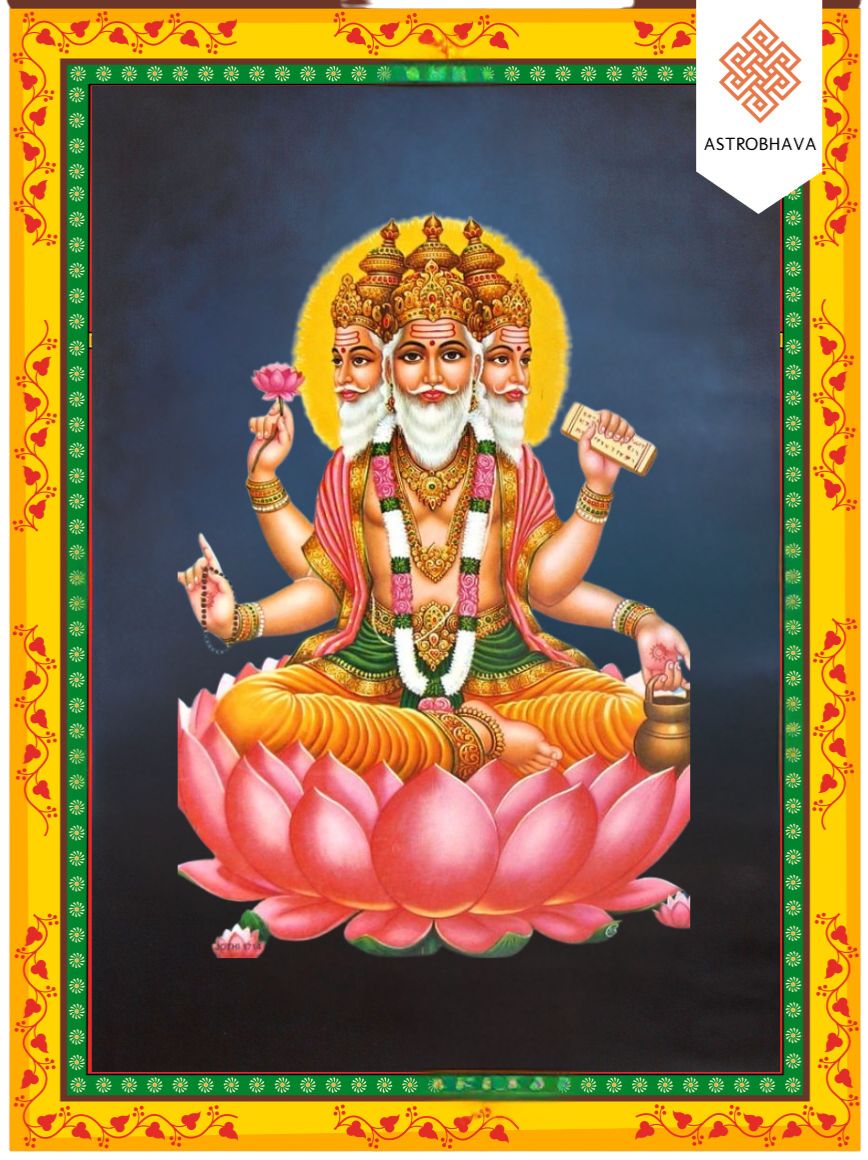
Dwitiya Tithi 2026
What is Dwitiya: Understanding Its Significance?
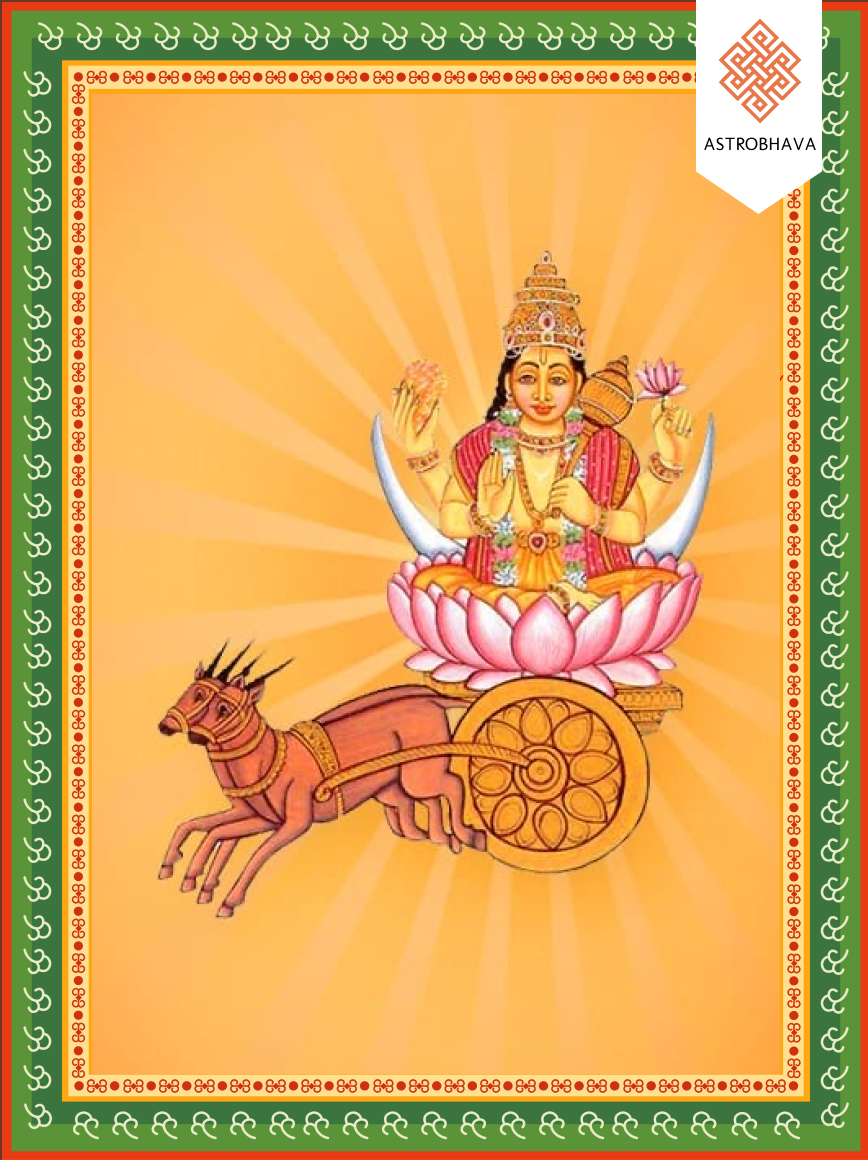
Dwitiya, the second tithi of the lunar fortnight, follows Pratipada and is observed twice every month—once in the Shukla Paksha (waxing phase) and once in the Krishna Paksha (waning phase). It is considered a day of strengthening intentions and nurturing what was initiated on Pratipada. Dwitiya is ideal for laying down routines, continuing spiritual sadhana, and performing rituals with greater focus and grounding.
In the Vedic calendar, Dwitiya is associated with duality and balance. It represents the first clear step forward after creation (Pratipada), symbolizing the establishment of form and order. Many communities observe important festivals on this day, such as Bhai Dooj, where siblings honor their bond. Some also begin specific vratas or follow-up rituals on Dwitiya that were initiated a day earlier.
Astrologically, the energy of Dwitiya supports discipline, devotion, and relationship-building, especially in personal and spiritual contexts. It is a favorable day to continue new habits, set realistic plans, and offer gratitude to deities for blessings received. When properly aligned with the Moon’s energy on this tithi, individuals can experience clarity, consistency, and strengthened intentions for the entire fortnight ahead.
“Struggling to move forward in life?
Book Ashwarooda Devi Homa online to gain confidence, victory, and unstoppable progress with divine blessings.”
Mantras to Chant During Dwitiya
Dwitiya tithi is spiritually charged for strengthening focus, balancing dual energies, and offering prayers that deepen clarity and discipline. Chanting specific mantras on this day harmonizes the lunar influences and supports both mental and emotional grounding. Here are some mantras suitable for Dwitiya:
Om Dvitiya Tithaye Namah (ॐ द्वितीया तिथये नमः)
Meaning
Salutations to the Dwitiya tithi itself, invoking its unique energy.
Relevance
Chanting this mantra helps you connect with the vibration of the day and align your actions with cosmic timing. It enhances spiritual receptivity and grounds the intention set during Pratipada.
Om Namo Bhagavate Vasudevaya (ॐ नमो भगवते वासुदेवाय)
Meaning
Salutations to Lord Vishnu, the sustainer of the universe.
Relevance
Vishnu represents stability and order—key themes of Dwitiya. This mantra nurtures inner harmony, removes mental restlessness, and helps maintain spiritual focus throughout the fortnight.
Om Shanti Shanti Shantih (ॐ शान्तिः शान्तिः शान्तिः)
Meaning
Invocation of peace—internal, external, and universal.
Relevance
Dwitiya supports balance and peace after the initiating energy of Pratipada. This mantra calms the mind, pacifies external disturbances, and sets the tone for spiritual consistency.
Om Hreem Namah (ॐ ह्रीं नमः)
Meaning
A bija (seed) mantra associated with divine clarity and purification.
Relevance
Ideal for enhancing concentration and spiritual resolve. Chanting it on Dwitiya aids in removing doubts and purifying intentions for sadhana or daily life.
“Feeling blocked by negativity or constant challenges?
Book Vana Durga Homa online to receive powerful protection, courage, and swift removal of obstacles.”
Dwitiya Tithi 2026 (Chennai Time)
| Month | Paksha | Dwitiya Timing (Start – End) |
|---|---|---|
| January | Krishna Paksha | Jan 04, 12:30 pm – Jan 05, 9:57 am |
| January | Shukla Paksha | Jan 20, 2:14 am – Jan 21, 2:43 am |
| February | Krishna Paksha | Feb 03, 1:52 am – Feb 04, 12:41 am |
| February | Shukla Paksha | Feb 18, 4:58 pm – Feb 19, 3:59 pm |
| March | Krishna Paksha | Mar 04, 4:49 pm – Mar 05, 5:04 pm |
| March | Shukla Paksha | Mar 20, 4:52 am – Mar 21, 2:31 am |
| April | Krishna Paksha | Apr 03, 8:42 am – Apr 04, 10:09 am |
| April | Shukla Paksha | Apr 18, 2:11 pm – Apr 19, 10:49 am |
| May | Krishna Paksha | May 03, 12:50 am – May 04, 3:02 am |
| May | Shukla Paksha | May 17, 9:41 pm – May 18, 5:53 pm |
| June | Krishna Paksha | Jun 01, 4:37 pm – Jun 02, 7:01 pm |
| June | Shukla Paksha | Jun 16, 4:31 am – Jun 17, 12:52 am |
| July | Krishna Paksha | Jul 01, 7:38 am – Jul 02, 9:38 am |
| July | Shukla Paksha | Jul 15, 11:51 am – Jul 16, 8:53 am |
| July | Krishna Paksha | Jul 30, 9:30 pm – Jul 31, 10:32 pm |
| August | Shukla Paksha | Aug 13, 8:42 pm – Aug 14, 6:47 pm |
| August | Krishna Paksha | Aug 29, 9:57 am – Aug 30, 9:37 am |
| September | Shukla Paksha | Sep 12, 7:46 am – Sep 13, 7:08 am |
| September | Krishna Paksha | Sep 27, 8:59 pm – Sep 28, 7:14 pm |
| October | Shukla Paksha | Oct 11, 9:31 pm – Oct 12, 10:13 pm |
| October | Krishna Paksha | Oct 27, 7:02 am – Oct 28, 4:07 am |
| November | Shukla Paksha | Nov 10, 2:00 pm – Nov 11, 3:53 pm |
| November | Krishna Paksha | Nov 25, 4:50 pm – Nov 26, 1:15 pm |
| December | Shukla Paksha | Dec 10, 8:46 am – Dec 11, 11:23 am |
| December | Krishna Paksha | Dec 25, 3:07 am – Dec 25, 11:26 pm |
Remedies for Dwitiya
- Visit a Vishnu or Lakshmi temple and offer yellow flowers, raw milk, or tulsi leaves while chanting the Dwitiya tithi mantra to harmonize planetary energies and seek blessings for relationship harmony.
- Perform a silent walk or pradakshina (circumambulation) around a sacred tree or temple to stabilize dual energies and enhance inner balance, especially during early morning or twilight.
- Book the Chandra Graha Shanti Homa from the AstroBhava website to pacify moon-related afflictions, calm emotional turbulence, and support mental focus aligned with the tithi.
- Perform the Lakshmi Narayana Homa to attract harmony in partnerships, financial clarity, and to strengthen devotional intent when starting a new cycle of spiritual effort.
- Schedule the Lakshmi Puja through AstroBhava to invoke abundance and sattvic harmony, especially when seeking balance in relationships or household matters during Dwitiya.
- Choose Vishnu Sahasranama Archana from the AstroBhava offerings to cultivate mental discipline, devotion, and protection from confusion caused by duality.
- Avoid disrespecting guests, siblings, or close companions—doing so on Dwitiya is considered papa as it disrupts the harmony this tithi promotes.
- Refrain from breaking promises or creating emotional distance in important relationships, as such karmas on Dwitiya weaken future spiritual connections and planetary support.
Do’s During Dwitiya
- Wake up during Brahma Muhurta and perform a simple meditation or japa to set the tone for emotional clarity and spiritual balance throughout the day.
- Take a bath with tulsi-infused or Ganga water to purify the subtle energy channels (nadis) and create an auspicious start to the tithi.
- Offer prayers to Lord Vishnu or Goddess Lakshmi, as Dwitiya supports devotion, discipline, and the nurturing of divine relationships.
- Perform charitable acts such as feeding cows, offering water to plants, or donating food or clothing, especially to siblings or women in need.
- Light a ghee lamp in your puja space facing east and chant mantras like “Om Namo Bhagavate Vasudevaya” or “Om Hreem Namah” for inner harmony.
- Spend quiet time journaling your thoughts, intentions, or emotional reactions to observe dual patterns and gently bring awareness to them.
- Begin disciplined efforts such as daily puja, study, or spiritual reading, as the tithi supports commitment to long-term practices.
- Observe silence (mauna) for a short period if possible, particularly in the morning, to deepen your awareness of speech and thought.
- Maintain a sattvic diet and avoid distractions, loud environments, or unnecessary movement to allow the tithi’s grounding energy to settle.
- Express appreciation to loved ones, especially siblings or close friends, reinforcing bonds and inviting blessings for harmony and mutual support.
Don’ts During Dwitiya
- Do not oversleep or miss the early morning spiritual window, as waking late on Dwitiya disturbs the subtle alignment of lunar energy.
- Avoid consuming stale, non-vegetarian, or overly spicy food, as such items increase tamas and disturb emotional and mental clarity.
- Refrain from engaging in arguments or emotionally charged conversations, particularly with siblings or close friends, as this tithi emphasizes harmony.
- Do not speak harshly, criticize others, or use negative language—words carry amplified karmic weight on Dwitiya due to its dual nature.
- Avoid starting any activity or relationship with divided intent; Dwitiya requires clear decisions and stable emotional grounding to be fruitful.
- Do not disrespect elders, mentors, or temple spaces, as this can weaken the spiritual benefit of any prayers or rituals performed on this day.
- Refrain from multitasking during prayer or puja; divided focus dilutes the effect of spiritual practices under the influence of this tithi.
- Do not neglect daily rituals or skip your usual sadhana, as inconsistency during Dwitiya can lead to inner unrest or confusion.
- Avoid lying, breaking promises, or behaving dishonestly, especially in close relationships, as this creates long-term imbalance in karmic patterns.
- Do not waste water, food, or sacred offerings; carelessness in small acts during Dwitiya disrupts the energy of respect and gratitude necessary for spiritual growth.
Benefits of Dwitiya Fasting
1. Stabilizes Emotional Energy
Dwitiya fasting helps regulate the emotional shifts that arise during the early lunar days. The Moon’s influence is strong, and fasting prevents emotional overreactions. It encourages inner balance, clarity in thoughts, and a calm response to situations. This stability is especially helpful when engaging in relationships or planning new activities in the fortnight ahead. Emotional poise built through fasting can enhance mental focus and reduce impulsive decisions.
2. Supports Relationship Healing
As Dwitiya is associated with duality and interpersonal energy, fasting creates space for reflection in personal relationships—particularly with siblings or close companions. It softens pride, reduces ego-clashes, and opens the heart to compassion. When accompanied by prayer or forgiveness rituals, the fast becomes a powerful remedy for misunderstandings. This benefit is amplified when one dedicates the fast to restoring emotional harmony and releasing past grievances.
3. Improves Mental Discipline
Fasting on Dwitiya strengthens willpower and mental discipline. With fewer physical distractions, the mind becomes more focused and alert. This clarity supports study, prayer, and long-term planning. The tithi’s energy helps in cultivating habits like daily meditation, mantra chanting, or journaling. Over time, these habits take root more firmly, especially when they are consistently initiated during Dwitiya and maintained throughout the fortnight.
4. Cleanses the Nadis (Energy Channels)
Dwitiya fasting assists in cleansing the subtle energy channels known as nadis. By refraining from dense food intake, the body becomes lighter and pranic flow increases. This allows better absorption of cosmic and lunar vibrations during meditation or pranayama. A regular fasting practice on Dwitiya supports chakra alignment, balances ida-pingala currents, and promotes energetic integration across mind, body, and soul.
5. Deepens Inner Awareness
Silence and stillness during fasting sharpen self-awareness. On Dwitiya, this process unfolds gently, encouraging introspection without intensity. Fasting helps individuals notice recurring emotional patterns and reactions. When you observe your responses with detachment, it leads to spiritual maturity and emotional intelligence. Dwitiya provides a window for recognizing dual tendencies—such as indecision or mood swings—and bringing them into harmony through conscious awareness.
6. Enhances Spiritual Receptivity
On Dwitiya, the lunar field is open and gentle, allowing divine energy to flow more easily into the subtle body. Fasting amplifies this receptivity by reducing bodily heaviness and increasing sattva. Mantras and prayers gain more depth, and one becomes sensitive to inner guidance. Many spiritual practitioners notice intuitive insights or peaceful states arising naturally when fasting on this tithi.
7. Strengthens Sankalpa (Spiritual Intention)
Dwitiya is ideal for affirming and anchoring intentions made during Pratipada. Fasting creates a focused inner environment where sankalpas take root. Whether your intention is to overcome a habit, deepen a practice, or heal a relationship, this tithi supports its growth. The clarity achieved during fasting allows you to review your goals honestly and realign your path with spiritual integrity.
8. Reduces Karmic Load in Relationships
Karma often plays out most intensely through human relationships. Fasting on Dwitiya helps soften karmic imprints between close individuals, especially siblings. When combined with prayer or puja dedicated to family harmony, this observance becomes a powerful karmic cleanser. It is especially beneficial during challenging planetary periods involving the Moon, Venus, or Rahu, which often affect relational dynamics.
9. Encourages Simplicity and Detachment
Fasting brings attention to how often we seek comfort through food, distraction, or stimulation. On Dwitiya, choosing simplicity in meals and silence in communication cultivates vairagya (detachment). This spiritual quality helps one live with less agitation and more grace. Detachment does not mean withdrawal but rather the ability to engage without emotional turbulence.
10. Creates a Ritual of Renewal
Dwitiya is the perfect follow-up to Pratipada’s fresh start. Fasting adds strength to the new lunar cycle by reinforcing your commitment to inner growth. Each month, the ritual of observing Dwitiya as a day of lightness, reflection, and prayer builds rhythm into your spiritual life. Over time, this regular observance creates a sacred momentum that supports higher awareness.
11. Purifies the Speech and Mind
One of the subtle effects of fasting is increased awareness of thought and language. Dwitiya is an ideal day to observe mental silence and reduce unnecessary conversation. This reduces energy leakage and preserves ojas (vitality). Conscious speech during this tithi can become a form of prayer, where every word carries clarity, purpose, and compassion.
12. Balances Feminine and Masculine Energies
Dwitiya represents the second aspect of lunar energy, often showing how dual forces interact—yin and yang, Shiva and Shakti, logic and emotion. Fasting creates the space for these energies to harmonize. When observed with prayer, it balances action with receptivity, thought with feeling, and will with surrender. This inner balance manifests as emotional intelligence and grounded spiritual awareness.
13. Supports Lunar Health and Hormonal Cycles
The Moon governs hormonal rhythms, especially in women. Fasting on Dwitiya helps the body reset after the lunar shift and promotes regulation of menstrual and emotional cycles. Over time, this observance supports endocrine harmony and emotional steadiness. It’s particularly useful during the full moon or new moon transition, when the body may feel more sensitive.
14. Detaches the Mind from Overstimulation
Modern life often overloads the senses. Dwitiya fasting helps unplug from sensory excess, digital saturation, and internal chatter. It teaches the nervous system to settle without constant input. Observing a media detox alongside the fast amplifies this effect. The mind naturally turns inward, reconnecting with breath, body, and inner silence.
15. Cultivates Humility and Devotion
Fasting reduces egoic tendencies by reminding us of our dependence on divine forces. On Dwitiya, this humility is expressed through simple rituals, heartfelt prayers, and acts of kindness. It purifies the heart, making it more open to bhakti (devotion). The body becomes a vessel of offering rather than indulgence, which deepens spiritual surrender.
16. Refines Intuition and Inner Listening
By withdrawing from physical cravings and distractions, the inner voice becomes clearer. Dwitiya fasting allows one to hear that voice without interference. It is often during these quiet fasts that new insights, intuitive decisions, or spiritual clarity arise. This benefit is particularly valuable for those navigating confusion or inner conflict.
17. Improves Self-Control in All Areas
The restraint practiced through fasting naturally extends to speech, thoughts, habits, and emotional reactions. Dwitiya fasting builds this control in a gentle but firm way. Over time, you develop greater mastery over desires and impulses. This discipline is the foundation for deeper meditation, inner stillness, and resilience in daily life.
18. Enhances the Quality of Rituals and Pujas
Fasting increases the potency of any spiritual practice performed during Dwitiya. Whether it’s a Lakshmi Puja, Vishnu Archana, or silent japa, the body’s lightness and the mind’s clarity act as conduits for energy flow. The results of pujas are more felt, and the subtle blessings more tangible.
19. Promotes Long-Term Emotional Healing
Dwitiya has a gentle, nurturing energy that supports emotional release. Fasting on this day—especially when dedicated to healing—helps resolve unspoken grief, anxiety, or confusion. It becomes a sacred space to acknowledge emotions, forgive oneself and others, and create a fresh path forward. The consistency of this practice supports slow, deep, and lasting healing.
20. Builds Spiritual Rhythm and Lunar Awareness
When you observe Dwitiya fasting regularly, it tunes your consciousness to the lunar cycle. This creates a natural rhythm in spiritual life, syncing you with cosmic timing. Over time, you begin to feel the shifts in energy from tithi to tithi, becoming more intuitive and spiritually attuned. This awareness becomes a guiding light for decisions, rituals, and inner growth.
FAQs Related to Dwitiya
1. What is Dwitiya in the Hindu calendar?
Dwitiya is the second tithi (lunar day) in each fortnight of the Hindu lunar calendar. It follows Pratipada and occurs twice a month—once during Shukla Paksha (waxing phase) and once during Krishna Paksha (waning phase).
2. Why is Dwitiya considered spiritually significant?
Dwitiya symbolizes balance, duality, and continuation. It is a favorable day for nurturing relationships, continuing spiritual practices started on Pratipada, and seeking emotional stability.
3. What deities are worshipped on Dwitiya?
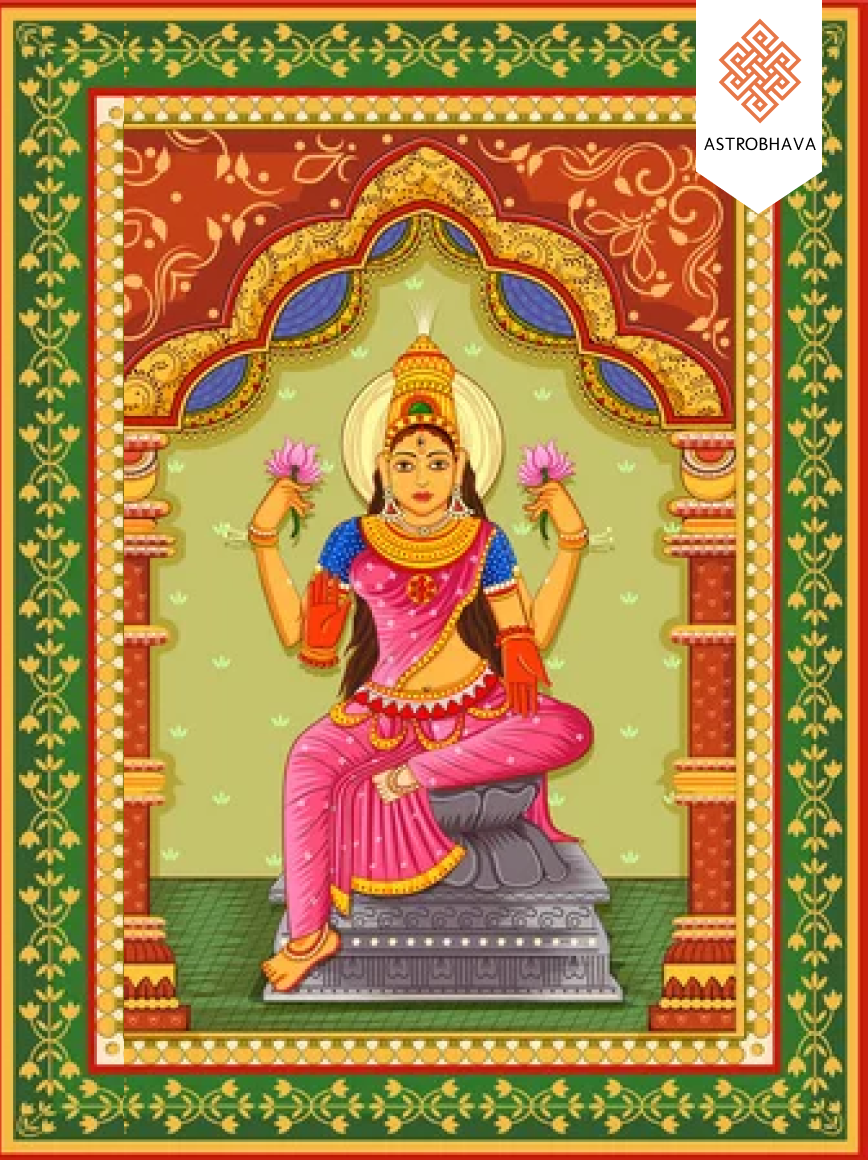
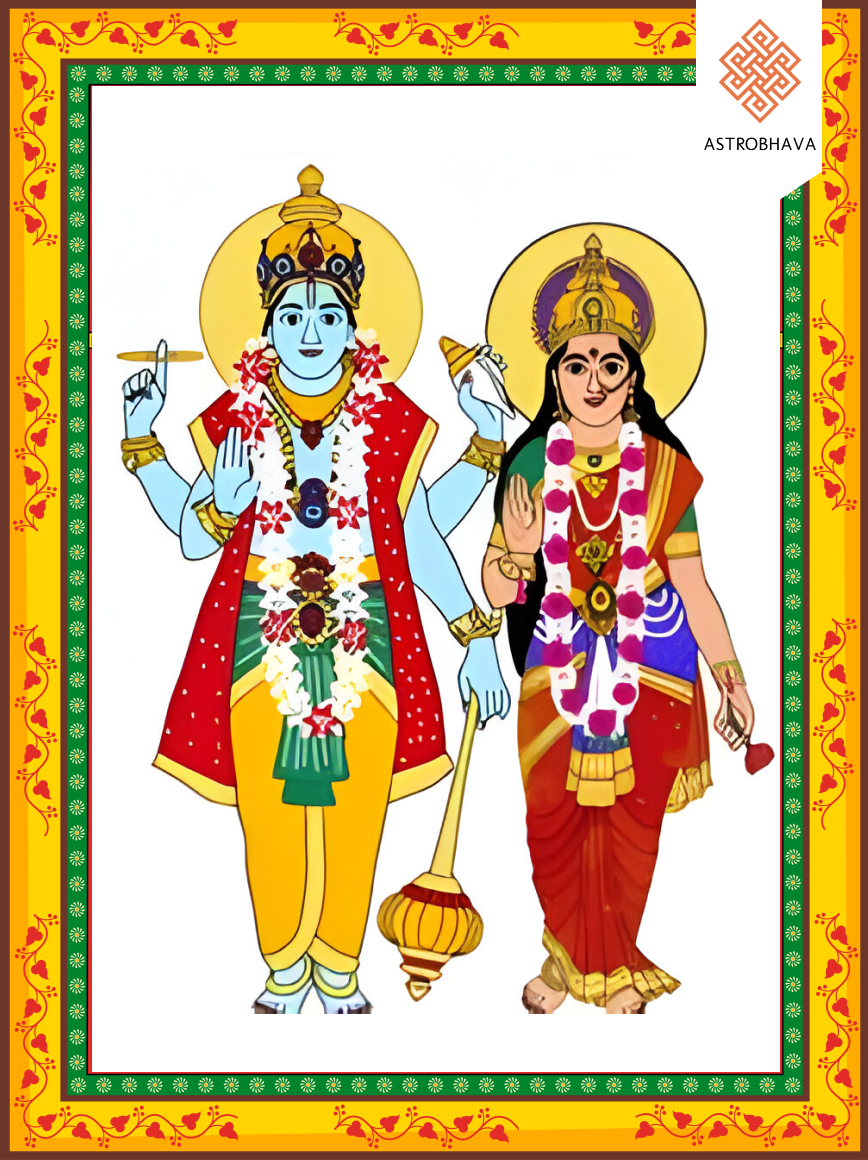
Lord Vishnu and Goddess Lakshmi are commonly worshipped. Some regions also associate Dwitiya with Bharati, the goddess of speech, or with siblings’ relationships, particularly during Bhai Dooj.
4. Is fasting necessary on Dwitiya?
Fasting is not mandatory but is highly beneficial. It supports emotional balance, mental clarity, and spiritual purification. Even a partial or fruit-based fast can offer sattvic benefits.
5. What rituals are commonly performed on Dwitiya?
Simple puja, mantra chanting, and acts of charity are encouraged. Archana, Vishnu Sahasranama recitation, or Lakshmi Puja can be done to attract grace and harmony.
6. Can I start something new on Dwitiya?
Yes, especially on Shukla Dwitiya, which is considered favorable for initiating spiritual routines, self-discipline, and family-oriented projects. Avoid new ventures on Krishna Dwitiya unless astrologically advised.
7. Is Dwitiya good for sibling bonding rituals?
Yes. In several traditions, Bhai Dooj is celebrated on Shukla Dwitiya of Kartika month, honoring the sacred bond between brothers and sisters.
8. What should be avoided on Dwitiya?
Avoid negative speech, breaking promises, or indulging in tamasic behaviors like anger, gossip, or overeating. These disrupt the balance and subtle clarity this tithi offers.
9. Who is the ruling Nitya Devi of Dwitiya?
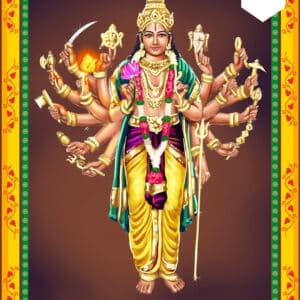
Dwitiya is associated with the goddess Bhagamālini, one of the 15 Nitya Devis. She represents refinement, discipline, and spiritual continuity.
10. Can I perform homa or puja on Dwitiya?
Yes. Homas such as Chandra Graha Shanti Homa or Lakshmi Narayana Homa and pujas like Lakshmi Puja are especially effective on Dwitiya for balance, prosperity, and emotional healing.