Ekadashi Tithi 2026
What is Ekadashi: Understanding Its Significance?
Ekadashi is the eleventh day of each lunar fortnight in the Hindu calendar, occurring twice a month—once during the waxing phase (Shukla Paksha) and once during the waning phase (Krishna Paksha) of the Moon. It holds immense spiritual importance and is regarded as one of the most powerful days for fasting, prayer, and purification. The term “Ekadashi” is derived from Sanskrit, meaning “eleven.”
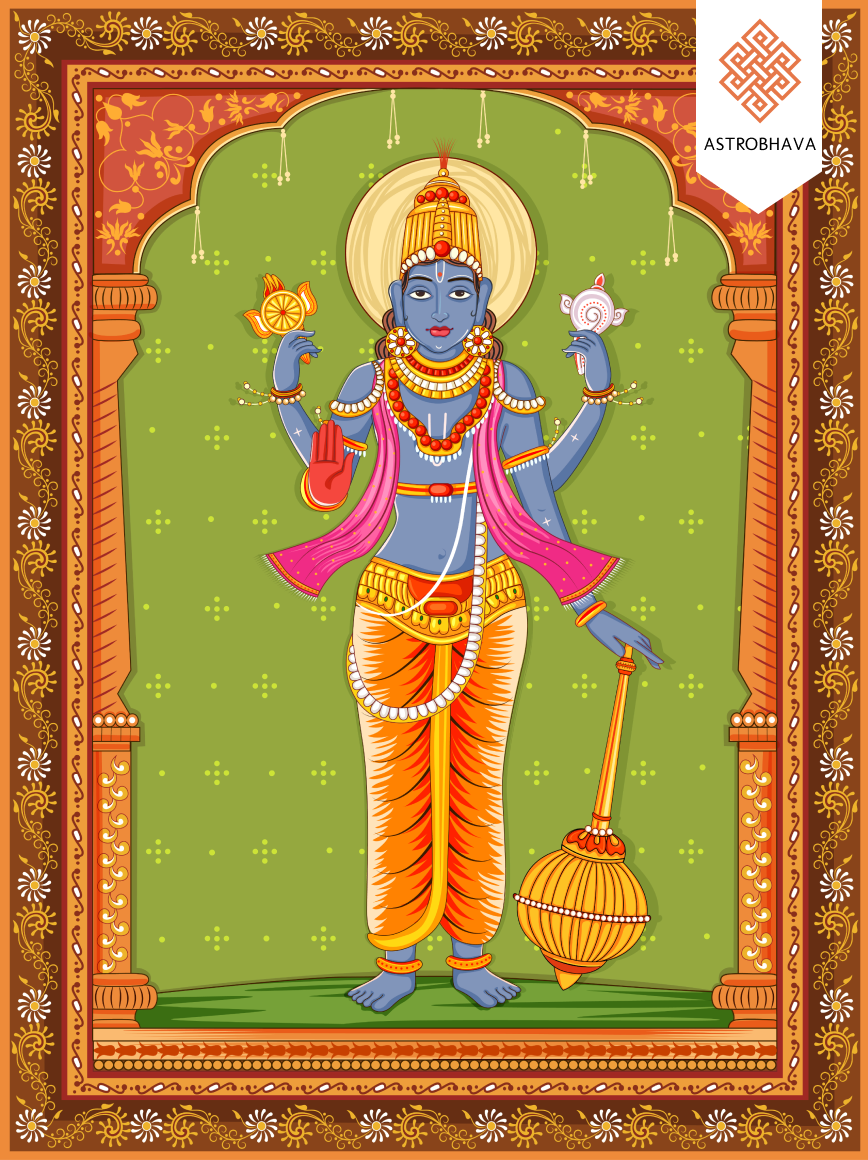
According to ancient scriptures, Ekadashi is dedicated to Lord Vishnu, the preserver of the universe. It is believed that on this day, the energies in nature are especially conducive to spiritual practices. Fasting on Ekadashi is more than a physical detox; it is a means of mental and karmic purification. Devotees abstain from grains, beans, and certain vegetables, and focus instead on mantra chanting, prayer, and scriptural study.
Each Ekadashi has a unique story and specific spiritual benefits, ranging from liberation from sins to prosperity, peace, and spiritual growth. Observing Ekadashi helps control desires, enhances mental discipline, and deepens devotion. It is a sacred opportunity to step away from material distractions and align with sattvic (pure) vibrations, making it one of the most spiritually potent days in the Vedic calendar.
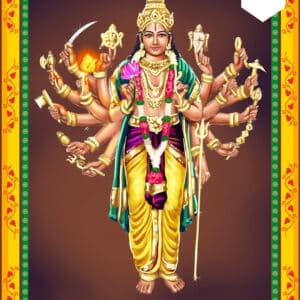
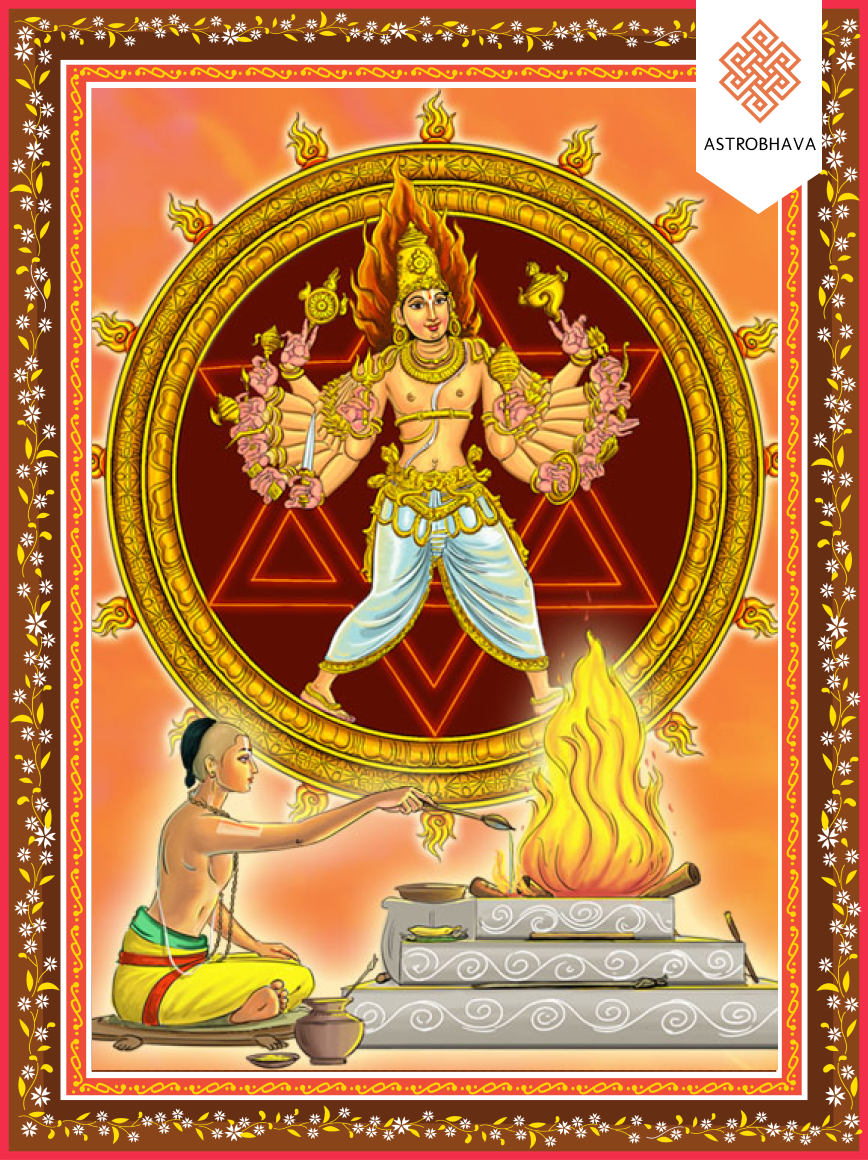
“Looking to overcome fear and regain control of your path?
Experience Kala Bhairava Homa, the sacred ritual that brings protection, confidence, and timely success.”
Mantras to Chant During Ekadashi
On Ekadashi, chanting specific mantras dedicated to Lord Vishnu helps purify the mind, deepen devotion, and invite divine grace. These mantras are best recited with a focused and calm mind, ideally after a ritual bath and before or during your fast.
1. Vishnu Moola Mantra
“Om Namo Bhagavate Vasudevaya”
This foundational mantra salutes Lord Vishnu as the all-pervading divine presence. It is a powerful call for protection, surrender, and spiritual awakening.
2. Hare Krishna Maha Mantra
“Hare Rama Hare Rama, Rama Rama Hare Hare
Hare Krishna Hare Krishna, Krishna Krishna Hare Hare”
This well-known mantra is ideal for chanting throughout the day on Ekadashi. It cleanses the heart and invokes divine joy and devotion.
3. Narayana Ashtakshara Mantra
“Om Namo Narayanaya”
A simple yet deeply purifying mantra, it brings peace of mind and connects the devotee with the sustaining energy of Lord Narayana.
4. Om Vishnave Namah
“Om Vishnave Namah”
This mantra offers direct salutation to Vishnu, the preserver of the universe, and invites stability, harmony, and divine support.
5. Om Shri Hariye Namah
“Om Shri Hariye Namah”
Chanted to honor Lord Hari (another name for Vishnu), this mantra helps remove obstacles, sins, and mental restlessness.
Chant any of these mantras 108 times or throughout the day to align with the sacred vibrations of Ekadashi.
“Want strength and stability in tough situations?
Perform Vana Durga Homa to invoke the fierce grace of Goddess Vana Durga for clarity, confidence, and success.”
Ekadashi Tithi 2026 (Chennai Time)
| Month | Paksha | Ekadashi Timing (Start – End) |
|---|---|---|
| January | Krishna Paksha | Jan 13, 3:18 pm – Jan 14, 5:53 pm |
| January | Shukla Paksha | Jan 28, 4:36 pm – Jan 29, 7:25 pm |
| February | Krishna Paksha | Feb 12, 5:52 pm – Feb 13, 7:56 pm |
| February | Shukla Paksha | Feb 27, 6:03 am – Feb 28, 4:03 am |
| March | Krishna Paksha | Mar 14, 1:41 pm – Mar 15, 2:47 pm |
| March | Shukla Paksha | Mar 28, 2:16 pm – Mar 29, 1:16 pm |
| April | Krishna Paksha | Apr 13, 5:47 am – Apr 14, 5:39 am |
| April | Shukla Paksha | Apr 26, 10:37 pm – Apr 27, 10:46 pm |
| May | Krishna Paksha | May 12, 7:22 pm – May 13, 6:00 pm |
| May | Shukla Paksha | May 26, 9:41 am – May 27, 10:52 am |
| June | Krishna Paksha | Jun 11, 5:28 am – Jun 12, 3:06 am |
| June | Shukla Paksha | Jun 24, 10:42 pm – Jun 26, 12:39 am |
| July | Krishna Paksha | Jul 10, 12:46 pm – Jul 11, 9:53 am |
| July | Shukla Paksha | Jul 24, 1:43 pm – Jul 25, 4:04 pm |
| August | Krishna Paksha | Aug 08, 6:29 pm – Aug 09, 3:35 pm |
| August | Shukla Paksha | Aug 23, 6:30 am – Aug 24, 8:49 am |
| September | Krishna Paksha | Sep 06, 11:59 pm – Sep 07, 9:34 pm |
| September | Shukla Paksha | Sep 22, 12:31 am – Sep 23, 2:13 am |
| October | Krishna Paksha | Oct 06, 7:38 am – Oct 07, 6:05 am |
| October | Shukla Paksha | Oct 21, 7:42 pm – Oct 22, 8:18 pm |
| November | Krishna Paksha | Nov 04, 4:33 pm – Nov 05, 4:06 pm |
| November | Shukla Paksha | Nov 20, 12:46 pm – Nov 21, 12:02 pm |
| December | Krishna Paksha | Dec 04, 4:34 am – Dec 05, 5:15 am |
| December | Shukla Paksha | Dec 20, 3:39 am – Dec 21, 1:45 am |
These timings reflect the tithi periods of Ekadashi throughout 2026 according to Chennai time zone, useful for planning fasts, prayers, and devotional observances.
Remedies for Ekadashi
- Observe a strict fast by avoiding all grains, legumes, and processed foods; consume only fruits, milk, or water to cleanse the body and calm the mind.
- Visit a nearby Vishnu or Krishna temple during the morning or evening hours, offer tulsi leaves, and chant Vishnu mantras with devotion.
- Perform Satyanarayana Homa from the AstroBhava website to remove obstacles and gain divine support for life goals.
- Book Sudarsana Homa through AstroBhava to clear negative energies and protect from unseen forces and karmic blocks.
- Schedule Maha Vishnu Puja via AstroBhava to invite wealth, health, and overall balance in life through the grace of Lord Vishnu.
- Opt for Lakshmi Narayana Puja from AstroBhava to attract both spiritual and material abundance, especially when performed on Ekadashi.
- Perform Runa Vimochana Puja through AstroBhava for liberation from financial and karmic debts that may be hindering progress.
- Choose Papakshaya Puja on AstroBhava to dissolve accumulated sins and regrets from past lives, especially effective on Ekadashi for deep karmic healing.
“Looking for powerful protection from unseen forces and negativity?
Experience Prathyangira Devi Homa, the sacred fire ceremony that destroys evil influences, purifies your aura, and fills life with divine peace and strength.”
Do’s During Ekadashi
- Wake up during Brahma Muhurta (early morning hours) and take a ritual bath to begin the day with purity and spiritual focus.
- Clean your home and puja altar to create a sacred environment suitable for prayer, meditation, and mantra chanting.
- Observe a fast according to your ability—complete nirjala (without food or water), phalahar (fruits and milk), or with light sattvic meals.
- Chant Vishnu mantras such as “Om Namo Bhagavate Vasudevaya” or “Om Namo Narayanaya” with japa beads for spiritual elevation.
- Read sacred texts like the Bhagavad Gita, Vishnu Purana, or Srimad Bhagavatam to deepen your understanding of dharma and divine wisdom.
- Offer tulsi leaves, flowers, fruits, and incense to an image or idol of Lord Vishnu or Krishna at home or temple.
- Spend time in silence or mindful prayer to allow inward reflection and to align with the sattvic vibrations of the day.
- Engage in charitable acts such as donating food, clothes, or supporting temple activities, as acts of compassion are spiritually magnified on Ekadashi.
- Participate in or organize a group kirtan or bhajan session in honor of Lord Vishnu or Krishna.
- Conclude the day with an evening aarti, lighting a ghee lamp and offering gratitude for the opportunity to observe the vrat.
Don’ts During Ekadashi
- Do not consume grains, legumes, lentils, or rice in any form, as these are strictly avoided on Ekadashi due to their tamasic and rajasic properties.
- Avoid eating onion, garlic, and processed or stale food—even if not fasting completely—as these disrupt the sattvic atmosphere of the day.
- Refrain from sleeping during the day, as it is believed to reduce the spiritual merit (punya) gained through fasting and worship.
- Do not engage in arguments, gossip, or negative speech, as such activities diminish the spiritual energy cultivated through vrat and prayer.
- Avoid indulging in entertainment such as movies, TV, or excessive social media. The focus should remain on introspection, not distraction.
- Do not disrespect elders, spiritual teachers, or deities. Maintain humility and reverence in all actions and speech.
- Refrain from harming any living being, even unintentionally. Avoid actions like plucking plants unnecessarily or hurting animals.
- Do not ignore the spiritual aspects of Ekadashi by treating it as a mere dietary observance—it is a day for purification on all levels.
- Avoid excessive talking or loud behavior. Silence and calmness enhance the inner connection with divinity.
- Do not break the fast improperly or carelessly. If fasting, break it the next day (Dwadashi) during the prescribed time with light sattvic food and prayerful intent.
“Looking to enhance prosperity and remove financial obstacles?
Experience Sri Suktha Homa, the powerful fire ceremony that energizes your life with wealth, happiness, and divine blessings from Goddess Mahalakshmi.”
Benefits of Ekadashi Fasting
1. Physical Detoxification
Fasting on Ekadashi eliminates undigested toxins from the digestive system. By abstaining from grains and heavy foods, the body gets a break, allowing it to cleanse naturally and improve metabolic efficiency.
2. Mental Clarity and Calmness
Ekadashi promotes sattvic living. Avoiding tamasic foods like garlic and onion calms the nervous system, resulting in better focus, peace of mind, and balanced emotional states.
3. Spiritual Purification
Fasting and prayer on Ekadashi remove negative karmas. The day is ideal for introspection, repentance, and surrender, helping the soul realign with higher spiritual truths.
4. Increases Self-Discipline
Restraining from indulgence builds willpower. Regular observance trains the mind to rise above cravings, building consistency, resilience, and discipline over time.
5. Enhances Devotion to Lord Vishnu
Ekadashi is devoted to Vishnu. Observing this vrat with chanting, bhajans, and reading scriptures like Bhagavad Gita deepens your relationship with the divine.
6. Improves Digestive Health
Avoiding heavy foods allows the digestive tract to rest. This reduces issues like bloating, acidity, and indigestion, and improves nutrient absorption.
7. Rejuvenates the Mind and Body
When observed with sincerity, the fasting and meditative practices on Ekadashi create a rejuvenating effect, refreshing both body and consciousness.
8. Supports Intermittent Fasting Benefits
Modern science backs intermittent fasting. Ekadashi naturally fits this model, aiding in weight regulation, insulin sensitivity, and cellular repair.
9. Helps in Breaking Negative Habits
The commitment to avoid specific foods and behaviors on Ekadashi can interrupt addictive patterns, helping in quitting smoking, drinking, or other compulsions.
10. Activates Subtle Energies
According to yogic sciences, lunar days like Ekadashi affect water in the body. Fasting on these days enhances pranic flow and subtle body activation.
11. Reduces Attachment to Food and Body
Ekadashi reminds us that we are not the body alone. It allows detachment from physical identity, increasing spiritual awareness and connection to the soul.
12. Promotes Non-violence and Compassion
As grains are avoided and no harm is done to animals, Ekadashi fosters ahimsa. Many devotees use the day for charitable acts and feeding the poor.
13. Supports Better Sleep Patterns
Eating light or fasting improves the quality of sleep. As digestion takes less effort, the body goes into deeper restorative rest.
14. Encourages Sattvic Lifestyle
The observance naturally promotes sattva (purity) through mindful eating, clean living, and devotion—transforming lifestyle over time.
15. Opens the Door to Intuition and Insight
With reduced mental clutter, the intuitive mind sharpens. Ekadashi is often used for receiving divine guidance or resolving personal dilemmas through prayer.
16. Builds Community and Shared Devotion
Many families or groups observe Ekadashi together, sharing prayers, kirtans, and meals (post-fast), fostering harmony and shared spiritual growth.
17. Aligns with Cosmic Rhythms
Ekadashi aligns human energy with lunar cycles. This synchronization enhances internal balance and strengthens vitality, according to Ayurveda and astrology.
18. Increases Gratitude and Simplicity
Abstaining from comfort foods makes one appreciate simplicity. The next day’s meal is received with humility and mindfulness, fostering gratitude.
19. Acts as a Karmic Cleanser
Scriptures mention that sincere Ekadashi vrat absolves past sins. It’s a spiritual reset button for those seeking to lighten karmic burdens and seek moksha.
20. Enhances Energy for Meditation and Japa
The absence of dense foods and worldly distractions on Ekadashi creates ideal conditions for deep mantra japa, dhyana (meditation), and spiritual alignment.
FAQs Related to Ekadashi
1. What is Ekadashi?
Ekadashi is the eleventh lunar day (tithi) in both the waxing (Shukla Paksha) and waning (Krishna Paksha) phases of the moon. It is traditionally observed as a sacred fasting day dedicated to Lord Vishnu.
2. Why is fasting observed on Ekadashi?
Fasting on Ekadashi is believed to purify the body and mind, dissolve sins, and aid spiritual growth. Scriptures state that observing Ekadashi leads to moksha (liberation) when practiced with devotion.
3. Can anyone observe Ekadashi fasting?
Yes, anyone can observe it. However, elderly individuals, children, or those with medical conditions may follow partial fasts (like fruit, milk, or one meal) depending on their capacity.
4. What foods are avoided on Ekadashi?
All grains, beans, lentils, and pulses are strictly avoided. Sattvic foods like fruits, milk, nuts, and certain vegetables are permitted depending on the level of fasting.
5. Can we drink water on Ekadashi?
Yes, unless you are observing a Nirjala Ekadashi (fast without food and water). Most devotees drink water and may also consume herbal teas or fruit juices.
6. When should the fast be broken?
Ekadashi fast is usually broken on the next day, Dwadashi, during the Parana time (as per the lunar calendar). Breaking it at the right time is essential for completing the vrat.
7. Is Ekadashi only for Vaishnavas?
While Vaishnavas observe it with special emphasis, Ekadashi can be observed by anyone seeking spiritual merit, regardless of tradition or sect.
8. What if someone forgets and eats grains on Ekadashi?
If done unintentionally, one can repent by chanting Vishnu mantras, reading scriptures, and observing the next Ekadashi with full sincerity.
9. How many Ekadashis are there in a year?
There are typically 24 Ekadashis in a lunar year, but in years with an Adhik Maas (extra month), there can be 26.
10. Is it necessary to visit a temple on Ekadashi?
It is highly beneficial but not mandatory. Devotion can also be expressed at home with prayer, chanting, and spiritual reading.