Navami Tithi 2026
What is Navami: Understanding Its Significance?
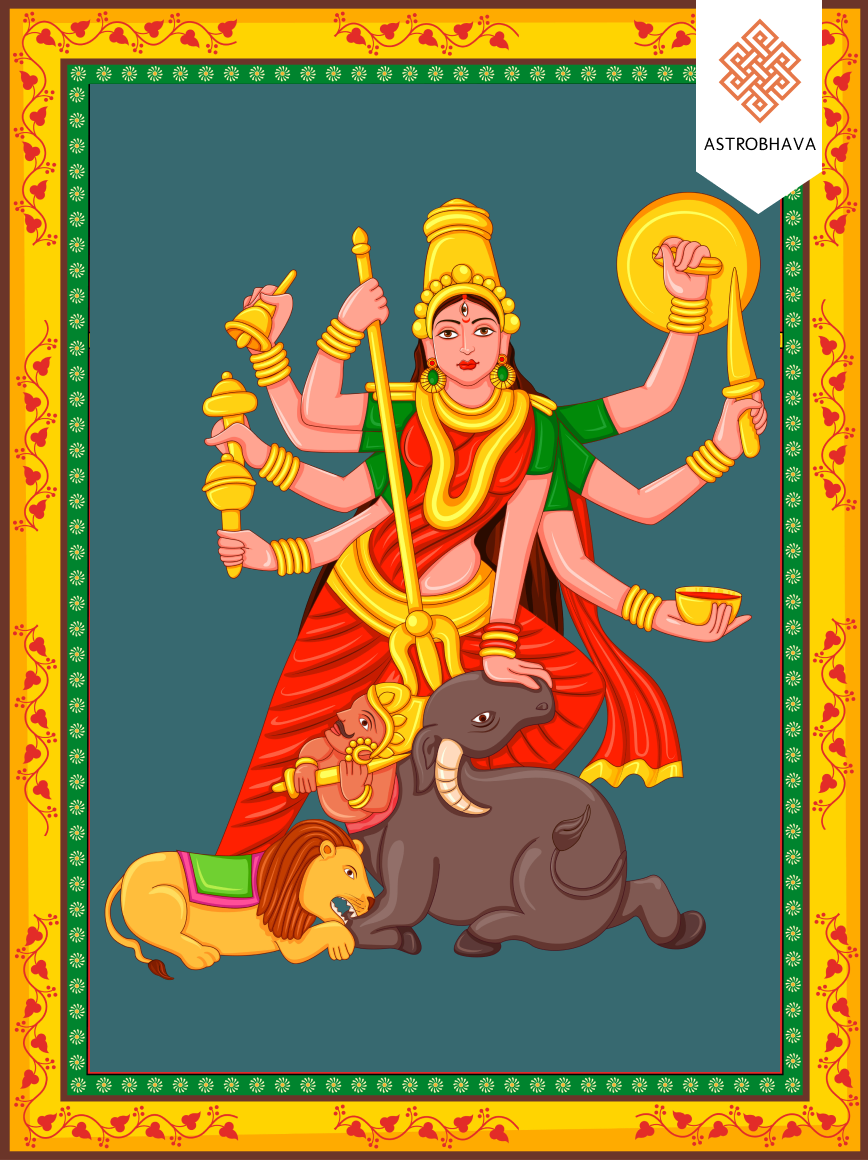
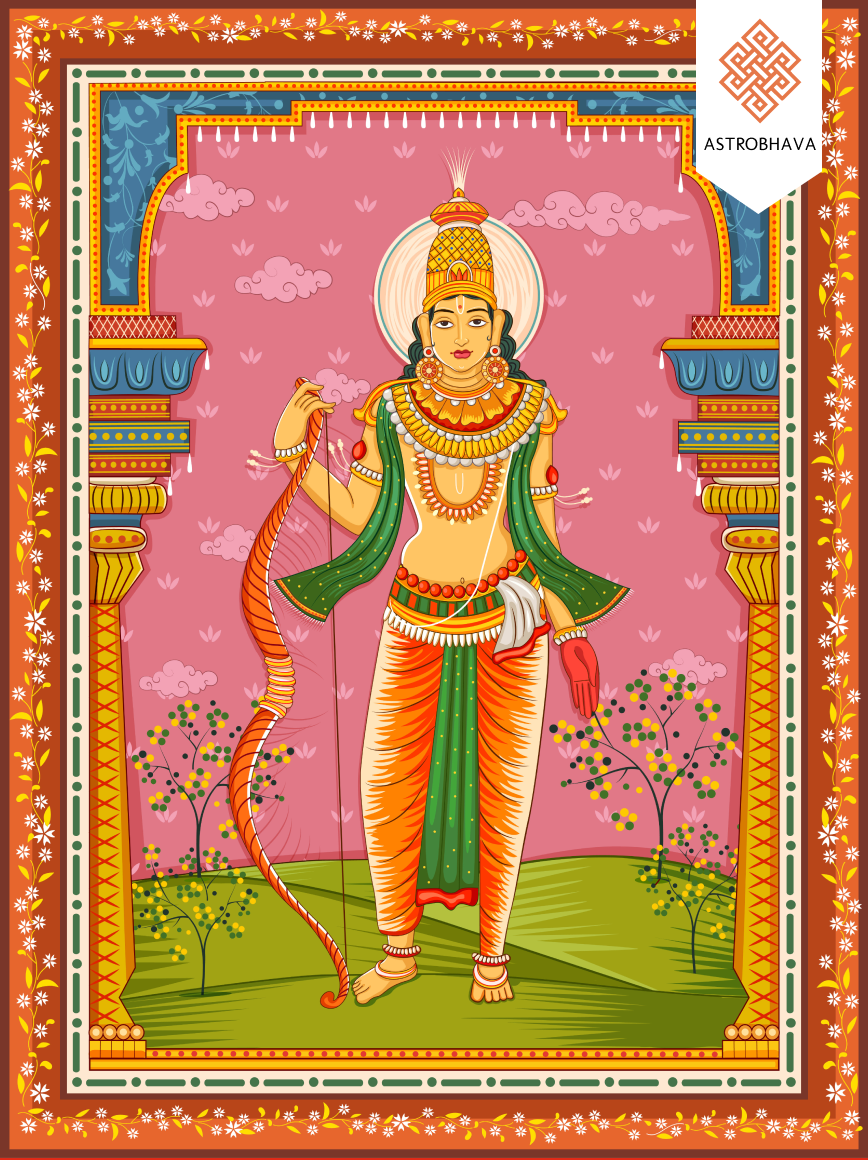
Navami is the ninth day (tithi) of the lunar fortnight in both the waxing (Shukla Paksha) and waning (Krishna Paksha) phases of the Hindu calendar. It is a spiritually charged day associated with divine manifestations of strength, discipline, and protection. Among all Navami observances, Rama Navami and Maha Navami are the most prominent. Rama Navami celebrates the birth of Lord Rama, while Maha Navami—observed during Navratri—honors the fierce aspect of Goddess Durga just before Vijayadashami.
Spiritually, Navami signifies the culmination of inner battles and the preparation for divine victory. It is a day of heightened spiritual energy that invites devotees to reflect, fast, and align their inner discipline with divine will. Worship on this day focuses on invoking Shakti (divine feminine power) or Dharma (righteousness) depending on the tradition.
Fasting, chanting, and reading sacred scriptures are common practices. Navami is ideal for clearing emotional toxins, strengthening one’s spiritual resolve, and cultivating clarity. The number nine is symbolic of completion, so Navami also represents closure and renewal. It’s a time to surrender ego, affirm purpose, and invoke blessings for both personal strength and universal harmony through the grace of the divine.
“Seeking relief from karmic burdens and past-life obstacles?
Book Chitra Gupta Homa online to cleanse negative karma and restore balance, peace, and righteous progress.”
Mantras to Chant During Navami
Navami is dedicated to invoking divine strength, protection, and inner balance. Depending on whether one observes Maha Navami (for Goddess Durga) or Rama Navami (for Lord Rama), the following mantras are especially effective for spiritual growth and inner purification:
For Goddess Durga (Maha Navami)
1. Durga Moola Mantra
“Om Dum Durgayei Namaha”
This mantra invokes the protective energy of Goddess Durga and is ideal for warding off negativity, fear, and obstacles.
2. Devi Stuti Mantra
“Ya Devi Sarva Bhuteshu Shakti Rupena Samsthita
Namastasyai Namastasyai Namastasyai Namo Namaha”
A powerful salutation to the universal form of the goddess residing in all beings as energy and consciousness.
3. Navami Special Invocation (Chandi Navami)
“Aim Hreem Kleem Chamundaye Vichche”
This bija mantra calls upon the fierce and transformative power of Chamunda, a form of Durga invoked on Maha Navami.
For Lord Rama (Rama Navami)
4. Rama Taraka Mantra
“Shri Ram Jai Ram Jai Jai Ram”
Simple yet immensely powerful, this mantra brings peace, devotion, and spiritual focus.
5. Rama Moola Mantra
“Om Sri Ramaya Namah”
Chanted for inner stability, dharma, and grace, this mantra aligns the devotee with the ideal qualities of Lord Rama.
These mantras, when chanted with devotion and mental clarity on Navami, invite divine protection, strength, and the ability to overcome both inner and outer adversities.
“Facing constant negativity or severe life obstacles?
Book Samhara Bhairava Homa online to destroy negative forces and receive powerful divine protection.”
Navami Tithi 2026 (Chennai Time)
| Month | Paksha | Navami Timing (Start – End) |
|---|---|---|
| January | Krishna Paksha | Jan 11, 10:20 am – Jan 12, 12:43 pm |
| January | Shukla Paksha | Jan 26, 9:18 pm – Jan 27, 7:05 pm |
| February | Krishna Paksha | Feb 10, 7:27 am – Feb 11, 9:59 am |
| February | Shukla Paksha | Feb 25, 4:52 am – Feb 26, 2:41 am |
| March | Krishna Paksha | Mar 12, 4:19 am – Mar 13, 6:29 am |
| March | Shukla Paksha | Mar 26, 11:49 am – Mar 27, 10:07 am |
| April | Krishna Paksha | Apr 10, 11:16 pm – Apr 12, 12:38 am |
| April | Shukla Paksha | Apr 24, 7:22 pm – Apr 25, 6:28 pm |
| May | Krishna Paksha | May 10, 3:07 pm – May 11, 3:25 pm |
| May | Shukla Paksha | May 24, 4:27 am – May 25, 4:31 am |
| June | Krishna Paksha | Jun 09, 3:24 am – Jun 10, 2:35 am |
| June | Shukla Paksha | Jun 22, 3:40 pm – Jun 23, 4:40 pm |
| July | Krishna Paksha | Jul 08, 12:22 pm – Jul 09, 10:38 am |
| July | Shukla Paksha | Jul 22, 5:17 am – Jul 23, 7:03 am |
| August | Krishna Paksha | Aug 06, 6:53 pm – Aug 07, 4:37 pm |
| August | Shukla Paksha | Aug 20, 9:18 pm – Aug 21, 11:36 pm |
| September | Krishna Paksha | Sep 05, 12:14 am – Sep 05, 9:54 pm |
| September | Shukla Paksha | Sep 19, 3:27 pm – Sep 20, 5:52 pm |
| October | Krishna Paksha | Oct 04, 5:52 am – Oct 05, 3:54 am |
| October | Shukla Paksha | Oct 19, 10:52 am – Oct 20, 12:50 pm |
| November | Krishna Paksha | Nov 02, 1:11 pm – Nov 03, 11:55 am |
| November | Shukla Paksha | Nov 18, 6:05 am – Nov 19, 7:06 am |
| December | Krishna Paksha | Dec 01, 11:14 pm – Dec 02, 10:52 pm |
| December | Shukla Paksha | Dec 17, 11:26 pm – Dec 18, 11:14 pm |
This table outlines all the Navami tithi timings in 2026 for Chennai time zone, helping you plan your observances accurately.
- Visit a temple dedicated to Goddess Durga or Lord Rama, depending on the Navami observed, and offer red flowers, banana, and jaggery along with lighting a ghee diya for divine blessings.
- At home, chant the Ram Raksha Stotra or Durga Saptashati as per your path, followed by meditation in front of the deity with sandalwood incense and tulsi water.
- Perform the Navami Shakti Homa through AstroBhava to invoke divine feminine power, clear inner fears, and boost spiritual protection.
- Book the Sri Rama Dharma Homa from AstroBhava to strengthen one’s resolve, attract righteousness in life, and dissolve confusion or moral dilemmas.
- Conduct the Durga Sapta Shloki Puja via AstroBhava to seek relief from planetary afflictions and attain clarity, confidence, and protection.
- Schedule the Sri Rama Navami Puja from AstroBhava to bring harmony within the family, invoke divine order, and remove karmic burdens affecting relationships.
- Participate in Chandi Parayanam Puja through AstroBhava to experience intense purification and release of ancestral burdens, especially for maternal lineage healing.
- Perform the Dashavatar Puja from AstroBhava on Navami to align with the cosmic intelligence of Vishnu’s incarnations and invoke divine intervention in karmic stagnation.
“Seeking divine help to overcome challenges quickly?
Experience Sankata Hara Ganesha Homa, the sacred Vedic ritual that destroys obstacles and brings clarity, confidence, and success.”
Do’s During Navami
- Wake up early during Brahma Muhurta and take a holy bath; adding a few drops of Ganga water to your bath enhances spiritual purity.
- Wear clean, traditional clothes—preferably red or white—to honor the divine vibrations of the tithi.
- Observe a fast according to your strength—nirjala (without water), phalahar (fruits and milk), or with simple sattvic food after sunset.
- Begin the day with the chanting of sacred mantras like Om Dum Durgayei Namaha or Sri Ram Jai Ram Jai Jai Ram to align with the energies of the deity.
- Offer prayers and light a ghee lamp at your home altar or temple. Use red flowers, turmeric, sandalwood paste, and fruits during your puja.
- Read sacred texts like Durga Saptashati, Ramayana, or Devi Mahatmyam based on whether it is Maha Navami or Rama Navami.
- If observing Rama Navami, meditate on dharma, humility, and compassion as personified by Lord Rama.
- If observing Maha Navami, focus on inner strength, protection, and transformation through Devi worship.
- Visit a nearby temple and participate in community worship, bhajans, or charitable offerings.
- Offer food or donations to young girls (kanya puja) or Brahmins, as this is considered highly auspicious.
- Perform japa (repetition) of your ishta devata mantra for deeper spiritual connection.
- Maintain a calm and focused mind throughout the day, avoiding distractions and unnecessary speech.
- End the day with an evening aarti and meditation, offering your fast and sadhana to the divine for blessings, clarity, and inner peace.
Don’ts During Navami
- Do not consume non-vegetarian food, alcohol, or any tamasic items like onion, garlic, or heavily spiced meals, as these lower your spiritual vibration.
- Avoid waking up late or skipping morning bath and prayers, which are essential to prepare the body and mind for the tithi’s spiritual energy.
- Do not engage in negative speech, gossip, or arguments—verbal discipline is vital on Navami to honor the presence of divinity.
- Refrain from eating out or indulging in indulgent foods, even if fasting lightly. Purity in food equals purity in thoughts.
- Avoid harming or speaking ill of women, elders, or children, especially on Maha Navami or Rama Navami, which revere divine feminine and dharma energies.
- Do not engage in excessive entertainment, social media, or distraction-heavy activities. Maintain inner focus throughout the day.
- Avoid disrespecting the rituals or rushing through puja. Casual or careless worship reduces spiritual merit.
- Refrain from cutting hair or nails, as it is considered inauspicious during sacred lunar tithis.
- Do not perform financial dealings or start new ventures unless guided astrologically—it’s a day meant more for spiritual alignment than material pursuit.
- Avoid idle laziness or sleeping during the daytime unless physically necessary, as it weakens the spiritual resolve of fasting.
- Do not skip mantra chanting or sacred reading if you’re observing the vrat, as they are integral to its spiritual benefit.
- Refrain from criticizing other paths of worship or beliefs—Navami is a time to respect all divine forms and practices with humility.
“Seeking success in love, attraction, and hidden desires?
Book Ucchista Ganapathi Homa online to fulfill wishes, remove blocks, and attract prosperity and charm.”
Benefits of Navami Fasting
1. Boosts Inner Discipline and Righteousness
Navami, particularly Rama Navami, is closely tied to dharma (righteous living). Fasting on this day aligns the devotee with the disciplined, principled energy of Lord Rama. It instills the ability to follow inner truth, make moral decisions under pressure, and walk a path of integrity. Regular observance helps strengthen the will to uphold righteousness even in difficult situations, making it highly beneficial for those struggling with inner conflict or external injustice.
2. Strengthens Connection with Divine Feminine Power
During Maha Navami, the culmination of Navratri, the feminine energy is at its peak. Fasting invokes Goddess Durga’s protective and nurturing aspects. It enhances one’s inner strength, self-worth, and clarity. Both men and women benefit by balancing their inner Shakti—leading to more resilience, emotional depth, and energetic vitality. This is especially helpful for breaking cycles of self-doubt, fear, or dependency.
3. Purifies the Body and Mind
Navami fasting encourages a break from indulgence and allows both body and mind to detox. By avoiding tamasic foods and focusing on sattvic nourishment or complete abstinence, toxins are eliminated. The result is increased lightness, improved digestion, and mental clarity. Devotees often report better sleep, reduced stress, and sharper focus after regular fasting on Navami.
4. Supports Ancestral Healing and Family Harmony
Navami is a powerful day to offer prayers for family unity and remove ancestral karmic patterns. Fasting with intention and performing charitable acts helps cleanse inherited blocks and restore emotional balance within the lineage. It is especially auspicious for maternal line healing during Maha Navami. Such rituals support smoother relationships, fewer conflicts, and greater familial blessings.
5. Opens the Heart to Devotion and Bhakti
Fasting on Navami cultivates surrender and humility, especially when paired with chanting or scriptural reading. It awakens pure devotion (bhakti) toward Rama, Durga, or one’s chosen deity. This devotion brings inner peace, emotional healing, and a stronger connection to divine guidance, leading to greater trust in life’s process and less anxiety about outcomes.
6. Destroys Negative Influences and Obstacles
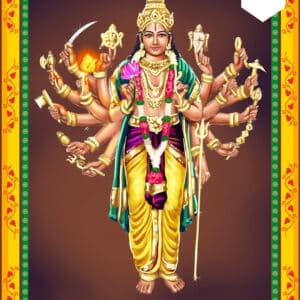
Maha Navami is associated with Goddess Siddhidatri, who grants siddhis (spiritual accomplishments) and removes negativity. Fasting on this day, along with prayer or homa, helps neutralize unseen obstacles—be they from planetary afflictions, black magic, or mental conditioning. It’s an ideal time to cut cords with limiting energies and move forward with courage and clarity.
7. Increases Energy and Vitality
Contrary to the assumption that fasting leads to weakness, Navami fasting—especially done mindfully—releases stored energy by redirecting digestive energy inward. This improves overall vitality and strengthens the immune system. It is often reported that devotees feel lighter, more focused, and more energized during and after Navami fasts.
8. Encourages Detachment from Material Cravings
Fasting challenges your attachments—whether to food, routine, or comforts. Navami fosters inner detachment without escapism. This spiritual discipline improves your ability to stay centered during loss or temptation, and helps you reclaim control from compulsions. Over time, you experience more freedom and emotional independence.
9. Refines Emotional Intelligence
By creating a pause from daily distractions and tuning inward, Navami fasting supports deeper understanding of your emotional states. You become more aware of hidden fears, patterns, or insecurities. This helps in processing emotions mindfully and responding rather than reacting—improving your relationships and personal peace.
10. Enhances the Power of Mantras and Meditation
With senses subdued and the mind stilled, mantras chanted on Navami carry more potency. Whether it’s Om Dum Durgayei Namaha or Sri Ram Jai Ram, the vibrational alignment is stronger. This makes Navami an ideal day for deeper meditation, japa (mantra repetition), and receiving spiritual insights or clarity.
11. Brings Balance Between Action and Surrender
Navami represents a balance of divine effort (Durga’s fight against evil) and divine order (Rama’s righteous actions). Fasting teaches you to act with focus while letting go of the outcome. This inner posture reduces stress, aligns you with your dharma, and allows the universe to support your growth.
12. Removes Ego and Pride
Regular fasting on Navami softens the ego by stripping away identity based on consumption or comfort. You become more humble, present, and open to learning. When paired with devotion, it dissolves superiority complexes and encourages spiritual equality—fostering deeper compassion and unity.
13. Aligns You with Auspicious Cosmic Timing
Each lunar tithi holds unique cosmic frequencies. Navami is a day of culmination and readiness—perfect for inner breakthroughs. Fasting in alignment with this rhythm enhances the success of spiritual practices and harmonizes your aura with divine order, especially when followed consistently each month.
14. Strengthens Mental Clarity and Decision-Making
Fasting stills the body and clears the mind. By stepping back from usual routines and stimulation, your thoughts become sharper. Navami’s energy, especially under Rama’s influence, helps you see situations clearly, make ethical decisions, and act with wisdom rather than haste.
15. Assists in Karma Neutralization
Navami fasting reduces the impact of past karma when practiced sincerely. Rituals, prayers, and charity on this day invoke divine grace to ease karmic burdens and allow smoother passage through life’s challenges. Many observe fasts for specific intentions like clearing legal issues, health blocks, or family disputes.
16. Creates an Aura of Protection
The energies of Rama and Durga are both protective. Fasting on Navami creates a spiritual shield that repels negative energies and psychic interference. Combined with mantras, it strengthens your auric field and creates a sense of internal safety and guidance.
17. Uplifts Mood and Emotional State
While the body fasts, the spirit rejoices. Many devotees report improved mood, reduced anxiety, and emotional peace after Navami fasting. This is partly physiological and partly spiritual, as the day is infused with divine energy that nourishes the heart and uplifts the spirit.
18. Invites Grace in Relationships
Navami energy is ideal for healing broken relationships, especially those rooted in ego clashes or emotional wounds. Fasting and offering prayers for harmony can open the door to forgiveness and reconnection. This is especially beneficial during Rama Navami, invoking Lord Rama’s values of love and loyalty.
19. Accelerates Spiritual Progress
By combining fasting with self-inquiry, chanting, and surrender, Navami becomes a spiritual accelerator. It helps remove internal resistance, enhances receptivity to divine will, and clears karmic stagnation. For those walking a committed spiritual path, this tithi offers deep transformative potential.
20. Fulfills Sincere Prayers with Devotion
Navami is an auspicious day to place your prayers before the divine. Fasting combined with heartfelt intentions, offerings, and mantra japa often brings faster manifestations of your desires—whether for health, peace, guidance, or spiritual breakthroughs.
“Seeking beauty, harmony, and divine grace in life?
Book Tripura Sundari Homa online to attract love, prosperity, and balance in both material and spiritual pursuits.”
FAQs Related to Navami
1. What is Navami Tithi?
Navami is the ninth day in the lunar fortnight, occurring in both waxing (Shukla Paksha) and waning (Krishna Paksha) phases. It holds significance in both spiritual and religious practices, especially for devotees of Lord Rama and Goddess Durga.
2. What are the most important Navami observances?
The two most significant Navami tithis are Rama Navami, which celebrates the birth of Lord Rama, and Maha Navami, the concluding day of Navratri, dedicated to Goddess Durga’s victory over evil.
3. Can anyone fast on Navami?
Yes, anyone can fast on Navami. It is especially beneficial for those seeking spiritual growth, protection from negativity, and clarity in life decisions.
4. What type of fasting is done on Navami?
Devotees may observe nirjala vrat (without water), phalahar vrat (fruits and milk), or sattvic vrat (simple, non-grain meals). The choice depends on one’s health, devotion, and family tradition.
5. Which deities are worshipped on Navami?
Depending on the lunar month and purpose, Navami is used to worship either Goddess Durga (especially during Maha Navami) or Lord Rama (during Rama Navami).
6. Are special homas or pujas recommended on Navami?
Yes, homas like Durga Homa or Rama Dharma Homa, and pujas like Durga Sapta Shloki or Sri Rama Navami Puja from AstroBhava are recommended for protection, healing, and spiritual progress.
7. Is it mandatory to visit a temple on Navami?
It is not mandatory, but visiting a temple adds spiritual depth to your sadhana. If unable, one can still perform rituals and prayers at home.
8. Can I perform Navami vrat if I’m working?
Yes, many people manage their fast while working by planning ahead with light fruits, keeping hydrated, and mentally staying connected to their devotional intention.
9. What should I avoid during Navami?
Avoid consuming tamasic foods (meat, alcohol, onion, garlic), negative speech, laziness, and unclean behavior. Maintain purity in body, speech, and mind.
10. What are the benefits of Navami fasting?
Benefits include karmic cleansing, protection from negativity, improvement in health and digestion, enhanced mental clarity, deeper devotion, and alignment with dharma and divine grace.