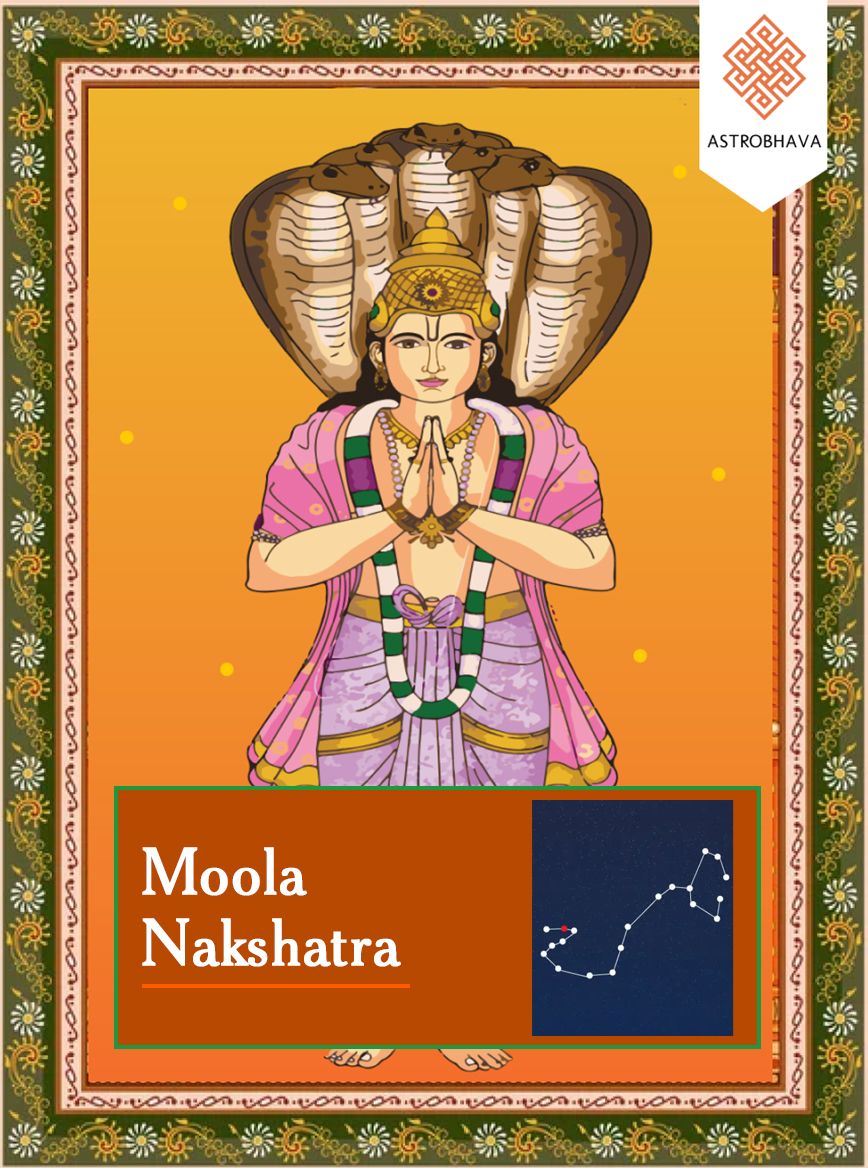
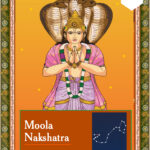
Moola Nakshatra Homa
Benefits of Moola Nakshatra Homa
- Pacifies Moola Nakshatra dosha for natives, reducing sudden misfortunes and instability.
- Removes deep-rooted obstacles (Moola means ‘root’), clearing karmic blocks for smooth progress.
- Offers protection from accidents, losses, and unexpected calamities linked to Ketu afflictions.
- Enhances spiritual intuition and enlightenment, ideal for seekers of higher wisdom.
- Promotes healing from chronic health issues, especially nervous system and mysterious ailments.
- Brings success in research, occult sciences, and transformative career shifts.
- Strengthens family bonds and harmony amidst hidden tensions.
- Neutralizes Shani dosha and Sade Sati effects when Moola influences are present.
- Boosts Manglik dosha remedies through purifying fire energies.
- Grants divine protection and fearlessness in facing life’s challenges.
- Accelerates manifestation of goals with intensified priestly vibrations.
Vedic Significance of Priest Numbers in Moola Nakshatra Homa
In Vedic tradition, the number of priests directly increases the intensity, energy, and speed of the ritual’s results:
- 1 Priest Homa Performed by a single priest with complete focus. This creates a pure, personal connection with the deity and is ideal for simple intentions and daily remedies.
- 3 Priest Homa Represents the three sacred fires (Garhapatya, Dakshinagni, Ahavaniya) and the three worlds. Three priests chant simultaneously, generating a powerful triangular energy field for faster and stronger results.
- 5 Priest Homa Symbolizes the five elements (Pancha Bhootas) and five life forces (Pancha Prana). Five priests perform the ritual together, creating maximum divine intensity and quickest manifestation of blessings.
Explore:
Moola Nakshatra Effect on Father |
Generate your free Kundali to check planetary influences
Why Choose AstroBhava for Moola Nakshatra Homa
Our expert Vedic priests perform the Moola Nakshatra Homa with authentic recitation of the sacred stotra/mantra, ensuring powerful invocation of Nirriti Devi’s blessings.
- Certified Vedic Priests — Trained from Traditional Padashala & Recruited by “Brahmashree Shivaaya”, Head of Astrological and Spiritual Solutions, Visit our team
- Live Telecast Access — Watch live on our YouTube channel: https://www.youtube.com/@AstroBhava/streams
- No Travel Required — Full remote experience
- Complimentary Energized Yantra — Moola Nakshatra Yantra, specific to the homa, free gift
- Lifelong Protection Talisman — Energized yantra sealed in sacred silver amulet for continuous protection when worn around neck or waist
- Free Worldwide Shipping — Yantra & Prasadam delivered globally
- 100% Individual Homa — Only for you & immediate family (no group homas)
- Personalised Sankalpa — Your specific intention is set
- Open to All Devotees — Worldwide, every country & background
- Free Personalized Homa Guidance — Unsure which homa is best for your needs? Our astrologers provide complimentary recommendations based on your birth details — no obligation. WhatsApp Us | Email Us | Call Us at +91 96295 55442.
Who Should Perform Moola Nakshatra Homa
- Individuals born in Moola Nakshatra (any pada) seeking to pacify its intense energies.
- Those afflicted by Ketu dosha causing sudden disruptions or spiritual confusion.
- People facing unexplained chronic health issues or mysterious ailments.
- Devotees experiencing deep-rooted obstacles blocking career or personal growth.
- Anyone desiring protection from accidents, losses, or family discord.
- Seekers of spiritual transformation and root-level healing.
- Individuals with Shani dosha or Sade Sati amplified by Moola influences.
- Those with Manglik dosha needing purification for marriage harmony.
- Global devotees from USA, UK, Canada, Australia wanting live Moola Nakshatra Homa online.
Navagraha Homa for complete planetary balance | Nakshatra Remedies Blog
Historical Context
The Moola Nakshatra Homa traces its origins to ancient Vedic texts like the Rigveda, where Nirriti Devi, the goddess embodying dissolution and transformation, is invoked for protection against moral decay, calamities, and the destruction of ignorance. As the ruler of Moola Nakshatra—the ‘root’ star governed by Ketu—Nirriti symbolizes the uprooting of deep-seated sins and karmic roots, paving the way for rebirth and enlightenment. In mythology, Nirriti is the consort of Adharma, residing in the southwest direction, guarding against chaos and facilitating profound inner change.
Traditional Nakshatra Shanti rituals, detailed in Grihya Sutras and Puranas, prescribe homas like this to harmonize birth star energies, especially for fierce nakshatras like Moola known for their probing, truth-seeking nature. Performed with specific mantras and offerings, it transforms malefic vibrations into protective grace, historically aiding kings and sages in overcoming adversities.
In modern times, the Moola Nakshatra Homa has gained global relevance through live online worldwide access. Devotees from USA, UK, Canada, Australia, Europe, Singapore, UAE, and NRIs can participate remotely via YouTube telecast, enjoying the same potency without travel. This bridges ancient wisdom with contemporary convenience with authentic, personalized rituals for health, success, and protection.
Nirriti Devi Mantra
The Moola Nakshatra Homa is centered on the powerful Moola Mantra of Nirriti Devi:
“Om Aim Hreem Nirṛtyai Swāhā”
Devotees participating remotely can chant this mantra during the live telecast to deepen their personal connection with the deity.
Explore other Nakshatra Homas | Check Planetary Transits
Procedure of Moola Nakshatra Homa
How to Book Your Moola Nakshatra Homa
For enhanced energies, you can opt for a 48-day yantra puja, invoking the blessings of 27 Nakshatras, 12 Rashis, and 9 planets for powerful spiritual support.
- Select your package and book the individual homa (1, 3, or 5 priest Homa, 1 priest +48-day yantra puja, 3 Priest Homa + 48 day yantra puja, 5 Priest Homa + 48 day yantra puja) option as per your choice.
- Provide your name, gotra, and specific sankalpa during checkout.
- Our astrologers select an auspicious muhurta and confirm within 24–48 hours.
- Receive the live telecast link via email one day prior.
- Join the live Moola Nakshatra Homa on YouTube at the scheduled time from anywhere.
- Participate fully by watching and meditating in real-time.
- Receive your complimentary energized Moola Nakshatra Yantra and blessed prasadam, shipped free worldwide.
How the Complimentary Yantra is Energized
The Moola Nakshatra Yantra is energized through a sacred three-day process to infuse it with divine energy:
- Jala Pratishta: Immersion and consecration in holy water with mantras.
- Prana Pratishta: Infusing life force through pranayama and sacred chants.
- Jeeva Pratishta: Awakening the soul energy with 108 mantra recitations and offerings.
How the Moola Nakshatra Homa is Performed
- Sankalpa — Devotee declares purpose, name, gotra, and intention.
- Ashtadikbalagar Pratishta — Guardians of eight directions invoked for protection.
- Homa kunda prepared — Decorated with sacred symbols and flowers.
- Ganapati Puja — Performed to remove obstacles.
- Sacred fire lit — With agni pratishta and mantras.
- Punyavachanam & Pranayama — Purification of priests and participants.
- Sacred mantras chanted — Dedicated to Nirriti Devi with devotion.
- Offerings poured — Ghee, herbs, seeds, and sacred items into fire.
- Prayers & intentions offered — Remotely during live telecast.
- Multiple Avarthis — Repeated offerings to amplify energy.
- Meditation on deity — Experiencing divine presence.
- Poornahuti & Arati — Final offering and gratitude.
- Vibhuti collected — Sacred ash as divine blessing.
- Moola Nakshatra Yantra energized — During the ritual.
- Sattvic prasadam offered — Nourishment for body and soul.
After the Homa is completed, the energized Moola Nakshatra Yantra is carefully rolled and placed inside a sacred silver amulet. This silver amulet acts as a Sacred Sound Instilled Talisman, providing lifelong enhanced benefits and protection from all negative influences when worn around the neck or waist.
Note on Sacred Tradition As per strict Agama vidhi, no videography or photography is permitted inside the temple sanctum — this preserves the pure sacred energies of the temple and ensures undisturbed divine focus during the ritual. The main Homa ceremony is respectfully live telecasted from outside the sanctum, allowing devotees worldwide to connect with the blessings in real-time. For the 48-day puja option, daily rituals are performed with full devotion but are not live telecasted (due to the extended nature and sanctum guidelines). You will receive energized items and prasadam upon completion.
Procedure to Wear the Energized Moola Nakshatra Yantra Talisman
- Our astrologer will mark the auspicious date and time to wear the yantra according to your birth details.
- The energized Moola Nakshatra Yantra is carefully rolled and placed inside a sacred silver amulet.
- This sacred silver amulet has to be worn around the neck or waist.
- These details will be sent along with the email containing the tracking number of the shipment.
- Dip the silver amulet in raw milk or Ganga Jal for an hour before wearing.
- Clean with normal water.
- Perform the wearing process facing East or North for maximum benefit.
- Show Dheep and Dhoop to the amulet.
- Wear it around your neck or waist in a thread or chain.
- You may chant “Om Nirṛtyai Namah” once while wearing for enhanced blessings.
- Repeated offering of Dheep and Dhoop keeps the energy intact.
- If you do not wish to wear the amulet, place it in the puja altar or keep it in your wallet.
For personalized guidance on the most suitable homa (completely free), WhatsApp Us | Email Us | Call Us at +91 96295 55442.
View Divine Gallery | Contact Us










 Moola Nakshatra Homa