TodaySat 12 SepTithiDwitiyaNakshatraHastaPlaceColumbusFull Panchang & horoscope →

Rituals

All HomasAradhanaNadi AstrologyMantra Guides

Astrology

All Free ToolsVedic AstrologyToday's PanchangFree KundliDaily Horoscope

More

BlogAsk NirnayaContact

Your account

Sign inCart
HomeHomaDosha Nivarana › Thila Homa
Telecast Live Vintage devotional illustration of a Vedic priest offering black sesame seeds into the sacred fire for Thila Homa
Dosha Nivarana · standard Homa · Live from our Yagna Ashram

Thila Homa

Also spelled Thila Homam

तिल होम

Black sesame and ghee poured into a living flame — the old remedy for doshas that shadow a horoscope and unsettle the planets in your chart.

  • Performed for you alone — never a group ceremony
  • Muhurta fixed from your own birth chart, confirmed within 24–48 working hours
From$310 3 packages · free worldwide delivery · all-inclusive
ISO 9001:2015 CertifiedVerify on IAF CertSearch · IN63777A

The Ritual and Its Weight

Thila Homa is a fire rite built around one humble ingredient: thila, the black sesame seed. In the Vedic order, sesame is the substance of release. It is offered to Agni for the ancestors, offered on Amavasya, offered wherever something needs to be settled and let go. When a horoscope carries doshas — planetary afflictions, ancestral debts, combinations that keep pressing on the same house life after life — the tradition reaches for sesame and fire together.

The logic of the rite is simple and old. Agni takes what you give him and carries it where words cannot reach. Handful after handful of thila goes into the flame with the prescribed mantras, each offering standing for a knot in the chart you are asking to be loosened. Nothing is bargained for. You place the burden in the fire, in your name and your gotra, and let the mantras do what mantras have always done — steady the pattern, quiet the affliction, bring the grahas back into some workable balance.

ॐ अग्निमीळे पुरोहितं यज्ञस्य देवमृत्विजम् । होतारं रत्नधातमम् ॥ I invoke Agni, the priest who stands before the sacrifice, the divine officiant and summoner of the gods, the bearer of the greatest treasure.

Why Devotees Book This

Devotees turn to the thila homam when the same difficulty keeps returning and the chart shows why. These are the intentions the tradition assigns to the rite.

Dosha Nivarana

The central purpose. Sesame is offered into Agni with sankalpa naming the specific dosha in your horoscope that you wish softened.

Planetary Balance

Where one graha dominates or sits afflicted, the offerings are made to bring the chart's forces back toward equilibrium.

Ancestral Peace

Thila is the classical offering to the pitrs. Families carrying an unresolved ancestral debt book this rite in the elders' names.

Release of Old Patterns

Prescribed for those who feel a repeating obstruction — the same block in career, marriage or health matters returning without cause.

Clearing Before a Beginning

Performed before a marriage, a new home, a new venture, so that the undertaking starts on cleaner ground.

Steadiness of Mind

The tradition holds that watching your own sankalpa carried into fire settles the heart and loosens the grip of fear.

Brahmashree Shivaaya, Chief Operating Officer & Head of Astrological & Spiritual Solutions at AstroBhava
Brahmashree ShivaayaChief Operating Officer & Head of Astrological & Spiritual Solutions
Who performs your homa

Under the guidance of Brahmashree Shivaaya

Every priest who performs your Thila Homa is trained in a traditional Padashala and personally recruited by Brahmashree Shivaaya — Chief Operating Officer & Head of Astrological & Spiritual Solutions at AstroBhava. Your ritual is conducted at our own Yagna Ashram — never a rented venue.

Meet our priests →
  • Certified Vedic priests — trained in traditional Padashalas
  • 100% Agama Vidhi — as prescribed in the scriptures
  • Individual, never group — one ritual, one devotee's sankalpa
  • Muhurta from your chart — date fixed to your birth details
  • Free worldwide delivery — prasadam
Book your Thila Homa

Choose your homa

How many priests will perform your homa?
Your packageTrayi Thila Homa3 Priests

All prices are all-inclusive — no shipping charges, no additions at checkout. See everything included →

1

You book — and add birth details on the next page, straight after payment.

2

Within 24–48 working hours — your muhurta is confirmed by email.

3

The day before — your telecast link arrives by email.

4

After the homa — tracking email once your prasadam is on its way.

Sacred timing

The most auspicious days for a Thila Homa

Thila Homa is fixed to days when sesame offerings are held to travel furthest.

Amavasya

The new moon day is the classical time for sesame and fire. Mahalaya Amavasya and Thai Amavasya are especially sought for this rite.

Pitru Paksha

The fortnight given to the ancestors. Devotees addressing an ancestral dosha in the chart prefer these days above all others.

Magha and Ashlesha Nakshatras

Both stars are traditionally linked to ancestral and karmic matters, making them favoured for offerings intended to settle old accounts.

Saturdays and Krishna Paksha Tithis

The waning fortnight and Saturn's day suit rites of release, when what is being let go matters more than what is being gained.

You do not need to wait for one of these days. Whenever you book, our astrologers calculate the muhurta from your own birth chart — a date chosen for you personally, which tradition regards as more precise than a calendar date chosen for everyone. If you would like the homa on one of the days above, tell us at checkout and we will fix the muhurta within it.

Every package

What you receive

Personal sankalpa

Your name, gotra & nakshatra — for you and up to five family members.

Live telecast

Watch your own homa in real time from the ashram. Streamed openly on our YouTube channel by default — or request an unlisted telecast at checkout.

Prasadam, shipped free

Sacred vibhuti, sandalwood powder & kumkum from your fire — delivered to any country.

Inside the fire ritual

How your Thila Homa is performed

Priests performing the Thila Homa at AstroBhava's Yagna AshramThese seven steps, as they happenFrom a live telecast at our Yagna Ashram
01

Sankalpa

The priest states your name, gotra and nakshatra — and those of up to five family members — with the intention this homa is performed for.

02

Ganapati Puja

The customary invocation to Ganapati, clearing obstacles before the deity is approached.

03

Agni Pratishtha

The fire is consecrated in the homa kunda and Agni invoked as the carrier of every offering that follows.

04

Agni Avahana

The Agni Sukta and Agni Gayatri are chanted, inviting the deity's presence into the fire — by one, three or five priests as your package sets.

05

Ahuti

Ghee and akshata, with the flowers, grains and dravyas proper to this deity, are offered in sequence with mantra.

06

Purnahuti

The final complete offering seals the sankalpa stated at the opening.

07

Aarti & Dispatch

Aarti is performed live on your telecast. Vibhuti, sandalwood powder and kumkum are then packed and shipped free to your door.

Who is invoked

Agni

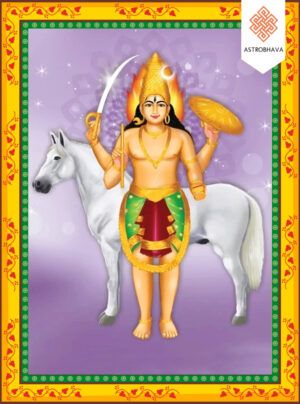
First among the gods invoked in the Rigveda, Agni is the fire that stands between the human world and the divine. The opening verse of the Rigveda calls him the priest of the sacrifice, the summoner, the holder of treasure — and that verse is the one chanted here. He is pictured with two faces and seven tongues of flame, ruddy-limbed, riding a ram, ghee dripping from his mouth. Every offering placed in a homa reaches its intended recipient only through him; he is hota, the one who carries. Black sesame given to fire has long been the substance of release, offered for the ancestors and on Amavasya. Devotees turn to Agni in this form because he receives what cannot be spoken and takes it where words do not travel.

In this homa that grace is invoked through fire, with your own name and birth details spoken in the sankalpa.

Not sure this is the right homa?

Ask before you book

Nirnaya, our free ritual guide, recommends the traditional ritual for your situation instantly. For a full reading of your chart, book a live session with our astrologers.

Questions

Frequently asked

In principle a householder with agnihotra adhikara can offer thila at home, but a full Thila Homa needs a properly consecrated kunda, correct samagri, unbroken mantra recitation and a priest who knows the sankalpa for your specific dosha. Most families do not have that setting. With AstroBhava the rite is performed for you at our Yagna Ashram by qualified priests, telecast live so you can sit with it from your own home, wherever you are.
A trained Vedic priest — someone initiated in the mantras, versed in the pitr and graha portions of the ritual, and able to make the sankalpa correctly in your name and gotra. The devotee is the yajamana: the one for whom the offering is made. Our ritwiks carry that training and perform the homa on your behalf.
A simple home practice is possible — a clean corner, a small kunda, ghee, samagri, a lamp, and a mantra you have been given by a teacher. Face east, sit at sunrise, keep the space undisturbed and the offerings modest. But a dosha nivarana rite like the thila homam is a different scale of ritual, with prescribed counts and timings. That is why devotees ask us to perform it at the Ashram while they watch the live telecast and join in intention.
Treat the fire as a guest of the highest order. Keep the area swept and free of footwear, bathe before you sit, keep the flame away from anything unclean, and do not leave it unattended. Whatever remains — ash, prasadam — is sacred; the ash is applied to the forehead and the prasadam shared within the family. When you receive prasadam from our Ashram, keep it in your puja space and take it with the same respect.
Thila homam is a Vedic fire ritual in which black sesame seeds — thila — are offered into consecrated fire with mantras. Sesame is the traditional substance of release and of the ancestors. The rite is used for dosha nivarana: to soften afflictions marked in the horoscope, address ancestral debts, and bring the planets in a chart toward balance.
Homa is worship through fire. Agni is invoked as the mouth of the gods, and offerings placed in him — ghee, grain, herbs, sesame — are carried to the deity being addressed. It is one of the oldest continuous practices in the Vedic tradition, older than temples, and it remains the standard remedial rite prescribed by astrologers for planetary difficulty.
It is an auspicious rite, wholly benevolent. Because sesame is associated with the ancestors and with release, some people assume it is inauspicious. It is not. Thila homam is a rite of clearing and peace, performed to settle what is unresolved. Nothing in it is directed against anyone.
A homa is a structured offering into fire. A kunda is prepared, Agni is invoked, sankalpa is declared in the devotee's name, and the prescribed substances are offered with mantras until the rite is complete. It closes with purnahuti, aarti and the distribution of prasadam.
The Thila Homa is the sesame fire offering prescribed for dosha nivarana. Its significance lies in what sesame carries in the tradition — it is what you offer when something must be released rather than acquired. Offered into Agni with the correct mantras, thila is held to loosen the hold of planetary afflictions and ancestral karma recorded in a horoscope.
The thila homam benefits named by the tradition are dosha nivarana, restoration of planetary balance, peace for the ancestors, release from repeating obstruction, an auspicious start before marriage or a new venture, and steadiness of mind. The rite is performed as a prayer, not a guarantee — what the tradition prescribes it for is exactly this, and no more.
Anyone whose horoscope shows a dosha or a heavily afflicted graha, families carrying an unresolved ancestral obligation, and those preparing for a marriage, a house-warming or a new undertaking. It is also taken up on Amavasya and during Pitru Paksha as a yearly observance. The offering can be made for yourself or on behalf of a parent, spouse or child.
Amavasya is the first choice, especially Mahalaya and Thai Amavasya. The Pitru Paksha fortnight, Magha and Ashlesha nakshatras, Saturdays and the tithis of Krishna Paksha are all held suitable. Share your birth details when you book and our priests will fix the muhurat and confirm the date with you.
The priests begin with achamana and Ganapati puja, then kalasha sthapana and the sankalpa in your name, gotra and nakshatra. Agni is invoked in the kunda. Black sesame is offered handful by handful with ghee, along with navadhanya, samit wood, honey and herbs, while the prescribed mantras and graha invocations are recited. The rite closes with purnahuti, deepa aradhana and prayers for your family. Ash and prasadam are gathered afterwards for despatch to you.
Choose the Thila Homa on this page, enter the names, birth details and gotra of those the offering is for, and complete the booking online from any country. Our team confirms the muhurat and sends you the live telecast link so you can watch the entire homa from wherever you are. Prasadam is couriered to your address, free, anywhere in the world.
For afflictions of birth, for what burdens the chart

Let Agni's name be spoken with yours

Book your Thila Homa, watch it performed live from our Yagna Ashram, and receive your prasadam anywhere in the world.

Choose Your Package
Trayi Thila Homa3 Priests · live telecast · individual sankalpa

Ask Nirnaya

AstroBhava’s automated guide

Questions before booking the Thila Homa? These are the ones this page answers, in the ashram’s own words.

Read the questions on this page →

Choose your package →

Speak to someone at the ashram

Message the ashram on WhatsApp or by email. We answer Mon–Sat, 9:30–18:00 IST (0:00–8:30 EDT your time).

Message on WhatsAppsupport@astrobhava.com

WhatsApp opens in a new tab; nothing is sent from this page.

Not sure this is the right rite? Ask Nirnaya →
The ritual guide is a separate page, and it asks you to sign in.