Tritiya Tithi 2026
What is Tritiya: Understanding Its Significance?
Tritiya, the third tithi in the lunar fortnight, occurs twice a month—once in Shukla Paksha (waxing moon) and once in Krishna Paksha (waning moon). This tithi holds special importance in both religious rituals and astrological significance, symbolizing growth, creativity, and steady progress. It is considered a spiritually stable day, ideal for deepening practices initiated on Pratipada and refined through Dwitiya.
In Vedic tradition, Tritiya is associated with Goddess Parvati, especially during Akshaya Tritiya, a highly auspicious Shukla Tritiya observed annually. It is a day believed to bring endless prosperity, where spiritual acts, charity, and new beginnings are said to yield unending results. Tritiya energy encourages sustained effort, making it favorable for artistic pursuits, learning, financial planning, and rituals involving wealth and abundance.
Astrologically, Tritiya supports harmonizing material and spiritual goals. It’s a day for refinement, where the subtle gains of the first two tithis begin to take more structured form. The number three itself represents balance between the physical, mental, and spiritual realms.
Observing Tritiya with discipline, devotion, and mindful actions sets a harmonious tone for the rest of the fortnight. It is a time to consolidate intentions, seek divine grace, and act with purpose and gratitude.
“Want to enhance both material and spiritual well-being?
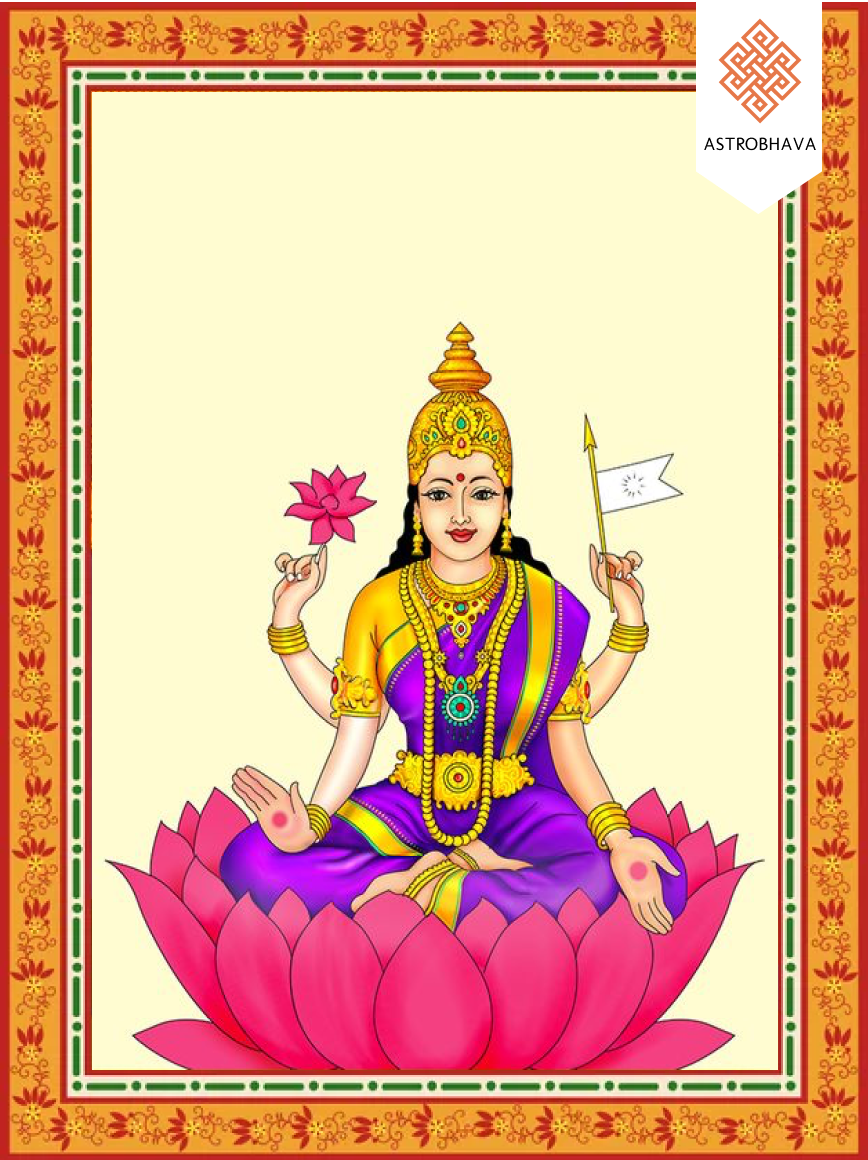
Perform Kamalatmika Homa to receive the blessings of Goddess Kamalatmika for wealth, joy, and fulfillment.”
Mantras to Chant During Tritiya
Tritiya tithi embodies the energy of progress, refinement, and spiritual growth. Chanting mantras on this day enhances clarity, removes inner obstacles, and deepens one’s connection to divine feminine energy—particularly associated with Goddess Parvati and Lord Ganesha. Below are powerful mantras suitable for chanting during Tritiya:
Om Aim Hreem Kleem Chamundayai Vichche (ॐ ऐं ह्रीं क्लीं चामुण्डायै विच्चे)
Meaning
Salutations to the fierce and protective form of the Divine Mother.
Relevance
Ideal for invoking Shakti energy and protection from negative influences. On Tritiya, this mantra channels transformative energy into inner strength and balance.
Om Shri Mahalakshmyai Namah (ॐ श्री महालक्ष्म्यै नमः)
Meaning
Salutations to Goddess Mahalakshmi, the bestower of wealth and spiritual prosperity.
Relevance
Tritiya, especially during Shukla Paksha, supports abundance rituals. Chanting this mantra aligns one with both material prosperity and inner harmony.
Om Gan Ganapataye Namah (ॐ गं गणपतये नमः)
Meaning
Salutations to Lord Ganesha, the remover of obstacles.
Relevance
Before any new initiative or sadhana, this mantra ensures smooth progress and clears blockages. Tritiya’s grounded energy complements this invocation well.
Om Trityai Tithaye Namah (ॐ तृतीयाय तिथये नमः)
Meaning
Salutations to the Tritiya tithi.
Relevance
Chanting this helps tune your actions and mind to the subtle vibration of the day, inviting harmony and right timing in all efforts.
Tritiya Tithi 2026 (Chennai Time)
| Month | Paksha | Tritiya Timing (Start – End) |
|---|---|---|
| January | Krishna Paksha | Jan 05, 9:57 am – Jan 06, 8:02 am |
| January | Shukla Paksha | Jan 21, 2:43 am – Jan 22, 2:47 am |
| February | Krishna Paksha | Feb 04, 12:41 am – Feb 05, 12:10 am |
| February | Shukla Paksha | Feb 19, 3:59 pm – Feb 20, 2:38 pm |
| March | Krishna Paksha | Mar 05, 5:04 pm – Mar 06, 5:53 pm |
| March | Shukla Paksha | Mar 21, 2:31 am – Mar 21, 11:56 pm |
| April | Krishna Paksha | Apr 04, 10:09 am – Apr 05, 12:00 pm |
| April | Shukla Paksha | Apr 19, 10:49 am – Apr 20, 7:28 am |
| May | Krishna Paksha | May 04, 3:02 am – May 05, 5:24 am |
| May | Shukla Paksha | May 18, 5:53 pm – May 19, 2:18 pm |
| June | Krishna Paksha | Jun 02, 7:01 pm – Jun 03, 9:21 pm |
| June | Shukla Paksha | Jun 17, 12:52 am – Jun 17, 9:39 pm |
| July | Krishna Paksha | Jul 02, 9:38 am – Jul 03, 11:20 am |
| July | Shukla Paksha | Jul 16, 8:53 am – Jul 17, 6:28 am |
| July | Krishna Paksha | Jul 31, 10:32 pm – Aug 01, 11:07 pm |
| August | Shukla Paksha | Aug 14, 6:47 pm – Aug 15, 5:29 pm |
| August | Krishna Paksha | Aug 30, 9:37 am – Aug 31, 8:51 am |
| September | Shukla Paksha | Sep 13, 7:08 am – Sep 14, 7:07 am |
| September | Krishna Paksha | Sep 28, 7:14 pm – Sep 29, 5:10 pm |
| October | Shukla Paksha | Oct 12, 10:13 pm – Oct 13, 11:28 pm |
| October | Krishna Paksha | Oct 28, 4:07 am – Oct 29, 1:07 am |
| November | Shukla Paksha | Nov 11, 3:53 pm – Nov 12, 6:09 pm |
| November | Krishna Paksha | Nov 26, 1:15 pm – Nov 27, 9:49 am |
| December | Shukla Paksha | Dec 11, 11:23 am – Dec 12, 2:06 pm |
| December | Krishna Paksha | Dec 25, 11:26 pm – Dec 26, 8:05 pm |
Remedies for Tritiya
- Visit a temple dedicated to Goddess Lakshmi or Goddess Parvati and offer white rice, sugar, or sandalwood paste as part of a simple upasana to invoke grace and balance.
- At home, observe silence for a short period during sunrise while chanting a chosen mantra to center your mind and purify internal energies.
- Book the Adi Lakshmi Homa from the AstroBhava website to attract stable prosperity, financial discipline, and abundance that supports dharmic living.
- Perform the Ayush Homa from AstroBhava to strengthen vitality, improve health, and align life-force energy with Tritiya’s sustaining nature.
- Schedule the Rudrabhishek Puja through AstroBhava to remove inner obstacles, enhance focus, and bring peace to one’s environment during this steady tithi.
- Book the Dhanalakshmi Kubera Puja from AstroBhava for wealth activation, spiritual merit, and karmic support in matters of finance and resource flow.
- Avoid turning away those in need or denying support to others during this tithi, as withholding generosity on Tritiya attracts negative karmic returns.
- Refrain from ignoring spiritual commitments or performing rituals half-heartedly—such negligence is considered papa and weakens the benefits of Tritiya observance.
Do’s During Tritiya
- Begin your day with a mindful bath using tulsi-infused water and wear clean, light-colored clothing to invoke purity and sattvic vibrations.
- Offer fresh flowers, ghee lamp, and incense to Goddess Lakshmi or Parvati, as Tritiya favors feminine divine energy and spiritual refinement.
- Spend a few minutes in silent japa or meditation during Brahma Muhurta to stabilize the mind and channel Tritiya’s grounding influence.
- Donate essential items like food, clothing, or water, especially to women or those in need, to invite blessings and clear past karmas.
- Start or reaffirm commitments to long-term goals, such as savings, learning, or self-discipline, as this tithi supports sustainable progress.
- Perform a simple Lakshmi mantra chanting or Vishnu Sahasranama recitation to align with energies of abundance and harmony.
- Cook or offer food with gratitude and mindfulness, even if simple—what you prepare and share on this day carries amplified spiritual merit.
- Practice patience and gentleness in speech and behavior, particularly in relationships where past misunderstandings may linger.
- Read or listen to Vedic scriptures, especially sections related to dharma, prosperity, or feminine divine qualities.
- Conclude the day with gratitude, reflecting on your actions and reaffirming your sankalpa for continued balance and inner growth.
“Seeking harmony, love, and family well-being?
Book Uma Maheswari Homa online to receive divine blessings for marital peace, emotional balance, and prosperity.”
Don’ts During Tritiya
- Do not oversleep or ignore the early morning hours, as Tritiya favors spiritual discipline and awareness that begins with a conscious start.
- Avoid consuming leftover, stale, or tamasic food such as meat, onion, or garlic, as it disturbs the subtle energies active during this tithi.
- Refrain from unnecessary arguments, complaints, or negative speech, especially within close relationships or family settings.
- Do not disrespect or ignore elders, mentors, or spiritual guides—this is considered especially inauspicious on a tithi linked to dharma and progress.
- Avoid beginning projects with unclear motives or scattered attention; Tritiya requires alignment between intent, thought, and action.
- Do not engage in harmful or excessive use of digital devices or distractions that pull the mind away from its inner focus.
- Avoid showing ingratitude or discontent, even in subtle ways—this tithi magnifies the emotional quality behind your actions.
- Refrain from skipping daily puja, japa, or spiritual routines without cause, as inconsistency weakens the energy built across the lunar cycle.
- Do not make promises you can’t keep or break verbal commitments, as this can create karmic disruptions linked to speech and intention.
- Avoid wastefulness—of time, food, energy, or money—as Tritiya favors conscious growth, and misuse of resources blocks its full benefits.
Benefits of Tritiya Fasting
1. Refines Emotional Balance
Fasting on Tritiya calms the emotional body, which is often sensitive in the early lunar days. As the third tithi, Tritiya offers a moment to pause, reflect, and respond rather than react. The digestive rest also slows down the mental noise, making emotions easier to observe and manage. This refined emotional state improves personal relationships and builds resilience in how we navigate challenges, especially those tied to duality and choice.
2. Supports Consistency in Spiritual Practice
Tritiya fasting strengthens one’s ability to follow through on spiritual intentions. Whether you’ve started a sadhana on Pratipada or deepened it on Dwitiya, Tritiya helps lock it into routine. The physical stillness brought on by fasting supports mental discipline and encourages regularity in mantra japa, meditation, or puja. Over time, this consistency becomes the bedrock of steady spiritual evolution, enabling seekers to deepen their inner work without frequent distractions.
3. Enhances Feminine Energy and Receptivity
This tithi is closely aligned with divine feminine qualities—grace, beauty, patience, and nourishment. Fasting helps activate these traits, especially in a world that often overemphasizes doing over being. When we abstain from food and external stimulation, the subtler qualities of softness, intuition, and compassion naturally arise. Tritiya fasting thus becomes a way of invoking Shakti within, regardless of gender, and creates a more balanced expression of energy in daily life.
4. Improves Digestion and Metabolic Rhythm
Allowing the digestive system to rest during Tritiya facilitates internal cleansing and rebalancing. Ayurveda supports the idea of fasting as a means to rekindle agni (digestive fire), which can become sluggish due to overeating or irregular habits. Fasting on this tithi gives the body space to repair, release toxins, and re-align metabolic cycles. As a result, individuals often experience improved appetite, better nutrient absorption, and enhanced gut-mind connection afterward.
5. Promotes Thoughtful Speech and Self-Observation
When the body is not processing food, the senses—particularly speech—become more refined. On Tritiya, which supports conscious refinement, fasting naturally encourages silence or at least mindful expression. This benefit extends beyond verbal restraint; it helps the practitioner notice habitual mental chatter, judgmental thoughts, or reactive tendencies. Fasting becomes a lens to observe oneself from a quieter, more grounded place, which leads to subtle inner transformation.
6. Clears Energetic Blockages
Tritiya fasting aids in opening the pranic pathways (nadis) that often become blocked through overconsumption, emotional clutter, or stress. When food and external input are reduced, the subtle body becomes more accessible. This helps dissolve stagnation in the energy field, leading to a sense of lightness, clarity, and presence. Practitioners often report better meditation and increased awareness of the breath, body, and surrounding space.
7. Aligns with Prosperity Cycles
Fasting on Tritiya—especially Shukla Tritiya, like Akshaya Tritiya—is linked with abundance and sustainable wealth. Energetically, it clears resistance to flow and opens up receiving channels. It also helps one reevaluate relationship with money and resources, moving from hoarding or fear to faith and receptivity. When this fast is observed with devotion and gratitude, it attracts not just material gains, but also spiritual richness and inner contentment.
8. Strengthens Sankalpa (Will and Intention)
Fasting is a form of voluntary tapas—spiritual effort—and on Tritiya, it sharpens sankalpa shakti. With every urge resisted, your willpower is affirmed. This energy becomes available for fulfilling longer-term commitments, both material and spiritual. The practice of fasting on a recurring tithi like Tritiya serves as a monthly reminder to revisit intentions and purify them, creating alignment between desire and action.
9. Fosters a Relationship with the Moon Cycle
Tritiya fasting, when done regularly, develops lunar sensitivity. You start to feel shifts in mood, thought, and energy based on the tithi, even without checking a calendar. This heightened awareness helps in planning spiritual work, emotional processing, or creative cycles. Over time, fasting on Tritiya becomes a sacred checkpoint in your personal lunar rhythm, making your internal world more attuned to natural cosmic flow.
10. Assists in Letting Go of Egoic Patterns
Ego thrives on attachment—to identity, comfort, opinion, and consumption. Fasting gently dissolves these attachments. On Tritiya, which is ruled by the principle of refinement, this process is especially effective. You begin to see that you are not defined by your cravings or preferences. This disidentification opens the door to humility, surrender, and deeper self-realization—core components of lasting inner peace.
11. Invokes Blessings from Devi Parvati
Tritiya is often associated with Goddess Parvati, particularly in her benevolent and growth-nurturing forms. Fasting with devotion on this tithi helps draw her blessings for inner beauty, marital harmony, and spiritual courage. In traditional stories, Parvati performed tapas to unite with Shiva—Tritiya fasting symbolically aligns you with this path of dedicated inner effort, devotion, and transformation.
12. Reduces Overdependence on External Stimuli
Modern life encourages constant input—food, information, entertainment. Fasting disrupts this loop. On Tritiya, a day that encourages inward consolidation, abstaining from unnecessary input creates a return to simplicity. You become more present, more centered, and less reactive to external triggers. Over time, this builds emotional independence and a stronger connection with your true inner voice.
13. Encourages Gentle Detachment
Whereas other tithis might support intense tapas or dramatic shifts, Tritiya promotes quiet detachment. Fasting here is not harsh—it’s a graceful stepping back. You begin to engage with life more like a witness than a reactor. This detachment doesn’t make you cold or indifferent; instead, it helps you respond with clarity, kindness, and balance across changing situations.
14. Improves Hormonal and Emotional Cycles
Fasting, especially on moon-sensitive days like Tritiya, can help regulate hormonal rhythms by aligning endocrine responses to lunar influences. Women especially may find that monthly Tritiya fasting supports emotional stability and lessens PMS-related symptoms over time. Men also benefit through improved mood regulation and energy flow when emotional expression is channeled through conscious self-care and fasting.
15. Inspires Discipline in Other Life Areas
Fasting builds discipline—and not just around food. The strength developed in saying “no” to urges during a Tritiya fast spills over into work, finances, relationships, and spiritual habits. This ripple effect supports life alignment and reduces inconsistency. Each successful Tritiya fast becomes a touchstone for your growing power of self-mastery and intentional living.
16. Creates Time for Self-Inquiry
Without meal prep, eating, or distraction, fasting opens up pockets of time for reflection. On Tritiya, which favors refinement and depth, this time can be used for journaling, study, or simply being. These quiet windows allow buried feelings, insights, or questions to arise naturally. Over months of consistent fasting, this builds a deeply rooted practice of self-awareness.
17. Increases Sensitivity to Mantra and Sound
The subtle body becomes more receptive during fasting. On Tritiya, this means your chanting becomes more effective. Mantras vibrate deeper into the energy field, especially those related to Lakshmi, Parvati, or the Divine Feminine. Fasting opens the ears of the soul—mantra isn’t just heard, it is absorbed. This enhances the spiritual depth of your chanting or listening practices.
18. Supports Inner Cleansing without Physical Exhaustion
Unlike fasting on intense tithis like Ekadashi, which may demand greater austerity, Tritiya allows for a gentler fast—fruit, herbal teas, or sattvic liquids. This makes it ideal for householders or those new to fasting. The cleansing that happens is subtle but steady, and it supports spiritual and physical rejuvenation without depletion. It’s a sustainable practice that doesn’t rely on extremes.
19. Reduces Accumulated Stress and Tension
By removing food, overthinking, and stimulation for a day, you give the nervous system a chance to reset. On Tritiya, this creates an especially nourishing pause. Stress hormones decrease, breathing deepens, and the body shifts into healing mode. This benefit is especially valuable in a lifestyle that is often overstimulated and overworked.
20. Connects You with Ancestral Wisdom
Fasting on tithis like Tritiya is an ancient practice found in many lineages and households. Observing it with intention creates a bridge to your ancestors, traditions, and dharmic roots. You don’t just fast for yourself—you fast to reconnect with something timeless. That silent act becomes part of your spiritual heritage, woven into the ongoing rhythm of cosmic and ancestral memory.
“Want protection from negativity and stronger focus?
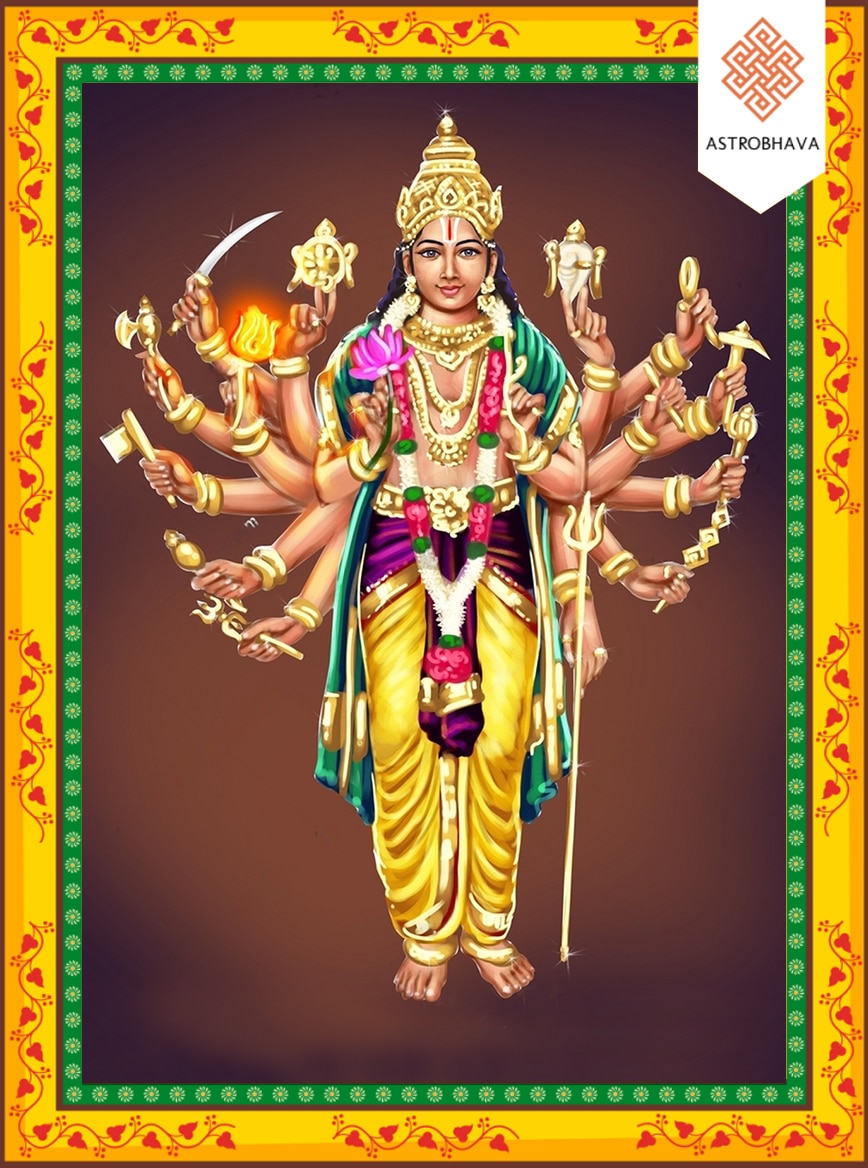
Perform Kala Bhairava Homa to invoke Lord Kala Bhairava’s power for clarity, discipline, and spiritual security.”
FAQs Related to Tritiya
1. What is Tritiya Tithi and why is it significant?
Tritiya is the third lunar day in both the waxing (Shukla) and waning (Krishna) phases of the moon. It is associated with growth, refinement, and feminine energies. Spiritually, it supports inner development, clarity in speech, and the initiation of new long-term endeavors.
2. Is fasting on Tritiya mandatory?
Fasting is not mandatory, but it is highly beneficial for those seeking spiritual refinement and emotional clarity. Many observe a light fast or follow specific dietary discipline on this day, especially during Shukla Paksha Tritiya like Akshaya Tritiya.
3. What can I eat during Tritiya fasting?
Depending on tradition, fruits, herbal teas, milk, and sattvic food are generally acceptable. Some may opt for a complete water fast, while others observe partial fasting. The key is to maintain purity and avoid tamasic or rajasic food items.
4. Which deity is worshipped on Tritiya?
Goddess Parvati and Goddess Lakshmi are commonly worshipped. On Akshaya Tritiya, Lord Vishnu and Lakshmi are invoked for prosperity. Tritiya is also a good day to honor divine feminine energies in any form.
5. Can new ventures be started on Tritiya?
Yes, especially on Shukla Tritiya. It is considered an auspicious time for beginning new businesses, investments, marriages, or spiritual practices. Akshaya Tritiya, in particular, is believed to bring enduring success.
6. What mantras are suitable for chanting on Tritiya?
Mantras dedicated to Parvati, Lakshmi, or Vishnu are ideal. Common chants include “Om Shri Mahalakshmyai Namah,” “Om Parvatyai Namah,” or Vishnu Sahasranama for prosperity and balance.
7. Is Tritiya the same every month?
Yes, it appears twice each lunar month—once during the waxing moon (Shukla Paksha) and once during the waning moon (Krishna Paksha). However, the energy and significance can differ based on the paksha and tithi alignment with festivals.
8. What are the benefits of observing Tritiya regularly?
Regular observance supports emotional steadiness, self-discipline, enhanced receptivity, and alignment with lunar rhythms. It also deepens one’s connection to inner refinement and divine grace.
9. Can I perform homa or puja at home on Tritiya?
Yes. Simple offerings and prayers can be done at home. For more elaborate rituals, you can book specific homas and pujas through platforms like AstroBhava which align services with tithi energies.
10. Are there any restrictions or precautions during Tritiya?
Avoid anger, harsh speech, or actions done in haste. Maintain a sattvic routine, observe silence or moderation in speech, and focus on activities that reflect gratitude, refinement, and devotion.