Chaturdashi Tithi 2026
What is Chaturdashi: Understanding Its Significance?
Chaturdashi is the fourteenth day of the lunar fortnight (tithi) in the Hindu calendar, occurring twice a month—once during the waxing moon phase (Shukla Paksha) and once during the waning phase (Krishna Paksha). Spiritually, this tithi is considered highly potent due to its proximity to Amavasya (new moon) or Purnima (full moon), both of which are deeply significant in Vedic tradition.
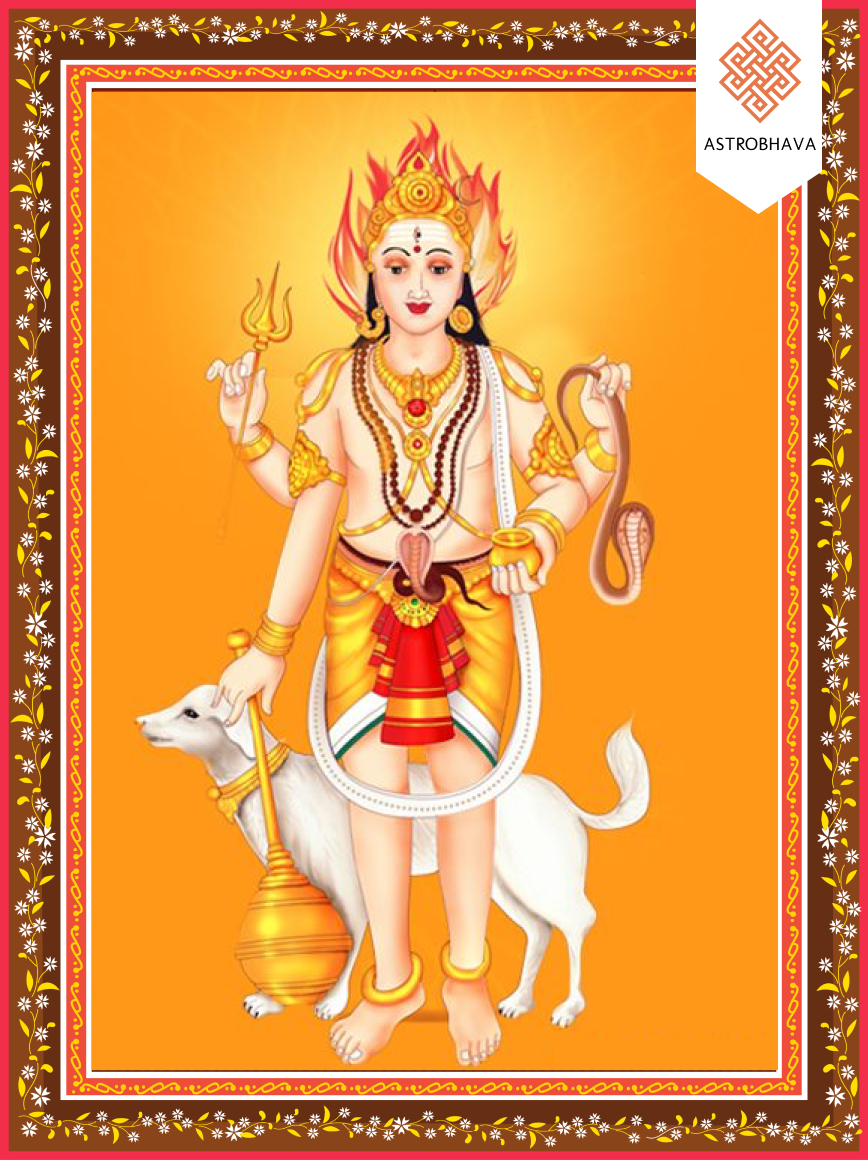
Chaturdashi is especially revered as the day of spiritual dissolution and intense inner cleansing. In its Krishna Paksha form, it is associated with Lord Shiva, particularly in his fierce aspect as Kaal Bhairava, the deity of time and annihilation. On this day, devotees often seek forgiveness for sins, perform ancestral rituals, and undertake practices to overcome fear, ego, and illusions.
Shukla Paksha Chaturdashi may also hold importance in various regions and is associated with specific deities depending on local customs. Across traditions, it is regarded as a day ideal for sadhana, mantra chanting, and spiritual penance.
In many temples, especially Shiva temples, this day sees heightened ritual activity, including abhishekam, homas, and fasts. Observing Chaturdashi with awareness leads to the removal of inner darkness, inviting clarity, transformation, and spiritual growth.
“Looking for powerful results in relationships and ambitions?
Experience Ucchista Ganapathi Homa, the sacred Vedic ritual known for wish fulfillment, attraction, and swift outcomes.”
Mantras to Chant During Chaturdashi
Chanting mantras on Chaturdashi, especially during Pradosham time, is a powerful way to invoke divine energies and cleanse karmic impurities. Below are significant mantras aligned with the spiritual essence of this tithi:
1. Om Namah Shivaya
This is the core Shiva Panchakshari mantra. It purifies the mind and invokes Lord Shiva’s grace. Repeating it 108 times during Pradosham is highly recommended.
Chant:
“Om Namah Shivaya”
(Meaning: I bow to Lord Shiva, the eternal consciousness and destroyer of ignorance.)
2. Maha Mrityunjaya Mantra
Known as the mantra for overcoming fear, diseases, and untimely death, it’s especially powerful when chanted on Chaturdashi.
Chant:
“Om Tryambakam Yajamahe Sugandhim Pushtivardhanam
Urvarukamiva Bandhanan Mrityor Mukshiya Maamritat”
(Meaning: We meditate on the three-eyed One, who nourishes all beings. May He liberate us from death for the sake of immortality.)
3. Kaal Bhairava Ashtakam (selected verses)
Reciting verses from the Kaal Bhairava Ashtakam helps protect against time-bound fears and negative energies.
Chant:
“Deva raja sevya mana pavangri pankajam
Vyala yagna suthra mindu shekharam kripakaram
Naradadhi yogi vrinda vandhitham digambaram
Kaashika puradhi nadha kalabhairavam bhaje”
(Meaning: I worship Kalabhairava, the ruler of Kashi, whose feet are worshipped by Indra, who wears the moon, and who is the lord of yogis.)
These mantras can be recited during sunrise, sunset, or Pradosham for enhanced spiritual benefits on Chaturdashi.
Chaturdashi Tithi 2026 (Chennai Time)
| Month | Paksha | Chaturdashi Timing (Start – End) |
|---|---|---|
| January | Shukla Paksha | Jan 02, 3:52 am – Jan 03, 12:23 am |
| January | Krishna Paksha | Jan 17, 3:52 am – Jan 18, 5:34 am |
| January | Shukla Paksha | Jan 31, 1:56 pm – Feb 01, 11:23 am |
| February | Krishna Paksha | Feb 15, 10:35 pm – Feb 16, 11:04 pm |
| March | Shukla Paksha | Mar 02, 12:39 am – Mar 02, 11:26 pm |
| March | Krishna Paksha | Mar 17, 2:53 pm – Mar 18, 1:55 pm |
| March | Shukla Paksha | Mar 31, 12:26 pm – Apr 01, 12:36 pm |
| April | Krishna Paksha | Apr 16, 3:01 am – Apr 17, 12:41 am |
| April | Shukla Paksha | Apr 30, 12:22 am – May 01, 1:43 am |
| May | Krishna Paksha | May 15, 1:01 pm – May 16, 9:41 am |
| May | Shukla Paksha | May 29, 2:21 pm – May 30, 4:28 pm |
| June | Krishna Paksha | Jun 13, 8:38 pm – Jun 14, 4:50 pm |
| June | Shukla Paksha | Jun 28, 5:13 am – Jun 29, 7:36 am |
| July | Krishna Paksha | Jul 13, 3:00 am – Jul 13, 11:20 pm |
| July | Shukla Paksha | Jul 27, 8:45 pm – Jul 28, 10:49 pm |
| August | Krishna Paksha | Aug 11, 9:24 am – Aug 12, 6:23 am |
| August | Shukla Paksha | Aug 26, 12:29 pm – Aug 27, 1:39 pm |
| September | Krishna Paksha | Sep 09, 5:01 pm – Sep 10, 3:03 pm |
| September | Shukla Paksha | Sep 25, 3:48 am – Sep 26, 3:37 am |
| October | Krishna Paksha | Oct 09, 3:46 am – Oct 10, 3:06 am |
| October | Shukla Paksha | Oct 24, 7:07 pm – Oct 25, 5:26 pm |
| November | Krishna Paksha | Nov 07, 4:18 pm – Nov 08, 4:58 pm |
| November | Shukla Paksha | Nov 23, 8:07 am – Nov 24, 5:12 am |
| December | Krishna Paksha | Dec 07, 7:52 am – Dec 08, 9:43 am |
| December | Shukla Paksha | Dec 22, 7:54 pm – Dec 23, 4:17 pm |
This table shows the Chaturdashi tithi periods in 2026 according to the Chennai time zone, listing exact start and end times for both Krishna and Shukla Paksha each month.
“Seeking divine defense against destructive influences?
Experience Sarabeswara Homa, the sacred Vedic ritual that destroys negative forces and safeguards life, home, and business.”
Remedies for Chaturdashi
- Offer abhishekam to a Shiva Linga with water, milk, and Bilva leaves during Pradosham to remove sins and gain mental clarity.
- Visit a nearby Shiva temple and light sesame oil lamps in multiples of three to dispel negative planetary influences.
- Perform “Kala Bhairava Homa” from the AstroBhava website to eliminate fear, debts, and time-related karmic blocks.
- Book the “Mrityunjaya Homa” on AstroBhava for protection from diseases, untimely death, and to strengthen inner vitality.
- Participate in the “Shiva Pradosham Puja” through AstroBhava to receive blessings of forgiveness and spiritual elevation.
- Arrange for the “Karmic Debt Clearance Puja” via AstroBhava to neutralize ancestral curses and life obstacles.
- Perform the “Dosha Nivaran Puja” available on AstroBhava to address horoscope imbalances and affliction of malefic planets.
- Opt for the “Shani Preethi Puja” on AstroBhava to reduce the harsh effects of Saturn and gain relief from karmic burdens.
Do’s During Chaturdashi
- Observe a Fast: Fasting on Chaturdashi, especially during Pradosham, is a spiritually purifying practice. It helps cleanse past karmas and align oneself with divine energy.
- Perform Shiva Abhishekam: Offer milk, curd, ghee, honey, and sugar to a Shiva Linga while chanting mantras. This is a traditional and highly revered ritual to seek Lord Shiva’s blessings.
- Chant Shiva Mantras: Reciting mantras like “Om Namah Shivaya” and “Maha Mrityunjaya Mantra” throughout the day brings peace, health, and spiritual elevation.
- Visit a Shiva Temple: If possible, visit a local Shiva temple during Pradosham hours (approximately 1.5 hours before and after sunset) to participate in special pujas and aarti.
- Light Deepa (Lamp): Light sesame oil or ghee lamps in the evening as part of the puja. It symbolizes removal of darkness and ignorance.
- Offer Bilva Leaves: These sacred leaves are considered very dear to Lord Shiva. Offering them with devotion can bring merit and blessings.
- Engage in Charity: Donate food, clothes, or money to the poor or temples. Acts of kindness are spiritually amplified on Chaturdashi.
- Practice Silence and Meditation: Maintaining silence (mauna) or limiting speech and distractions helps internalize the experience and focus on spiritual growth.
- Read Scriptures: Study texts like Shiva Purana or stories associated with Pradosham and Lord Shiva to deepen understanding and devotion.
- Reflect on Karmic Actions: Use the day for self-reflection, forgiveness, and release of negativity. Chaturdashi is ideal for letting go of emotional and karmic baggage.
Don’ts During Chaturdashi
- Do not consume tamasic foods: Avoid eating non-vegetarian food, alcohol, onion, garlic, and overly spicy items. These diminish the sattvic quality of the day and block spiritual progress.
- Avoid engaging in arguments or conflicts: Chaturdashi is a time for inner peace and spiritual focus. Negative emotions like anger or jealousy should be consciously avoided.
- Do not miss the Pradosham timing: The most auspicious time to perform rituals is during Pradosham (1.5 hours before and after sunset). Skipping this window reduces the spiritual impact.
- Refrain from daytime sleeping: Avoid sleeping during the day, especially during fasting. It causes lethargy and interferes with the spiritual energy cultivated through discipline.
- Don’t indulge in idle talk or gossip: Reduce unnecessary conversations. The mind should remain focused on devotion, silence, or mantra chanting.
- Avoid disrespecting elders or spiritual texts: On such a sacred day, it’s important to maintain reverence toward spiritual teachings, elders, and rituals.
- Don’t ignore cleanliness: Maintain physical and spiritual cleanliness. Avoid unclean habits or cluttered environments that distract from puja and meditation.
- Refrain from material indulgence: Excessive entertainment, shopping, or indulgence in luxury can dilute the spiritual essence of Chaturdashi.
- Do not cut nails or hair: Traditional practices advise against grooming rituals like haircuts, nail trimming, or shaving during sacred tithis like Chaturdashi.
- Avoid laziness in sadhana: This is not a day for spiritual negligence. Be diligent in your observances, pujas, and self-discipline to make the most of this karmically significant tithi.
Benefits of Chaturdashi Fasting
1. Cleanses Physical and Subtle Toxins
Fasting on Chaturdashi allows the body’s digestive system to rest, enabling it to detoxify naturally. It also supports subtle cleansing by reducing sensory overload and toxic thoughts. The physical lightness helps the practitioner experience energetic clarity and ease, allowing spiritual practices to deepen effortlessly.
2. Aids in Karmic Dissolution
Chaturdashi is closely associated with Pradosham, a powerful time for karmic release. Observing a fast with devotion and performing rituals helps reduce the burden of past negative karma. It is said that even deeply rooted karmic patterns begin to dissolve when one fasts and prays to Lord Shiva sincerely on this day.
3. Promotes Inner Silence and Clarity
With reduced focus on material needs, fasting helps the mind settle into deeper layers of awareness. Chaturdashi fasting, coupled with silence or reduced communication, can lead to heightened insight, emotional balance, and refined perception. This mental stillness is ideal for mantra chanting, meditation, or scriptural study.
4. Harmonizes Planetary Energies
Astrologically, Chaturdashi is useful for balancing the effects of malefic planets, especially Saturn and Ketu. By observing rituals and fasting, one aligns with higher cosmic energies. When combined with recommended homas or pujas, the planetary influence on one’s chart begins to shift in favorable directions.
5. Invokes Lord Shiva’s Grace
Fasting on this tithi invokes the blessings of Lord Shiva in his transformative aspect. The practice becomes a doorway to Shiva’s compassion, offering forgiveness and inner strength. His energy helps in the destruction of ignorance, illusion, and ego-based suffering, allowing one to evolve spiritually.
6. Strengthens Emotional Resilience
When one refrains from indulgences and sits with their inner discomforts, it builds emotional maturity. Fasting teaches patience, detachment, and observation of emotions without reacting. This helps reduce anxiety, emotional reactivity, and attachment to transient states.
7. Enhances Spiritual Receptivity
By fasting and maintaining a purified state of mind, the spiritual seeker becomes more receptive to subtle energies. Mantra chanting, prayers, and meditation become more powerful, and divine messages or intuitive insights are more likely to arise in such a purified state.
8. Builds Willpower and Self-Discipline
Saying no to food, cravings, and sensory pleasures—even for one day—develops powerful willpower. Chaturdashi fasting reinforces inner discipline that carries over into other areas of life, whether it’s sticking to a spiritual routine, managing time better, or making better choices under pressure.
9. Reduces Attachment to Material Desires
The experience of fasting, minimalism, and silence on Chaturdashi naturally reduces attachment to the senses and external validations. The mind becomes less obsessed with consumption and more centered on the inner journey, helping the seeker rise above material limitations.
10. Heals Ancestral Karma
Performing rituals and fasting on Chaturdashi, particularly Krishna Paksha Chaturdashi, has the power to alleviate ancestral doshas. It is believed that offerings made on this day reach the ancestors directly, bringing peace to their souls and blessings to the living lineage.
11. Improves Digestive Strength
Fasting once or twice a month, especially on spiritually aligned days like Chaturdashi, gives the digestive system time to rest and repair. This naturally improves metabolism, supports gut health, and balances appetite. Over time, it also encourages conscious eating habits.
12. Clears Mental Clutter
Reduced intake of food, information, and distractions creates a serene mental space. With fewer thoughts and external stimuli, the mind becomes lighter and more focused. This mental spaciousness supports reflection, study, and inner contemplation.
13. Supports Mantra Sadhana
A fasted body and a focused mind are more effective in spiritual practices. Mantras chanted on Chaturdashi, especially “Om Namah Shivaya” or the Mrityunjaya mantra, resonate more deeply and produce amplified results. The spiritual energy built on this day helps sustain a regular sadhana practice.
14. Balances the Panchabhutas (Five Elements)
Chaturdashi fasting helps align the five elements—earth, water, fire, air, and space—within the body. Through controlled breath, simplified food, and focused awareness, imbalances in the elemental system are corrected, promoting holistic physical and mental health.
15. Cultivates Humility and Gratitude
Voluntarily choosing austerity helps one recognize how little is actually needed for contentment. This opens the heart to gratitude—for food, comfort, relationships, and health—and reduces the ego-driven tendency to take things for granted.
16. Improves Sleep and Mental Calmness
With a reduced load on the digestive and nervous systems, the body prepares for deeper rest. Chaturdashi fasting is often followed by peaceful sleep, vivid dreams, or a sense of mental release. This rest further supports the body’s healing mechanisms.
17. Helps Break Addictive Patterns
Because fasting creates a break in routine, it serves as an opportunity to observe and begin undoing addictive behaviors—whether to food, screens, substances, or mental patterns. Many use Chaturdashi as a monthly reset to distance themselves from harmful cycles.
18. Aligns You with Cosmic Rhythms
Following the lunar tithi cycle, such as observing Chaturdashi, brings the individual into harmony with natural time rather than mechanical schedules. This alignment brings better health, emotional balance, and synchronicity in daily life. It enhances intuitive timing in decision-making.
19. Enhances Sacred Relationship with Time
Fasting and praying on Chaturdashi strengthens one’s relationship with sacred time. It helps the practitioner move away from hurried, mechanical existence into meaningful ritual time. This shift is powerful for building a life rooted in intention, not compulsion.
20. Deepens Devotion and Bhakti
Most of all, Chaturdashi fasting awakens devotion. By sacrificing food and comfort in honor of the Divine, the heart softens. Acts of devotion feel more natural and fulfilling, drawing one closer to the divine presence. The connection made during such days is transformative and lasting.
“Seeking blessings for wealth and financial growth?
Experience Kanakadhara Homa, the sacred Vedic ritual that opens pathways for abundance, prosperity, and material success.”
FAQs Related to Chaturdashi
1. What is the significance of Chaturdashi in the Hindu calendar?
Chaturdashi is the 14th lunar day in both the waxing (Shukla Paksha) and waning (Krishna Paksha) moon phases. It holds great spiritual importance, especially in worship of Lord Shiva and during Pradosham, a sacred window for karmic cleansing.
2. Why is Chaturdashi associated with Lord Shiva?
Chaturdashi, particularly during Krishna Paksha, is linked to Shiva as it precedes Amavasya (New Moon), a time of deep spiritual introspection. Lord Shiva is considered the destroyer of ego and ignorance, making this tithi ideal for invoking his transformative energy.
3. What is Pradosham, and why is it important on Chaturdashi?
Pradosham is the twilight period on Chaturdashi, approximately 1.5 hours before and after sunset. It is the most auspicious time to perform Shiva puja, abhishekam, and chant mantras for karmic purification.
4. Can Chaturdashi fall on different Gregorian dates every year?
Yes. Since the Hindu calendar is lunar-based, Chaturdashi dates vary each month and year. It can occur during both waxing and waning phases, so there are two Chaturdashi tithis every lunar month.
5. Is fasting compulsory on Chaturdashi?
While not mandatory, fasting on Chaturdashi—especially during Pradosham—is highly recommended for spiritual aspirants. It amplifies the effects of prayers and rituals and supports inner purification.
6. Are there any specific rituals to perform at home on Chaturdashi?
Yes. Simple rituals include lighting lamps, offering water or milk to a Shiva Linga, chanting “Om Namah Shivaya,” and maintaining a vegetarian fast. Observing silence and reading scriptures enhances the benefits.
7. Who should especially observe Chaturdashi?
Devotees of Lord Shiva, those seeking liberation from past karmas, or those facing challenges due to planetary influences (especially Saturn and Ketu) are encouraged to observe this tithi through fasting and rituals.
8. Is it necessary to visit a temple on Chaturdashi?
While visiting a Shiva temple enhances the experience, it’s not mandatory. One can observe all Chaturdashi rituals with sincerity at home, especially during the Pradosham window.
9. Can women observe Chaturdashi fasting?
Yes. Women can observe the fast and participate in rituals. However, certain traditional guidelines may vary regionally or based on personal health, which can be followed accordingly.
10. What are the spiritual benefits of Chaturdashi vrat (fasting)?
It purifies the mind and body, supports detachment from ego, helps in resolving past karmic issues, and brings one closer to divine consciousness through surrender and devotion.