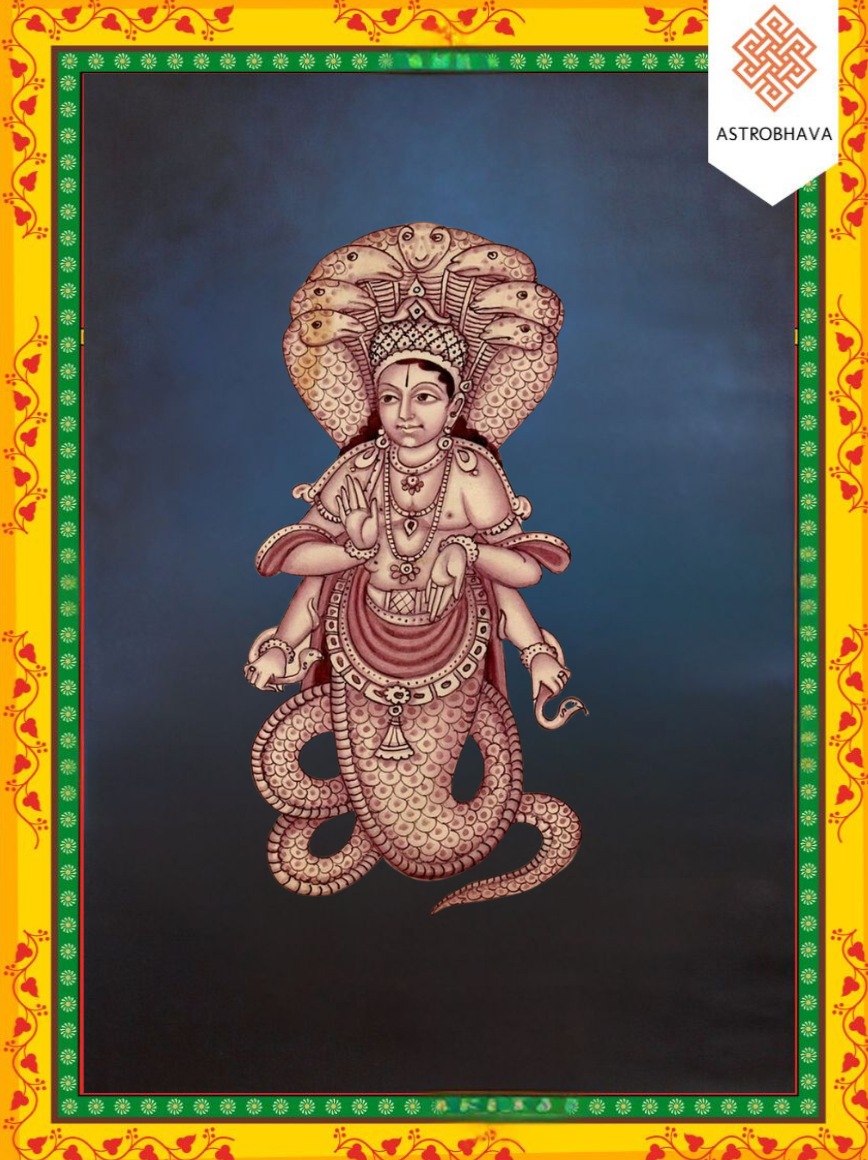
Panchami Tithi 2026
What is Panchami: Understanding Its Significance?
Panchami is the fifth tithi in the lunar calendar, occurring twice every month—once during the waxing phase (Shukla Paksha) and once during the waning phase (Krishna Paksha) of the moon. This tithi is symbolically linked with movement, clarity, and purification. Spiritually, Panchami supports growth through intellectual refinement and energetic balance, making it favorable for study, spiritual practices, and subtle healing work.
One of the most well-known Panchami observances is Naga Panchami, which falls in the month of Shravan (July–August), and is devoted to the worship of serpent deities. Serpents in Hindu cosmology are associated with kundalini energy, hidden wisdom, and ancestral karmas. On this day, devotees offer milk and prayers to snake idols or anthills, seeking protection, fertility blessings, and relief from fear or ill health.
Panchami is considered favorable for addressing doshas related to planets like Rahu and Ketu, and is an auspicious time to perform remedies for ancestral afflictions or karmic patterns passed through the lineage. It is also ideal for learning new knowledge, deepening existing skills, or performing rituals to support clarity and emotional resolution.
Energetically, Panchami encourages steady progress, intuitive awareness, and purification of both mind and environment, helping seekers stay aligned with their dharmic path.
“Facing sudden obstacles, delays, or instability in life?
Book Rahu Ketu Shanthi Homa online to reduce planetary doshas and restore balance, peace, and progress.”
Mantras to Chant During Panchami
Panchami tithi carries energies of movement, subtle purification, and ancestral healing. It is especially potent for invoking blessings related to wisdom, protection, and karmic release. Depending on the type of Panchami, mantras may be directed toward Serpent Deities (Nag Devatas), Goddess Saraswati, or for ancestral peace. Below are key mantras suitable for chanting during Panchami:
1. Sarpa Shanti Mantra
“Om Sarpa Devaya Namah”
Meaning: Salutations to the divine serpent beings.
Purpose: This mantra is ideal for those observing Naga Panchami. It helps reduce afflictions caused by serpent-related doshas (like Kaal Sarp Dosh) and invites protection from unseen energies.
2. Ananta Shesha Mantra
“Om Anantaya Namah”
Meaning: I bow to the infinite one, Lord Ananta (Shesha Naga).
Purpose: Useful for spiritual seekers working with kundalini or meditative practices. Enhances inner stillness and mental protection.
3. Saraswati Mantra
“Om Aim Saraswatyai Namah”
Meaning: Salutations to Goddess Saraswati, the embodiment of wisdom and speech.
Purpose: Best suited for Shukla Paksha Panchami, especially for students and artists. This mantra sharpens intellect and supports learning or creative expression.
4. Pitru Mantra (For Ancestral Healing)
“Om Namo Bhagavate Vasudevaya Pitru Devataabhyo Namah”
Meaning: I bow to the divine and my ancestors.
Purpose: Offers peace to departed souls and helps dissolve ancestral karmas influencing present life patterns.
Chanting any of these with sincere intent during Panchami amplifies healing, clarity, and spiritual momentum.
“Experiencing setbacks in career, marriage, or health?
Experience Kaala Sarpa Shanthi Homa, the powerful Vedic ritual that neutralizes doshas and brings balance, prosperity, and mental peace.”
Panchami Tithi 2026 (Chennai Time)
| Month | Paksha | Panchami Timing (Start – End) |
|---|---|---|
| February | Krishna Paksha | Feb 06, 12:22 am – Feb 07, 1:19 am |
| February | Shukla Paksha | Feb 21, 1:01 pm – Feb 22, 11:10 am |
| March | Krishna Paksha | Mar 07, 7:17 pm – Mar 08, 9:11 pm |
| March | Shukla Paksha | Mar 22, 9:17 pm – Mar 23, 6:38 pm |
| April | Krishna Paksha | Apr 06, 2:11 pm – Apr 07, 4:35 pm |
| April | Shukla Paksha | Apr 21, 4:15 am – Apr 22, 1:20 am |
| May | Krishna Paksha | May 06, 7:51 am – May 07, 10:14 am |
| May | Shukla Paksha | May 20, 11:07 am – May 21, 8:27 am |
| June | Krishna Paksha | Jun 04, 11:30 pm – Jun 06, 1:20 am |
| June | Shukla Paksha | Jun 18, 6:59 pm – Jun 19, 5:00 pm |
| July | Krishna Paksha | Jul 04, 12:40 pm – Jul 05, 1:31 pm |
| July | Shukla Paksha | Jul 18, 4:43 am – Jul 19, 3:43 am |
| August | Krishna Paksha | Aug 02, 11:15 pm – Aug 03, 10:54 pm |
| August | Shukla Paksha | Aug 16, 4:53 pm – Aug 17, 5:00 pm |
| September | Krishna Paksha | Sep 01, 7:42 am – Sep 02, 6:13 am |
| September | Shukla Paksha | Sep 15, 7:44 am – Sep 16, 8:59 am |
| September | Krishna Paksha | Sep 30, 2:55 pm – Oct 01, 12:35 pm |
| October | Shukla Paksha | Oct 15, 1:13 am – Oct 16, 3:25 am |
| October | Krishna Paksha | Oct 29, 10:10 pm – Oct 30, 7:25 pm |
| November | Shukla Paksha | Nov 13, 8:43 pm – Nov 14, 11:24 pm |
| November | Krishna Paksha | Nov 28, 6:40 am – Nov 29, 3:57 am |
| December | Shukla Paksha | Dec 13, 4:48 pm – Dec 14, 7:16 pm |
| December | Krishna Paksha | Dec 27, 5:13 pm – Dec 28, 2:58 pm |
Remedies for Panchami
- Visit a Naga temple and offer raw milk, turmeric, and flowers to serpent idols or anthills, praying for ancestral harmony and spiritual protection.
- Light a sesame oil lamp in the southwest corner of your home while chanting Sarpa Shanti mantras to dispel fear and negative energies.
- Book the Sarpa Shanti Homa on the AstroBhava website to address Naga dosha, karmic blockages, and recurring life obstacles rooted in ancestral imbalances.
- Perform the Kaal Sarp Dosha Nivaran Homa through AstroBhava to cleanse planetary afflictions caused by Rahu-Ketu alignment and invoke peace.
- Schedule the Naga Devata Puja from AstroBhava to seek forgiveness for past karmas related to serpent energies and restore energetic flow.
- Opt for the Panchami Special Ancestral Puja from AstroBhava, designed to release karmic burdens and promote emotional clarity and life progress.
- Do not ignore rituals linked to lineage—neglecting them during Panchami can lead to spiritual stagnation and subtle health or relationship disturbances.
- Avoid disrupting natural habitats like anthills or serpent dwellings, as such actions on Panchami are believed to attract karmic repercussions.
“Want relief from ancestral and serpent-related doshas?
Perform Naga Homa to pacify Naga Devatas, remove karmic obstacles, and restore peace and stability.”
Do’s During Panchami
- Wake up during Brahma Muhurta (early pre-dawn hours) and take a purifying bath to align your body and mind with the subtle energies of Panchami.
- Offer prayers to Naga Devatas or serpent deities, especially if observing Naga Panchami, to seek protection, fertility, and healing from ancestral afflictions.
- Visit temples with Naga shrines or anthills and offer raw milk, sandal paste, turmeric, white flowers, and rice to the deities as a sacred gesture.
- Chant mantras like “Om Sarpa Devaya Namah” or “Om Anantaya Namah” to harmonize kundalini energy and overcome spiritual or psychological blockages.
- Perform meditation or silent reflection to become aware of recurring life patterns tied to deep karmic layers or family lineage.
- Observe a partial or full fast if possible, consuming only milk, fruits, or sattvic foods to support internal purification and emotional calmness.
- Respect all forms of life—especially snakes and reptiles—by refraining from violence or harming their habitats, as it pleases the Naga Devatas.
- Offer water to a Peepal tree, particularly if facing Rahu-Ketu afflictions, as this is considered a powerful act of pacification on Panchami.
- Feed birds or donate food to the poor, especially foods like milk, jaggery, and rice, to balance ancestral and planetary energies.
- Engage in charitable acts or support educational initiatives, as Panchami is also a day aligned with wisdom, learning, and knowledge expansion.
- Involve family members in simple rituals or story-telling related to Naga mythology to create a shared spiritual experience and generational healing.
- Maintain a clean and peaceful home environment throughout the day, especially avoiding arguments or harsh speech, to retain the day’s spiritual merit.
Don’ts During Panchami
- Do not kill or harm snakes, reptiles, or any creatures associated with the earth, as it is considered a serious karmic offense, especially on Naga Panchami.
- Avoid disturbing anthills, serpent mounds, or underground habitats—these are believed to be sacred dwellings of Naga Devatas and must be left untouched.
- Do not consume non-vegetarian food, alcohol, or any tamasic substances, as they disrupt the subtle, sattvic energy flow of this spiritually potent tithi.
- Refrain from cutting trees, digging soil, or any construction-related activity that may harm subterranean beings, especially in rural or forested areas.
- Avoid engaging in harsh speech, lying, or arguments—negative communication on this day may amplify karmic entanglements, particularly in family matters.
- Do not perform rituals or worship serpent deities with fear or transactional intent—approach with reverence, not superstition or appeasement alone.
- Refrain from skipping your daily spiritual practices. Panchami is a tithi for inner alignment; negligence may result in missed opportunities for healing.
- Don’t disrespect elders or neglect ancestral remembrance, as Panchami is deeply linked to pitru (ancestral) energies and lineage-based karma.
- Avoid wearing black or dark red clothes while performing Panchami rituals, as these colors are considered inharmonious with the tithi’s spiritual vibrations.
- Do not break your fast without proper prayers or before the designated time if you are observing it for spiritual reasons.
- Avoid indulging in sensory distractions such as binge-watching or overuse of mobile devices; instead, prioritize introspection and devotional practices.
- Do not ignore signs or patterns that arise during this tithi—Panchami often reveals subtle insights that guide healing or karmic resolution.
“Looking for extreme protection and inner awakening?
Experience Aghora Pasupatha Homa, the sacred Vedic ritual that neutralizes destructive forces and restores divine balance and power.”
Benefits of Panchami Fasting
1. Balances Ancestral Karma
Fasting on Panchami helps harmonize unresolved ancestral influences. Many families experience repeated patterns of challenges—be it in health, relationships, or finances—that stem from inherited karmas. Panchami fasting, especially when accompanied by prayers to Naga Devatas, is said to clear such imbalances, offering peace to ancestors and resolution to their descendants.
2. Pacifies Rahu and Ketu Doshas
Planetary afflictions caused by Rahu and Ketu, such as Kaal Sarp Dosha, can lead to mental confusion, emotional unrest, and stagnation. Fasting on Panchami, particularly when combined with serpent worship and related mantras, calms the subtle energetic body and brings relief from the intense impact of these shadow planets.
3. Supports Kundalini Awakening
Panchami, especially Naga Panchami, holds deep significance for kundalini energy. When fasting is done with awareness and discipline, the body becomes a refined vessel for energy movement. This helps awaken dormant spiritual potential and fosters deeper meditative experiences over time.
4. Enhances Subconscious Healing
The serpentine energy of Panchami relates to the subconscious mind. Fasting allows deep-seated emotional residues to rise and release. Regular observance can lead to emotional clarity, healing from long-standing grief, and resolution of irrational fears.
5. Improves Fertility and Reproductive Health
In many traditions, serpent worship is linked to fertility and creative power. Panchami fasting purifies the sacral chakra and helps regulate hormonal imbalances. Couples trying to conceive or seeking reproductive well-being often observe this fast with positive intent and spiritual support.
6. Strengthens Willpower and Discipline
Fasting requires conscious restraint—of food, words, and actions. Observing Panchami regularly builds strong willpower. This mental discipline extends into other areas of life, helping individuals resist distractions, bad habits, and procrastination.
7. Releases Fears and Phobias
Serpents are archetypes of fear and hidden power. Fasting on Panchami, when done sincerely, allows suppressed fears to surface. With chanting and worship, these fears are acknowledged and transformed, leading to greater personal strength and psychological freedom.
8. Improves Intuitive Sensitivity
With reduced physical intake, the senses sharpen and inner perception improves. Many experience stronger intuition, more vivid dreams, and inner guidance when fasting on Panchami, particularly during moon-influenced cycles. This helps with decision-making and self-awareness.
9. Encourages Detox and Digestion Reset
Taking a break from heavy or processed foods resets the digestive system. Panchami fasting allows the gut to rest, reduces inflammation, and supports metabolic health. It’s especially helpful after periods of overindulgence or emotional eating.
10. Invokes Protection from Hidden Enemies
Energetically, Panchami is a powerful time to shield oneself from jealous forces, gossip, or unrecognized opposition. Fasting empowers your aura, especially when combined with serpent mantras and specific protective rituals.
11. Aids in Breaking Repetitive Patterns
Life challenges that feel cyclical—recurring failures, toxic relationships, or self-sabotage—are often linked to deeper karmic roots. Panchami fasting helps loosen these threads and creates energetic space for breakthroughs and new direction.
12. Promotes Peace in the Home
The family unit is often the first area affected by ancestral or karmic disturbance. Fasting on Panchami, along with offering prayers for the lineage, brings a calming influence to domestic life, improving understanding and reducing conflict.
13. Supports Inner Alchemy and Energy Transmutation
Panchami rituals and fasting invoke the transformative power of subtle energies. This internal alchemy allows lower emotional states—like jealousy, rage, or greed—to shift into higher qualities such as patience, compassion, and trust.
14. Restores Respect for Nature
By honoring serpents and fasting, devotees reconnect with the rhythms of nature. This reverence extends to all living beings, fostering ecological awareness and a more harmonious lifestyle aligned with dharma.
15. Refines Emotional Intelligence
Fasting softens reactive tendencies and supports emotional maturity. You become more conscious of your responses and learn to hold space for discomfort without suppressing or projecting it. This builds emotional strength and relational wisdom.
16. Improves Spiritual Receptivity
With the body light and the mind quiet, Panchami fasting enhances one’s ability to receive subtle spiritual insights. Mantras feel more effective, meditation deepens, and even small rituals hold greater impact when the inner vessel is purified.
17. Enhances Self-Awareness Through Silence
Many choose to reduce speaking while fasting. This silence, combined with lightness of body, enhances self-observation. Panchami becomes a mirror to see your true self—unfiltered by habits, cravings, or constant distraction.
18. Purifies the Subtle Body (Nadis)
According to yogic tradition, the nadis (energy channels) get clogged due to lifestyle habits and emotional burdens. Fasting helps detoxify these pathways. Over time, this results in clearer thought, stable energy, and stronger spiritual presence.
19. Strengthens Connection with Divine Serpent Energies
Naga deities are deeply mystical, linked to cosmic knowledge and time cycles. Fasting on Panchami invites their blessings and opens portals to deeper spiritual truths, often revealed in dreams or moments of quiet contemplation.
20. Lays Groundwork for Long-Term Spiritual Progress
Fasting, when done regularly with devotion and awareness, becomes a spiritual foundation. Panchami fosters humility, reverence, and courage—qualities essential for progress on the path of inner awakening and liberation.
“Seeking success in court cases, debates, or power struggles?
Experience Bagalamukhi Homa, the sacred Vedic ritual known for paralyzing negativity and ensuring triumph over adversities.”
FAQs Related to Panchami
1. What is Panchami Tithi and why is it important?
Panchami is the fifth day in both waxing and waning moon phases. It holds spiritual significance due to its connection with purification, intuition, and ancestral karma. It is especially important during Naga Panchami, where serpent deities are worshipped for protection and karmic resolution.
2. What is Naga Panchami?
Naga Panchami is a special observance of Panchami tithi, celebrated in the Shravan month. Devotees worship serpent deities like Ananta, Vasuki, and Shesha for ancestral blessings, fertility, and protection from snake-related karmasor doshas.
3. Who should observe Panchami fasting?
Anyone seeking spiritual clarity, release from inherited karmic cycles, or relief from Rahu-Ketu dosha can benefit. It’s also helpful for those working on fear, emotional healing, or kundalini practices. Both men and women can observe it.
4. What can I eat during Panchami fasting?
If you’re observing a fast, you can consume milk, fruits, jaggery, or sattvic foods. Some may choose a complete nirjala fast (without food or water), especially on Naga Panchami. Always fast according to your health condition.
5. Is snake worship literal or symbolic?
Both. In temples and rituals, serpents are honored with offerings. Symbolically, serpents represent kundalini energy, subconscious fears, and spiritual insight. Worship aligns you with this archetype for transformation.
6. Can Panchami fasting remove Kaal Sarp Dosha?
It can support remedies. While fasting alone won’t remove Kaal Sarp Dosha, when combined with homams, mantras, and devotion, it reduces its negative impact over time, especially when done on multiple Panchami tithis.
7. What rituals are ideal on Panchami?
Offer raw milk and flowers at Naga temples, chant Sarpa Shanti mantras, and perform pujas or homas related to Rahu-Ketu. Even a simple lamp lighting with prayers for ancestral peace can be powerful.
8. Is Panchami a good day for spiritual practices?
Yes. It supports introspection, mantra chanting, and subtle energy work. Fasting makes the body light, while the tithi’s vibrations enhance focus and spiritual receptivity.
9. Can I observe Panchami fasting at home?
Absolutely. You don’t need elaborate rituals. A clean altar, sincere intent, simple offerings, and chanting can be deeply effective when done with devotion.
10. What happens if I miss observing Panchami?
There’s no fear or punishment in missing it. You can resume the next month or observe the following significant Panchami, like Naga Panchami. Consistency over time holds more power than perfection.