The Magic of Waking Up Before Dawn on Vishu Morning
There’s something incredibly special about being woken up before sunrise, your eyes still half-closed, as someone gently covers them and guides you through the dark house. No peeking allowed. That moment, when you finally open your eyes to a carefully arranged display of sacred items gleaming in the soft glow of a lamp — that’s the Vishu Kani, and it’s one of the most emotionally charged rituals in the Malayalam calendar.
Vishu 2026 falls on April 14, 2026, marking the first day of Medam in the Malayalam calendar — the astronomical new year that celebrates the Sun’s transit into Aries (Mesha Rashi). And if you’re a Malayali, you already know that Vishu isn’t just a date change. It’s a full-heart, full-family, full-faith kind of celebration.
Let’s walk through everything you need to know about Vishu Kani 2026 — the rituals, the meaning behind them, the traditions your grandparents swear by, and a few things that’ll help you make this year’s celebration more meaningful than ever.
What Exactly Is Vishu Kani? (And Why It Matters More Than You Think)
The word Kani in Malayalam means “the first sight.” The belief rooted deep in Kerala’s cultural soul is simple but profound: whatever you see first on Vishu morning sets the tone for the entire year ahead. So if you want prosperity, abundance, beauty, and divine grace to follow you through 2026, you make sure the very first thing your eyes land on is something auspicious, sacred, and full of positive energy.
That’s why the Vishu Kani arrangement is not thrown together randomly. Every single item placed in the Kani has a purpose. Every fruit, flower, grain, and coin carries symbolic meaning. The whole setup is an offering and a prayer wrapped into a visual blessing.
In essence, the Vishu Kani is Kerala’s most intimate way of saying: “Let this year be good. Let us begin it with grace.”
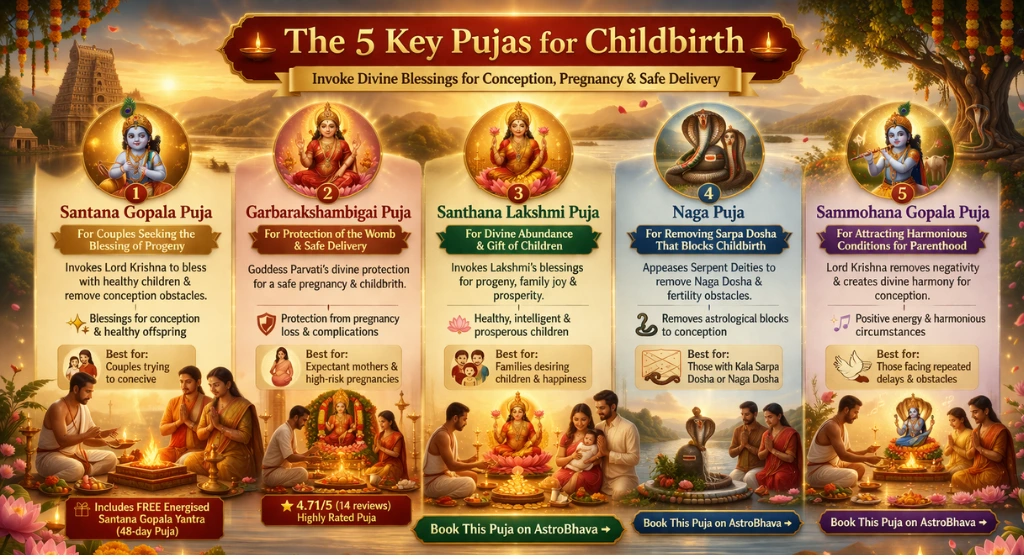
Explore 5 powerful rituals to perform in 2026 for a prosperous year ahead
Vishu Kani 2026: Date, Time, and Auspicious Muhurat
Vishu 2026 Date: April 14, 2026 Day: Tuesday Vishu Sankranti Time (Sun enters Mesha): To be confirmed by the Kerala Panchangam, but traditionally the Kani is arranged the night before and viewed in the early hours before sunrise on April 14.
The ideal time to view the Vishu Kani is before sunrise, ideally between 4:00 AM and 6:00 AM, when the atmosphere is still, pure, and spiritually potent. Many families wake as early as 3:30 AM to prepare the lamp and ensure every family member views the Kani in complete darkness before their eyes adjust to any other sight.
The Sacred Items in a Traditional Vishu Kani Arrangement
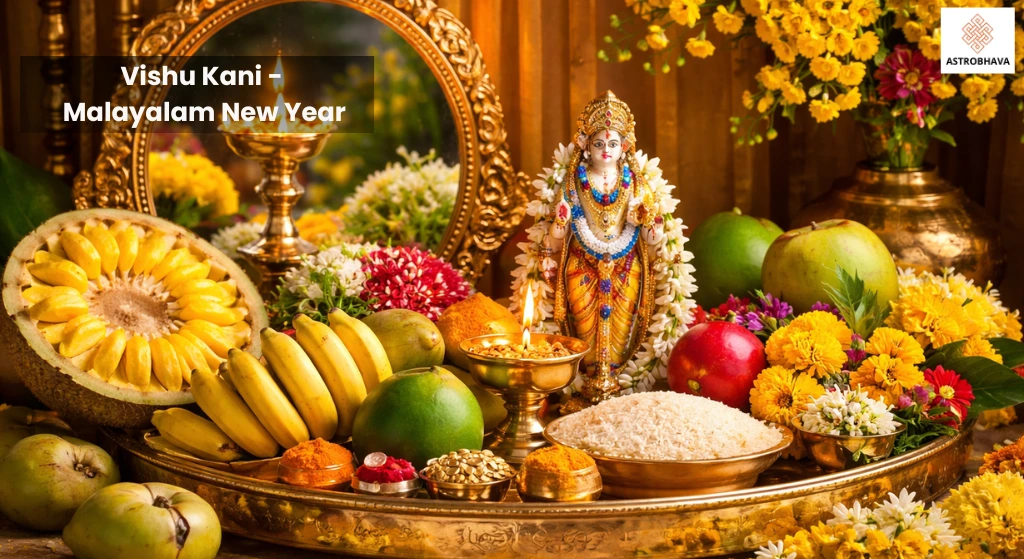
This is the heart of the whole festival. The Vishu Kani arrangement is typically set up in front of a mirror (so the reflection doubles the auspiciousness) inside a large bell-metal vessel called an uruli or on a decorated tray. Here’s what traditionally goes into it and what each item represents:
Konna Flowers (Golden Shower/Cassia Fistula): These bright yellow flowers are the soul of Vishu. Their golden color represents prosperity and the Sun’s energy. A Vishu Kani without Konna flowers simply doesn’t feel complete — it’s like Onam without the pookalam.
Vishnu’s Idol or Image: Since Vishu is deeply connected to Lord Vishnu, a small idol or framed image of Vishnu (especially in his Thrikkakara Appan or Guruvayurappan form) is placed at the center of the arrangement.
Raw Rice: Symbolizing food, sustenance, and abundance — a household that never goes hungry.
Coconut: A whole coconut represents fertility, completeness, and divine blessings.
Betel Leaves and Areca Nut: Associated with auspiciousness and ceremonial offerings in Kerala traditions.
Fruits: Jackfruit, banana, mango — seasonal fruits that represent the earth’s generosity.
Vegetables: Cucumber, ash gourd — again, symbols of nature’s abundance.
Gold Jewelry and Coins: Representing Lakshmi’s presence and financial prosperity in the year ahead.
A Holy Text: Usually the Ramayana or Bhagavata Purana, representing knowledge and wisdom.
A Lit Nilavilakku (Lamp): The lamp is absolutely non-negotiable. Its flame symbolizes the divine light that guides you through the year, dispelling darkness and ignorance.
Mirror: Placed behind the arrangement so the Kani is reflected and the person viewing it also sees themselves in this auspicious moment — a powerful psychological touch.
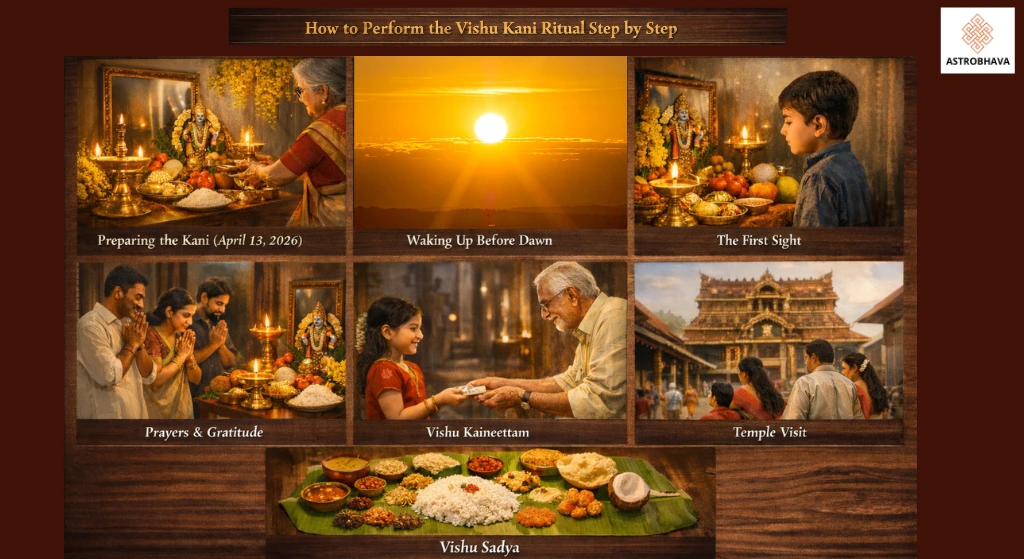 How to Perform the Vishu Kani Ritual Step by Step
Here’s how the ritual traditionally unfolds in a Kerala household:
The Night Before (April 13, 2026): The senior woman of the household — usually the grandmother or mother — carefully arranges all the Kani items in the prayer room or near the main deity of the house. The nilavilakku is lit. A mirror is positioned behind the setup. Everything is arranged with love, prayer, and intention. Once done, everyone is instructed not to peek.
Waking Up Before Dawn: Family members are woken up one by one, their eyes covered by the elder’s hands. Children especially love (and sometimes dread) this part — being guided through the darkened house in sleepy excitement.
The First Sight: When each person stands before the Kani, their eyes are uncovered. The first thing they see is the glowing lamp, the Konna flowers, the idol of Vishnu, the fruits, the gold, and the grain. Some people say a short prayer; others simply take it all in silently.
Prayers and Gratitude: After viewing the Kani, family members typically offer a short prayer — thanking God for the year past and seeking blessings for the year ahead.
Vishu Kaineettam: This is everyone’s favorite part, especially for children. The eldest member of the family distributes money — the Kaineetam — to younger members, symbolizing prosperity being passed down through generations. Even a small amount is considered deeply auspicious.
Temple Visit: Many families follow the home ritual with a visit to a nearby Vishnu temple, particularly famous ones like Guruvayur, Sabarimala, or the Thrikkakara Temple near Kochi, which has a special association with Vishu.
Sadya: No Kerala festival is complete without a sadya — a traditional vegetarian feast served on a banana leaf, featuring rice, sambar, aviyal, olan, pachadi, payasam, and many more dishes. On Vishu, the sadya is a celebration of the harvest, the season, and the togetherness of family.
Regional Variations: How Vishu Kani Is Celebrated Across Kerala
While the core ritual remains the same, there are beautiful regional and family-level variations in how the Vishu Kani is arranged and observed.
In North Kerala (Malabar region), the Kani arrangements tend to be more elaborate, sometimes including sugarcane and specific heirloom items passed down through generations.
In Central Kerala, temples like Thrikkakara host large public celebrations where the community comes together for the Vishu Kani viewing.
In South Kerala, the focus is often more on the temple visit to Padmanabhaswamy or local Vishnu shrines, followed by the family sadya.
Among Kerala diaspora communities across the world, the Vishu Kani has become an even more emotionally loaded ritual — a way of maintaining a thread back to home, no matter how far you’ve traveled.
The Spiritual and Astrological Significance of Vishu 2026
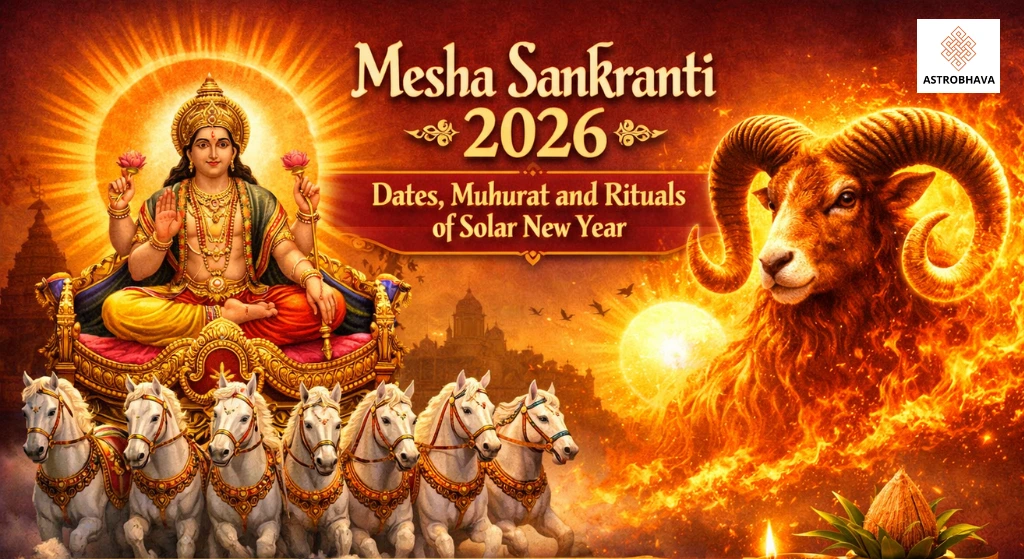
Astrologically, Vishu marks the Sun’s entry into Aries — the first sign of the zodiac — making it a genuine cosmic new year rather than just a cultural one. In Vedic astrology, the Sun (Surya) entering Mesha Rashi is considered deeply significant because the Sun is exalted (uchcha) in Aries, meaning it operates at its most powerful.
This makes the energy on Vishu particularly potent for setting intentions, performing spiritual practices, and seeking divine blessings. The first few hours of Vishu are considered a kind of cosmic reset button — a window during which the universe is unusually receptive to human prayer and intention.
In 2026 specifically, the planetary positions on April 14 make it a powerful day for anyone seeking clarity about career, relationships, and life direction. The Sun’s energy combined with the traditional power of the Kani ritual creates a window that spiritually inclined people across Kerala have been tapping into for thousands of years.
The Konna Tree: Kerala’s Golden Messenger of Spring
You can’t talk about Vishu Kani without spending a moment on the Konna tree (Cassia fistula). This tree blooms almost exclusively around Vishu time, and its yellow flowers draping across the tree like gold chains against a blue sky is one of the most iconic images in Kerala’s seasonal calendar.
Seeing a Konna tree in full bloom is considered auspicious even before Vishu arrives. It’s nature’s own announcement that the new year is coming. Children often go looking for Konna flowers days in advance. Families who don’t have a Konna tree in their yard spend the days before Vishu sourcing branches from neighbors, florists, or local markets.
The fact that this tree blooms so perfectly in sync with Vishu is something Kerala people take as a divine sign — nature and tradition flowing together as one.
Making Vishu Special for Children: The Meaning Behind the Magic
For children, Vishu Kani is often their most vivid memory of the festival. The drama of being guided through a dark house, eyes shut tight, builds an almost unbearable anticipation. Then that first moment of seeing the glowing Kani — the yellow flowers, the golden coins, the lamp’s warm glow — is genuinely magical.
Beyond the spectacle, it’s worth explaining to children what the Kani means:
- The food represents never going hungry
- The gold represents working hard and earning well
- The books represent growing wiser every year
- The lamp represents finding your way even in the dark
- And Lord Vishnu watching over it all represents knowing you’re not alone
When children understand the symbolism, the ritual transforms from a pretty display into a life lesson they carry with them.
Vishu Kani vs. Ugadi vs. Puthandu: How Are They Different?
Many people across South India celebrate their regional new years around the same time:
Vishu (Kerala) — April 14, focuses on the Kani (auspicious first sight) and Kaineettam
Ugadi (Karnataka/Andhra/Telangana) — Also around April 14, focuses on Panchanga Shravanam (listening to the year’s astrological forecast) and Ugadi Pachadi (a dish with six tastes representing life)
Puthandu (Tamil Nadu) — April 14 (Tamil New Year), focuses on Kanni (similar to Kani), with kolam decorations and temple visits
Baisakhi (Punjab) — April 13-14, celebrates the harvest season with bhangra, gurdwara visits, and community feasts
All of these festivals mark the Sun’s entry into Aries, which is why they cluster around April 13-14 every year. Each has its own beautiful cultural flavor, but the underlying cosmic event is shared.
Vishu 2026 Wishes and How to Celebrate Away from Home
If you’re a Malayali living outside Kerala, Vishu can feel bittersweet. The smell of Konna flowers, the sound of fireworks at dawn, the warmth of a family sadya — these things are hard to replicate in a city apartment far from home.
But here’s what you can do:
Arrange a mini Vishu Kani: Even with a small idol, a yellow marigold flower (substitute for Konna), a coin, some rice, a fruit, and a lamp — you can recreate the essence of the ritual at home.
Video call family during Kani time: Many diaspora families now do synchronized Kani viewings over video call, with the Kerala family arranging the display and the overseas members viewing it together virtually.
Cook a simple sadya: Even three or four traditional dishes on a banana leaf counts. The intention matters.
Vishu wishes to send: “Vishu Ashamsakal! May this Vishu Kani bring you a year filled with joy, abundance, and everything your heart desires.”
Conclusion: The Kani Is a Promise
At its deepest level, the Vishu Kani is a promise — made between you and the universe at the start of a new year. By choosing to fill your first sight with beauty, abundance, and the divine, you’re setting an intention. You’re saying: this is the standard I want for my life this year.
Vishu 2026 falls on April 14, and whether you celebrate it in a home in Thrissur, an apartment in Dubai, or a house in New Jersey, the Kani carries the same power. It’s not about the size of the uruli or the number of fruits in the arrangement. It’s about that one silent moment, eyes just opened, looking at light and plenty and grace — and believing, with your whole heart, that the year ahead can be beautiful. Connect with Astrobhava today and explore powerful rituals to perform on Vishu Kani.
Vishu Ashamsakal to you and your family. May your 2026 Kani bring you everything you’ve been praying for. 🌸
Frequently Asked Questions (FAQs)
Q1. What is the exact date of Vishu 2026?
Vishu 2026 falls on Tuesday, April 14, 2026. It marks the Sun’s transit into Mesha (Aries) according to the Malayalam solar calendar.
Q2. What time should we view the Vishu Kani?
The ideal time is before sunrise, typically between 4:00 AM and 6:00 AM on April 14. The Kani is arranged the night before and viewed in complete darkness, before any other sight.
Q3. What are the most important items in a Vishu Kani?
The most essential items are the Konna flowers, a Vishnu idol or image, a lit nilavilakku (lamp), raw rice, coconut, gold or coins, fruits, vegetables, betel leaves, and a holy scripture — ideally arranged in an uruli in front of a mirror.
Q4. What is Vishu Kaineettam?
Kaineettam is the tradition of the eldest family member distributing money to younger members on Vishu morning, symbolizing prosperity flowing through generations. Even a small amount is considered deeply auspicious.
Q5. Can non-Malayalis participate in or celebrate Vishu?
Absolutely. Vishu is a cultural and spiritual celebration rooted in gratitude and hope — values that are universal. Anyone can learn about and respectfully participate in the Vishu Kani ritual.
Q6. What is the significance of Konna flowers in Vishu Kani?
Konna (Cassia fistula or Golden Shower tree) blooms naturally around Vishu time each year. Its golden yellow color symbolizes prosperity, the energy of the Sun, and divine auspiciousness. It’s considered the floral identity of the festival.
Q7. Is Vishu the same as Ugadi or Tamil New Year?
They are related but distinct. All three celebrate the Sun’s entry into Aries around April 14, but each has its own regional customs, language, and rituals. Vishu is Kerala’s celebration, Ugadi belongs to Karnataka and Andhra, and Puthandu is Tamil Nadu’s new year.
Q8. What if I don’t have Konna flowers for my Vishu Kani?
If Konna flowers aren’t available, many families substitute with other yellow flowers like marigold or yellow chrysanthemum while maintaining the spirit and intention of the arrangement. The devotion matters more than perfection.