For anyone who wants to deepen their connection with Lord Shiva every month, learning the right Masik Shivaratri mantras is the first step. Unlike Maha Shivaratri, which arrives once a year, Masik Shivaratri gives devotees twelve sacred opportunities annually to chant, fast, and seek Shiva’s grace. This guide brings you verified dates, the Vrat Katha, the most powerful Masik Shivaratri mantras with their benefits, and the exact rituals AstroBhava performs on your behalf — whether you’re in Mumbai or Manhattan.
About Masik Shivaratri
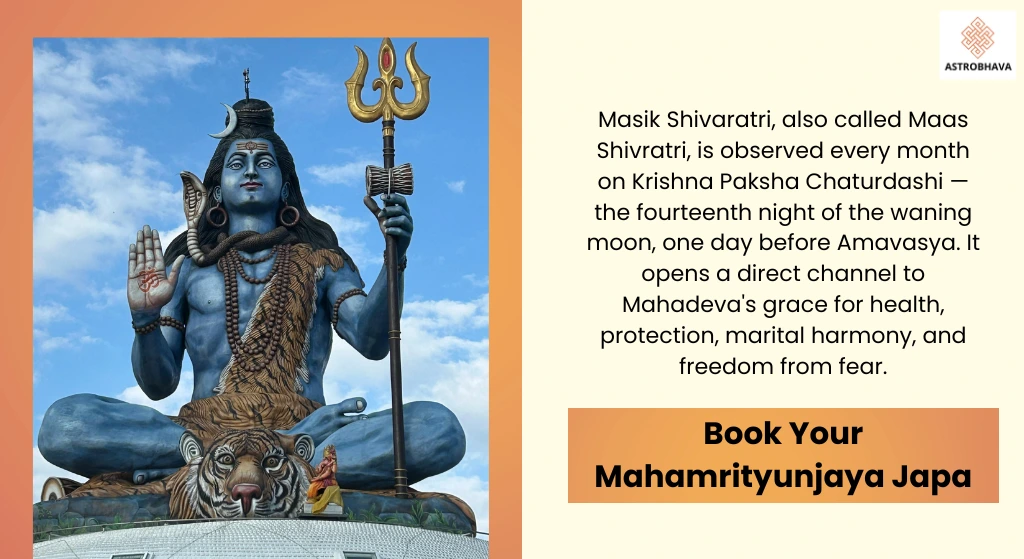
Masik Shivaratri means “monthly night of Shiva.” It falls every month on Krishna Paksha Chaturdashi — the fourteenth day of the waning moon, just before Amavasya. This is the night believed to mark Lord Shiva’s manifestation as the Jyotirlinga and, in some legends, his cosmic union with Goddess Shakti. Devotees observe a day-long fast, stay awake through the night (Jagran), and perform Shiva Puja at Nishita Kaal — the auspicious midnight hour when Shiva’s energy is considered most accessible. Chanting Masik Shivaratri mantras during this window is believed to multiply the spiritual benefit manifold.
 Masik Shivaratri Date & Nishita Kaal Muhurat (Verified)
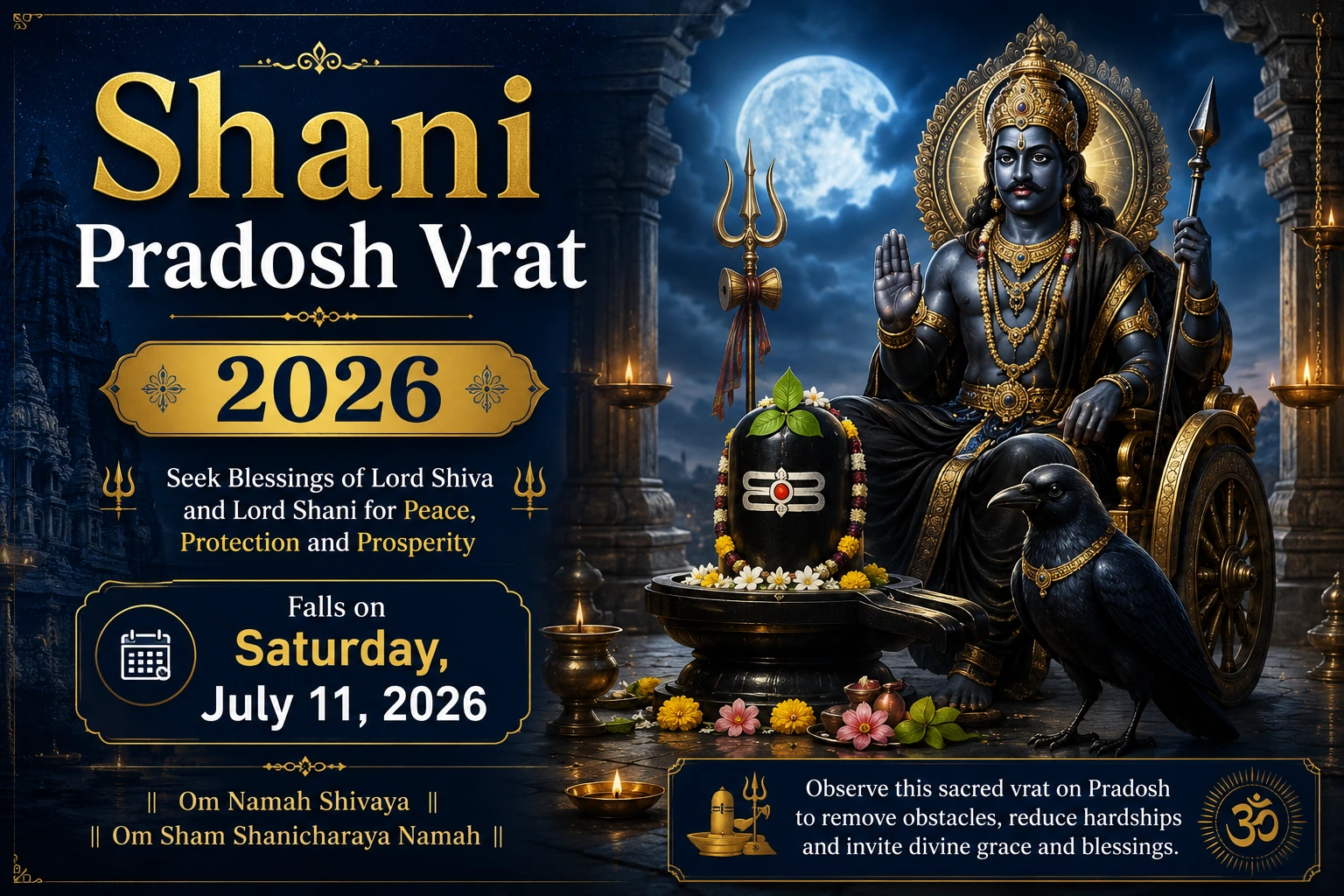
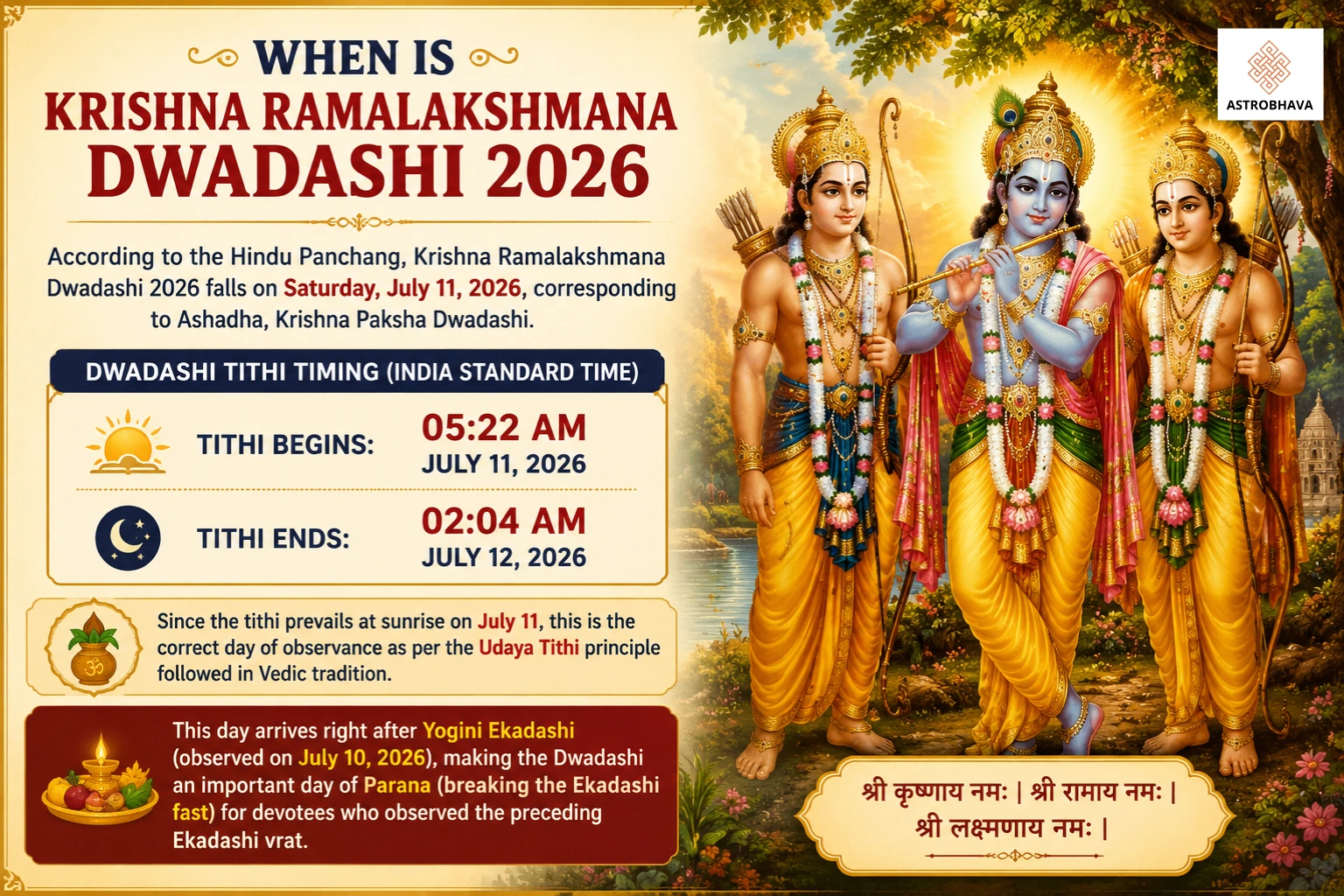
The upcoming Masik Shivaratri falls on Sunday, 12th July 2026, corresponding to Ashadha Krishna Chaturdashi. The Chaturdashi Tithi begins at 10:29 PM on July 12 and continues until 6:49 PM on July 13 (IST). The most powerful window for puja — Nishita Kaal — falls between 12:07 AM and 12:47 AM (IST), night of July 12–13.
NRI Timezone Conversion Table
| Region | Nishita Kaal Puja Window |
| India (IST) | 12:07 AM – 12:47 AM, July 13 |
| USA – Eastern (EDT) | 2:37 PM – 3:17 PM, July 12 |
| USA – Pacific (PDT) | 11:37 AM – 12:17 PM, July 12 |
| Canada (Toronto/Vancouver, same zones as above) | Matches US Eastern/Pacific |
| UK (BST) | 7:37 PM – 8:17 PM, July 12 |
| UAE (GST) | 10:37 PM – 11:17 PM, July 12 |
| Australia – Sydney (AEST) | 4:37 AM – 5:17 AM, July 13 |
Devotees abroad don’t need to wait until midnight in India — you can chant your Masik Shivaratri mantras and light a diya at the corresponding local time above, with your heart and Sankalpa fully aligned to the Muhurat.
Planning your worship around this date?
Book your Rudrabhishekam for Masik Shivaratri today →
Significance of Masik Shivaratri
Each Masik Shivaratri is a chance to reset karmically and spiritually. Unmarried devotees observe it seeking a compatible life partner; married women observe it for marital harmony; and devotees across genders and ages use it to overcome obstacles, heal chronic health issues, and work toward Moksha. Because it recurs monthly, Masik Shivaratri lets you build sustained discipline rather than relying on a single annual observance. Regularly chanting Masik Shivaratri mantras on this tithi is considered to steadily cleanse accumulated karma, calm Rahu-Ketu afflictions, and strengthen the mind’s connection to Shiva consciousness.
Want the Mahamrityunjaya Mantra chanted for you, 51,001 or 1,25,001 times?
Book a Mrityunjaya Japa today →
Masik Shivaratri Vrat Katha
The most recited legend behind this observance goes back to a poor tribal hunter who lost his way in the forest one Chaturdashi night. To escape a tiger, he climbed a Bilva tree and, to stay awake through the night, plucked leaves one by one and dropped them below — unknowingly onto a Shivalinga hidden beneath the tree, along with drops of water from his eyes and quiver.
Unaware, he had performed a complete Shiva Puja: Bilva offering, jal abhishekam, and a night-long vigil. By morning, Shiva appeared and blessed him with liberation from his sins, despite the hunter having no knowledge of ritual or mantra.
This Katha is why devotees believe that even unintentional devotion on Shivaratri — through Bilva leaves, water, and a wakeful mind — pleases Mahadev instantly. It’s also why this night is considered forgiving even for those new to Vedic practice, provided the intention is sincere.
 Powerful Masik Shivaratri Mantras and Their Benefits
Chanting these Masik Shivaratri mantras during the fast, and especially at Nishita Kaal, is considered the most direct way to invoke Shiva’s grace.
Om Namah Shivaya (Panchakshari Mantra)
The five-syllabled Moola Mantra of Shiva. Chanting it 108 times on Masik Shivaratri is believed to dissolve ego, remove fear, and awaken inner Shiva-consciousness. It is the most universally recommended of all Masik Shivaratri mantras for beginners and advanced sadhaks alike.
Om Tryambakam Yajamahe Sugandhim Pushtivardhanam Urvarukamiva Bandhanan Mrityor Mukshiya Maamritat (Maha Mrityunjaya Mantra)
Known as the death-conquering mantra from the Rig Veda. Reciting it on Masik Shivaratri is believed to grant protection from untimely death, accelerate recovery from chronic illness, and ease Sade Sati and Rahu-Ketu dosha.
Om Tatpurushaya Vidmahe Mahadevaya Dhimahi Tanno Rudra Prachodayat (Rudra Gayatri Mantra)
This invokes Shiva’s Rudra aspect for wisdom, clarity, and removal of obstacles. Ideal for those facing career delays or decision paralysis.
Karpur Gauram Karunavataram
A short, melodious stotra praising Shiva’s compassionate form. Chanting it before Aarti is believed to bring instant peace and dissolve household discord.
Om Sarveshwaraya Namah
Invokes Shiva as the Lord of all, ideal for devotees seeking overall protection and prosperity — a favourite closing chant during Rudrabhishekam.
Shiva Panchakshara Stotram (“Nagendraharaya Trilochanaya…”)
A five-verse hymn glorifying each syllable of “Namah Shivaya.” Reciting all five verses on Masik Shivaratri is said to grant the combined benefits of all Shiva mantras in one sitting.
Om Rudraya Namah
A simpler Bija chant, ideal for devotees who are fasting and want a mantra they can repeat silently throughout the day without needing a mala.
Powerful Rituals to Perform on Masik Shivaratri
Beyond mantra chanting, several rituals amplify the benefits of the day:
- Rudrabhishekam — Continuous Abhishekam of the Shivalinga with milk, curd, honey, ghee, and holy water, accompanied by Sri Rudram chanting. This is the single most recommended ritual for Masik Shivaratri.
- Four-Prahar Shiva Puja — Worship performed across all four praharas (watches) of the night, each with a different offering, replicating the traditional overnight vigil.
- Bilva Archana — Offering 108 or 1008 Bilva leaves while chanting Om Namah Shivaya, echoing the Vrat Katha itself.
- Mrityunjaya Homa / Japa — A fire ritual or extended chanting practice centred on the Mahamrityunjaya Mantra, for health, longevity, and protection from misfortune.
- Shiva Yantra Puja — Energizing and worshipping a Shiva Yantra to carry the day’s blessings forward as a daily protective talisman.
Can’t stay awake through all four praharas from abroad?
Let AstroBhava’s priests perform your Four-Prahar Rudrabhishekam on your behalf →
Observing Masik Shivaratri From Abroad: What NRIs Should Know
Fasting rules don’t change across time zones, but logistics do. If you’re in the US or Canada, your fast typically begins at your local sunrise on the observance date (July 12) and continues until the next morning’s Parana, regardless of what time it is in India. For UK devotees, the Nishita Kaal window falls in the evening of the same day — a convenient time to gather family for a short home puja before dinner.
Australian devotees, whose Nishita Kaal falls in the pre-dawn hours of July 13, may prefer to perform a symbolic evening puja on July 12 and reserve the exact midnight moment for silent mantra japa instead of a full ritual. UAE-based devotees have one of the most convenient windows, falling comfortably in late evening.
Since most NRIs cannot travel to a Shiva temple at short notice or stay up through Indian Nishita Kaal, having a dedicated priest perform Rudrabhishekam or Mrityunjaya Puja in your name — with your exact Sankalpa, name, and Gotra — lets you receive the full ritual benefit without the logistical strain.
How AstroBhava’s Authentic Online Rituals Help NRIs
AstroBhava performs every Masik Shivaratri ritual exclusively inside its own Vedic Temple and Yagna Ashram in India, conducted by certified priests trained in traditional Padashalas — never as generic group ceremonies. Homas are telecast live so you can watch the sacred fire ritual in real time from your living room, while Pujas and Japas are performed privately in the temple sanctum with your specific name, Gotra, and Sankalpa, preserving the sanctity of the ritual space.
Every eligible package includes complimentary energized Yantras and free worldwide prasad shipping, so the blessings of Masik Shivaratri physically reach your home in the USA, UK, Canada, Australia, or UAE within days. Devotees across more than 40 countries trust AstroBhava specifically because it bridges Vedic authenticity with the practical realities of diaspora life — no travel, no time-zone stress, just genuine temple-grade ritual on your behalf.
Wear Shiva’s protection all year round.
Get your energized Shiva Yantra shipped worldwide →
What AstroBhava Devotees Say
“Living in New Jersey, I never thought I could properly observe Masik Shivaratri. AstroBhava’s Rudrabhishekam felt as real as visiting a temple back home.” — Priya, USA
“The Mrityunjaya Homa gave my father real comfort during his recovery. Watching it live from London made all the difference.” — Arvind, UK
“Rachel from USA: Pratyangira Homa wiped out black magic effects — now I’m fully shielded and at peace!”
Conclusion
Masik Shivaratri offers a monthly reset — a night to quiet the mind, chant powerful Masik Shivaratri mantras, and invite Shiva’s grace into your life. Whether you fast silently at home, chant Om Namah Shivaya through the night, or have AstroBhava’s priests perform Rudrabhishekam and Mrityunjaya Homa on your behalf, what matters most is sincere intention, just as the tribal hunter’s unknowing devotion pleased Mahadev in the Vrat Katha. For devotees abroad especially, authentic online rituals make it possible to honour this sacred tithi without missing a single blessing.
FAQs
- What is Masik Shivaratri?
It is a monthly observance dedicated to Lord Shiva, falling on Krishna Paksha Chaturdashi, the day before Amavasya. - Which are the most powerful Masik Shivaratri mantras?
Om Namah Shivaya, the Maha Mrityunjaya Mantra, and the Rudra Gayatri Mantra are considered the most potent. - Can I observe Masik Shivaratri if I live outside India?
Yes. Follow your local sunrise-to-sunrise fasting schedule and use the timezone table above for the Nishita Kaal window. - What is the Masik Shivaratri Vrat Katha?
It tells of a hunter who unknowingly worshipped Shiva by dropping Bilva leaves and tears onto a hidden Shivalinga while staying awake in a tree overnight. - Do I need to fast the entire day for Masik Shivaratri?
Traditionally yes, breaking the fast (Parana) the next morning after puja; those with health conditions may take fruits or milk. - What is Rudrabhishekam and why is it recommended for this day?
It is the ceremonial bathing of the Shivalinga with milk, honey, ghee, and water while chanting Sri Rudram — considered the most complete Shiva ritual for Masik Shivaratri. - Can AstroBhava perform rituals for NRIs without them being present?
Yes, priests perform Pujas and Homas using your name, Gotra, and Sankalpa, with Homas live-streamed and prasad shipped worldwide. - Is chanting Om Namah Shivaya enough if I can’t do a full puja?
Yes — sincere mantra chanting alone on this night is considered deeply meritorious, as reflected in the Vrat Katha itself. - How is Masik Shivaratri different from Maha Shivaratri?
Masik Shivaratri occurs every month; Maha Shivaratri is the single most significant annual observance, falling in Phalguna/Magha month.