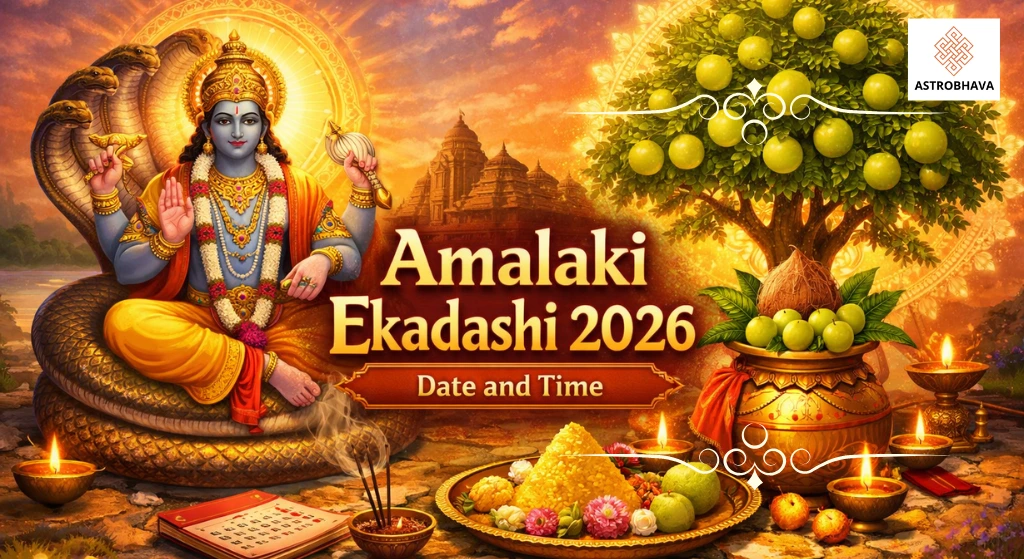
Amalaki Ekadashi, also known as Amla Ekadashi, is a sacred Hindu observance dedicated to Lord Vishnu and the revered Amla (Indian gooseberry) tree. Falling during the Shukla Paksha (waxing phase of the moon) in the month of Phalguna, this Ekadashi holds immense spiritual significance for devotees seeking purification, health, and salvation. In 2026, it arrives at a time when many are reflecting on their spiritual journeys, offering an opportunity to connect deeply with divine energies. This blog explores the essence of Amalaki Ekadashi, its rituals, stories, and benefits, helping you observe it meaningfully.
Date and Timings for Amalaki Ekadashi 2026
In 2026, Amalaki Ekadashi will be observed on Friday, February 27. The Ekadashi Tithi begins in the evening of Thursday, February 26, around 12:33 AM, and ends on Friday, February 27, around 10:32 PM. Devotees should break their fast (Parana) on Saturday, February 28, between 6:47 AM and 9:06 AM, during the Dwadashi Tithi. These timings are crucial for maximizing the spiritual rewards of the vrat. Always consult a local panchang or astrologer for precise muhurats based on your location.
The Spiritual Significance of Amalaki Ekadashi
Amalaki Ekadashi is one of the most auspicious among the 24 Ekadashis observed annually, as mentioned in ancient texts like the Brahmanda Purana. The name “Amalaki” refers to the Amla tree, which is believed to house Lord Vishnu and Goddess Lakshmi. Mythology states that the Amla tree emerged from divine nectar and symbolizes purity, preservation, and renewal. Observing this fast is said to cleanse past and present sins, leading devotees to Vaikuntha, Lord Vishnu’s abode, and ultimate moksha (salvation).
This day falls between Maha Shivratri and Holi, marking a transitional period of spiritual rejuvenation. Worshipping the Amla tree not only honors nature but also invokes blessings for good health, prosperity, and protection from negative influences. In astrological terms, it aligns with planetary energies that promote inner stability and harmony, making it ideal for those facing challenges in their horoscopes.
Rituals and Observance of Amalaki Ekadashi
Observing Amalaki Ekadashi involves a blend of devotion, discipline, and ritualistic practices. Here’s a step-by-step guide to help you perform the vrat authentically:
- Preparation: Wake up early during Brahma Muhurta (before sunrise), take a purifying bath, and wear clean, preferably yellow or white clothes to symbolize purity.
- Sankalp: Hold sesame seeds and a coin in your palm, and take a vow (Sankalp) to observe the fast with devotion, seeking moksha and divine blessings.
- Puja Vidhi: Set up an altar with an idol or image of Lord Vishnu. Offer flowers, incense, sandalwood paste, rice, and fruits—especially Amla. Chant Vishnu mantras like “Om Namo Bhagavate Vasudevaya” or the Vishnu Sahasranama.
- Amla Tree Worship: If possible, locate an Amla tree and perform parikrama (circumambulation) around it. Offer water, milk, and sweets to the tree, treating it as a manifestation of the divine. In urban settings, you can use Amla branches or fruits on your altar.
- Fasting Rules: Maintain a strict fast by avoiding grains, beans, rice, and non-vegetarian food. Consume only Amla-based items, fruits, milk, nuts, and root vegetables. For a partial fast, refrain from rice and grains. Stay hydrated with water or herbal teas.
- Evening Rituals: Light a diya (lamp) in the evening, recite bhajans, and read scriptures. Stay awake (Jagran) through the night, engaging in devotional activities to please Lord Vishnu.
- Charity and Donation: Donate food, clothes, or money to Brahmins or the needy, as this amplifies the merits of the vrat.
- Parana (Breaking the Fast): On the next day, during the specified Parana time, offer prayers and break the fast with sattvic food, starting with Amla or fruits.
These rituals foster discipline and devotion, aligning your energies with cosmic forces.
 Vrat Katha: The Legendary Tale of Amalaki Ekadashi
The Vrat Katha of Amalaki Ekadashi, as narrated in ancient scriptures, underscores the power of sincere devotion. Once, there was a devout king named Chitrasena, a ardent follower of Lord Vishnu. He faithfully observed Amalaki Ekadashi every year. During a hunting expedition, he and his soldiers were captured by tribal warriors who planned to sacrifice him to their deity.
As the king lay unconscious, a divine light emanated from his body, destroying the attackers. Upon regaining consciousness, a celestial voice revealed that his life was spared due to the accumulated merits from observing Amalaki Ekadashi with pure devotion. This story illustrates how the fast protects devotees from dangers and eradicates sins, granting divine intervention. Listening to or reciting this katha during the vrat is essential for invoking its full blessings.
Benefits of Observing Amalaki Ekadashi
Fasting on Amalaki Ekadashi offers multifaceted benefits:
- Spiritual Purification: It washes away sins from past lives, paving the way for moksha and eternal peace.
- Health Advantages: Amla is rich in Vitamin C and antioxidants, promoting immunity, digestion, and overall vitality. The fast detoxifies the body, aligning with Ayurvedic principles.
- Prosperity and Protection: Devotees experience abundance, family harmony, and safeguarding from misfortunes, as per astrological insights.
- Mental Clarity: The discipline enhances focus, reduces stress, and fosters inner stability, especially beneficial during planetary transits.
Observing this vrat is equivalent to donating a thousand cows in merit, emphasizing its profound impact.

Do’s: Essential Practices for a Fulfilling Observance
Follow these steps to honor the day and maximize its spiritual rewards:
- Wake Up Early and Purify Yourself: Rise during Brahma Muhurta (before sunrise), take a holy bath with sacred water if possible, and wear clean, light-colored clothes (preferably yellow or white) to symbolize purity.
- Take a Sankalp (Vow): Hold sesame seeds or a coin in your hand and make a sincere promise to observe the fast for Lord Vishnu’s pleasure and your spiritual growth.
- Worship Lord Vishnu and the Amla Tree: Set up an altar with an idol or image of Lord Vishnu. Offer flowers, incense, sandalwood paste, tulsi leaves, and Amla fruits. If an Amla tree is nearby, perform parikrama (circumambulation), water it, and light a ghee lamp under it. In Jodhpur, you might find Amla trees in local gardens or use branches/fruits at home as a substitute. Chant mantras like “Om Namo Bhagavate Vasudevaya” or Vishnu Sahasranama.
- Observe the Fast Mindfully: Opt for a full fast if possible, or a partial one with permitted foods. Consume Amla-based items, fresh fruits (like apples, bananas, pomegranates), milk, nuts, root vegetables (e.g., potatoes), sabudana, singhara atta, ghee, and herbal teas. This detoxifies the body and aligns with Ayurvedic benefits of Amla for immunity and vitality.
- Engage in Devotional Activities: Read or listen to the Amalaki Ekadashi Vrat Katha, sing bhajans, perform aarti, and stay awake (jagran) through the night if feasible. Dedicate time to meditation and japa for inner peace.
- Practice Charity and Positivity: Donate food, clothes, or money to the needy or Brahmins. Maintain a positive mindset, speak truthfully, and cultivate compassion throughout the day.
- Break the Fast (Parana) Properly: End the fast on February 28 during the specified time (around 6:47 AM to 9:06 AM IST), starting with sattvic food like fruits or Amla.
Connect with Astrobhava to conduct the ritual with your Sankalp
Don’ts: What to Avoid for Purity and Effectiveness
Steer clear of these to prevent nullifying the vrat’s merits and maintain spiritual focus:
- Avoid Grains and Restricted Foods: Do not consume rice, wheat, lentils, beans, cereals, or any grain-based items, as sin is believed to reside in grains on Ekadashi. Also skip onions, garlic, and processed or restaurant foods.
- Refrain from Non-Vegetarian and Tamasic Items: No meat, fish, eggs, alcohol, tobacco, or smoking. Avoid tamasic (impure) foods that dull the mind.
- Don’t Indulge in Negative Behaviors: Steer clear of anger, lies, gossip, arguments, or any negative thoughts/actions. This day is for inner cleansing, so promote peace.
- Avoid Certain Attire and Items: Do not wear black or leather clothes, as they are considered inauspicious for this observance.
- Limit Physical Strain and Overeating: Don’t overexert yourself or force a strict fast if you’re unwell (e.g., pregnant, elderly, or ill—opt for partial observance). Avoid breaking the fast outside the Parana window.
- No Mundane Distractions: Minimize worldly activities like watching TV or excessive socializing. Focus on devotion instead.
By following these do’s and don’ts, you’ll invite prosperity, health, and moksha into your life, as this vrat is equivalent to great acts of charity in merit. If you’re new to this or facing astrological challenges, consider consulting an expert for personalized guidance.
Frequently Asked Questions (FAQs)
Q1: When is Amalaki Ekadashi in 2026?
A: It falls on February 27, 2026, with Parana on February 28.
Q2: Can anyone observe this fast?
A: Yes, but pregnant women, the elderly, or those with health issues should consult a doctor or opt for a partial fast.
Q3: What foods are allowed during the fast?
A: Fruits, milk, nuts, potatoes, and Amla products. Avoid grains, onions, garlic, and processed foods.
Q4: Is worshipping the Amla tree mandatory?
A: It’s highly recommended, but if unavailable, use Amla fruits or images for symbolic worship.
Q5: How does Amalaki Ekadashi relate to astrology?
A: It harmonizes Vishnu’s energies, countering malefic planetary effects and boosting positive karma.
Q6: What if I miss the Parana time?
A: Break the fast as soon as possible after the muhurat, but avoid Hari Vasara (a quarter of Dwadashi).