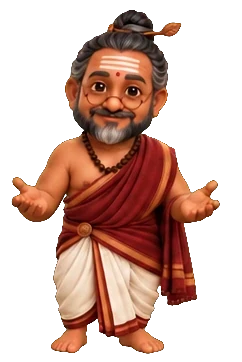
If you’ve ever felt drawn to Lord Shiva — that inexplicable pull toward his stillness, his fierce grace, his paradox of destruction and renewal — you are not alone. Millions of devotees across the world ask the same question every day: how to worship Lord Shiva the right way? Not just with flowers and incense, but in a way that truly transforms your life.
Whether you are a first-time seeker or a long-time devotee looking to deepen your practice, this guide walks you through every dimension of Shiva worship — from simple daily rituals at home to powerful Vedic homas, sacred mantras, yantras, japa, and beyond. And if you want the most authentic, personalised ritual experience performed by certified Vedic priests, AstroBhava is right here to guide you every step of the way.
Who Is Lord Shiva? Understanding the Deity You Are Worshipping
Before you learn how to worship Lord Shiva, it helps to truly know who He is. Shiva is not just a deity — He is Mahadeva, the Great God, one of the supreme beings in the Hindu Trinity alongside Brahma and Vishnu. He is the destroyer and the transformer, the force that removes what no longer serves so that something better can emerge.
Look at His form and you’ll find a universe of meaning. The crescent moon on His head symbolises His mastery over time and the cycles of consciousness. The river Ganga flowing through His matted hair represents the life-giving force and purification. The serpent coiled around His neck is His control over ego and the deepest fears within us. His third eye, when opened, burns illusion to ash. The trishul (trident) in His hand governs the physical, mental, and spiritual realms.
In His form as Rudra, He is fierce — the storm god, the howling wind that clears stagnation. In His form as Mrityunjaya, He is the conqueror of death. As Nataraja, He is the cosmic dancer whose rhythm holds the universe together. When you worship Lord Shiva, you are inviting all of this — transformation, protection, healing, liberation — into your life.
How to Worship Lord Shiva at Home: Simple Daily Practices
The beautiful thing about Shiva worship is that it does not demand grandeur. He is the ascetic God — simple, sincere devotion reaches Him just as powerfully as elaborate ritual. Here is how you can worship Lord Shiva at home every day:
- Wake up early and purify yourself Begin your worship after bathing or at least washing your hands, face, and feet. Brahma Muhurta (the period roughly 90 minutes before sunrise) is considered the most potent time for any Shiva worship.
- Set up a clean altar Place a Shivalinga, a Nataraj idol, or simply a photograph of Lord Shiva in a clean, north-facing or east-facing corner of your home. Keep the space tidy and treat it as a sacred space, not just a shelf.
- Perform Abhishekam (ritual bathing of the Shivalinga) This is central to how to worship Lord Shiva properly. Pour water, then milk, honey, curd, rose water, or Panchaamrit (a mix of milk, curd, ghee, honey, and sugar) over the Shivalinga while chanting Om Namah Shivaya. Abhishekam symbolises surrender and purification.
- Offer Bilva (Bel) leaves This is Shiva’s most beloved offering. Offer trifoliate bilva leaves at the base of the Shivalinga. According to the Shiva Purana, one bilva leaf offered with sincerity is equal to a thousand other flowers.
- Offer white flowers, sandalwood paste, and incense White flowers like dhatura, aak, and white chrysanthemum are traditional. Apply chandan (sandalwood paste) to the Shivalinga and light incense or agarbatti. These sensory offerings help the worshipper align all five senses with devotion.
- Light a ghee lamp (Deepam) Light a diya with ghee or sesame oil. The flame is not just light — it is an invocation of divine consciousness.
- Chant the Panchakshara Mantra Om Namah Shivaya — five syllables, five elements, and the whole universe contained in one mantra. Chant it 108 times using a rudraksha mala for maximum benefit.
- Read or listen to Shiva Stotras Close your worship with Shiva Ashtakam, Shiva Chalisa, or the Lingashtakam. Even listening devotedly counts.
Best Day to Worship Lord Shiva
Timing matters enormously in Vedic worship. While you can pray to Lord Shiva any day, some days carry significantly amplified energies:
Monday (Somvar): Monday is the day of the Moon, and Shiva wears the crescent moon. It is the most powerful weekly day to worship Lord Shiva. Fasting on Monday and offering milk abhishekam is one of the most widely observed Shiva practices.
Pradosh (Trayodashi Tithi): This falls on the 13th lunar day of both the waxing and waning fortnight each month. The twilight window on Pradosh — called Sandhya Kala — is considered supremely auspicious. Pradosh Puja on this day helps remove karmic burdens, improve health, and attract divine grace.
Maha Shivaratri: The grand night of Shiva, falling on the 14th night of the dark fortnight in the month of Phalgun (usually February or March). An all-night vigil with chanting, fasting, and abhishekam is the tradition. This is the single most powerful night of the year to connect with Lord Shiva.
Shravan Maas (Month of Sawan): The entire month of Shravan is sacred to Shiva. Daily worship, fasting on Mondays, and offering water and bilva leaves during this month are said to fulfil sincere prayers and dissolve longstanding karmic patterns.
Kalashtami: This monthly observance on the Ashtami of the Krishna Paksha is dedicated to Lord Bhairava, the fierce and protective form of Shiva. It is ideal for removing fear, negative influences, and unseen obstacles.
Powerful Shiva Mantras to Chant Every Day
Mantras are not decorative prayers — they are precise vibrational formulas that, when chanted with focus and intention, directly affect the mind, the energy field, and the karmic pattern of the practitioner.
Om Namah Shivaya — The Panchakshara Mantra. The most accessible, most universal, and most potent of all Shiva mantras. Chant it 108 times every morning.
Maha Mrityunjaya Mantra — Om Tryambakam Yajamahe Sugandhim Pushtivardhanam Urvarukamiva Bandhanan Mrityor Mukshiya Maamritat. This mantra is the death-conquering prayer. It invokes Lord Shiva in His form as Mrityunjaya — the one who triumphs over death. Chant it for healing, protection, longevity, and overcoming fear.
Rudra Gayatri Mantra — Om Tatpurushaya Vidmahe Mahadevaya Dheemahi Tanno Rudrah Prachodayat. This mantra invokes Lord Rudra for protection and spiritual purification.
Shiva Panchakshara Stotram — A devotional hymn that glorifies each of the five syllables of Na-Ma-Shi-Va-Ya and their cosmic significance. Reciting it daily deepens your understanding of what you are chanting.
For personalised mantra guidance based on your birth chart and specific life goals, AstroBhava’s expert Vedic consultants provide free recommendations — so you’re not guessing but working with precision.
What Is Rudra Homa and Why Should You Perform It?
When daily worship isn’t enough — when the obstacles are deep, the health is struggling, or the karmic weight is heavy — that is when Vedic fire rituals (homas) become the answer.
Rudra Homa is a sacred Vedic fire ritual dedicated to Lord Shiva in His Rudra form. The name Rudra itself means “the one who removes suffering.” In this homa, expert priests chant the Sri Rudram and Chamakam — two of the most powerful Vedic hymns — while offering sacred materials like ghee, herbs, and sesame seeds into the consecrated fire. The smoke, the sound, and the fire together create a purification that works on your environment, your aura, and your karmic field simultaneously.
The key mantras chanted during Rudra Homa include the Rudra Gayatri Mantra and excerpts from the Maha Rudram, invoking Lord Shiva’s protective and purifying energies.
Rudra Homa is ideal for:
- Removing deep-rooted negative energies and karmic blocks
- Overcoming chronic health issues
- Family harmony and resolution of disputes
- Protection from enemies and evil eye
- Spiritual cleansing and renewal
At AstroBhava, the Rudra Homa is performed by trained Vedic scholars at their dedicated Yagna Ashram in Coimbatore, Tamil Nadu, strictly as per Vedic prescriptions. Every homa is conducted exclusively for you and your family — never as a group ceremony.
Laghu Rudra Homa: The Focused Ritual for Cleansing and Obstacles
The Laghu Rudra Homa is a step up from a basic homa and a meaningful choice for devotees facing significant life challenges. In this ritual, four expert priests chant the Maha Rudram completing a total of 12 rounds, creating a powerful cumulative energy that is specifically aimed at deep spiritual cleansing and obstacle removal.
The word “Laghu” means “short” or “focused” in Sanskrit — but do not let that mislead you. This homa packs tremendous spiritual potency. It is particularly beneficial for:
- Removing obstacles blocking career or business progress
- Spiritual purification before major life events
- Resolving lingering health concerns
- Attracting prosperity and removing financial blocks
- Inner peace and emotional clarity
AstroBhava’s Laghu Rudra Homa includes a complimentary energised yantra, sealed in a silver amulet and shipped to you after the ritual — so the blessings don’t end when the fire goes out.
Maha Rudra Homa: The Grand Invocation of Supreme Shiva Energy
If you are seeking a ritual of extraordinary power for major life transformation, the Maha Rudra Homa is the most potent form. At AstroBhava, this grand Vedic ceremony involves an incredible 1,584 rounds of Maha Rudram chanting spread across six days, with each priest completing 132 rounds — creating a sustained field of divine Rudra energy that few other rituals can match.
The Maha Rudra Homa is suited for:
- Overcoming severe or long-standing life obstacles
- Seeking universal peace and collective well-being
- Major spiritual breakthroughs and karmic resolution
- Health recovery from serious illness
- Protection from planetary doshas and deeply ingrained negative patterns
This is a rare and powerful offering — and one that AstroBhava performs with absolute ritual purity, full transparency, and a dedicated priest team.
Maha Mrityunjaya Homa: Victory Over Death and Disease
Perhaps the most universally relevant of all Shiva rituals, the Maha Mrityunjaya Homa is centred on the chanting of the great Maha Mrityunjaya Mantra. It is performed to invoke Lord Shiva specifically in His role as the conqueror of death.
This homa is not just for people facing life-threatening illness — it is for anyone who needs healing, protection from untimely harm, relief from chronic conditions, or freedom from the suffocating fear of death. The ritual involves making sacred fire offerings while the Maha Mrityunjaya Mantra is chanted repeatedly by trained priests, building a powerful protective and healing vibration around the devotee.
Key benefits of the Maha Mrityunjaya Homa include:
- Protection from untimely death and serious illness
- Healing of chronic and difficult-to-treat diseases
- Mental clarity and relief from anxiety and depression
- Victory over Kala Sarpa Yoga (a serious astrological affliction)
- Liberation from the cycle of karmic suffering
- Long life, good health, and spiritual moksha
AstroBhava offers Maha Mrityunjaya Homa with flexible packages — choose 1, 3, or 5 priests depending on the scale and seriousness of your need. The ritual comes with a complimentary energised Maha Mrityunjaya Yantra sealed in a silver amulet, along with free worldwide shipping of prasad. Every homa is live-streamed so you can watch from anywhere in the world.
Mrityunjaya Homa: Shiva’s Healing Fire
The Mrityunjaya Homa (distinct from the “Maha” version) is specifically performed to seek relief from serious illness and to invoke Lord Shiva’s grace for victory over death. As AstroBhava describes it beautifully — Mrityu means victory over death, and this homa is a spiritual path of healing for anyone who is under the threat of a life-threatening situation or fighting against illness.
This homa is especially recommended as a remedy for people suffering from Kala Sarpa Yoga, and for those seeking moksha from the cycle of birth and death.
Mrityunjaya Puja and Mrityunjaya Japa: Daily Devotion to the Death-Conquering Shiva
Not everyone can perform a full homa immediately — and that is absolutely fine. The Mrityunjaya Puja and Mrityunjaya Japa are powerful alternatives.
Mrityunjaya Puja involves ritualised worship of Lord Shiva in His Mrityunjaya form, including abhishekam, mantra offerings, and sacred invocations. AstroBhava’s priests perform this exclusively for you in a sacred temple setting, with your name, gotra, and specific sankalpa (intention) set at the start.
Mrityunjaya Japa is the meditative repetition of the Maha Mrityunjaya Mantra in prescribed counts — ranging from a few thousand to over 100,000 chants — performed by trained priests on your behalf. Japa works at a deeply subtle level, gradually dissolving karmic imprints and purifying the consciousness. It is like a slow, steady current of divine energy running through your life continuously.
Both the Mrityunjaya Puja and Mrityunjaya Japa are available through AstroBhava with complimentary energised yantras and worldwide prasad delivery.
The Indrakshi Kavach Connection: Shiva’s Protective Shield
Indrakshi is a powerful Goddess born of the combined energies of Saraswati, Lakshmi, and Parvati — Shiva’s own consort. The Indrakshi Kavach (divine armour of Indrakshi) is a sacred protective stotra that creates a powerful spiritual shield around the devotee.
Worshipping Indrakshi, who is deeply connected to the Shaiva tradition through Parvati, offers the combined protection of both Shiva and Shakti. The Indrakshi Puja ritual includes yantra puja, the chanting of the Indrakshi Kavach and Stotra (11 repetitions), followed by a sacred homa. It is known to:
- Provide superior protection from enemies and evil energies
- Grant relief from chronic diseases and negative planetary influences
- Attract prosperity, wealth, and new sources of income
The Shiva Yantra: A Living Geometric Abode of Lord Shiva
A yantra is not a mere geometric design — it is a living, energised abode of divine consciousness. In Shiva worship, yantras serve as a constant anchor of divine energy within your home or on your person.
The Maha Mrityunjaya Yantra, for instance, acts as a spiritual shield, attracting positivity, dispelling negativity, and providing ongoing protection from life-threatening situations. When energised properly, it creates a harmonious environment by neutralising negative influences around it.
AstroBhava offers yantras in two powerful forms:
- Frameable Yantra — placed in the North or Northeast of your home, it creates a stationary sacred energy field correcting Vastu doshas and radiating divine blessings through your space.
- Wearable Silver Amulet Yantra — the yantra is etched on copper, energised in the homa or japa, then sealed inside a silver amulet. Worn around the neck or waist, it provides continuous contact with divine energy, shielding you from negativity, evil eye, and planetary doshas every single day.
For those seeking profound transformation, AstroBhava also offers a 48-Day Yantra Puja, where the energised yantra is worshipped daily invoking the blessings of the 27 Nakshatras, 12 Rashis, and 9 planets for powerful, sustained spiritual support.
Pradosham Puja: The Twilight Window to Shiva’s Grace
Among all the periodic Shiva rituals, Pradosham Puja holds a very special place. Performed during the Sandhya Kala (twilight) window on Trayodashi (the 13th lunar day), it is said that during this brief window, Lord Shiva performs his cosmic Tandava dance on Mount Meru with all the devas in attendance.
This is the perfect time to:
- Pray for liberation from ancestral karma
- Seek relief from planetary afflictions, especially Saturn, Rahu, and Ketu
- Clear karmic burdens and emotional blocks
- Invite peace and prosperity into your household
AstroBhava’s Pradosham Puja is performed in temple settings by certified priests as a completely personalised ritual — your sankalpa, your gotra, your specific intentions.
Shiva Panchakshari Puja: Strengthening Spiritual Energy
The Shiva Panchakshari Puja is built around the five-syllable mantra Na-Ma-Shi-Va-Ya and is ideal for devotees seeking to dissolve negativity, deepen spiritual energy, and invite lasting peace into their homes and lives. Each syllable of the Panchakshara corresponds to one of the five elements, and worshipping Shiva through this mantra-based puja aligns all five elemental energies within the devotee.
How AstroBhava Stands Out in Shiva Worship
You might be wondering: with so many options for online puja and homa services, why AstroBhava? This is a fair question — and the answer lies in what genuinely separates authentic Vedic practice from ceremonial theatre.
Every ritual is exclusively yours. AstroBhava performs all homas, pujas, and japas exclusively for individual devotees and their immediate family (up to 5 members). There are absolutely no group ceremonies. Your name, gotra, and sankalpa are set before every ritual begins, directing every mantra, every offering, and every vibration solely toward you.
Certified priests trained in traditional Padashalas. Every priest at AstroBhava is trained in authentic Vedic Padashalas and personally recruited by Brahmashree Shivaaya, Head of Astrological and Spiritual Solutions. These are not casual performers — they are scholars of the Vedic tradition.
All rituals follow Agama Shastra. Every single ceremony at AstroBhava adheres strictly to the Agama Shastra and Vedic vidhi, performed with complete ritual purity and zero shortcuts.
Live-streamed Homas. All homas are broadcast live via YouTube, allowing devotees from the USA, UK, Canada, Australia, Singapore, UAE, Europe, and over 40 countries worldwide to witness their ritual in real time — no faith required, just watch.
Complimentary energised yantras. Every homa at AstroBhava includes a complimentary energised yantra sealed in a silver amulet, shipped with prasad anywhere in the world — free of charge on select packages.
A sacred Vedic temple and Yagna Ashram. AstroBhava performs all rituals at their own dedicated Yagna Ashram in Coimbatore, Tamil Nadu — a consecrated sacred space, not a temporary arrangement. This ensures consistent ritual purity and spiritual potency.
Devotees from 40+ countries trust AstroBhava. From South Africa to Croatia to the USA, devotees have experienced real transformation through AstroBhava’s authentic Shiva rituals.
How to Choose the Right Shiva Ritual for You
Here’s a simple guide to help you decide:
If you are new to Shiva worship and want to start — begin with daily Om Namah Shivaya japa, Monday fasting, and abhishekam at home or a nearby temple. Add a Shiva Panchakshari Puja for deeper grounding.
If you are facing health challenges, chronic illness, or fear — the Mrityunjaya Puja, Mrityunjaya Japa, or Maha Mrityunjaya Homa is your direct path. The Mrityunjaya Japa in particular provides a steady, continuous flow of healing energy.
If you are dealing with major obstacles, career stagnation, or financial difficulties — the Rudra Homa or Laghu Rudra Homa addresses these at the karmic root level.
If you are seeking deep transformation or resolution of serious karmic issues — the Maha Rudra Homa is the most powerful option available.
If you want ongoing divine protection every day — an energised Shiva yantra or Maha Mrityunjaya Yantra worn as a silver amulet keeps you connected to Shiva’s energy around the clock.
Not sure which ritual is right for you? AstroBhava offers free personalised puja guidance from their expert astrologers, who analyse your birth chart and recommend the most effective Shiva ritual for your specific karmic pattern and life goals.
Conclusion: Worship Lord Shiva with Knowledge, Devotion, and Authenticity
Learning how to worship Lord Shiva is truly a lifelong journey — one that begins with a single bel leaf offered sincerely and deepens into a transformative spiritual practice that reshapes your inner life and outer circumstances.
Whether you practice daily through simple home rituals, chant the Maha Mrityunjaya Mantra for protection and healing, perform Rudra Homa for karmic cleansing, or carry an energised Shiva Yantra as your personal divine shield — every act of sincere devotion reaches Him.
And if you want the power of authentic, certified Vedic rituals performed on your behalf — whether you are in India or anywhere in the world — AstroBhava is the trusted partner that brings the full depth of the Shiva Vedic tradition to your doorstep.
Om Namah Shivaya. 🙏
Frequently Asked Questions (FAQs)
Q1. What is the best time to worship Lord Shiva every day? |
The most auspicious time is Brahma Muhurta, roughly 90 minutes before sunrise. Evening twilight (Sandhya Kala) is also powerful, especially on Pradosham days. Midnight is considered the most potent window on Maha Shivaratri.
Q2. Which day is most auspicious to worship Lord Shiva?
Monday is the most powerful weekly day for Shiva worship. Among annual occasions, Maha Shivaratri is the supreme night. The entire month of Shravan is deeply sacred to Lord Shiva, as are the Pradosham days (Trayodashi of each fortnight).
Q3. What are the most important things to offer Lord Shiva?
Bilva (bel) leaves are the most beloved offering to Lord Shiva. Other traditional offerings include milk, water, white flowers, sandalwood paste, incense, and ghee lamp. Avoid offering tulsi leaves or kumkum (red vermillion) on the Shivalinga.
Q4. What is the difference between Rudra Homa, Laghu Rudra Homa, and Maha Rudra Homa?
The Rudra Homa is the foundational fire ritual dedicated to Shiva’s Rudra form. The Laghu Rudra Homa is a more focused, multi-priest version with 12 rounds of Maha Rudram chanting, ideal for obstacle removal and purification. The Maha Rudra Homa is the grandest form — 1,584 rounds of Maha Rudram chanting over six days — reserved for deep karmic transformation and serious life challenges.
Q5. Can I have a Shiva Homa or Puja performed if I live outside India?
Absolutely. AstroBhava serves devotees in over 40 countries including the USA, UK, Canada, Australia, UAE, Singapore, and Europe. All homas are live-streamed so you can watch in real time, and prasad along with energised yantras are shipped free worldwide.
Q6. What is the Maha Mrityunjaya Mantra and how often should I chant it?
The Maha Mrityunjaya Mantra is Om Tryambakam Yajamahe Sugandhim Pushtivardhanam Urvarukamiva Bandhanan Mrityor Mukshiya Maamritat. It is Lord Shiva’s most powerful healing and protection mantra. Chanting it 108 times daily on a rudraksha mala is the standard practice. For specific remedies, AstroBhava’s priests perform Mrityunjaya Japa in prescribed counts of thousands on your behalf.
Q7. What is a Shiva Yantra and how does it work?
A Shiva Yantra is a sacred geometric instrument that embodies the divine consciousness of Lord Shiva. When properly energised through Vedic ritual, it creates a continuous field of divine energy — either within your home (as a framed yantra) or on your person (as a wearable silver amulet). AstroBhava energises each yantra through a dedicated three-day consecration process including Jala Pratishta, Prana Pratishta, and Jeeva Pratishta.
Q8. What is the Indrakshi Kavach and how is it connected to Shiva worship?
The Indrakshi Kavach is a powerful protective stotra associated with Goddess Indrakshi, who is born from the combined energies of Saraswati, Lakshmi, and Parvati — Lord Shiva’s own consort. Reciting or having the Indrakshi Kavach performed provides a divine armour of protection, healing, and prosperity rooted in the Shiva-Shakti tradition.
Q9. Is fasting required to worship Lord Shiva?
Fasting on Mondays or during Pradosh Vrat and Maha Shivaratri is a traditional and powerful practice. However, it is a voluntary intensification of worship, not a prerequisite. Lord Shiva accepts sincere devotion even without fasting. Those with health conditions should consult before observing strict fasts.
Q10. How do I book a Shiva Homa or Puja with AstroBhava?
Visit astrobhava.com, select your desired ritual (Rudra Homa, Maha Mrityunjaya Homa, Mrityunjaya Puja, etc.), choose your package (1, 3, or 5 priests; 1-day, 11-day, 21-day, or 48-day), provide your name, gotra, and sankalpa, and proceed to checkout. You will receive a Muhurta confirmation within 24–48 hours. For guidance, reach AstroBhava via WhatsApp at +91 96295 55442.