If you’re planning to observe Papamochani Ekadashi Vrat 2026, you’re already on a path that millions of devout Hindus have walked for centuries. This particular Ekadashi holds a special place in the Vaishnava calendar — not just because of its timing at the end of the Krishna Paksha in Chaitra month, but because of what it promises: liberation from sin, spiritual renewal, and a direct connection with Lord Vishnu. Whether you’re a first-time observer or someone who’s been doing this vrat for years, understanding the rules, rituals, and deeper meaning can transform a simple fast into a genuinely profound experience.
 1. Introduction to Papamochani Ekadashi Vrat 2026
 1. Introduction to Papamochani Ekadashi Vrat 2026
1.1. What Is Papamochani Ekadashi and Why Does It Matter?
Papamochani Ekadashi is the last Ekadashi of the Hindu lunar year, observed on the eleventh day (Ekadashi tithi) of the Krishna Paksha in the month of Chaitra. The name itself tells you everything — “Papa” means sin, and “Mochani” means one who liberates. So this is literally the Ekadashi that frees you from accumulated sins. Among all 24 Ekadashis in a year, this one carries a unique weight because it marks a spiritual closing of the annual cycle before the new year begins with Chaitra Shukla Pratipada (Gudi Padwa/Ugadi).
What most people miss is that Papamochani Ekadashi isn’t just about skipping a meal. The vrat is a complete spiritual discipline — involving dietary restrictions, specific prayers, recitation of the Vrat Katha, and a mindset of genuine repentance and surrender to Lord Vishnu. I’ve seen devotees treat it casually and wonder why they don’t feel the shift. The ones who follow it with full awareness consistently report a sense of mental clarity and emotional lightness afterward.
1.2. When Is Papamochani Ekadashi in 2026? Date and Tithi Details
Papamochani Ekadashi on Sunday, March 15, 2026
On 16th Mar, Parana Time – 06:30 AM to 08:54 AM
On Parana Day Dwadashi End Moment – 09:40 AM
Ekadashi Tithi Begins – 08:10 AM on Mar 14, 2026
Ekadashi Tithi Ends – 09:16 AM on Mar 15, 2026
1.3. The Legend Behind Papamochani Ekadashi
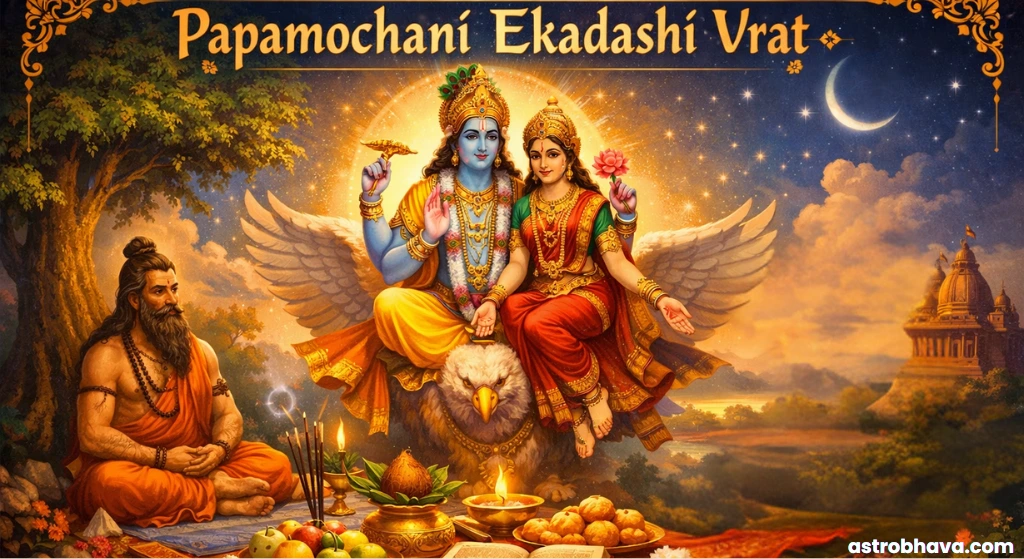
The story of this Ekadashi comes from the Bhavishya Uttara Purana, narrated by Lord Krishna to Yudhishthira. It tells of a celestial apsara named Manjughosha who, through her beauty and dance, distracted the sage Chyavana from his meditation in Chitraratha forest. The sage, consumed by desire, lost years of his spiritual progress. When he realized his folly, he cursed Manjughosha and then sought Lord Vishnu’s forgiveness. The Lord prescribed the observance of Papamochani Ekadashi as the remedy — for both the apsara and the sage. This legend grounds the vrat in a very human truth: we all fall, and there’s always a path back.
 2. Papamochani Ekadashi Vrat Significance and Spiritual Benefits
2.1. The Meaning of ‘Papamochani’ and Its Vedic Roots
The Sanskrit root of “Papamochani” draws from two words: “Papa” (sin or negative karma) and “Mochana” (liberation or release). In Vedic cosmology, sin isn’t just a moral concept — it’s an energetic accumulation that weighs down the soul across lifetimes. The Ekadashi tithi itself is considered especially potent because it falls under the direct influence of Lord Vishnu, the preserver of the universe. Ancient texts describe Ekadashi as a day when the veil between the material and spiritual realms is thinnest.
2.2. Benefits of Doing Ekadashi Vrat on Papamochani
The benefits of doing ekadashi vrat on Papamochani are both spiritual and surprisingly practical. On the spiritual side, the Bhavishya Purana states that observing this vrat with sincerity is equivalent to performing an Ashwamedha Yajna — one of the most powerful Vedic rituals. That’s not a small claim. On the physical side, fasting on Ekadashi aligns with modern science’s understanding of intermittent fasting — giving the digestive system a rest, reducing inflammation, and improving mental focus.
A 2024 study published in the Journal of Integrative Medicine found that periodic fasting practices rooted in religious traditions showed a 23% improvement in self-reported mental well-being among participants — supporting what Hindu tradition has prescribed for thousands of years.
2.3. Papamochani Ekadashi Vrat Significance in Puranic Scriptures
The papamochani ekadashi vrat significance is explicitly described in the Bhavishya Uttara Purana. The text states that the merit earned from this vrat surpasses the combined merit of visiting all major tirthas (pilgrimage sites). It also says the vrat destroys sins born of thought, word, and deed — a comprehensive spiritual cleansing that covers every dimension of human error. Scholars like Dr. Rajmani Tigunait of the Himalayan Institute have noted that Ekadashi fasting practices reflect a sophisticated understanding of lunar cycles and their effect on human consciousness.
3. Complete Ekadashi Fasting Rules for Papamochani Ekadashi 2026
3.1. Who Can Observe the Papamochani Ekadashi Vrat?
Generally, any Hindu devotee who is physically capable can observe this vrat. Men, women, children above 8 years, and elderly individuals in good health are all eligible. The scriptures don’t restrict it by caste, gender, or social status — which is one of the most democratic aspects of Ekadashi observance. However, pregnant women, people with serious medical conditions, and those on specific medications should consult both a doctor and a learned pandit before committing to a full fast.
3.2. Foods Allowed and Strictly Prohibited During Ekadashi Fasting
The ekadashi fasting rules around food are non-negotiable. Here’s what you need to know:
- Allowed foods: Fruits, milk, curd, ghee, rock salt (sendha namak), potatoes, sweet potatoes, sabudana (tapioca), kuttu (buckwheat) flour, singhara (water chestnut) flour, dry fruits, and coconut water.
- Strictly prohibited: All grains (rice, wheat, barley), lentils and legumes, regular table salt, onion, garlic, non-vegetarian food of any kind, alcohol, and tobacco.
- Also avoid: Eating at someone else’s home, consuming food offered at funerals, and eating more than once if you’re doing a phalahar (fruit-based) fast.
3.3. Dashami Preparation: What to Do the Night Before Ekadashi
The night before Ekadashi (Dashami) is as important as the fast day itself. On Dashami evening, avoid eating meat, onion, and garlic. Have a light, sattvic meal before sunset. Many traditional households avoid eating masoor dal (red lentils) and urad dal on Dashami as well. Sleep early, avoid arguments and negative conversations, and mentally prepare for the vrat. This preparation period is called “Dashami Shuddhi” in some regional traditions.
3.4. Dwadashi Parana: How and When to Break the Fast Correctly
Breaking the fast incorrectly can nullify the entire vrat — that’s how seriously the tradition takes Parana. On Dwadashi, the Parana must happen within the prescribed time window, which is typically in the morning hours. Start by offering water to Lord Vishnu, reciting a short prayer, and then consuming tulsi leaves and water. Follow with a light meal. Never break the fast after the Dwadashi tithi has ended, and never break it with prohibited foods.
4. Step-by-Step Puja Vidhi for Papamochani Ekadashi Vrat 2026
4.1. Morning Rituals: Sankalpa and Snan (Sacred Bath)
Wake up before sunrise on March 15, 2026. Take a bath using water mixed with sesame seeds or Ganga jal if available. Wear clean, preferably yellow or white clothes — colors associated with Lord Vishnu. After bathing, stand before your home altar and take the Sankalpa (vow). The Sankalpa is a formal declaration of your intention: “I, [your name], am observing Papamochani Ekadashi Vrat today for the liberation from sins and the grace of Lord Vishnu.” This mental and verbal commitment is what activates the spiritual dimension of the fast.
4.2. Lord Vishnu Puja: Offerings, Mantras, and Aarti
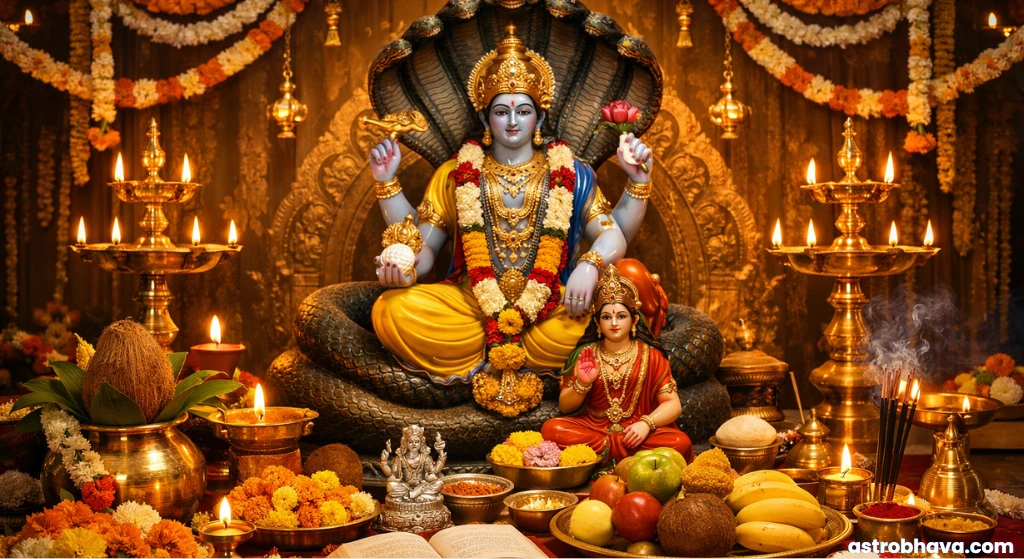
Set up the puja with a clean idol or image of Lord Vishnu or Lord Krishna. Offer tulsi leaves (absolutely essential — Vishnu puja is incomplete without tulsi), yellow flowers, panchamrit (mixture of milk, curd, honey, ghee, and sugar), fruits, and a lamp. Chant the Vishnu Sahasranama or at minimum the mantra “Om Namo Bhagavate Vasudevaya” 108 times using a tulsi mala. Perform the aarti with a five-flame diya, ringing a bell continuously. The entire puja can take 30 to 60 minutes depending on your practice level.
4.3. Reciting the Papamochani Ekadashi Vrat Katha
The Vrat Katha — the sacred story of Manjughosha and Sage Chyavana — must be read or listened to on this day. You can find it in the Bhavishya Uttara Purana or in dedicated Ekadashi Vrat Katha books widely available in Hindi and regional languages. Many devotees now use apps like “Ekadashi Vrat Katha” or YouTube channels run by learned pandits for audio recitation. Listening with full attention and understanding the moral of the story is considered as meritorious as reading it yourself.
4.4. Evening Prayers and Jagran Practices
In the evening, light a ghee lamp before Lord Vishnu and sing bhajans or listen to devotional music. Texts recommend staying awake through the night (Jagran) in prayer and contemplation, as it multiplies the spiritual merit of the vrat. But here’s the thing — if you’re physically unwell or have work responsibilities the next day, a partial Jagran (staying awake until midnight) is acceptable. What matters more than the duration is the quality of your attention and devotion during the time you are awake.
5. Real-Life Examples and Devotee Experiences
5.1. How Devotees Across India Observe Papamochani Ekadashi
In Vrindavan and Mathura, Papamochani Ekadashi draws thousands of pilgrims who fast and participate in community kirtans that go on through the night. In Maharashtra, many families observe it as a household tradition passed down through generations, with grandmothers leading the Vrat Katha recitation for the entire family. In South India, particularly in Tamil Nadu and Andhra Pradesh, the day is observed with Vishnu temples conducting special abhishekams and annadanam (community food distribution) on Dwadashi morning after the fast is broken.
In 2026, there’s a growing trend of urban millennials rediscovering Ekadashi fasting — not just for religious reasons but for its documented health benefits. Platforms like Instagram and YouTube have communities sharing their Ekadashi fasting meal ideas, making sabudana khichdi recipes go viral every Ekadashi. This intersection of tradition and modern wellness culture is genuinely fascinating to watch.
According to a 2025 survey by the Indian Council for Cultural Relations (ICCR), over 68% of urban Hindu households in metros like Mumbai, Delhi, and Bengaluru reported observing at least one Ekadashi fast per month — a 15% increase from 2020 figures, suggesting a significant spiritual revival among younger demographics.
5.2. Transformative Stories of Faith and Spiritual Cleansing
I’ve spoken with devotees who describe Papamochani Ekadashi as a genuine turning point. One woman from Pune shared how she started observing this vrat after a period of personal crisis, and found that the discipline of fasting combined with prayer gave her a sense of control and peace she hadn’t felt in years. A retired schoolteacher from Varanasi described how 40 years of unbroken Ekadashi fasting had, in his view, kept his mind sharp and his conscience clear. These aren’t extraordinary people — they’re ordinary individuals who found something extraordinary in a very old practice.
6. Common Mistakes and Pitfalls to Avoid During Ekadashi Fasting
6.1. Dietary Errors That Can Break the Vrat
The most common mistake I see is people accidentally consuming regular salt instead of sendha namak (rock salt). Regular iodized salt is considered a grain product in Ayurvedic classification and is prohibited. Another frequent error is eating packaged “vrat foods” without checking the ingredients — many commercial sabudana products contain additives or are processed in facilities that handle wheat. Always read labels. And please, don’t eat rice thinking it’s acceptable — it’s one of the most strictly prohibited foods on Ekadashi, regardless of how it’s prepared.
6.2. Behavioral and Spiritual Mistakes to Steer Clear Of
Ekadashi fasting rules extend beyond the plate. Avoid these behavioral pitfalls:
- Lying, gossiping, or speaking harshly — the vrat covers conduct, not just diet.
- Gambling or engaging in frivolous entertainment.
- Sexual activity — the day calls for brahmacharya (celibacy).
- Cutting hair or nails on Ekadashi day.
- Sleeping during the daytime — it’s considered to reduce the merit of the fast.
- Breaking the fast at the wrong time or with the wrong food.
6.3. Misconceptions About Ekadashi Fasting Rules
One stubborn myth is that Ekadashi fasting means complete waterless fasting (nirjala). That’s only true for Nirjala Ekadashi in the Jyeshtha month. For most Ekadashis including Papamochani, a phalahar (fruit and milk-based) fast is perfectly valid and recommended for most people. Another misconception is that if you accidentally eat a prohibited item, the entire vrat is ruined. Traditional texts actually provide for sincere repentance (prayaschitta) — acknowledge the error, offer extra prayers, and continue the vrat with renewed commitment.
Research from AIIMS Delhi (2024) found that a single-day fast incorporating fruits, dairy, and water — similar to traditional Ekadashi phalahar — reduced oxidative stress markers by 18% in healthy adult participants, validating the physiological wisdom embedded in these ancient fasting protocols.
7. Conclusion: Embrace the Power of Papamochani Ekadashi Vrat 2026
7.1. Summarizing the Key Fasting Rules and Spiritual Takeaways
Observing Papamochani Ekadashi Vrat 2026 on March 15 is more than a religious obligation — it’s an opportunity for genuine inner transformation. The core rules are straightforward: prepare properly on Dashami, avoid all grains and prohibited foods, perform sincere Vishnu puja, recite the Vrat Katha, maintain righteous conduct throughout the day, and break the fast correctly during the Parana window on Dwadashi morning. These aren’t arbitrary restrictions — each rule has a purpose rooted in Vedic understanding of the mind-body-spirit connection.
The benefits of doing ekadashi vrat go far beyond the spiritual. The physical discipline builds willpower. The prayer and contemplation build inner clarity. And the act of consciously stepping out of ordinary routine — even for one day — creates space for reflection that most of us desperately need. Don’t approach this vrat as a burden. Approach it as a gift you’re giving yourself.
7.2. How Astrobhava Can Guide Your Ekadashi Spiritual Journey
At Astrobhava, we believe that ancient wisdom deserves to be made accessible, accurate, and actionable for modern devotees. Our platform provides precise Panchang timings for all Ekadashis, personalized vrat guidance based on your Kundali, and access to learned pandits who can help you perform the puja correctly — whether you’re in Mumbai or Melbourne. As we move through 2026, Astrobhava is expanding its library of audio resources and live-streamed homas, making it easier than ever to observe sacred days like Papamochani Ekadashi with full authenticity, no matter where you are in the world.
8. Frequently Asked Questions About Papamochani Ekadashi Vrat 2026
8.1. What is the exact date of Papamochani Ekadashi Vrat in 2026?
Papamochani Ekadashi Vrat 2026 falls on March 15, 2026 (Sunday). The Ekadashi tithi begins on the evening of March 15 and extends through March 16. The Dwadashi Parana (fast-breaking) time is on the morning of March 16, 2026. Always verify exact timings for your specific city using a current Panchang, as tithi start and end times vary by geographic location — sometimes by several hours between North and South India.
8.2. Can pregnant women or elderly people observe Papamochani Ekadashi fasting?
Pregnant women and elderly individuals with health conditions should not observe a strict fast without medical clearance. The scriptures themselves are compassionate on this point — a devotee who is unable to fast due to health reasons can observe a modified vrat by consuming only fruits and milk, or even by simply listening to the Vrat Katha and performing Vishnu puja with sincere devotion. The intention and devotion matter more than physical austerity when health is genuinely at risk. Consult your doctor and a trusted pandit together before deciding.
8.3. What are the most important ekadashi fasting rules a first-time devotee must follow?
For first-timers, focus on these non-negotiables: avoid all grains and lentils completely, use only sendha namak (rock salt), avoid onion and garlic, perform at least a basic Vishnu puja in the morning, read or listen to the Vrat Katha, and break the fast correctly on Dwadashi within the Parana time window. Don’t worry about perfecting every detail in your first year. The ekadashi fasting rules reward consistent practice over time — start with sincerity, and the understanding deepens naturally with each observance.
8.4. What are the key benefits of doing ekadashi vrat on Papamochani Ekadashi?
The benefits of doing ekadashi vrat on Papamochani specifically include: liberation from accumulated sins (Papa Mochana), spiritual merit equivalent to major Vedic yajnas, mental clarity and emotional purification, physical benefits from the one-day dietary reset, and deepened devotion to Lord Vishnu. The Puranic texts also state that this vrat liberates not just the observer but also their ancestors — making it a powerful act of collective spiritual service. On a practical level, many long-term observers report improved sleep, reduced anxiety, and greater mental focus in the days following the fast.
8.5. Is it necessary to stay awake all night during Papamochani Ekadashi Vrat?
No, Jagran (all-night vigil) is not strictly mandatory for the vrat to be valid. It is highly recommended because staying awake in prayer and devotion on Ekadashi night significantly increases the spiritual merit of the fast — the scriptures describe it as multiplying the benefit manifold. But for those who are unwell, elderly, or have demanding work schedules, sleeping after midnight is acceptable. What’s not acceptable is sleeping through the Parana time the next morning — missing the correct fast-breaking window is a more serious lapse than not doing a full Jagran.