Have you ever noticed how certain days just feel different? Like the air carries a different kind of energy, and something inside you is naturally drawn toward prayer and stillness? Masik Durgashtami is exactly one of those days.
Celebrated every month on the Ashtami tithi (the eighth day) of both the Shukla Paksha (waxing moon) and Krishna Paksha (waning moon), Masik Durgashtami is a deeply sacred occasion dedicated to Goddess Durga — the fierce, compassionate, and all-powerful mother of the universe. And if you’ve been feeling the pull to deepen your spiritual practice this month, Masik Durgashtami March is the perfect starting point.
Let’s walk through everything you need to know — the dates, the rituals, the mantras, and why this observance holds such profound meaning for devotees across India and beyond.
Who Is Goddess Durga and Why Does She Have a Monthly Observance?
Before we get into the specifics of Masik Durgashtami March, let’s take a moment to understand why Goddess Durga is worshipped with such devotion.
Durga, whose very name means “the one who is difficult to approach” or “the invincible,” is one of the most powerful manifestations of Shakti — divine feminine energy. She’s the warrior goddess who slayed the buffalo demon Mahishasura, yes, but she is also the nurturing mother who protects her children with fierce, unconditional love.
The number eight — Ashtami — holds special significance in the worship of Durga. She is associated with the eight directions, the eight forms of Ashtabhuja (eight-armed), and the eight Vasus. The eighth lunar day is considered her natural domain, a day when her energy is most accessible and her blessings most freely given.
That’s why devotees don’t just wait for Navratri. Every single month, they observe Masik Durgashtami to maintain a living, breathing connection with the goddess — because spiritual grace isn’t seasonal, it’s continuous.
Seek the divine blessings of Maa durga on this auspicious day- Book your Chandi Homa today
Masik Durgashtami March 2026 — The Dates You Need to Mark
- Date: Thursday, 26 March 2026
- Tithi: Chaitra, Shukla Ashtami
⏰ Tithi Timings
- Ashtami Begins: 01:50 PM on 25 March 2026
- Ashtami Ends: 11:48 AM on 26 March 2026
👉 Since the Ashtami Tithi is prevailing at sunrise on March 26, the vrat and puja are observed on March 26, 2026.
The Significance of Observing Masik Durgashtami March Specifically
You might wonder — is March special in any way, or is every month’s Durgashtami equally significant?
The truth is, every Masik Durgashtami is sacred. But March 2026 carries a particular resonance because it falls in the season of Vasant (spring) — a time of renewal, blooming, and fresh beginnings. In many parts of India, spring is considered one of the most auspicious times to begin new ventures, clear out the old, and invite divine grace.
Additionally, spring equinox energies during this period are said to amplify spiritual practices. The balance of day and night during the equinox mirrors the inner balance that Goddess Durga’s worship cultivates — strength with compassion, fierceness with grace.
Observing Masik Durgashtami March with full devotion is, in a sense, planting seeds of divine blessings that bloom through the rest of the year.
Join Durga Homa on this auspicious occasion of Durgashtami
How to Observe Masik Durgashtami — The Rituals Explained
Now, let’s get into the heart of it. How do you actually observe this sacred day? The good news is that Masik Durgashtami doesn’t demand grand temples or elaborate preparations. What it demands is sincerity.
Here’s a step-by-step guide to the traditional rituals:
🌅 Morning Preparation — Cleansing and Setting Intention
Wake up early, ideally before sunrise. Take a bath and wear clean, fresh clothes — preferably in red, orange, or yellow, as these are Durga’s sacred colours. Before you do anything else, set a clear intention for the day. What are you seeking? Protection? Clarity? Healing? Abundance? Hold that intention in your heart.
🪔 Setting Up the Puja Space
Set up a clean altar with an image or idol of Goddess Durga. If you don’t have a dedicated space, a clean corner with a red cloth and a simple lamp will do just fine — the goddess doesn’t measure devotion by the grandeur of the setup.
Place fresh flowers (marigolds, hibiscus, and red roses are especially beloved by Durga), a lamp with ghee or sesame oil, incense sticks, and if possible, offerings of fruits, sweets, and coconut.
🌺 The Puja Sequence
Begin by lighting the lamp and incense. Offer water and flowers to the goddess while chanting her name. The sequence typically flows as:
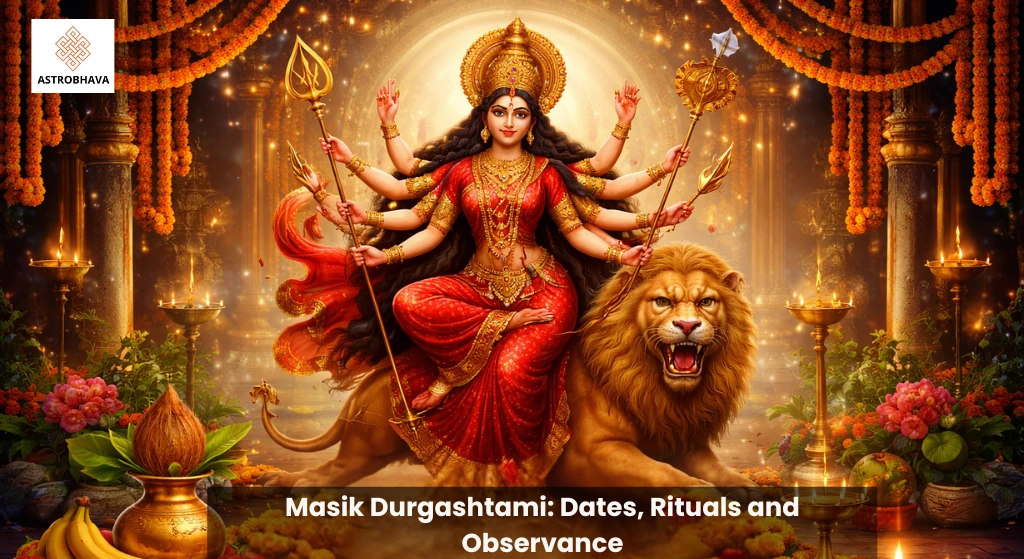
- Dhyana (Meditation): Visualize Goddess Durga in her full glory — seated on a lion, with eight arms carrying divine weapons, radiant with golden light.
- Avahana (Invocation): Invite the goddess into your space and heart.
- Panchopachara or Shodashopachara: Offer the five or sixteen traditional items of worship including flowers, sandalwood paste, vermilion, betel leaves, and naivedya (food offerings).
- Aarti: Light camphor and perform the Durga aarti, singing her praises.
🍚 The Vrat (Fast)
Many devotees observe a fast on Masik Durgashtami. Some fast completely until sunset, while others follow a fruit-and-milk diet throughout the day. The fast is broken after the evening puja and aarti, ideally after offering prasad to the goddess first.
If fasting isn’t feasible for health reasons, simply observing the day with heightened awareness, reduced sensory indulgence, and dedicated prayer carries equal spiritual merit.
🌙 Evening Puja and Aarti
The evening puja is often considered the main event. Repeat the morning puja sequence with fresh offerings. Light more lamps — nine lamps if possible, representing the Navadurga. Chant the mantras (coming up below), sing devotional songs, and spend time in quiet meditation after the aarti.
🔱 Sacred Mantras for Masik Durgashtami March
This is where the practice truly comes alive. Mantras are vibrational tools — they’re not just words, they’re sound frequencies that directly connect you with divine consciousness. Here are the most powerful mantras to chant on Masik Durgashtami March:
1. The Mool Mantra of Goddess Durga
ॐ दुं दुर्गायै नमः Om Dum Durgayai Namaha
This is the seed mantra of Goddess Durga. “Dum” is the Beej (seed) syllable that carries her energy in its most concentrated form. Chant this 108 times using a rudraksha or coral mala for best results. This mantra offers protection, removes obstacles, and awakens inner courage.
2. The Durga Ashtakshara Mantra
ॐ ह्रीं दुर्गायै नमः Om Hreem Durgayai Namaha
This eight-syllable mantra (Ashtakshara) is perfectly suited for Ashtami observance. “Hreem” is the Shakti beej — the seed syllable of divine feminine power. Chanting this mantra strengthens your connection to your own inner power while drawing Durga’s grace.
3. Durga Saptashati — Devi Kavacham
If you have the time and inclination, reciting the Devi Kavacham (the divine armour) from the Durga Saptashati is one of the most potent practices for this day. It’s a 61-verse prayer that invokes Durga’s protection over every part of your body, every direction around you, and every aspect of your life.
Even reciting a portion of it with full attention is deeply powerful.
4. The Mahishasura Mardini Stotram
This beloved hymn, often attributed to Adi Shankaracharya, praises Durga as the slayer of Mahishasura. Its rhythmic, galloping cadence makes it almost meditative to chant — you can feel the energy building with each verse. It’s especially suited for the Krishna Paksha Ashtami of Masik Durgashtami March.
5. Simple Nama Japa for Busy Days
If you’re short on time, simply repeating “Jai Mata Di” or “Durga Durga” with genuine feeling throughout the day counts as continuous worship. The goddess recognizes sincerity over formality, always.
Listen to our latest podcast: 5 Powerful Durga mantras to chant
🌟 Enhance Your Masik Durgashtami March Practice with AstroBhava
Speaking of deepening your connection with Goddess Durga — if you’re looking to take your spiritual practice beyond personal puja and tap into the power of expert Vedic rituals performed on your behalf, AstroBhava offers a range of Durga-dedicated services designed exactly for this.
From personalized Durga Puja ceremonies conducted by qualified Vedic priests to Durga Saptashati parayanam performed with your name and gotra (lineage), these services allow you to receive the full benefit of elaborate rituals even when life gets in the way of doing it all yourself.
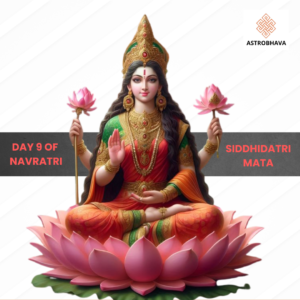
AstroBhava also offers astrological consultations that can identify which specific form of Durga — Shailputri, Brahmacharini, Chandraghanta, Kushmanda, Skandamata, Katyayani, Kalaratri, Mahagauri, or Siddhidatri — is most aligned with your birth chart and current life circumstances. This means your worship becomes not just devotional, but precision-guided.
 What to Avoid on Masik Durgashtami
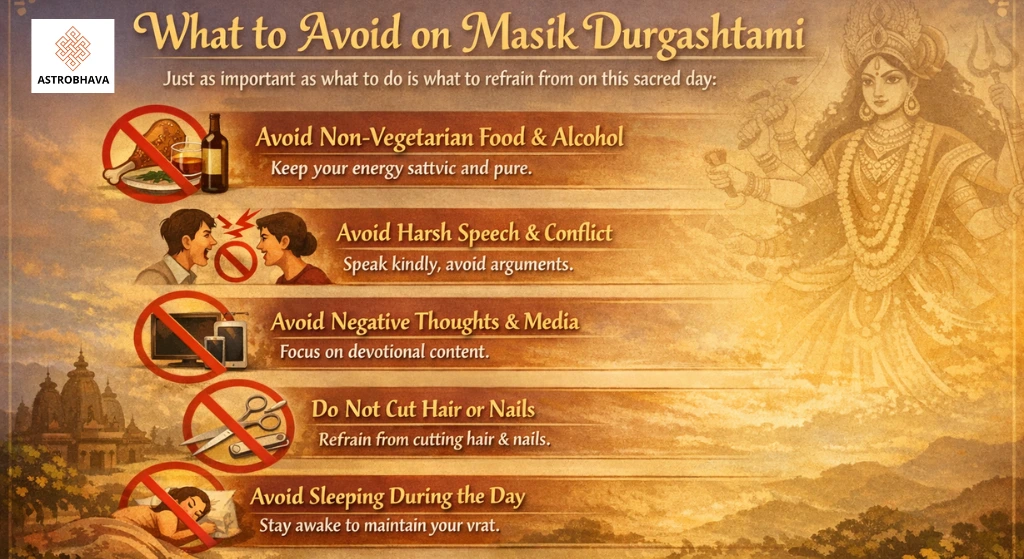 What to Avoid on Masik Durgashtami
Just as important as what to do is what to refrain from on this sacred day:
- Avoid non-vegetarian food and alcohol — keep your energy sattvic (pure) for the day.
- Avoid harsh speech and conflict — Durga is the mother of all beings; harming others with words goes against the spirit of her worship.
- Avoid negative thoughts and media — use the day to fill your mind with devotional content, not distressing news or entertainment.
- Do not cut hair or nails — traditional observances advise against this on Ashtami days.
- Avoid sleeping during the day if you’re observing a vrat, as it’s considered to break the spiritual momentum of the fast.
The Spiritual Benefits of Consistent Masik Durgashtami Observance
What happens when you commit to observing Masik Durgashtami not just in March, but every month through the year?
Devotees and scriptures speak of remarkable shifts — not always dramatic or immediate, but steady and deep. Here’s what consistent practice is said to bring:
Protection from negative forces: Regular Durga worship creates an energetic shield around you and your family, making you less susceptible to ill-will, accidents, and the shadow energies that circulate in daily life.
Strengthened willpower and courage: There’s a reason Durga carries a sword and rides a lion. Her energy activates the same fearlessness within her devotees. People report feeling more decisive, more resilient, and less rattled by life’s challenges.
Removal of obstacles: Whether it’s career blocks, health struggles, relationship difficulties, or inner stagnation — Durga is specifically invoked as a remover of obstacles and a destroyer of the ego’s limiting patterns.
Spiritual clarity and awakening: Over time, consistent Ashtami worship is said to awaken the Shakti Kundalini within, leading to deeper meditation states, sharper intuition, and a palpable sense of divine presence in daily life.
Conclusion — Let Masik Durgashtami March Be a New Beginning
Masik Durgashtami in March is more than just a date on the calendar—it’s a powerful spiritual window to reconnect with the divine energy of Maa Durga. By observing the vrat, performing simple yet sincere rituals, and chanting dedicated mantras, you invite strength, protection, and inner clarity into your life.
Whether you’re seeking relief from obstacles, emotional balance, or spiritual growth, this sacred day offers a beautiful opportunity to pause, purify, and realign your energy. Even small, mindful practices done with devotion can create meaningful shifts.
As you mark this auspicious day, let your intention be clear and your faith steady—because when you invoke the Mother with a pure heart, her blessings always find their way to you. 🌺
Frequently Asked Questions (FAQs)
Q1. What are Masik Durgashtami dates in March 2026?
Masik Durgashtami March will be observed on Thursday, 26 March 2026.
Q2. Can women observe Masik Durgashtami during menstruation?
Traditional practice advises women to avoid direct puja rituals during this time, but silent prayer, mantra chanting (mentally), and listening to devotional music are always permitted and carry equal spiritual merit.
Q3. Is fasting mandatory on Masik Durgashtami?
No, fasting is not mandatory. It is a powerful complement to the practice, but sincere prayer and puja without fasting are equally honoured by the goddess.
Q4. Which mantra is best for beginners observing Masik Durgashtami March?
The simplest and most universally effective mantra for beginners is Om Dum Durgayai Namaha. It’s easy to pronounce, carries immense power, and can be chanted anywhere at any time.
Q5. Can I observe Masik Durgashtami at home without a priest?
Absolutely. Personal home worship is the heart of Masik Durgashtami observance. A clean space, a sincere heart, a lamp, flowers, and mantras are all you need. Priests are wonderful for elaborate ceremonies, but the goddess is equally present in the simplest home puja.
Q6. What colour should I wear on Masik Durgashtami?
Red is the most auspicious colour for Durga worship, followed by orange and yellow. Wearing red on Masik Durgashtami March is a beautiful way to align your energy with hers.
Q7. Can men observe Masik Durgashtami?
Yes, absolutely. Masik Durgashtami is observed by devotees of all genders. Durga is the universal mother — her protection and grace extend to all.