Powerful Mantra for Wisdom, Prosperity & Divine Protection
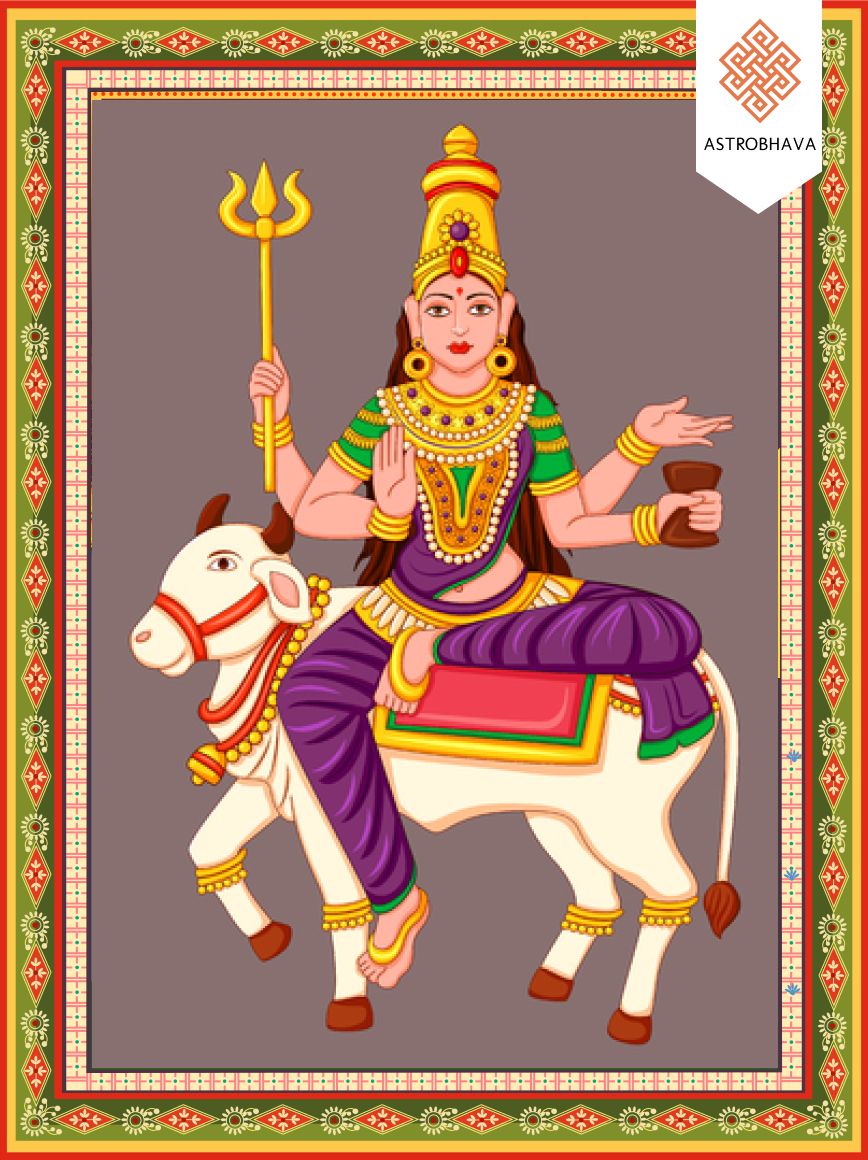
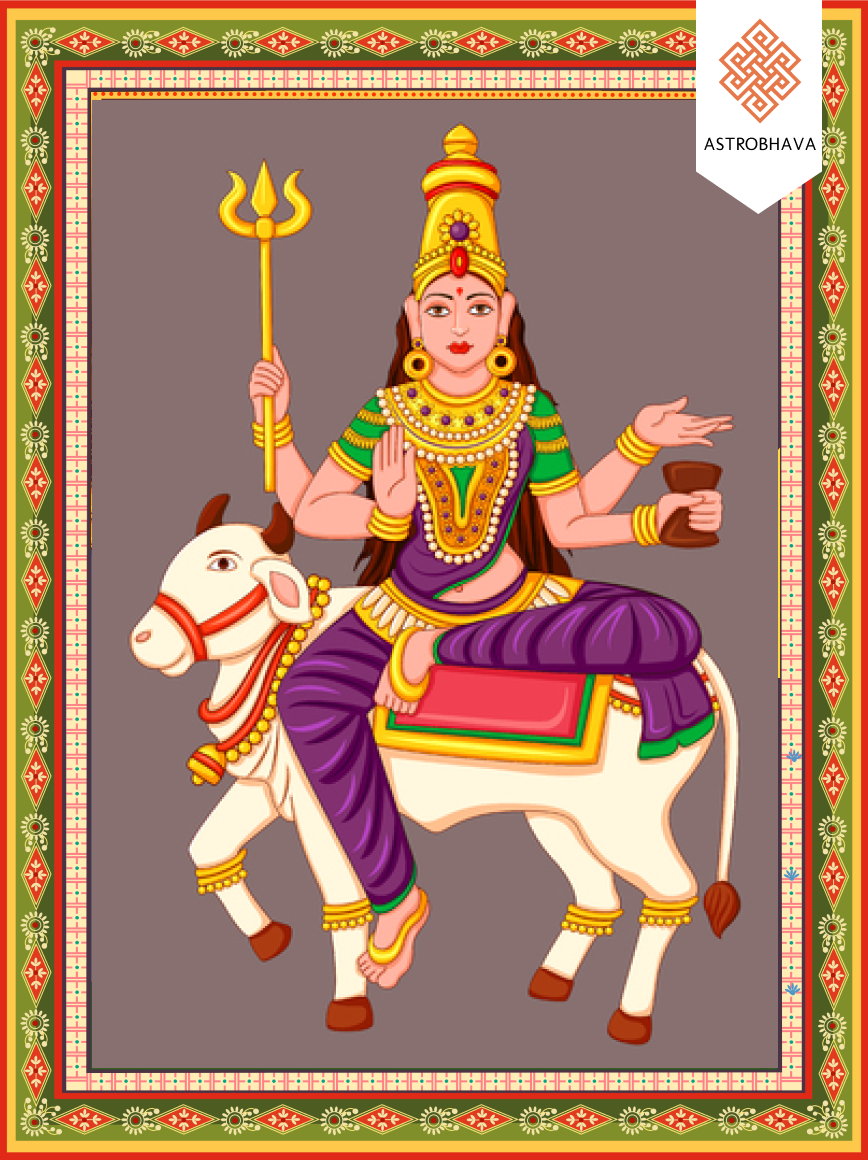
The Mookambika Mantra is one of the most revered and potent Vedic mantras dedicated to Goddess Mookambika, the divine embodiment of Saraswati, Lakshmi, and Parvati in a single form. Seated eternally in the sacred Kollur temple nestled in the Kudajadri hills of Karnataka, Mookambika is the supreme Shakti who grants vidya (knowledge), aishwarya (prosperity), and raksha (protection). This mantra is not merely a string of syllables but a living vibration that awakens the dormant powers within the chanter, aligning the individual soul with the universal cosmic energy of the Divine Mother.
In Vedic tradition, Goddess Mookambika is worshipped as the slayer of Mookasura, the demon who spread ignorance and silence. By chanting her mantra, devotees dissolve mental blocks, speech impediments, and planetary afflictions that hinder progress. It is especially powerful for those born under weak Mercury, Jupiter, or Venus placements in the horoscope, as it strengthens buddhi (intellect), vak (speech), and bhagya (fortune). Students, artists, teachers, professionals facing career stagnation, and spiritual seekers all find profound transformation through regular practice. Even those experiencing family discord, financial hurdles, or health issues rooted in past karma experience miraculous relief because the mantra works directly on the subtle energy body and the nine planets.
Facing constant obstacles, bad luck, or unexplained setbacks?
Restore planetary balance with Navagraha Homa and invite harmony, success, and positivity into your life
What makes the Mookambika Mantra truly supreme is its unique combination of beejaksharas that invoke the trinity of energies: Aim awakens Saraswati’s creative wisdom, Hreem activates the heart-center Shakti, and Kleem draws forth Lakshmi’s abundant grace. When chanted with pure devotion, it creates a protective shield of divine light around the practitioner, removes obstacles caused by negative planetary dashas, and opens doors to higher consciousness. Thousands of devotees from Tamil Nadu, Kerala, Andhra Pradesh, and Karnataka have experienced its power during Navratri, full-moon nights, and personal sankalpa periods. The mantra does not require elaborate rituals; its strength lies in sincere repetition, faith, and the grace of the Goddess who resides in Kollur yet dwells in every sincere heart. Whether you seek academic excellence, professional growth, harmonious relationships, or spiritual liberation, the Mookambika Mantra serves as the direct pathway to her compassionate blessings. It transforms ordinary lives into extraordinary journeys filled with knowledge, wealth, peace, and unshakeable devotion.
Also explore how Dosha in Kundli and Planetary Transits affect your life
Mookambika Mantra in English
Aum Aim Gowriyah Namah
Mookambika Mantra in Sanskrit (देवनागरी)
ॐ ऐं गौर्यै नमः
Mookambika Mantra in Tamil (தமிழ்)
ஓம் ஐம் கௌர்யை நமஹ
Mookambika Mantra in Malayalam (മലയാളം)
ഓം ഐം ഗൗര്യൈ നമഃ
Mookambika Mantra in Telugu (తెలుగు)
ఓం ఐం గౌర్యై నమః
Mookambika Mantra in Kannada (ಕನ್ನಡ)
ಓಂ ಐಂ ಗೌರ್ಯೈ ನಮಃ
Meaning of the Mookambika Mantra
The Mookambika Mantra – Aum Aim Gowriyah Namah – is a powerful invocation to Goddess Mookambika, who embodies wisdom, purity, and divine speech. This short yet potent mantra combines both the universal and specific energies associated with knowledge and feminine grace.
The mantra begins with “Aum”, the cosmic sound that aligns the practitioner with the Supreme Consciousness. It prepares the mind for divine connection and invokes auspiciousness. The next syllable, “Aim”, is the bija (seed) mantra of Saraswati, the goddess of wisdom and eloquence. Chanting “Aim” awakens inner intelligence, boosts learning ability, and refines communication.
“Gowriyah” refers to Goddess Gowri, the pure and sattvic form of Parvati, symbolizing clarity, devotion, and beauty. Lastly, “Namah” means “I bow” or “I offer myself,” representing surrender to the goddess with humility and love.
This mantra helps remove ignorance, hesitation, and speech-related difficulties. It empowers one with clarity of thought, eloquence, creativity, and confidence in expression. Especially beneficial for students, artists, teachers, and spiritual seekers, the mantra is also widely used during Saraswati Puja and Navaratri celebrations. Its vibrations purify the throat and intellect, creating space for inner light and divine wisdom to blossom.
Meaning of Each Syllable in the Mookambika Mantra
| Syllable | Meaning |
|---|
| Aum | The primordial sound, source of all creation, initiates divine vibration |
| Aim | Bija mantra of Saraswati; enhances wisdom, intellect, and eloquence |
| Gowriyah | Refers to Goddess Gowri (Parvati); represents purity, clarity, and strength |
| Namah | Salutation or bowing down in humility and devotion |
Mahashakti Sanskara for Business Growth and Success
Origin and History of the Mookambika Mantra
The origin of the Mookambika Mantra is deeply rooted in the ancient Puranic traditions, particularly the Skanda Purana and local temple lore of Kollur. According to the legend, a great sage named Kola Maharshi performed intense penance in the Kudajadri hills seeking the vision of the Divine Mother. A demon named Mookasura terrorized the region and disturbed the sage’s meditation. Mookasura had received a boon that no weapon could kill him while he remained in his ferocious form. The Supreme Goddess Adi Parashakti appeared in a magnificent form combining the powers of Saraswati, Lakshmi, and Parvati. She first rendered the demon speechless (mooka) and then slayed him, thus earning the name Mookambika – the one who made the demon mute and liberated the world from his tyranny.
The place where the battle occurred became the sacred Kollur temple. The Souparnika River, believed to have originated from the divine sweat of the Goddess during the battle, flows nearby and is considered highly purifying. The original Jyotirlinga shrine of Mookambika is said to have been installed over 1200 years ago. Jagadguru Adi Shankaracharya visited Kollur during his Digvijaya and established the Panchaloha idol of the Goddess on the Shree Chakra. He composed several hymns in her praise and sanctified the temple as one of the most important Shakti Peethas. The mantra “Om Aim Hreem Kleem Mookambikayai Namah” was revealed to sages and passed down through guru-shishya parampara. It is mentioned in various Tantric texts and is chanted daily in the temple by priests and devotees alike.
Over centuries, kings of the region, including the Keladi Nayakas and later Mysore rulers, patronized the temple and popularized the mantra across Karnataka, Kerala, Tamil Nadu, and Andhra. Today, millions of devotees from South India undertake pilgrimage to Kollur specifically to chant this mantra in the presence of the Goddess. The mantra’s power has been validated through countless personal experiences recorded in temple annals and devotee testimonials. It remains one of the most accessible yet profoundly effective mantras for modern seekers facing the challenges of Kali Yuga.
Get rid of all the negative energies and black magic
With Mahashakti Sanskara for Black Magic Removal
How to Chant the Mookambika Mantra (Step-by-Step Detailed Guide)
| Aspect | Recommended Practice |
|---|
| Best Time | Brahma Muhurta (4:30–6:00 AM) or during sunset; Fridays and full-moon days are especially powerful |
| Direction | Face East for knowledge or North-East for overall prosperity and protection |
| Posture | Sit in Padmasana or Sukhasana on a clean woolen or silk asana; keep spine straight |
| Mala | Rudraksha or Tulsi mala with 108 beads; use a fresh mala consecrated at Kollur if possible |
| Number of Chants | Minimum 108 times daily; ideal is 1008 times or multiples of 108 for 40 days |
| Sankalpa | Before starting, take a sankalpa with water and flowers stating your specific desire |
| Offerings | Light a ghee lamp, offer fresh flowers (especially white or red lotuses), incense, and coconut |
| Closing | End with “Om Shanti Shanti Shanti” and offer the fruits of chanting to the Goddess |
Facing constant hurdles in life or career?
Clear all blockages with a powerful Obstruction Removal Homa
Additional Chanting Tips
- Chant aloud (vaikhari) for the first 21 days to purify the surroundings, then switch to mental chanting (manasika) for deeper meditation.
- Visualize the Goddess in her Kollur form with conch, discus, and abhaya mudra while chanting.
- Maintain strict vegetarian diet and celibacy during the 40-day sadhana for faster results.
- Women can chant during all days except the first three days of menstruation; resume with double the usual count afterward.
- Play soft Mookambika temple bells or Souparnika river sounds in the background to enhance vibration.
- Keep a small copper or silver Mookambika yantra in your puja room and charge it daily with the mantra.
- Chant during Navratri for nine consecutive days to receive multiplied blessings.
- Always conclude by expressing heartfelt gratitude to the Goddess before rising from your seat.
Key Benefits of Chanting Mookambika Mantra
- Chanting the Mookambika Mantra sharpens intellect and improves memory, helping students achieve academic excellence and top ranks in competitive examinations.
- It grants vak siddhi, enabling clear, confident, and persuasive speech that wins respect in professional and social circles.
- The mantra removes financial obstacles and attracts steady streams of wealth and unexpected gains.
- It heals chronic throat and speech-related ailments while restoring vocal clarity for singers and speakers.
- Regular practice dissolves planetary doshas related to Mercury and Jupiter, bringing stability to the horoscope.
- It protects devotees from hidden enemies, black magic, and evil eye through the Goddess’s powerful shield.
- The mantra improves concentration and focus, making meditation and spiritual sadhana effortless.
- It brings harmony in marital relationships and resolves long-standing family disputes.
- Chanting awakens creative talents in arts, music, writing, and performing arts.
- It removes fear and anxiety, instilling courage and inner peace even during difficult times.
- The mantra blesses women with fertility, healthy pregnancy, and protection for the child.
- It accelerates career growth and brings promotions, recognition, and leadership opportunities.
- Practitioners experience deeper devotion and a constant feeling of the Goddess’s presence.
- It purifies past-life karmas that cause repeated failures and setbacks.
- The mantra grants success in legal matters and court cases by invoking divine justice.
- It improves overall health by balancing the three doshas and strengthening immunity.
- Students preparing for higher education abroad receive favorable opportunities and visas.
- It attracts noble and supportive friends and mentors into one’s life.
- The mantra opens the path to higher spiritual knowledge and self-realization.
- It removes obstacles in property and inheritance matters, ensuring smooth resolution.
- Practitioners develop a calm mind that makes correct decisions in critical situations.
- It blesses homes with peace, prosperity, and protection from natural calamities.
- The mantra enhances intuition and foresight, helping foresee and avoid dangers.
- It grants the ability to overcome addictions and negative habits permanently.
- Ultimate benefit is moksha-oriented grace, leading the soul toward liberation while enjoying worldly success.
Facing financial instability or losses?
Restore success and abundance with Vedic Homas
Bonus: Individual Planet Beej Mantras (Chant These Too)
Planet | Beej Mantra | Chants for 40 days | Best Day |
Sun (Surya) | Om Hraam Hreem Hroum Sah Suryaya Namah | 108 times daily | Sunday |
Moon (Chandra) | Om Shraam Shreem Shroum Sah Chandraya Namah | 108 times daily | Monday |
Mars (Mangal) | Om Kraam Kreem Kroum Sah Mangalaya Namah | 108 times daily | Tuesday |
Mercury (Budha) | Om Braam Breem Broum Sah Budhaya Namah | 108 times daily | Wednesday |
Jupiter (Guru) | Om Graam Greem Groum Sah Gurave Namah | 108 times daily | Thursday |
Venus (Shukra) | Om Shraam Shreem Shroum Sah Shukraya Namah | 108 times daily | Friday |
Saturn (Shani) | Om Praam Preem Praum Sah Shanaischaraya Namah | 108 times daily | Saturday |
Rahu | Om Bhraam Bhreem Bhroum Sah Rahave Namah | 108 times daily | Saturday |
Ketu | Om Kraam Kreem Kroum Sah Ketave Namah | 108 times daily | Tuesday |
Advanced Tips & Precautions
- Begin the sadhana only after taking a formal sankalpa in front of a lighted lamp and a photo of Goddess Mookambika.
- Never chant the mantra when angry or emotionally disturbed; wait until the mind is calm.
- Avoid non-vegetarian food, alcohol, and tobacco throughout the chanting period.
- If you miss a day, do not double the count the next day; simply continue with the regular number.
- Pregnant women and those with severe heart conditions should consult a guru before intensive chanting.
- Store your mala in a clean red or white cloth pouch when not in use and never lend it to others.
- Offer the first and last chant of the day to the feet of Adi Shankaracharya and Kola Maharshi.
- After completing 40 days, perform a small homa or visit the Kollur temple to express gratitude.
Experience the full power of the Mookambika Mantra through our exclusive Mookambika Devi Homa. Book now at Astrobhava and receive personalized guidance from our Vedic experts to amplify your results manifold.