In the rich tapestry of Vedic traditions, rituals hold a profound place in connecting humans with divine energies. Among these, homam (also known as havan or homa) stands out as a powerful fire ritual that invokes deities for blessings, protection, and prosperity. If you’re exploring spiritual practices to enhance your life, understanding the different types of homam can be transformative. This blog delves deep into the world of homam, highlighting various types of homam and their unique benefits. Whether you’re seeking obstacle removal, health, wealth, or peace, there’s a type of homam tailored to your needs. We’ll cover everything from the basics to specific rituals, ensuring you gain a comprehensive insight into these ancient practices.
Homam rituals have been performed for centuries in Hinduism, drawing from sacred texts like the Vedas and Puranas. They involve offering sacred materials into a consecrated fire while chanting mantras, creating a bridge between the material and spiritual realms. As we journey through this guide, you’ll discover how different types of homam can address specific life challenges, making them relevant even in today’s fast-paced world. With a focus on the main keyword “types of homam,” we’ll naturally weave in discussions about their variations, helping you appreciate the diversity and depth of these rituals.
 What is Homam/Havan/Homa?
 What is Homam/Havan/Homa?
Homam (Havan or Homa) is a sacred Vedic fire ritual where offerings such as ghee, herbs, grains, and special materials are offered into a consecrated fire while chanting specific mantras.
The fire (Agni) acts as a divine intermediary between humans and deities. Through mantras and offerings, devotees seek blessings for prosperity, protection, health, and spiritual upliftment.
In ancient scriptures like the Vedas and Puranas, homa rituals were performed by sages to remove obstacles, destroy negativity, and attract divine grace.
Why is Homam Powerful?
- Fire symbolizes purification.
- Mantras create vibrational energy.
- Offerings represent surrender and gratitude.
- The ritual aligns planetary and cosmic energies.
Because of these reasons, Types of homam are chosen based on the specific intention or problem one wants to address.
 General Benefits of Performing Homam
While specific types of homam target particular issues, performing any homam yields broad advantages that touch every aspect of life. These rituals are designed to harmonize the individual’s aura with universal energies, resulting in multifaceted gains.
Firstly, homam promotes physical health by purifying the surroundings. The sacred fire releases aromatic fumes that can alleviate respiratory issues and boost immunity. For instance, offerings like neem leaves and turmeric have natural antiseptic qualities, reducing airborne pathogens.
Mentally, homam induces a state of calm. The rhythmic chanting of mantras creates vibrations that resonate with brain waves, reducing stress and anxiety. Many participants report enhanced focus and decision-making abilities post-ritual.
Spiritually, homam accelerates karmic resolution. By offering to deities, one can mitigate past negative actions, paving the way for positive outcomes. It’s like a spiritual reset button, inviting blessings for longevity, prosperity, and peace.
On a societal level, group homams foster community bonding and collective well-being. They are often performed during festivals like Navratri or Diwali, enhancing social harmony.
Economically, certain homams are linked to wealth attraction, as they invoke deities associated with abundance. Overall, the benefits of homam extend beyond the individual, influencing family and even environmental energies. As we transition to discussing specific types of homam, remember that these general perks amplify when the ritual matches your personal needs.
Exploring Different Types of Homam and Their Benefits
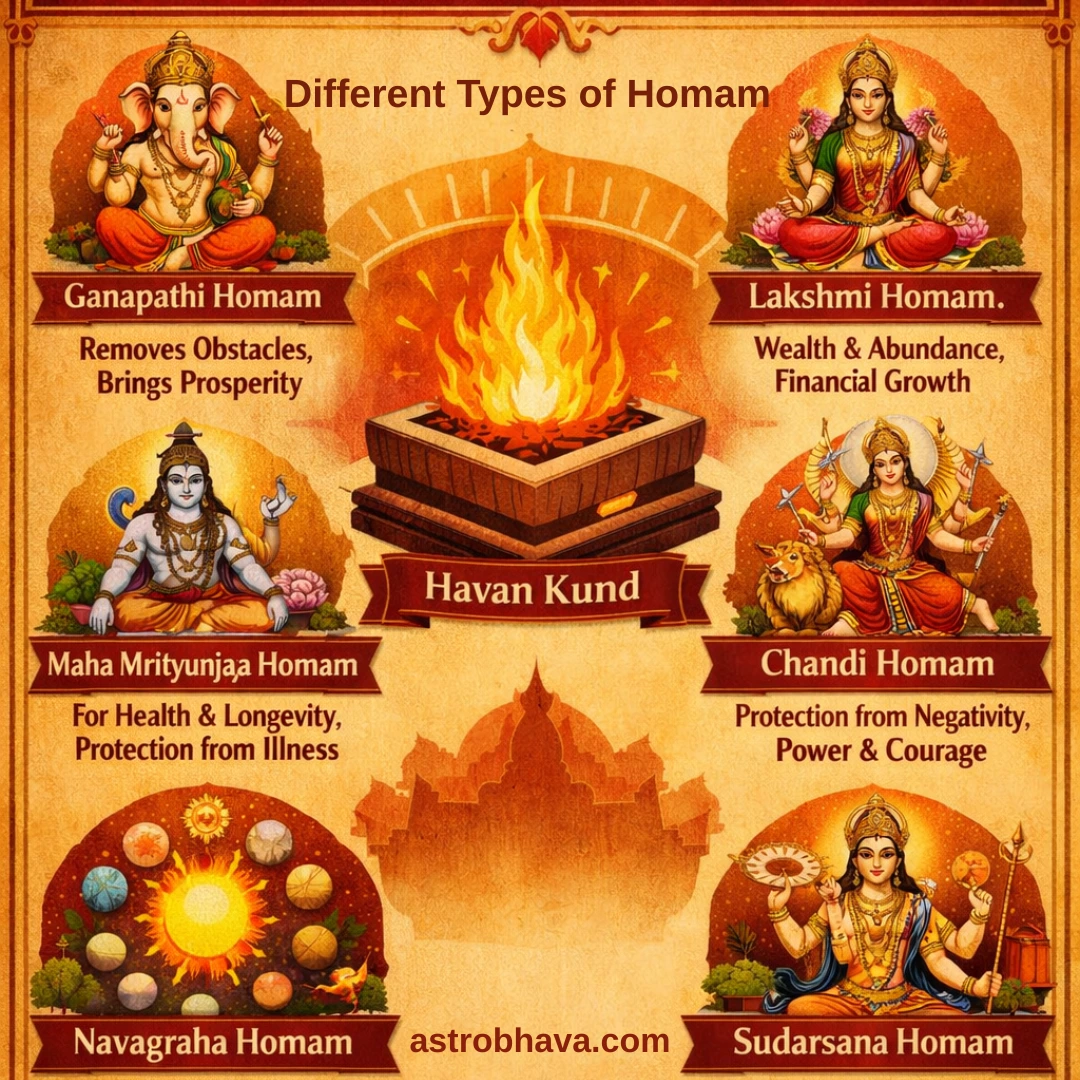
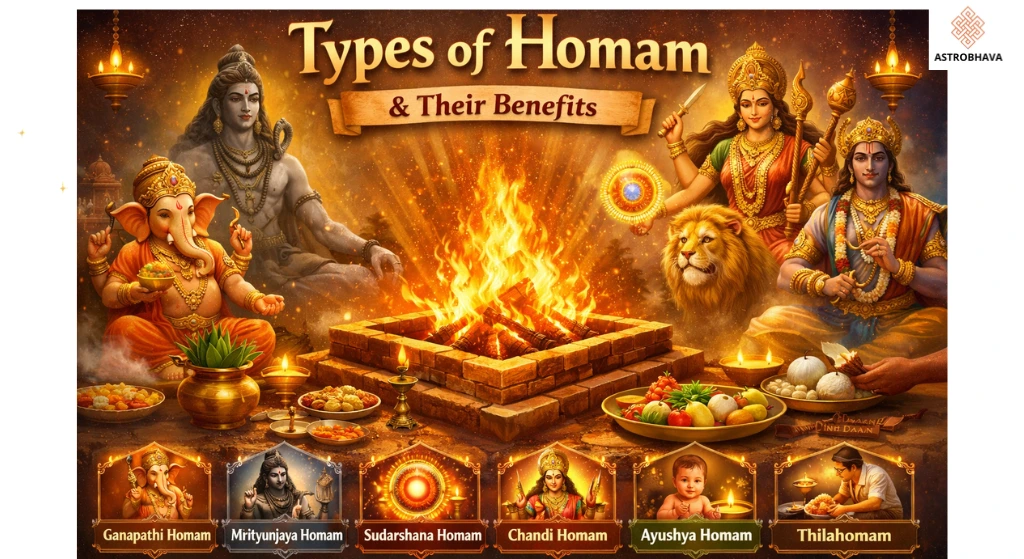
The beauty of Vedic rituals lies in their variety. There are numerous types of homam, each dedicated to a specific deity or purpose. In this section, we’ll detail some prominent types of homam, focusing on their procedures, deities invoked, and unique benefits. This exploration will help you appreciate how different types of homam cater to diverse life situations.
| Homam/Havan | When is it performed? | Benefits |
| Ganapathi Homam (Ganesh Homam) | Before starting a new business
Housewarming ceremony Marriage Career change Educational pursuits |
Removes obstacles
Ensures smooth success Enhances intelligence and wisdom Brings prosperity Reduces delays in life |
| Mrityunjaya Homam (Maha Mrityunjaya Homam) | During serious illness
For protection from accidents
For longevity
During health crises |
Protects from untimely death
Promotes healing
Strengthens immunity
Removes fear and anxiety
Enhances longevity |
| Sudarshana Homam | For protection from enemies
Removal of black magic
Court cases
Spiritual cleansing |
Destroys negative energies
Protects from evil forces
Clears karmic obstacles
Improves spiritual strength
Brings victory over adversaries |
| Chandi Homam | During Navratri
To overcome major life challenges
For protection and power
For business and political success |
Removes powerful obstacles
Grants courage and confidence
Defeats enemies
Attracts wealth and fame
Enhances divine protection |
| Ayushya Homam | On birthdays (especially first birthday)
During health concerns
For newborn babies |
Increases longevity
Protects from diseases
Enhances vitality
Ensures healthy growth of children |
| Lakshmi Homa (Maha Lakshmi Homam) | During financial struggles
To attract business growth
On Diwali or Fridays (considered auspicious for Lakshmi)
Before starting new investments
For career advancement
To remove financial blockages |
Attracts Financial Abundance
Overcomes poverty Improves Business Growth Enhances Positive Energy at Home Strengthens Relationship with Wealth |
| Thilahomam (Til Homam) | During Amavasya
For pitru dosha
For family harmony |
Ancestral blessings
Removes family curses
Improves lineage prosperity
Clears karmic debts |
Ganapathi Homam (or Ganesh Homam)
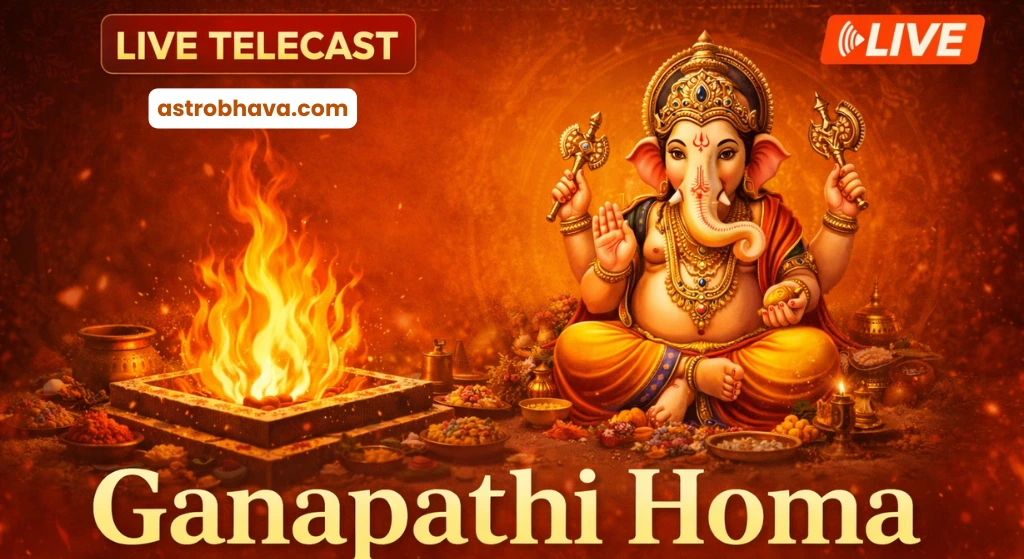
One of the most popular types of homam is Ganapathi Homam, also known as Ganesh Homam. Dedicated to Lord Ganesha, the remover of obstacles, this ritual is often performed at the beginning of any auspicious event, such as weddings, housewarmings, or business launches.
The procedure involves setting up a homa kund with mango wood sticks, offering modak (sweet dumplings) and coconut into the fire, and chanting the Ganapathi Atharvashirsha mantra 108 times. Priests invoke Ganesha’s elephant-headed form, symbolizing wisdom and prosperity.
Benefits of this type of homam are manifold. Primarily, it clears hurdles in personal and professional life, ensuring smooth progress. For students, it enhances intelligence and academic success. Business owners experience growth and financial stability. Health-wise, it protects against accidents and illnesses. Spiritually, it fosters devotion and removes ego-based blockages.
Many devotees share stories of miraculous turnarounds after performing Ganapathi Homam, like securing a job after prolonged unemployment or resolving family disputes. Among the types of homam, this one is ideal for beginners due to its simplicity and immediate effects. Performing it on Tuesdays or during Ganesh Chaturthi amplifies its potency.
Mrityunjaya Homam
Another significant type of homam is Mrityunjaya Homam, dedicated to Lord Shiva in his Mrityunjaya (conqueror of death) form. This ritual is renowned for its life-extending and healing properties, often performed for those facing severe health crises or premature death risks.
The ritual includes chanting the Maha Mrityunjaya Mantra (“Om Tryambakam Yajamahe…”) 1,25,000 times in grand versions, offering bhasma (sacred ash), bilva leaves, and milk into the fire. The homa kund is adorned with rudraksha beads and Shiva lingams.
Benefits include protection from untimely death, recovery from chronic illnesses, and overall vitality. It’s particularly beneficial for accident-prone individuals or those with astrological doshas like Kaal Sarp Yoga. Mentally, it alleviates fear and depression, instilling courage. For families, it ensures longevity and harmony.
Ancient texts like the Rigveda praise this homam for its power to overcome mortality’s grip. In the spectrum of types of homam, Mrityunjaya stands out for its focus on health and survival, making it a go-to for medical emergencies or preventive care.
Our Live Mrityunjaya Homam invokes the blessings of Shiva for healing and protection. Book Now!
Sudarshana Homam
Sudarshana Homam is a dynamic type of homam invoking Lord Vishnu’s Sudarshana Chakra, the divine discus symbolizing protection and victory over evil. This ritual is performed to ward off enemies, negative energies, and legal troubles.
The procedure features a circular homa kund representing the chakra, with offerings of ghee, honey, and tulsi leaves. Priests chant the Sudarshana Mantra, visualizing the chakra’s spinning energy destroying obstacles.
Benefits encompass relief from unexplained sufferings, financial losses, and adversarial situations. It provides shield against black magic, evil eyes, and court cases. Health benefits include curing skin ailments and boosting immunity. Professionally, it leads to success in competitive fields like politics or business.
This type of homam is especially potent during eclipses or on Saturdays. As one of the protective types of homam, Sudarshana empowers individuals to face life’s battles with divine support.
Book Sudarshana Homam today with Astrobhava and get relief from your sufferings!
Chandi Homam
Chandi Homam, dedicated to Goddess Durga in her fierce Chandi form, is among the most intense types of homam. It’s based on the Devi Mahatmyam scripture and involves invoking the goddess to destroy negativity and grant victory.
The ritual is elaborate, often lasting days, with chanting of 700 slokas from the Durga Saptashati. Offerings include red flowers, kumkum, and sacrificial pumpkins symbolizing ego surrender.
Benefits are profound: triumph over enemies, removal of curses, and empowerment for women. It brings success in legal matters, career advancements, and personal strength. Spiritually, it awakens Kundalini energy, leading to enlightenment. For communities, it promotes peace by neutralizing collective negativities.
Performed during Navratri, this homam is ideal for those seeking radical transformations. In the array of types of homam, Chandi represents feminine power and resilience.
Ayushya Homam
Ayushya Homam, or Ayush Homam, focuses on longevity and health, invoking Ayur Devata (the god of life). This type of homam is commonly performed on birthdays, especially for children, to bless them with a long, healthy life.
The setup includes a life-symbolizing lamp, offerings of sesame seeds, rice, and herbs. Mantras from the Ayur Sukta are chanted, praying for 100 years of life.
Benefits include enhanced lifespan, disease prevention, and vitality. It’s beneficial for elderly individuals or those with weak horoscopes. Family-wise, it strengthens bonds and ensures generational continuity. Mentally, it reduces worries about mortality, promoting joyful living.
This homam is typically done annually on the birth star day. Among health-oriented types of homam, Ayushya is a staple for proactive well-being.
Thila Homam
Thila Homam, also called Tila Homam, is a unique type of homam performed to honor ancestors (pitrus). It involves offerings of sesame seeds (tila), which are believed to please departed souls.
The ritual is conducted at sacred sites like Rameshwaram or during Pitru Paksha, with chanting of Pitru Mantras. Offerings include black sesame, water, and pinda (rice balls).
Benefits revolve around ancestral blessings: resolution of pitru dosha (ancestral curses), family prosperity, and peace for the departed. It alleviates issues like infertility, financial instability, or unexplained misfortunes caused by unhappy ancestors. Spiritually, it clears karmic debts, allowing progress.
This homam is essential for those experiencing generational problems. In the ancestral types of homam, Thila stands as a bridge between past and present.
Other Notable Types of Homam
To further enrich our discussion on types of homam, let’s briefly touch on a few more varieties.
Navagraha Homam appeases the nine planets, benefiting those with astrological afflictions. It brings planetary harmony, career success, and health.
Lakshmi Kubera Homam invokes wealth deities for financial abundance, debt relief, and business growth.
Maha Rudra Homam, dedicated to Shiva’s Rudra form, offers holistic purification and happiness.
Each of these types of homam adds layers to Vedic practices, allowing customization based on needs.
 How to Choose the Right Homa
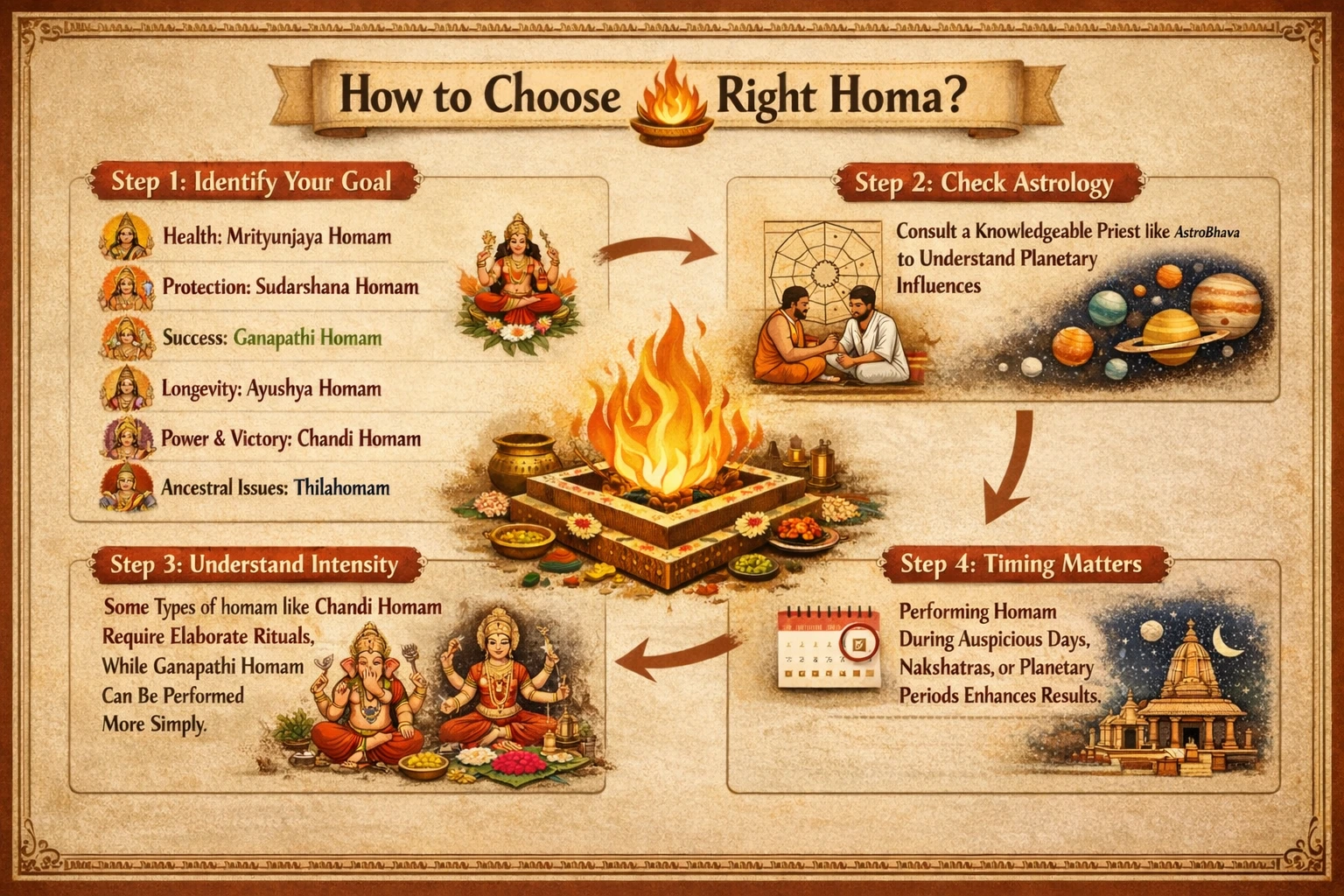 How to Choose the Right Homa
With so many types of homam available, selecting the right one requires introspection and guidance. Start by identifying your primary concern—health, wealth, obstacles, or ancestry?
- Consult Astrobhava to analyze your horoscope for doshas or favorable timings. For instance, if Mars is afflicted, Sudarshana Homam might be recommended.
- Consider your devotion: Choose a deity you resonate with, like Ganesha for beginners.
- Factor in the scale—individual homams at home or elaborate ones like Chandi Homa.
- Timing matters: Perform during auspicious muhurats, like full moons or festivals.
- Budget and priest expertise are crucial; opt for experienced purohits.
Ultimately, the right homa aligns with your intentions, amplifying its benefits. By thoughtfully choosing among the types of homam, you ensure maximum efficacy.
Conclusion
In conclusion, the different types of homam offer a gateway to divine intervention, addressing life’s myriad challenges. From Ganapathi Homam for obstacle removal to Thila Homam for ancestral peace, each type of homam carries unique vibrations that can transform your reality. Embracing these rituals not only honors ancient wisdom but also empowers modern living. Whether you’re new to Vedic practices or a seasoned devotee, incorporating homam can bring profound changes. Remember, the key is faith and proper execution. Explore these types of homam, and may divine blessings shower upon you.
FAQs
What are the main types of homam?
The main types of homam include Ganapathi Homam, Mrityunjaya Homam, Sudarshana Homam, Chandi Homam, Ayushya Homam, Thila Homam, Navagraha Homam, and more, each serving specific purposes like health, wealth, or protection.
How often should one perform homam?
It depends on the type; some like Ayushya Homam are annual, while others like Ganapathi Homam can be done as needed for obstacles.
Can homam be performed at home?
Yes, many types of homam can be done at home with a qualified priest, though temple settings enhance potency.
What materials are needed for homam?
Common items include ghee, herbs, fruits, wood sticks, and deity-specific offerings like coconuts for Ganesh Homam.
Are there any side effects of homam?
When performed correctly, homam has no negative effects; improper execution might dilute benefits, so always use experienced priests.
How long does a typical homam take?
It varies from 1-3 hours for simple ones to days for elaborate types like Chandi Homam.
Is homam only for Hindus?
While rooted in Hinduism, anyone with faith can participate, as universal energies transcend religions.
Related posts:
 Saraswati Yoga: Unlocking the Blessings of Divine Knowledge in Your Horoscope
 Parijat Yoga: The Secret Yogic Blessing in Your Horoscope
 Vedic Astrology: A Complete Guide to Understanding Ancient Indian Astrology in the Modern World
 Varahi Homa: Invoke the Fierce Protection and Prosperity of Goddess Varahi