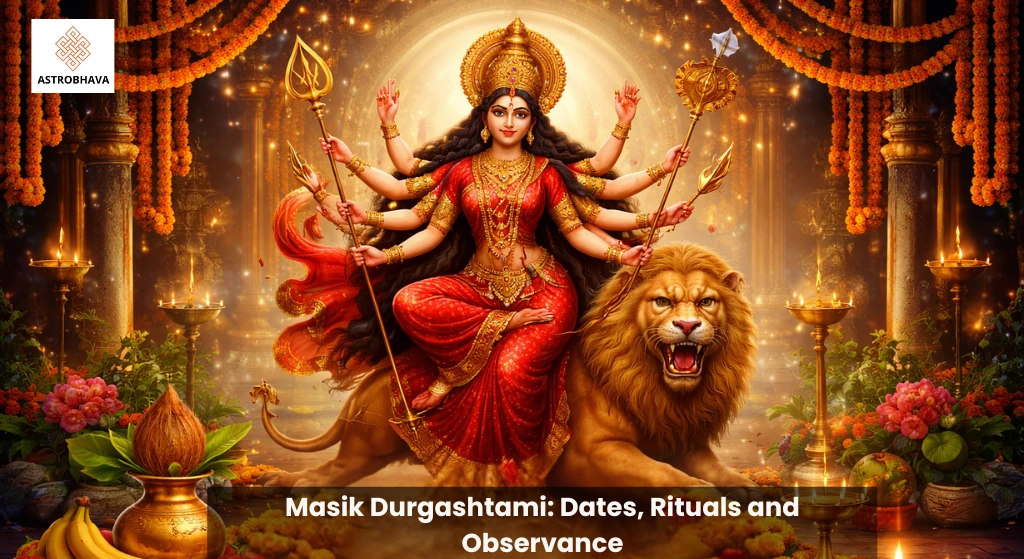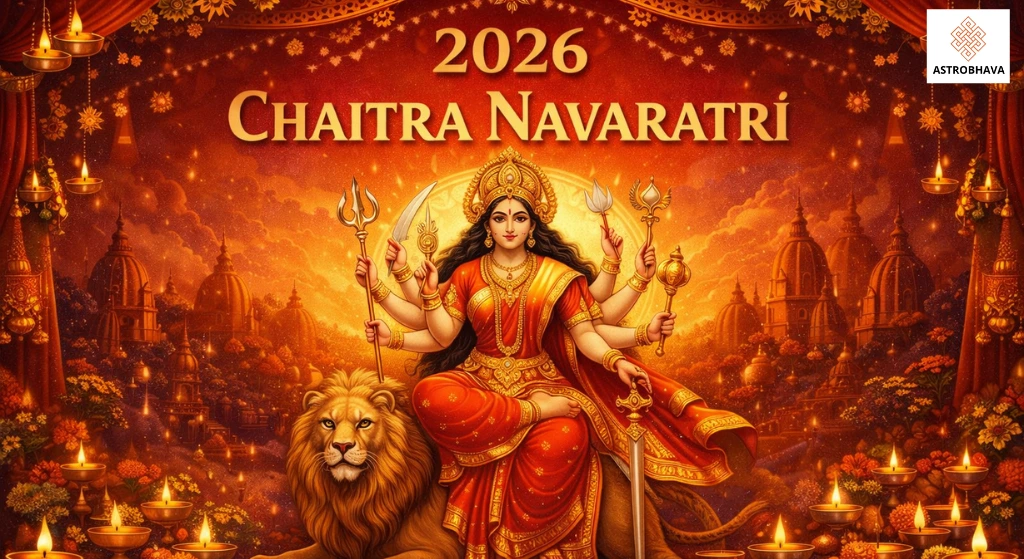
Spring is in the air, the Hindu New Year is knocking at the door, and Maa Durga is about to grace our homes and hearts once again. That’s right — 2026 Chaitra Navaratri is just around the corner, and if you’re someone who loves diving deep into the spiritual beauty of this festival, you’re in exactly the right place.
One of the most beloved traditions of Navaratri — and honestly one of the most fun — is dressing up in the Chaitra Navaratri colors for each day. It’s not just about looking vibrant (though you absolutely will). Each color carries profound spiritual meaning, connecting you to the divine energy of the Devi worshipped on that specific day. It’s like tuning into a specific frequency of the goddess.
So whether you’re planning your wardrobe, organizing your puja, or simply wanting to understand the deeper significance of this nine-day festival, this complete day-by-day guide has everything you need.
 What Is Chaitra Navaratri, and Why Does It Matter?
Before we get into the colors, let’s quickly set the scene. Navaratri literally means “nine nights” — Nav (nine) + Ratri (night). There are four Navaratris in a year, but the two most celebrated are Chaitra Navaratri (spring) and Sharad Navaratri (autumn).
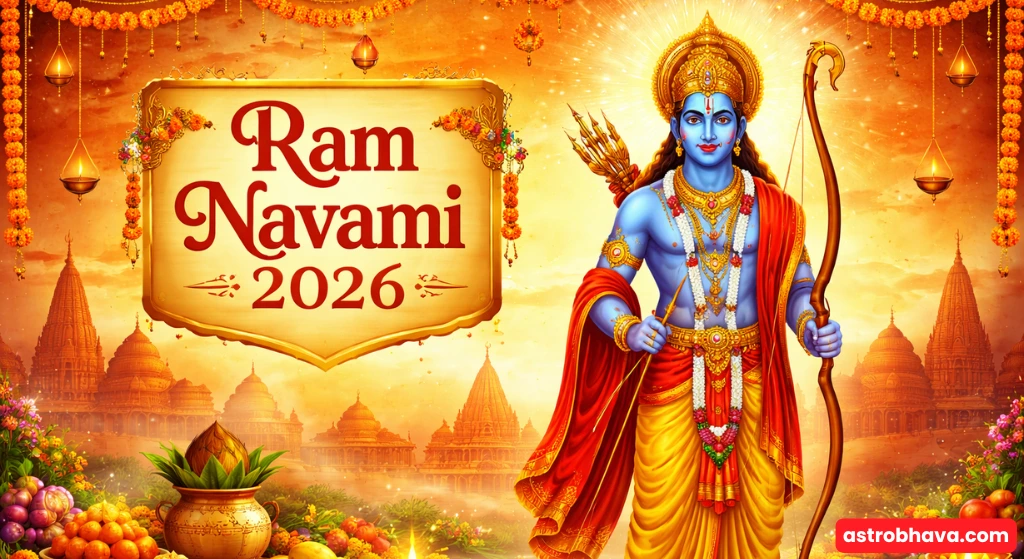
2026 Chaitra Navaratri begins on Thursday, March 19, 2026, and concludes on Friday, March 27, 2026 — the ninth day, which also coincides with Ram Navami, the birth anniversary of Lord Rama.
This makes Chaitra Navaratri extra special. It marks the beginning of the Hindu New Year (Vikram Samvat 2083), celebrates the arrival of spring, and ends with a dual celebration of Maa Siddhidatri and Lord Rama on the same day.
Chaitra Navaratri is also called Vasanta Navaratri or Rama Navaratri. While it is more inward-focused and serene than Sharad Navaratri, its spiritual energy is no less powerful. This is a time for purification, devotion, fasting, and deepening your connection with the Divine Feminine — Shakti.
Why Do Navaratri Colors Change Every Year?
Here’s something a lot of people don’t know — the Chaitra Navaratri colors follow a sequence that is linked to the day of the week on which the festival begins. Since the festival starts on a Thursday in 2026, the color sequence for that year follows accordingly, beginning with Yellow.
Think of it like a divine color palette that shifts based on the cosmic calendar. Each color resonates with the specific energy of the goddess worshipped that day, amplifying the spiritual vibrations in your home and within you.
2026 Chaitra Navaratri: Complete Day-by-Day Color Guide
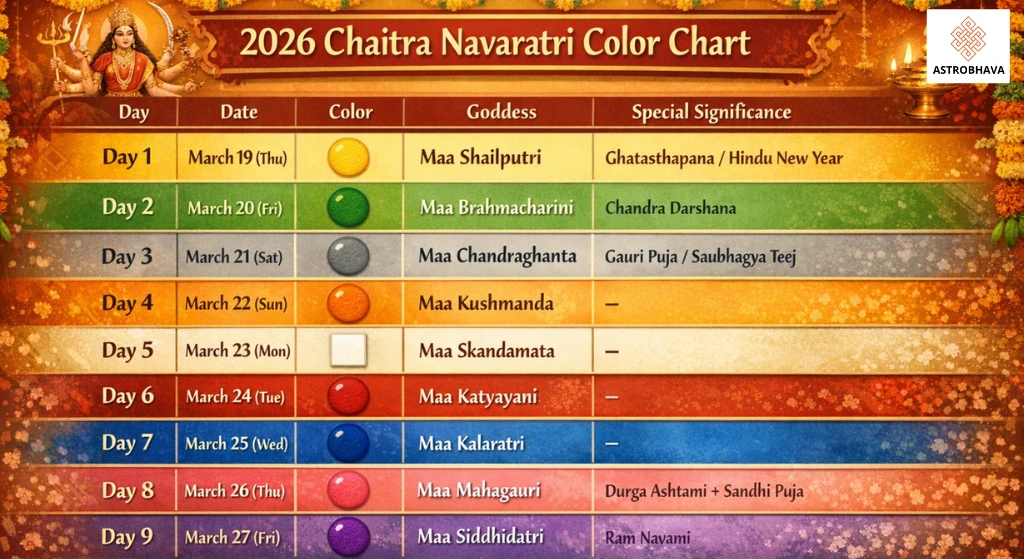 2026 Chaitra Navaratri: Complete Day-by-Day Color Guide
Here’s everything you need — dates, colors, Devi names, and the significance behind each one.
🟡 Day 1 — March 19, 2026 (Thursday) | Color: Yellow
Goddess: Maa Shailputri Tithi: Pratipada
We begin this sacred journey with Yellow — the color of sunlight, happiness, and new beginnings. What better way to kick off the Hindu New Year?
Maa Shailputri means “Daughter of the Mountain.” She is considered the first and most foundational form of Maa Durga, depicted riding a bull (Nandi), with a trident in her right hand and a lotus in her left. She is the embodiment of Mahakali and is associated with the Moon in Vedic astrology.
Day 1 is also when Ghatasthapana (Kalash Sthapana) is performed — the most important ritual of the entire Navaratri. A sacred pot filled with water and grains is installed, symbolizing life, prosperity, and the divine presence of the Goddess in your home. The auspicious muhurat for Ghatasthapana in 2026 is 06:52 AM to 08:02 AM, with an alternative Abhijit Muhurat from 12:22 PM to 01:10 PM.
Yellow signifies joy, vitality, and optimism. Wearing yellow on this day is believed to invite positive energy and inner strength as you set your spiritual intentions for the next nine days.
Seek the divine blessings of Maa Shailputri on Day 1 of Chaitra Navaratri!
🟢 Day 2 — March 20, 2026 (Friday) | Color: Green
Goddess: Maa Brahmacharini Tithi: Dwitiya
Green is the color of growth, harmony, and abundance — and it perfectly represents Maa Brahmacharini, the ascetic form of Parvati.
Brahmacharini is depicted walking barefoot, holding a rudraksha mala in one hand and a kamandalu (water pot) in the other. She represents the power of penance, unwavering devotion, and the discipline of self-restraint. Legend says she performed intense austerities (tapas) for thousands of years to win Lord Shiva as her husband.
Worshipping Maa Brahmacharini on Day 2 is said to help devotees overcome life’s obstacles through patience and inner strength. She is associated with the planet Mars, and her blessings are especially sought by those seeking clarity and willpower.
Wear green today and let the energy of spiritual growth and renewal flow into your life.
Seek the divine blessings of Maa Brahmacharini on Day 2 of Chaitra Navaratri!
🩶 Day 3 — March 21, 2026 (Saturday) | Color: Grey
Goddess: Maa Chandraghanta Tithi: Tritiya
Grey might seem like an unusual festival color at first, but its meaning is deeply powerful. It represents balance, wisdom, and the ability to face challenges with composure — qualities that perfectly reflect Maa Chandraghanta.
Maa Chandraghanta bears a crescent moon shaped like a bell (Ghanta) on her forehead — hence the name. She is the warrior goddess, depicted riding a tiger with ten arms, each carrying weapons and a lotus. She is ferocious in battle but deeply compassionate toward her devotees.
She is the goddess who destroys evil and negativity, and worshipping her on Day 3 is believed to remove fear, grant courage, and bring peace to the mind. Grey as a color reminds us to stand firm like steel in the face of adversity.
Seek the divine blessings of Maa Chandraghanta on Day 3 of Chaitra Navaratri!
🟠 Day 4 — March 22, 2026 (Sunday) | Color: Orange
Goddess: Maa Kushmanda Tithi: Chaturthi
Now we move into the warmth of Orange — the color of energy, enthusiasm, and radiance. This day celebrates Maa Kushmanda, the creator goddess.
The name Kushmanda comes from “Ku” (a little), “Ushma” (warmth or energy), and “Anda” (egg) — she is the one who created the universe with her divine smile when there was nothing but darkness. She is depicted riding a lion, with eight arms holding various weapons, a rosary, and a pot of nectar (amrit).
Maa Kushmanda is the source of cosmic energy. She resides in the Sun, and her brilliance is what illuminates the universe. Worshipping her on Day 4 is believed to bestow health, wealth, and radiance. Orange perfectly mirrors her blazing, life-giving energy.
Seek the divine blessings of Maa Kushmanda on Day 4 of Chaitra Navaratri!
⬜ Day 5 — March 23, 2026 (Monday) | Color: White
Goddess: Maa Skandamata Tithi: Panchami
White is the color of purity, peace, and unconditional love — and Day 5 is dedicated to Maa Skandamata, the mother of Skanda (Lord Kartikeya, the god of war).
Maa Skandamata is depicted seated on a lotus, with a four-armed form, holding the infant Kartikeya and a lotus in her arms. She is the embodiment of a mother’s unconditional love and fierce protective energy. While she is serene and gentle in appearance, she is a powerful force against evil.
She is also known as Padamasana Devi due to her lotus seat, and worshipping her on Day 5 is believed to bring peace, prosperity, and the fulfillment of heartfelt desires. White on this day invites clarity of mind and purity of intention.
Seek the divine blessings of Maa Skandamata on Day 5 of Chaitra Navaratri!
🔴 Day 6 — March 24, 2026 (Tuesday) | Color: Red
Goddess: Maa Katyayani Tithi: Shashthi
Red — bold, fierce, and passionate — arrives on Day 6, and it’s a perfect fit for Maa Katyayani, one of the most worshipped forms of Durga.
Maa Katyayani was born from the combined cosmic energy of Brahma, Vishnu, and Shiva to destroy the demon Mahishasura. She is worshipped especially by young women seeking a good husband, and her energy is that of righteous strength, passion, and protective fury.
She is depicted as a golden-hued goddess, riding a lion with four arms — holding a sword and lotus, and with two hands in mudras (gestures) of blessing and protection. Red symbolizes power, courage, and the fiery destruction of evil forces. Wearing red today aligns you with her warrior energy.
Seek the divine blessings of Maa Katyayani on Day 6 of Chaitra Navaratri!
💙 Day 7 — March 25, 2026 (Wednesday) | Color: Royal Blue
Goddess: Maa Kalaratri Tithi: Saptami
Royal Blue arrives on Day 7, and this is perhaps the most intense and spiritually profound day of 2026 Chaitra Navaratri. Maa Kalaratri is the fiercest form of Durga — dark as the night, with flowing hair and a fearsome appearance.
She is depicted with a dark complexion, three eyes, and a garland of skulls, riding a donkey. Despite her terrifying appearance, she is also called Shubhankari — the one who brings auspiciousness. She is the destroyer of darkness, ignorance, and all negative forces.
Royal Blue represents spiritual wisdom, confidence, and the vast, limitless nature of the cosmos — just like Maa Kalaratri herself, who removes fear from the hearts of her devotees. Worshipping her on Day 7 is said to grant protection from all evils and spiritual liberation.
Seek the divine blessings of Maa Kalaratri on Day 7 of Chaitra Navaratri!
🩷 Day 8 — March 26, 2026 (Thursday) | Color: Pink
Goddess: Maa Mahagauri Tithi: Ashtami (Durga Ashtami)
Pink — the color of love, compassion, and grace — lights up Day 8, dedicated to the pure and beautiful Maa Mahagauri.
Maa Mahagauri is depicted as radiant white in complexion (having undergone intense penance), dressed in white clothes, riding a white bull, with four arms. She represents the transformative power of devotion — she is said to have purified herself through tapas and emerged with a brilliance that could light up the universe.
⚡ Special Note for 2026: This year, Durga Ashtami and Ram Navami fall on the same day — Thursday, March 26, 2026. This is an exceptionally rare and powerful alignment. The Sandhi Puja — considered the most sacred window between Ashtami and Navami Tithis — occurs from 11:24 AM to 12:12 PM on this day. Devotees are strongly encouraged to perform both Durga Ashtami puja and Ram Navami celebrations on this day. Pink today reminds us that divine love and forgiveness are the most transformative forces in the universe.
Seek the divine blessings of Maa Mahagauri on Day 8 of Chaitra Navaratri!
🟣 Day 9 — March 27, 2026 (Friday) | Color: Purple
Goddess: Maa Siddhidatri + Ram Navami Tithi: Navami
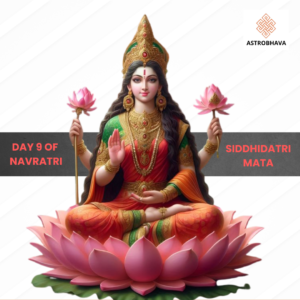
We close this beautiful nine-day journey with Purple — the color of spiritual power, wisdom, and divine ambition. Day 9 belongs to Maa Siddhidatri, the most complete and supreme form of Goddess Durga.
Maa Siddhidatri is the goddess who grants all siddhis (supernatural spiritual powers and attainments). She is depicted seated on a lotus with four arms, often considered a form of Saraswati Devi as well. She is the ultimate bestower of divine knowledge, moksha (liberation), and spiritual fulfillment.
This day also marks Ram Navami — the birth anniversary of Lord Rama. So Day 9 in 2026 is a truly extraordinary convergence of Shakti and Vishnu energy, a day of immense spiritual abundance.
Purple as a color reflects the highest aspirations of the soul — the quest for wisdom, spiritual growth, and divine connection. End your Navaratri journey today with deep gratitude and renewed devotion.
Seek the divine blessings of Maa Siddhidatri on Day 9 of Chaitra Navaratri!
Quick Reference: 2026 Chaitra Navaratri Color Chart
| Day | Date | Color | Goddess | Special Significance |
| Day 1 | March 19 (Thu) | 🟡 Yellow | Maa Shailputri | Ghatasthapana / Hindu New Year |
| Day 2 | March 20 (Fri) | 🟢 Green | Maa Brahmacharini | Chandra Darshana |
| Day 3 | March 21 (Sat) | 🩶 Grey | Maa Chandraghanta | Gauri Puja / Saubhagya Teej |
| Day 4 | March 22 (Sun) | 🟠 Orange | Maa Kushmanda | – |
| Day 5 | March 23 (Mon) | ⬜ White | Maa Skandamata | – |
| Day 6 | March 24 (Tue) | 🔴 Red | Maa Katyayani | – |
| Day 7 | March 25 (Wed) | 💙 Royal Blue | Maa Kalaratri | – |
| Day 8 | March 26 (Thu) | 🩷 Pink | Maa Mahagauri | Durga Ashtami + Sandhi Puja |
| Day 9 | March 27 (Fri) | 🟣 Purple | Maa Siddhidatri | Ram Navami |
How to Incorporate Navaratri Colors Into Your Daily Practice
Wearing the Chaitra Navaratri colors isn’t just a cultural tradition — it’s a form of active spiritual participation. Here are some beautiful ways to make the most of it:
Wear the color of the day — whether as a dupatta, kurta, saree, or even a simple accessory. It doesn’t have to be your entire outfit. Just a conscious nod to the color is enough.
Offer flowers in the day’s color — for example, yellow marigolds on Day 1, red hibiscus on Day 6. This enhances the vibrational alignment with the goddess.
Use colored fabric on your puja altar — draping the chowki (altar) with the day’s color is a beautiful practice that many devotees follow.
Start your day with a conscious intention — wear the color, light a diya, and offer a short prayer to the Devi of the day. Even five minutes of this focused devotion can make a powerful difference.
The Deeper Spiritual Significance of Navaratri Colors
The system of Navaratri colors isn’t arbitrary — it’s deeply rooted in the philosophy of Shakti worship. Each color corresponds to a specific quality or energy that the goddess embodies, and by wearing it, you consciously invite that quality into your own life.
Yellow invites joy and new beginnings. Green brings growth and harmony. Grey cultivates inner strength and wisdom. Orange energizes and illuminates. White purifies the mind and heart. Red ignites courage and protective power. Royal Blue deepens spiritual awareness. Pink opens the heart to love and compassion. Purple elevates the soul toward liberation.
Together, these nine colors create a complete spiritual spectrum — a rainbow of divine energy that guides you through a journey of transformation over nine sacred days.
A Special Note About 2026 Chaitra Navaratri
This year’s Chaitra Navaratri is particularly noteworthy for two reasons:
First, it coincides with the beginning of Vikram Samvat 2083, the Hindu New Year — making the spiritual energy of Day 1 even more potent for setting intentions and new beginnings.
Second, the rare alignment of Durga Ashtami and Ram Navami on the same day (March 26) creates an extraordinary window of blessings. This convergence of Shakti and Vishnu energy is considered deeply auspicious, and the Sandhi Puja window of 11:24 AM to 12:12 PM on that day should not be missed if you can help it.
Closing Thoughts
2026 Chaitra Navaratri is an invitation — a nine-day journey through the many faces of the Divine Feminine, guided by color, devotion, and intention. The Chaitra Navaratri colors are more than a fashion statement; they’re a language through which we communicate with the cosmic energy of Maa Durga.
Whether you observe all nine days with full rituals or simply light a diya and wear the color of the day, know that your intention matters. The goddess sees the devotion in your heart.
May this 2026 Chaitra Navaratri bring you strength like Maa Shailputri, devotion like Maa Brahmacharini, courage like Maa Chandraghanta, radiance like Maa Kushmanda, love like Maa Skandamata, power like Maa Katyayani, wisdom like Maa Kalaratri, grace like Maa Mahagauri, and liberation like Maa Siddhidatri.
Jai Mata Di! 🙏
Frequently Asked Questions (FAQs)
Q1. When does 2026 Chaitra Navaratri begin and end?
2026 Chaitra Navaratri begins on Thursday, March 19, 2026 (Pratipada Tithi, Shukla Paksha, Chaitra month) and ends on Friday, March 27, 2026. The ninth day also celebrates Ram Navami.
Q2. What are the Chaitra Navaratri colors for 2026, day by day?
The 2026 Chaitra Navaratri colors are: Day 1 – Yellow, Day 2 – Green, Day 3 – Grey, Day 4 – Orange, Day 5 – White, Day 6 – Red, Day 7 – Royal Blue, Day 8 – Pink, and Day 9 – Purple.
Q3. Why do Navaratri colors change every year?
The Navaratri colors are determined by the day of the week on which the festival begins. In 2026, Chaitra Navaratri starts on a Thursday, which sets the color sequence beginning with Yellow. As the start day changes from year to year, so does the color sequence.
Q4. What is the significance of wearing Navaratri colors?
Each color resonates with the divine energy of the goddess worshipped on that particular day. Wearing the color of the day is believed to help devotees align their own vibration with the energy of the Devi, attracting positivity, protection, and spiritual blessings.
Q5. What is special about 2026 Chaitra Navaratri compared to previous years?
In 2026, Durga Ashtami (Day 8) and Ram Navami (Day 9) fall very close together, with both effectively culminating on March 26–27, 2026. Additionally, the festival marks the start of Vikram Samvat 2083 (the Hindu New Year), making Ghatasthapana on Day 1 especially auspicious for new beginnings. The Sandhi Puja window (11:24 AM to 12:12 PM) is considered exceptionally powerful this year.
Q6. What is the Ghatasthapana muhurat for 2026 Chaitra Navaratri?
The Ghatasthapana (Kalash Sthapana) muhurat on March 19, 2026 is from 06:52 AM to 08:02 AM. An alternative Abhijit Muhurat is available from 12:22 PM to 01:10 PM on the same day.
Q7. What is Chaitra Navaratri also called?
Chaitra Navaratri is also known as Vasanta Navaratri (spring Navaratri) or Rama Navaratri because it concludes on Ram Navami, the birthday of Lord Rama.
Q8. Can I still observe Navaratri if I can’t fast for all nine days?
Absolutely. Devotion is always more important than strict fasting. You can choose to fast on specific significant days like Day 1 (Pratipada), Day 8 (Ashtami), and Day 9 (Navami) if a full nine-day fast isn’t feasible. Even wearing the Chaitra Navaratri colors and offering a short daily prayer counts as meaningful participation.
Q9. What is Kanya Pujan, and when is it done during Chaitra Navaratri 2026?
Kanya Pujan (also called Kanjak) is the ritual of inviting nine young girls to your home, washing their feet, offering them tilak, food (puri, chana, halwa), and gifts as a symbolic worship of the nine forms of the goddess. It is traditionally performed on Day 8 (Ashtami) or Day 9 (Navami) — in 2026, this falls on March 26 or March 27.
Q10. Is Chaitra Navaratri observed differently across India?
Yes! In North India, it is celebrated with jagrans, satsangs, and Devi processions. In Maharashtra, it begins with Gudi Padwa (Marathi New Year). In Andhra Pradesh, it aligns with Ugadi (Telugu New Year). While the form of celebration may vary, the devotion to Maa Durga and the worship of the nine Devis remains the spiritual core across all regions.