The year 2025 is set to be an intriguing chapter in many lives, and astrology offers a fascinating lens through which to view the possibilities. From career growth to relationships, understanding the cosmic influences can help you make better decisions and prepare for what’s ahead. In this blog, we’ll explore future predictions using various astrological insights, including the unique lens of Nadi astrology, and delve into areas such as love, career, and personal development.
Nadi Astrology Predictions: Unlocking Ancient Secrets
Nadi Astrology is a fascinating and ancient branch of Indian astrology that claims to unlock the secrets of one’s destiny as written by sages thousands of years ago. Unlike traditional astrology, which relies on planetary positions at the time of birth, Nadi Astrology is based on pre-written palm leaves that detail individual life paths.
Origin of Nadi Astrology
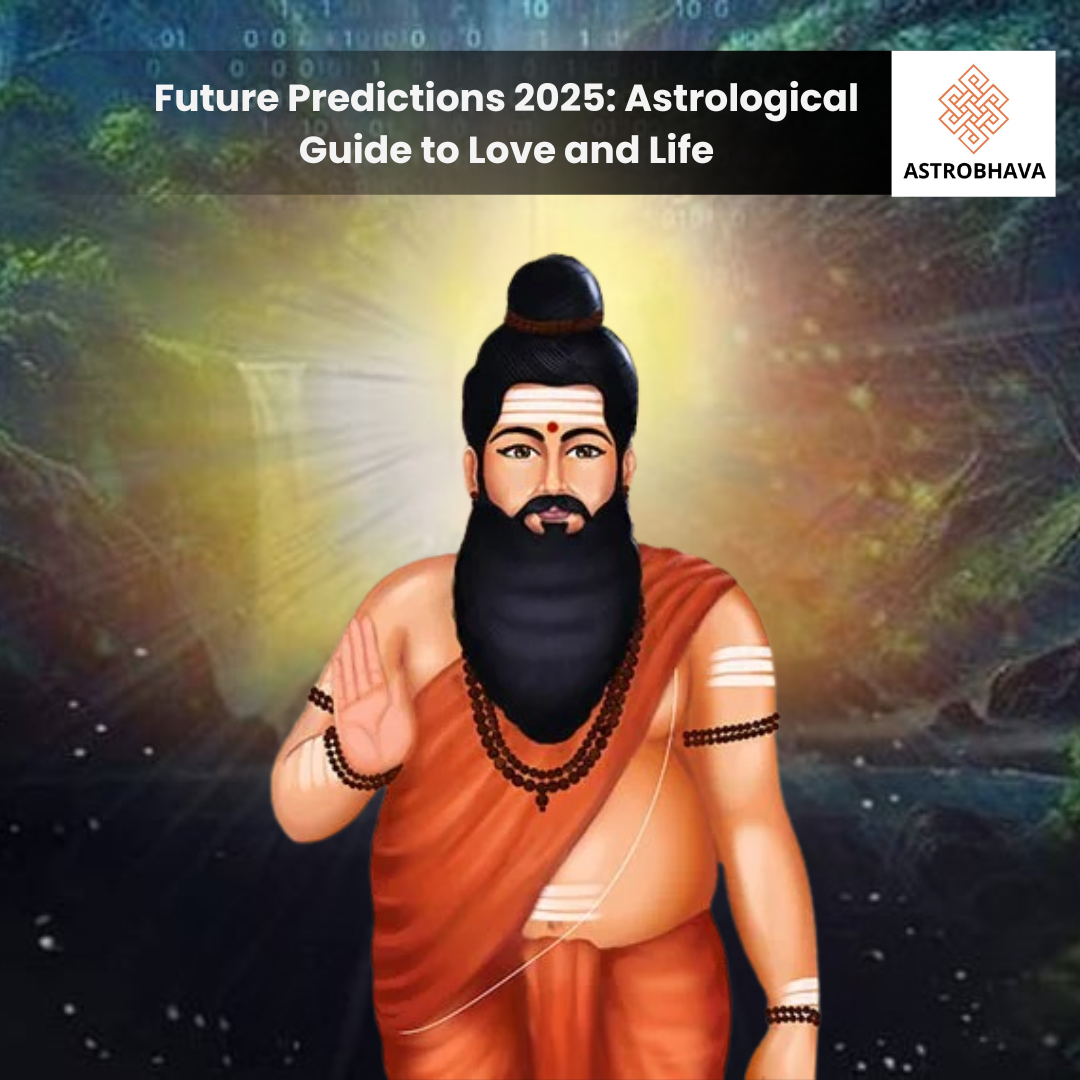
Nadi Astrology traces its origins to the Tamil Nadu region of India. It is believed that ancient sages, particularly Sage Agastya and others, inscribed these detailed records in Tamil on palm leaves thousands of years ago. These writings cover various aspects of human life, including career, health, relationships, and spirituality.
Key Features of Nadi Astrology
- Pre-Written Destiny
- The palm leaves are believed to correspond to individuals based on their thumbprint patterns. Each thumbprint pattern is associated with a specific set of leaves.
- The leaves reveal details about past lives, present situations, and future events.
- Thumb Impression Identification
- A person seeking a Nadi reading provides their thumb impression, which helps identify their unique leaf.
- Male seekers provide the right thumb impression, while female seekers provide the left thumb impression.
- Comprehensive Life Details
Nadi leaves typically provide future predictions in a structured format:- Kandams (Chapters): Each chapter focuses on a specific area of life, such as career, marriage, or spiritual growth.
- Common chapters include:
- General overview of life.
- Education and wealth.
- Siblings and family life.
- Marital prospects.
- Health and longevity.
- Spiritual path.
- Past, Present, and Future
- Nadi Astrology emphasizes karmic influences and past life actions that shape the current and future path.
- Remedies for unfavorable future predictions, such as rituals or prayers, are also often suggested.
Benefits of Nadi Astrology
- Clarity on Life Path: Provides detailed guidance on career, relationships, and health.
- Spiritual Growth: Emphasizes the importance of karmic actions and spiritual practices.
- Solutions to Challenges: Offers remedies to mitigate the effects of negative karma.
- Connection to Tradition: It bridges the individual with ancient wisdom, fostering a sense of cultural and spiritual belonging.
Is Nadi Astrology Accurate?
Nadi Astrology is based on faith and belief, and its accuracy varies for individuals. Many report startlingly accurate readings, while others view it as generalized predictions. The experience often depends on the authenticity and expertise of the astrologer or center.
How to Get a Nadi Reading
- Find a Reputable Nadi Center: Many authentic Nadi astrology centers exist in Tamil Nadu, such as in Vaitheeswaran Koil.
- Provide Thumb Impression: The astrologer uses this to identify your leaf.
- Listen to the Reading: The astrologer translates the content of the leaf, often offering remedies or insights.
Planetary Influence on Career Growth and Success
The concept of planetary influence on career growth and success is rooted in astrology, which suggests that celestial bodies and their movements affect human life and opportunities. In this framework, the positions of planets at the time of birth (natal chart) and their ongoing transits are believed to shape career-related traits, decisions, and outcomes.

Key Planetary Influences on Career:
- Sun (Self-expression and Authority)
- Represents leadership, ambition, and recognition.
- A strong Sun in your natal chart may indicate a successful career in leadership roles, politics, or positions of authority.
- Moon (Emotions and Intuition)
- Governs emotional intelligence and adaptability.
- A well-placed Moon supports careers requiring nurturing qualities, such as healthcare, counseling, or public relations.
- Mercury (Communication and Intellect)
- Symbolizes intellect, communication, and analytical skills.
- Favorable Mercury enhances success in fields like writing, teaching, marketing, or technology.
- Venus (Creativity and Harmony)
- Governs artistic abilities, aesthetics, and interpersonal relationships.
- A strong Venus suits careers in arts, design, fashion, hospitality, and diplomacy.
- Mars (Action and Drive)
- Represents energy, ambition, and determination.
- A well-positioned Mars supports success in physically demanding careers like sports, defense, or entrepreneurship.
- Jupiter (Growth and Prosperity)
- Symbolizes luck, wisdom, and expansion.
- A strong Jupiter often leads to growth in teaching, law, finance, and spiritual or advisory roles.
- Saturn (Discipline and Structure)
- Associated with hard work, perseverance, and responsibility.
- Saturn’s influence supports careers in management, law enforcement, architecture, or research, often requiring patience and effort for success.
- Rahu (Ambition and Innovation)
- Represents unconventional thinking, material desires, and ambition.
- A strong Rahu can lead to breakthroughs in technology, politics, or fields involving innovation and risk.
- Ketu (Detachment and Spirituality)
- Governs spiritual growth and unconventional careers.
- Positive Ketu influence may guide toward careers in research, spirituality, or philanthropy.
Astrological Techniques for Career Insights:
- 10th House Analysis (House of Career)
The 10th house in the natal chart, its ruling planet, and any planets positioned there play a crucial role in determining career direction and success. - Ascendant and Its Ruler
The Ascendant (Lagna) defines overall personality and approach to work. Its ruler and aspects offer additional career insights. - Dasha and Transits
Planetary periods (Dashas) and transits indicate career growth phases, opportunities, and challenges. - Navamsa and D-10 Charts
In Vedic astrology, divisional charts like Navamsa (D-9) and Dashamsa (D-10) provide deeper insights into professional life.
Love and Relationships: What 2025 Holds for Your Heart
The year 2025 promises dynamic shifts in love and relationships, influenced by celestial alignments and changing energies. Whether you’re single, in a committed relationship, or navigating a complex connection, the stars may offer insights into what lies ahead for your heart.
Astrological Highlights for Love in 2025
- Venus Retrograde (June 6 – October 10)
- Venus, the planet of love and harmony, retrogrades in Leo, urging introspection in romantic matters.
- Existing relationships may face challenges, with opportunities for growth and reconciliation if communication is prioritized.
- Singles may feel drawn to past connections or reconsider what they truly value in a partner.
- Eclipses in Libra and Aries
- Solar and lunar eclipses in the relationship-oriented sign of Libra (April 8) and the independent Aries (October 2) bring turning points in love.
- Libra’s influence emphasizes balance, harmony, and mutual respect in relationships. Aries encourages independence and self-love, urging individuals to prioritize their needs.
- Jupiter in Taurus (Continues Until May 2025)
- Jupiter expands Taurus’s themes of sensuality, loyalty, and stability.
- Couples may feel more inclined toward commitment and building secure foundations, while singles may find lasting connections.
- Mars Transit through Passionate Signs
- Mars in Scorpio (January – March) intensifies passion and desire, but also jealousy or possessiveness. Open communication is essential.
- Later, Mars in Capricorn (November – December) promotes steady and mature efforts in relationships.
2025 Predictions for Each Relationship Status
Future Predictions For Singles
- Opportunities for Love: Jupiter in Taurus makes this an excellent year for finding meaningful relationships, especially for those seeking stability.
- Challenges: Venus retrograde may slow down new connections or bring ex-partners back into your life, offering a chance for closure or rekindling.
- Advice: Be patient and focus on personal growth during retrograde periods. Love will align when the time is right.
Future Predictions For Committed Couples
- Strengthening Bonds: The eclipses in Libra encourage resolving conflicts and finding mutual understanding.
- Challenges: Retrograde Venus could trigger misunderstandings or old issues resurfacing.
- Advice: Invest time in communication and reconnecting on a deeper emotional level.
Future Predictions For Complicated Relationships
- Clarity Ahead: The eclipses bring revelations, helping you decide whether to move forward or part ways.
- Challenges: Emotional intensity during Mars in Scorpio could lead to conflicts if feelings are suppressed.
- Advice: Seek honest conversations and introspection to make decisions in alignment with your long-term happiness.
Tips to Navigate Love in 2025
- Practice Patience: Retrograde periods are for reflection, not hasty decisions.
- Prioritize Self-Love: Aries eclipses emphasize the importance of self-worth and independence.
- Communicate Openly: Misunderstandings can be resolved with honest and empathetic dialogue.
- Embrace Change: Eclipses signal endings and beginnings; let go of what no longer serves you.
Future Horoscope: What the Stars Say for 2025
The year 2025 brings significant celestial shifts that will impact all zodiac signs, offering opportunities for growth, transformation, and success. Here’s a detailed overview of what the stars predict for each sign, with insights into career, love, health, and personal development.

Key Astrological Events in 2025
- Jupiter in Taurus (Until May 2025)
- Brings stability, prosperity, and growth in financial and personal areas.
- Encourages practical decision-making and long-term planning.
- Saturn in Pisces (Throughout 2025)
- Promotes spiritual awakening, creativity, and emotional resilience.
- Helps us let go of illusions and focus on inner truths.
- Venus Retrograde (June 6 – October 10)
- Highlights love, relationships, and self-worth, particularly in Leo.
- Encourages reassessment of partnerships and financial priorities.
- Eclipses in Libra and Aries
- Solar Eclipse in Libra (April 8): Focuses on partnerships, diplomacy, and balance.
- Lunar Eclipse in Aries (October 2): Brings independence, self-assertion, and courage.
- Pluto in Aquarius (November 19 Onward)
- Marks societal and technological transformation, emphasizing collective progress and innovation.
Zodiac based Future Predictions for 2025
Aries (March 21 – April 19)
- Career: The eclipses highlight leadership opportunities but may demand bold decisions.
- Love: Venus retrograde encourages self-reflection in relationships. Prioritize communication.
- Health: Focus on mental well-being and avoid impulsive behavior.
- Advice: Embrace independence but remain open to collaboration.
Taurus (April 20 – May 20)
- Career: Jupiter boosts financial growth and recognition. Great year for investments.
- Love: Relationships deepen, but set healthy boundaries during Venus retrograde.
- Health: Focus on physical fitness and a balanced diet.
- Advice: Stay grounded and trust your instincts.
Gemini (May 21 – June 20)
- Career: Networking opens doors; be adaptable to sudden changes.
- Love: Relationships may face communication hurdles; clarify your needs.
- Health: Guard against stress and prioritize mindfulness.
- Advice: Stay curious and embrace learning opportunities.
Cancer (June 21 – July 22)
- Career: Saturn supports creative endeavors and long-term goals.
- Love: Venus retrograde stirs emotions; nurture your inner self.
- Health: Pay attention to emotional health; seek balance.
- Advice: Focus on home and family connections.
Leo (July 23 – August 22)
- Career: Big breakthroughs are possible, especially in leadership roles.
- Love: Venus retrograde in Leo brings challenges but also clarity in love.
- Health: Avoid overexertion; practice relaxation techniques.
- Advice: Shine confidently but remain humble.
Virgo (August 23 – September 22)
- Career: Saturn enhances discipline, making this a productive year.
- Love: Practicality prevails; avoid over-analyzing relationships.
- Health: Build a routine to support both mind and body.
- Advice: Embrace simplicity and focus on personal growth.
Libra (September 23 – October 22)
- Career: Eclipses bring career shifts; stay flexible.
- Love: Focus on balance and fairness in relationships.
- Health: Maintain equilibrium through yoga or meditation.
- Advice: Seek harmony and let go of indecision.
Scorpio (October 23 – November 21)
- Career: Mars energy drives ambition; take calculated risks.
- Love: Deep connections are possible, but guard against possessiveness.
- Health: Avoid burnout by pacing yourself.
- Advice: Harness your inner power for transformation.
Sagittarius (November 22 – December 21)
- Career: Jupiter inspires exploration and new opportunities.
- Love: Adventure enhances relationships; stay honest with your feelings.
- Health: Focus on outdoor activities to maintain energy levels.
- Advice: Pursue passions but remain practical.
Capricorn (December 22 – January 19)
- Career: Saturn rewards hard work; focus on leadership roles.
- Love: Be patient during Venus retrograde; avoid rushing decisions.
- Health: Balance work and relaxation to stay healthy.
- Advice: Set realistic goals and take steady steps forward.
Aquarius (January 20 – February 18)
- Career: Pluto’s influence drives innovation; explore new ideas.
- Love: Friendships may turn into love; stay open to possibilities.
- Health: Manage stress through creative outlets.
- Advice: Lead with vision but remain grounded.
Pisces (February 19 – March 20)
- Career: Saturn fosters discipline; stay consistent in your efforts.
- Love: Relationships deepen; trust your intuition.
- Health: Prioritize mental and spiritual health.
- Advice: Let go of illusions and embrace authenticity.
General Tips for 2025
- Embrace Change: The year brings transformation; adapt and evolve.
- Practice Patience: Retrogrades and eclipses encourage reflection, not impulsive decisions.
- Invest in Growth: Use Jupiter’s influence to focus on personal and financial growth.
- Stay Connected: Balance independence with nurturing relationships.
Shiv puja is beneficial for removing all the negative energies- Book Now!
2025 – A Year of Transformation and Balance
The astrological alignments of 2025 offer a dynamic interplay of opportunities and challenges across all areas of life, promising growth, self-discovery, and transformation. With celestial influences shaping love, career, health, and personal development, this year calls for a mindful approach to decision-making and emotional resilience.
Themes for 2025
- Stability and Growth: Jupiter in Taurus emphasizes building secure foundations in both financial and personal matters, encouraging a practical and steady approach to achieving long-term goals.
- Emotional and Spiritual Awakening: Saturn in Pisces highlights the need for emotional healing, spiritual exploration, and breaking free from illusions, guiding individuals to embrace their authentic selves.
- Reassessment in Love: Venus retrograde, along with eclipses in Libra and Aries, pushes individuals to reevaluate relationships, fostering clarity, and balance. Challenges may arise, but they pave the way for deeper connections and self-awareness.
- Embracing Change: Pluto’s transition into Aquarius signals societal and personal transformations, urging innovation, collective progress, and a shift toward more inclusive and futuristic values.
Impact on Individuals
For every zodiac sign, 2025 presents a unique combination of opportunities to harness and challenges to overcome:
- Fire Signs (Aries, Leo, Sagittarius): Dynamic shifts in leadership roles, personal empowerment, and adventure mark the year, provided they balance independence with collaboration.
- Earth Signs (Taurus, Virgo, Capricorn): Grounded growth, financial prosperity, and disciplined efforts pay off, particularly in careers and personal achievements.
- Air Signs (Gemini, Libra, Aquarius): Communication, innovation, and relationships play a central role, with a focus on adaptability and forward-thinking.
- Water Signs (Cancer, Scorpio, Pisces): Emotional depth, spiritual insights, and transformative experiences dominate, fostering profound personal growth.
Guidance for Navigating 2025
- Practice Patience: Retrogrades and eclipses remind us to pause, reflect, and avoid impulsive decisions during periods of uncertainty.
- Invest in Relationships: Whether it’s deepening existing bonds or finding new connections, prioritize honesty, empathy, and clear communication.
- Embrace Self-Discovery: The spiritual influences of Saturn and Pluto invite introspection, encouraging us to align our actions with our core values.
- Adapt to Change: With societal and personal transformations on the horizon, flexibility and openness to new ideas will be key to thriving in 2025.
A Year of Opportunity
While 2025’s astrological influences may present challenges, they also offer invaluable opportunities for growth and success. By aligning with the energies of the cosmos and focusing on self-improvement, individuals can turn these challenges into stepping stones for a brighter future. Trust the process, embrace change, and let the stars guide you toward your destiny.
Unlock the secrets of your future with AstroBhava, your trusted partner in astrological guidance. Whether you’re seeking clarity in love, career, or finances, our experts offer personalized insights tailored to your needs. Through services like Nadi astrology, horoscope analysis, and tailored remedies, we help you align with cosmic energies and achieve your goals. Visit AstroBhava today to begin your journey toward a brighter, more fulfilling journey with future predictions insight.
FAQs About Future Predictions
1. How accurate are future predictions through astrology?
A- Astrology provides a roadmap based on planetary influences, offering guidance rather than definitive outcomes.
2. What makes Nadi astrology unique?
A- Nadi astrology uses thumb impressions to provide highly personalized insights, often with detailed predictions about specific life events.
3. Can astrology help resolve financial issues?
A- Yes, astrological remedies and guidance can help in managing debts and planning for financial stability.
4. How can I use astrology to improve my relationships?
A- By understanding planetary influences, you can address compatibility issues and enhance communication in relationships.
5. Is astrology useful for career planning?
A- Absolutely. Astrology can help identify your strengths and the best periods for professional growth.
6. Where can I get accurate Nadi astrology readings?
A- Reliable services like AstroBhava offer expert Nadi astrology consultations to provide clarity and direction in your life.