Tithi calendar — the days families keep.
A tithi is a lunar day, and the observances that matter most in Hindu practice fall on particular ones. Ekadashi, Pradosham, Sankashti, Amavasya, Pournami and Ashtami all recur every lunar month, and the dates shift each time. Here they are for the months ahead, with what each is for.
A tithi is not a day, which is why dates move. It is the time the Moon takes to gain twelve degrees on the Sun — between about nineteen and twenty-six hours — so it rarely aligns with sunrise, and an observance is kept on the day the tithi is running at the relevant hour. How the dates are fixed →
Tithi today
Ashburn, Virginia, United States
 Next observance
Pradosham
Wed 7 Oct · sunset 6:39 PM
Trayodashi at local sunset. Shiva worship and abhishekam are performed during the evening pradosha period.
Rudra Homa →Ekadashi convention shown: Smarta — the Ekadashi tithi present at local sunrise. Vaishnava dates can deliberately differ by one day.
Every day’s tithi, October–November 2026
The tithi present at local sunrise in Ashburn, Virginia, United States names the day. Tap a date to see when its tithi ends and what the day is kept for.
October 2026
November 2026
Show every date as a list
| Date | Tithi at sunrise | Ends | Observance |
|---|---|---|---|
| Wed 7 Octtoday | Krishna Dwadashi | 1:47 PM | Pradosham |
| Thu 8 Oct | Krishna Trayodashi | 12:47 PM | |
| Fri 9 Oct | Krishna Chaturdashi | 12:06 PM | |
| Sat 10 Oct | Krishna Amavasya | 11:50 AM | Amavasya |
| Sun 11 Oct | Shukla Pratipada | 12:02 PM | |
| Mon 12 Oct | Shukla Dwitiya | 12:44 PM | |
| Tue 13 Oct | Shukla Tritiya | 1:58 PM | |
| Wed 14 Oct | Shukla Chaturthi | 3:44 PM | Vinayaka Chaturthi |
| Thu 15 Oct | Shukla Panchami | 5:56 PM | Shashti |
| Fri 16 Oct | Shukla Shashthi | 8:25 PM | |
| Sat 17 Oct | Shukla Saptami | 10:59 PM | |
| Sun 18 Oct | Shukla Ashtami | 1:22 AMnext day | Ashtami |
| Mon 19 Oct | Shukla Navami | 3:21 AMnext day | |
| Tue 20 Oct | Shukla Dashami | 4:43 AMnext day | |
| Wed 21 Oct | Shukla Ekadashi | 5:19 AMnext day | Ekadashi |
| Thu 22 Oct | Shukla Dwadashi | 5:07 AMnext day | |
| Fri 23 Oct | Shukla Trayodashi | 4:08 AMnext day | Pradosham |
| Sat 24 Oct | Shukla Chaturdashi | 2:27 AMnext day | |
| Sun 25 Oct | Shukla Pournami | 12:12 AMnext day | Pournami |
| Mon 26 Oct | Krishna Pratipada | 9:32 PM | |
| Tue 27 Oct | Krishna Dwitiya | 6:37 PM | |
| Wed 28 Oct | Krishna Tritiya | 3:37 PM | Sankashti |
| Thu 29 Oct | Krishna Chaturthi | 12:41 PM | |
| Fri 30 Oct | Krishna Panchami | 9:56 AM | |
| Sat 31 Oct | Krishna SaptamiShashthi skipped | 4:22 AMnext day | |
| Sun 1 Nov | Krishna Ashtami | 2:41 AMnext day | Ashtami |
| Mon 2 Nov | Krishna Navami | 1:25 AMnext day | |
| Tue 3 Nov | Krishna Dashami | 12:34 AMnext day | |
| Wed 4 Nov | Krishna Ekadashi | 12:06 AMnext day | Ekadashi |
| Thu 5 Nov | Krishna Dwadashi | 12:01 AMnext day | |
| Fri 6 Nov | Krishna Trayodashi | 12:19 AMnext day | Pradosham |
| Sat 7 Nov | Krishna Chaturdashi | 12:59 AMnext day | |
| Sun 8 Nov | Krishna Amavasya | 2:02 AMnext day | Amavasya |
| Mon 9 Nov | Shukla Pratipada | 3:31 AMnext day | |
| Tue 10 Nov | Shukla Dwitiya | 5:24 AMnext day | |
| Wed 11 Nov | Shukla Tritiya | 7:40 AMnext day | |
| Thu 12 Nov | Shukla Tritiyasecond sunrise of this tithi | 7:40 AM | |
| Fri 13 Nov | Shukla Chaturthi | 10:13 AM | Vinayaka Chaturthi |
| Sat 14 Nov | Shukla Panchami | 12:55 PM | Shashti |
| Sun 15 Nov | Shukla Shashthi | 3:32 PM | |
| Mon 16 Nov | Shukla Saptami | 5:50 PM | |
| Tue 17 Nov | Shukla Ashtami | 7:36 PM | Ashtami |
| Wed 18 Nov | Shukla Navami | 8:37 PM | |
| Thu 19 Nov | Shukla Dashami | 8:46 PM | |
| Fri 20 Nov | Shukla Ekadashi | 8:02 PM | Ekadashi |
| Sat 21 Nov | Shukla Dwadashi | 6:27 PM | Pradosham |
| Sun 22 Nov | Shukla Trayodashi | 4:08 PM | |
| Mon 23 Nov | Shukla Chaturdashi | 1:13 PM | |
| Tue 24 Nov | Shukla Pournami | 9:54 AM | Pournami |
| Wed 25 Nov | Krishna DwitiyaPratipada skipped | 2:46 AMnext day | |
| Thu 26 Nov | Krishna Tritiya | 11:19 PM | |
| Fri 27 Nov | Krishna Chaturthi | 8:10 PM | Sankashti |
| Sat 28 Nov | Krishna Panchami | 5:28 PM | |
| Sun 29 Nov | Krishna Shashthi | 3:17 PM | Shashti |
| Mon 30 Nov | Krishna Saptami | 1:42 PM | Ashtami |
October–November 2026 for Ashburn, Virginia, United States
Every calculated observance in the two-month window is shown below—not only the first five—with its governing reference moment and practical observance guidance.
| Date | Observance | Timing | What the date is for |
|---|---|---|---|
| Wednesday 7 October 2026 | PradoshamKrishna Trayodashi |
sunset 6:39 PM | Trayodashi at local sunset. Shiva worship and abhishekam are performed during the evening pradosha period.Rudra Homa → |
| Saturday 10 October 2026 |  AmavasyaKrishna Amavasya |
new moon 11:50 AM | The new moon, traditionally kept for tarpanam and shraddha for the departed.Pitra Dosha Nivaran Homa → |
| Wednesday 14 October 2026 |  Vinayaka ChaturthiShukla Chaturthi |
tithi until 3:44 PM | Worship of Ganapathi. The Bhadrapada observance is the great annual festival.Ganapathi Homa → |
| Thursday 15 October 2026 | 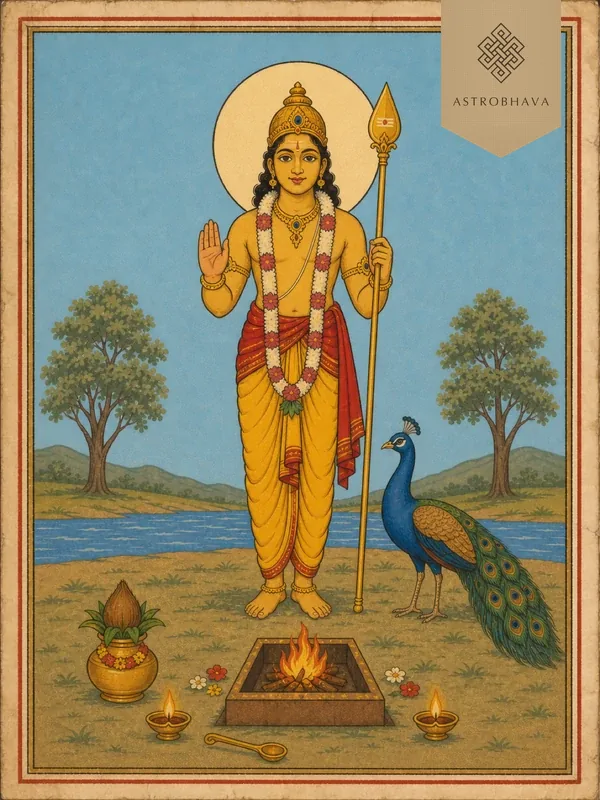 ShashtiShukla Shashthi |
from 5:56 PM to 8:25 PM (next day) | Kept especially in Tamil Nadu; Skanda Shashti in Aippasi is the major annual observance.Subramanya Homa → |
| Sunday 18 October 2026 | 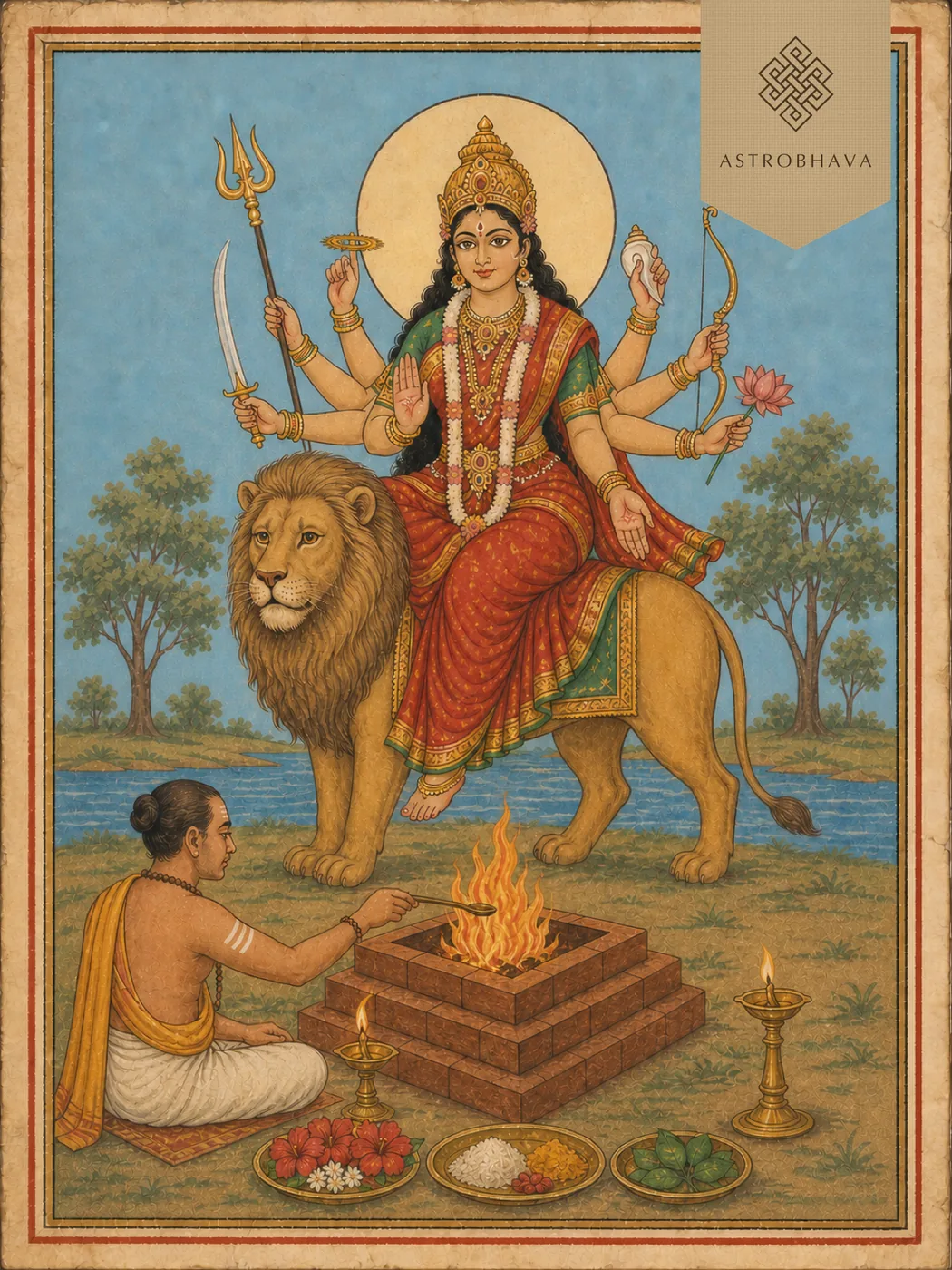 AshtamiShukla Ashtami |
tithi until 1:22 AM (next day) | The waxing eighth is observed for Durga worship.Durga Homa → |
| Wednesday 21 October 2026 | 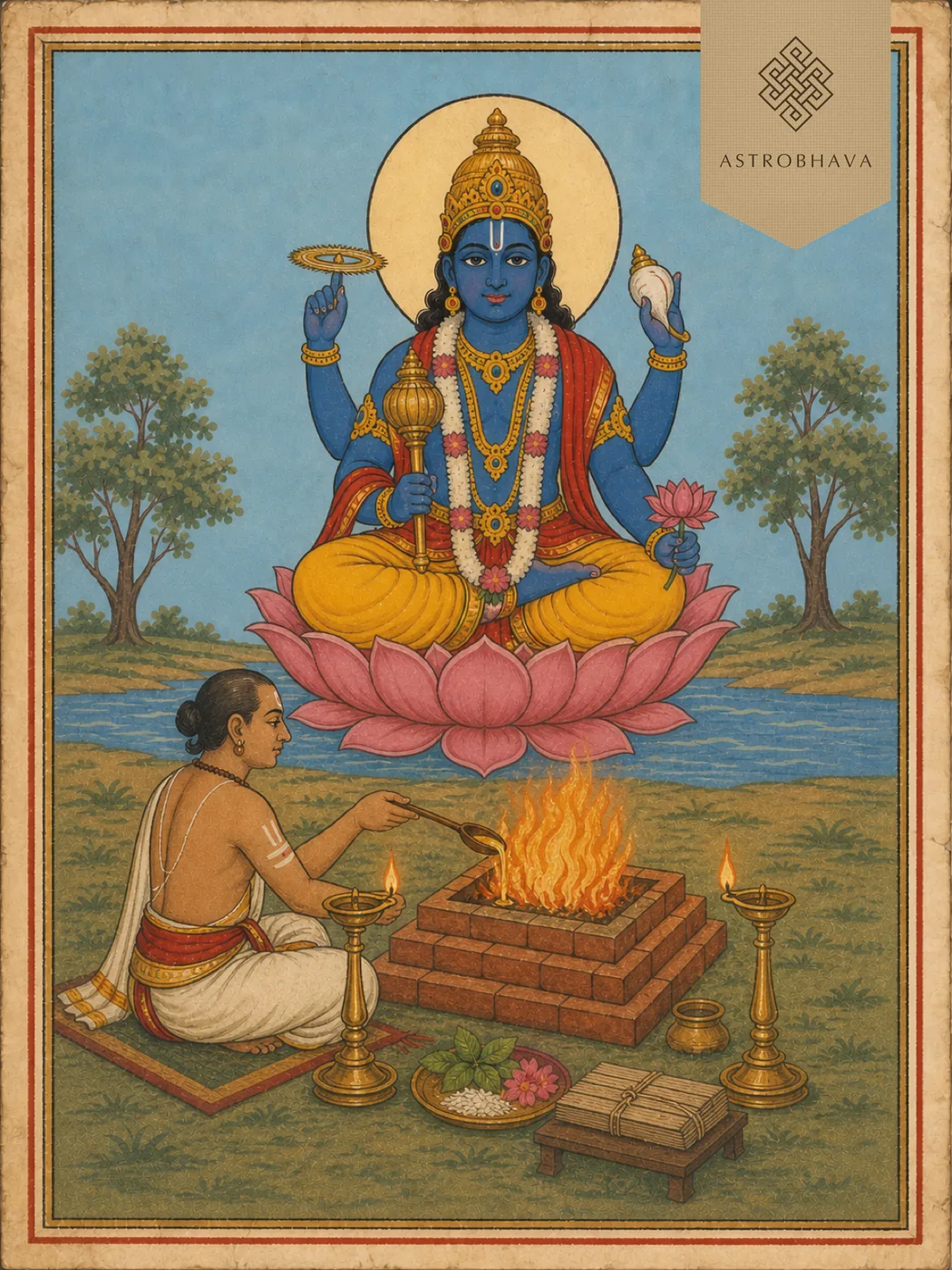 EkadashiShukla Ekadashi |
tithi until 5:19 AM (next day) | The eleventh tithi. The date shown follows the Smarta convention: Ekadashi is present at local sunrise.Narayana Sukta Homa → |
| Friday 23 October 2026 | PradoshamShukla Trayodashi |
sunset 6:16 PM | Trayodashi at local sunset. Shiva worship and abhishekam are performed during the evening pradosha period.Rudra Homa → |
| Sunday 25 October 2026 | 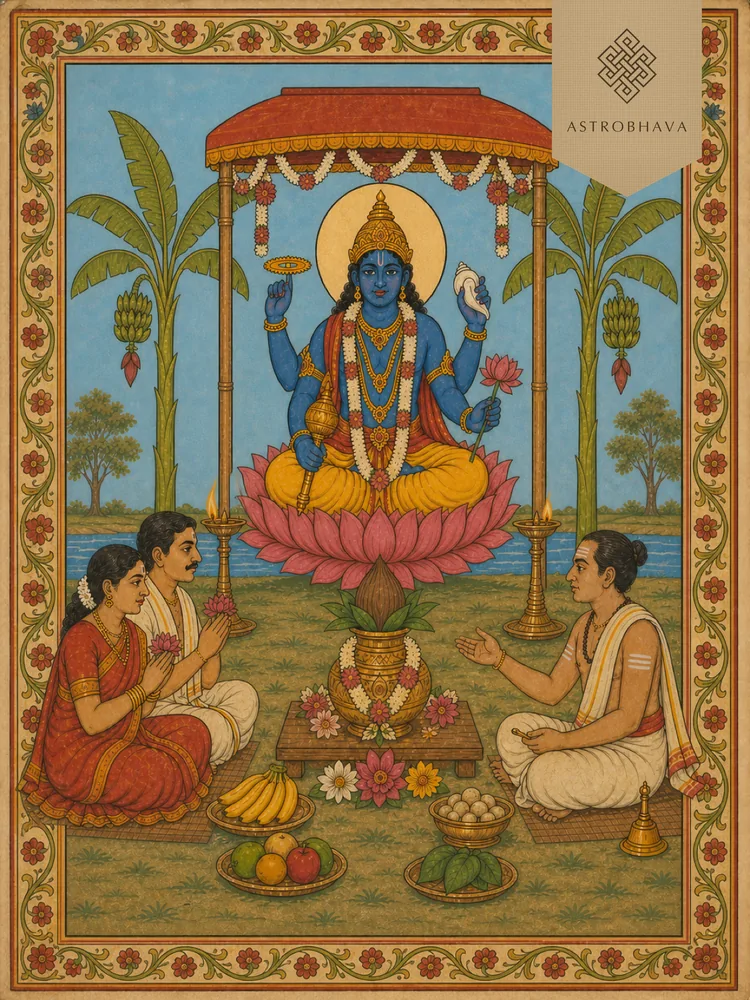 PournamiShukla Pournami |
full moon 12:12 AM (next day) | The full moon. Satyanarayana Puja is performed, and it is among the most auspicious days of the month for worship.Satyanarayana Puja → |
| Wednesday 28 October 2026 | 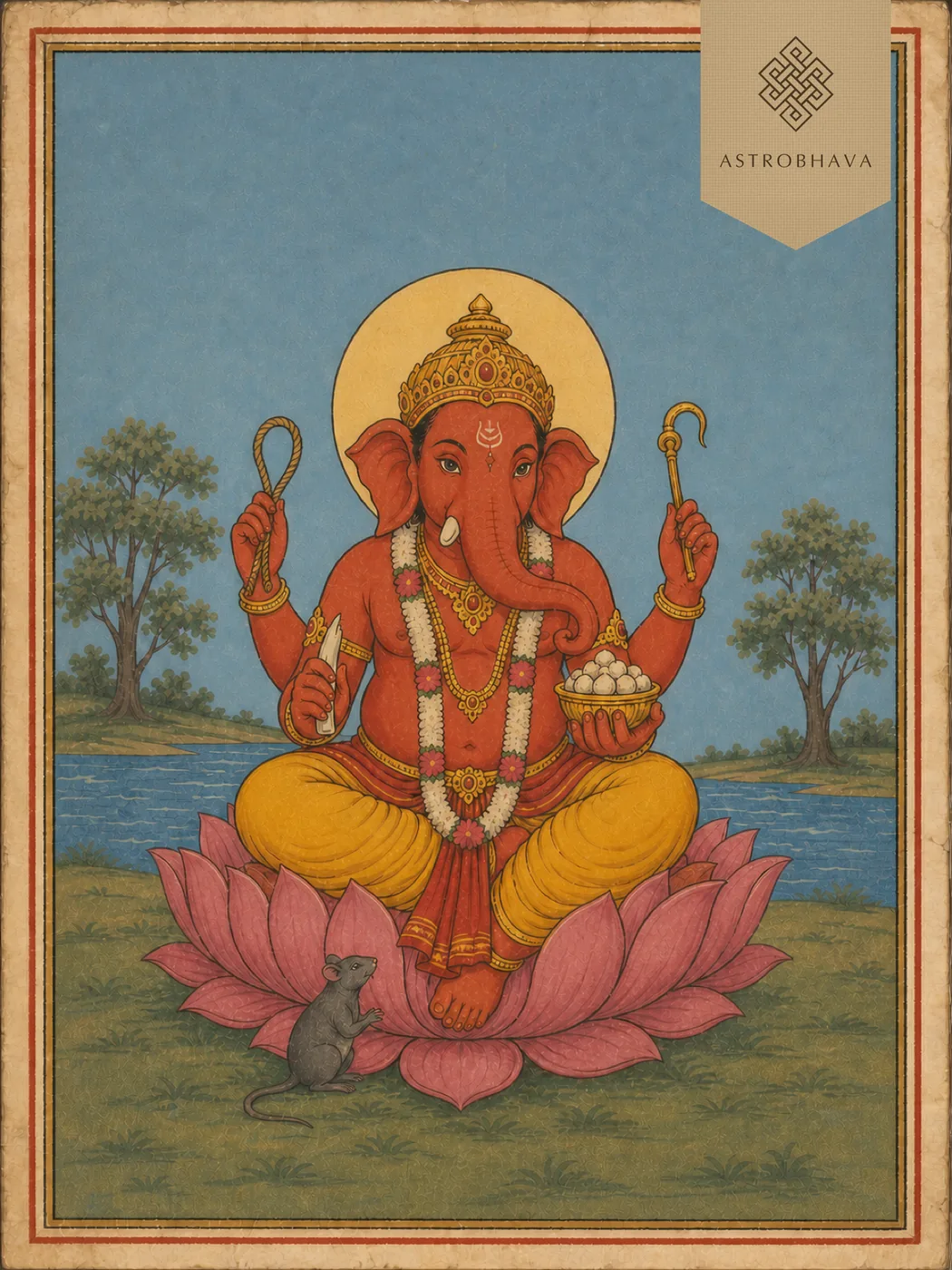 SankashtiKrishna Chaturthi |
moonrise 8:14 PM | The waning fourth at local moonrise. The fast is broken at moonrise, not at sunset.Sankata Hara Ganesha Homa → |
| Sunday 1 November 2026 | 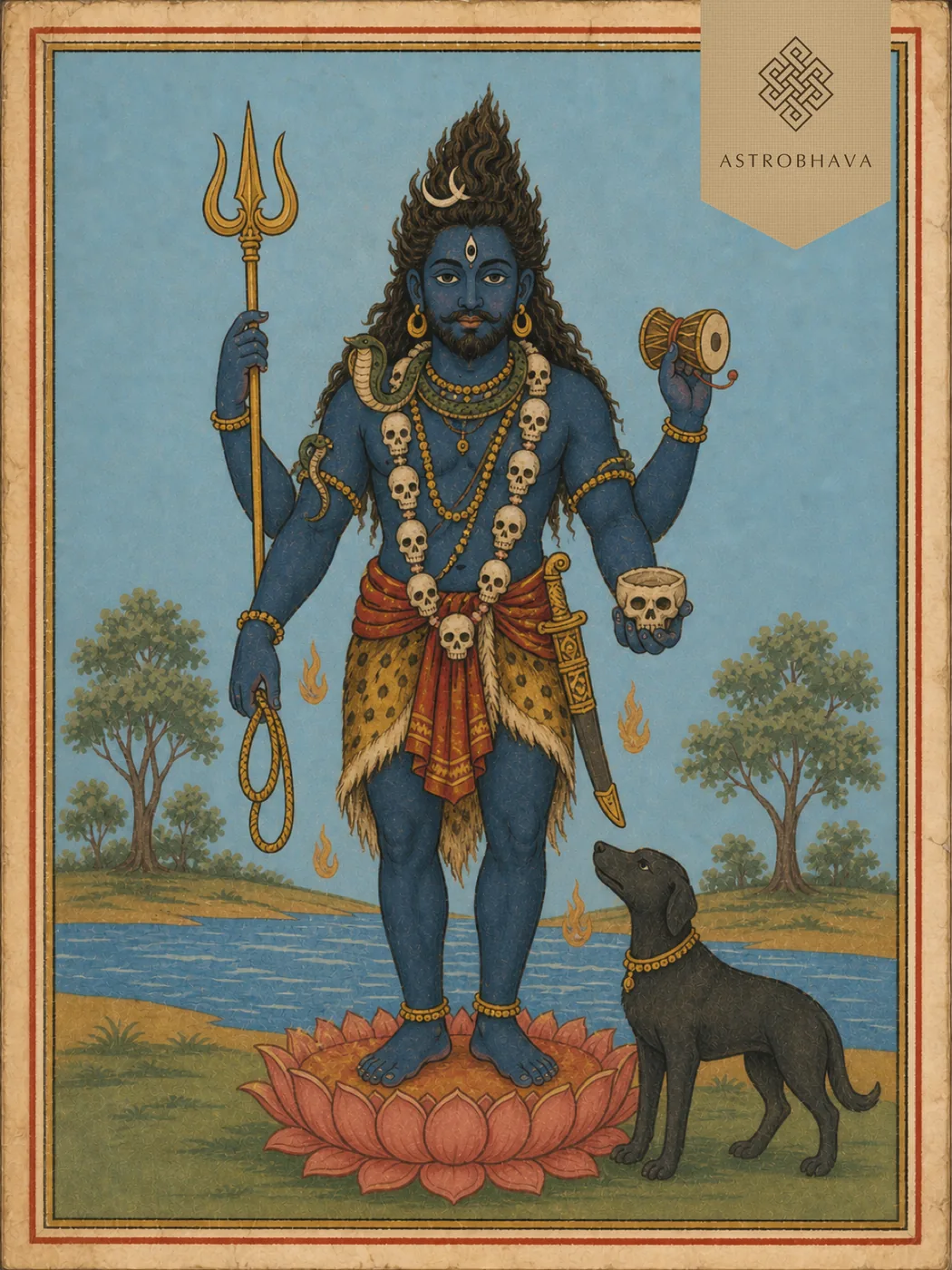 AshtamiKrishna Ashtami |
tithi until 2:41 AM (next day) | Krishna Ashtami is the traditional monthly day for Kala Bhairava rites.Kala Bhairava Homa → |
| Wednesday 4 November 2026 | EkadashiKrishna Ekadashi |
tithi until 12:06 AM (next day) | The eleventh tithi. The date shown follows the Smarta convention: Ekadashi is present at local sunrise.Narayana Sukta Homa → |
| Friday 6 November 2026 | PradoshamKrishna Trayodashi |
sunset 4:59 PM | Trayodashi at local sunset. Shiva worship and abhishekam are performed during the evening pradosha period.Rudra Homa → |
| Sunday 8 November 2026 | AmavasyaKrishna Amavasya |
new moon 2:02 AM (next day) | The new moon, traditionally kept for tarpanam and shraddha for the departed.Pitra Dosha Nivaran Homa → |
| Friday 13 November 2026 | Vinayaka ChaturthiShukla Chaturthi |
tithi until 10:13 AM | Worship of Ganapathi. The Bhadrapada observance is the great annual festival.Ganapathi Homa → |
| Saturday 14 November 2026 | ShashtiShukla Shashthi |
from 12:55 PM to 3:32 PM (next day) | Kept especially in Tamil Nadu; Skanda Shashti in Aippasi is the major annual observance.Subramanya Homa → |
| Tuesday 17 November 2026 | AshtamiShukla Ashtami |
tithi until 7:36 PM | The waxing eighth is observed for Durga worship.Durga Homa → |
| Friday 20 November 2026 | EkadashiShukla Ekadashi |
tithi until 8:02 PM | The eleventh tithi. The date shown follows the Smarta convention: Ekadashi is present at local sunrise.Narayana Sukta Homa → |
| Saturday 21 November 2026 | PradoshamShukla Trayodashi |
sunset 4:47 PM | Trayodashi at local sunset. Shiva worship and abhishekam are performed during the evening pradosha period.Rudra Homa → |
| Tuesday 24 November 2026 | PournamiShukla Pournami |
full moon 9:54 AM | The full moon. Satyanarayana Puja is performed, and it is among the most auspicious days of the month for worship.Satyanarayana Puja → |
| Friday 27 November 2026 | SankashtiKrishna Chaturthi |
moonrise 8:11 PM | The waning fourth at local moonrise. The fast is broken at moonrise, not at sunset.Sankata Hara Ganesha Homa → |
| Sunday 29 November 2026 | ShashtiKrishna Shashthi |
tithi until 3:17 PM | Kept especially in Tamil Nadu; Skanda Shashti in Aippasi is the major annual observance.Subramanya Homa → |
| Monday 30 November 2026 | AshtamiKrishna Ashtami |
from 1:42 PM to 12:45 PM (next day) | Krishna Ashtami is the traditional monthly day for Kala Bhairava rites.Kala Bhairava Homa → |
Which tithi, and what is kept on it
Each recurs every lunar month — most twice, since the waxing and waning halves both carry the same tithi numbers.
| Observance | Tithi | Deity | How often | What is done |
|---|---|---|---|---|
| Ekadashi | 11th | Vishnu | Twice a month | Fasting from grains, kept from sunrise to the following morning. The most widely observed of all |
| Pradosham | 13th | Shiva | Twice a month | Evening worship in the hour and a half before and after sunset. Abhishekam at Shiva temples |
| Sankashti Chaturthi | 4th — waning | Ganapathi | Monthly | Fast broken at moonrise, not sunset. For the removal of obstacles |
| Vinayaka Chaturthi | 4th — waxing | Ganapathi | Monthly | Worship of Ganapathi. The Bhadrapada one is the great annual festival |
| Amavasya | 30th — new moon | Ancestors | Monthly | Tarpanam and shraddha for the departed. Also the day for Pratyangira and Kali rites |
| Pournami | 15th — full moon | Varies | Monthly | Satyanarayana Puja. Among the most auspicious days for worship of any kind |
| Ashtami | 8th | Durga, Bhairava | Twice a month | Krishna Ashtami is the traditional day for Kala Bhairava rites |
| Shashti | 6th | Murugan | Twice a month | Kept especially in Tamil Nadu. Skanda Shashti in Aippasi is the major observance |
Sankashti is the one people most often get wrong. Unlike every other fast here, it is broken at moonrise rather than at sunset — and moonrise on a waning fourth is late, often after nine in the evening. It also varies by city more than any other timing on this page, so a date alone is not enough.
Sat 31 Oct: Shashthi began and ended between two local sunrises, so no day is named after it (kshaya tithi).
Thu 12 Nov: Shukla Tritiya spans two local sunrises (vriddhi tithi).
Wed 25 Nov: Pratipada began and ended between two local sunrises, so no day is named after it (kshaya tithi).
How a tithi is fixed to a calendar date
A tithi is a distance, not a duration
It is the time the Moon takes to gain twelve degrees on the Sun. Because both move at varying apparent speeds, a tithi runs anywhere between about nineteen and twenty-six hours — never a neat twenty-four.
Thirty of them make a lunar month, which is why the lunar month drifts against the solar year and why festivals move by about eleven days each year.
Which day gets the tithi
The general rule is the tithi running at sunrise names the day. But observances have their own rules: Ekadashi is kept on the day the tithi covers sunrise, while Pradosham depends on the tithi running at sunset, and Sankashti on the tithi at moonrise.
This is why two observances can appear to fall on different days in different calendars — they are following different rules correctly.
Shukla and Krishna paksha
The lunar month divides into the waxing fortnight, shukla paksha, ending at the full moon, and the waning fortnight, krishna paksha, ending at the new moon. Tithis one to fifteen run in each.
So most tithis occur twice a month, and the two are read differently — Krishna Ashtami is the Bhairava day, while Shukla Ashtami is not.
Timezone changes the date
A tithi begins and ends at a precise moment worldwide, but which calendar date that falls on depends on where you are. An Ekadashi beginning at 2 AM in India may begin the previous afternoon in North America.
Families abroad usually keep the local date rather than the Indian one. Set your city above and the dates adjust.
The thirty tithis
Fifteen in each paksha. Several carry names and observances of their own; the rest are used mainly in muhurta.
| Tithi | Name | Group | Noted for |
|---|---|---|---|
| 1 | Pratipada | Nanda | Beginnings; the first day of a paksha |
| 2 | Dwitiya | Bhadra | Generally favourable for most undertakings |
| 3 | Tritiya | Jaya | Akshaya Tritiya in Vaikasi is the great one |
| 4 | Chaturthi | Rikta | Ganapathi. Sankashti in the waning half, Vinayaka in the waxing |
| 5 | Panchami | Purna | Saraswathi and the nagas. Vasant Panchami, Naga Panchami |
| 6 | Shashti | Nanda | Murugan. Skanda Shashti |
| 7 | Saptami | Bhadra | Surya. Ratha Saptami |
| 8 | Ashtami | Jaya | Durga and Bhairava. Krishna Ashtami for Kala Bhairava rites |
| 9 | Navami | Rikta | Durga. Rama Navami, Maha Navami |
| 10 | Dashami | Purna | Vijayadashami; favourable for beginnings |
| 11 | Ekadashi | Nanda | Vishnu. Fasting, twice each month |
| 12 | Dwadashi | Bhadra | The Ekadashi fast is broken during it — the parana |
| 13 | Trayodashi | Jaya | Shiva. Pradosham, twice each month |
| 14 | Chaturdashi | Rikta | Shiva. Masik Shivaratri in the waning half |
| 15 | Pournami / Amavasya | Purna | Full moon in shukla, new moon in krishna |
The Rikta tithis — 4th, 9th and 14th — are avoided for beginnings. The name means empty, and classical practice does not start journeys, businesses or auspicious undertakings on them. That they are also the days of Ganapathi, Durga and Shiva observances is not a contradiction: worship is not a beginning, and none of these restrictions apply to ritual.
When calendars disagree
Two panchangs can give different dates for the same observance, and both be right. Ekadashi is fixed by the tithi at sunrise, Pradosham by the tithi at sunset, Sankashti by the tithi at moonrise. Where a tithi begins or ends near one of those moments, the rule decides the day — and traditions weight the rules slightly differently.
Smarta and Vaishnava Ekadashi dates differ deliberately. Where the eleventh tithi is touched by the tenth at sunrise, Vaishnava practice defers the fast to the following day while Smarta practice does not. This is a settled difference of observance, not an error in either calendar.
Follow your family’s practice rather than a website. Where a date here differs from what your family or temple keeps, theirs is the one to follow — a calendar cannot know which tradition you belong to. If something matters and you are unsure, ask the priest who will perform it.
The rest of the calendar
Tithis are the lunar reckoning. These cover the solar months and the day itself.
Two calendars, running at once
Indian timekeeping runs on the Moon and the Sun together. The solar month begins when the Sun enters a new rashi, at Sankranti, and governs the Tamil and Malayalam calendars and the agricultural year. The lunar month is measured in tithis and governs almost every observance — Ekadashi, Pradosham, Amavasya, and the great festivals.
Because a lunar month is about twenty-nine and a half days and a solar year is not divisible by it, the two drift apart and are periodically reconciled by an intercalary month, adhika masa. This is why Diwali and Navratri move by a fortnight or more between years while Pongal barely moves at all: one is lunar, the other solar.
What follows from this practically is that observance dates cannot be memorised. They must be calculated each year, for each location — which is what a panchang has always been for, and what this page does.
About tithis
Most often the Smarta and Vaishnava difference. Where the eleventh tithi is touched by the tenth at sunrise, Vaishnava practice defers the fast by a day while Smarta practice does not — so the two traditions keep different dates deliberately. Follow your family’s or your temple’s practice; a calendar cannot know which tradition you belong to.
At moonrise, not at sunset — and this is the detail most often missed. Moonrise on a waning fourth is late, commonly after nine in the evening, and it varies by city more than any other timing here. Set your location above so the moonrise time is right for where you are.
Because most follow the lunar calendar. A lunar month is about twenty-nine and a half days, so twelve of them fall short of a solar year by roughly eleven days — which is why Diwali and Navratri shift each year, and why an extra month is inserted periodically to reconcile them. Solar observances such as Pongal barely move at all.
Yes, and both are normal. A tithi that begins and ends between two sunrises is skipped — kshaya tithi — and one that covers two sunrises is repeated, vriddhi tithi. Neither is inauspicious in itself; they are consequences of the tithi being between nineteen and twenty-six hours long while a day is twenty-four.
Most families keep the local date, since the observance rules depend on local sunrise, sunset and moonrise. A tithi begins at one moment worldwide but falls on different calendar dates by timezone. Set your city above and the dates adjust. Where a family keeps the Indian date by preference, that is also a settled practice and not wrong.
The 4th, 9th and 14th. Rikta means empty, and classical practice avoids them for beginnings — starting a journey, a business, or anything auspicious. They are not avoided for worship, which is why Sankashti, Navami and Shivaratri all fall on them. Worship is not a beginning, and none of these restrictions apply to ritual.
Depends what for. Pournami is the most generally auspicious for worship; Dashami and Tritiya are favoured for beginnings; Ekadashi is the most widely kept as a fast. For choosing a date for something specific, the tithi is one factor among several — the Muhurat Finder weighs them together.
Observing a tithi is one thing. Performing the rite is another.
Several of these tithis carry rituals traditionally performed at a temple rather than at home — Pradosham abhishekam, Amavasya tarpanam, Krishna Ashtami Bhairava rites. Our priests perform them at our own Yagna Ashram, individually and in your name, on the correct tithi.