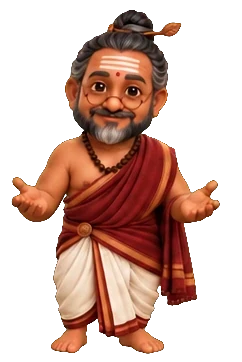
Parashurama Dwadashi is the Vaishnava observance fixed on the Shukla Paksha Dwadashi of Vaishakha. The day is dedicated to Lord Parashurama, the sixth avatar of Vishnu — the warrior-sage whose name means “Rama with the axe” and who is counted among the Chiranjivis, the immortals said still to walk the earth.
In 2026 the tithi is present at sunrise on Tuesday, 28 April, so the fast, puja and dana are kept on that date. The day sits in the heart of Vaishakha, a few days after Parashurama Jayanti, and is treated in the Puranic tradition as a Dwadashi of special intensity for dharma, restraint of ego and righteous courage.
What follows sets out the 2026 timings, the story behind the observance, its scriptural weight, and a clear home method of vrat and puja, without padding beyond what the title asks.
2026 date and tithi timings
Parashurama Dwadashi in 2026 falls on Tuesday, 28 April 2026.
The Dwadashi tithi runs as follows:
- Dwadashi begins: 10:14 PM on 27 April 2026
- Dwadashi ends: 11:56 PM on 28 April 2026
Because the Vaishakha Shukla Dwadashi is current at sunrise on 28 April, the vrat and the associated rites are observed on that civil day. Brahma Muhurta on the morning of the 28th is the traditional window to rise, bathe and take sankalpa; morning worship from sunrise through the forenoon is preferred for puja and japa.
For the day’s tithi, nakshatra and Rahu Kalam in your own city, consult the daily panchang. Festival and tithi placement across the year can also be checked on the festival calendar.
Lord Parashurama in the tradition
Parashurama was born to the sage Jamadagni and Renuka. Trained in arms by Shiva, he received the divine parashu, the axe that became the emblem of his mission against ego, injustice and corrupt power. The central episode of his life is the seizure of Kamadhenu from Jamadagni’s ashram by Kartavirya Arjuna, the battle that followed, and the killing of Jamadagni by the king’s sons. In grief and dharmic fury Parashurama vowed to curb oppressive kshatriya rule; the tradition holds that he carried out that work twenty-one times, then laid down his weapons and turned to tapas.
He is the only Vishnu avatar classed as a Chiranjivi. The Kalki Purana states that he will later serve as martial guru to Kalki at the close of Kali Yuga. The teaching the day holds is therefore double: strength is to serve satya, and even the warrior must eventually turn the same discipline inward.
Unlike Matsya or Kurma Dwadashi, which mark other avatar-linked twelfths, this Dwadashi is fixed specifically to Parashurama’s energy of dharma, shakti and bhakti held together.
Spiritual significance of the Dwadashi
Dwadashi itself is treated in classical sources — among them the Padma Purana, Skanda Purana and Vishnu Dharmottara Purana — as a tithi of high merit for snana, dana, japa, havan and upavasa. When the same tithi in Vaishakha is dedicated to Parashurama, the tradition reads the day through his particular attributes.
- Justice and protection. Devotees facing unfair opposition or hostile pressure traditionally turn to this observance; the fierce aspect of the avatar is invoked as a shield rather than as licence for anger.
- Restraint of ego. Just as the avatar dismantled corrupt power, the vrat is used to notice and soften one’s own pride, harsh speech and misuse of authority.
- Courage joined to ethics. Those whose work demands decisive action — defence, law, public duty, leadership — keep the day as a reminder that force without dharma is the very corruption Parashurama opposed.
- Karmic weight of vows. Sankalpas taken on Dwadashi are held to carry special steadiness; the tithi is linked with sustenance and stabilisation rather than with impulsive beginnings alone.
None of this is a promise of worldly result. It is what the observance is for in the Vaishnava calendar: alignment with the avatar’s dharma, not a guarantee of outcome.
astrobhava.com
Vaishakha Shukla Dwadashi 2026
Parashurama Dwadashi at a glance
- 28 APRIL 2026Tuesday, tithi at sunrise
- 10:14 PMDwadashi begins, 27 April
- 11:56 PMtithi ends, 28 April
- 6TH AVATARVishnu, a Chiranjivi
What the day is kept for
- Justice and protection, invoked as shield
- Restraint of ego, pride and harsh speech
- Courage joined to ethics in public duty
- Steadiness of sankalpas taken on Dwadashi
Two days, nine days apart
Parashurama Jayanti
- Vaishakha Shukla Tritiya
- 19 April 2026, with Akshaya Tritiya
- Marks the avatar's appearance
- Birth anniversary first
Parashurama Dwadashi
- Vaishakha Shukla Dwadashi
- 28 April 2026
- Kept for vrat, japa and dana
- Dwadashi of his dharmic mission
No promise of worldly result — alignment with the avatar's dharma
Fully observable at home: snana, sankalpa, tulsi-and-lamp puja
snana · japa · dana
ASTROBHAVA.COMVedic rituals, never a group ceremony, telecast live
How to observe the vrat and puja
The rite does not demand elaborate means. Sincere sankalpa, cleanliness and a clear fast are the core.
1. Brahma Muhurta and snana
Rise before sunrise, ideally in Brahma Muhurta. Bathe with clean water; a pinch of sesame or a few drops of Ganga jal may be added if available.
2. Sankalpa
Face east or north. Holding water in the right palm, state the intention to keep the Dwadashi vrat and to worship Parashurama or Vishnu for spiritual merit, protection in the traditional sense, or a named dharmic aim. Release the water.
3. Puja
On a clean cloth set a murti or image of Parashurama if you have one; otherwise a Vishnu murti or Shaligrama is fully appropriate. Offer tulsi, sandal paste, yellow or white flowers, dhoop and deepa, and panchamrit (milk, curd, honey, ghee and sugar). Tulsi is especially dear in Vaishnava worship.
4. Mantra and stotra
Common recitations on this day include the Parashurama gayatri, the Vishnu Sahasranama, and the dvadashakshari Om Namo Bhagavate Vasudevaya. Guidance on pace and pronunciation is set out in the house note on how to chant a mantra.
5. The fast
According to health and capacity, keep a nirjala fast, a fruit fast, or a light sattvic meal without grain, onion or garlic. The spirit of restraint matters more than severity; simple clean food still honours the vrat when a full fast is not possible.
6. Dana
Food, clothing, books or essentials given to those in need are traditional on this Dwadashi. Feeding brahmanas, teachers, soldiers or the genuinely poor is widely practised, in keeping with the teaching that strength and resource are for common welfare.
7. Parana
Break the fast on the same day, 28 April 2026, after puja and before the tithi ends at 11:56 PM.
Vaishakha context and difference from Jayanti
Vaishakha (April–May) is among the holiest months in the Hindu calendar. It holds Parashurama Jayanti on Vaishakha Shukla Tritiya — in 2026 that fell on 19 April, with Akshaya Tritiya — along with Mohini Ekadashi, Narasimha Jayanti and Buddha Purnima. Parashurama Dwadashi arrives nine days after the Jayanti, so the two observances form a short complementary arc: birth anniversary first, then the Dwadashi of his dharmic mission and protection.
They are not the same day. Jayanti marks the avatar’s appearance; Dwadashi is the Shukla twelfth used for vrat, japa and dana in his name. Devotees who keep both do so as a paired discipline, not as a double of one festival.
Among Vaishnava fire rites that gather the avatar tradition under one roof, the house performs the Dasavathara Homam. For those who specifically seek the protective register associated with this Dwadashi, the catalogue of protection homas is the natural place to look. Rites are conducted by named priests at the Yagna Ashram in Pollachi, Coimbatore District, and telecast live; there are no branches or walk-in centres. Yantra Pujas are performed in our consecrated sanctum.
Do’s and don’ts of the day
Do’s
- Rise early and complete a ritual bath before sankalpa.
- Keep the fast, or at least sattvic eating, through the tithi.
- Recite the Parashurama gayatri, Vishnu Sahasranama, or Om Namo Bhagavate Vasudevaya.
- Give dana and, if possible, feed those in need.
- Spend quiet time on the virtues the avatar embodies — justice, restraint, courage without cruelty.
- Visit a Vishnu temple if one is within reach.
Don’ts
- Avoid meat, alcohol and tamasic food.
- Avoid harsh speech, quarrel and display of temper; a day of righteous force is kept in outer calm.
- Do not break the fast before puja is finished.
- Avoid daytime sleep on a vrat day where health allows.
The deeper question the day places before the devotee is practical: where is strength being misused, where is justice being avoided out of fear, and how can time, voice and resource be set back under dharma. That inquiry is the observance’s inner work.
Questions devotees ask
The AstroBhava Editorial Desk chooses the topics for this blog and decides what is published.