Ganesh Kavach
गौर्युवाच । एषोऽतिचपलो दैत्यान्बाल्येऽपि नाशयत्यहो । अग्रे किं कर्म कर्तेति न जाने मुनिसत्तम ॥Also known as Ganesha Kavacham
In Devanagari, Tamil, Telugu, Kannada, Malayalam and English — with the meaning of every word, and the one syllable most people pronounce wrongly.
 The Ganapathi Homam, performed for youBook →
What the Ganesh Kavach is
The Ganesh Kavach is an armour of names from the Krida Khanda of the Ganesha Purana, the part also called the Uttara Khanda, spoken for Ganesha himself while he is a small child. It is requested for the god rather than taught to a devotee: Gauri asks a sage to protect her son, and the sage answers. The form printed has 27 verses. Two carry her request. A single dhyana then pictures Vinayaka in each of the four ages. Verses 3 to 10 go down the body, giving each part its own name of Ganesha, from the crown tuft to the feet and fingernails, and Verse 11 sets Dhumraketu over any place left unnamed. Verses 12 to 14 cover the directions and the hours. Verses 15 to 17 widen to spirits, memory and the household, down to goats, sheep, elephants and horses. Nine phala shruti verses report what the text says it gives and trace its teachers.
Gauri's infant and the demons at his cradle
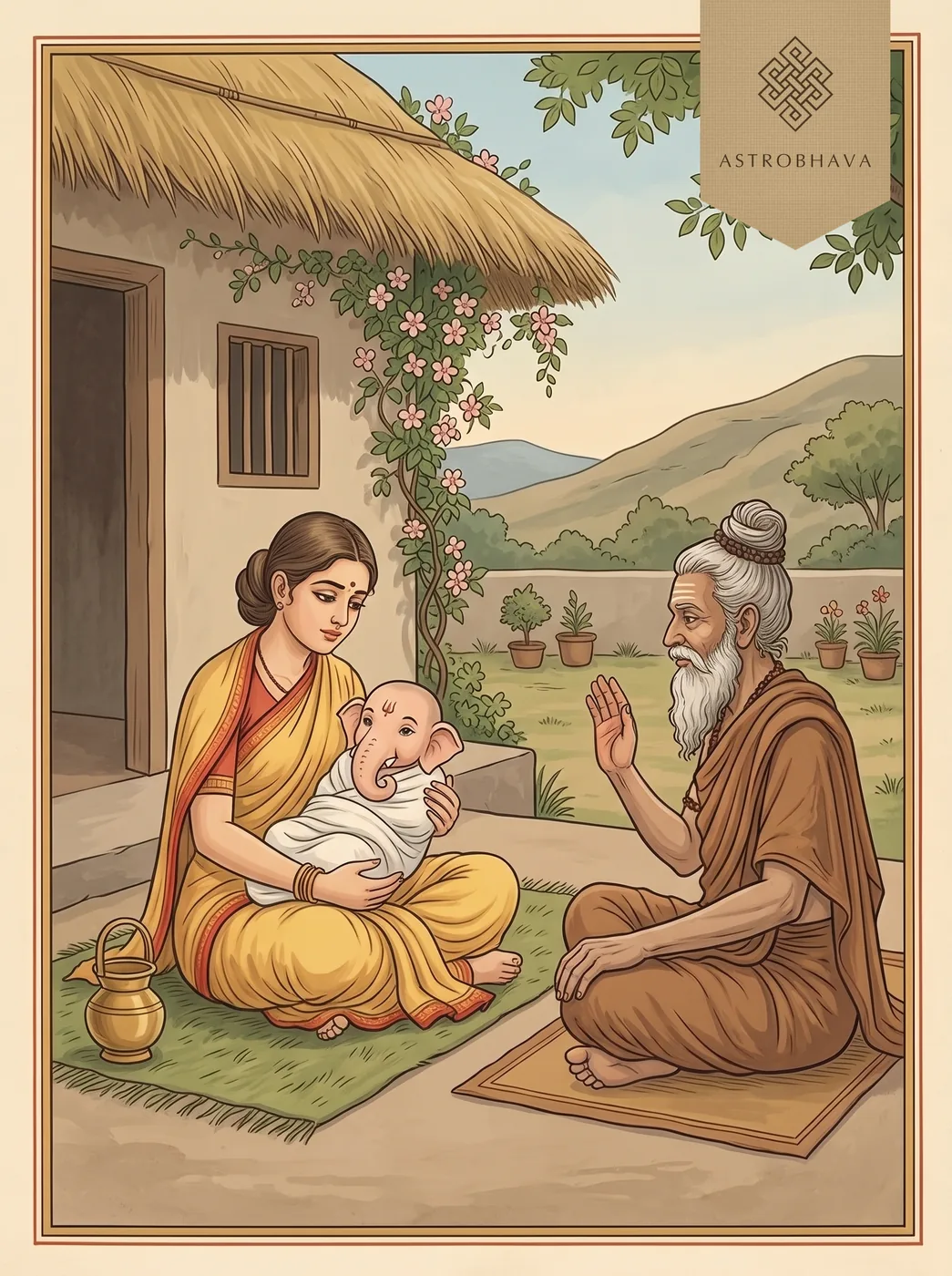
According to the Krida Khanda, the child of this hymn is Gauri's own son in his Treta-age birth, and his first months read like a list of assaults. A vulture demon, Gridhrasura, carries him off in its beak and is choked in the air. Two demons disguised as mice fight beside his cradle and die under his flailing hands. Another comes as a cat at midday, seizes him, and is kicked dead. Balasura joins the sages' children as a playmate of the same age, grips him by the throat, and is crushed. The infant wins each time, and each time his mother is left more shaken. In the fifth month a sage who has heard of the boy comes to see him. Gauri washes his feet and takes the baby on her lap. The sage says the child shines to him as Brahman and names his forms through the four ages. Gauri answers as a mother: he is restless, the demons are many, so please tie something at his neck. The kavacham is the reply, opening with those same four forms as a meditation. The chanted form keeps her words but calls the sage only muni. When it ends, the Purana says, she takes the boy back from the sage and goes home.
The mantra, in six scripts
- गौर्युवाच
- gauryuvāca — Gauri said
- एषोऽतिचपलो
- eṣo'ticapalo — this very restless one
- दैत्यान्बाल्येऽपि
- daityānbālye'pi — demons, even in boyhood
- नाशयत्यहो
- nāśayatyaho — destroys, how wondrous
- अग्रे
- agre — next, ahead
- किं
- kiṃ — what
- कर्म
- karma — deed
- कर्तेति
- karteti — he will do, thus
- न
- na — not
- जाने
- jāne — I know
- मुनिसत्तम
- munisattama — O best of sages
Ganesh Kavach lyrics in full
Twenty-seven verses, with Gauri and the sage marked where each begins to speak. The printed closing line is given at the end.
All 28 verses, in Sanskrit, Tamil, Telugu, Kannada, Malayalam and English, each with its meaning. Choose a script:
Download the Ganesh Kavach PDFAll 28 verses with their meanings, in Sanskrit. Free to print and keep.
गौर्युवाच ।
एषोऽतिचपलो दैत्यान्बाल्येऽपि नाशयत्यहो ।
अग्रे किं कर्म कर्तेति न जाने मुनिसत्तम ॥
கௌர்யுவாச ।
ஏஷோதிசபலோ தைத்யாந்பால்யேபி நாஶயத்யஹோ ।
அக்ரே கிம் கர்ம கர்தேதி ந ஜாநே முநிஸத்தம ॥
గౌర్యువాచ ।
ఏషోఽతిచపలో దైత్యాన్బాల్యేఽపి నాశయత్యహో ।
అగ్రే కిం కర్మ కర్తేతి న జానే మునిసత్తమ ॥
ಗೌರ್ಯುವಾಚ ।
ಏಷೋಽತಿಚಪಲೋ ದೈತ್ಯಾನ್ಬಾಲ್ಯೇಽಪಿ ನಾಶಯತ್ಯಹೋ ।
ಅಗ್ರೇ ಕಿಂ ಕರ್ಮ ಕರ್ತೇತಿ ನ ಜಾನೇ ಮುನಿಸತ್ತಮ ॥
ഗൌര്യുവാച ।
ഏഷോഽതിചപലോ ദൈത്യാന്ബാല്യേഽപി നാശയത്യഹോ ।
അഗ്രേ കിം കര്മ കര്തേതി ന ജാനേ മുനിസത്തമ ॥
gauryuvāca |
eṣo'ticapalo daityānbālye'pi nāśayatyaho |
agre kiṃ karma karteti na jāne munisattama ||
Gauri said: This very restless child destroys demons even in his boyhood, how wondrous! What deed he will do next I do not know, O best of sages.
दैत्या नानाविधा दुष्टाः साधुदेवद्रुहः खलाः ।
अतोऽस्य कण्ठे किञ्चित्त्वं रक्षार्थं बद्धुमर्हसि ॥
தைத்யா நாநாவிதா துஷ்டாஃ ஸாதுதேவத்ருஹஃ கலாஃ ।
அதோஸ்ய கண்டே கிஞ்சித்த்வம் ரக்ஷார்தம் பத்துமர்ஹஸி ॥
దైత్యా నానావిధా దుష్టాః సాధుదేవద్రుహః ఖలాః ।
అతోఽస్య కణ్ఠే కిఞ్చిత్త్వం రక్షార్థం బద్ధుమర్హసి ॥
ದೈತ್ಯಾ ನಾನಾವಿಧಾ ದುಷ್ಟಾಃ ಸಾಧುದೇವದ್ರುಹಃ ಖಲಾಃ ।
ಅತೋಽಸ್ಯ ಕಣ್ಠೇ ಕಿಞ್ಚಿತ್ತ್ವಂ ರಕ್ಷಾರ್ಥಂ ಬದ್ಧುಮರ್ಹಸಿ ॥
ദൈത്യാ നാനാവിധാ ദുഷ്ടാഃ സാധുദേവദ്രുഹഃ ഖലാഃ ।
അതോഽസ്യ കണ്ഠേ കിഞ്ചിത്ത്വം രക്ഷാര്ഥം ബദ്ധുമര്ഹസി ॥
daityā nānāvidhā duṣṭāḥ sādhudevadruhaḥ khalāḥ |
ato'sya kaṇṭhe kiñcittvaṃ rakṣārthaṃ baddhumarhasi ||
The demons are of many kinds, wicked and vile, enemies of the good and of the gods. So please tie something around his neck for his protection.
मुनिरुवाच ।
ध्यायेत्सिंहगतं विनायकममुं दिग्बाहुमाद्ये युगे त्रेतायां तु मयूरवाहनममुं षड्बाहुकं सिद्धिदम् ।
द्वापारे तु गजाननं युगभुजं रक्ताङ्गरागं विभुं तुर्ये तु द्विभुजं सिताङ्गरुचिरं सर्वार्थदं सर्वदा ॥
முநிருவாச ।
த்யாயேத்ஸிம்ஹகதம் விநாயகமமும் திக்பாஹுமாத்யே யுகே த்ரேதாயாம் து மயூரவாஹநமமும் ஷட்பாஹுகம் ஸித்திதம் ।
த்வாபாரே து கஜாநநம் யுகபுஜம் ரக்தாங்கராகம் விபும் துர்யே து த்விபுஜம் ஸிதாங்கருசிரம் ஸர்வார்ததம் ஸர்வதா ॥
మునిరువాచ ।
ధ్యాయేత్సింహగతం వినాయకమముం దిగ్బాహుమాద్యే యుగే త్రేతాయాం తు మయూరవాహనమముం షడ్బాహుకం సిద్ధిదమ్ ।
ద్వాపారే తు గజాననం యుగభుజం రక్తాఙ్గరాగం విభుం తుర్యే తు ద్విభుజం సితాఙ్గరుచిరం సర్వార్థదం సర్వదా ॥
ಮುನಿರುವಾಚ ।
ಧ್ಯಾಯೇತ್ಸಿಂಹಗತಂ ವಿನಾಯಕಮಮುಂ ದಿಗ್ಬಾಹುಮಾದ್ಯೇ ಯುಗೇ ತ್ರೇತಾಯಾಂ ತು ಮಯೂರವಾಹನಮಮುಂ ಷಡ್ಬಾಹುಕಂ ಸಿದ್ಧಿದಮ್ ।
ದ್ವಾಪಾರೇ ತು ಗಜಾನನಂ ಯುಗಭುಜಂ ರಕ್ತಾಙ್ಗರಾಗಂ ವಿಭುಂ ತುರ್ಯೇ ತು ದ್ವಿಭುಜಂ ಸಿತಾಙ್ಗರುಚಿರಂ ಸರ್ವಾರ್ಥದಂ ಸರ್ವದಾ ॥
മുനിരുവാച ।
ധ്യായേത്സിംഹഗതം വിനായകമമും ദിഗ്ബാഹുമാദ്യേ യുഗേ ത്രേതായാം തു മയൂരവാഹനമമും ഷഡ്ബാഹുകം സിദ്ധിദമ് ।
ദ്വാപാരേ തു ഗജാനനം യുഗഭുജം രക്താങ്ഗരാഗം വിഭും തുര്യേ തു ദ്വിഭുജം സിതാങ്ഗരുചിരം സര്വാര്ഥദം സര്വദാ ॥
muniruvāca |
dhyāyetsiṃhagataṃ vināyakamamuṃ digbāhumādye yuge tretāyāṃ tu mayūravāhanamamuṃ ṣaḍbāhukaṃ siddhidam |
dvāpāre tu gajānanaṃ yugabhujaṃ raktāṅgarāgaṃ vibhuṃ turye tu dvibhujaṃ sitāṅgaruciraṃ sarvārthadaṃ sarvadā ||
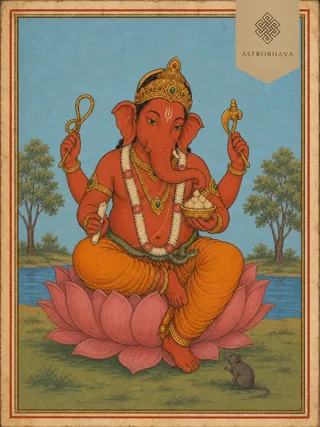
The sage said: Meditate on Vinayaka: in the first age riding a lion, with ten arms; in the Treta age riding a peacock, six-armed, the giver of success; in the Dvapara age elephant-faced, four-armed, the lord anointed with red; and in the fourth age two-armed, radiant with a white body, always the giver of every aim.
विनायकः शिखां पातु परमात्मा परात्परः ।
अतिसुन्दरकायस्तु मस्तकं सुमहोत्कटः ॥
விநாயகஃ ஶிகாம் பாது பரமாத்மா பராத்பரஃ ।
அதிஸுந்தரகாயஸ்து மஸ்தகம் ஸுமஹோத்கடஃ ॥
వినాయకః శిఖాం పాతు పరమాత్మా పరాత్పరః ।
అతిసున్దరకాయస్తు మస్తకం సుమహోత్కటః ॥
ವಿನಾಯಕಃ ಶಿಖಾಂ ಪಾತು ಪರಮಾತ್ಮಾ ಪರಾತ್ಪರಃ ।
ಅತಿಸುನ್ದರಕಾಯಸ್ತು ಮಸ್ತಕಂ ಸುಮಹೋತ್ಕಟಃ ॥
വിനായകഃ ശിഖാം പാതു പരമാത്മാ പരാത്പരഃ ।
അതിസുന്ദരകായസ്തു മസ്തകം സുമഹോത്കടഃ ॥
vināyakaḥ śikhāṃ pātu paramātmā parātparaḥ |
atisundarakāyastu mastakaṃ sumahotkaṭaḥ ||
May Vinayaka, the Supreme Self, higher than the highest, protect the crown tuft. May the very mighty Mahotkata, of most beautiful body, protect the head.
ललाटं कश्यपः पातु भ्रूयुगं तु महोदरः ।
नयने फालचन्द्रस्तु गजास्यस्त्वोष्ठपल्लवौ ॥
லலாடம் கஶ்யபஃ பாது ப்ரூயுகம் து மஹோதரஃ ।
நயநே பாலசந்த்ரஸ்து கஜாஸ்யஸ்த்வோஷ்டபல்லவௌ ॥
లలాటం కశ్యపః పాతు భ్రూయుగం తు మహోదరః ।
నయనే ఫాలచన్ద్రస్తు గజాస్యస్త్వోష్ఠపల్లవౌ ॥
ಲಲಾಟಂ ಕಶ್ಯಪಃ ಪಾತು ಭ್ರೂಯುಗಂ ತು ಮಹೋದರಃ ।
ನಯನೇ ಫಾಲಚನ್ದ್ರಸ್ತು ಗಜಾಸ್ಯಸ್ತ್ವೋಷ್ಠಪಲ್ಲವೌ ॥
ലലാടം കശ്യപഃ പാതു ഭ്രൂയുഗം തു മഹോദരഃ ।
നയനേ ഫാലചന്ദ്രസ്തു ഗജാസ്യസ്ത്വോഷ്ഠപല്ലവൌ ॥
lalāṭaṃ kaśyapaḥ pātu bhrūyugaṃ tu mahodaraḥ |
nayane phālacandrastu gajāsyastvoṣṭhapallavau ||
May Kashyapa protect the forehead and Mahodara, the great-bellied, the two brows. May Phalachandra, with the moon on his brow, protect the eyes, and the elephant-faced one the tender lips.
जिह्वां पातु गणक्रीडश्चिबुकं गिरिजासुतः ।
वाचं विनायकः पातु दन्तान् रक्षतु दुर्मुखः ॥
ஜிஹ்வாம் பாது கணக்ரீடஶ்சிபுகம் கிரிஜாஸுதஃ ।
வாசம் விநாயகஃ பாது தந்தாந் ரக்ஷது துர்முகஃ ॥
జిహ్వాం పాతు గణక్రీడశ్చిబుకం గిరిజాసుతః ।
వాచం వినాయకః పాతు దన్తాన్ రక్షతు దుర్ముఖః ॥
ಜಿಹ್ವಾಂ ಪಾತು ಗಣಕ್ರೀಡಶ್ಚಿಬುಕಂ ಗಿರಿಜಾಸುತಃ ।
ವಾಚಂ ವಿನಾಯಕಃ ಪಾತು ದನ್ತಾನ್ ರಕ್ಷತು ದುರ್ಮುಖಃ ॥
ജിഹ്വാം പാതു ഗണക്രീഡശ്ചിബുകം ഗിരിജാസുതഃ ।
വാചം വിനായകഃ പാതു ദന്താന് രക്ഷതു ദുര്മുഖഃ ॥
jihvāṃ pātu gaṇakrīḍaścibukaṃ girijāsutaḥ |
vācaṃ vināyakaḥ pātu dantān rakṣatu durmukhaḥ ||
May Ganakrida, who sports among his hosts, protect the tongue, and the son of Girija the chin. May Vinayaka protect the speech, and Durmukha guard the teeth.
श्रवणौ पाशपाणिस्तु नासिकां चिन्तितार्थदः ।
गणेशस्तु मुखं कण्ठं पातु देवो गणञ्जयः ॥
ஶ்ரவணௌ பாஶபாணிஸ்து நாஸிகாம் சிந்திதார்ததஃ ।
கணேஶஸ்து முகம் கண்டம் பாது தேவோ கணஞ்ஜயஃ ॥
శ్రవణౌ పాశపాణిస్తు నాసికాం చిన్తితార్థదః ।
గణేశస్తు ముఖం కణ్ఠం పాతు దేవో గణఞ్జయః ॥
ಶ್ರವಣೌ ಪಾಶಪಾಣಿಸ್ತು ನಾಸಿಕಾಂ ಚಿನ್ತಿತಾರ್ಥದಃ ।
ಗಣೇಶಸ್ತು ಮುಖಂ ಕಣ್ಠಂ ಪಾತು ದೇವೋ ಗಣಞ್ಜಯಃ ॥
ശ്രവണൌ പാശപാണിസ്തു നാസികാം ചിന്തിതാര്ഥദഃ ।
ഗണേശസ്തു മുഖം കണ്ഠം പാതു ദേവോ ഗണഞ്ജയഃ ॥
śravaṇau pāśapāṇistu nāsikāṃ cintitārthadaḥ |
gaṇeśastu mukhaṃ kaṇṭhaṃ pātu devo gaṇañjayaḥ ||
May the one with the noose in his hand protect the ears, and the giver of what is wished for protect the nose. May Ganesha protect the face, and the god Ganamjaya the throat.
स्कन्धौ पातु गजस्कन्धः स्तनौ विघ्नविनाशनः ।
हृदयं गणनाथस्तु हेरम्बो जठरं महान् ॥
ஸ்கந்தௌ பாது கஜஸ்கந்தஃ ஸ்தநௌ விக்நவிநாஶநஃ ।
ஹ்ருதயம் கணநாதஸ்து ஹேரம்போ ஜடரம் மஹாந் ॥
స్కన్ధౌ పాతు గజస్కన్ధః స్తనౌ విఘ్నవినాశనః ।
హృదయం గణనాథస్తు హేరమ్బో జఠరం మహాన్ ॥
ಸ್ಕನ್ಧೌ ಪಾತು ಗಜಸ್ಕನ್ಧಃ ಸ್ತನೌ ವಿಘ್ನವಿನಾಶನಃ ।
ಹೃದಯಂ ಗಣನಾಥಸ್ತು ಹೇರಮ್ಬೋ ಜಠರಂ ಮಹಾನ್ ॥
സ്കന്ധൌ പാതു ഗജസ്കന്ധഃ സ്തനൌ വിഘ്നവിനാശനഃ ।
ഹൃദയം ഗണനാഥസ്തു ഹേരമ്ബോ ജഠരം മഹാന് ॥
skandhau pātu gajaskandhaḥ stanau vighnavināśanaḥ |
hṛdayaṃ gaṇanāthastu herambo jaṭharaṃ mahān ||
May the one with an elephant's shoulders protect the shoulders, and the destroyer of obstacles the chest. May Gananatha protect the heart, and the great Heramba the belly.
धराधरः पातु पार्श्वौ पृष्ठं विघ्नहरः शुभः ।
लिङ्गं गुह्यं सदा पातु वक्रतुण्डो महाबलः ॥
தராதரஃ பாது பார்ஶ்வௌ ப்ருஷ்டம் விக்நஹரஃ ஶுபஃ ।
லிங்கம் குஹ்யம் ஸதா பாது வக்ரதுண்டோ மஹாபலஃ ॥
ధరాధరః పాతు పార్శ్వౌ పృష్ఠం విఘ్నహరః శుభః ।
లిఙ్గం గుహ్యం సదా పాతు వక్రతుణ్డో మహాబలః ॥
ಧರಾಧರಃ ಪಾತು ಪಾರ್ಶ್ವೌ ಪೃಷ್ಠಂ ವಿಘ್ನಹರಃ ಶುಭಃ ।
ಲಿಙ್ಗಂ ಗುಹ್ಯಂ ಸದಾ ಪಾತು ವಕ್ರತುಣ್ಡೋ ಮಹಾಬಲಃ ॥
ധരാധരഃ പാതു പാര്ശ്വൌ പൃഷ്ഠം വിഘ്നഹരഃ ശുഭഃ ।
ലിങ്ഗം ഗുഹ്യം സദാ പാതു വക്രതുണ്ഡോ മഹാബലഃ ॥
dharādharaḥ pātu pārśvau pṛṣṭhaṃ vighnaharaḥ śubhaḥ |
liṅgaṃ guhyaṃ sadā pātu vakratuṇḍo mahābalaḥ ||
May Dharadhara, bearer of the earth, protect the two sides, and the auspicious remover of obstacles the back. May the mighty Vakratunda always protect the private parts.
गणक्रीडो जानुजङ्घे ऊरू मङ्गलमूर्तिमान् ।
एकदन्तो महाबुद्धिः पादौ गुल्फौ सदाऽवतु ॥
கணக்ரீடோ ஜாநுஜங்கே ஊரூ மங்கலமூர்திமாந் ।
ஏகதந்தோ மஹாபுத்திஃ பாதௌ குல்பௌ ஸதாவது ॥
గణక్రీడో జానుజఙ్ఘే ఊరూ మఙ్గలమూర్తిమాన్ ।
ఏకదన్తో మహాబుద్ధిః పాదౌ గుల్ఫౌ సదాఽవతు ॥
ಗಣಕ್ರೀಡೋ ಜಾನುಜಙ್ಘೇ ಊರೂ ಮಙ್ಗಲಮೂರ್ತಿಮಾನ್ ।
ಏಕದನ್ತೋ ಮಹಾಬುದ್ಧಿಃ ಪಾದೌ ಗುಲ್ಫೌ ಸದಾಽವತು ॥
ഗണക്രീഡോ ജാനുജങ്ഘേ ഊരൂ മങ്ഗലമൂര്തിമാന് ।
ഏകദന്തോ മഹാബുദ്ധിഃ പാദൌ ഗുല്ഫൌ സദാഽവതു ॥
gaṇakrīḍo jānujaṅghe ūrū maṅgalamūrtimān |
ekadanto mahābuddhiḥ pādau gulphau sadā'vatu ||
May Ganakrida protect the knees and shanks, and the one of auspicious form the thighs. May Ekadanta of great wisdom always protect the feet and ankles.
क्षिप्रप्रसादनो बाहू पाणी आशाप्रपूरकः ।
अङ्गुलीश्च नखान्पातु पद्महस्तोऽरिनाशनः ॥
க்ஷிப்ரப்ரஸாதநோ பாஹூ பாணீ ஆஶாப்ரபூரகஃ ।
அங்குலீஶ்ச நகாந்பாது பத்மஹஸ்தோரிநாஶநஃ ॥
క్షిప్రప్రసాదనో బాహూ పాణీ ఆశాప్రపూరకః ।
అఙ్గులీశ్చ నఖాన్పాతు పద్మహస్తోఽరినాశనః ॥
ಕ್ಷಿಪ್ರಪ್ರಸಾದನೋ ಬಾಹೂ ಪಾಣೀ ಆಶಾಪ್ರಪೂರಕಃ ।
ಅಙ್ಗುಲೀಶ್ಚ ನಖಾನ್ಪಾತು ಪದ್ಮಹಸ್ತೋಽರಿನಾಶನಃ ॥
ക്ഷിപ്രപ്രസാദനോ ബാഹൂ പാണീ ആശാപ്രപൂരകഃ ।
അങ്ഗുലീശ്ച നഖാന്പാതു പദ്മഹസ്തോഽരിനാശനഃ ॥
kṣipraprasādano bāhū pāṇī āśāprapūrakaḥ |
aṅgulīśca nakhānpātu padmahasto'rināśanaḥ ||
May the one quickly pleased protect the arms, and the fulfiller of hopes the hands. May the lotus-handed destroyer of enemies protect the fingers and nails.
सर्वाङ्गानि मयूरेशो विश्वव्यापी सदाऽवतु ।
अनुक्तमपि यत्स्थानं धूम्रकेतुः सदाऽवतु ॥
ஸர்வாங்காநி மயூரேஶோ விஶ்வவ்யாபீ ஸதாவது ।
அநுக்தமபி யத்ஸ்தாநம் தூம்ரகேதுஃ ஸதாவது ॥
సర్వాఙ్గాని మయూరేశో విశ్వవ్యాపీ సదాఽవతు ।
అనుక్తమపి యత్స్థానం ధూమ్రకేతుః సదాఽవతు ॥
ಸರ್ವಾಙ್ಗಾನಿ ಮಯೂರೇಶೋ ವಿಶ್ವವ್ಯಾಪೀ ಸದಾಽವತು ।
ಅನುಕ್ತಮಪಿ ಯತ್ಸ್ಥಾನಂ ಧೂಮ್ರಕೇತುಃ ಸದಾಽವತು ॥
സര്വാങ്ഗാനി മയൂരേശോ വിശ്വവ്യാപീ സദാഽവതു ।
അനുക്തമപി യത്സ്ഥാനം ധൂമ്രകേതുഃ സദാഽവതു ॥
sarvāṅgāni mayūreśo viśvavyāpī sadā'vatu |
anuktamapi yatsthānaṃ dhūmraketuḥ sadā'vatu ||
May Mayuresha, who pervades the universe, always protect all the limbs. Whatever place has not been named, may Dhumraketu always protect that too.
आमोदस्त्वग्रतः पातु प्रमोदः पृष्ठतोऽवतु ।
प्राच्यां रक्षतु बुद्धीश आग्नेय्यां सिद्धिदायकः ॥
ஆமோதஸ்த்வக்ரதஃ பாது ப்ரமோதஃ ப்ருஷ்டதோவது ।
ப்ராச்யாம் ரக்ஷது புத்தீஶ ஆக்நேய்யாம் ஸித்திதாயகஃ ॥
ఆమోదస్త్వగ్రతః పాతు ప్రమోదః పృష్ఠతోఽవతు ।
ప్రాచ్యాం రక్షతు బుద్ధీశ ఆగ్నేయ్యాం సిద్ధిదాయకః ॥
ಆಮೋದಸ್ತ್ವಗ್ರತಃ ಪಾತು ಪ್ರಮೋದಃ ಪೃಷ್ಠತೋಽವತು ।
ಪ್ರಾಚ್ಯಾಂ ರಕ್ಷತು ಬುದ್ಧೀಶ ಆಗ್ನೇಯ್ಯಾಂ ಸಿದ್ಧಿದಾಯಕಃ ॥
ആമോദസ്ത്വഗ്രതഃ പാതു പ്രമോദഃ പൃഷ്ഠതോഽവതു ।
പ്രാച്യാം രക്ഷതു ബുദ്ധീശ ആഗ്നേയ്യാം സിദ്ധിദായകഃ ॥
āmodastvagrataḥ pātu pramodaḥ pṛṣṭhato'vatu |
prācyāṃ rakṣatu buddhīśa āgneyyāṃ siddhidāyakaḥ ||
May Amoda protect in front and Pramoda behind. May the lord of intellect guard the east, and the giver of success the south-east.
दक्षिणस्यामुमापुत्रो नैरृत्यां तु गणेश्वरः ।
प्रतीच्यां विघ्नहर्ताऽव्याद्वायव्यां गजकर्णकः ॥
தக்ஷிணஸ்யாமுமாபுத்ரோ நைர்ருத்யாம் து கணேஶ்வரஃ ।
ப்ரதீச்யாம் விக்நஹர்தாவ்யாத்வாயவ்யாம் கஜகர்ணகஃ ॥
దక్షిణస్యాముమాపుత్రో నైరృత్యాం తు గణేశ్వరః ।
ప్రతీచ్యాం విఘ్నహర్తాఽవ్యాద్వాయవ్యాం గజకర్ణకః ॥
ದಕ್ಷಿಣಸ್ಯಾಮುಮಾಪುತ್ರೋ ನೈರೃತ್ಯಾಂ ತು ಗಣೇಶ್ವರಃ ।
ಪ್ರತೀಚ್ಯಾಂ ವಿಘ್ನಹರ್ತಾಽವ್ಯಾದ್ವಾಯವ್ಯಾಂ ಗಜಕರ್ಣಕಃ ॥
ദക്ഷിണസ്യാമുമാപുത്രോ നൈരൃത്യാം തു ഗണേശ്വരഃ ।
പ്രതീച്യാം വിഘ്നഹര്താഽവ്യാദ്വായവ്യാം ഗജകര്ണകഃ ॥
dakṣiṇasyāmumāputro nairṛtyāṃ tu gaṇeśvaraḥ |
pratīcyāṃ vighnahartā'vyādvāyavyāṃ gajakarṇakaḥ ||
May the son of Uma guard the south, and Ganeshvara the south-west. May the remover of obstacles protect the west, and the elephant-eared one the north-west.
कौबेर्यां निधिपः पायादीशान्यामीशनन्दनः ।
दिवाऽव्यादेकदन्तस्तु रात्रौ सन्ध्यासु विघ्नहृत् ॥
கௌபேர்யாம் நிதிபஃ பாயாதீஶாந்யாமீஶநந்தநஃ ।
திவாவ்யாதேகதந்தஸ்து ராத்ரௌ ஸந்த்யாஸு விக்நஹ்ருத் ॥
కౌబేర్యాం నిధిపః పాయాదీశాన్యామీశనన్దనః ।
దివాఽవ్యాదేకదన్తస్తు రాత్రౌ సన్ధ్యాసు విఘ్నహృత్ ॥
ಕೌಬೇರ್ಯಾಂ ನಿಧಿಪಃ ಪಾಯಾದೀಶಾನ್ಯಾಮೀಶನನ್ದನಃ ।
ದಿವಾಽವ್ಯಾದೇಕದನ್ತಸ್ತು ರಾತ್ರೌ ಸನ್ಧ್ಯಾಸು ವಿಘ್ನಹೃತ್ ॥
കൌബേര്യാം നിധിപഃ പായാദീശാന്യാമീശനന്ദനഃ ।
ദിവാഽവ്യാദേകദന്തസ്തു രാത്രൌ സന്ധ്യാസു വിഘ്നഹൃത് ॥
kauberyāṃ nidhipaḥ pāyādīśānyāmīśanandanaḥ |
divā'vyādekadantastu rātrau sandhyāsu vighnahṛt ||
May the keeper of treasures protect the north, and the son of Isha the north-east. May Ekadanta protect by day, and the remover of obstacles by night and at the twilights.
राक्षसासुरवेतालग्रहभूतपिशाचतः ।
पाशाङ्कुशधरः पातु रजःसत्त्वतमः स्मृतीः ॥
ராக்ஷஸாஸுரவேதாலக்ரஹபூதபிஶாசதஃ ।
பாஶாங்குஶதரஃ பாது ரஜஃஸத்த்வதமஃ ஸ்ம்ருதீஃ ॥
రాక్షసాసురవేతాలగ్రహభూతపిశాచతః ।
పాశాఙ్కుశధరః పాతు రజఃసత్త్వతమః స్మృతీః ॥
ರಾಕ್ಷಸಾಸುರವೇತಾಲಗ್ರಹಭೂತಪಿಶಾಚತಃ ।
ಪಾಶಾಙ್ಕುಶಧರಃ ಪಾತು ರಜಃಸತ್ತ್ವತಮಃ ಸ್ಮೃತೀಃ ॥
രാക്ഷസാസുരവേതാലഗ്രഹഭൂതപിശാചതഃ ।
പാശാങ്കുശധരഃ പാതു രജഃസത്ത്വതമഃ സ്മൃതീഃ ॥
rākṣasāsuravetālagrahabhūtapiśācataḥ |
pāśāṅkuśadharaḥ pātu rajaḥsattvatamaḥ smṛtīḥ ||
From rakshasas, asuras, vetalas, grahas, ghosts and pishachas, may the bearer of noose and goad protect; may he protect the memory and the qualities of rajas, sattva and tamas.
ज्ञानं धर्मं च लक्ष्मीं च लज्जां कीर्तिं तथा कुलम् ।
वपुर्धनं च धान्यं च गृहान्दारान्सुतान्सखीन् ॥
ஜ்ஞாநம் தர்மம் ச லக்ஷ்மீம் ச லஜ்ஜாம் கீர்திம் ததா குலம் ।
வபுர்தநம் ச தாந்யம் ச க்ருஹாந்தாராந்ஸுதாந்ஸகீந் ॥
జ్ఞానం ధర్మం చ లక్ష్మీం చ లజ్జాం కీర్తిం తథా కులమ్ ।
వపుర్ధనం చ ధాన్యం చ గృహాన్దారాన్సుతాన్సఖీన్ ॥
ಜ್ಞಾನಂ ಧರ್ಮಂ ಚ ಲಕ್ಷ್ಮೀಂ ಚ ಲಜ್ಜಾಂ ಕೀರ್ತಿಂ ತಥಾ ಕುಲಮ್ ।
ವಪುರ್ಧನಂ ಚ ಧಾನ್ಯಂ ಚ ಗೃಹಾನ್ದಾರಾನ್ಸುತಾನ್ಸಖೀನ್ ॥
ജ്ഞാനം ധര്മം ച ലക്ഷ്മീം ച ലജ്ജാം കീര്തിം തഥാ കുലമ് ।
വപുര്ധനം ച ധാന്യം ച ഗൃഹാന്ദാരാന്സുതാന്സഖീന് ॥
jñānaṃ dharmaṃ ca lakṣmīṃ ca lajjāṃ kīrtiṃ tathā kulam |
vapurdhanaṃ ca dhānyaṃ ca gṛhāndārānsutānsakhīn ||
May he protect knowledge, dharma, prosperity, modesty, fame and family; the body, wealth and grain; the home, wife, sons and friends.
सर्वायुधधरः पौत्रान्मयूरेशोऽवतात्सदा ।
कपिलोऽजाविकं पातु गजाश्वान्विकटोऽवतु ॥
ஸர்வாயுததரஃ பௌத்ராந்மயூரேஶோவதாத்ஸதா ।
கபிலோஜாவிகம் பாது கஜாஶ்வாந்விகடோவது ॥
సర్వాయుధధరః పౌత్రాన్మయూరేశోఽవతాత్సదా ।
కపిలోఽజావికం పాతు గజాశ్వాన్వికటోఽవతు ॥
ಸರ್ವಾಯುಧಧರಃ ಪೌತ್ರಾನ್ಮಯೂರೇಶೋಽವತಾತ್ಸದಾ ।
ಕಪಿಲೋಽಜಾವಿಕಂ ಪಾತು ಗಜಾಶ್ವಾನ್ವಿಕಟೋಽವತು ॥
സര്വായുധധരഃ പൌത്രാന്മയൂരേശോഽവതാത്സദാ ।
കപിലോഽജാവികം പാതു ഗജാശ്വാന്വികടോഽവതു ॥
sarvāyudhadharaḥ pautrānmayūreśo'vatātsadā |
kapilo'jāvikaṃ pātu gajāśvānvikaṭo'vatu ||
May Mayuresha, bearer of all weapons, always protect the grandsons. May Kapila protect the goats and sheep, and Vikata the elephants and horses.
भूर्जपत्रे लिखित्वेदं यः कण्ठे धारयेत्सुधीः ।
न भयं जायते तस्य यक्षरक्षःपिशाचतः ॥
பூர்ஜபத்ரே லிகித்வேதம் யஃ கண்டே தாரயேத்ஸுதீஃ ।
ந பயம் ஜாயதே தஸ்ய யக்ஷரக்ஷஃபிஶாசதஃ ॥
భూర్జపత్రే లిఖిత్వేదం యః కణ్ఠే ధారయేత్సుధీః ।
న భయం జాయతే తస్య యక్షరక్షఃపిశాచతః ॥
ಭೂರ್ಜಪತ್ರೇ ಲಿಖಿತ್ವೇದಂ ಯಃ ಕಣ್ಠೇ ಧಾರಯೇತ್ಸುಧೀಃ ।
ನ ಭಯಂ ಜಾಯತೇ ತಸ್ಯ ಯಕ್ಷರಕ್ಷಃಪಿಶಾಚತಃ ॥
ഭൂര്ജപത്രേ ലിഖിത്വേദം യഃ കണ്ഠേ ധാരയേത്സുധീഃ ।
ന ഭയം ജായതേ തസ്യ യക്ഷരക്ഷഃപിശാചതഃ ॥
bhūrjapatre likhitvedaṃ yaḥ kaṇṭhe dhārayetsudhīḥ |
na bhayaṃ jāyate tasya yakṣarakṣaḥpiśācataḥ ||
The verse says that the wise person who writes this on birch bark and wears it at the neck has no fear of yakshas, rakshasas or pishachas.
त्रिसन्ध्यं जपते यस्तु वज्रसारतनुर्भवेत् ।
यात्राकाले पठेद्यस्तु निर्विघ्नेन फलं लभेत् ॥
த்ரிஸந்த்யம் ஜபதே யஸ்து வஜ்ரஸாரதநுர்பவேத் ।
யாத்ராகாலே படேத்யஸ்து நிர்விக்நேந பலம் லபேத் ॥
త్రిసన్ధ్యం జపతే యస్తు వజ్రసారతనుర్భవేత్ ।
యాత్రాకాలే పఠేద్యస్తు నిర్విఘ్నేన ఫలం లభేత్ ॥
ತ್ರಿಸನ್ಧ್ಯಂ ಜಪತೇ ಯಸ್ತು ವಜ್ರಸಾರತನುರ್ಭವೇತ್ ।
ಯಾತ್ರಾಕಾಲೇ ಪಠೇದ್ಯಸ್ತು ನಿರ್ವಿಘ್ನೇನ ಫಲಂ ಲಭೇತ್ ॥
ത്രിസന്ധ്യം ജപതേ യസ്തു വജ്രസാരതനുര്ഭവേത് ।
യാത്രാകാലേ പഠേദ്യസ്തു നിര്വിഘ്നേന ഫലം ലഭേത് ॥
trisandhyaṃ japate yastu vajrasāratanurbhavet |
yātrākāle paṭhedyastu nirvighnena phalaṃ labhet ||
The verse says that whoever recites this at the three twilights gains a body as hard as diamond, and whoever reads it when setting out on a journey gains the result without obstacle.
युद्धकाले पठेद्यस्तु विजयं चाप्नुयाद्द्रुतम् ।
मारणोच्चाटनाकर्षस्तम्भमोहनकर्मणि ॥
யுத்தகாலே படேத்யஸ்து விஜயம் சாப்நுயாத்த்ருதம் ।
மாரணோச்சாடநாகர்ஷஸ்தம்பமோஹநகர்மணி ॥
యుద్ధకాలే పఠేద్యస్తు విజయం చాప్నుయాద్ద్రుతమ్ ।
మారణోచ్చాటనాకర్షస్తమ్భమోహనకర్మణి ॥
ಯುದ್ಧಕಾಲೇ ಪಠೇದ್ಯಸ್ತು ವಿಜಯಂ ಚಾಪ್ನುಯಾದ್ದ್ರುತಮ್ ।
ಮಾರಣೋಚ್ಚಾಟನಾಕರ್ಷಸ್ತಮ್ಭಮೋಹನಕರ್ಮಣಿ ॥
യുദ്ധകാലേ പഠേദ്യസ്തു വിജയം ചാപ്നുയാദ്ദ്രുതമ് ।
മാരണോച്ചാടനാകര്ഷസ്തമ്ഭമോഹനകര്മണി ॥
yuddhakāle paṭhedyastu vijayaṃ cāpnuyāddrutam |
māraṇoccāṭanākarṣastambhamohanakarmaṇi ||
The verse says that whoever reads this at the time of battle quickly gains victory. For the rites of killing, driving away, attracting, paralysing and bewildering, the next verse gives the rule.
सप्तवारं जपेदेतद्दिनानामेकविंशतिम् ।
तत्तत्फलमवाप्नोति साधको नात्र संशयः ॥
ஸப்தவாரம் ஜபேதேதத்திநாநாமேகவிம்ஶதிம் ।
தத்தத்பலமவாப்நோதி ஸாதகோ நாத்ர ஸம்ஶயஃ ॥
సప్తవారం జపేదేతద్దినానామేకవింశతిమ్ ।
తత్తత్ఫలమవాప్నోతి సాధకో నాత్ర సంశయః ॥
ಸಪ್ತವಾರಂ ಜಪೇದೇತದ್ದಿನಾನಾಮೇಕವಿಂಶತಿಮ್ ।
ತತ್ತತ್ಫಲಮವಾಪ್ನೋತಿ ಸಾಧಕೋ ನಾತ್ರ ಸಂಶಯಃ ॥
സപ്തവാരം ജപേദേതദ്ദിനാനാമേകവിംശതിമ് ।
തത്തത്ഫലമവാപ്നോതി സാധകോ നാത്ര സംശയഃ ॥
saptavāraṃ japedetaddinānāmekaviṃśatim |
tattatphalamavāpnoti sādhako nātra saṃśayaḥ ||
One should recite this seven times a day for twenty-one days. The verse says the practitioner then gains each of those results, and that there is no doubt of it.
एकविंशतिवारं च पठेत्तावद्दिनानि यः ।
कारागृहगतं सद्यो राज्ञा वध्यं च मोचयेत् ॥
ஏகவிம்ஶதிவாரம் ச படேத்தாவத்திநாநி யஃ ।
காராக்ருஹகதம் ஸத்யோ ராஜ்ஞா வத்யம் ச மோசயேத் ॥
ఏకవింశతివారం చ పఠేత్తావద్దినాని యః ।
కారాగృహగతం సద్యో రాజ్ఞా వధ్యం చ మోచయేత్ ॥
ಏಕವಿಂಶತಿವಾರಂ ಚ ಪಠೇತ್ತಾವದ್ದಿನಾನಿ ಯಃ ।
ಕಾರಾಗೃಹಗತಂ ಸದ್ಯೋ ರಾಜ್ಞಾ ವಧ್ಯಂ ಚ ಮೋಚಯೇತ್ ॥
ഏകവിംശതിവാരം ച പഠേത്താവദ്ദിനാനി യഃ ।
കാരാഗൃഹഗതം സദ്യോ രാജ്ഞാ വധ്യം ച മോചയേത് ॥
ekaviṃśativāraṃ ca paṭhettāvaddināni yaḥ |
kārāgṛhagataṃ sadyo rājñā vadhyaṃ ca mocayet ||
The verse says that whoever reads it twenty-one times for that many days at once frees one who is in prison or condemned to death by the king.
राजदर्शनवेलायां पठेदेतत्त्रिवारतः ।
स राजानं वशं नीत्वा प्रकृतीश्च सभां जयेत् ॥
ராஜதர்ஶநவேலாயாம் படேதேதத்த்ரிவாரதஃ ।
ஸ ராஜாநம் வஶம் நீத்வா ப்ரக்ருதீஶ்ச ஸபாம் ஜயேத் ॥
రాజదర్శనవేలాయాం పఠేదేతత్త్రివారతః ।
స రాజానం వశం నీత్వా ప్రకృతీశ్చ సభాం జయేత్ ॥
ರಾಜದರ್ಶನವೇಲಾಯಾಂ ಪಠೇದೇತತ್ತ್ರಿವಾರತಃ ।
ಸ ರಾಜಾನಂ ವಶಂ ನೀತ್ವಾ ಪ್ರಕೃತೀಶ್ಚ ಸಭಾಂ ಜಯೇತ್ ॥
രാജദര്ശനവേലായാം പഠേദേതത്ത്രിവാരതഃ ।
സ രാജാനം വശം നീത്വാ പ്രകൃതീശ്ച സഭാം ജയേത് ॥
rājadarśanavelāyāṃ paṭhedetattrivārataḥ |
sa rājānaṃ vaśaṃ nītvā prakṛtīśca sabhāṃ jayet ||
One should read this three times at the hour of an audience with the king. The verse says that person wins the king over, and wins his subjects and the assembly as well.
इदं गणेशकवचं कश्यपेन समीरितम् ।
मुद्गलाय च तेनाथ माण्डव्याय महर्षये ॥
இதம் கணேஶகவசம் கஶ்யபேந ஸமீரிதம் ।
முத்கலாய ச தேநாத மாண்டவ்யாய மஹர்ஷயே ॥
ఇదం గణేశకవచం కశ్యపేన సమీరితమ్ ।
ముద్గలాయ చ తేనాథ మాణ్డవ్యాయ మహర్షయే ॥
ಇದಂ ಗಣೇಶಕವಚಂ ಕಶ್ಯಪೇನ ಸಮೀರಿತಮ್ ।
ಮುದ್ಗಲಾಯ ಚ ತೇನಾಥ ಮಾಣ್ಡವ್ಯಾಯ ಮಹರ್ಷಯೇ ॥
ഇദം ഗണേശകവചം കശ്യപേന സമീരിതമ് ।
മുദ്ഗലായ ച തേനാഥ മാണ്ഡവ്യായ മഹര്ഷയേ ॥
idaṃ gaṇeśakavacaṃ kaśyapena samīritam |
mudgalāya ca tenātha māṇḍavyāya maharṣaye ||
This armour of Ganesha was spoken by Kashyapa to Mudgala, and by him then to the great sage Mandavya.
मह्यं स प्राह कृपया कवचं सर्वसिद्धिदम् ।
न देयं भक्तिहीनाय देयं श्रद्धावते शुभम् ॥
மஹ்யம் ஸ ப்ராஹ க்ருபயா கவசம் ஸர்வஸித்திதம் ।
ந தேயம் பக்திஹீநாய தேயம் ஶ்ரத்தாவதே ஶுபம் ॥
మహ్యం స ప్రాహ కృపయా కవచం సర్వసిద్ధిదమ్ ।
న దేయం భక్తిహీనాయ దేయం శ్రద్ధావతే శుభమ్ ॥
ಮಹ್ಯಂ ಸ ಪ್ರಾಹ ಕೃಪಯಾ ಕವಚಂ ಸರ್ವಸಿದ್ಧಿದಮ್ ।
ನ ದೇಯಂ ಭಕ್ತಿಹೀನಾಯ ದೇಯಂ ಶ್ರದ್ಧಾವತೇ ಶುಭಮ್ ॥
മഹ്യം സ പ്രാഹ കൃപയാ കവചം സര്വസിദ്ധിദമ് ।
ന ദേയം ഭക്തിഹീനായ ദേയം ശ്രദ്ധാവതേ ശുഭമ് ॥
mahyaṃ sa prāha kṛpayā kavacaṃ sarvasiddhidam |
na deyaṃ bhaktihīnāya deyaṃ śraddhāvate śubham ||
In his kindness he told me this armour, which the verse calls the giver of every success. It must not be given to one without devotion; this auspicious text is to be given to one who has faith.
अनेनास्य कृता रक्षा न बाधाऽस्य भवेत्क्वचित् ।
राक्षसासुरवेतालदैत्यदानवसम्भवा ॥
அநேநாஸ்ய க்ருதா ரக்ஷா ந பாதாஸ்ய பவேத்க்வசித் ।
ராக்ஷஸாஸுரவேதாலதைத்யதாநவஸம்பவா ॥
అనేనాస్య కృతా రక్షా న బాధాఽస్య భవేత్క్వచిత్ ।
రాక్షసాసురవేతాలదైత్యదానవసమ్భవా ॥
ಅನೇನಾಸ್ಯ ಕೃತಾ ರಕ್ಷಾ ನ ಬಾಧಾಽಸ್ಯ ಭವೇತ್ಕ್ವಚಿತ್ ।
ರಾಕ್ಷಸಾಸುರವೇತಾಲದೈತ್ಯದಾನವಸಮ್ಭವಾ ॥
അനേനാസ്യ കൃതാ രക്ഷാ ന ബാധാഽസ്യ ഭവേത്ക്വചിത് ।
രാക്ഷസാസുരവേതാലദൈത്യദാനവസമ്ഭവാ ॥
anenāsya kṛtā rakṣā na bādhā'sya bhavetkvacit |
rākṣasāsuravetāladaityadānavasambhavā ||
With this his protection is made, and the verse says no harm will ever come to him, whether from rakshasas, asuras, vetalas, daityas or danavas.
इति श्रीगणेशपुराणे गणेशकवचं समाप्तम् ॥
இதி ஶ்ரீகணேஶபுராணே கணேஶகவசம் ஸமாப்தம் ॥
ఇతి శ్రీగణేశపురాణే గణేశకవచం సమాప్తమ్ ॥
ಇತಿ ಶ್ರೀಗಣೇಶಪುರಾಣೇ ಗಣೇಶಕವಚಂ ಸಮಾಪ್ತಮ್ ॥
ഇതി ശ്രീഗണേശപുരാണേ ഗണേശകവചം സമാപ്തമ് ॥
iti śrīgaṇeśapurāṇe gaṇeśakavacaṃ samāptam ||
Thus ends the Ganesha Kavacham of the Sri Ganesha Purana.
The syllable people get wrong
In Verse 13, nairṛtyāṃ (in the south-west) is often flattened to 'nairutyam'. It has three syllables, nair-ṛ-tyāṃ: a plain r closes the first, the short vowel ṛ, close to the 'ri' in 'rib', stands alone as the second, and the last ends in a long aa with a nasal hum.
When the Ganesh Kavach is chanted
Weekday. Tuesday
Questions
Have your chart read before you decide
Chanting is yours to do, and free. But which deity your situation calls for — and whether a mantra alone is the right response — depends on your chart. Sometimes it is; sometimes it is not.
- Over 30 years in the Guru–Sishya Parampara, from the age of five
- He reads every chart himself — 60 minutes, one to one, never delegated
- Charts are read only between sunrise and sunset, following tradition
