
Guru Paduka Stotram
अनन्तसंसारसमुद्रतारनौकायिताभ्यां गुरुभक्तिदाभ्याम् । वैराग्यसाम्राज्यदपूजनाभ्यां नमो नमः श्रीगुरुपादुकाभ्याम् ॥Also known as Ananta Samsara Samudra Tara
In Devanagari, Tamil, Telugu, Kannada, Malayalam and English — with the meaning of every word, and the one syllable most people pronounce wrongly.
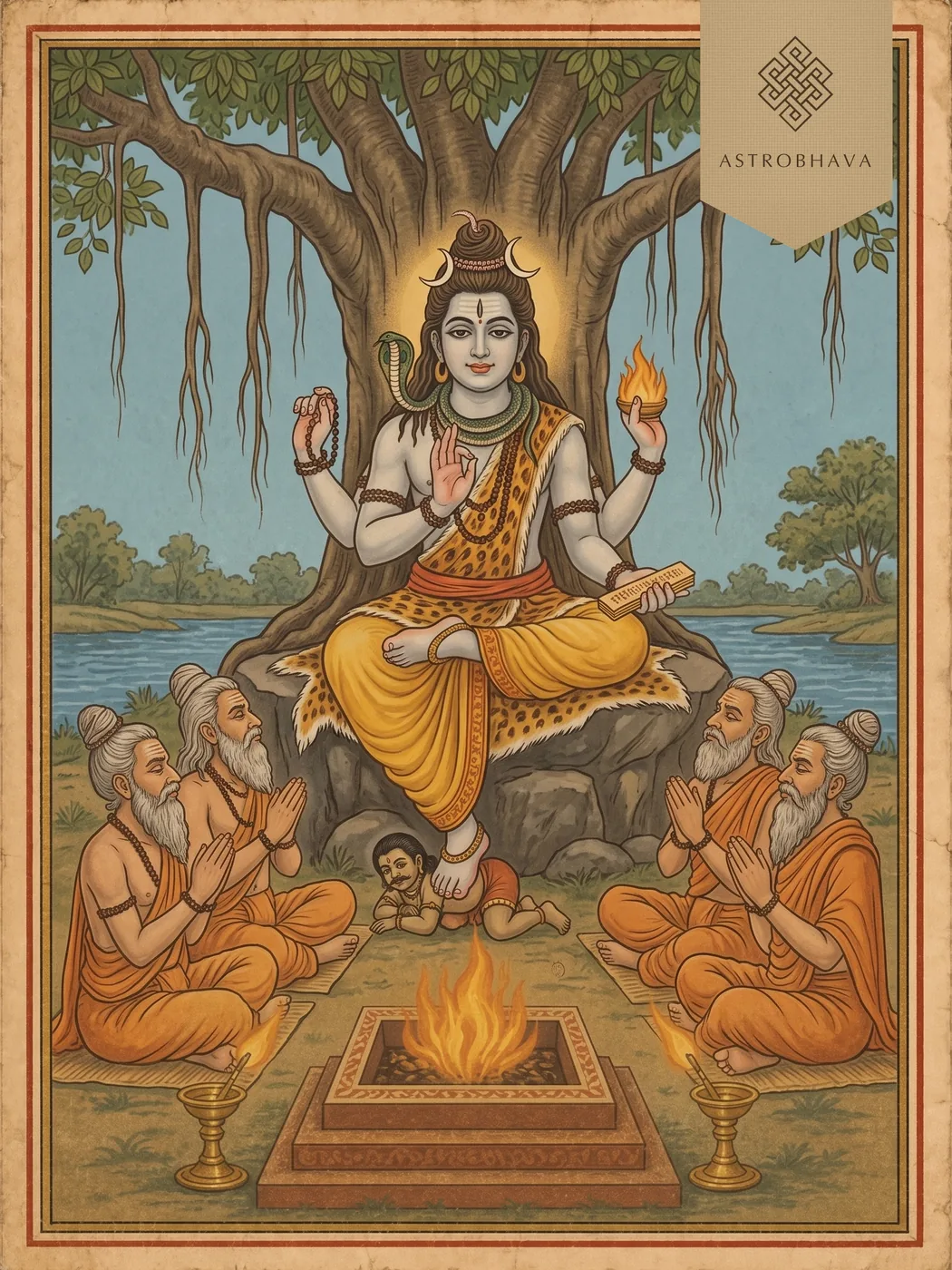 The Guru Ashtakam Homa, performed for youBook →
What the Guru Paduka Stotram is
The Guru Paduka Stotram is a Sanskrit hymn of nine verses that salutes not the Guru directly but the Guru's padukas, the wooden sandals that stand for the teacher's feet. Every verse ends on the same line, namo namah shri-guru-padukabhyam, and the grammar keeps the sandals as a pair throughout. The images change from verse to verse: a boat across the ocean of worldly existence (verse 1), rain clouds over a forest fire of misfortune (2), a line of suns against the dark (6), Garuda against serpents (6 and 9), the undersea fire that dries up an ocean of dullness (6). Read as a sequence, the verses also name the four qualifications that Vedanta asks of a seeker: dispassion in verse 1, the six virtues beginning with inner calm in verse 7, and discernment, dispassion and liberation together in verse 9. The hymn is popularly ascribed to Adi Shankaracharya; its oldest known printing credits a later Sringeri teacher.
Shankara's name, a Sringeri pontiff's book
Most people who chant this hymn learned it as a work of Adi Shankaracharya, and a popular account holds that he composed it on first meeting his own teacher, Govinda Bhagavatpada. No early manuscript is known to support that story. The hymn's oldest known printing is in Bhakti Sudha Tarangini, an anthology of devotional hymns issued by the Sri Vani Vilas Press, Srirangam, in 1913, where the colophon names its composer as Sachchidananda Shivabhinava Nrisimha Bharati, head of the Sringeri Sharada Peetham from 1879 until his death in March 1912. Born Shivaswami, he was brought to Sringeri as a boy of seven and adopted by his predecessor as successor. He is remembered for restoring Kalady, Shankara's birthplace, where he consecrated temples to Shankara and to the goddess Sharada in 1910, and the same press published a complete edition of Shankara's works under his guidance. A hymn to the Guru's sandals written by a pontiff devoted to Shankara could easily have passed into circulation under Shankara's name. The 1913 book has the same nine verses in a different order, opening with the lotus-feet verse, and a few different readings. The sandal image itself is older: in the Ramayana, Bharata places Rama's sandals on the throne of Ayodhya and rules as their regent.
The mantra, in six scripts
- अनन्तसंसारसमुद्रतारनौकायिताभ्यां
- anantasaṃsārasamudratāranaukāyitābhyāṃ — which are a boat for crossing the endless ocean of worldly life
- गुरुभक्तिदाभ्याम्
- gurubhaktidābhyām — which grant devotion to the Guru
- वैराग्यसाम्राज्यदपूजनाभ्यां
- vairāgyasāmrājyadapūjanābhyāṃ — whose worship gives the kingdom of dispassion
- नमो
- namo — salutation
- नमः
- namaḥ — salutation
- श्रीगुरुपादुकाभ्याम्
- śrīgurupādukābhyām — to the two holy sandals of the Guru
Guru Paduka Stotram lyrics in full
The nine verses in the order chanted today, each closing on the same salutation.
All 9 verses, in Sanskrit, Tamil, Telugu, Kannada, Malayalam and English, each with its meaning. Choose a script:
Download the Guru Paduka Stotram PDFAll 9 verses with their meanings, in Sanskrit. Free to print and keep.
अनन्तसंसारसमुद्रतारनौकायिताभ्यां गुरुभक्तिदाभ्याम् ।
वैराग्यसाम्राज्यदपूजनाभ्यां नमो नमः श्रीगुरुपादुकाभ्याम् ॥
அநந்தஸம்ஸாரஸமுத்ரதாரநௌகாயிதாப்யாம் குருபக்திதாப்யாம் ।
வைராக்யஸாம்ராஜ்யதபூஜநாப்யாம் நமோ நமஃ ஶ்ரீகுருபாதுகாப்யாம் ॥
అనన్తసంసారసముద్రతారనౌకాయితాభ్యాం గురుభక్తిదాభ్యామ్ ।
వైరాగ్యసామ్రాజ్యదపూజనాభ్యాం నమో నమః శ్రీగురుపాదుకాభ్యామ్ ॥
ಅನನ್ತಸಂಸಾರಸಮುದ್ರತಾರನೌಕಾಯಿತಾಭ್ಯಾಂ ಗುರುಭಕ್ತಿದಾಭ್ಯಾಮ್ ।
ವೈರಾಗ್ಯಸಾಮ್ರಾಜ್ಯದಪೂಜನಾಭ್ಯಾಂ ನಮೋ ನಮಃ ಶ್ರೀಗುರುಪಾದುಕಾಭ್ಯಾಮ್ ॥
അനന്തസംസാരസമുദ്രതാരനൌകായിതാഭ്യാം ഗുരുഭക്തിദാഭ്യാമ് ।
വൈരാഗ്യസാമ്രാജ്യദപൂജനാഭ്യാം നമോ നമഃ ശ്രീഗുരുപാദുകാഭ്യാമ് ॥
anantasaṃsārasamudratāranaukāyitābhyāṃ gurubhaktidābhyām |
vairāgyasāmrājyadapūjanābhyāṃ namo namaḥ śrīgurupādukābhyām ||
Salutations again and again to the holy sandals of the Guru, which serve as a boat for crossing the endless ocean of worldly existence and which grant devotion to the Guru. Worship of them bestows the kingdom of dispassion.
कवित्ववाराशिनिशाकराभ्यां दौर्भाग्यदावाम्बुदमालिकाभ्याम् ।
दूरीकृतानम्रविपत्तिताभ्यां नमो नमः श्रीगुरुपादुकाभ्याम् ॥
கவித்வவாராஶிநிஶாகராப்யாம் தௌர்பாக்யதாவாம்புதமாலிகாப்யாம் ।
தூரீக்ருதாநம்ரவிபத்திதாப்யாம் நமோ நமஃ ஶ்ரீகுருபாதுகாப்யாம் ॥
కవిత్వవారాశినిశాకరాభ్యాం దౌర్భాగ్యదావామ్బుదమాలికాభ్యామ్ ।
దూరీకృతానమ్రవిపత్తితాభ్యాం నమో నమః శ్రీగురుపాదుకాభ్యామ్ ॥
ಕವಿತ್ವವಾರಾಶಿನಿಶಾಕರಾಭ್ಯಾಂ ದೌರ್ಭಾಗ್ಯದಾವಾಮ್ಬುದಮಾಲಿಕಾಭ್ಯಾಮ್ ।
ದೂರೀಕೃತಾನಮ್ರವಿಪತ್ತಿತಾಭ್ಯಾಂ ನಮೋ ನಮಃ ಶ್ರೀಗುರುಪಾದುಕಾಭ್ಯಾಮ್ ॥
കവിത്വവാരാശിനിശാകരാഭ്യാം ദൌര്ഭാഗ്യദാവാമ്ബുദമാലികാഭ്യാമ് ।
ദൂരീകൃതാനമ്രവിപത്തിതാഭ്യാം നമോ നമഃ ശ്രീഗുരുപാദുകാഭ്യാമ് ॥
kavitvavārāśiniśākarābhyāṃ daurbhāgyadāvāmbudamālikābhyām |
dūrīkṛtānamravipattitābhyāṃ namo namaḥ śrīgurupādukābhyām ||
Salutations again and again to the holy sandals of the Guru, which are the moon that makes the ocean of poetic gift swell, and a bank of rain clouds over the forest fire of misfortune. They drive away the host of troubles of those who bow to them.
नता ययोः श्रीपतितां समीयुः कदाचिदप्याशु दरिद्रवर्याः ।
मूकाश्च वाचस्पतितां हि ताभ्यां नमो नमः श्रीगुरुपादुकाभ्याम् ॥
நதா யயோஃ ஶ்ரீபதிதாம் ஸமீயுஃ கதாசிதப்யாஶு தரித்ரவர்யாஃ ।
மூகாஶ்ச வாசஸ்பதிதாம் ஹி தாப்யாம் நமோ நமஃ ஶ்ரீகுருபாதுகாப்யாம் ॥
నతా యయోః శ్రీపతితాం సమీయుః కదాచిదప్యాశు దరిద్రవర్యాః ।
మూకాశ్చ వాచస్పతితాం హి తాభ్యాం నమో నమః శ్రీగురుపాదుకాభ్యామ్ ॥
ನತಾ ಯಯೋಃ ಶ್ರೀಪತಿತಾಂ ಸಮೀಯುಃ ಕದಾಚಿದಪ್ಯಾಶು ದರಿದ್ರವರ್ಯಾಃ ।
ಮೂಕಾಶ್ಚ ವಾಚಸ್ಪತಿತಾಂ ಹಿ ತಾಭ್ಯಾಂ ನಮೋ ನಮಃ ಶ್ರೀಗುರುಪಾದುಕಾಭ್ಯಾಮ್ ॥
നതാ യയോഃ ശ്രീപതിതാം സമീയുഃ കദാചിദപ്യാശു ദരിദ്രവര്യാഃ ।
മൂകാശ്ച വാചസ്പതിതാം ഹി താഭ്യാം നമോ നമഃ ശ്രീഗുരുപാദുകാഭ്യാമ് ॥
natā yayoḥ śrīpatitāṃ samīyuḥ kadācidapyāśu daridravaryāḥ |
mūkāśca vācaspatitāṃ hi tābhyāṃ namo namaḥ śrīgurupādukābhyām ||
Salutations again and again to the holy sandals of the Guru. The verse says that by bowing to them even the poorest of the poor quickly came to be lords of wealth, and even the mute became masters of speech.
नालीकनीकाशपदाहृताभ्यां नानाविमोहादिनिवारिकाभ्याम् ।
नमज्जनाभीष्टततिप्रदाभ्यां नमो नमः श्रीगुरुपादुकाभ्याम् ॥
நாலீகநீகாஶபதாஹ்ருதாப்யாம் நாநாவிமோஹாதிநிவாரிகாப்யாம் ।
நமஜ்ஜநாபீஷ்டததிப்ரதாப்யாம் நமோ நமஃ ஶ்ரீகுருபாதுகாப்யாம் ॥
నాలీకనీకాశపదాహృతాభ్యాం నానావిమోహాదినివారికాభ్యామ్ ।
నమజ్జనాభీష్టతతిప్రదాభ్యాం నమో నమః శ్రీగురుపాదుకాభ్యామ్ ॥
ನಾಲೀಕನೀಕಾಶಪದಾಹೃತಾಭ್ಯಾಂ ನಾನಾವಿಮೋಹಾದಿನಿವಾರಿಕಾಭ್ಯಾಮ್ ।
ನಮಜ್ಜನಾಭೀಷ್ಟತತಿಪ್ರದಾಭ್ಯಾಂ ನಮೋ ನಮಃ ಶ್ರೀಗುರುಪಾದುಕಾಭ್ಯಾಮ್ ॥
നാലീകനീകാശപദാഹൃതാഭ്യാം നാനാവിമോഹാദിനിവാരികാഭ്യാമ് ।
നമജ്ജനാഭീഷ്ടതതിപ്രദാഭ്യാം നമോ നമഃ ശ്രീഗുരുപാദുകാഭ്യാമ് ॥
nālīkanīkāśapadāhṛtābhyāṃ nānāvimohādinivārikābhyām |
namajjanābhīṣṭatatipradābhyāṃ namo namaḥ śrīgurupādukābhyām ||
Salutations again and again to the holy sandals of the Guru, which are worn on feet like lotuses and which ward off delusion in its many forms. They grant the many wishes of the people who bow to them.
नृपालिमौलिव्रजरत्नकान्तिसरिद्विराजज्झषकन्यकाभ्याम् ।
नृपत्वदाभ्यां नतलोकपङ्क्तेः नमो नमः श्रीगुरुपादुकाभ्याम् ॥
ந்ருபாலிமௌலிவ்ரஜரத்நகாந்திஸரித்விராஜஜ்சஷகந்யகாப்யாம் ।
ந்ருபத்வதாப்யாம் நதலோகபங்க்தேஃ நமோ நமஃ ஶ்ரீகுருபாதுகாப்யாம் ॥
నృపాలిమౌలివ్రజరత్నకాన్తిసరిద్విరాజజ్ఝషకన్యకాభ్యామ్ ।
నృపత్వదాభ్యాం నతలోకపఙ్క్తేః నమో నమః శ్రీగురుపాదుకాభ్యామ్ ॥
ನೃಪಾಲಿಮೌಲಿವ್ರಜರತ್ನಕಾನ್ತಿಸರಿದ್ವಿರಾಜಜ್ಝಷಕನ್ಯಕಾಭ್ಯಾಮ್ ।
ನೃಪತ್ವದಾಭ್ಯಾಂ ನತಲೋಕಪಙ್ಕ್ತೇಃ ನಮೋ ನಮಃ ಶ್ರೀಗುರುಪಾದುಕಾಭ್ಯಾಮ್ ॥
നൃപാലിമൌലിവ്രജരത്നകാന്തിസരിദ്വിരാജജ്ഝഷകന്യകാഭ്യാമ് ।
നൃപത്വദാഭ്യാം നതലോകപങ്ക്തേഃ നമോ നമഃ ശ്രീഗുരുപാദുകാഭ്യാമ് ॥
nṛpālimaulivrajaratnakāntisaridvirājajjhaṣakanyakābhyām |
nṛpatvadābhyāṃ natalokapaṅkteḥ namo namaḥ śrīgurupādukābhyām ||
Salutations again and again to the holy sandals of the Guru, which shine like little fish gleaming in a river formed by the light of the jewels on the crowns of rows of kings. They grant sovereignty to the throngs of people who bow to them.
पापान्धकारार्कपरम्पराभ्यां तापत्रयाहीन्द्रखगेश्वराभ्याम् ।
जाड्याब्धिसंशोषणवाडवाभ्याम् नमो नमः श्रीगुरुपादुकाभ्याम् ॥
பாபாந்தகாரார்கபரம்பராப்யாம் தாபத்ரயாஹீந்த்ரககேஶ்வராப்யாம் ।
ஜாட்யாப்திஸம்ஶோஷணவாடவாப்யாம் நமோ நமஃ ஶ்ரீகுருபாதுகாப்யாம் ॥
పాపాన్ధకారార్కపరమ్పరాభ్యాం తాపత్రయాహీన్ద్రఖగేశ్వరాభ్యామ్ ।
జాడ్యాబ్ధిసంశోషణవాడవాభ్యామ్ నమో నమః శ్రీగురుపాదుకాభ్యామ్ ॥
ಪಾಪಾನ್ಧಕಾರಾರ್ಕಪರಮ್ಪರಾಭ್ಯಾಂ ತಾಪತ್ರಯಾಹೀನ್ದ್ರಖಗೇಶ್ವರಾಭ್ಯಾಮ್ ।
ಜಾಡ್ಯಾಬ್ಧಿಸಂಶೋಷಣವಾಡವಾಭ್ಯಾಮ್ ನಮೋ ನಮಃ ಶ್ರೀಗುರುಪಾದುಕಾಭ್ಯಾಮ್ ॥
പാപാന്ധകാരാര്കപരമ്പരാഭ്യാം താപത്രയാഹീന്ദ്രഖഗേശ്വരാഭ്യാമ് ।
ജാഡ്യാബ്ധിസംശോഷണവാഡവാഭ്യാമ് നമോ നമഃ ശ്രീഗുരുപാദുകാഭ്യാമ് ॥
pāpāndhakārārkaparamparābhyāṃ tāpatrayāhīndrakhageśvarābhyām |
jāḍyābdhisaṃśoṣaṇavāḍavābhyām namo namaḥ śrīgurupādukābhyām ||
Salutations again and again to the holy sandals of the Guru, which are a line of suns against the darkness of sin, and Garuda, king of birds, against the serpent of the three kinds of suffering. They are the undersea fire that dries up the ocean of dullness.
शमादिषट्कप्रदवैभवाभ्यां समाधिदानव्रतदीक्षिताभ्याम् ।
रमाधवाङ्घ्रिस्थिरभक्तिदाभ्यां नमो नमः श्रीगुरुपादुकाभ्याम् ॥
ஶமாதிஷட்கப்ரதவைபவாப்யாம் ஸமாதிதாநவ்ரததீக்ஷிதாப்யாம் ।
ரமாதவாங்க்ரிஸ்திரபக்திதாப்யாம் நமோ நமஃ ஶ்ரீகுருபாதுகாப்யாம் ॥
శమాదిషట్కప్రదవైభవాభ్యాం సమాధిదానవ్రతదీక్షితాభ్యామ్ ।
రమాధవాఙ్ఘ్రిస్థిరభక్తిదాభ్యాం నమో నమః శ్రీగురుపాదుకాభ్యామ్ ॥
ಶಮಾದಿಷಟ್ಕಪ್ರದವೈಭವಾಭ್ಯಾಂ ಸಮಾಧಿದಾನವ್ರತದೀಕ್ಷಿತಾಭ್ಯಾಮ್ ।
ರಮಾಧವಾಙ್ಘ್ರಿಸ್ಥಿರಭಕ್ತಿದಾಭ್ಯಾಂ ನಮೋ ನಮಃ ಶ್ರೀಗುರುಪಾದುಕಾಭ್ಯಾಮ್ ॥
ശമാദിഷട്കപ്രദവൈഭവാഭ്യാം സമാധിദാനവ്രതദീക്ഷിതാഭ്യാമ് ।
രമാധവാങ്ഘ്രിസ്ഥിരഭക്തിദാഭ്യാം നമോ നമഃ ശ്രീഗുരുപാദുകാഭ്യാമ് ॥
śamādiṣaṭkapradavaibhavābhyāṃ samādhidānavratadīkṣitābhyām |
ramādhavāṅghristhirabhaktidābhyāṃ namo namaḥ śrīgurupādukābhyām ||
Salutations again and again to the holy sandals of the Guru, whose splendour bestows the six virtues beginning with inner calm, and which are pledged to the gift of samadhi. They grant steady devotion to the feet of Vishnu, the lord of Lakshmi.
स्वार्चापराणामखिलेष्टदाभ्यां स्वाहासहायाक्षधुरन्धराभ्याम् ।
स्वान्ताच्छभावप्रदपूजनाभ्यां नमो नमः श्रीगुरुपादुकाभ्याम् ॥
ஸ்வார்சாபராணாமகிலேஷ்டதாப்யாம் ஸ்வாஹாஸஹாயாக்ஷதுரந்தராப்யாம் ।
ஸ்வாந்தாச்சபாவப்ரதபூஜநாப்யாம் நமோ நமஃ ஶ்ரீகுருபாதுகாப்யாம் ॥
స్వార్చాపరాణామఖిలేష్టదాభ్యాం స్వాహాసహాయాక్షధురన్ధరాభ్యామ్ ।
స్వాన్తాచ్ఛభావప్రదపూజనాభ్యాం నమో నమః శ్రీగురుపాదుకాభ్యామ్ ॥
ಸ್ವಾರ್ಚಾಪರಾಣಾಮಖಿಲೇಷ್ಟದಾಭ್ಯಾಂ ಸ್ವಾಹಾಸಹಾಯಾಕ್ಷಧುರನ್ಧರಾಭ್ಯಾಮ್ ।
ಸ್ವಾನ್ತಾಚ್ಛಭಾವಪ್ರದಪೂಜನಾಭ್ಯಾಂ ನಮೋ ನಮಃ ಶ್ರೀಗುರುಪಾದುಕಾಭ್ಯಾಮ್ ॥
സ്വാര്ചാപരാണാമഖിലേഷ്ടദാഭ്യാം സ്വാഹാസഹായാക്ഷധുരന്ധരാഭ്യാമ് ।
സ്വാന്താച്ഛഭാവപ്രദപൂജനാഭ്യാം നമോ നമഃ ശ്രീഗുരുപാദുകാഭ്യാമ് ॥
svārcāparāṇāmakhileṣṭadābhyāṃ svāhāsahāyākṣadhurandharābhyām |
svāntācchabhāvapradapūjanābhyāṃ namo namaḥ śrīgurupādukābhyām ||
Salutations again and again to the holy sandals of the Guru, which grant every wish to those devoted to worshipping them, and which are foremost in upholding Shiva, whose eye is fire. Worship of them gives a pure state of the inner mind.
कामादिसर्पव्रजगारुडाभ्यां विवेकवैराग्यनिधिप्रदाभ्याम् ।
बोधप्रदाभ्यां द्रुतमोक्षदाभ्यां नमो नमः श्रीगुरुपादुकाभ्याम् ॥
காமாதிஸர்பவ்ரஜகாருடாப்யாம் விவேகவைராக்யநிதிப்ரதாப்யாம் ।
போதப்ரதாப்யாம் த்ருதமோக்ஷதாப்யாம் நமோ நமஃ ஶ்ரீகுருபாதுகாப்யாம் ॥
కామాదిసర్పవ్రజగారుడాభ్యాం వివేకవైరాగ్యనిధిప్రదాభ్యామ్ ।
బోధప్రదాభ్యాం ద్రుతమోక్షదాభ్యాం నమో నమః శ్రీగురుపాదుకాభ్యామ్ ॥
ಕಾಮಾದಿಸರ್ಪವ್ರಜಗಾರುಡಾಭ್ಯಾಂ ವಿವೇಕವೈರಾಗ್ಯನಿಧಿಪ್ರದಾಭ್ಯಾಮ್ ।
ಬೋಧಪ್ರದಾಭ್ಯಾಂ ದ್ರುತಮೋಕ್ಷದಾಭ್ಯಾಂ ನಮೋ ನಮಃ ಶ್ರೀಗುರುಪಾದುಕಾಭ್ಯಾಮ್ ॥
കാമാദിസര്പവ്രജഗാരുഡാഭ്യാം വിവേകവൈരാഗ്യനിധിപ്രദാഭ്യാമ് ।
ബോധപ്രദാഭ്യാം ദ്രുതമോക്ഷദാഭ്യാം നമോ നമഃ ശ്രീഗുരുപാദുകാഭ്യാമ് ॥
kāmādisarpavrajagāruḍābhyāṃ vivekavairāgyanidhipradābhyām |
bodhapradābhyāṃ drutamokṣadābhyāṃ namo namaḥ śrīgurupādukābhyām ||
Salutations again and again to the holy sandals of the Guru, which are Garuda to the swarm of serpents such as desire, and which bestow the treasure of discernment and dispassion. They give awakening and swift liberation.
The syllable people get wrong
In the refrain word pādukābhyām (पादुकाभ्याम्) the first two a's are long and the u is short, so it is 'paa-du-kaa-bhyaam', not 'pa-DOO-ka'; the bh is a breathy b, and the ending is one syllable, 'bhyaam', not 'bee-yam'.
When the Guru Paduka Stotram is chanted
Festival. Guru Purnima paduka puja
Questions
Have your chart read before you decide
Chanting is yours to do, and free. But which deity your situation calls for — and whether a mantra alone is the right response — depends on your chart. Sometimes it is; sometimes it is not.
- Over 30 years in the Guru–Sishya Parampara, from the age of five
- He reads every chart himself — 60 minutes, one to one, never delegated
- Charts are read only between sunrise and sunset, following tradition
