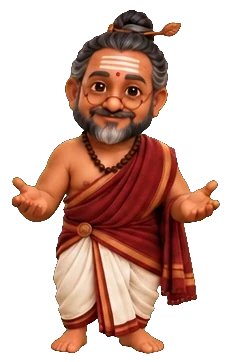
Pradosha Vrat is observed on every Trayodashi — the thirteenth lunar day of both the bright and dark fortnights. When that Trayodashi’s Pradosh Kaal falls on a Thursday (Guruvar), the observance is called Guru Pradosha Vrat or Guru Pradosham. Thursday is ruled by Brihaspati, the planet of dharma, wisdom and the teacher principle, so the day joins Shiva’s twilight worship with the Guru tattva.
The Skanda Purana and the Shiva Purana hold Pradosh Kaal — the roughly ninety-minute window around sunset — as the hour when Shiva’s Tandava was witnessed on Kailasa. Devotees who keep the fast, perform abhisheka of the Lingam and chant during this window follow a rite that tradition ranks among the most meritorious forms of Shiva aradhana. Guru Pradosham occurs only a few times a year; in 2026 the confirmed Thursdays are set out below.
This guide covers what the vrat is, why the Thursday occurrence is treated as distinct, the 2026 dates and local timing method, the fasting discipline, the step-by-step puja vidhi, the principal mantras and what the classical sources say about Pitru kripa and Jupiter-related observances. For the day’s tithi and sunset in your own city, consult the daily panchang.
What Is Pradosha Vrat
Pradosha Vrat, known in South India as Pradosham, is the sacred fast kept on Trayodashi of Shukla Paksha and Krishna Paksha in every Hindu lunar month. Two Trayodashis each month yield about twenty-four Pradosha observances in a year. The word pradosha means the onset of dusk: the period that begins roughly three muhurtas before sunset and extends a little after it.
According to the Skanda Purana and the Shiva Purana, this is the hour associated with Shiva’s cosmic dance and with the gathering of the devas. Worship of the Lingam with bilva, abhisheka and the Panchakshara during Pradosh Kaal is therefore prescribed as especially fruitful. The character of each Pradosham is further coloured by the weekday: Monday Pradosham is linked with desire-fulfilment in the traditional lists; Saturday Pradosham (Shani Pradosham) with Shani-related hardship; and Thursday Pradosham — Guru Pradosham — with wisdom, ancestral grace and the Guru principle.
Why Guru Pradosha Vrat Is Held Special
Thursday is Brihaspati’s day. Brihaspati governs dharma, higher knowledge, teachers, children and the grace of the preceptor. When Pradosh Kaal coincides with Guruvar, the rite is offered with both Mahadeva and the Guru tattva in view. Classical and later smriti practice therefore associate Guru Pradosham with:
- Pitru kripa — prayers and tarpana directed toward the ancestors
- Observances undertaken when Jupiter is weak or afflicted in the chart, including conditions such as Guru Chandal yoga
- Seeking clarity in study, spiritual guidance and right conduct
- Family harmony and the blessing of progeny, as Jupiter’s portfolio includes children and elders
- Steady progress on the path of moksha as described in the Puranic accounts of Pradosha
Those who wish to examine whether Jupiter is under stress in the natal chart may use a free dosha check or review current movement on the Jupiter transit page. Where a formal planetary homam is indicated by an astrologer, the house’s planetary homam catalogue and rites such as the Guru Chandal Dosha Nivaran Homam follow the same Brihaspati-centred logic.
astrobhava.com
Guru Pradosham 2026
Trayodashi at dusk, on Brihaspati's day
- 3Thursdays in 2026
- ~90 MINPradosh Kaal window
- 24Pradosha days yearly
The 2026 Thursdays
- 15 January — Krishna Paksha, Magha
- 14 May — Krishna Paksha, Jyeshtha
- 28 May — Shukla Paksha, Jyeshtha
Why the Thursday is distinct
- Pitru kripa — tarpana for the ancestors
- Jupiter weak or afflicted in the chart
- Clarity in study and spiritual guidance
- Family harmony and blessing of progeny
- Steady progress on the path of moksha
Fasting discipline
- Nirjala or phalahari, by family custom
- Fast broken after Pradosh puja and aarti
- No non-vegetarian food, alcohol, onion or garlic
- No harsh speech or quarrel
- Sincerity of sankalpa over severity
Local panchang reckoning prevails over a printed IST table
Trayodashi current at sunset makes that evening your Pradosham
shiva · guru · tattva
ASTROBHAVA.COMVedic rituals, never a group ceremony, telecast live
Guru Pradosha Vrat 2026 Dates and Timing
In 2026, Trayodashi falls on a Thursday on the following dates. Pradosh Kaal is always calculated from local sunset; the India windows below are indicative only.
| Date | Paksha and month | Trayodashi span (indicative) | Pradosh Kaal (IST, approx.) |
|---|---|---|---|
| Thursday, 15 January 2026 | Krishna Paksha, Magha | Begins morning of 15 Jan; ends morning of 16 Jan | About 5:35 PM – 8:19 PM |
| Thursday, 14 May 2026 | Krishna Paksha, Jyeshtha | Begins in the early hours; ends evening of 14 May | About 7:04 PM – 9:09 PM |
| Thursday, 28 May 2026 | Shukla Paksha, Jyeshtha | Begins night of 27 May; ends night of 28 May | About 7:12 PM – 9:15 PM |
Devotees outside India should take the sunset time of their own city on the Trayodashi day and keep the roughly ninety-minute window from that sunset as local Pradosh Kaal. Confirm the tithi and the festival listing on the festival calendar before fixing the sankalpa, because a tithi that ends before dusk can shift the observance.
Fasting Rules — What Tradition Prescribes
Wake before sunrise where possible, bathe, and wear clean light-coloured or white cloth. Take sankalpa before Shiva, stating name, gotra if known, and the intention to keep Guru Pradosha Vrat for the grace of Mahadeva and Brihaspati.
Many households keep a nirjala or phalahari fast through the day; others abstain only from grains and non-vegetarian food. The fast is broken after the Pradosh puja and aarti. Fruits, milk, curd, coconut water, dry fruits and certain roots are commonly allowed; exact lists follow family and regional custom.
On the vrat day tradition asks the devotee to avoid non-vegetarian food, alcohol and other intoxicants, tamasic items such as onion and garlic, harsh speech and quarrel, cutting hair or nails, and sexual activity. Sincerity of sankalpa matters more than severity: those who cannot fast for reasons of health, pregnancy or age may still perform the puja with full devotion, or keep a partial grain-free discipline.
Step-by-Step Guru Pradosha Puja Vidhi
Perform the puja in Pradosh Kaal. A home shrine with a Shiva Lingam — or a murti or image of Shiva and Parvati — is sufficient. Keep ready: Panchamrit (milk, curd, honey, ghee, sugar), clean water, bilva leaves (three, eleven or more, unbroken), white flowers (jasmine, white lotus or dhatura where available), chandan, vibhuti, incense, dhoop, a ghee or sesame-oil deepam, camphor, roli, akshata, and naivedya of fruit, coconut or a simple milk sweet. On Guru Pradosham, yellow naivedya such as besan laddu or moong-dal halwa is often chosen because yellow is Brihaspati’s colour.
- Purification and sankalpa. Sit facing east or north. Light the deepam and incense. Sprinkle pure water around the seat. State the sankalpa clearly.
- Ganesha invocation. Offer akshata and a flower; chant Om Gam Ganapataye Namah three or eleven times.
- Abhisheka. Pour Panchamrit over the Lingam in order — milk, curd, honey, ghee, sugar — rinsing with water after each. Chant Om Namah Shivaya throughout. For Guru Pradosham, raw cow’s milk with a pinch of turmeric and sugar is also offered, as these substances are dear to both Shiva and Brihaspati.
- Bilva offering. Place bilva leaves at the base of the Lingam, smooth side toward the stone, while chanting the Panchakshara or the Bilvashtakam. The three leaflets are read as the Trimurti and as the surrender of the three gunas.
- Chandan and vibhuti. Apply sandal paste and sacred ash to the Lingam.
- Pushpanjali. Offer white flowers; dhatura if available. The Shiva Sahasranama may be recited when time allows.
- Dhoop and deepam. Wave incense and lamp clockwise with the Panchakshara.
- Naivedya. Offer fruit, coconut or the prepared sweet.
- Pradosha Katha. Read or listen to the Pradosha Vrat Katha, which recounts Shiva’s grace in this hour.
- Aarti. Conclude with camphor aarti — commonly Om Jai Shiv Omkara — and full pranama.
- Pradakshina and Nandi. At a temple, circumambulate three or seven times and offer a brief prayer to Nandi before approaching the Lingam, as tradition holds that prayer offered through Nandi reaches Shiva directly.
Where a fuller Vedic abhisheka with Sri Rudram is desired on the same evening, the house performs Rudra Homam and related Shiva rites at the Yagna Ashram, telecast live to the devotee.
Mantras Chanted on Guru Pradosham
Japa during Pradosh Kaal is kept steady and unhurried. Guidance on posture, breath and mala use is set out in the house’s note on how to chant a mantra.
After aarti the fast is broken with sattvic prasad — fruit, coconut or a light milk sweet from the naivedya. Heavy or rajasic food is set aside for the rest of the evening so that the quiet of the vrat is not disturbed.
What the Scriptures Say about Guru Pradosham
The Skanda Purana and the Shiva Purana describe Pradosha worship as equal in merit, in their own hyperbolic idiom, to many other forms of tapas and tirtha taken together. A single-minded Pradosha puja is said in those texts to touch the weight of long-accumulated karma; the claim is scriptural praise, not a modern guarantee of result.
Thursday Pradosham is particularly tied to Pitru kripa. Offering water, sesame or simple tarpana in the same window, alongside the Shiva puja, is the method tradition gives for seeking peace for the departed and for addressing Pitru-related affliction in the lineage. Jupiter’s brief in the chart — dharma, children, teachers, wealth of the higher kind and right knowledge — is why those running a Guru dasha, or born with Sagittarius or Pisces strongly placed, are often advised by family elders to keep this vrat with care.
Combining the home Pradosha puja with Rudrabhisheka — abhisheka of the Lingam to the chanting of the Sri Rudram (Namakam and Chamakam of the Yajur Veda) — is an established temple practice. On a Guru Pradosha evening that pairing is counted among the fuller Vedic observances dedicated to Shiva as Rudra.
Questions devotees ask
The AstroBhava Editorial Desk chooses the topics for this blog and decides what is published.