Govindashtakam
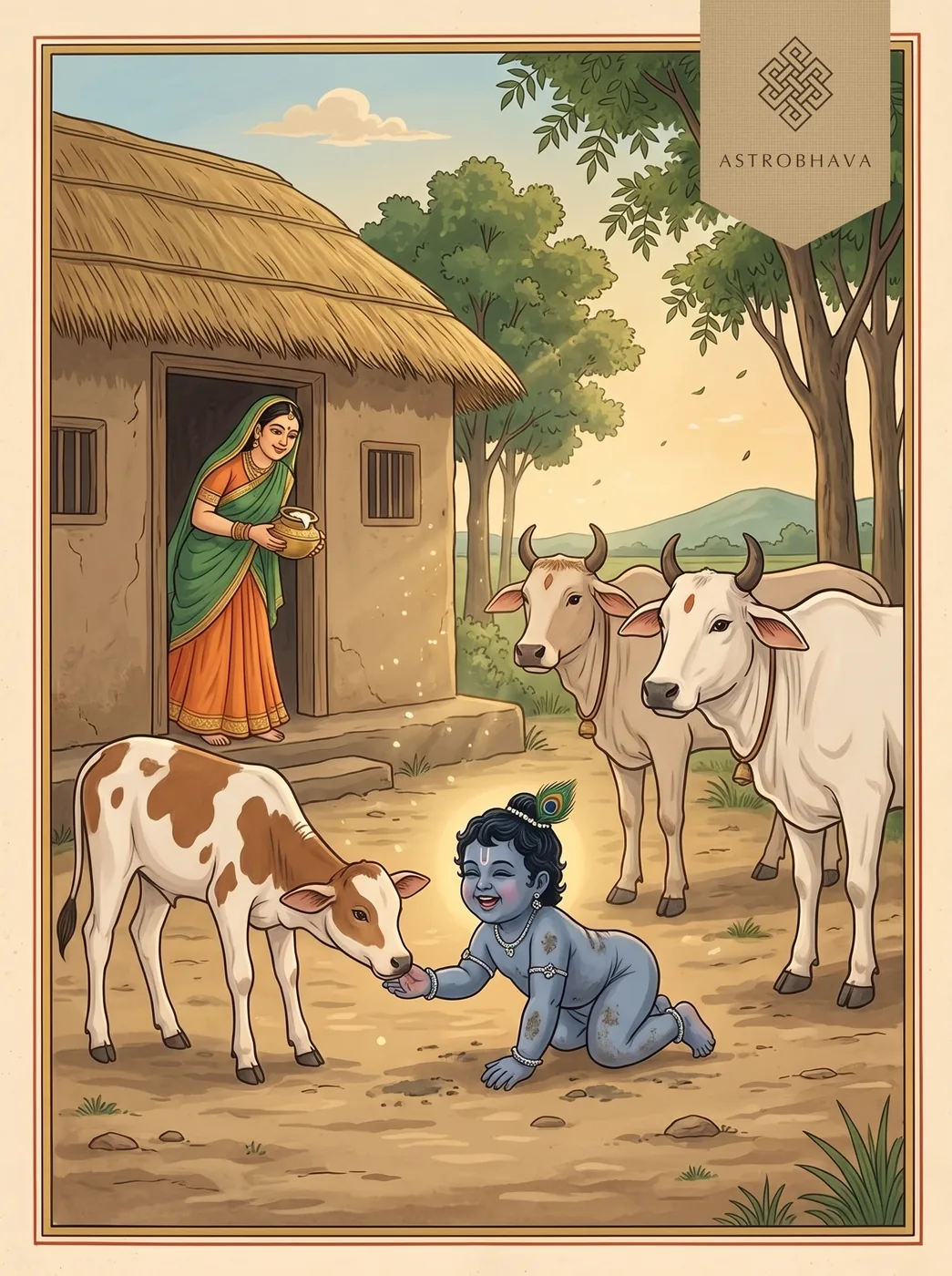
सत्यं ज्ञानमनन्तं नित्यमनाकाशं परमाकाशं गोष्ठप्राङ्गणरिङ्खणलोलमनायासं परमायासम् । मायाकल्पितनानाकारमनाकारं भुवनाकारं क्ष्मामानाथमनाथं प्रणमत गोविन्दं परमानन्दम् ॥Also known as Satyam Jnanam Anantam
In Devanagari, Tamil, Telugu, Kannada, Malayalam and English — with the meaning of every word, and the one syllable most people pronounce wrongly.
 The Govindashtakam Homam, performed for youBook →
What the Govindashtakam is
The Govindashtakam, often known by its opening words Satyam Jnanam Anantam, is a Sanskrit hymn of eight verses to Krishna under the name Govinda, with a ninth verse of result. It is attributed to Adi Shankaracharya: the colophon printed with it calls the author a disciple of Govinda Bhagavatpada, and the stotra collections of the Shankara monasteries carry it under his name. Each verse sets a statement about Brahman against a moment from the Vraja childhood, so that verse 1 opens on the Taittiriya Upanishad's definition and, before its first half ends, has that same reality crawling across a cow-yard and tiring itself. Verse 2 takes the eating of earth, verse 3 butter, verse 4 Govardhana, verse 5 the dust of the herd, verse 6 the bathers' clothes, verse 7 Kaliya and verse 8 the smile in Vrindavan. Word-play carries the sound: loka rings through verse 2, go through verse 4, kala through verse 7. Every verse closes on pranamata govindam paramanandam, bow to Govinda, the supreme bliss.
Scenes from the Bhagavata, a teacher's name
No occasion of composition is handed down with the Govindashtakam. Its setting is the tenth book of the Bhagavata Purana, which it retells in fragments and sometimes changes. Verse 2 draws on chapter 8, where the boys report that Krishna has eaten earth and Yashoda looks into his mouth to find the cosmos there. The Bhagavata has her take hold of him and scold him; the hymn speaks of a slap, and names the fourteen worlds and the Lokaloka mountain. Verse 7 follows chapter 16, the dance on the heads of Kaliya in the Yamuna. Verse 6 recalls chapter 22, where girls keeping a month's vow to Katyayani leave their clothes on the bank, and goes on at once to call the boy with the clothes pure existence. Verse 4 has its own account of the name: the cows themselves called him Govinda, whereas in chapter 27 Indra and the cow Surabhi bestow it after Govardhana is lifted. The closing line brings in a second Govinda, Shankara's teacher Govinda Bhagavatpada. The Madhaviya Shankaravijaya tells how the young Shankara found him in samadhi in a cave at Omkareshwar on the Narmada and stilled a rising flood with his water pot. Nothing in the verses connects the two names.
The mantra, in six scripts
- सत्यं
- satyaṃ — truth
- ज्ञानमनन्तं
- jñānamanantaṃ — knowledge, the endless
- नित्यमनाकाशं
- nityamanākāśaṃ — eternal, not the physical sky
- परमाकाशं
- paramākāśaṃ — the supreme space
- गोष्ठप्राङ्गणरिङ्खणलोलमनायासं
- goṣṭhaprāṅgaṇariṅkhaṇalolamanāyāsaṃ — playful at crawling in the cow-yard, effortless
- परमायासम्
- paramāyāsam — yet greatly tired
- मायाकल्पितनानाकारमनाकारं
- māyākalpitanānākāramanākāraṃ — taking many forms made by maya, yet formless
- भुवनाकारं
- bhuvanākāraṃ — the form of the worlds
- क्ष्मामानाथमनाथं
- kṣmāmānāthamanāthaṃ — master of Earth and of Lakshmi, with no master above
- प्रणमत
- praṇamata — bow to
- गोविन्दं
- govindaṃ — Govinda
- परमानन्दम्
- paramānandam — the supreme bliss
Govindashtakam lyrics in full
Eight verses and the closing phala verse, in the older reading. The printed closing line is given at the end.
All 10 verses, in Sanskrit, Tamil, Telugu, Kannada, Malayalam and English, each with its meaning. Choose a script:
Download the Govindashtakam PDFAll 10 verses with their meanings, in Sanskrit. Free to print and keep.
सत्यं ज्ञानमनन्तं नित्यमनाकाशं परमाकाशं गोष्ठप्राङ्गणरिङ्खणलोलमनायासं परमायासम् ।
मायाकल्पितनानाकारमनाकारं भुवनाकारं क्ष्मामानाथमनाथं प्रणमत गोविन्दं परमानन्दम् ॥
ஸத்யம் ஜ்ஞாநமநந்தம் நித்யமநாகாஶம் பரமாகாஶம் கோஷ்டப்ராங்கணரிங்கணலோலமநாயாஸம் பரமாயாஸம் ।
மாயாகல்பிதநாநாகாரமநாகாரம் புவநாகாரம் க்ஷ்மாமாநாதமநாதம் ப்ரணமத கோவிந்தம் பரமாநந்தம் ॥
సత్యం జ్ఞానమనన్తం నిత్యమనాకాశం పరమాకాశం గోష్ఠప్రాఙ్గణరిఙ్ఖణలోలమనాయాసం పరమాయాసమ్ ।
మాయాకల్పితనానాకారమనాకారం భువనాకారం క్ష్మామానాథమనాథం ప్రణమత గోవిన్దం పరమానన్దమ్ ॥
ಸತ್ಯಂ ಜ್ಞಾನಮನನ್ತಂ ನಿತ್ಯಮನಾಕಾಶಂ ಪರಮಾಕಾಶಂ ಗೋಷ್ಠಪ್ರಾಙ್ಗಣರಿಙ್ಖಣಲೋಲಮನಾಯಾಸಂ ಪರಮಾಯಾಸಮ್ ।
ಮಾಯಾಕಲ್ಪಿತನಾನಾಕಾರಮನಾಕಾರಂ ಭುವನಾಕಾರಂ ಕ್ಷ್ಮಾಮಾನಾಥಮನಾಥಂ ಪ್ರಣಮತ ಗೋವಿನ್ದಂ ಪರಮಾನನ್ದಮ್ ॥
സത്യം ജ്ഞാനമനന്തം നിത്യമനാകാശം പരമാകാശം ഗോഷ്ഠപ്രാങ്ഗണരിങ്ഖണലോലമനായാസം പരമായാസമ് ।
മായാകല്പിതനാനാകാരമനാകാരം ഭുവനാകാരം ക്ഷ്മാമാനാഥമനാഥം പ്രണമത ഗോവിന്ദം പരമാനന്ദമ് ॥
satyaṃ jñānamanantaṃ nityamanākāśaṃ paramākāśaṃ goṣṭhaprāṅgaṇariṅkhaṇalolamanāyāsaṃ paramāyāsam |
māyākalpitanānākāramanākāraṃ bhuvanākāraṃ kṣmāmānāthamanāthaṃ praṇamata govindaṃ paramānandam ||
He is truth, knowledge, the endless and eternal, no physical sky and yet the supreme space; effortless, yet he tires himself crawling playfully in the cowherd yard. Through maya he takes many forms, formless yet the form of the worlds, lord of the Earth and of Lakshmi with no lord above him. Bow to Govinda, the supreme bliss.
मृत्स्नामत्सीहेति यशोदाताडनशैशवसन्त्रासं व्यादितवक्त्रालोकितलोकालोकचतुर्दशलोकालिम् ।
लोकत्रयपुरमूलस्तम्भं लोकालोकमनालोकं लोकेशं परमेशं प्रणमत गोविन्दं परमानन्दम् ॥
ம்ருத்ஸ்நாமத்ஸீஹேதி யஶோதாதாடநஶைஶவஸந்த்ராஸம் வ்யாதிதவக்த்ராலோகிதலோகாலோகசதுர்தஶலோகாலிம் ।
லோகத்ரயபுரமூலஸ்தம்பம் லோகாலோகமநாலோகம் லோகேஶம் பரமேஶம் ப்ரணமத கோவிந்தம் பரமாநந்தம் ॥
మృత్స్నామత్సీహేతి యశోదాతాడనశైశవసన్త్రాసం వ్యాదితవక్త్రాలోకితలోకాలోకచతుర్దశలోకాలిమ్ ।
లోకత్రయపురమూలస్తమ్భం లోకాలోకమనాలోకం లోకేశం పరమేశం ప్రణమత గోవిన్దం పరమానన్దమ్ ॥
ಮೃತ್ಸ್ನಾಮತ್ಸೀಹೇತಿ ಯಶೋದಾತಾಡನಶೈಶವಸನ್ತ್ರಾಸಂ ವ್ಯಾದಿತವಕ್ತ್ರಾಲೋಕಿತಲೋಕಾಲೋಕಚತುರ್ದಶಲೋಕಾಲಿಮ್ ।
ಲೋಕತ್ರಯಪುರಮೂಲಸ್ತಮ್ಭಂ ಲೋಕಾಲೋಕಮನಾಲೋಕಂ ಲೋಕೇಶಂ ಪರಮೇಶಂ ಪ್ರಣಮತ ಗೋವಿನ್ದಂ ಪರಮಾನನ್ದಮ್ ॥
മൃത്സ്നാമത്സീഹേതി യശോദാതാഡനശൈശവസന്ത്രാസം വ്യാദിതവക്ത്രാലോകിതലോകാലോകചതുര്ദശലോകാലിമ് ।
ലോകത്രയപുരമൂലസ്തമ്ഭം ലോകാലോകമനാലോകം ലോകേശം പരമേശം പ്രണമത ഗോവിന്ദം പരമാനന്ദമ് ॥
mṛtsnāmatsīheti yaśodātāḍanaśaiśavasantrāsaṃ vyāditavaktrālokitalokālokacaturdaśalokālim |
lokatrayapuramūlastambhaṃ lokālokamanālokaṃ lokeśaṃ parameśaṃ praṇamata govindaṃ paramānandam ||
Asked 'Are you eating earth here?', he was the child frightened by Yashoda's slap, and in his opened mouth the fourteen worlds and the Lokaloka mountain were seen. He is the root pillar of the city of the three worlds, the light of the worlds who is himself beyond sight, lord of the worlds, the supreme lord. Bow to Govinda, the supreme bliss.
त्रैविष्टपरिपुवीरघ्नं क्षितिभारघ्नं भवरोगघ्नं कैवल्यं नवनीताहारमनाहारं भुवनाहारम् ।
वैमल्यस्फुटचेतोवृत्तिविशेषाभासमनाभासं शैवं केवलशान्तं प्रणमत गोविन्दं परमानन्दम् ॥
த்ரைவிஷ்டபரிபுவீரக்நம் க்ஷிதிபாரக்நம் பவரோகக்நம் கைவல்யம் நவநீதாஹாரமநாஹாரம் புவநாஹாரம் ।
வைமல்யஸ்புடசேதோவ்ருத்திவிஶேஷாபாஸமநாபாஸம் ஶைவம் கேவலஶாந்தம் ப்ரணமத கோவிந்தம் பரமாநந்தம் ॥
త్రైవిష్టపరిపువీరఘ్నం క్షితిభారఘ్నం భవరోగఘ్నం కైవల్యం నవనీతాహారమనాహారం భువనాహారమ్ ।
వైమల్యస్ఫుటచేతోవృత్తివిశేషాభాసమనాభాసం శైవం కేవలశాన్తం ప్రణమత గోవిన్దం పరమానన్దమ్ ॥
ತ್ರೈವಿಷ್ಟಪರಿಪುವೀರಘ್ನಂ ಕ್ಷಿತಿಭಾರಘ್ನಂ ಭವರೋಗಘ್ನಂ ಕೈವಲ್ಯಂ ನವನೀತಾಹಾರಮನಾಹಾರಂ ಭುವನಾಹಾರಮ್ ।
ವೈಮಲ್ಯಸ್ಫುಟಚೇತೋವೃತ್ತಿವಿಶೇಷಾಭಾಸಮನಾಭಾಸಂ ಶೈವಂ ಕೇವಲಶಾನ್ತಂ ಪ್ರಣಮತ ಗೋವಿನ್ದಂ ಪರಮಾನನ್ದಮ್ ॥
ത്രൈവിഷ്ടപരിപുവീരഘ്നം ക്ഷിതിഭാരഘ്നം ഭവരോഗഘ്നം കൈവല്യം നവനീതാഹാരമനാഹാരം ഭുവനാഹാരമ് ।
വൈമല്യസ്ഫുടചേതോവൃത്തിവിശേഷാഭാസമനാഭാസം ശൈവം കേവലശാന്തം പ്രണമത ഗോവിന്ദം പരമാനന്ദമ് ॥
traiviṣṭaparipuvīraghnaṃ kṣitibhāraghnaṃ bhavarogaghnaṃ kaivalyaṃ navanītāhāramanāhāraṃ bhuvanāhāram |
vaimalyasphuṭacetovṛttiviśeṣābhāsamanābhāsaṃ śaivaṃ kevalaśāntaṃ praṇamata govindaṃ paramānandam ||
He slays the heroes among the enemies of the gods, removes the burden of the Earth and ends the sickness of worldly existence. He is liberation itself; he feeds on butter, needs no food, and takes the worlds into himself. He shines in the clear working of a pure mind, yet is beyond all appearance. Bow to Govinda, the supreme bliss, auspicious and wholly at peace.
गोपालं प्रभुलीलाविग्रहगोपालं कुलगोपालं गोपीखेलनगोवर्धनधृतिलीलालालितगोपालम् ।
गोभिर्निगदितगोविन्दस्फुटनामानं बहुनामानं गोधीगोचरदूरं प्रणमत गोविन्दं परमानन्दम् ॥
கோபாலம் ப்ரபுலீலாவிக்ரஹகோபாலம் குலகோபாலம் கோபீகேலநகோவர்தநத்ருதிலீலாலாலிதகோபாலம் ।
கோபிர்நிகதிதகோவிந்தஸ்புடநாமாநம் பஹுநாமாநம் கோதீகோசரதூரம் ப்ரணமத கோவிந்தம் பரமாநந்தம் ॥
గోపాలం ప్రభులీలావిగ్రహగోపాలం కులగోపాలం గోపీఖేలనగోవర్ధనధృతిలీలాలాలితగోపాలమ్ ।
గోభిర్నిగదితగోవిన్దస్ఫుటనామానం బహునామానం గోధీగోచరదూరం ప్రణమత గోవిన్దం పరమానన్దమ్ ॥
ಗೋಪಾಲಂ ಪ್ರಭುಲೀಲಾವಿಗ್ರಹಗೋಪಾಲಂ ಕುಲಗೋಪಾಲಂ ಗೋಪೀಖೇಲನಗೋವರ್ಧನಧೃತಿಲೀಲಾಲಾಲಿತಗೋಪಾಲಮ್ ।
ಗೋಭಿರ್ನಿಗದಿತಗೋವಿನ್ದಸ್ಫುಟನಾಮಾನಂ ಬಹುನಾಮಾನಂ ಗೋಧೀಗೋಚರದೂರಂ ಪ್ರಣಮತ ಗೋವಿನ್ದಂ ಪರಮಾನನ್ದಮ್ ॥
ഗോപാലം പ്രഭുലീലാവിഗ്രഹഗോപാലം കുലഗോപാലം ഗോപീഖേലനഗോവര്ധനധൃതിലീലാലാലിതഗോപാലമ് ।
ഗോഭിര്നിഗദിതഗോവിന്ദസ്ഫുടനാമാനം ബഹുനാമാനം ഗോധീഗോചരദൂരം പ്രണമത ഗോവിന്ദം പരമാനന്ദമ് ॥
gopālaṃ prabhulīlāvigrahagopālaṃ kulagopālaṃ gopīkhelanagovardhanadhṛtilīlālālitagopālam |
gobhirnigaditagovindasphuṭanāmānaṃ bahunāmānaṃ godhīgocaradūraṃ praṇamata govindaṃ paramānandam ||
He is the cowherd, the Lord who took a cowherd's form in play, protector of his clan, who sported with the gopis, lifted Govardhana in play and delighted the cowherds. Cows themselves called him clearly by the name Govinda; he has many names and is far beyond the reach of the senses and intellect. Bow to Govinda, the supreme bliss.
गोपीमण्डलगोष्ठीभेदं भेदावस्थमभेदाभं शश्वद्गोखुरनिर्धूतोद्गतधूलीधूसरसौभाग्यम् ।
श्रद्धाभक्तिगृहीतानन्दमचिन्त्यं चिन्तितसद्भावं चिन्तामणिमहिमानं प्रणमत गोविन्दं परमानन्दम् ॥
கோபீமண்டலகோஷ்டீபேதம் பேதாவஸ்தமபேதாபம் ஶஶ்வத்கோகுரநிர்தூதோத்கததூலீதூஸரஸௌபாக்யம் ।
ஶ்ரத்தாபக்திக்ருஹீதாநந்தமசிந்த்யம் சிந்திதஸத்பாவம் சிந்தாமணிமஹிமாநம் ப்ரணமத கோவிந்தம் பரமாநந்தம் ॥
గోపీమణ్డలగోష్ఠీభేదం భేదావస్థమభేదాభం శశ్వద్గోఖురనిర్ధూతోద్గతధూలీధూసరసౌభాగ్యమ్ ।
శ్రద్ధాభక్తిగృహీతానన్దమచిన్త్యం చిన్తితసద్భావం చిన్తామణిమహిమానం ప్రణమత గోవిన్దం పరమానన్దమ్ ॥
ಗೋಪೀಮಣ್ಡಲಗೋಷ್ಠೀಭೇದಂ ಭೇದಾವಸ್ಥಮಭೇದಾಭಂ ಶಶ್ವದ್ಗೋಖುರನಿರ್ಧೂತೋದ್ಗತಧೂಲೀಧೂಸರಸೌಭಾಗ್ಯಮ್ ।
ಶ್ರದ್ಧಾಭಕ್ತಿಗೃಹೀತಾನನ್ದಮಚಿನ್ತ್ಯಂ ಚಿನ್ತಿತಸದ್ಭಾವಂ ಚಿನ್ತಾಮಣಿಮಹಿಮಾನಂ ಪ್ರಣಮತ ಗೋವಿನ್ದಂ ಪರಮಾನನ್ದಮ್ ॥
ഗോപീമണ്ഡലഗോഷ്ഠീഭേദം ഭേദാവസ്ഥമഭേദാഭം ശശ്വദ്ഗോഖുരനിര്ധൂതോദ്ഗതധൂലീധൂസരസൌഭാഗ്യമ് ।
ശ്രദ്ധാഭക്തിഗൃഹീതാനന്ദമചിന്ത്യം ചിന്തിതസദ്ഭാവം ചിന്താമണിമഹിമാനം പ്രണമത ഗോവിന്ദം പരമാനന്ദമ് ॥
gopīmaṇḍalagoṣṭhībhedaṃ bhedāvasthamabhedābhaṃ śaśvadgokhuranirdhūtodgatadhūlīdhūsarasaubhāgyam |
śraddhābhaktigṛhītānandamacintyaṃ cintitasadbhāvaṃ cintāmaṇimahimānaṃ praṇamata govindaṃ paramānandam ||
He appears distinct within the circle of the gopis, standing in difference while shining as one without difference; his good fortune is to be grey with the dust always raised by the hooves of cows. He is bliss grasped through faith and devotion, inconceivable, yet his true being is found by those who contemplate him; his glory is that of the wish-granting gem. Bow to Govinda, the supreme bliss.
स्नानव्याकुलयोषिद्वस्त्रमुपादायागमुपारूढं व्यादित्सन्तीरथ दिग्वस्त्रा दातुमुपाकर्षन्तं ताः ।
निर्धूतद्वयशोकविमोहं बुद्धं बुद्धेरन्तःस्थं सत्तामात्रशरीरं प्रणमत गोविन्दं परमानन्दम् ॥
ஸ்நாநவ்யாகுலயோஷித்வஸ்த்ரமுபாதாயாகமுபாரூடம் வ்யாதித்ஸந்தீரத திக்வஸ்த்ரா தாதுமுபாகர்ஷந்தம் தாஃ ।
நிர்தூதத்வயஶோகவிமோஹம் புத்தம் புத்தேரந்தஃஸ்தம் ஸத்தாமாத்ரஶரீரம் ப்ரணமத கோவிந்தம் பரமாநந்தம் ॥
స్నానవ్యాకులయోషిద్వస్త్రముపాదాయాగముపారూఢం వ్యాదిత్సన్తీరథ దిగ్వస్త్రా దాతుముపాకర్షన్తం తాః ।
నిర్ధూతద్వయశోకవిమోహం బుద్ధం బుద్ధేరన్తఃస్థం సత్తామాత్రశరీరం ప్రణమత గోవిన్దం పరమానన్దమ్ ॥
ಸ್ನಾನವ್ಯಾಕುಲಯೋಷಿದ್ವಸ್ತ್ರಮುಪಾದಾಯಾಗಮುಪಾರೂಢಂ ವ್ಯಾದಿತ್ಸನ್ತೀರಥ ದಿಗ್ವಸ್ತ್ರಾ ದಾತುಮುಪಾಕರ್ಷನ್ತಂ ತಾಃ ।
ನಿರ್ಧೂತದ್ವಯಶೋಕವಿಮೋಹಂ ಬುದ್ಧಂ ಬುದ್ಧೇರನ್ತಃಸ್ಥಂ ಸತ್ತಾಮಾತ್ರಶರೀರಂ ಪ್ರಣಮತ ಗೋವಿನ್ದಂ ಪರಮಾನನ್ದಮ್ ॥
സ്നാനവ്യാകുലയോഷിദ്വസ്ത്രമുപാദായാഗമുപാരൂഢം വ്യാദിത്സന്തീരഥ ദിഗ്വസ്ത്രാ ദാതുമുപാകര്ഷന്തം താഃ ।
നിര്ധൂതദ്വയശോകവിമോഹം ബുദ്ധം ബുദ്ധേരന്തഃസ്ഥം സത്താമാത്രശരീരം പ്രണമത ഗോവിന്ദം പരമാനന്ദമ് ॥
snānavyākulayoṣidvastramupādāyāgamupārūḍhaṃ vyāditsantīratha digvastrā dātumupākarṣantaṃ tāḥ |
nirdhūtadvayaśokavimohaṃ buddhaṃ buddherantaḥsthaṃ sattāmātraśarīraṃ praṇamata govindaṃ paramānandam ||
He took the clothes of the young women busy bathing and climbed a tree, and as they, wearing only the sky, sought them back, he drew them near to return them. He has shaken off the grief and delusion of duality; he is awakened, dwelling within the intellect, his body pure existence alone. Bow to Govinda, the supreme bliss.
कान्तं कारणकारणमादिमनादिं कालघनाभासं कालिन्दीगतकालियशिरसि सुनृत्यन्तं मुहुरत्यन्तम् ।
कालं कालकलातीतं कलिताशेषं कलिदोषघ्नं कालत्रयगतिहेतुं प्रणमत गोविन्दं परमानन्दम् ॥
காந்தம் காரணகாரணமாதிமநாதிம் காலகநாபாஸம் காலிந்தீகதகாலியஶிரஸி ஸுந்ருத்யந்தம் முஹுரத்யந்தம் ।
காலம் காலகலாதீதம் கலிதாஶேஷம் கலிதோஷக்நம் காலத்ரயகதிஹேதும் ப்ரணமத கோவிந்தம் பரமாநந்தம் ॥
కాన్తం కారణకారణమాదిమనాదిం కాలఘనాభాసం కాలిన్దీగతకాలియశిరసి సునృత్యన్తం ముహురత్యన్తమ్ ।
కాలం కాలకలాతీతం కలితాశేషం కలిదోషఘ్నం కాలత్రయగతిహేతుం ప్రణమత గోవిన్దం పరమానన్దమ్ ॥
ಕಾನ್ತಂ ಕಾರಣಕಾರಣಮಾದಿಮನಾದಿಂ ಕಾಲಘನಾಭಾಸಂ ಕಾಲಿನ್ದೀಗತಕಾಲಿಯಶಿರಸಿ ಸುನೃತ್ಯನ್ತಂ ಮುಹುರತ್ಯನ್ತಮ್ ।
ಕಾಲಂ ಕಾಲಕಲಾತೀತಂ ಕಲಿತಾಶೇಷಂ ಕಲಿದೋಷಘ್ನಂ ಕಾಲತ್ರಯಗತಿಹೇತುಂ ಪ್ರಣಮತ ಗೋವಿನ್ದಂ ಪರಮಾನನ್ದಮ್ ॥
കാന്തം കാരണകാരണമാദിമനാദിം കാലഘനാഭാസം കാലിന്ദീഗതകാലിയശിരസി സുനൃത്യന്തം മുഹുരത്യന്തമ് ।
കാലം കാലകലാതീതം കലിതാശേഷം കലിദോഷഘ്നം കാലത്രയഗതിഹേതും പ്രണമത ഗോവിന്ദം പരമാനന്ദമ് ॥
kāntaṃ kāraṇakāraṇamādimanādiṃ kālaghanābhāsaṃ kālindīgatakāliyaśirasi sunṛtyantaṃ muhuratyantam |
kālaṃ kālakalātītaṃ kalitāśeṣaṃ kalidoṣaghnaṃ kālatrayagatihetuṃ praṇamata govindaṃ paramānandam ||
He is the beloved, the cause of causes, the first and yet without beginning, shining like a dark rain cloud, who danced beautifully again and again on the head of Kaliya in the Yamuna. He is Time, yet beyond the divisions of time; he holds all within him, destroys the faults of the Kali age and moves the course of past, present and future. Bow to Govinda, the supreme bliss.
बृन्दावनभुवि बृन्दारकगणबृन्दाराधितवन्द्यायां कुन्दाभामलमन्दस्मेरसुधानन्दं सुमहानन्दम् ।
वन्द्याशेषमहामुनिमानसवन्द्यानन्दपदद्वन्द्वं नन्द्याशेषगुणाब्धिं प्रणमत गोविन्दं परमानन्दम् ॥
ப்ருந்தாவநபுவி ப்ருந்தாரககணப்ருந்தாராதிதவந்த்யாயாம் குந்தாபாமலமந்தஸ்மேரஸுதாநந்தம் ஸுமஹாநந்தம் ।
வந்த்யாஶேஷமஹாமுநிமாநஸவந்த்யாநந்தபதத்வந்த்வம் நந்த்யாஶேஷகுணாப்திம் ப்ரணமத கோவிந்தம் பரமாநந்தம் ॥
బృన్దావనభువి బృన్దారకగణబృన్దారాధితవన్ద్యాయాం కున్దాభామలమన్దస్మేరసుధానన్దం సుమహానన్దమ్ ।
వన్ద్యాశేషమహామునిమానసవన్ద్యానన్దపదద్వన్ద్వం నన్ద్యాశేషగుణాబ్ధిం ప్రణమత గోవిన్దం పరమానన్దమ్ ॥
ಬೃನ್ದಾವನಭುವಿ ಬೃನ್ದಾರಕಗಣಬೃನ್ದಾರಾಧಿತವನ್ದ್ಯಾಯಾಂ ಕುನ್ದಾಭಾಮಲಮನ್ದಸ್ಮೇರಸುಧಾನನ್ದಂ ಸುಮಹಾನನ್ದಮ್ ।
ವನ್ದ್ಯಾಶೇಷಮಹಾಮುನಿಮಾನಸವನ್ದ್ಯಾನನ್ದಪದದ್ವನ್ದ್ವಂ ನನ್ದ್ಯಾಶೇಷಗುಣಾಬ್ಧಿಂ ಪ್ರಣಮತ ಗೋವಿನ್ದಂ ಪರಮಾನನ್ದಮ್ ॥
ബൃന്ദാവനഭുവി ബൃന്ദാരകഗണബൃന്ദാരാധിതവന്ദ്യായാം കുന്ദാഭാമലമന്ദസ്മേരസുധാനന്ദം സുമഹാനന്ദമ് ।
വന്ദ്യാശേഷമഹാമുനിമാനസവന്ദ്യാനന്ദപദദ്വന്ദ്വം നന്ദ്യാശേഷഗുണാബ്ധിം പ്രണമത ഗോവിന്ദം പരമാനന്ദമ് ॥
bṛndāvanabhuvi bṛndārakagaṇabṛndārādhitavandyāyāṃ kundābhāmalamandasmerasudhānandaṃ sumahānandam |
vandyāśeṣamahāmunimānasavandyānandapadadvandvaṃ nandyāśeṣaguṇābdhiṃ praṇamata govindaṃ paramānandam ||
In the land of Vrindavan, adored and honoured by the hosts of the gods, his gentle, stainless smile, bright as jasmine, is a nectar of joy and a very great bliss. His two blissful feet are revered in the minds of all the revered great sages; he is a delightful ocean of every virtue. Bow to Govinda, the supreme bliss.
गोविन्दाष्टकमेतदधीते गोविन्दार्पितचेता यो गोविन्दाच्युत माधव विष्णो गोकुलनायक कृष्णेति ।
गोविन्दाङ्घ्रिसरोजध्यानसुधाजलधौतसमस्ताघो गोविन्दं परमानन्दामृतमन्तःस्थं स तमभ्येति ॥
கோவிந்தாஷ்டகமேதததீதே கோவிந்தார்பிதசேதா யோ கோவிந்தாச்யுத மாதவ விஷ்ணோ கோகுலநாயக க்ருஷ்ணேதி ।
கோவிந்தாங்க்ரிஸரோஜத்யாநஸுதாஜலதௌதஸமஸ்தாகோ கோவிந்தம் பரமாநந்தாம்ருதமந்தஃஸ்தம் ஸ தமப்யேதி ॥
గోవిన్దాష్టకమేతదధీతే గోవిన్దార్పితచేతా యో గోవిన్దాచ్యుత మాధవ విష్ణో గోకులనాయక కృష్ణేతి ।
గోవిన్దాఙ్ఘ్రిసరోజధ్యానసుధాజలధౌతసమస్తాఘో గోవిన్దం పరమానన్దామృతమన్తఃస్థం స తమభ్యేతి ॥
ಗೋವಿನ್ದಾಷ್ಟಕಮೇತದಧೀತೇ ಗೋವಿನ್ದಾರ್ಪಿತಚೇತಾ ಯೋ ಗೋವಿನ್ದಾಚ್ಯುತ ಮಾಧವ ವಿಷ್ಣೋ ಗೋಕುಲನಾಯಕ ಕೃಷ್ಣೇತಿ ।
ಗೋವಿನ್ದಾಙ್ಘ್ರಿಸರೋಜಧ್ಯಾನಸುಧಾಜಲಧೌತಸಮಸ್ತಾಘೋ ಗೋವಿನ್ದಂ ಪರಮಾನನ್ದಾಮೃತಮನ್ತಃಸ್ಥಂ ಸ ತಮಭ್ಯೇತಿ ॥
ഗോവിന്ദാഷ്ടകമേതദധീതേ ഗോവിന്ദാര്പിതചേതാ യോ ഗോവിന്ദാച്യുത മാധവ വിഷ്ണോ ഗോകുലനായക കൃഷ്ണേതി ।
ഗോവിന്ദാങ്ഘ്രിസരോജധ്യാനസുധാജലധൌതസമസ്താഘോ ഗോവിന്ദം പരമാനന്ദാമൃതമന്തഃസ്ഥം സ തമഭ്യേതി ॥
govindāṣṭakametadadhīte govindārpitacetā yo govindācyuta mādhava viṣṇo gokulanāyaka kṛṣṇeti |
govindāṅghrisarojadhyānasudhājaladhautasamastāgho govindaṃ paramānandāmṛtamantaḥsthaṃ sa tamabhyeti ||
The verse says that whoever studies this eight-verse hymn on Govinda with the mind offered to Govinda, repeating 'Govinda, Achyuta, Madhava, Vishnu, lord of Gokula, Krishna', has every sin washed away by the nectar-water of meditation on Govinda's lotus feet, and reaches that Govinda, the immortal supreme bliss who dwells within.
इति श्रीमत्परमहंसपरिव्राजकाचार्यस्य श्रीगोविन्दभगवत्पूज्यपादशिष्यस्य श्रीमच्छङ्करभगवतः कृतौ गोविन्दाष्टकं सम्पूर्णम् ॥
இதி ஶ்ரீமத்பரமஹம்ஸபரிவ்ராஜகாசார்யஸ்ய ஶ்ரீகோவிந்தபகவத்பூஜ்யபாதஶிஷ்யஸ்ய ஶ்ரீமச்சங்கரபகவதஃ க்ருதௌ கோவிந்தாஷ்டகம் ஸம்பூர்ணம் ॥
ఇతి శ్రీమత్పరమహంసపరివ్రాజకాచార్యస్య శ్రీగోవిన్దభగవత్పూజ్యపాదశిష్యస్య శ్రీమచ్ఛఙ్కరభగవతః కృతౌ గోవిన్దాష్టకం సమ్పూర్ణమ్ ॥
ಇತಿ ಶ್ರೀಮತ್ಪರಮಹಂಸಪರಿವ್ರಾಜಕಾಚಾರ್ಯಸ್ಯ ಶ್ರೀಗೋವಿನ್ದಭಗವತ್ಪೂಜ್ಯಪಾದಶಿಷ್ಯಸ್ಯ ಶ್ರೀಮಚ್ಛಙ್ಕರಭಗವತಃ ಕೃತೌ ಗೋವಿನ್ದಾಷ್ಟಕಂ ಸಮ್ಪೂರ್ಣಮ್ ॥
ഇതി ശ്രീമത്പരമഹംസപരിവ്രാജകാചാര്യസ്യ ശ്രീഗോവിന്ദഭഗവത്പൂജ്യപാദശിഷ്യസ്യ ശ്രീമച്ഛങ്കരഭഗവതഃ കൃതൌ ഗോവിന്ദാഷ്ടകം സമ്പൂര്ണമ് ॥
iti śrīmatparamahaṃsaparivrājakācāryasya śrīgovindabhagavatpūjyapādaśiṣyasya śrīmacchaṅkarabhagavataḥ kṛtau govindāṣṭakaṃ sampūrṇam ||
Thus ends the Govindashtakam, a work of the revered Shankara, the paramahamsa wandering teacher, disciple of the venerable Govinda Bhagavatpada.
The syllable people get wrong
The compound kṣmāmānātham in verse 1 is often slurred into "kshamanatham", which suggests kṣamā, patience; it is kṣmā, earth, plus mā, Lakshmi, plus nātha, master. Say kshmaa-maa-naa-tham, with no vowel between ksh and m and three long a sounds in a row.
When the Govindashtakam is chanted
Weekday. Thursday
Festival. Krishna festivals and Ekadashi
Questions
Have your chart read before you decide
Chanting is yours to do, and free. But which deity your situation calls for — and whether a mantra alone is the right response — depends on your chart. Sometimes it is; sometimes it is not.
- Over 30 years in the Guru–Sishya Parampara, from the age of five
- He reads every chart himself — 60 minutes, one to one, never delegated
- Charts are read only between sunrise and sunset, following tradition
