Lakshmi Puja Mantra
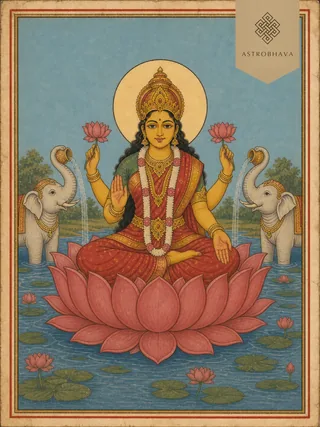
या सा पद्मासनस्था विपुलकटितटी पद्मपत्रायताक्षी गम्भीरावर्तनाभिस्तनभरनमिता शुभ्रवस्त्रोत्तरीया । या लक्ष्मीर्दिव्यरूपैर्मणिगणखचितैः स्नापिता हेमकुम्भैः सा नित्यं पद्महस्ता मम वसतु गृहे सर्वमाङ्गल्ययुक्ता ॥Also known as Ya Sa Padmasanastha
In Devanagari, Tamil, Telugu, Kannada, Malayalam and English — with the meaning of every word, and the one syllable most people pronounce wrongly.
 The Mahalakshmi Homam, performed for youBook →
What the Lakshmi Puja Mantra is
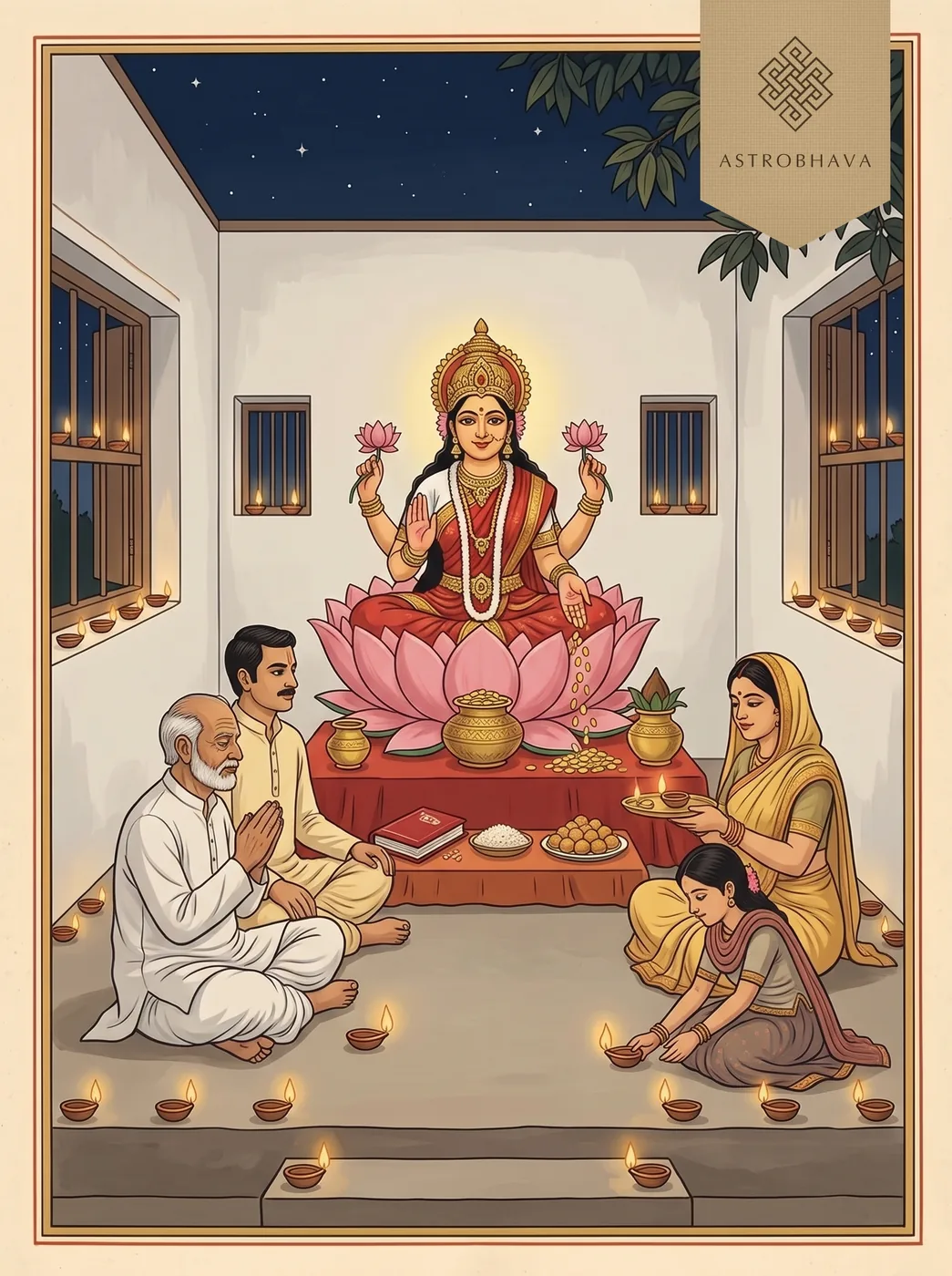
The Lakshmi Puja Mantra printed here is the sequence of Sanskrit verses said at the Lakshmi puja of Diwali night, the new moon of Kartika (named Ashvina Amavasya in the southern and western calendars), and it is what most people mean when they look for a Diwali mantra. The puja manuals carry these verses with no author and no scripture named, and they follow the steps of the worship. The dhyana, said first, pictures the Goddess seated on a lotus and bathed from golden pots, and asks her to live in the home. The avahana invites her into the image, and the asana offers her a lotus seat the colour of molten gold. Three prayers then bow at her feet and name her Bhavani, Mahalakshmi and the beloved of Hari. Two verses go with the row of lamps and the waving of lights. The last seven speak to the night itself as Sukharatri, the night of happiness.
Sukharatri, the lamp-lit night of Lakshmi
Sanskrit lexicons give the word sukharatri a special sense: the new-moon night on which lamps are lit in honour of Lakshmi. The closing prayers of this puja use exactly that name, so the verses address the Diwali night as a goddess in her own right. One calls the Night the mother of all beings, the source from which the gods came forth, known on earth as Sukharatri; another asks that the night which belongs to all beings and is dear to the year be fully auspicious. That phrase fits a festival that closes the year for many families: in Gujarat and in some northern communities, Diwali marks the turn of the new year, and account books are set on the worship platform. According to popular tradition, Lakshmi walks the earth on this night and enters the homes that are clean and lit to receive her, and some accounts hold that it was on this night she chose Vishnu. The lamp verse names the offering dipavali, a row of lamps, the very word that gives the festival its name. Another prayer looks back over the hard months of the rains and asks that the misfortune they brought be driven off as the new day dawns. In eastern India the same new-moon night is given to Kali, while Ganesha is worshipped beside Lakshmi in most of the country.
The mantra, in six scripts
- या
- yā — she who
- सा
- sā — that one
- पद्मासनस्था
- padmāsanasthā — seated on a lotus
- विपुलकटितटी
- vipulakaṭitaṭī — broad of hip
- पद्मपत्रायताक्षी
- padmapatrāyatākṣī — with long lotus-petal eyes
- गम्भीरावर्तनाभिस्तनभरनमिता
- gambhīrāvartanābhistanabharanamitā — deep-navelled, bending under her bosom
- शुभ्रवस्त्रोत्तरीया
- śubhravastrottarīyā — in a white upper cloth
Lakshmi Puja Mantra lyrics in full
Fifteen verses in the order of the Diwali-night puja, from the meditation verse to the Sukharatri prayers. The forgiveness verses said at the very end of the puja are printed on the Mantra Heenam page.
All 15 verses, in Sanskrit, Tamil, Telugu, Kannada, Malayalam and English, each with its meaning. Choose a script:
Download the Lakshmi Puja Mantra PDFAll 15 verses with their meanings, in Sanskrit. Free to print and keep.
या सा पद्मासनस्था विपुलकटितटी पद्मपत्रायताक्षी गम्भीरावर्तनाभिस्तनभरनमिता शुभ्रवस्त्रोत्तरीया ।
या लक्ष्मीर्दिव्यरूपैर्मणिगणखचितैः स्नापिता हेमकुम्भैः सा नित्यं पद्महस्ता मम वसतु गृहे सर्वमाङ्गल्ययुक्ता ॥
யா ஸா பத்மாஸநஸ்தா விபுலகடிதடீ பத்மபத்ராயதாக்ஷீ கம்பீராவர்தநாபிஸ்தநபரநமிதா ஶுப்ரவஸ்த்ரோத்தரீயா ।
யா லக்ஷ்மீர்திவ்யரூபைர்மணிகணகசிதைஃ ஸ்நாபிதா ஹேமகும்பைஃ ஸா நித்யம் பத்மஹஸ்தா மம வஸது க்ருஹே ஸர்வமாங்கல்யயுக்தா ॥
యా సా పద్మాసనస్థా విపులకటితటీ పద్మపత్రాయతాక్షీ గమ్భీరావర్తనాభిస్తనభరనమితా శుభ్రవస్త్రోత్తరీయా ।
యా లక్ష్మీర్దివ్యరూపైర్మణిగణఖచితైః స్నాపితా హేమకుమ్భైః సా నిత్యం పద్మహస్తా మమ వసతు గృహే సర్వమాఙ్గల్యయుక్తా ॥
ಯಾ ಸಾ ಪದ್ಮಾಸನಸ್ಥಾ ವಿಪುಲಕಟಿತಟೀ ಪದ್ಮಪತ್ರಾಯತಾಕ್ಷೀ ಗಮ್ಭೀರಾವರ್ತನಾಭಿಸ್ತನಭರನಮಿತಾ ಶುಭ್ರವಸ್ತ್ರೋತ್ತರೀಯಾ ।
ಯಾ ಲಕ್ಷ್ಮೀರ್ದಿವ್ಯರೂಪೈರ್ಮಣಿಗಣಖಚಿತೈಃ ಸ್ನಾಪಿತಾ ಹೇಮಕುಮ್ಭೈಃ ಸಾ ನಿತ್ಯಂ ಪದ್ಮಹಸ್ತಾ ಮಮ ವಸತು ಗೃಹೇ ಸರ್ವಮಾಙ್ಗಲ್ಯಯುಕ್ತಾ ॥
യാ സാ പദ്മാസനസ്ഥാ വിപുലകടിതടീ പദ്മപത്രായതാക്ഷീ ഗമ്ഭീരാവര്തനാഭിസ്തനഭരനമിതാ ശുഭ്രവസ്ത്രോത്തരീയാ ।
യാ ലക്ഷ്മീര്ദിവ്യരൂപൈര്മണിഗണഖചിതൈഃ സ്നാപിതാ ഹേമകുമ്ഭൈഃ സാ നിത്യം പദ്മഹസ്താ മമ വസതു ഗൃഹേ സര്വമാങ്ഗല്യയുക്താ ॥
yā sā padmāsanasthā vipulakaṭitaṭī padmapatrāyatākṣī gambhīrāvartanābhistanabharanamitā śubhravastrottarīyā |
yā lakṣmīrdivyarūpairmaṇigaṇakhacitaiḥ snāpitā hemakumbhaiḥ sā nityaṃ padmahastā mama vasatu gṛhe sarvamāṅgalyayuktā ||
She sits on a lotus, broad of hip, with long eyes like lotus petals and a deep navel, bending a little under the weight of her breasts, wearing a white upper cloth. May that Lakshmi of divine form, bathed from golden pots set with gems, lotus in hand and full of every blessing, live always in my home.
सर्वलोकस्य जननीं शूलहस्तां त्रिलोचनाम् ।
सर्वदेवमयीमीशां देवीमावाहयाम्यहम् ॥
ஸர்வலோகஸ்ய ஜநநீம் ஶூலஹஸ்தாம் த்ரிலோசநாம் ।
ஸர்வதேவமயீமீஶாம் தேவீமாவாஹயாம்யஹம் ॥
సర్వలోకస్య జననీం శూలహస్తాం త్రిలోచనామ్ ।
సర్వదేవమయీమీశాం దేవీమావాహయామ్యహమ్ ॥
ಸರ್ವಲೋಕಸ್ಯ ಜನನೀಂ ಶೂಲಹಸ್ತಾಂ ತ್ರಿಲೋಚನಾಮ್ ।
ಸರ್ವದೇವಮಯೀಮೀಶಾಂ ದೇವೀಮಾವಾಹಯಾಮ್ಯಹಮ್ ॥
സര്വലോകസ്യ ജനനീം ശൂലഹസ്താം ത്രിലോചനാമ് ।
സര്വദേവമയീമീശാം ദേവീമാവാഹയാമ്യഹമ് ॥
sarvalokasya jananīṃ śūlahastāṃ trilocanām |
sarvadevamayīmīśāṃ devīmāvāhayāmyaham ||
I invite here the Goddess, mother of every world, holding the trident and three-eyed, the sovereign in whom all the gods are contained.
तप्तकाञ्चनवर्णाभं मुक्तामणिविराजितम् ।
अमलं कमलं दिव्यमासनं प्रतिगृह्यताम् ॥
தப்தகாஞ்சநவர்ணாபம் முக்தாமணிவிராஜிதம் ।
அமலம் கமலம் திவ்யமாஸநம் ப்ரதிக்ருஹ்யதாம் ॥
తప్తకాఞ్చనవర్ణాభం ముక్తామణివిరాజితమ్ ।
అమలం కమలం దివ్యమాసనం ప్రతిగృహ్యతామ్ ॥
ತಪ್ತಕಾಞ್ಚನವರ್ಣಾಭಂ ಮುಕ್ತಾಮಣಿವಿರಾಜಿತಮ್ ।
ಅಮಲಂ ಕಮಲಂ ದಿವ್ಯಮಾಸನಂ ಪ್ರತಿಗೃಹ್ಯತಾಮ್ ॥
തപ്തകാഞ്ചനവര്ണാഭം മുക്താമണിവിരാജിതമ് ।
അമലം കമലം ദിവ്യമാസനം പ്രതിഗൃഹ്യതാമ് ॥
taptakāñcanavarṇābhaṃ muktāmaṇivirājitam |
amalaṃ kamalaṃ divyamāsanaṃ pratigṛhyatām ||
Please accept this seat: a spotless, divine lotus that glows like molten gold and is adorned with pearls and jewels.
सुरासुरेन्द्रादिकिरीटमौक्तिकैर्युक्तं सदा यत्तव पादपङ्कजम् ।
परावरं पातु वरं सुमङ्गलं नमामि भक्त्याखिलकामसिद्धये ॥
ஸுராஸுரேந்த்ராதிகிரீடமௌக்திகைர்யுக்தம் ஸதா யத்தவ பாதபங்கஜம் ।
பராவரம் பாது வரம் ஸுமங்கலம் நமாமி பக்த்யாகிலகாமஸித்தயே ॥
సురాసురేన్ద్రాదికిరీటమౌక్తికైర్యుక్తం సదా యత్తవ పాదపఙ్కజమ్ ।
పరావరం పాతు వరం సుమఙ్గలం నమామి భక్త్యాఖిలకామసిద్ధయే ॥
ಸುರಾಸುರೇನ್ದ್ರಾದಿಕಿರೀಟಮೌಕ್ತಿಕೈರ್ಯುಕ್ತಂ ಸದಾ ಯತ್ತವ ಪಾದಪಙ್ಕಜಮ್ ।
ಪರಾವರಂ ಪಾತು ವರಂ ಸುಮಙ್ಗಲಂ ನಮಾಮಿ ಭಕ್ತ್ಯಾಖಿಲಕಾಮಸಿದ್ಧಯೇ ॥
സുരാസുരേന്ദ്രാദികിരീടമൌക്തികൈര്യുക്തം സദാ യത്തവ പാദപങ്കജമ് ।
പരാവരം പാതു വരം സുമങ്ഗലം നമാമി ഭക്ത്യാഖിലകാമസിദ്ധയേ ॥
surāsurendrādikirīṭamauktikairyuktaṃ sadā yattava pādapaṅkajam |
parāvaraṃ pātu varaṃ sumaṅgalaṃ namāmi bhaktyākhilakāmasiddhaye ||
Your lotus feet are always touched by the pearls on the crowns of the kings of gods and demons. May those supreme, most auspicious feet protect me; I bow to them with devotion so that every wish may be fulfilled.
भवानि त्वं महालक्ष्मीः सर्वकामप्रदायिनी ।
सुपूजिता प्रसन्ना स्यान्महालक्ष्मि नमोऽस्तु ते ॥
பவாநி த்வம் மஹாலக்ஷ்மீஃ ஸர்வகாமப்ரதாயிநீ ।
ஸுபூஜிதா ப்ரஸந்நா ஸ்யாந்மஹாலக்ஷ்மி நமோஸ்து தே ॥
భవాని త్వం మహాలక్ష్మీః సర్వకామప్రదాయినీ ।
సుపూజితా ప్రసన్నా స్యాన్మహాలక్ష్మి నమోఽస్తు తే ॥
ಭವಾನಿ ತ್ವಂ ಮಹಾಲಕ್ಷ್ಮೀಃ ಸರ್ವಕಾಮಪ್ರದಾಯಿನೀ ।
ಸುಪೂಜಿತಾ ಪ್ರಸನ್ನಾ ಸ್ಯಾನ್ಮಹಾಲಕ್ಷ್ಮಿ ನಮೋಽಸ್ತು ತೇ ॥
ഭവാനി ത്വം മഹാലക്ഷ്മീഃ സര്വകാമപ്രദായിനീ ।
സുപൂജിതാ പ്രസന്നാ സ്യാന്മഹാലക്ഷ്മി നമോഽസ്തു തേ ॥
bhavāni tvaṃ mahālakṣmīḥ sarvakāmapradāyinī |
supūjitā prasannā syānmahālakṣmi namo'stu te ||
O Bhavani, you are Mahalakshmi, who grants every wish. Worshipped well, may you be pleased; O Mahalakshmi, I bow to you.
नमस्ते सर्वदेवानां वरदासि हरिप्रिये ।
या गतिस्त्वत्प्रपन्नानां सा मे भूयात्त्वदर्चनात् ॥
நமஸ்தே ஸர்வதேவாநாம் வரதாஸி ஹரிப்ரியே ।
யா கதிஸ்த்வத்ப்ரபந்நாநாம் ஸா மே பூயாத்த்வதர்சநாத் ॥
నమస్తే సర్వదేవానాం వరదాసి హరిప్రియే ।
యా గతిస్త్వత్ప్రపన్నానాం సా మే భూయాత్త్వదర్చనాత్ ॥
ನಮಸ್ತೇ ಸರ್ವದೇವಾನಾಂ ವರದಾಸಿ ಹರಿಪ್ರಿಯೇ ।
ಯಾ ಗತಿಸ್ತ್ವತ್ಪ್ರಪನ್ನಾನಾಂ ಸಾ ಮೇ ಭೂಯಾತ್ತ್ವದರ್ಚನಾತ್ ॥
നമസ്തേ സര്വദേവാനാം വരദാസി ഹരിപ്രിയേ ।
യാ ഗതിസ്ത്വത്പ്രപന്നാനാം സാ മേ ഭൂയാത്ത്വദര്ചനാത് ॥
namaste sarvadevānāṃ varadāsi haripriye |
yā gatistvatprapannānāṃ sā me bhūyāttvadarcanāt ||
I bow to you, beloved of Hari, who grant boons to all the gods. Through this worship of you, may I reach the same goal that those who take refuge in you reach.
दीपावलिं मया दत्तां गृहाण त्वं सुरेश्वरि ।
आरार्तिकप्रदानेन ज्ञानदृष्टिप्रदा भव ॥
தீபாவலிம் மயா தத்தாம் க்ருஹாண த்வம் ஸுரேஶ்வரி ।
ஆரார்திகப்ரதாநேந ஜ்ஞாநத்ருஷ்டிப்ரதா பவ ॥
దీపావలిం మయా దత్తాం గృహాణ త్వం సురేశ్వరి ।
ఆరార్తికప్రదానేన జ్ఞానదృష్టిప్రదా భవ ॥
ದೀಪಾವಲಿಂ ಮಯಾ ದತ್ತಾಂ ಗೃಹಾಣ ತ್ವಂ ಸುರೇಶ್ವರಿ ।
ಆರಾರ್ತಿಕಪ್ರದಾನೇನ ಜ್ಞಾನದೃಷ್ಟಿಪ್ರದಾ ಭವ ॥
ദീപാവലിം മയാ ദത്താം ഗൃഹാണ ത്വം സുരേശ്വരി ।
ആരാര്തികപ്രദാനേന ജ്ഞാനദൃഷ്ടിപ്രദാ ഭവ ॥
dīpāvaliṃ mayā dattāṃ gṛhāṇa tvaṃ sureśvari |
ārārtikapradānena jñānadṛṣṭipradā bhava ||
O queen of the gods, accept this row of lamps I offer. Through this waving of lights, grant me the sight of knowledge.
अग्निज्योती रविज्योतिश्चन्द्रज्योतिस्तथैव च ।
उत्तमः सर्वतेजस्सु दीपोऽयं प्रतिगृह्यताम् ॥
அக்நிஜ்யோதீ ரவிஜ்யோதிஶ்சந்த்ரஜ்யோதிஸ்ததைவ ச ।
உத்தமஃ ஸர்வதேஜஸ்ஸு தீபோயம் ப்ரதிக்ருஹ்யதாம் ॥
అగ్నిజ్యోతీ రవిజ్యోతిశ్చన్ద్రజ్యోతిస్తథైవ చ ।
ఉత్తమః సర్వతేజస్సు దీపోఽయం ప్రతిగృహ్యతామ్ ॥
ಅಗ್ನಿಜ್ಯೋತೀ ರವಿಜ್ಯೋತಿಶ್ಚನ್ದ್ರಜ್ಯೋತಿಸ್ತಥೈವ ಚ ।
ಉತ್ತಮಃ ಸರ್ವತೇಜಸ್ಸು ದೀಪೋಽಯಂ ಪ್ರತಿಗೃಹ್ಯತಾಮ್ ॥
അഗ്നിജ്യോതീ രവിജ്യോതിശ്ചന്ദ്രജ്യോതിസ്തഥൈവ ച ।
ഉത്തമഃ സര്വതേജസ്സു ദീപോഽയം പ്രതിഗൃഹ്യതാമ് ॥
agnijyotī ravijyotiścandrajyotistathaiva ca |
uttamaḥ sarvatejassu dīpo'yaṃ pratigṛhyatām ||
The light of fire, the light of the sun, and likewise the light of the moon: please accept this lamp, the finest among all lights.
विश्वरूपस्य भार्यासि पद्मे पद्मालये शुभे ।
महालक्ष्मि नमस्तुभ्यं सुखरात्रिं कुरुष्व मे ॥
விஶ்வரூபஸ்ய பார்யாஸி பத்மே பத்மாலயே ஶுபே ।
மஹாலக்ஷ்மி நமஸ்துப்யம் ஸுகராத்ரிம் குருஷ்வ மே ॥
విశ్వరూపస్య భార్యాసి పద్మే పద్మాలయే శుభే ।
మహాలక్ష్మి నమస్తుభ్యం సుఖరాత్రిం కురుష్వ మే ॥
ವಿಶ್ವರೂಪಸ್ಯ ಭಾರ್ಯಾಸಿ ಪದ್ಮೇ ಪದ್ಮಾಲಯೇ ಶುಭೇ ।
ಮಹಾಲಕ್ಷ್ಮಿ ನಮಸ್ತುಭ್ಯಂ ಸುಖರಾತ್ರಿಂ ಕುರುಷ್ವ ಮೇ ॥
വിശ്വരൂപസ്യ ഭാര്യാസി പദ്മേ പദ്മാലയേ ശുഭേ ।
മഹാലക്ഷ്മി നമസ്തുഭ്യം സുഖരാത്രിം കുരുഷ്വ മേ ॥
viśvarūpasya bhāryāsi padme padmālaye śubhe |
mahālakṣmi namastubhyaṃ sukharātriṃ kuruṣva me ||
You are the consort of the one whose form is the universe, O Padma, dweller in the lotus, auspicious one. Mahalakshmi, salutation to you; make this a night of happiness for me.
वर्षाकाले महाघोरे यन्मया दुष्कृतं कृतम् ।
सुखरात्रिः प्रभातेऽद्य तन्मेऽलक्ष्मीं व्यपोहतु ॥
வர்ஷாகாலே மஹாகோரே யந்மயா துஷ்க்ருதம் க்ருதம் ।
ஸுகராத்ரிஃ ப்ரபாதேத்ய தந்மேலக்ஷ்மீம் வ்யபோஹது ॥
వర్షాకాలే మహాఘోరే యన్మయా దుష్కృతం కృతమ్ ।
సుఖరాత్రిః ప్రభాతేఽద్య తన్మేఽలక్ష్మీం వ్యపోహతు ॥
ವರ್ಷಾಕಾಲೇ ಮಹಾಘೋರೇ ಯನ್ಮಯಾ ದುಷ್ಕೃತಂ ಕೃತಮ್ ।
ಸುಖರಾತ್ರಿಃ ಪ್ರಭಾತೇಽದ್ಯ ತನ್ಮೇಽಲಕ್ಷ್ಮೀಂ ವ್ಯಪೋಹತು ॥
വര്ഷാകാലേ മഹാഘോരേ യന്മയാ ദുഷ്കൃതം കൃതമ് ।
സുഖരാത്രിഃ പ്രഭാതേഽദ്യ തന്മേഽലക്ഷ്മീം വ്യപോഹതു ॥
varṣākāle mahāghore yanmayā duṣkṛtaṃ kṛtam |
sukharātriḥ prabhāte'dya tanme'lakṣmīṃ vyapohatu ||
Whatever wrong I did in the hard rainy season, may this night of happiness, as today dawns, drive away from me the misfortune it brought.
या रात्रिः सर्वभूतानां या च देवेष्ववस्थिता ।
संवत्सरप्रिया या च सा ममास्तु सुमङ्गला ॥
யா ராத்ரிஃ ஸர்வபூதாநாம் யா ச தேவேஷ்வவஸ்திதா ।
ஸம்வத்ஸரப்ரியா யா ச ஸா மமாஸ்து ஸுமங்கலா ॥
యా రాత్రిః సర్వభూతానాం యా చ దేవేష్వవస్థితా ।
సంవత్సరప్రియా యా చ సా మమాస్తు సుమఙ్గలా ॥
ಯಾ ರಾತ್ರಿಃ ಸರ್ವಭೂತಾನಾಂ ಯಾ ಚ ದೇವೇಷ್ವವಸ್ಥಿತಾ ।
ಸಂವತ್ಸರಪ್ರಿಯಾ ಯಾ ಚ ಸಾ ಮಮಾಸ್ತು ಸುಮಙ್ಗಲಾ ॥
യാ രാത്രിഃ സര്വഭൂതാനാം യാ ച ദേവേഷ്വവസ്ഥിതാ ।
സംവത്സരപ്രിയാ യാ ച സാ മമാസ്തു സുമങ്ഗലാ ॥
yā rātriḥ sarvabhūtānāṃ yā ca deveṣvavasthitā |
saṃvatsarapriyā yā ca sā mamāstu sumaṅgalā ||
The night that belongs to all beings, that abides among the gods, and that is dear to the year, may that night be fully auspicious for me.
माता त्वं सर्वभूतानां देवानां सृष्टिसंभवा ।
आख्याता भूतले देवि सुखरात्रि नमोऽस्तु ते ॥
மாதா த்வம் ஸர்வபூதாநாம் தேவாநாம் ஸ்ருஷ்டிஸம்பவா ।
ஆக்யாதா பூதலே தேவி ஸுகராத்ரி நமோஸ்து தே ॥
మాతా త్వం సర్వభూతానాం దేవానాం సృష్టిసంభవా ।
ఆఖ్యాతా భూతలే దేవి సుఖరాత్రి నమోఽస్తు తే ॥
ಮಾತಾ ತ್ವಂ ಸರ್ವಭೂತಾನಾಂ ದೇವಾನಾಂ ಸೃಷ್ಟಿಸಂಭವಾ ।
ಆಖ್ಯಾತಾ ಭೂತಲೇ ದೇವಿ ಸುಖರಾತ್ರಿ ನಮೋಽಸ್ತು ತೇ ॥
മാതാ ത്വം സര്വഭൂതാനാം ദേവാനാം സൃഷ്ടിസംഭവാ ।
ആഖ്യാതാ ഭൂതലേ ദേവി സുഖരാത്രി നമോഽസ്തു തേ ॥
mātā tvaṃ sarvabhūtānāṃ devānāṃ sṛṣṭisaṃbhavā |
ākhyātā bhūtale devi sukharātri namo'stu te ||
You are the mother of all beings, the source from which the gods were brought forth. O Goddess, known on earth as the Night of Happiness, salutation to you.
दामोदरि नमस्तेऽस्तु नमस्त्रैलोक्यमातृके ।
नमस्तेऽस्तु महालक्ष्मि त्राहि मां परमेश्वरि ॥
தாமோதரி நமஸ்தேஸ்து நமஸ்த்ரைலோக்யமாத்ருகே ।
நமஸ்தேஸ்து மஹாலக்ஷ்மி த்ராஹி மாம் பரமேஶ்வரி ॥
దామోదరి నమస్తేఽస్తు నమస్త్రైలోక్యమాతృకే ।
నమస్తేఽస్తు మహాలక్ష్మి త్రాహి మాం పరమేశ్వరి ॥
ದಾಮೋದರಿ ನಮಸ್ತೇಽಸ್ತು ನಮಸ್ತ್ರೈಲೋಕ್ಯಮಾತೃಕೇ ।
ನಮಸ್ತೇಽಸ್ತು ಮಹಾಲಕ್ಷ್ಮಿ ತ್ರಾಹಿ ಮಾಂ ಪರಮೇಶ್ವರಿ ॥
ദാമോദരി നമസ്തേഽസ്തു നമസ്ത്രൈലോക്യമാതൃകേ ।
നമസ്തേഽസ്തു മഹാലക്ഷ്മി ത്രാഹി മാം പരമേശ്വരി ॥
dāmodari namaste'stu namastrailokyamātṛke |
namaste'stu mahālakṣmi trāhi māṃ parameśvari ||
Salutation to you, consort of Damodara; salutation, mother of the three worlds. Salutation to you, Mahalakshmi; protect me, supreme Goddess.
नमस्तेऽस्तु महालक्ष्मि महासौख्यप्रदायिनि ।
सर्वदा देहि मे द्रव्यं दानाय भुक्तिहेतवे ॥
நமஸ்தேஸ்து மஹாலக்ஷ்மி மஹாஸௌக்யப்ரதாயிநி ।
ஸர்வதா தேஹி மே த்ரவ்யம் தாநாய புக்திஹேதவே ॥
నమస్తేఽస్తు మహాలక్ష్మి మహాసౌఖ్యప్రదాయిని ।
సర్వదా దేహి మే ద్రవ్యం దానాయ భుక్తిహేతవే ॥
ನಮಸ್ತೇಽಸ್ತು ಮಹಾಲಕ್ಷ್ಮಿ ಮಹಾಸೌಖ್ಯಪ್ರದಾಯಿನಿ ।
ಸರ್ವದಾ ದೇಹಿ ಮೇ ದ್ರವ್ಯಂ ದಾನಾಯ ಭುಕ್ತಿಹೇತವೇ ॥
നമസ്തേഽസ്തു മഹാലക്ഷ്മി മഹാസൌഖ്യപ്രദായിനി ।
സര്വദാ ദേഹി മേ ദ്രവ്യം ദാനായ ഭുക്തിഹേതവേ ॥
namaste'stu mahālakṣmi mahāsaukhyapradāyini |
sarvadā dehi me dravyaṃ dānāya bhuktihetave ||
Salutation to you, Mahalakshmi, giver of great happiness. Always give me wealth, for giving to others and for the needs of life.
न्यूनं वाप्यतुलं वापि यन्मया मोहितं कृतम् ।
सर्वं तदस्तु संपूर्णं त्वत्प्रसादान्महेश्वरि ॥
ந்யூநம் வாப்யதுலம் வாபி யந்மயா மோஹிதம் க்ருதம் ।
ஸர்வம் ததஸ்து ஸம்பூர்ணம் த்வத்ப்ரஸாதாந்மஹேஶ்வரி ॥
న్యూనం వాప్యతులం వాపి యన్మయా మోహితం కృతమ్ ।
సర్వం తదస్తు సంపూర్ణం త్వత్ప్రసాదాన్మహేశ్వరి ॥
ನ್ಯೂನಂ ವಾಪ್ಯತುಲಂ ವಾಪಿ ಯನ್ಮಯಾ ಮೋಹಿತಂ ಕೃತಮ್ ।
ಸರ್ವಂ ತದಸ್ತು ಸಂಪೂರ್ಣಂ ತ್ವತ್ಪ್ರಸಾದಾನ್ಮಹೇಶ್ವರಿ ॥
ന്യൂനം വാപ്യതുലം വാപി യന്മയാ മോഹിതം കൃതമ് ।
സര്വം തദസ്തു സംപൂര്ണം ത്വത്പ്രസാദാന്മഹേശ്വരി ॥
nyūnaṃ vāpyatulaṃ vāpi yanmayā mohitaṃ kṛtam |
sarvaṃ tadastu saṃpūrṇaṃ tvatprasādānmaheśvari ||
Whatever I have done in confusion, whether lacking or out of measure, may all of it become complete by your grace, great Goddess.
The syllable people get wrong
In jñānadṛṣṭipradā (Deepa 1) the cluster jñ is neither 'j-n' nor an English 'gn'; it is said 'gnyaa' or 'dnyaa' depending on the region's custom, with the ṛ of dṛṣṭi a short vowel, 'dri', not 'dur'.
When the Lakshmi Puja Mantra is chanted
Weekday. Friday
Festival. Diwali night, Kartika Amavasya
Questions
Have your chart read before you decide
Chanting is yours to do, and free. But which deity your situation calls for — and whether a mantra alone is the right response — depends on your chart. Sometimes it is; sometimes it is not.
- Over 30 years in the Guru–Sishya Parampara, from the age of five
- He reads every chart himself — 60 minutes, one to one, never delegated
- Charts are read only between sunrise and sunset, following tradition