Makar Sankranti Mantra
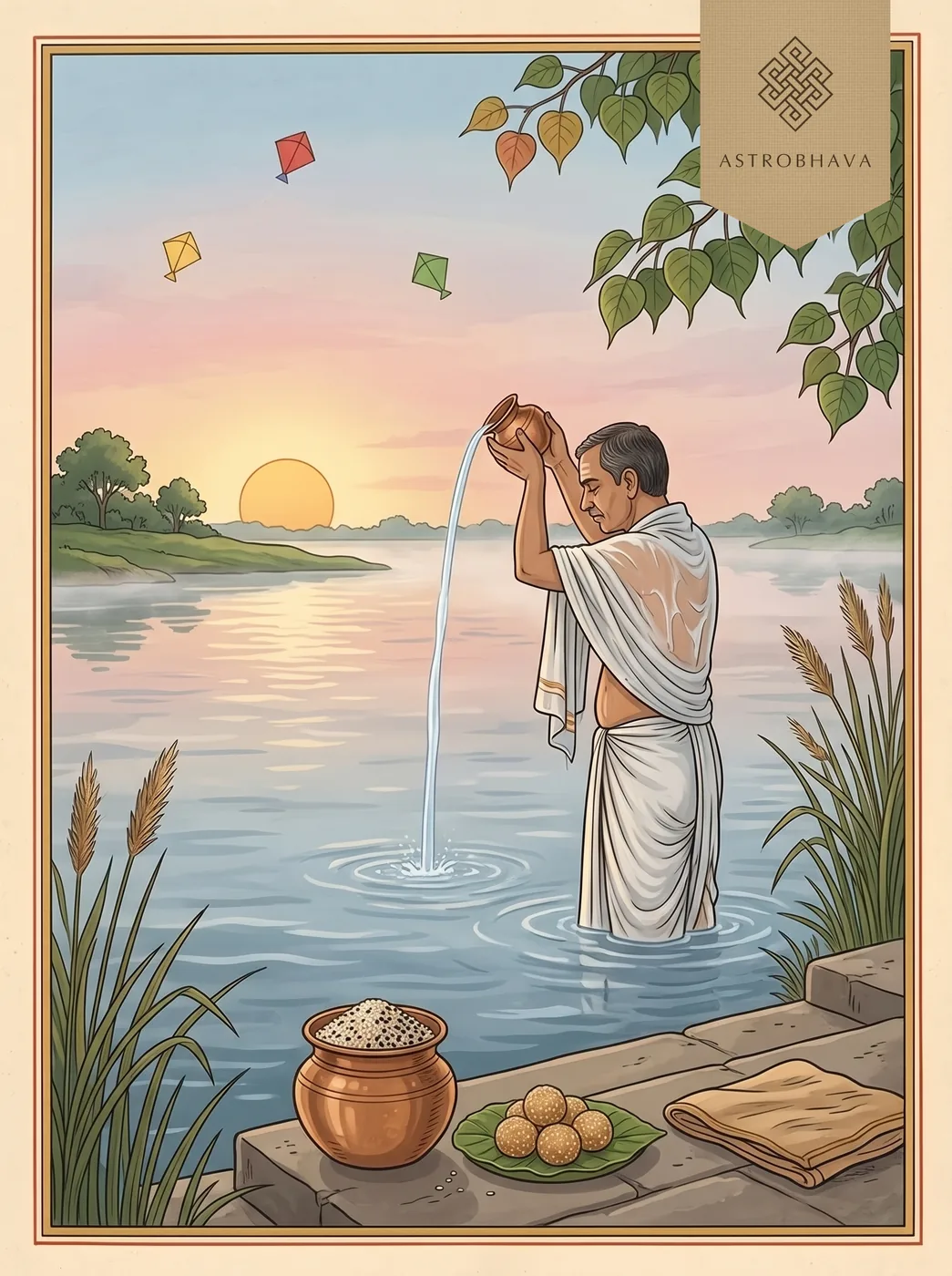
मकरस्थे रवौ माघे गोविन्दाच्युत माधव । स्नानेनानेन मे देव यथोक्तफलदो भव ॥Also known as Makarasthe Ravau Maghe
In Devanagari, Tamil, Telugu, Kannada, Malayalam and English — with the meaning of every word, and the one syllable most people pronounce wrongly.
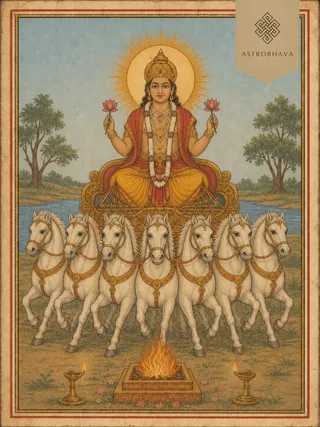 The Surya Homam, performed for youBook →
What the Makar Sankranti Mantra is
The Makar Sankranti mantra, as the classical rite books give it, is not one verse but the sequence of shlokas said on the day the Sun enters Makara (Capricorn), in mid-January, the day tradition counts as the start of Uttarayana, the Sun's northern course. Mantra 1 is said at the bath: it calls on Vishnu as Govinda, Achyuta and Madhava and ties the bath to the Sun standing in Makara in the month of Magha. The Narada Purana prints it, and Kamalakara Bhatta's Nirnaya Sindhu quotes it from the Padma Purana. Two arghya verses follow as water is offered to the Sun: the first is Matsya Purana 98.8, the second, to Savitr, comes from the Nirnaya Sindhu's section on the Magha bath. Verses 1 and 2, quoted in Kashinatha Upadhyaya's Dharmasindhu, state why the bath and the gifts of the day matter. Mantras 2 to 4, from the same digest, are said when a vessel of sesame is given away.
How the rite books arranged the day
These verses were not composed as one hymn. They were gathered by the digest writers who set out, day by day, what the year's rites require. The Matsya Purana describes a Sankranti vow kept at the solstices and equinoxes, in a passage addressed to the sage Narada: the worshipper eats once on the day before; on the day itself, after a bath in water mixed with sesame, an eight-petalled lotus is drawn on the ground in sandal paste, the Sun is invoked at its centre, and sandal, water and flowers are set down as the arghya with the verse 'Vishvaya vishvarupaya'. Kamalakara Bhatta, who completed his Nirnaya Sindhu in 1612, collected the verses of the Magha bath, the month of bathing kept while the Sun is in Makara; the bathing mantra and the Savitr arghya come from that section. Kashinatha Upadhyaya's Dharmasindhu, completed in 1790, files Makara Sankranti under the lunar month of Pausha, in which it often falls. It quotes the two verses on bathing and giving, lists the day's uses of sesame, in the bath, in oil, in lamps, in the fire and in gifts, and points ahead to its Magha chapter for the words said over a vessel of sesame. The same solar day is kept under other names, among them Pongal, Lohri, Uttarayan and Magh Bihu.
The mantra, in six scripts
- मकरस्थे
- makarasthe — standing in Makara (Capricorn)
- रवौ
- ravau — the Sun (being)
- माघे
- māghe — in the month of Magha
- गोविन्दाच्युत
- govindācyuta — O Govinda, O Achyuta
- माधव
- mādhava — O Madhava
- स्नानेनानेन
- snānenānena — by this bath
- मे
- me — of mine
- देव
- deva — O God
- यथोक्तफलदो
- yathoktaphalado — giver of the fruit as described
- भव
- bhava — be
Makar Sankranti Mantra lyrics in full
Eight shlokas in the order of the day: the bath, two offerings of water to the Sun, two verses on bathing and giving, and three verses said when a vessel of sesame is given.
All 8 verses, in Sanskrit, Tamil, Telugu, Kannada, Malayalam and English, each with its meaning. Choose a script:
Download the Makar Sankranti Mantra PDFAll 8 verses with their meanings, in Sanskrit. Free to print and keep.
मकरस्थे रवौ माघे गोविन्दाच्युत माधव ।
स्नानेनानेन मे देव यथोक्तफलदो भव ॥
மகரஸ்தே ரவௌ மாகே கோவிந்தாச்யுத மாதவ ।
ஸ்நாநேநாநேந மே தேவ யதோக்தபலதோ பவ ॥
మకరస్థే రవౌ మాఘే గోవిన్దాచ్యుత మాధవ ।
స్నానేనానేన మే దేవ యథోక్తఫలదో భవ ॥
ಮಕರಸ್ಥೇ ರವೌ ಮಾಘೇ ಗೋವಿನ್ದಾಚ್ಯುತ ಮಾಧವ ।
ಸ್ನಾನೇನಾನೇನ ಮೇ ದೇವ ಯಥೋಕ್ತಫಲದೋ ಭವ ॥
മകരസ്ഥേ രവൌ മാഘേ ഗോവിന്ദാച്യുത മാധവ ।
സ്നാനേനാനേന മേ ദേവ യഥോക്തഫലദോ ഭവ ॥
makarasthe ravau māghe govindācyuta mādhava |
snānenānena me deva yathoktaphalado bhava ||
O Govinda, Achyuta, Madhava, in the month of Magha with the Sun standing in Makara (Capricorn): by this bath of mine, grant me the fruit that the scriptures promise for it.
विश्वाय विश्वरूपाय विश्वधाम्ने स्वयम्भुवे ।
नमोऽनन्त नमो धात्रे ऋक्सामयजुषां पते ॥
விஶ்வாய விஶ்வரூபாய விஶ்வதாம்நே ஸ்வயம்புவே ।
நமோநந்த நமோ தாத்ரே ருக்ஸாமயஜுஷாம் பதே ॥
విశ్వాయ విశ్వరూపాయ విశ్వధామ్నే స్వయమ్భువే ।
నమోఽనన్త నమో ధాత్రే ఋక్సామయజుషాం పతే ॥
ವಿಶ್ವಾಯ ವಿಶ್ವರೂಪಾಯ ವಿಶ್ವಧಾಮ್ನೇ ಸ್ವಯಮ್ಭುವೇ ।
ನಮೋಽನನ್ತ ನಮೋ ಧಾತ್ರೇ ಋಕ್ಸಾಮಯಜುಷಾಂ ಪತೇ ॥
വിശ്വായ വിശ്വരൂപായ വിശ്വധാമ്നേ സ്വയമ്ഭുവേ ।
നമോഽനന്ത നമോ ധാത്രേ ഋക്സാമയജുഷാം പതേ ॥
viśvāya viśvarūpāya viśvadhāmne svayambhuve |
namo'nanta namo dhātre ṛksāmayajuṣāṃ pate ||
Salutation to the Sun who is the universe, whose form is the universe, who is the abode of the universe and is self-born. Salutation to you, O Endless One; salutation to the Sustainer, O master of the Rig, Sama and Yajur Vedas. (Said while offering the arghya of sandal, water and flowers on the Sankranti day.)
सवित्रे प्रसवित्रे च परं धाम जले मम ।
त्वत्तेजसा परिभ्रष्टं पापं यातु सहस्रधा ॥
ஸவித்ரே ப்ரஸவித்ரே ச பரம் தாம ஜலே மம ।
த்வத்தேஜஸா பரிப்ரஷ்டம் பாபம் யாது ஸஹஸ்ரதா ॥
సవిత్రే ప్రసవిత్రే చ పరం ధామ జలే మమ ।
త్వత్తేజసా పరిభ్రష్టం పాపం యాతు సహస్రధా ॥
ಸವಿತ್ರೇ ಪ್ರಸವಿತ್ರೇ ಚ ಪರಂ ಧಾಮ ಜಲೇ ಮಮ ।
ತ್ವತ್ತೇಜಸಾ ಪರಿಭ್ರಷ್ಟಂ ಪಾಪಂ ಯಾತು ಸಹಸ್ರಧಾ ॥
സവിത്രേ പ്രസവിത്രേ ച പരം ധാമ ജലേ മമ ।
ത്വത്തേജസാ പരിഭ്രഷ്ടം പാപം യാതു സഹസ്രധാ ॥
savitre prasavitre ca paraṃ dhāma jale mama |
tvattejasā paribhraṣṭaṃ pāpaṃ yātu sahasradhā ||
To Savitr, the one who brings all things forth, the supreme light, as I stand in the water: struck away by your radiance, may my sin be scattered into a thousand pieces.
रविसंक्रमणे प्राप्ते न स्नायाद्यस्तु मानवः ।
सप्तजन्मनि रोगी स्यान्निर्धनश्चैव जायते ॥
ரவிஸம்க்ரமணே ப்ராப்தே ந ஸ்நாயாத்யஸ்து மாநவஃ ।
ஸப்தஜந்மநி ரோகீ ஸ்யாந்நிர்தநஶ்சைவ ஜாயதே ॥
రవిసంక్రమణే ప్రాప్తే న స్నాయాద్యస్తు మానవః ।
సప్తజన్మని రోగీ స్యాన్నిర్ధనశ్చైవ జాయతే ॥
ರವಿಸಂಕ್ರಮಣೇ ಪ್ರಾಪ್ತೇ ನ ಸ್ನಾಯಾದ್ಯಸ್ತು ಮಾನವಃ ।
ಸಪ್ತಜನ್ಮನಿ ರೋಗೀ ಸ್ಯಾನ್ನಿರ್ಧನಶ್ಚೈವ ಜಾಯತೇ ॥
രവിസംക്രമണേ പ്രാപ്തേ ന സ്നായാദ്യസ്തു മാനവഃ ।
സപ്തജന്മനി രോഗീ സ്യാന്നിര്ധനശ്ചൈവ ജായതേ ॥
ravisaṃkramaṇe prāpte na snāyādyastu mānavaḥ |
saptajanmani rogī syānnirdhanaścaiva jāyate ||
When the Sun passes into a new sign, a person who does not bathe is, the verse says, born ill and poor for seven births. It is quoted to show that the Sankranti bath is a duty for everyone.
संक्रान्तौ यानि दत्तानि हव्यकव्यानि दातृभिः ।
तानि नित्यं ददात्यर्कः पुनर्जन्मनि जन्मनि ॥
ஸம்க்ராந்தௌ யாநி தத்தாநி ஹவ்யகவ்யாநி தாத்ருபிஃ ।
தாநி நித்யம் ததாத்யர்கஃ புநர்ஜந்மநி ஜந்மநி ॥
సంక్రాన్తౌ యాని దత్తాని హవ్యకవ్యాని దాతృభిః ।
తాని నిత్యం దదాత్యర్కః పునర్జన్మని జన్మని ॥
ಸಂಕ್ರಾನ್ತೌ ಯಾನಿ ದತ್ತಾನಿ ಹವ್ಯಕವ್ಯಾನಿ ದಾತೃಭಿಃ ।
ತಾನಿ ನಿತ್ಯಂ ದದಾತ್ಯರ್ಕಃ ಪುನರ್ಜನ್ಮನಿ ಜನ್ಮನಿ ॥
സംക്രാന്തൌ യാനി ദത്താനി ഹവ്യകവ്യാനി ദാതൃഭിഃ ।
താനി നിത്യം ദദാത്യര്കഃ പുനര്ജന്മനി ജന്മനി ॥
saṃkrāntau yāni dattāni havyakavyāni dātṛbhiḥ |
tāni nityaṃ dadātyarkaḥ punarjanmani janmani ||
Whatever gifts, and offerings to the gods and to the ancestors, givers make at Sankranti, the verse says the Sun gives back to them always, birth after birth.
देवदेव जगन्नाथ वाञ्छितार्थफलप्रद ।
तिलपात्रं प्रदास्यामि तवाङ्गे संस्थितो ह्यहम् ॥
தேவதேவ ஜகந்நாத வாஞ்சிதார்தபலப்ரத ।
திலபாத்ரம் ப்ரதாஸ்யாமி தவாங்கே ஸம்ஸ்திதோ ஹ்யஹம் ॥
దేవదేవ జగన్నాథ వాఞ్ఛితార్థఫలప్రద ।
తిలపాత్రం ప్రదాస్యామి తవాఙ్గే సంస్థితో హ్యహమ్ ॥
ದೇವದೇವ ಜಗನ್ನಾಥ ವಾಞ್ಛಿತಾರ್ಥಫಲಪ್ರದ ।
ತಿಲಪಾತ್ರಂ ಪ್ರದಾಸ್ಯಾಮಿ ತವಾಙ್ಗೇ ಸಂಸ್ಥಿತೋ ಹ್ಯಹಮ್ ॥
ദേവദേവ ജഗന്നാഥ വാഞ്ഛിതാര്ഥഫലപ്രദ ।
തിലപാത്രം പ്രദാസ്യാമി തവാങ്ഗേ സംസ്ഥിതോ ഹ്യഹമ് ॥
devadeva jagannātha vāñchitārthaphalaprada |
tilapātraṃ pradāsyāmi tavāṅge saṃsthito hyaham ||
O God of gods, master of the world, giver of the fruit one longs for: I shall give this vessel of sesame, I who abide within you.
तिलाः पुण्याः पवित्राश्च सर्वपापहराः स्मृताः ।
शुक्लाश्चैव तथा कृष्णा विष्णुगात्रसमुद्भवाः ॥
திலாஃ புண்யாஃ பவித்ராஶ்ச ஸர்வபாபஹராஃ ஸ்ம்ருதாஃ ।
ஶுக்லாஶ்சைவ ததா க்ருஷ்ணா விஷ்ணுகாத்ரஸமுத்பவாஃ ॥
తిలాః పుణ్యాః పవిత్రాశ్చ సర్వపాపహరాః స్మృతాః ।
శుక్లాశ్చైవ తథా కృష్ణా విష్ణుగాత్రసముద్భవాః ॥
ತಿಲಾಃ ಪುಣ್ಯಾಃ ಪವಿತ್ರಾಶ್ಚ ಸರ್ವಪಾಪಹರಾಃ ಸ್ಮೃತಾಃ ।
ಶುಕ್ಲಾಶ್ಚೈವ ತಥಾ ಕೃಷ್ಣಾ ವಿಷ್ಣುಗಾತ್ರಸಮುದ್ಭವಾಃ ॥
തിലാഃ പുണ്യാഃ പവിത്രാശ്ച സര്വപാപഹരാഃ സ്മൃതാഃ ।
ശുക്ലാശ്ചൈവ തഥാ കൃഷ്ണാ വിഷ്ണുഗാത്രസമുദ്ഭവാഃ ॥
tilāḥ puṇyāḥ pavitrāśca sarvapāpaharāḥ smṛtāḥ |
śuklāścaiva tathā kṛṣṇā viṣṇugātrasamudbhavāḥ ||
Sesame seeds are held to be meritorious and purifying, removers of every sin. White and black alike, they arose from the body of Vishnu.
यानि कानि च पापानि ब्रह्महत्यासमानि च ।
तिलपात्रप्रदानेन तानि नश्यन्तु मे सदा ॥
யாநி காநி ச பாபாநி ப்ரஹ்மஹத்யாஸமாநி ச ।
திலபாத்ரப்ரதாநேந தாநி நஶ்யந்து மே ஸதா ॥
యాని కాని చ పాపాని బ్రహ్మహత్యాసమాని చ ।
తిలపాత్రప్రదానేన తాని నశ్యన్తు మే సదా ॥
ಯಾನಿ ಕಾನಿ ಚ ಪಾಪಾನಿ ಬ್ರಹ್ಮಹತ್ಯಾಸಮಾನಿ ಚ ।
ತಿಲಪಾತ್ರಪ್ರದಾನೇನ ತಾನಿ ನಶ್ಯನ್ತು ಮೇ ಸದಾ ॥
യാനി കാനി ച പാപാനി ബ്രഹ്മഹത്യാസമാനി ച ।
തിലപാത്രപ്രദാനേന താനി നശ്യന്തു മേ സദാ ॥
yāni kāni ca pāpāni brahmahatyāsamāni ca |
tilapātrapradānena tāni naśyantu me sadā ||
Whatever sins I have, even those as grave as killing a Brahmin, may they be destroyed for ever by this gift of a vessel of sesame.
The syllable people get wrong
In Arghya 1, ṛksāmayajuṣāṃ ('of the Rig, Sama and Yajur Vedas') begins with the vowel ṛ, said as a short 'ri', not 'ra'; the next sound is k followed by a plain s (ṛk-sāma), not the kṣ of 'kshatriya', and the ṣ of yajuṣāṃ is the retroflex 'sh' with the tongue curled back.
When the Makar Sankranti Mantra is chanted
Festival. Makar Sankranti (Uttarayana)
Questions
Have your chart read before you decide
Chanting is yours to do, and free. But which deity your situation calls for — and whether a mantra alone is the right response — depends on your chart. Sometimes it is; sometimes it is not.
- Over 30 years in the Guru–Sishya Parampara, from the age of five
- He reads every chart himself — 60 minutes, one to one, never delegated
- Charts are read only between sunrise and sunset, following tradition