Ramashtakam
भजे विशेषसुन्दरं समस्तपापखण्डनम् । स्वभक्तचित्तरञ्जनं सदैव राममद्वयम् ॥Also known as Rama Ashtakam
In Devanagari, Tamil, Telugu, Kannada, Malayalam and English — with the meaning of every word, and the one syllable most people pronounce wrongly.
 The Rama Homam, performed for youBook →
What the Ramashtakam is
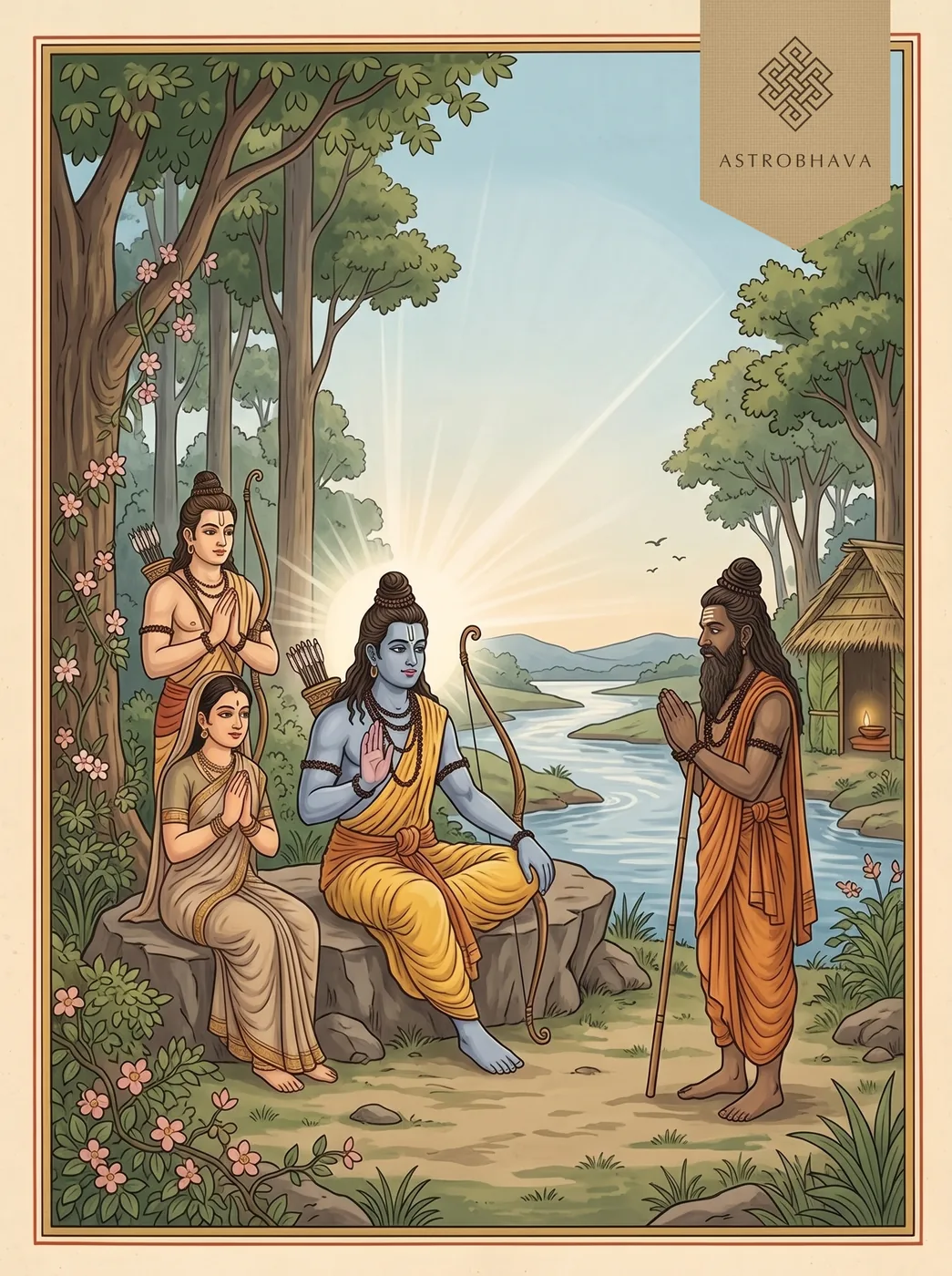
The Ramashtakam, also printed as the Rama Ashtakam, is an eight-verse Sanskrit hymn that worships Rama not only as the prince of Ayodhya but as the non-dual Brahman. Its closing verse names the sage Vyasa as the one who spoke it. Every verse ends on the same word, raamamadvayam, Rama the one without a second, and every half-line keeps eight syllables in a strict alternation of short and long. The order of the verses moves inward. Verses 1 and 2 dwell on the form a devotee sees: the beauty that cuts away sin, the matted locks of the forest years, the protector who breaks his devotees' fear. Verses 3 to 5 strip that form away, calling Rama nameless, shapeless, beyond division and of the single nature of consciousness. Verses 6 to 8 return him to the seeker as the boat across worldly life, the meaning taught by the great sayings of the Upanishads, and the radiant teacher. A phala shruti verse follows.
A Vedanta Octet Ascribed to Vyasa
No episode of composition is told for this hymn, and the printed editions do not place it in any chapter of a Purana. What the text carries is its own signature: the ninth verse says it was spoken by Vyasa, the sage tradition credits with arranging the Vedas and composing the Mahabharata and the Puranas. According to tradition, that line is what fixes the authorship, and the hymn has come down as a free-standing stotra in the collections of Rama hymns. Its vocabulary belongs to the stream that reads the Ramayana as Vedanta. The Adhyatma Ramayana, a later work set within the Brahmanda Purana and likewise ascribed to Vyasa, tells the whole story of Rama as a dialogue in which Shiva teaches Parvati that Rama is the supreme Brahman and that his deeds are the play of the attributeless. The Ashtakam compresses that idea into eight verses. Words such as niranjana, stainless, nirvikalpa, beyond mental division, and nama-rupa, name and form, come from the language of the Upanishads, while the opening keeps the matted hair and the delight of the devotee, so that the worship of a visible Rama and the knowledge of a formless one sit in the same hymn. The refrain makes the point in a single compound: the Rama the devotee worships is advaya, not two.
The mantra, in six scripts
- भजे
- bhaje — I worship
- विशेषसुन्दरं
- viśeṣasundaraṃ — beautiful beyond all
- समस्तपापखण्डनम्
- samastapāpakhaṇḍanam — who cuts away every sin
- स्वभक्तचित्तरञ्जनं
- svabhaktacittarañjanaṃ — delighting his devotees' hearts
- सदैव
- sadaiva — always
- राममद्वयम्
- rāmamadvayam — Rama, the one without a second
Ramashtakam lyrics in full
Eight verses and the phala shruti attributed to Vyasa. The printed closing line is given at the end.
All 10 verses, in Sanskrit, Tamil, Telugu, Kannada, Malayalam and English, each with its meaning. Choose a script:
Download the Ramashtakam PDFAll 10 verses with their meanings, in Sanskrit. Free to print and keep.
भजे विशेषसुन्दरं समस्तपापखण्डनम् ।
स्वभक्तचित्तरञ्जनं सदैव राममद्वयम् ॥
பஜே விஶேஷஸுந்தரம் ஸமஸ்தபாபகண்டநம் ।
ஸ்வபக்தசித்தரஞ்ஜநம் ஸதைவ ராமமத்வயம் ॥
భజే విశేషసున్దరం సమస్తపాపఖణ్డనమ్ ।
స్వభక్తచిత్తరఞ్జనం సదైవ రామమద్వయమ్ ॥
ಭಜೇ ವಿಶೇಷಸುನ್ದರಂ ಸಮಸ್ತಪಾಪಖಣ್ಡನಮ್ ।
ಸ್ವಭಕ್ತಚಿತ್ತರಞ್ಜನಂ ಸದೈವ ರಾಮಮದ್ವಯಮ್ ॥
ഭജേ വിശേഷസുന്ദരം സമസ്തപാപഖണ്ഡനമ് ।
സ്വഭക്തചിത്തരഞ്ജനം സദൈവ രാമമദ്വയമ് ॥
bhaje viśeṣasundaraṃ samastapāpakhaṇḍanam |
svabhaktacittarañjanaṃ sadaiva rāmamadvayam ||
I worship Rama, beautiful beyond all others, who cuts away every sin. He always delights the hearts of his own devotees; I worship Rama, the one without a second.
जटाकलापशोभितं समस्तपापनाशकम् ।
स्वभक्तभीतिभञ्जनं भजेह राममद्वयम् ॥
ஜடாகலாபஶோபிதம் ஸமஸ்தபாபநாஶகம் ।
ஸ்வபக்தபீதிபஞ்ஜநம் பஜேஹ ராமமத்வயம் ॥
జటాకలాపశోభితం సమస్తపాపనాశకమ్ ।
స్వభక్తభీతిభఞ్జనం భజేహ రామమద్వయమ్ ॥
ಜಟಾಕಲಾಪಶೋಭಿತಂ ಸಮಸ್ತಪಾಪನಾಶಕಮ್ ।
ಸ್ವಭಕ್ತಭೀತಿಭಞ್ಜನಂ ಭಜೇಹ ರಾಮಮದ್ವಯಮ್ ॥
ജടാകലാപശോഭിതം സമസ്തപാപനാശകമ് ।
സ്വഭക്തഭീതിഭഞ്ജനം ഭജേഹ രാമമദ്വയമ് ॥
jaṭākalāpaśobhitaṃ samastapāpanāśakam |
svabhaktabhītibhañjanaṃ bhajeha rāmamadvayam ||
He is graced by a mass of matted locks and destroys all sin. He shatters the fears of his devotees; I worship Rama, the one without a second.
निजस्वरूपबोधकं कृपाकरं भवापहम् ।
समं शिवं निरञ्जनं भजेह राममद्वयम् ॥
நிஜஸ்வரூபபோதகம் க்ருபாகரம் பவாபஹம் ।
ஸமம் ஶிவம் நிரஞ்ஜநம் பஜேஹ ராமமத்வயம் ॥
నిజస్వరూపబోధకం కృపాకరం భవాపహమ్ ।
సమం శివం నిరఞ్జనం భజేహ రామమద్వయమ్ ॥
ನಿಜಸ್ವರೂಪಬೋಧಕಂ ಕೃಪಾಕರಂ ಭವಾಪಹಮ್ ।
ಸಮಂ ಶಿವಂ ನಿರಞ್ಜನಂ ಭಜೇಹ ರಾಮಮದ್ವಯಮ್ ॥
നിജസ്വരൂപബോധകം കൃപാകരം ഭവാപഹമ് ।
സമം ശിവം നിരഞ്ജനം ഭജേഹ രാമമദ്വയമ് ॥
nijasvarūpabodhakaṃ kṛpākaraṃ bhavāpaham |
samaṃ śivaṃ nirañjanaṃ bhajeha rāmamadvayam ||
He awakens us to our own true nature, is a mine of compassion and takes away worldly existence. He is the same to all, auspicious and stainless; I worship Rama, the one without a second.
सहप्रपञ्चकल्पितं ह्यनामरूपवास्तवम् ।
निराकृतिं निरामयं भजेह राममद्वयम् ॥
ஸஹப்ரபஞ்சகல்பிதம் ஹ்யநாமரூபவாஸ்தவம் ।
நிராக்ருதிம் நிராமயம் பஜேஹ ராமமத்வயம் ॥
సహప్రపఞ్చకల్పితం హ్యనామరూపవాస్తవమ్ ।
నిరాకృతిం నిరామయం భజేహ రామమద్వయమ్ ॥
ಸಹಪ್ರಪಞ್ಚಕಲ್ಪಿತಂ ಹ್ಯನಾಮರೂಪವಾಸ್ತವಮ್ ।
ನಿರಾಕೃತಿಂ ನಿರಾಮಯಂ ಭಜೇಹ ರಾಮಮದ್ವಯಮ್ ॥
സഹപ്രപഞ്ചകല്പിതം ഹ്യനാമരൂപവാസ്തവമ് ।
നിരാകൃതിം നിരാമയം ഭജേഹ രാമമദ്വയമ് ॥
sahaprapañcakalpitaṃ hyanāmarūpavāstavam |
nirākṛtiṃ nirāmayaṃ bhajeha rāmamadvayam ||
Together with the world he is imagined in form, yet in truth he is without name or form. He is shapeless and free of all affliction; I worship Rama, the one without a second.
निष्प्रपञ्चनिर्विकल्पनिर्मलं निरामयम् ।
चिदेकरूपसन्ततं भजेह राममद्वयम् ॥
நிஷ்ப்ரபஞ்சநிர்விகல்பநிர்மலம் நிராமயம் ।
சிதேகரூபஸந்ததம் பஜேஹ ராமமத்வயம் ॥
నిష్ప్రపఞ్చనిర్వికల్పనిర్మలం నిరామయమ్ ।
చిదేకరూపసన్తతం భజేహ రామమద్వయమ్ ॥
ನಿಷ್ಪ್ರಪಞ್ಚನಿರ್ವಿಕಲ್ಪನಿರ್ಮಲಂ ನಿರಾಮಯಮ್ ।
ಚಿದೇಕರೂಪಸನ್ತತಂ ಭಜೇಹ ರಾಮಮದ್ವಯಮ್ ॥
നിഷ്പ്രപഞ്ചനിര്വികല്പനിര്മലം നിരാമയമ് ।
ചിദേകരൂപസന്തതം ഭജേഹ രാമമദ്വയമ് ॥
niṣprapañcanirvikalpanirmalaṃ nirāmayam |
cidekarūpasantataṃ bhajeha rāmamadvayam ||
He is beyond the world, beyond all mental division, pure and free of affliction. He is ever of the single nature of consciousness; I worship Rama, the one without a second.
भवाब्धिपोतरूपकं ह्यशेषदेहकल्पितम् ।
गुणाकरं कृपाकरं भजेह राममद्वयम् ॥
பவாப்திபோதரூபகம் ஹ்யஶேஷதேஹகல்பிதம் ।
குணாகரம் க்ருபாகரம் பஜேஹ ராமமத்வயம் ॥
భవాబ్ధిపోతరూపకం హ్యశేషదేహకల్పితమ్ ।
గుణాకరం కృపాకరం భజేహ రామమద్వయమ్ ॥
ಭವಾಬ್ಧಿಪೋತರೂಪಕಂ ಹ್ಯಶೇಷದೇಹಕಲ್ಪಿತಮ್ ।
ಗುಣಾಕರಂ ಕೃಪಾಕರಂ ಭಜೇಹ ರಾಮಮದ್ವಯಮ್ ॥
ഭവാബ്ധിപോതരൂപകം ഹ്യശേഷദേഹകല്പിതമ് ।
ഗുണാകരം കൃപാകരം ഭജേഹ രാമമദ്വയമ് ॥
bhavābdhipotarūpakaṃ hyaśeṣadehakalpitam |
guṇākaraṃ kṛpākaraṃ bhajeha rāmamadvayam ||
He is the boat that carries us across the ocean of worldly life, and he is conceived as dwelling in every body. He is a mine of virtues and of compassion; I worship Rama, the one without a second.
महासुवाक्यबोधकैर्विराजमानवाक्पदैः ।
परब्रह्म व्यापकं भजेह राममद्वयम् ॥
மஹாஸுவாக்யபோதகைர்விராஜமாநவாக்பதைஃ ।
பரப்ரஹ்ம வ்யாபகம் பஜேஹ ராமமத்வயம் ॥
మహాసువాక్యబోధకైర్విరాజమానవాక్పదైః ।
పరబ్రహ్మ వ్యాపకం భజేహ రామమద్వయమ్ ॥
ಮಹಾಸುವಾಕ್ಯಬೋಧಕೈರ್ವಿರಾಜಮಾನವಾಕ್ಪದೈಃ ।
ಪರಬ್ರಹ್ಮ ವ್ಯಾಪಕಂ ಭಜೇಹ ರಾಮಮದ್ವಯಮ್ ॥
മഹാസുവാക്യബോധകൈര്വിരാജമാനവാക്പദൈഃ ।
പരബ്രഹ്മ വ്യാപകം ഭജേഹ രാമമദ്വയമ് ॥
mahāsuvākyabodhakairvirājamānavākpadaiḥ |
parabrahma vyāpakaṃ bhajeha rāmamadvayam ||
He is made known by the shining words and phrases that teach the great sayings of the Upanishads. He is the supreme Brahman, pervading all; I worship Rama, the one without a second.
शिवप्रदं सुखप्रदं भवच्छिदं भ्रमापहम् ।
विराजमानदैशिकं भजेह राममद्वयम् ॥
ஶிவப்ரதம் ஸுகப்ரதம் பவச்சிதம் ப்ரமாபஹம் ।
விராஜமாநதைஶிகம் பஜேஹ ராமமத்வயம் ॥
శివప్రదం సుఖప్రదం భవచ్ఛిదం భ్రమాపహమ్ ।
విరాజమానదైశికం భజేహ రామమద్వయమ్ ॥
ಶಿವಪ್ರದಂ ಸುಖಪ್ರದಂ ಭವಚ್ಛಿದಂ ಭ್ರಮಾಪಹಮ್ ।
ವಿರಾಜಮಾನದೈಶಿಕಂ ಭಜೇಹ ರಾಮಮದ್ವಯಮ್ ॥
ശിവപ്രദം സുഖപ്രദം ഭവച്ഛിദം ഭ്രമാപഹമ് ।
വിരാജമാനദൈശികം ഭജേഹ രാമമദ്വയമ് ॥
śivapradaṃ sukhapradaṃ bhavacchidaṃ bhramāpaham |
virājamānadaiśikaṃ bhajeha rāmamadvayam ||
He grants auspiciousness and happiness, cuts the bond of worldly existence and removes delusion. He is the radiant teacher; I worship Rama, the one without a second.
रामाष्टकं पठति यः सुकरं सुपुण्यं व्यासेन भाषितमिदं शृणुते मनुष्यः ।
विद्यां श्रियं विपुलसौख्यमनन्तकीर्तिं सम्प्राप्य देहविलये लभते च मोक्षम् ॥
ராமாஷ்டகம் படதி யஃ ஸுகரம் ஸுபுண்யம் வ்யாஸேந பாஷிதமிதம் ஶ்ருணுதே மநுஷ்யஃ ।
வித்யாம் ஶ்ரியம் விபுலஸௌக்யமநந்தகீர்திம் ஸம்ப்ராப்ய தேஹவிலயே லபதே ச மோக்ஷம் ॥
రామాష్టకం పఠతి యః సుకరం సుపుణ్యం వ్యాసేన భాషితమిదం శృణుతే మనుష్యః ।
విద్యాం శ్రియం విపులసౌఖ్యమనన్తకీర్తిం సమ్ప్రాప్య దేహవిలయే లభతే చ మోక్షమ్ ॥
ರಾಮಾಷ್ಟಕಂ ಪಠತಿ ಯಃ ಸುಕರಂ ಸುಪುಣ್ಯಂ ವ್ಯಾಸೇನ ಭಾಷಿತಮಿದಂ ಶೃಣುತೇ ಮನುಷ್ಯಃ ।
ವಿದ್ಯಾಂ ಶ್ರಿಯಂ ವಿಪುಲಸೌಖ್ಯಮನನ್ತಕೀರ್ತಿಂ ಸಮ್ಪ್ರಾಪ್ಯ ದೇಹವಿಲಯೇ ಲಭತೇ ಚ ಮೋಕ್ಷಮ್ ॥
രാമാഷ്ടകം പഠതി യഃ സുകരം സുപുണ്യം വ്യാസേന ഭാഷിതമിദം ശൃണുതേ മനുഷ്യഃ ।
വിദ്യാം ശ്രിയം വിപുലസൌഖ്യമനന്തകീര്തിം സമ്പ്രാപ്യ ദേഹവിലയേ ലഭതേ ച മോക്ഷമ് ॥
rāmāṣṭakaṃ paṭhati yaḥ sukaraṃ supuṇyaṃ vyāsena bhāṣitamidaṃ śṛṇute manuṣyaḥ |
vidyāṃ śriyaṃ vipulasaukhyamanantakīrtiṃ samprāpya dehavilaye labhate ca mokṣam ||
This Ramashtakam, easy to recite and full of merit, was spoken by Vyasa. The verse says that whoever reads or hears it gains learning, prosperity, abundant happiness and endless fame, and at the end of the body attains liberation.
इति श्रीव्यासविरचितं रामाष्टकं सम्पूर्णम् ॥
இதி ஶ்ரீவ்யாஸவிரசிதம் ராமாஷ்டகம் ஸம்பூர்ணம் ॥
ఇతి శ్రీవ్యాసవిరచితం రామాష్టకం సమ్పూర్ణమ్ ॥
ಇತಿ ಶ್ರೀವ್ಯಾಸವಿರಚಿತಂ ರಾಮಾಷ್ಟಕಂ ಸಮ್ಪೂರ್ಣಮ್ ॥
ഇതി ശ്രീവ്യാസവിരചിതം രാമാഷ്ടകം സമ്പൂര്ണമ് ॥
iti śrīvyāsaviracitaṃ rāmāṣṭakaṃ sampūrṇam ||
Thus ends the Rama Ashtakam composed by Sri Vyasa.
The syllable people get wrong
The refrain rāmamadvayam is two words, rāmam + advayam, 'Rama, the non-dual', so it is said raa-mam-ad-va-yam, with the break before ad and a plain, unaspirated d.
When the Ramashtakam is chanted
Weekday. Thursday
Questions
Have your chart read before you decide
Chanting is yours to do, and free. But which deity your situation calls for — and whether a mantra alone is the right response — depends on your chart. Sometimes it is; sometimes it is not.
- Over 30 years in the Guru–Sishya Parampara, from the age of five
- He reads every chart himself — 60 minutes, one to one, never delegated
- Charts are read only between sunrise and sunset, following tradition
