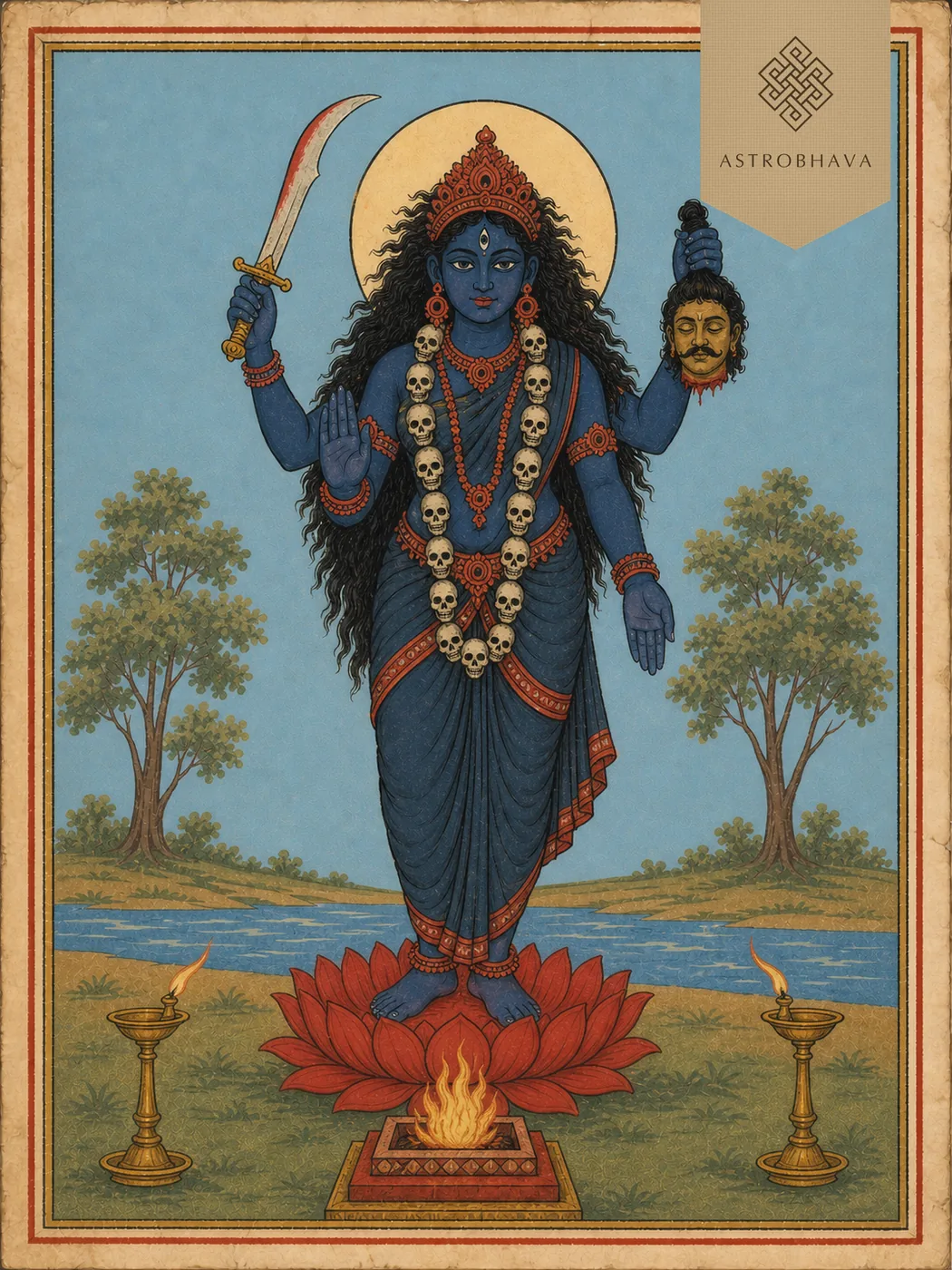
Kali Homa
Also spelled Kali Homam
काली होमWhen something unseen presses on your home and your sleep, the Mother is invoked in fire — dark, blazing, and standing between you and it.
- Never a group ceremony — only the names you give are spoken
- Muhurta fixed from your own birth chart, confirmed within 24–48 working hours
- Free energised Kali Yantra, sealed in a silver amulet, shipped worldwide at no charge
The Ritual and Its Weight
The Kali Homa is a fire rite offered to Kali, the Mother who takes the fierce form so that her children need not. Ghee, red flowers, lemon, sesame and specific herbal offerings go into a kindled kunda while her mantra is chanted in count. In the protection tradition, fire is the boundary — what is spoken into it does not linger in the air, and what is offered there is understood to be taken up and answered. This is why the kali homa has always been the rite people turn to when the trouble has no name: a house that feels heavy, a run of obstruction that outlasts explanation, the sense of being watched by ill-will.
Kali puja belongs to the oldest strand of Shakta worship, where the Goddess is honoured not as a distant power but as a mother who arrives armed. The homa does not ask you to name an enemy or curse anyone. It asks the Mother to stand at the threshold. Devotees book it when they suspect drishti or abhichara, before entering a long dispute, when a family has faced repeated setbacks, or simply to re-establish a protective field around a home and the people in it. Our priests perform it at the Yagna Ashram in your name and gotra, and you watch the fire from wherever you are.
ॐ क्रीं काली क्रीं काली क्रीं काली नमः Salutations to Kali, invoked by her seed-syllable Kreem — Mother, take away what harms and stand as my shelter.Benefits of the Kali Homa
The kali homa benefits described in the Shakta texts all circle one theme: shelter. These are the reasons devotees name when they book.
Shelter from negative energy
The rite is prescribed to clear the heaviness that settles over a home or a person and to re-establish a protective field around both.
Relief from evil eye
Where drishti or ill-wishing is suspected, offerings of lemon, red chilli and sesame are made into the fire in the traditional manner of turning harm away.
Guard against black magic
Kali is the deity invoked in the abhichara-nivarana tradition — the classical recourse when a family fears deliberate occult harm has been directed at them.
Protection from psychic disturbance
Devotees who experience broken sleep, unexplained dread or a sense of being followed traditionally seek this homa for steadiness of mind.
Courage in conflict
The Mother's fierce form is invoked for the nerve to face opposition, litigation or hostility without being unsettled by it.
A settled household
Kali puja is offered so that the dwelling itself is sanctified — the doorways, the family, and the children who live within them.
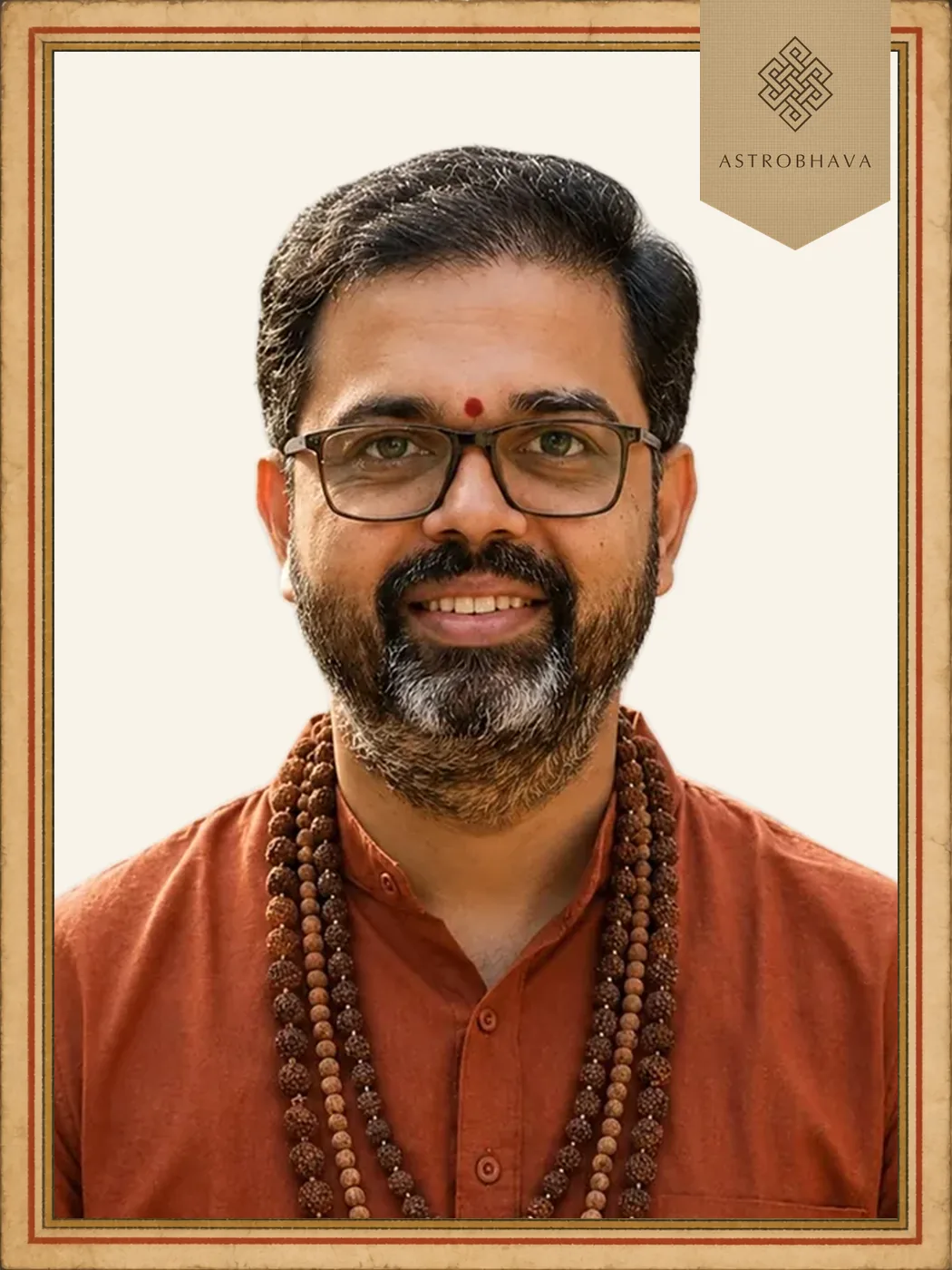
Under the guidance of Brahmashree Shivaaya
Every priest who performs your Kali Homa is trained in a traditional Padashala and personally recruited by Brahmashree Shivaaya — Chief Operating Officer & Head of Astrological & Spiritual Solutions at AstroBhava. Your ritual is conducted at our own Yagna Ashram — never a rented venue — with Yantra Pujas inside our consecrated sanctum.
Meet our priests →- Certified Vedic priests — trained in traditional Padashalas
- 100% Agama Vidhi — as prescribed in the scriptures
- One chart, one sankalpa, one fire — never a group ceremony
- Muhurta from your chart — date fixed to your birth details
- Free worldwide delivery — prasadam & energised Kali Yantra
Choose your homa in two steps
- The complete Kali Homa, with the same ritual stages and the same kinds of offerings
- A private ceremony for you and up to four family members, never combined with anyone else’s booking
- Live telecast from our Yagna Ashram, and prasadam shipped free
- The energised Kali Yantra, sealed in a silver amulet
Only the number of priests: 1, 3 or 5. Every priest makes their own offerings, and all of them perform at the same time, in one ceremony.
108 ahutis by each priest, with the mula mantra of Kali — so 108, 324 or 540 in all, by package.
Has your astrologer prescribed a different number of ahutis? Our priests can review it and arrange a customised homa. Call our Devotee Relationship Team on +91 96295 55442 — they confirm the count, the priests, the approximate duration and the total price before you book.
* Your Kali Yantra is a copper plate approx. 1–2 inches, rolled and sealed inside a silver amulet approx. 2–4 inches. Sizes are approximate and the amulet's design varies between supplier batches — shape, metal and consecration remain the same.
All prices are all-inclusive — no shipping charges, no additions at checkout. See everything included →
You book — and add birth details on the next page, straight after payment.
Within 24–48 working hours — your muhurta is confirmed by email.
The day before — your telecast link arrives by email.
After the homa — tracking email with how and when to wear the Kali Yantra.
The most auspicious days for a Kali Homa
The Kali Homa is traditionally kindled when the night favours the Mother. You need not calculate it.
The new moon, and especially Kali Chaudas before Deepavali, is the classical night for Kali puja and for fire rites seeking protection.
The eighth and ninth lunar days, particularly in the Navaratri cycle, are held as the Goddess's own days for a Shakta homa.
These nakshatras are regarded in the tradition as suited to the fierce protective forms of the Devi; the priests match one to your birth star.
Both weekdays are traditionally kept for Shakti worship, and a nishita-kala segment of the night is preferred where the panchanga allows.
You do not need to wait for one of these days. Whenever you book, our astrologers calculate the muhurta from your own birth chart — a date chosen for you personally, which tradition regards as more precise than a calendar date chosen for everyone. If you would like the homa on one of the days above, tell us at checkout and we will fix the muhurta within it.
What you receive
The sealing of the Kali Yantra
The Kali Yantra is consecrated over three days — Jala (holy-water consecration with mantras), Prana (life force through pranayama & chants) and Jeeva Pratishta (awakened with 108 recitations & offerings) — then present through your homa, receiving the energies raised in the fire. When your homa concludes, it is rolled and locked inside its silver amulet according to Agama vidhi — the practice by which those energies are held within a consecrated object rather than dispersing. It is why a homa performed at our ashram can still reach a devotee ten thousand miles away: what the fire raised travels to you, sealed.
Personal sankalpa
Your name, gotra & nakshatra — and up to four family members if you wish. No one else is named.
Hear yours read back, as the priest will say it →Live telecast
Watch your own homa in real time from the ashram. Streamed openly on our YouTube channel by default — or request an unlisted telecast at checkout.
Free energised Kali Yantra, sealed in a silver amulet
Shipped to you with your prasadam.
Prasadam, shipped free
Sacred vibhuti, sandalwood powder & kumkum from your fire — delivered to any country.
Yantra Pujas inside our consecrated sanctum
48-Day Anushthan (optional) — daily pujas for 48 days — the 27 Nakshatras + 12 Rashis + 9 Planets — then sealed in a silver amulet of approximately 2–4 inches. Performed in our consecrated sanctum at the Yagna Ashram.
A note on sacred tradition
As per strict Agama vidhi, no videography is permitted inside the temple sanctum — this preserves the pure sacred energies and undisturbed divine focus of the ritual. The main homa is respectfully telecast live from outside the sanctum.
Homas are telecast openly on our YouTube channel so that devotees everywhere may witness the rituals — and because we believe you should be able to see our work before you trust us with yours. Your sankalpa names you and any family members you add, so if you would rather your ceremony were not public, choose the private telecast option at checkout and it is streamed as an unlisted link, which does not appear on our channel or in search, though anyone who has the link can watch it and share it.
We state this plainly — transparency about what tradition forbids filming, and about what is public, is part of performing these rituals honestly.
How to wear your energised Kali Yantra
Your auspicious time to wear it
Wear it for the first time on the day named in your dispatch email, between 6.30 and 7.30 in the morning. Bathe first, place the yantra on your pooja altar and offer your prayers, then wear it around your neck or your waist, on a red or black thread or a silver chain.
At a funeral
Take the yantra off before you attend a funeral.
Purify the amulet
Whenever the yantra has been taken off, or if it was worn at a funeral, dip it in raw milk or Ganga jal, show it incense, dhoop or attar (perfume), and then wear it again.
Keep the energy intact
You may repeat this energising once a week or once a month.
How your Kali Homa is performed
Sankalpa
The priest states your name, gotra and nakshatra — and those of up to four family members — with the intention this homa is performed for.
Ganapati Puja
The customary invocation to Ganapati, clearing obstacles before the deity is approached.
Agni Pratishtha
The fire is consecrated in the homa kunda and Agni invoked as the carrier of every offering that follows.
Kali Avahana
The mula mantra of Kali is chanted, inviting the deity's presence into the fire — by one, three or five priests as your package sets.
Ahuti
Ghee and akshata, with the flowers, grains and dravyas proper to this deity, are offered in sequence with mantra. Each priest makes 108 of these offerings with the mula mantra of Kali — 108, 324 or 540 in all, by package.
Purnahuti
The final complete offering seals the sankalpa stated at the opening.
Aarti & Dispatch
Aarti is performed live on your telecast. Vibhuti, sandalwood powder, kumkum and your energised Kali Yantra are then packed and shipped free to your door.
Kali
The Kali Chalisa, printed as Shri Kali Chalisa, is a set of forty Hindi chaupai couplets addressed to Kali that opens 'jayakali kalimalaharana' and carries no poet's name. Its language is the Braj-coloured Hindi of north-Indian devotional song, framed by an opening and a closing doha. Chaupais 2 to 8 picture an eight-armed Kali and take the hands one at a time: a severed head, a cup of madhu, a spear, a skull-bowl, a sword, a trident, a second blade and a hand that grants boons. Chaupais 9 to 20 identify her with Sita, with Gauri and with Time itself. Chaupais 21 and 22 list her retinue, and 23 to 32 retell her battles in an order of their own. Chaupais 34 to 37 and the closing doha state what the verse says the reciter receives, and Chaupais 38 to 40 end in a direct plea: why, Mother, have you delayed?
In this homa that grace is invoked through fire, with your own name and birth details spoken in the sankalpa.
Kali Chalisa: meaning, pronunciation & how to chant
The mantra word by word, how it is pronounced, and how devotees chant it at home.
Read the Mantra Guide →Ask before you book
Nirnaya, our free ritual guide, recommends the traditional ritual for your situation instantly. For a full reading of your chart, book a live session with our astrologers.
Frequently asked
Your ritual date is an auspicious muhurta calculated personally for you — not a slot on a rota. Once it is confirmed, rescheduling from the customer's side is not available, and cancellation does not carry a refund. If we ever have to move your ritual for unforeseen reasons at the ashram, we will inform you immediately and provide a fresh auspicious date at no cost — and your telecast, recording, prasadam and yantra remain exactly as promised.
Read the full refund and cancellation policy.
Other rituals to consider
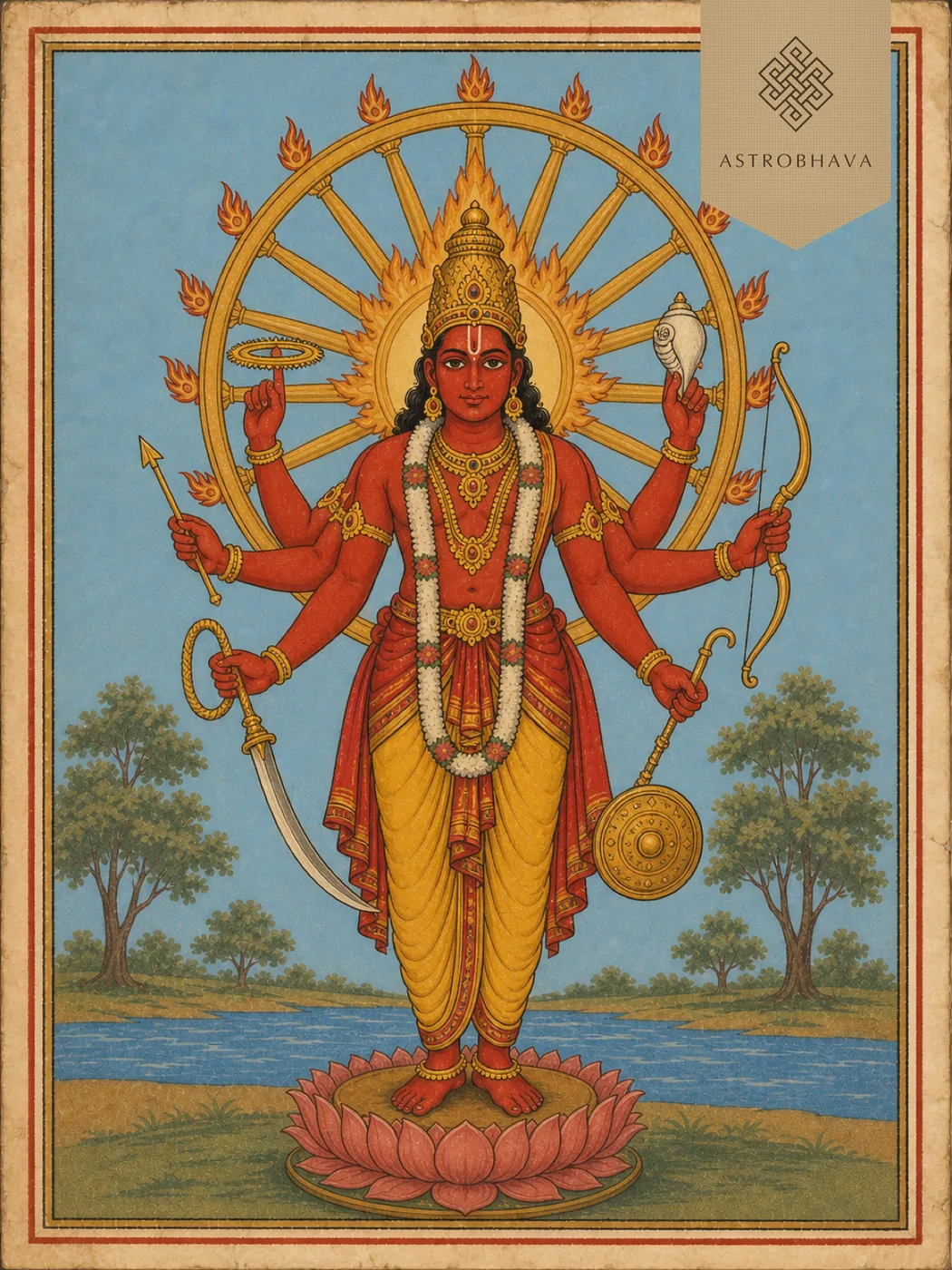
Sudarshana Homa
For protection from evil eye, black magic, psychic harm and unseen negative energy.
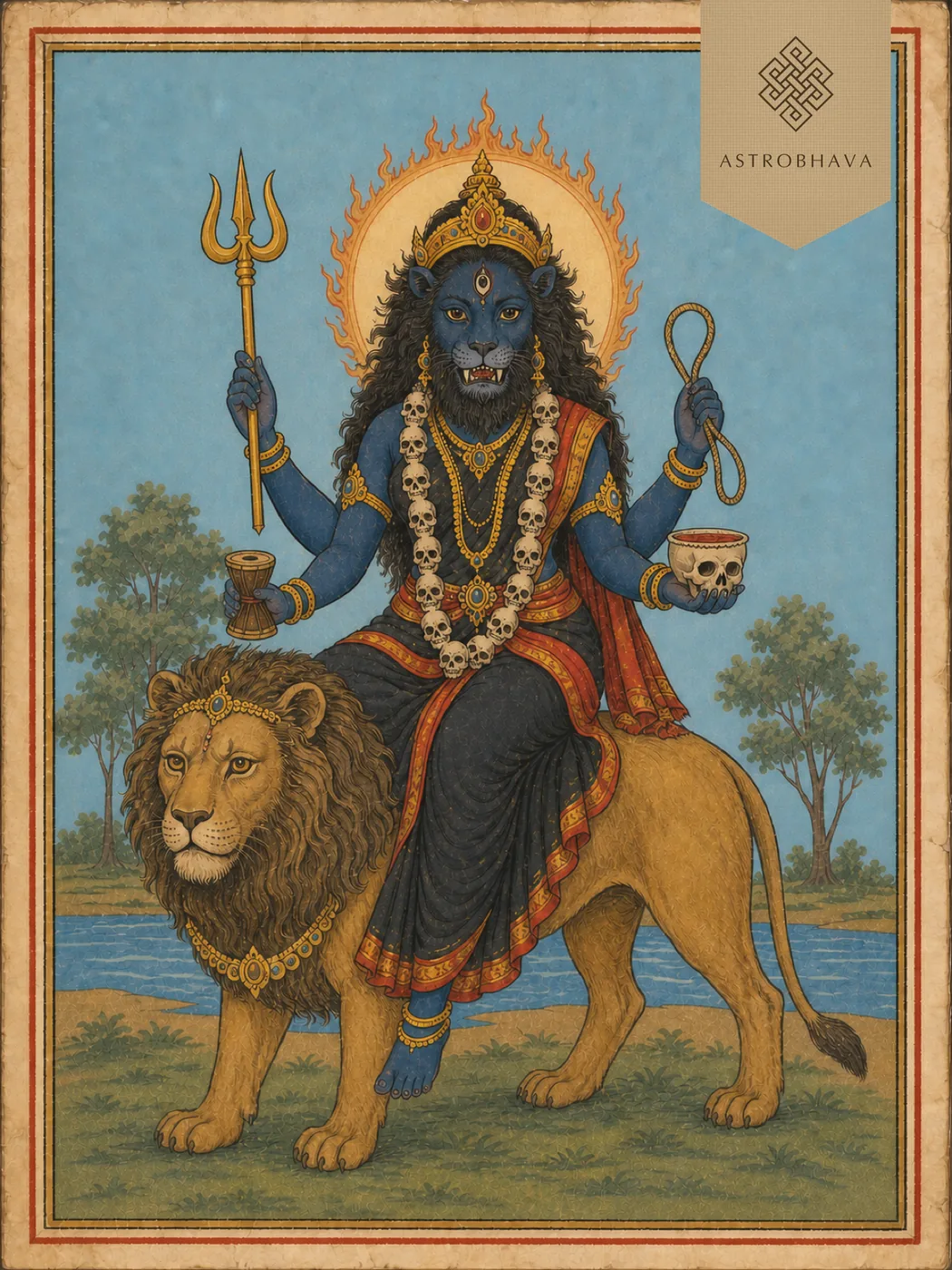
Pratyangira Devi Homa
Booked for protection from evil eye, black magic, psychic harm and hostile intent.
Maha Homa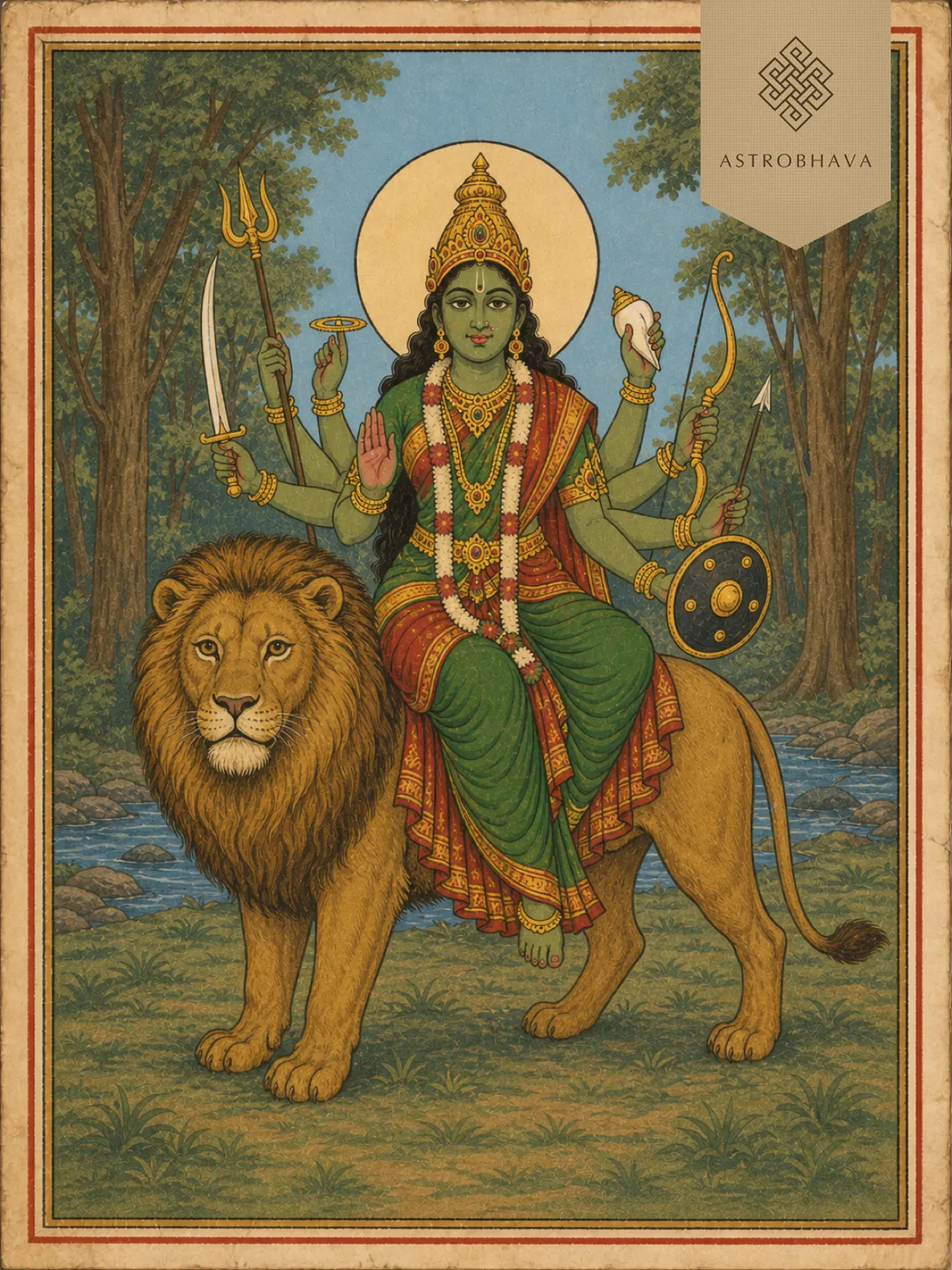
Vana Durga Homa
Booked for protection from evil eye, black magic, psychic harm and hostile energies.
Let Kali's name be spoken with yours
Book your Kali Homa, watch it performed live from our Yagna Ashram, and receive your energised Kali Yantra anywhere in the world.
Choose Your Package