Durga Sahasranamam
कालाभ्राभां कटाक्षैररिकुलभयदां मौलिबद्धेन्दुरेखां शङ्खं चक्रं कृपाणं त्रिशिखमपि करैरुद्वहन्तीं त्रिनेत्राम् । सिंहस्कन्धाधिरूढां त्रिभुवनमखिलं तेजसा पूरयन्तीं ध्यायेद्दुर्गां जयाख्यां त्रिदशपरिवृतां सेवितां सिद्धिकामैः ॥Also known as Shivatha Uma Rama Shaktir Ananta
In Devanagari, Tamil, Telugu, Kannada, Malayalam and English — with the meaning of every word, and the one syllable most people pronounce wrongly.
 The Durga Homam, performed for youBook →
What the Durga Sahasranamam is
The Durga Sahasranamam, or Sri Durga Sahasranama Stotram, is the thousand names of Durga that the Skanda Purana sets in a conversation between Skanda and the sage Narada, beginning with the line 'Shivatha Uma Rama Shaktir Ananta'. The same list, differing only by a letter here and there, is known in the Kurma Purana as the Parvati Sahasranama, where the frame is a dialogue between Himavan and the Goddess. A viniyoga names Himavan as the seer, anushtup as the metre and Durga Bhagavati as the deity; one meditation verse then pictures her as Jaya, dark as a rain cloud, riding a lion with conch, discus, sword and trident. After it come 150 verses of names and 12 of phala shruti. The names open by calling her Shiva, Uma and Rama, pass through titles of the formless absolute such as Nishkala and Achintya, gather names of Shiva's faithful consort and the crusher of demon hosts, and close in a six-quarter verse naming her Vanadurga and Mahadurga.
How the mountain king received the names
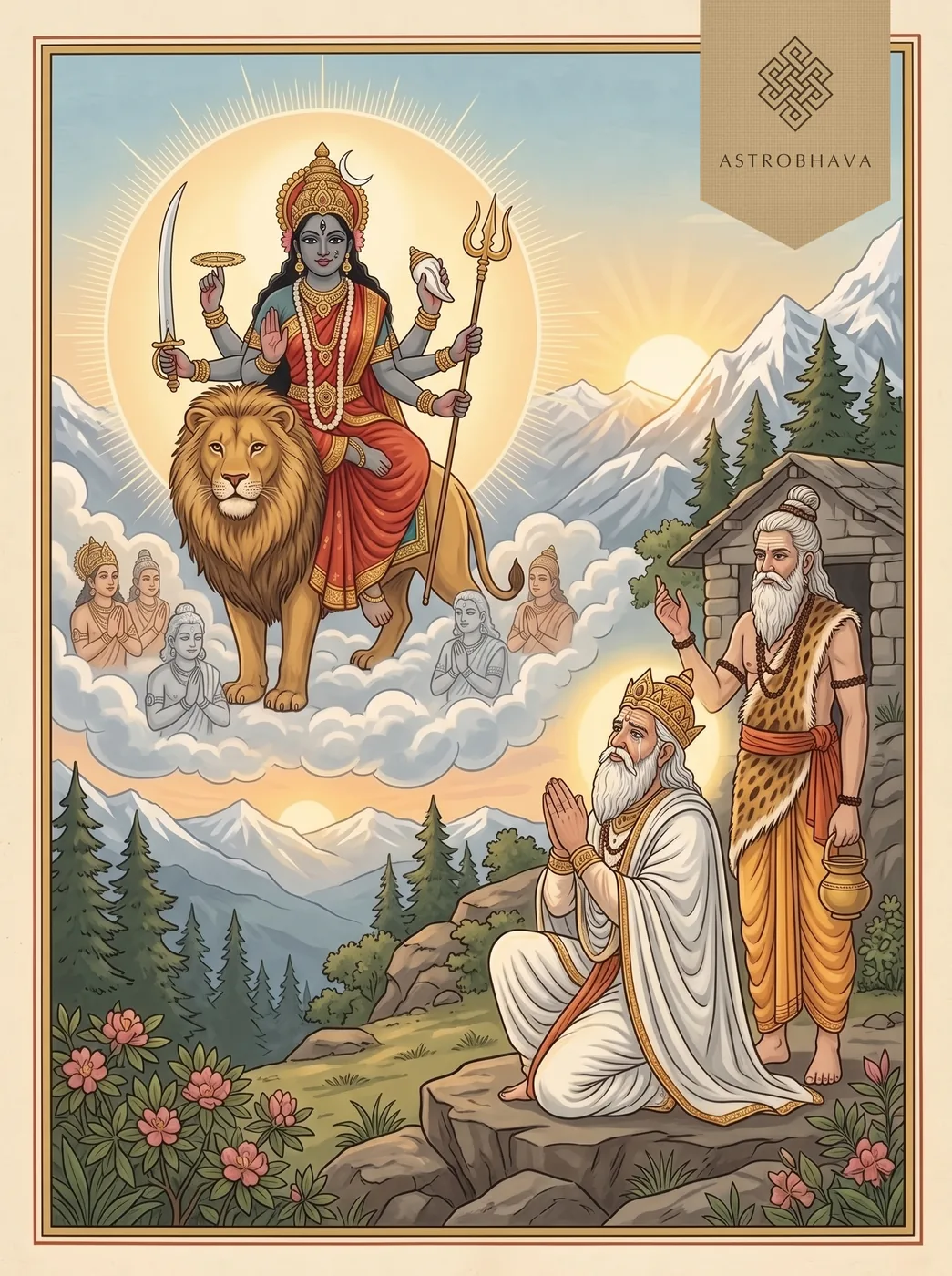
According to the Skanda Purana, Narada asks Skanda, commander of the army of the gods, for a hymn more secret than any secret, one that removes sin and calms the troubles of the planets. Skanda answers with the story of his own mother. Born to Himavan, king of mountains, and his wife Mena, she won Shankara by long penance and went to him as his own, as a digit of the moon returns to the moon. Left behind, Himavan wasted away with grief. The sage Vasishtha came to him and told him that the daughter he mourned was the mother of the three worlds, born to him only because of his merit; she was Durga, of many forms and many names, eternal wife of the eternal Lord, and he should let go of a father's attachment. Consoled, the mountain king praised her, and Durga appeared before him. She told her father that by her grace a supreme hymn would shine in his heart, and that by worshipping her with its thousand names he would gain his wish. Then she vanished, and the thousand names rose up in Himavan's mind. Skanda says Himavan recited them to him when he asked, and that he now passes them to Narada out of affection, which is why Himavan stands as the seer of the hymn.
The mantra, in six scripts
- ॐ
- oṃ — Om
- शिवाऽथोमा
- śivā'thomā — Shiva, and now Uma
- रमा
- ramā — Rama, the delightful
- शक्तिरनन्ता
- śaktiranantā — Shakti, the endless
- निष्कलाऽमला
- niṣkalā'malā — without parts, spotless
- शान्ता
- śāntā — peaceful
- माहेश्वरी
- māheśvarī — consort of the great Lord
- नित्या
- nityā — eternal
- शाश्वता
- śāśvatā — everlasting
- परमा
- paramā — supreme
- क्षमा
- kṣamā — patience itself
Durga Sahasranamam lyrics in full
The meditation verse, the 150 verses of names and the 12 verses of phala shruti; the thirteen introductory verses are retold in the story above.
All 164 verses, in Sanskrit, Tamil, Telugu, Kannada, Malayalam and English, each with its meaning. Choose a script:
Download the Durga Sahasranamam PDFAll 164 verses with their meanings, in Sanskrit. Free to print and keep.
कालाभ्राभां कटाक्षैररिकुलभयदां मौलिबद्धेन्दुरेखां शङ्खं चक्रं कृपाणं त्रिशिखमपि करैरुद्वहन्तीं त्रिनेत्राम् ।
सिंहस्कन्धाधिरूढां त्रिभुवनमखिलं तेजसा पूरयन्तीं ध्यायेद्दुर्गां जयाख्यां त्रिदशपरिवृतां सेवितां सिद्धिकामैः ॥
காலாப்ராபாம் கடாக்ஷைரரிகுலபயதாம் மௌலிபத்தேந்துரேகாம் ஶங்கம் சக்ரம் க்ருபாணம் த்ரிஶிகமபி கரைருத்வஹந்தீம் த்ரிநேத்ராம் ।
ஸிம்ஹஸ்கந்தாதிரூடாம் த்ரிபுவநமகிலம் தேஜஸா பூரயந்தீம் த்யாயேத்துர்காம் ஜயாக்யாம் த்ரிதஶபரிவ்ருதாம் ஸேவிதாம் ஸித்திகாமைஃ ॥
కాలాభ్రాభాం కటాక్షైరరికులభయదాం మౌలిబద్ధేన్దురేఖాం శఙ్ఖం చక్రం కృపాణం త్రిశిఖమపి కరైరుద్వహన్తీం త్రినేత్రామ్ ।
సింహస్కన్ధాధిరూఢాం త్రిభువనమఖిలం తేజసా పూరయన్తీం ధ్యాయేద్దుర్గాం జయాఖ్యాం త్రిదశపరివృతాం సేవితాం సిద్ధికామైః ॥
ಕಾಲಾಭ್ರಾಭಾಂ ಕಟಾಕ್ಷೈರರಿಕುಲಭಯದಾಂ ಮೌಲಿಬದ್ಧೇನ್ದುರೇಖಾಂ ಶಙ್ಖಂ ಚಕ್ರಂ ಕೃಪಾಣಂ ತ್ರಿಶಿಖಮಪಿ ಕರೈರುದ್ವಹನ್ತೀಂ ತ್ರಿನೇತ್ರಾಮ್ ।
ಸಿಂಹಸ್ಕನ್ಧಾಧಿರೂಢಾಂ ತ್ರಿಭುವನಮಖಿಲಂ ತೇಜಸಾ ಪೂರಯನ್ತೀಂ ಧ್ಯಾಯೇದ್ದುರ್ಗಾಂ ಜಯಾಖ್ಯಾಂ ತ್ರಿದಶಪರಿವೃತಾಂ ಸೇವಿತಾಂ ಸಿದ್ಧಿಕಾಮೈಃ ॥
കാലാഭ്രാഭാം കടാക്ഷൈരരികുലഭയദാം മൌലിബദ്ധേന്ദുരേഖാം ശങ്ഖം ചക്രം കൃപാണം ത്രിശിഖമപി കരൈരുദ്വഹന്തീം ത്രിനേത്രാമ് ।
സിംഹസ്കന്ധാധിരൂഢാം ത്രിഭുവനമഖിലം തേജസാ പൂരയന്തീം ധ്യായേദ്ദുര്ഗാം ജയാഖ്യാം ത്രിദശപരിവൃതാം സേവിതാം സിദ്ധികാമൈഃ ॥
kālābhrābhāṃ kaṭākṣairarikulabhayadāṃ maulibaddhendurekhāṃ śaṅkhaṃ cakraṃ kṛpāṇaṃ triśikhamapi karairudvahantīṃ trinetrām |
siṃhaskandhādhirūḍhāṃ tribhuvanamakhilaṃ tejasā pūrayantīṃ dhyāyeddurgāṃ jayākhyāṃ tridaśaparivṛtāṃ sevitāṃ siddhikāmaiḥ ||
One should meditate on Durga named Jaya, dark as a storm cloud, whose glances strike fear into hosts of enemies, with the crescent moon bound on her crown, holding conch, discus, sword and trident, three-eyed, seated on the shoulders of a lion, filling the three worlds with her radiance, surrounded by the gods and served by those who seek attainment.
ॐ शिवाऽथोमा रमा शक्तिरनन्ता निष्कलाऽमला ।
शान्ता माहेश्वरी नित्या शाश्वता परमा क्षमा ॥
ௐ ஶிவாதோமா ரமா ஶக்திரநந்தா நிஷ்கலாமலா ।
ஶாந்தா மாஹேஶ்வரீ நித்யா ஶாஶ்வதா பரமா க்ஷமா ॥
ఓం శివాఽథోమా రమా శక్తిరనన్తా నిష్కలాఽమలా ।
శాన్తా మాహేశ్వరీ నిత్యా శాశ్వతా పరమా క్షమా ॥
ಓಂ ಶಿವಾಽಥೋಮಾ ರಮಾ ಶಕ್ತಿರನನ್ತಾ ನಿಷ್ಕಲಾಽಮಲಾ ।
ಶಾನ್ತಾ ಮಾಹೇಶ್ವರೀ ನಿತ್ಯಾ ಶಾಶ್ವತಾ ಪರಮಾ ಕ್ಷಮಾ ॥
ഓം ശിവാഽഥോമാ രമാ ശക്തിരനന്താ നിഷ്കലാഽമലാ ।
ശാന്താ മാഹേശ്വരീ നിത്യാ ശാശ്വതാ പരമാ ക്ഷമാ ॥
oṃ śivā'thomā ramā śaktiranantā niṣkalā'malā |
śāntā māheśvarī nityā śāśvatā paramā kṣamā ||
She is Shiva, Uma, Rama, Shakti, endless, without parts and spotless; she is peaceful, consort of the great Lord, eternal, everlasting, supreme, and patience itself.
अचिन्त्या केवलाऽनन्ता शिवात्मा परमात्मिका ।
अनादिरव्यया शुद्धा सर्वज्ञा सर्वगाऽचला ॥
அசிந்த்யா கேவலாநந்தா ஶிவாத்மா பரமாத்மிகா ।
அநாதிரவ்யயா ஶுத்தா ஸர்வஜ்ஞா ஸர்வகாசலா ॥
అచిన్త్యా కేవలాఽనన్తా శివాత్మా పరమాత్మికా ।
అనాదిరవ్యయా శుద్ధా సర్వజ్ఞా సర్వగాఽచలా ॥
ಅಚಿನ್ತ್ಯಾ ಕೇವಲಾಽನನ್ತಾ ಶಿವಾತ್ಮಾ ಪರಮಾತ್ಮಿಕಾ ।
ಅನಾದಿರವ್ಯಯಾ ಶುದ್ಧಾ ಸರ್ವಜ್ಞಾ ಸರ್ವಗಾಽಚಲಾ ॥
അചിന്ത്യാ കേവലാഽനന്താ ശിവാത്മാ പരമാത്മികാ ।
അനാദിരവ്യയാ ശുദ്ധാ സര്വജ്ഞാ സര്വഗാഽചലാ ॥
acintyā kevalā'nantā śivātmā paramātmikā |
anādiravyayā śuddhā sarvajñā sarvagā'calā ||
She is beyond thought, the one alone and endless, the self of Shiva, the supreme self; without beginning, imperishable, pure, all-knowing, all-pervading and unmoving.
एकानेकविभागस्था मायातीता सुनिर्मला ।
महामाहेश्वरी सत्या महादेवी निरञ्जना ॥
ஏகாநேகவிபாகஸ்தா மாயாதீதா ஸுநிர்மலா ।
மஹாமாஹேஶ்வரீ ஸத்யா மஹாதேவீ நிரஞ்ஜநா ॥
ఏకానేకవిభాగస్థా మాయాతీతా సునిర్మలా ।
మహామాహేశ్వరీ సత్యా మహాదేవీ నిరఞ్జనా ॥
ಏಕಾನೇಕವಿಭಾಗಸ್ಥಾ ಮಾಯಾತೀತಾ ಸುನಿರ್ಮಲಾ ।
ಮಹಾಮಾಹೇಶ್ವರೀ ಸತ್ಯಾ ಮಹಾದೇವೀ ನಿರಞ್ಜನಾ ॥
ഏകാനേകവിഭാഗസ്ഥാ മായാതീതാ സുനിര്മലാ ।
മഹാമാഹേശ്വരീ സത്യാ മഹാദേവീ നിരഞ്ജനാ ॥
ekānekavibhāgasthā māyātītā sunirmalā |
mahāmāheśvarī satyā mahādevī nirañjanā ||
She abides in both the one and the many, is beyond illusion and wholly stainless; she is the great consort of Maheshvara, truth itself, the Great Goddess, without blemish.
काष्ठा सर्वान्तरस्थाऽपि चिच्छक्तिश्चात्रिलालिता ।
सर्वा सर्वात्मिका विश्वा ज्योतीरूपाऽक्षराऽमृता ॥
காஷ்டா ஸர்வாந்தரஸ்தாபி சிச்சக்திஶ்சாத்ரிலாலிதா ।
ஸர்வா ஸர்வாத்மிகா விஶ்வா ஜ்யோதீரூபாக்ஷராம்ருதா ॥
కాష్ఠా సర్వాన్తరస్థాఽపి చిచ్ఛక్తిశ్చాత్రిలాలితా ।
సర్వా సర్వాత్మికా విశ్వా జ్యోతీరూపాఽక్షరాఽమృతా ॥
ಕಾಷ್ಠಾ ಸರ್ವಾನ್ತರಸ್ಥಾಽಪಿ ಚಿಚ್ಛಕ್ತಿಶ್ಚಾತ್ರಿಲಾಲಿತಾ ।
ಸರ್ವಾ ಸರ್ವಾತ್ಮಿಕಾ ವಿಶ್ವಾ ಜ್ಯೋತೀರೂಪಾಽಕ್ಷರಾಽಮೃತಾ ॥
കാഷ്ഠാ സര്വാന്തരസ്ഥാഽപി ചിച്ഛക്തിശ്ചാത്രിലാലിതാ ।
സര്വാ സര്വാത്മികാ വിശ്വാ ജ്യോതീരൂപാഽക്ഷരാഽമൃതാ ॥
kāṣṭhā sarvāntarasthā'pi cicchaktiścātrilālitā |
sarvā sarvātmikā viśvā jyotīrūpā'kṣarā'mṛtā ||
She is the farthest limit, present within all, the power of consciousness cherished by Atri; she is all, the self of all, the universe, of the form of light, imperishable and immortal.
शान्ता प्रतिष्ठा सर्वेशा निवृत्तिरमृतप्रदा ।
व्योममूर्तिर्व्योमसंस्था व्योमाधाराऽच्युताऽतुला ॥
ஶாந்தா ப்ரதிஷ்டா ஸர்வேஶா நிவ்ருத்திரம்ருதப்ரதா ।
வ்யோமமூர்திர்வ்யோமஸம்ஸ்தா வ்யோமாதாராச்யுதாதுலா ॥
శాన్తా ప్రతిష్ఠా సర్వేశా నివృత్తిరమృతప్రదా ।
వ్యోమమూర్తిర్వ్యోమసంస్థా వ్యోమాధారాఽచ్యుతాఽతులా ॥
ಶಾನ್ತಾ ಪ್ರತಿಷ್ಠಾ ಸರ್ವೇಶಾ ನಿವೃತ್ತಿರಮೃತಪ್ರದಾ ।
ವ್ಯೋಮಮೂರ್ತಿರ್ವ್ಯೋಮಸಂಸ್ಥಾ ವ್ಯೋಮಾಧಾರಾಽಚ್ಯುತಾಽತುಲಾ ॥
ശാന്താ പ്രതിഷ്ഠാ സര്വേശാ നിവൃത്തിരമൃതപ്രദാ ।
വ്യോമമൂര്തിര്വ്യോമസംസ്ഥാ വ്യോമാധാരാഽച്യുതാഽതുലാ ॥
śāntā pratiṣṭhā sarveśā nivṛttiramṛtapradā |
vyomamūrtirvyomasaṃsthā vyomādhārā'cyutā'tulā ||
She is peace, the firm foundation, ruler of all, the withdrawal from the world and giver of immortality; her form is the sky, she dwells in it and upholds it, unfallen and beyond compare.
अनादिनिधनाऽमोघा कारणात्मकलाकुला ।
ऋतुप्रथमजाऽनाभिरमृतात्मसमाश्रया ॥
அநாதிநிதநாமோகா காரணாத்மகலாகுலா ।
ருதுப்ரதமஜாநாபிரம்ருதாத்மஸமாஶ்ரயா ॥
అనాదినిధనాఽమోఘా కారణాత్మకలాకులా ।
ఋతుప్రథమజాఽనాభిరమృతాత్మసమాశ్రయా ॥
ಅನಾದಿನಿಧನಾಽಮೋಘಾ ಕಾರಣಾತ್ಮಕಲಾಕುಲಾ ।
ಋತುಪ್ರಥಮಜಾಽನಾಭಿರಮೃತಾತ್ಮಸಮಾಶ್ರಯಾ ॥
അനാദിനിധനാഽമോഘാ കാരണാത്മകലാകുലാ ।
ഋതുപ്രഥമജാഽനാഭിരമൃതാത്മസമാശ്രയാ ॥
anādinidhanā'moghā kāraṇātmakalākulā |
ṛtuprathamajā'nābhiramṛtātmasamāśrayā ||
She has no beginning or end and never fails; she is the cause, the self of all the arts; the first-born of the cosmic order, without a centre, the refuge of the immortal self.
प्राणेश्वरप्रिया नम्या महामहिषघातिनी ।
प्राणेश्वरी प्राणरूपा प्रधानपुरुषेश्वरी ॥
ப்ராணேஶ்வரப்ரியா நம்யா மஹாமஹிஷகாதிநீ ।
ப்ராணேஶ்வரீ ப்ராணரூபா ப்ரதாநபுருஷேஶ்வரீ ॥
ప్రాణేశ్వరప్రియా నమ్యా మహామహిషఘాతినీ ।
ప్రాణేశ్వరీ ప్రాణరూపా ప్రధానపురుషేశ్వరీ ॥
ಪ್ರಾಣೇಶ್ವರಪ್ರಿಯಾ ನಮ್ಯಾ ಮಹಾಮಹಿಷಘಾತಿನೀ ।
ಪ್ರಾಣೇಶ್ವರೀ ಪ್ರಾಣರೂಪಾ ಪ್ರಧಾನಪುರುಷೇಶ್ವರೀ ॥
പ്രാണേശ്വരപ്രിയാ നമ്യാ മഹാമഹിഷഘാതിനീ ।
പ്രാണേശ്വരീ പ്രാണരൂപാ പ്രധാനപുരുഷേശ്വരീ ॥
prāṇeśvarapriyā namyā mahāmahiṣaghātinī |
prāṇeśvarī prāṇarūpā pradhānapuruṣeśvarī ||
She is dear to the lord of life, worthy of salutation, slayer of the great Mahisha; she is the queen of the life-breath and its very form, ruler over primal nature and spirit.
सर्वशक्तिकलाऽकामा महिषेष्टविनाशिनी ।
सर्वकार्यनियन्त्री च सर्वभूतेश्वरेश्वरी ॥
ஸர்வஶக்திகலாகாமா மஹிஷேஷ்டவிநாஶிநீ ।
ஸர்வகார்யநியந்த்ரீ ச ஸர்வபூதேஶ்வரேஶ்வரீ ॥
సర్వశక్తికలాఽకామా మహిషేష్టవినాశినీ ।
సర్వకార్యనియన్త్రీ చ సర్వభూతేశ్వరేశ్వరీ ॥
ಸರ್ವಶಕ್ತಿಕಲಾಽಕಾಮಾ ಮಹಿಷೇಷ್ಟವಿನಾಶಿನೀ ।
ಸರ್ವಕಾರ್ಯನಿಯನ್ತ್ರೀ ಚ ಸರ್ವಭೂತೇಶ್ವರೇಶ್ವರೀ ॥
സര്വശക്തികലാഽകാമാ മഹിഷേഷ്ടവിനാശിനീ ।
സര്വകാര്യനിയന്ത്രീ ച സര്വഭൂതേശ്വരേശ്വരീ ॥
sarvaśaktikalā'kāmā mahiṣeṣṭavināśinī |
sarvakāryaniyantrī ca sarvabhūteśvareśvarī ||
She holds every power and art, yet is free of desire, and destroys what Mahisha cherished; she governs all actions and is sovereign over the lords of all beings.
अङ्गदादिधरा चैव तथा मुकुटधारिणी ।
सनातनी महानन्दाऽऽकाशयोनिस्तथोच्यते ॥
அங்கதாதிதரா சைவ ததா முகுடதாரிணீ ।
ஸநாதநீ மஹாநந்தாகாஶயோநிஸ்ததோச்யதே ॥
అఙ్గదాదిధరా చైవ తథా ముకుటధారిణీ ।
సనాతనీ మహానన్దాఽఽకాశయోనిస్తథోచ్యతే ॥
ಅಙ್ಗದಾದಿಧರಾ ಚೈವ ತಥಾ ಮುಕುಟಧಾರಿಣೀ ।
ಸನಾತನೀ ಮಹಾನನ್ದಾಽಽಕಾಶಯೋನಿಸ್ತಥೋಚ್ಯತೇ ॥
അങ്ഗദാദിധരാ ചൈവ തഥാ മുകുടധാരിണീ ।
സനാതനീ മഹാനന്ദാഽഽകാശയോനിസ്തഥോച്യതേ ॥
aṅgadādidharā caiva tathā mukuṭadhāriṇī |
sanātanī mahānandā''kāśayonistathocyate ||
She wears armlets and other ornaments and also a crown; she is eternal, great bliss, and is called the source of space.
चित्प्रकाशस्वरूपा च महायोगेश्वरेश्वरी ।
महामाया सुदुष्पारा मूलप्रकृतिरीशिका ॥
சித்ப்ரகாஶஸ்வரூபா ச மஹாயோகேஶ்வரேஶ்வரீ ।
மஹாமாயா ஸுதுஷ்பாரா மூலப்ரக்ருதிரீஶிகா ॥
చిత్ప్రకాశస్వరూపా చ మహాయోగేశ్వరేశ్వరీ ।
మహామాయా సుదుష్పారా మూలప్రకృతిరీశికా ॥
ಚಿತ್ಪ್ರಕಾಶಸ್ವರೂಪಾ ಚ ಮಹಾಯೋಗೇಶ್ವರೇಶ್ವರೀ ।
ಮಹಾಮಾಯಾ ಸುದುಷ್ಪಾರಾ ಮೂಲಪ್ರಕೃತಿರೀಶಿಕಾ ॥
ചിത്പ്രകാശസ്വരൂപാ ച മഹായോഗേശ്വരേശ്വരീ ।
മഹാമായാ സുദുഷ്പാരാ മൂലപ്രകൃതിരീശികാ ॥
citprakāśasvarūpā ca mahāyogeśvareśvarī |
mahāmāyā suduṣpārā mūlaprakṛtirīśikā ||
Her nature is the light of consciousness; she is supreme ruler of the great masters of yoga, the great Maya, hard to cross, the root of nature and the sovereign one.
संसारयोनिः सकला सर्वशक्तिसमुद्भवा ।
संसारपारा दुर्वारा दुर्निरीक्षा दुरासदा ॥
ஸம்ஸாரயோநிஃ ஸகலா ஸர்வஶக்திஸமுத்பவா ।
ஸம்ஸாரபாரா துர்வாரா துர்நிரீக்ஷா துராஸதா ॥
సంసారయోనిః సకలా సర్వశక్తిసముద్భవా ।
సంసారపారా దుర్వారా దుర్నిరీక్షా దురాసదా ॥
ಸಂಸಾರಯೋನಿಃ ಸಕಲಾ ಸರ್ವಶಕ್ತಿಸಮುದ್ಭವಾ ।
ಸಂಸಾರಪಾರಾ ದುರ್ವಾರಾ ದುರ್ನಿರೀಕ್ಷಾ ದುರಾಸದಾ ॥
സംസാരയോനിഃ സകലാ സര്വശക്തിസമുദ്ഭവാ ।
സംസാരപാരാ ദുര്വാരാ ദുര്നിരീക്ഷാ ദുരാസദാ ॥
saṃsārayoniḥ sakalā sarvaśaktisamudbhavā |
saṃsārapārā durvārā durnirīkṣā durāsadā ||
She is the womb of worldly existence, complete in every part, the source of all powers; she is the far shore of the world, irresistible, hard to look upon and hard to approach.
प्राणशक्तिश्च सेव्या च योगिनी परमा कला ।
महाविभूतिर्दुर्दर्शा मूलप्रकृतिसम्भवा ॥
ப்ராணஶக்திஶ்ச ஸேவ்யா ச யோகிநீ பரமா கலா ।
மஹாவிபூதிர்துர்தர்ஶா மூலப்ரக்ருதிஸம்பவா ॥
ప్రాణశక్తిశ్చ సేవ్యా చ యోగినీ పరమా కలా ।
మహావిభూతిర్దుర్దర్శా మూలప్రకృతిసమ్భవా ॥
ಪ್ರಾಣಶಕ್ತಿಶ್ಚ ಸೇವ್ಯಾ ಚ ಯೋಗಿನೀ ಪರಮಾ ಕಲಾ ।
ಮಹಾವಿಭೂತಿರ್ದುರ್ದರ್ಶಾ ಮೂಲಪ್ರಕೃತಿಸಮ್ಭವಾ ॥
പ്രാണശക്തിശ്ച സേവ്യാ ച യോഗിനീ പരമാ കലാ ।
മഹാവിഭൂതിര്ദുര്ദര്ശാ മൂലപ്രകൃതിസമ്ഭവാ ॥
prāṇaśaktiśca sevyā ca yoginī paramā kalā |
mahāvibhūtirdurdarśā mūlaprakṛtisambhavā ||
She is the power of life, worthy of service, the yogini, the supreme art; great glory, hard to behold, born of the root of nature.
अनाद्यनन्तविभवा परार्था पुरुषारणिः ।
सर्गस्थित्यन्तकृच्चैव सुदुर्वाच्या दुरत्यया ॥
அநாத்யநந்தவிபவா பரார்தா புருஷாரணிஃ ।
ஸர்கஸ்தித்யந்தக்ருச்சைவ ஸுதுர்வாச்யா துரத்யயா ॥
అనాద్యనన్తవిభవా పరార్థా పురుషారణిః ।
సర్గస్థిత్యన్తకృచ్చైవ సుదుర్వాచ్యా దురత్యయా ॥
ಅನಾದ್ಯನನ್ತವಿಭವಾ ಪರಾರ್ಥಾ ಪುರುಷಾರಣಿಃ ।
ಸರ್ಗಸ್ಥಿತ್ಯನ್ತಕೃಚ್ಚೈವ ಸುದುರ್ವಾಚ್ಯಾ ದುರತ್ಯಯಾ ॥
അനാദ്യനന്തവിഭവാ പരാര്ഥാ പുരുഷാരണിഃ ।
സര്ഗസ്ഥിത്യന്തകൃച്ചൈവ സുദുര്വാച്യാ ദുരത്യയാ ॥
anādyanantavibhavā parārthā puruṣāraṇiḥ |
sargasthityantakṛccaiva sudurvācyā duratyayā ||
Her splendour has neither beginning nor end; she is the highest aim and the kindling source of the spirit; she creates, sustains and ends, is hard to describe and hard to pass beyond.
शब्दगम्या शब्दमाया शब्दाख्यानन्दविग्रहा ।
प्रधानपुरुषातीता प्रधानपुरुषात्मिका ॥
ஶப்தகம்யா ஶப்தமாயா ஶப்தாக்யாநந்தவிக்ரஹா ।
ப்ரதாநபுருஷாதீதா ப்ரதாநபுருஷாத்மிகா ॥
శబ్దగమ్యా శబ్దమాయా శబ్దాఖ్యానన్దవిగ్రహా ।
ప్రధానపురుషాతీతా ప్రధానపురుషాత్మికా ॥
ಶಬ್ದಗಮ್ಯಾ ಶಬ್ದಮಾಯಾ ಶಬ್ದಾಖ್ಯಾನನ್ದವಿಗ್ರಹಾ ।
ಪ್ರಧಾನಪುರುಷಾತೀತಾ ಪ್ರಧಾನಪುರುಷಾತ್ಮಿಕಾ ॥
ശബ്ദഗമ്യാ ശബ്ദമായാ ശബ്ദാഖ്യാനന്ദവിഗ്രഹാ ।
പ്രധാനപുരുഷാതീതാ പ്രധാനപുരുഷാത്മികാ ॥
śabdagamyā śabdamāyā śabdākhyānandavigrahā |
pradhānapuruṣātītā pradhānapuruṣātmikā ||
She is reached through sacred sound, is the power of sound, and her form is the bliss called sound; she is beyond primal nature and spirit, yet is their very self.
पुराणी चिन्मया पुंसामिष्टदा पुष्टिरूपिणी ।
पूतान्तरस्था कूटस्था महापुरुषसञ्ज्ञिता ॥
புராணீ சிந்மயா பும்ஸாமிஷ்டதா புஷ்டிரூபிணீ ।
பூதாந்தரஸ்தா கூடஸ்தா மஹாபுருஷஸஞ்ஜ்ஞிதா ॥
పురాణీ చిన్మయా పుంసామిష్టదా పుష్టిరూపిణీ ।
పూతాన్తరస్థా కూటస్థా మహాపురుషసఞ్జ్ఞితా ॥
ಪುರಾಣೀ ಚಿನ್ಮಯಾ ಪುಂಸಾಮಿಷ್ಟದಾ ಪುಷ್ಟಿರೂಪಿಣೀ ।
ಪೂತಾನ್ತರಸ್ಥಾ ಕೂಟಸ್ಥಾ ಮಹಾಪುರುಷಸಞ್ಜ್ಞಿತಾ ॥
പുരാണീ ചിന്മയാ പുംസാമിഷ്ടദാ പുഷ്ടിരൂപിണീ ।
പൂതാന്തരസ്ഥാ കൂടസ്ഥാ മഹാപുരുഷസഞ്ജ്ഞിതാ ॥
purāṇī cinmayā puṃsāmiṣṭadā puṣṭirūpiṇī |
pūtāntarasthā kūṭasthā mahāpuruṣasañjñitā ||
She is the ancient one, made of consciousness, who grants people their wishes and is nourishment itself; she dwells within the pure, is unchanging, and is called the Great Person.
जन्ममृत्युजरातीता सर्वशक्तिस्वरूपिणी ।
वाञ्छाप्रदाऽनवच्छिन्नप्रधानानुप्रवेशिनी ॥
ஜந்மம்ருத்யுஜராதீதா ஸர்வஶக்திஸ்வரூபிணீ ।
வாஞ்சாப்ரதாநவச்சிந்நப்ரதாநாநுப்ரவேஶிநீ ॥
జన్మమృత్యుజరాతీతా సర్వశక్తిస్వరూపిణీ ।
వాఞ్ఛాప్రదాఽనవచ్ఛిన్నప్రధానానుప్రవేశినీ ॥
ಜನ್ಮಮೃತ್ಯುಜರಾತೀತಾ ಸರ್ವಶಕ್ತಿಸ್ವರೂಪಿಣೀ ।
ವಾಞ್ಛಾಪ್ರದಾಽನವಚ್ಛಿನ್ನಪ್ರಧಾನಾನುಪ್ರವೇಶಿನೀ ॥
ജന്മമൃത്യുജരാതീതാ സര്വശക്തിസ്വരൂപിണീ ।
വാഞ്ഛാപ്രദാഽനവച്ഛിന്നപ്രധാനാനുപ്രവേശിനീ ॥
janmamṛtyujarātītā sarvaśaktisvarūpiṇī |
vāñchāpradā'navacchinnapradhānānupraveśinī ||
She is beyond birth, death and old age, the form of every power; she grants desires and enters, unbroken, into primal nature.
क्षेत्रज्ञाऽचिन्त्यशक्तिस्तु प्रोच्यतेऽव्यक्तलक्षणा ।
मलापवर्जिताऽनादिमाया त्रितयतत्त्विका ॥
க்ஷேத்ரஜ்ஞாசிந்த்யஶக்திஸ்து ப்ரோச்யதேவ்யக்தலக்ஷணா ।
மலாபவர்ஜிதாநாதிமாயா த்ரிதயதத்த்விகா ॥
క్షేత్రజ్ఞాఽచిన్త్యశక్తిస్తు ప్రోచ్యతేఽవ్యక్తలక్షణా ।
మలాపవర్జితాఽనాదిమాయా త్రితయతత్త్వికా ॥
ಕ್ಷೇತ್ರಜ್ಞಾಽಚಿನ್ತ್ಯಶಕ್ತಿಸ್ತು ಪ್ರೋಚ್ಯತೇಽವ್ಯಕ್ತಲಕ್ಷಣಾ ।
ಮಲಾಪವರ್ಜಿತಾಽನಾದಿಮಾಯಾ ತ್ರಿತಯತತ್ತ್ವಿಕಾ ॥
ക്ഷേത്രജ്ഞാഽചിന്ത്യശക്തിസ്തു പ്രോച്യതേഽവ്യക്തലക്ഷണാ ।
മലാപവര്ജിതാഽനാദിമായാ ത്രിതയതത്ത്വികാ ॥
kṣetrajñā'cintyaśaktistu procyate'vyaktalakṣaṇā |
malāpavarjitā'nādimāyā tritayatattvikā ||
She is the knower of the field, of unthinkable power, called the one whose marks are unmanifest; she is free of impurity, the beginningless Maya, the essence of the three principles.
प्रीतिश्च प्रकृतिश्चैव गुहावासा तथोच्यते ।
महामाया नगोत्पन्ना तामसी च ध्रुवा तथा ॥
ப்ரீதிஶ்ச ப்ரக்ருதிஶ்சைவ குஹாவாஸா ததோச்யதே ।
மஹாமாயா நகோத்பந்நா தாமஸீ ச த்ருவா ததா ॥
ప్రీతిశ్చ ప్రకృతిశ్చైవ గుహావాసా తథోచ్యతే ।
మహామాయా నగోత్పన్నా తామసీ చ ధ్రువా తథా ॥
ಪ್ರೀತಿಶ್ಚ ಪ್ರಕೃತಿಶ್ಚೈವ ಗುಹಾವಾಸಾ ತಥೋಚ್ಯತೇ ।
ಮಹಾಮಾಯಾ ನಗೋತ್ಪನ್ನಾ ತಾಮಸೀ ಚ ಧ್ರುವಾ ತಥಾ ॥
പ്രീതിശ്ച പ്രകൃതിശ്ചൈവ ഗുഹാവാസാ തഥോച്യതേ ।
മഹാമായാ നഗോത്പന്നാ താമസീ ച ധ്രുവാ തഥാ ॥
prītiśca prakṛtiścaiva guhāvāsā tathocyate |
mahāmāyā nagotpannā tāmasī ca dhruvā tathā ||
She is love and nature itself, said to dwell in the cave of the heart; she is the great Maya, born of the mountain, the dark one, and the steadfast.
व्यक्ताव्यक्तात्मिका कृष्णा रक्ता शुक्ला ह्यकारणा ।
प्रोच्यते कार्यजननी नित्यप्रसवधर्मिणी ॥
வ்யக்தாவ்யக்தாத்மிகா க்ருஷ்ணா ரக்தா ஶுக்லா ஹ்யகாரணா ।
ப்ரோச்யதே கார்யஜநநீ நித்யப்ரஸவதர்மிணீ ॥
వ్యక్తావ్యక్తాత్మికా కృష్ణా రక్తా శుక్లా హ్యకారణా ।
ప్రోచ్యతే కార్యజననీ నిత్యప్రసవధర్మిణీ ॥
ವ್ಯಕ್ತಾವ್ಯಕ್ತಾತ್ಮಿಕಾ ಕೃಷ್ಣಾ ರಕ್ತಾ ಶುಕ್ಲಾ ಹ್ಯಕಾರಣಾ ।
ಪ್ರೋಚ್ಯತೇ ಕಾರ್ಯಜನನೀ ನಿತ್ಯಪ್ರಸವಧರ್ಮಿಣೀ ॥
വ്യക്താവ്യക്താത്മികാ കൃഷ്ണാ രക്താ ശുക്ലാ ഹ്യകാരണാ ।
പ്രോച്യതേ കാര്യജനനീ നിത്യപ്രസവധര്മിണീ ॥
vyaktāvyaktātmikā kṛṣṇā raktā śuklā hyakāraṇā |
procyate kāryajananī nityaprasavadharmiṇī ||
She is both manifest and unmanifest, dark, red and white, yet without a cause; she is called the mother of all effects, forever bringing forth.
सर्गप्रलयमुक्ता च सृष्टिस्थित्यन्तधर्मिणी ।
ब्रह्मगर्भा चतुर्विंशस्वरूपा पद्मवासिनी ॥
ஸர்கப்ரலயமுக்தா ச ஸ்ருஷ்டிஸ்தித்யந்ததர்மிணீ ।
ப்ரஹ்மகர்பா சதுர்விம்ஶஸ்வரூபா பத்மவாஸிநீ ॥
సర్గప్రలయముక్తా చ సృష్టిస్థిత్యన్తధర్మిణీ ।
బ్రహ్మగర్భా చతుర్వింశస్వరూపా పద్మవాసినీ ॥
ಸರ್ಗಪ್ರಲಯಮುಕ್ತಾ ಚ ಸೃಷ್ಟಿಸ್ಥಿತ್ಯನ್ತಧರ್ಮಿಣೀ ।
ಬ್ರಹ್ಮಗರ್ಭಾ ಚತುರ್ವಿಂಶಸ್ವರೂಪಾ ಪದ್ಮವಾಸಿನೀ ॥
സര്ഗപ്രലയമുക്താ ച സൃഷ്ടിസ്ഥിത്യന്തധര്മിണീ ।
ബ്രഹ്മഗര്ഭാ ചതുര്വിംശസ്വരൂപാ പദ്മവാസിനീ ॥
sargapralayamuktā ca sṛṣṭisthityantadharmiṇī |
brahmagarbhā caturviṃśasvarūpā padmavāsinī ||
She is free of creation and dissolution, yet carries out creation, preservation and ending; she holds Brahma within, has the form of the twenty-four principles, and dwells in the lotus.
अच्युताह्लादिका विद्युद्ब्रह्मयोनिर्महालया ।
महालक्ष्मीः समुद्भावभावितात्मा महेश्वरी ॥
அச்யுதாஹ்லாதிகா வித்யுத்ப்ரஹ்மயோநிர்மஹாலயா ।
மஹாலக்ஷ்மீஃ ஸமுத்பாவபாவிதாத்மா மஹேஶ்வரீ ॥
అచ్యుతాహ్లాదికా విద్యుద్బ్రహ్మయోనిర్మహాలయా ।
మహాలక్ష్మీః సముద్భావభావితాత్మా మహేశ్వరీ ॥
ಅಚ್ಯುತಾಹ್ಲಾದಿಕಾ ವಿದ್ಯುದ್ಬ್ರಹ್ಮಯೋನಿರ್ಮಹಾಲಯಾ ।
ಮಹಾಲಕ್ಷ್ಮೀಃ ಸಮುದ್ಭಾವಭಾವಿತಾತ್ಮಾ ಮಹೇಶ್ವರೀ ॥
അച്യുതാഹ്ലാദികാ വിദ്യുദ്ബ്രഹ്മയോനിര്മഹാലയാ ।
മഹാലക്ഷ്മീഃ സമുദ്ഭാവഭാവിതാത്മാ മഹേശ്വരീ ॥
acyutāhlādikā vidyudbrahmayonirmahālayā |
mahālakṣmīḥ samudbhāvabhāvitātmā maheśvarī ||
She delights Achyuta (Vishnu), is lightning, the womb of the Absolute and the great abode; she is Mahalakshmi, whose self is filled with bringing forth all things, the great Goddess.
महाविमानमध्यस्था महानिद्रा सकौतुका ।
सर्वार्थधारिणी सूक्ष्मा ह्यविद्धा परमार्थदा ॥
மஹாவிமாநமத்யஸ்தா மஹாநித்ரா ஸகௌதுகா ।
ஸர்வார்ததாரிணீ ஸூக்ஷ்மா ஹ்யவித்தா பரமார்ததா ॥
మహావిమానమధ్యస్థా మహానిద్రా సకౌతుకా ।
సర్వార్థధారిణీ సూక్ష్మా హ్యవిద్ధా పరమార్థదా ॥
ಮಹಾವಿಮಾನಮಧ್ಯಸ್ಥಾ ಮಹಾನಿದ್ರಾ ಸಕೌತುಕಾ ।
ಸರ್ವಾರ್ಥಧಾರಿಣೀ ಸೂಕ್ಷ್ಮಾ ಹ್ಯವಿದ್ಧಾ ಪರಮಾರ್ಥದಾ ॥
മഹാവിമാനമധ്യസ്ഥാ മഹാനിദ്രാ സകൌതുകാ ।
സര്വാര്ഥധാരിണീ സൂക്ഷ്മാ ഹ്യവിദ്ധാ പരമാര്ഥദാ ॥
mahāvimānamadhyasthā mahānidrā sakautukā |
sarvārthadhāriṇī sūkṣmā hyaviddhā paramārthadā ||
She dwells within the great celestial car, is the great sleep, full of wonder; she upholds all aims, is subtle, unpierced, and grants the highest goal.
अनन्तरूपाऽनन्तार्था तथा पुरुषमोहिनी ।
अनेकानेकहस्ता च कालत्रयविवर्जिता ॥
அநந்தரூபாநந்தார்தா ததா புருஷமோஹிநீ ।
அநேகாநேகஹஸ்தா ச காலத்ரயவிவர்ஜிதா ॥
అనన్తరూపాఽనన్తార్థా తథా పురుషమోహినీ ।
అనేకానేకహస్తా చ కాలత్రయవివర్జితా ॥
ಅನನ್ತರೂಪಾಽನನ್ತಾರ್ಥಾ ತಥಾ ಪುರುಷಮೋಹಿನೀ ।
ಅನೇಕಾನೇಕಹಸ್ತಾ ಚ ಕಾಲತ್ರಯವಿವರ್ಜಿತಾ ॥
അനന്തരൂപാഽനന്താര്ഥാ തഥാ പുരുഷമോഹിനീ ।
അനേകാനേകഹസ്താ ച കാലത്രയവിവര്ജിതാ ॥
anantarūpā'nantārthā tathā puruṣamohinī |
anekānekahastā ca kālatrayavivarjitā ||
Her forms are endless and her meanings endless; she enchants the spirit, has countless hands, and is beyond the three times.
ब्रह्मजन्मा हरप्रीता मतिर्ब्रह्मशिवात्मिका ।
ब्रह्मेशविष्णुसम्पूज्या ब्रह्माख्या ब्रह्मसञ्ज्ञिता ॥
ப்ரஹ்மஜந்மா ஹரப்ரீதா மதிர்ப்ரஹ்மஶிவாத்மிகா ।
ப்ரஹ்மேஶவிஷ்ணுஸம்பூஜ்யா ப்ரஹ்மாக்யா ப்ரஹ்மஸஞ்ஜ்ஞிதா ॥
బ్రహ్మజన్మా హరప్రీతా మతిర్బ్రహ్మశివాత్మికా ।
బ్రహ్మేశవిష్ణుసమ్పూజ్యా బ్రహ్మాఖ్యా బ్రహ్మసఞ్జ్ఞితా ॥
ಬ್ರಹ್ಮಜನ್ಮಾ ಹರಪ್ರೀತಾ ಮತಿರ್ಬ್ರಹ್ಮಶಿವಾತ್ಮಿಕಾ ।
ಬ್ರಹ್ಮೇಶವಿಷ್ಣುಸಮ್ಪೂಜ್ಯಾ ಬ್ರಹ್ಮಾಖ್ಯಾ ಬ್ರಹ್ಮಸಞ್ಜ್ಞಿತಾ ॥
ബ്രഹ്മജന്മാ ഹരപ്രീതാ മതിര്ബ്രഹ്മശിവാത്മികാ ।
ബ്രഹ്മേശവിഷ്ണുസമ്പൂജ്യാ ബ്രഹ്മാഖ്യാ ബ്രഹ്മസഞ്ജ്ഞിതാ ॥
brahmajanmā haraprītā matirbrahmaśivātmikā |
brahmeśaviṣṇusampūjyā brahmākhyā brahmasañjñitā ||
She is the source of Brahma, dear to Hara, intellect itself, the self of Brahma and Shiva; worshipped by Brahma, Shiva and Vishnu, she is named and known as the Absolute.
व्यक्ता प्रथमजा ब्राह्मी महारात्रिः प्रकीर्तिता ।
ज्ञानस्वरूपा वैराग्यरूपा ह्यैश्वर्यरूपिणी ॥
வ்யக்தா ப்ரதமஜா ப்ராஹ்மீ மஹாராத்ரிஃ ப்ரகீர்திதா ।
ஜ்ஞாநஸ்வரூபா வைராக்யரூபா ஹ்யைஶ்வர்யரூபிணீ ॥
వ్యక్తా ప్రథమజా బ్రాహ్మీ మహారాత్రిః ప్రకీర్తితా ।
జ్ఞానస్వరూపా వైరాగ్యరూపా హ్యైశ్వర్యరూపిణీ ॥
ವ್ಯಕ್ತಾ ಪ್ರಥಮಜಾ ಬ್ರಾಹ್ಮೀ ಮಹಾರಾತ್ರಿಃ ಪ್ರಕೀರ್ತಿತಾ ।
ಜ್ಞಾನಸ್ವರೂಪಾ ವೈರಾಗ್ಯರೂಪಾ ಹ್ಯೈಶ್ವರ್ಯರೂಪಿಣೀ ॥
വ്യക്താ പ്രഥമജാ ബ്രാഹ്മീ മഹാരാത്രിഃ പ്രകീര്തിതാ ।
ജ്ഞാനസ്വരൂപാ വൈരാഗ്യരൂപാ ഹ്യൈശ്വര്യരൂപിണീ ॥
vyaktā prathamajā brāhmī mahārātriḥ prakīrtitā |
jñānasvarūpā vairāgyarūpā hyaiśvaryarūpiṇī ||
She is the manifest one, the first-born, Brahmi, renowned as the great night; her form is knowledge, dispassion and sovereignty.
धर्मात्मिका ब्रह्ममूर्तिः प्रतिश्रुतपुमर्थिका ।
अपाम्योनिः स्वयम्भूता मानसी तत्त्वसम्भवा ॥
தர்மாத்மிகா ப்ரஹ்மமூர்திஃ ப்ரதிஶ்ருதபுமர்திகா ।
அபாம்யோநிஃ ஸ்வயம்பூதா மாநஸீ தத்த்வஸம்பவா ॥
ధర్మాత్మికా బ్రహ్మమూర్తిః ప్రతిశ్రుతపుమర్థికా ।
అపామ్యోనిః స్వయమ్భూతా మానసీ తత్త్వసమ్భవా ॥
ಧರ್ಮಾತ್ಮಿಕಾ ಬ್ರಹ್ಮಮೂರ್ತಿಃ ಪ್ರತಿಶ್ರುತಪುಮರ್ಥಿಕಾ ।
ಅಪಾಮ್ಯೋನಿಃ ಸ್ವಯಮ್ಭೂತಾ ಮಾನಸೀ ತತ್ತ್ವಸಮ್ಭವಾ ॥
ധര്മാത്മികാ ബ്രഹ്മമൂര്തിഃ പ്രതിശ്രുതപുമര്ഥികാ ।
അപാമ്യോനിഃ സ്വയമ്ഭൂതാ മാനസീ തത്ത്വസമ്ഭവാ ॥
dharmātmikā brahmamūrtiḥ pratiśrutapumarthikā |
apāmyoniḥ svayambhūtā mānasī tattvasambhavā ||
Her self is dharma, she is the embodiment of the Absolute and grants the aims of life she has promised; she is the source of the waters, self-born, born of mind, and the source of the principles.
ईश्वरस्य प्रिया प्रोक्ता शङ्करार्धशरीरिणी ।
भवानी चैव रुद्राणी महालक्ष्मीस्तथाऽम्बिका ॥
ஈஶ்வரஸ்ய ப்ரியா ப்ரோக்தா ஶங்கரார்தஶரீரிணீ ।
பவாநீ சைவ ருத்ராணீ மஹாலக்ஷ்மீஸ்ததாம்பிகா ॥
ఈశ్వరస్య ప్రియా ప్రోక్తా శఙ్కరార్ధశరీరిణీ ।
భవానీ చైవ రుద్రాణీ మహాలక్ష్మీస్తథాఽమ్బికా ॥
ಈಶ್ವರಸ್ಯ ಪ್ರಿಯಾ ಪ್ರೋಕ್ತಾ ಶಙ್ಕರಾರ್ಧಶರೀರಿಣೀ ।
ಭವಾನೀ ಚೈವ ರುದ್ರಾಣೀ ಮಹಾಲಕ್ಷ್ಮೀಸ್ತಥಾಽಮ್ಬಿಕಾ ॥
ഈശ്വരസ്യ പ്രിയാ പ്രോക്താ ശങ്കരാര്ധശരീരിണീ ।
ഭവാനീ ചൈവ രുദ്രാണീ മഹാലക്ഷ്മീസ്തഥാഽമ്ബികാ ॥
īśvarasya priyā proktā śaṅkarārdhaśarīriṇī |
bhavānī caiva rudrāṇī mahālakṣmīstathā'mbikā ||
She is called the beloved of the Lord, who forms half the body of Shankara; she is Bhavani, Rudrani, Mahalakshmi and Ambika.
महेश्वरसमुत्पन्ना भुक्तिमुक्तिप्रदायिनी ।
सर्वेश्वरी सर्ववन्द्या नित्यमुक्ता सुमानसा ॥
மஹேஶ்வரஸமுத்பந்நா புக்திமுக்திப்ரதாயிநீ ।
ஸர்வேஶ்வரீ ஸர்வவந்த்யா நித்யமுக்தா ஸுமாநஸா ॥
మహేశ్వరసముత్పన్నా భుక్తిముక్తిప్రదాయినీ ।
సర్వేశ్వరీ సర్వవన్ద్యా నిత్యముక్తా సుమానసా ॥
ಮಹೇಶ್ವರಸಮುತ್ಪನ್ನಾ ಭುಕ್ತಿಮುಕ್ತಿಪ್ರದಾಯಿನೀ ।
ಸರ್ವೇಶ್ವರೀ ಸರ್ವವನ್ದ್ಯಾ ನಿತ್ಯಮುಕ್ತಾ ಸುಮಾನಸಾ ॥
മഹേശ്വരസമുത്പന്നാ ഭുക്തിമുക്തിപ്രദായിനീ ।
സര്വേശ്വരീ സര്വവന്ദ്യാ നിത്യമുക്താ സുമാനസാ ॥
maheśvarasamutpannā bhuktimuktipradāyinī |
sarveśvarī sarvavandyā nityamuktā sumānasā ||
Born of Maheshvara, she grants both enjoyment and liberation; she is ruler of all, honoured by all, ever free and noble-minded.
महेन्द्रोपेन्द्रनमिता शाङ्करीशानुवर्तिनी ।
ईश्वरार्धासनगता महेश्वरपतिव्रता ॥
மஹேந்த்ரோபேந்த்ரநமிதா ஶாங்கரீஶாநுவர்திநீ ।
ஈஶ்வரார்தாஸநகதா மஹேஶ்வரபதிவ்ரதா ॥
మహేన్ద్రోపేన్ద్రనమితా శాఙ్కరీశానువర్తినీ ।
ఈశ్వరార్ధాసనగతా మహేశ్వరపతివ్రతా ॥
ಮಹೇನ್ದ್ರೋಪೇನ್ದ್ರನಮಿತಾ ಶಾಙ್ಕರೀಶಾನುವರ್ತಿನೀ ।
ಈಶ್ವರಾರ್ಧಾಸನಗತಾ ಮಹೇಶ್ವರಪತಿವ್ರತಾ ॥
മഹേന്ദ്രോപേന്ദ്രനമിതാ ശാങ്കരീശാനുവര്തിനീ ।
ഈശ്വരാര്ധാസനഗതാ മഹേശ്വരപതിവ്രതാ ॥
mahendropendranamitā śāṅkarīśānuvartinī |
īśvarārdhāsanagatā maheśvarapativratā ||
Indra and Upendra bow to her; she is Shankari, who follows Ishana, seated on half of the Lord's seat, the faithful wife of Maheshvara.
संसारशोषिणी चैव पार्वती हिमवत्सुता ।
परमानन्ददात्री च गुणाग्र्या योगदा तथा ॥
ஸம்ஸாரஶோஷிணீ சைவ பார்வதீ ஹிமவத்ஸுதா ।
பரமாநந்ததாத்ரீ ச குணாக்ர்யா யோகதா ததா ॥
సంసారశోషిణీ చైవ పార్వతీ హిమవత్సుతా ।
పరమానన్దదాత్రీ చ గుణాగ్ర్యా యోగదా తథా ॥
ಸಂಸಾರಶೋಷಿಣೀ ಚೈವ ಪಾರ್ವತೀ ಹಿಮವತ್ಸುತಾ ।
ಪರಮಾನನ್ದದಾತ್ರೀ ಚ ಗುಣಾಗ್ರ್ಯಾ ಯೋಗದಾ ತಥಾ ॥
സംസാരശോഷിണീ ചൈവ പാര്വതീ ഹിമവത്സുതാ ।
പരമാനന്ദദാത്രീ ച ഗുണാഗ്ര്യാ യോഗദാ തഥാ ॥
saṃsāraśoṣiṇī caiva pārvatī himavatsutā |
paramānandadātrī ca guṇāgryā yogadā tathā ||
She dries up the ocean of worldly life; she is Parvati, daughter of Himavan, giver of supreme bliss, foremost in virtue and giver of yoga.
ज्ञानमूर्तिश्च सावित्री लक्ष्मीः श्रीः कमला तथा ।
अनन्तगुणगम्भीरा ह्युरोनीलमणिप्रभा ॥
ஜ்ஞாநமூர்திஶ்ச ஸாவித்ரீ லக்ஷ்மீஃ ஶ்ரீஃ கமலா ததா ।
அநந்தகுணகம்பீரா ஹ்யுரோநீலமணிப்ரபா ॥
జ్ఞానమూర్తిశ్చ సావిత్రీ లక్ష్మీః శ్రీః కమలా తథా ।
అనన్తగుణగమ్భీరా హ్యురోనీలమణిప్రభా ॥
ಜ್ಞಾನಮೂರ್ತಿಶ್ಚ ಸಾವಿತ್ರೀ ಲಕ್ಷ್ಮೀಃ ಶ್ರೀಃ ಕಮಲಾ ತಥಾ ।
ಅನನ್ತಗುಣಗಮ್ಭೀರಾ ಹ್ಯುರೋನೀಲಮಣಿಪ್ರಭಾ ॥
ജ്ഞാനമൂര്തിശ്ച സാവിത്രീ ലക്ഷ്മീഃ ശ്രീഃ കമലാ തഥാ ।
അനന്തഗുണഗമ്ഭീരാ ഹ്യുരോനീലമണിപ്രഭാ ॥
jñānamūrtiśca sāvitrī lakṣmīḥ śrīḥ kamalā tathā |
anantaguṇagambhīrā hyuronīlamaṇiprabhā ||
She is knowledge embodied, Savitri, Lakshmi, Shri and Kamala; deep with endless virtues, she shines like a sapphire upon the breast.
सरोजनिलया गङ्गा योगिध्येयाऽसुरार्दिनी ।
सरस्वती सर्वविद्या जगज्ज्येष्ठा सुमङ्गला ॥
ஸரோஜநிலயா கங்கா யோகித்யேயாஸுரார்திநீ ।
ஸரஸ்வதீ ஸர்வவித்யா ஜகஜ்ஜ்யேஷ்டா ஸுமங்கலா ॥
సరోజనిలయా గఙ్గా యోగిధ్యేయాఽసురార్దినీ ।
సరస్వతీ సర్వవిద్యా జగజ్జ్యేష్ఠా సుమఙ్గలా ॥
ಸರೋಜನಿಲಯಾ ಗಙ್ಗಾ ಯೋಗಿಧ್ಯೇಯಾಽಸುರಾರ್ದಿನೀ ।
ಸರಸ್ವತೀ ಸರ್ವವಿದ್ಯಾ ಜಗಜ್ಜ್ಯೇಷ್ಠಾ ಸುಮಙ್ಗಲಾ ॥
സരോജനിലയാ ഗങ്ഗാ യോഗിധ്യേയാഽസുരാര്ദിനീ ।
സരസ്വതീ സര്വവിദ്യാ ജഗജ്ജ്യേഷ്ഠാ സുമങ്ഗലാ ॥
sarojanilayā gaṅgā yogidhyeyā'surārdinī |
sarasvatī sarvavidyā jagajjyeṣṭhā sumaṅgalā ||
She dwells in the lotus, she is Ganga, meditated on by yogis, crusher of demons; she is Sarasvati, all learning, eldest of the world, wholly auspicious.
वाग्देवी वरदा वर्या कीर्तिः सर्वार्थसाधिका ।
वागीश्वरी ब्रह्मविद्या महाविद्या सुशोभना ॥
வாக்தேவீ வரதா வர்யா கீர்திஃ ஸர்வார்தஸாதிகா ।
வாகீஶ்வரீ ப்ரஹ்மவித்யா மஹாவித்யா ஸுஶோபநா ॥
వాగ్దేవీ వరదా వర్యా కీర్తిః సర్వార్థసాధికా ।
వాగీశ్వరీ బ్రహ్మవిద్యా మహావిద్యా సుశోభనా ॥
ವಾಗ್ದೇವೀ ವರದಾ ವರ್ಯಾ ಕೀರ್ತಿಃ ಸರ್ವಾರ್ಥಸಾಧಿಕಾ ।
ವಾಗೀಶ್ವರೀ ಬ್ರಹ್ಮವಿದ್ಯಾ ಮಹಾವಿದ್ಯಾ ಸುಶೋಭನಾ ॥
വാഗ്ദേവീ വരദാ വര്യാ കീര്തിഃ സര്വാര്ഥസാധികാ ।
വാഗീശ്വരീ ബ്രഹ്മവിദ്യാ മഹാവിദ്യാ സുശോഭനാ ॥
vāgdevī varadā varyā kīrtiḥ sarvārthasādhikā |
vāgīśvarī brahmavidyā mahāvidyā suśobhanā ||
She is the goddess of speech, giver of boons, the choicest one, fame itself, who accomplishes every aim; queen of speech, knowledge of the Absolute, the great knowledge, radiantly beautiful.
ग्राह्यविद्या वेदविद्या धर्मविद्याऽऽत्मभाविता ।
स्वाहा विश्वम्भरा सिद्धिः साध्या मेधा धृतिः कृतिः ॥
க்ராஹ்யவித்யா வேதவித்யா தர்மவித்யாத்மபாவிதா ।
ஸ்வாஹா விஶ்வம்பரா ஸித்திஃ ஸாத்யா மேதா த்ருதிஃ க்ருதிஃ ॥
గ్రాహ్యవిద్యా వేదవిద్యా ధర్మవిద్యాఽఽత్మభావితా ।
స్వాహా విశ్వమ్భరా సిద్ధిః సాధ్యా మేధా ధృతిః కృతిః ॥
ಗ್ರಾಹ್ಯವಿದ್ಯಾ ವೇದವಿದ್ಯಾ ಧರ್ಮವಿದ್ಯಾಽಽತ್ಮಭಾವಿತಾ ।
ಸ್ವಾಹಾ ವಿಶ್ವಮ್ಭರಾ ಸಿದ್ಧಿಃ ಸಾಧ್ಯಾ ಮೇಧಾ ಧೃತಿಃ ಕೃತಿಃ ॥
ഗ്രാഹ്യവിദ്യാ വേദവിദ്യാ ധര്മവിദ്യാഽഽത്മഭാവിതാ ।
സ്വാഹാ വിശ്വമ്ഭരാ സിദ്ധിഃ സാധ്യാ മേധാ ധൃതിഃ കൃതിഃ ॥
grāhyavidyā vedavidyā dharmavidyā''tmabhāvitā |
svāhā viśvambharā siddhiḥ sādhyā medhā dhṛtiḥ kṛtiḥ ||
She is the knowledge worth grasping, the knowledge of the Vedas and of dharma, contemplated in the self; she is Svaha, sustainer of all, attainment, the goal, intelligence, steadiness and action.
सुनीतिः सङ्कृतिश्चैव कीर्तिता नरवाहिनी ।
पूजाविभाविनी सौम्या भोग्यभाग्भोगदायिनी ॥
ஸுநீதிஃ ஸங்க்ருதிஶ்சைவ கீர்திதா நரவாஹிநீ ।
பூஜாவிபாவிநீ ஸௌம்யா போக்யபாக்போகதாயிநீ ॥
సునీతిః సఙ్కృతిశ్చైవ కీర్తితా నరవాహినీ ।
పూజావిభావినీ సౌమ్యా భోగ్యభాగ్భోగదాయినీ ॥
ಸುನೀತಿಃ ಸಙ್ಕೃತಿಶ್ಚೈವ ಕೀರ್ತಿತಾ ನರವಾಹಿನೀ ।
ಪೂಜಾವಿಭಾವಿನೀ ಸೌಮ್ಯಾ ಭೋಗ್ಯಭಾಗ್ಭೋಗದಾಯಿನೀ ॥
സുനീതിഃ സങ്കൃതിശ്ചൈവ കീര്തിതാ നരവാഹിനീ ।
പൂജാവിഭാവിനീ സൌമ്യാ ഭോഗ്യഭാഗ്ഭോഗദായിനീ ॥
sunītiḥ saṅkṛtiścaiva kīrtitā naravāhinī |
pūjāvibhāvinī saumyā bhogyabhāgbhogadāyinī ||
She is right conduct and refinement, praised, carried by a man as her mount; she inspires worship, is gentle, enjoys and grants enjoyment.
शोभावती शाङ्करी च लोला मालाविभूषिता ।
परमेष्ठिप्रिया चैव त्रिलोकीसुन्दरी मता ॥
ஶோபாவதீ ஶாங்கரீ ச லோலா மாலாவிபூஷிதா ।
பரமேஷ்டிப்ரியா சைவ த்ரிலோகீஸுந்தரீ மதா ॥
శోభావతీ శాఙ్కరీ చ లోలా మాలావిభూషితా ।
పరమేష్ఠిప్రియా చైవ త్రిలోకీసున్దరీ మతా ॥
ಶೋಭಾವತೀ ಶಾಙ್ಕರೀ ಚ ಲೋಲಾ ಮಾಲಾವಿಭೂಷಿತಾ ।
ಪರಮೇಷ್ಠಿಪ್ರಿಯಾ ಚೈವ ತ್ರಿಲೋಕೀಸುನ್ದರೀ ಮತಾ ॥
ശോഭാവതീ ശാങ്കരീ ച ലോലാ മാലാവിഭൂഷിതാ ।
പരമേഷ്ഠിപ്രിയാ ചൈവ ത്രിലോകീസുന്ദരീ മതാ ॥
śobhāvatī śāṅkarī ca lolā mālāvibhūṣitā |
parameṣṭhipriyā caiva trilokīsundarī matā ||
She is radiant, Shankari, playful, adorned with garlands; dear to Brahma, she is held to be the beauty of the three worlds.
नन्दा सन्ध्या कामधात्री महादेवी सुसात्त्विका ।
महामहिषदर्पघ्नी पद्ममालाऽघहारिणी ॥
நந்தா ஸந்த்யா காமதாத்ரீ மஹாதேவீ ஸுஸாத்த்விகா ।
மஹாமஹிஷதர்பக்நீ பத்மமாலாகஹாரிணீ ॥
నన్దా సన్ధ్యా కామధాత్రీ మహాదేవీ సుసాత్త్వికా ।
మహామహిషదర్పఘ్నీ పద్మమాలాఽఘహారిణీ ॥
ನನ್ದಾ ಸನ್ಧ್ಯಾ ಕಾಮಧಾತ್ರೀ ಮಹಾದೇವೀ ಸುಸಾತ್ತ್ವಿಕಾ ।
ಮಹಾಮಹಿಷದರ್ಪಘ್ನೀ ಪದ್ಮಮಾಲಾಽಘಹಾರಿಣೀ ॥
നന്ദാ സന്ധ്യാ കാമധാത്രീ മഹാദേവീ സുസാത്ത്വികാ ।
മഹാമഹിഷദര്പഘ്നീ പദ്മമാലാഽഘഹാരിണീ ॥
nandā sandhyā kāmadhātrī mahādevī susāttvikā |
mahāmahiṣadarpaghnī padmamālā'ghahāriṇī ||
She is Nanda, Sandhya, the giver of desires, the Great Goddess, wholly pure in nature; she breaks the pride of the great Mahisha, wears a lotus garland and takes away sin.
विचित्रमुकुटा रामा कामदाता प्रकीर्तिता ।
पीताम्बरधरा दिव्यविभूषणविभूषिता ॥
விசித்ரமுகுடா ராமா காமதாதா ப்ரகீர்திதா ।
பீதாம்பரதரா திவ்யவிபூஷணவிபூஷிதா ॥
విచిత్రముకుటా రామా కామదాతా ప్రకీర్తితా ।
పీతామ్బరధరా దివ్యవిభూషణవిభూషితా ॥
ವಿಚಿತ್ರಮುಕುಟಾ ರಾಮಾ ಕಾಮದಾತಾ ಪ್ರಕೀರ್ತಿತಾ ।
ಪೀತಾಮ್ಬರಧರಾ ದಿವ್ಯವಿಭೂಷಣವಿಭೂಷಿತಾ ॥
വിചിത്രമുകുടാ രാമാ കാമദാതാ പ്രകീര്തിതാ ।
പീതാമ്ബരധരാ ദിവ്യവിഭൂഷണവിഭൂഷിതാ ॥
vicitramukuṭā rāmā kāmadātā prakīrtitā |
pītāmbaradharā divyavibhūṣaṇavibhūṣitā ||
Her crown is wondrous; she is Rama, renowned as the giver of desires; she wears yellow garments and is adorned with divine ornaments.
दिव्याख्या सोमवदना जगत्संसृष्टिवर्जिता ।
निर्यन्त्रा यन्त्रवाहस्था नन्दिनी रुद्रकालिका ॥
திவ்யாக்யா ஸோமவதநா ஜகத்ஸம்ஸ்ருஷ்டிவர்ஜிதா ।
நிர்யந்த்ரா யந்த்ரவாஹஸ்தா நந்திநீ ருத்ரகாலிகா ॥
దివ్యాఖ్యా సోమవదనా జగత్సంసృష్టివర్జితా ।
నిర్యన్త్రా యన్త్రవాహస్థా నన్దినీ రుద్రకాలికా ॥
ದಿವ್ಯಾಖ್ಯಾ ಸೋಮವದನಾ ಜಗತ್ಸಂಸೃಷ್ಟಿವರ್ಜಿತಾ ।
ನಿರ್ಯನ್ತ್ರಾ ಯನ್ತ್ರವಾಹಸ್ಥಾ ನನ್ದಿನೀ ರುದ್ರಕಾಲಿಕಾ ॥
ദിവ്യാഖ്യാ സോമവദനാ ജഗത്സംസൃഷ്ടിവര്ജിതാ ।
നിര്യന്ത്രാ യന്ത്രവാഹസ്ഥാ നന്ദിനീ രുദ്രകാലികാ ॥
divyākhyā somavadanā jagatsaṃsṛṣṭivarjitā |
niryantrā yantravāhasthā nandinī rudrakālikā ||
Divinely named and moon-faced, she is untouched by the making of the world; free of all restraint, riding a chariot-like vehicle, she is Nandini and Rudrakalika.
आदित्यवर्णा कौमारी मयूरवरवाहिनी ।
पद्मासनगता गौरी महाकाली सुरार्चिता ॥
ஆதித்யவர்ணா கௌமாரீ மயூரவரவாஹிநீ ।
பத்மாஸநகதா கௌரீ மஹாகாலீ ஸுரார்சிதா ॥
ఆదిత్యవర్ణా కౌమారీ మయూరవరవాహినీ ।
పద్మాసనగతా గౌరీ మహాకాలీ సురార్చితా ॥
ಆದಿತ್ಯವರ್ಣಾ ಕೌಮಾರೀ ಮಯೂರವರವಾಹಿನೀ ।
ಪದ್ಮಾಸನಗತಾ ಗೌರೀ ಮಹಾಕಾಲೀ ಸುರಾರ್ಚಿತಾ ॥
ആദിത്യവര്ണാ കൌമാരീ മയൂരവരവാഹിനീ ।
പദ്മാസനഗതാ ഗൌരീ മഹാകാലീ സുരാര്ചിതാ ॥
ādityavarṇā kaumārī mayūravaravāhinī |
padmāsanagatā gaurī mahākālī surārcitā ||
She has the colour of the sun, she is Kaumari, riding the noble peacock; seated on a lotus, she is Gauri and Mahakali, worshipped by the gods.
अदितिर्नियता रौद्री पद्मगर्भा विवाहना ।
विरूपाक्षा केशिवाहा गुहापुरनिवासिनी ॥
அதிதிர்நியதா ரௌத்ரீ பத்மகர்பா விவாஹநா ।
விரூபாக்ஷா கேஶிவாஹா குஹாபுரநிவாஸிநீ ॥
అదితిర్నియతా రౌద్రీ పద్మగర్భా వివాహనా ।
విరూపాక్షా కేశివాహా గుహాపురనివాసినీ ॥
ಅದಿತಿರ್ನಿಯತಾ ರೌದ್ರೀ ಪದ್ಮಗರ್ಭಾ ವಿವಾಹನಾ ।
ವಿರೂಪಾಕ್ಷಾ ಕೇಶಿವಾಹಾ ಗುಹಾಪುರನಿವಾಸಿನೀ ॥
അദിതിര്നിയതാ രൌദ്രീ പദ്മഗര്ഭാ വിവാഹനാ ।
വിരൂപാക്ഷാ കേശിവാഹാ ഗുഹാപുരനിവാസിനീ ॥
aditirniyatā raudrī padmagarbhā vivāhanā |
virūpākṣā keśivāhā guhāpuranivāsinī ||
She is Aditi, the self-controlled, Raudri, lotus-wombed, whose mount is a bird; she has unusual eyes, rides a maned beast, and dwells in the city of the cave.
महाफलाऽनवद्याङ्गी कामरूपा सरिद्वरा ।
भास्वद्रूपा मुक्तिदात्री प्रणतक्लेशभञ्जना ॥
மஹாபலாநவத்யாங்கீ காமரூபா ஸரித்வரா ।
பாஸ்வத்ரூபா முக்திதாத்ரீ ப்ரணதக்லேஶபஞ்ஜநா ॥
మహాఫలాఽనవద్యాఙ్గీ కామరూపా సరిద్వరా ।
భాస్వద్రూపా ముక్తిదాత్రీ ప్రణతక్లేశభఞ్జనా ॥
ಮಹಾಫಲಾಽನವದ್ಯಾಙ್ಗೀ ಕಾಮರೂಪಾ ಸರಿದ್ವರಾ ।
ಭಾಸ್ವದ್ರೂಪಾ ಮುಕ್ತಿದಾತ್ರೀ ಪ್ರಣತಕ್ಲೇಶಭಞ್ಜನಾ ॥
മഹാഫലാഽനവദ്യാങ്ഗീ കാമരൂപാ സരിദ്വരാ ।
ഭാസ്വദ്രൂപാ മുക്തിദാത്രീ പ്രണതക്ലേശഭഞ്ജനാ ॥
mahāphalā'navadyāṅgī kāmarūpā saridvarā |
bhāsvadrūpā muktidātrī praṇatakleśabhañjanā ||
She bears great fruit, is flawless in every limb, takes forms at will and is the best of rivers; of shining form, she gives liberation and breaks the troubles of those who bow to her.
कौशिकी गोमिनी रात्रिस्त्रिदशारिविनाशिनी ।
बहुरूपा सुरूपा च विरूपा रूपवर्जिता ॥
கௌஶிகீ கோமிநீ ராத்ரிஸ்த்ரிதஶாரிவிநாஶிநீ ।
பஹுரூபா ஸுரூபா ச விரூபா ரூபவர்ஜிதா ॥
కౌశికీ గోమినీ రాత్రిస్త్రిదశారివినాశినీ ।
బహురూపా సురూపా చ విరూపా రూపవర్జితా ॥
ಕೌಶಿಕೀ ಗೋಮಿನೀ ರಾತ್ರಿಸ್ತ್ರಿದಶಾರಿವಿನಾಶಿನೀ ।
ಬಹುರೂಪಾ ಸುರೂಪಾ ಚ ವಿರೂಪಾ ರೂಪವರ್ಜಿತಾ ॥
കൌശികീ ഗോമിനീ രാത്രിസ്ത്രിദശാരിവിനാശിനീ ।
ബഹുരൂപാ സുരൂപാ ച വിരൂപാ രൂപവര്ജിതാ ॥
kauśikī gominī rātristridaśārivināśinī |
bahurūpā surūpā ca virūpā rūpavarjitā ||
She is Kaushiki, Gomini, the night, destroyer of the enemies of the gods; she is many-formed, fair-formed, of unusual form, and beyond all form.
भक्तार्तिशमना भव्या भवभावविनाशिनी ।
सर्वज्ञानपरीताङ्गी सर्वासुरविमर्दिका ॥
பக்தார்திஶமநா பவ்யா பவபாவவிநாஶிநீ ।
ஸர்வஜ்ஞாநபரீதாங்கீ ஸர்வாஸுரவிமர்திகா ॥
భక్తార్తిశమనా భవ్యా భవభావవినాశినీ ।
సర్వజ్ఞానపరీతాఙ్గీ సర్వాసురవిమర్దికా ॥
ಭಕ್ತಾರ್ತಿಶಮನಾ ಭವ್ಯಾ ಭವಭಾವವಿನಾಶಿನೀ ।
ಸರ್ವಜ್ಞಾನಪರೀತಾಙ್ಗೀ ಸರ್ವಾಸುರವಿಮರ್ದಿಕಾ ॥
ഭക്താര്തിശമനാ ഭവ്യാ ഭവഭാവവിനാശിനീ ।
സര്വജ്ഞാനപരീതാങ്ഗീ സര്വാസുരവിമര്ദികാ ॥
bhaktārtiśamanā bhavyā bhavabhāvavināśinī |
sarvajñānaparītāṅgī sarvāsuravimardikā ||
She ends the distress of devotees, is gracious, and destroys the condition of worldly birth; her body is filled with all knowledge and she crushes all demons.
पिकस्वनी सामगीता भवाङ्कनिलया प्रिया ।
दीक्षा विद्याधरी दीप्ता महेन्द्राहितपातिनी ॥
பிகஸ்வநீ ஸாமகீதா பவாங்கநிலயா ப்ரியா ।
தீக்ஷா வித்யாதரீ தீப்தா மஹேந்த்ராஹிதபாதிநீ ॥
పికస్వనీ సామగీతా భవాఙ్కనిలయా ప్రియా ।
దీక్షా విద్యాధరీ దీప్తా మహేన్ద్రాహితపాతినీ ॥
ಪಿಕಸ್ವನೀ ಸಾಮಗೀತಾ ಭವಾಙ್ಕನಿಲಯಾ ಪ್ರಿಯಾ ।
ದೀಕ್ಷಾ ವಿದ್ಯಾಧರೀ ದೀಪ್ತಾ ಮಹೇನ್ದ್ರಾಹಿತಪಾತಿನೀ ॥
പികസ്വനീ സാമഗീതാ ഭവാങ്കനിലയാ പ്രിയാ ।
ദീക്ഷാ വിദ്യാധരീ ദീപ്താ മഹേന്ദ്രാഹിതപാതിനീ ॥
pikasvanī sāmagītā bhavāṅkanilayā priyā |
dīkṣā vidyādharī dīptā mahendrāhitapātinī ||
Sweet-voiced as the cuckoo, praised in the Sama songs, she is the beloved who sits on Shiva's lap; she is initiation, bearer of knowledge, radiant, who strikes down Indra's enemies.
सर्वदेवमया दक्षा समुद्रान्तरवासिनी ।
अकलङ्का निराधारा नित्यसिद्धा निरामया ॥
ஸர்வதேவமயா தக்ஷா ஸமுத்ராந்தரவாஸிநீ ।
அகலங்கா நிராதாரா நித்யஸித்தா நிராமயா ॥
సర్వదేవమయా దక్షా సముద్రాన్తరవాసినీ ।
అకలఙ్కా నిరాధారా నిత్యసిద్ధా నిరామయా ॥
ಸರ್ವದೇವಮಯಾ ದಕ್ಷಾ ಸಮುದ್ರಾನ್ತರವಾಸಿನೀ ।
ಅಕಲಙ್ಕಾ ನಿರಾಧಾರಾ ನಿತ್ಯಸಿದ್ಧಾ ನಿರಾಮಯಾ ॥
സര്വദേവമയാ ദക്ഷാ സമുദ്രാന്തരവാസിനീ ।
അകലങ്കാ നിരാധാരാ നിത്യസിദ്ധാ നിരാമയാ ॥
sarvadevamayā dakṣā samudrāntaravāsinī |
akalaṅkā nirādhārā nityasiddhā nirāmayā ||
She is made of all the gods, skilful, dwelling within the ocean; she is spotless, without support, ever perfect and free from illness.
कामधेनुर्बृहद्गर्भा धीमती मौननाशिनी ।
निःसङ्कल्पा निरातङ्का विनया विनयप्रदा ॥
காமதேநுர்ப்ருஹத்கர்பா தீமதீ மௌநநாஶிநீ ।
நிஃஸங்கல்பா நிராதங்கா விநயா விநயப்ரதா ॥
కామధేనుర్బృహద్గర్భా ధీమతీ మౌననాశినీ ।
నిఃసఙ్కల్పా నిరాతఙ్కా వినయా వినయప్రదా ॥
ಕಾಮಧೇನುರ್ಬೃಹದ್ಗರ್ಭಾ ಧೀಮತೀ ಮೌನನಾಶಿನೀ ।
ನಿಃಸಙ್ಕಲ್ಪಾ ನಿರಾತಙ್ಕಾ ವಿನಯಾ ವಿನಯಪ್ರದಾ ॥
കാമധേനുര്ബൃഹദ്ഗര്ഭാ ധീമതീ മൌനനാശിനീ ।
നിഃസങ്കല്പാ നിരാതങ്കാ വിനയാ വിനയപ്രദാ ॥
kāmadhenurbṛhadgarbhā dhīmatī maunanāśinī |
niḥsaṅkalpā nirātaṅkā vinayā vinayapradā ||
She is the wish-fulfilling cow, holding the cosmos within, wise, who ends silence; free from intent and from fear, she is humility and grants humility.
ज्वालामाला सहस्राढ्या देवदेवी मनोमया ।
सुभगा सुविशुद्धा च वसुदेवसमुद्भवा ॥
ஜ்வாலாமாலா ஸஹஸ்ராட்யா தேவதேவீ மநோமயா ।
ஸுபகா ஸுவிஶுத்தா ச வஸுதேவஸமுத்பவா ॥
జ్వాలామాలా సహస్రాఢ్యా దేవదేవీ మనోమయా ।
సుభగా సువిశుద్ధా చ వసుదేవసముద్భవా ॥
ಜ್ವಾಲಾಮಾಲಾ ಸಹಸ್ರಾಢ್ಯಾ ದೇವದೇವೀ ಮನೋಮಯಾ ।
ಸುಭಗಾ ಸುವಿಶುದ್ಧಾ ಚ ವಸುದೇವಸಮುದ್ಭವಾ ॥
ജ്വാലാമാലാ സഹസ്രാഢ്യാ ദേവദേവീ മനോമയാ ।
സുഭഗാ സുവിശുദ്ധാ ച വസുദേവസമുദ്ഭവാ ॥
jvālāmālā sahasrāḍhyā devadevī manomayā |
subhagā suviśuddhā ca vasudevasamudbhavā ||
Wreathed in flames, rich in thousands, goddess of the gods, made of mind; she is fortunate, perfectly pure, and born in the line of Vasudeva.
महेन्द्रोपेन्द्रभगिनी भक्तिगम्या परावरा ।
ज्ञानज्ञेया परातीता वेदान्तविषया मतिः ॥
மஹேந்த்ரோபேந்த்ரபகிநீ பக்திகம்யா பராவரா ।
ஜ்ஞாநஜ்ஞேயா பராதீதா வேதாந்தவிஷயா மதிஃ ॥
మహేన్ద్రోపేన్ద్రభగినీ భక్తిగమ్యా పరావరా ।
జ్ఞానజ్ఞేయా పరాతీతా వేదాన్తవిషయా మతిః ॥
ಮಹೇನ್ದ್ರೋಪೇನ್ದ್ರಭಗಿನೀ ಭಕ್ತಿಗಮ್ಯಾ ಪರಾವರಾ ।
ಜ್ಞಾನಜ್ಞೇಯಾ ಪರಾತೀತಾ ವೇದಾನ್ತವಿಷಯಾ ಮತಿಃ ॥
മഹേന്ദ്രോപേന്ദ്രഭഗിനീ ഭക്തിഗമ്യാ പരാവരാ ।
ജ്ഞാനജ്ഞേയാ പരാതീതാ വേദാന്തവിഷയാ മതിഃ ॥
mahendropendrabhaginī bhaktigamyā parāvarā |
jñānajñeyā parātītā vedāntaviṣayā matiḥ ||
Sister of Indra and Upendra, reached through devotion, both the higher and the lower; known through knowledge, beyond the highest, the subject of Vedanta, and understanding itself.
दक्षिणा दाहिका दह्या सर्वभूतहृदिस्थिता ।
योगमाया विभागज्ञा महामोहा गरीयसी ॥
தக்ஷிணா தாஹிகா தஹ்யா ஸர்வபூதஹ்ருதிஸ்திதா ।
யோகமாயா விபாகஜ்ஞா மஹாமோஹா கரீயஸீ ॥
దక్షిణా దాహికా దహ్యా సర్వభూతహృదిస్థితా ।
యోగమాయా విభాగజ్ఞా మహామోహా గరీయసీ ॥
ದಕ್ಷಿಣಾ ದಾಹಿಕಾ ದಹ್ಯಾ ಸರ್ವಭೂತಹೃದಿಸ್ಥಿತಾ ।
ಯೋಗಮಾಯಾ ವಿಭಾಗಜ್ಞಾ ಮಹಾಮೋಹಾ ಗರೀಯಸೀ ॥
ദക്ഷിണാ ദാഹികാ ദഹ്യാ സര്വഭൂതഹൃദിസ്ഥിതാ ।
യോഗമായാ വിഭാഗജ്ഞാ മഹാമോഹാ ഗരീയസീ ॥
dakṣiṇā dāhikā dahyā sarvabhūtahṛdisthitā |
yogamāyā vibhāgajñā mahāmohā garīyasī ||
She is Dakshina, the one who burns and the one to be burned, dwelling in the heart of all beings; she is Yogamaya, knower of distinctions, the great delusion, and weightiest of all.
सन्ध्या सर्वसमुद्भूता ब्रह्मवृक्षाश्रयाऽदितिः ।
बीजाङ्कुरसमुद्भूता महाशक्तिर्महामतिः ॥
ஸந்த்யா ஸர்வஸமுத்பூதா ப்ரஹ்மவ்ருக்ஷாஶ்ரயாதிதிஃ ।
பீஜாங்குரஸமுத்பூதா மஹாஶக்திர்மஹாமதிஃ ॥
సన్ధ్యా సర్వసముద్భూతా బ్రహ్మవృక్షాశ్రయాఽదితిః ।
బీజాఙ్కురసముద్భూతా మహాశక్తిర్మహామతిః ॥
ಸನ್ಧ್ಯಾ ಸರ್ವಸಮುದ್ಭೂತಾ ಬ್ರಹ್ಮವೃಕ್ಷಾಶ್ರಯಾಽದಿತಿಃ ।
ಬೀಜಾಙ್ಕುರಸಮುದ್ಭೂತಾ ಮಹಾಶಕ್ತಿರ್ಮಹಾಮತಿಃ ॥
സന്ധ്യാ സര്വസമുദ്ഭൂതാ ബ്രഹ്മവൃക്ഷാശ്രയാഽദിതിഃ ।
ബീജാങ്കുരസമുദ്ഭൂതാ മഹാശക്തിര്മഹാമതിഃ ॥
sandhyā sarvasamudbhūtā brahmavṛkṣāśrayā'ditiḥ |
bījāṅkurasamudbhūtā mahāśaktirmahāmatiḥ ||
She is twilight, arising in all things, sheltered by the tree of the Absolute, Aditi; arising as seed and sprout, she is the great power and the great intellect.
ख्यातिः प्रज्ञावती सञ्ज्ञा महाभोगीन्द्रशायिनी ।
हीङ्कृतिः शङ्करी शान्तिर्गन्धर्वगणसेविता ॥
க்யாதிஃ ப்ரஜ்ஞாவதீ ஸஞ்ஜ்ஞா மஹாபோகீந்த்ரஶாயிநீ ।
ஹீங்க்ருதிஃ ஶங்கரீ ஶாந்திர்கந்தர்வகணஸேவிதா ॥
ఖ్యాతిః ప్రజ్ఞావతీ సఞ్జ్ఞా మహాభోగీన్ద్రశాయినీ ।
హీఙ్కృతిః శఙ్కరీ శాన్తిర్గన్ధర్వగణసేవితా ॥
ಖ್ಯಾತಿಃ ಪ್ರಜ್ಞಾವತೀ ಸಞ್ಜ್ಞಾ ಮಹಾಭೋಗೀನ್ದ್ರಶಾಯಿನೀ ।
ಹೀಙ್ಕೃತಿಃ ಶಙ್ಕರೀ ಶಾನ್ತಿರ್ಗನ್ಧರ್ವಗಣಸೇವಿತಾ ॥
ഖ്യാതിഃ പ്രജ്ഞാവതീ സഞ്ജ്ഞാ മഹാഭോഗീന്ദ്രശായിനീ ।
ഹീങ്കൃതിഃ ശങ്കരീ ശാന്തിര്ഗന്ധര്വഗണസേവിതാ ॥
khyātiḥ prajñāvatī sañjñā mahābhogīndraśāyinī |
hīṅkṛtiḥ śaṅkarī śāntirgandharvagaṇasevitā ||
She is renown, wise, consciousness itself, resting on the great serpent king; she is the syllable Hrim, Shankari, peace, served by hosts of Gandharvas.
वैश्वानरी महाशूला देवसेना भवप्रिया ।
महारात्री परानन्दा शची दुःस्वप्ननाशिनी ॥
வைஶ்வாநரீ மஹாஶூலா தேவஸேநா பவப்ரியா ।
மஹாராத்ரீ பராநந்தா ஶசீ துஃஸ்வப்நநாஶிநீ ॥
వైశ్వానరీ మహాశూలా దేవసేనా భవప్రియా ।
మహారాత్రీ పరానన్దా శచీ దుఃస్వప్ననాశినీ ॥
ವೈಶ್ವಾನರೀ ಮಹಾಶೂಲಾ ದೇವಸೇನಾ ಭವಪ್ರಿಯಾ ।
ಮಹಾರಾತ್ರೀ ಪರಾನನ್ದಾ ಶಚೀ ದುಃಸ್ವಪ್ನನಾಶಿನೀ ॥
വൈശ്വാനരീ മഹാശൂലാ ദേവസേനാ ഭവപ്രിയാ ।
മഹാരാത്രീ പരാനന്ദാ ശചീ ദുഃസ്വപ്നനാശിനീ ॥
vaiśvānarī mahāśūlā devasenā bhavapriyā |
mahārātrī parānandā śacī duḥsvapnanāśinī ||
She is Vaishvanari, holding a great spear, the army of the gods, dear to Shiva; the great night, supreme bliss, Shachi, who destroys bad dreams.
ईड्या जया जगद्धात्री दुर्विज्ञेया सुरूपिणी ।
गुहाम्बिका गणोत्पन्ना महापीठा मरुत्सुता ॥
ஈட்யா ஜயா ஜகத்தாத்ரீ துர்விஜ்ஞேயா ஸுரூபிணீ ।
குஹாம்பிகா கணோத்பந்நா மஹாபீடா மருத்ஸுதா ॥
ఈడ్యా జయా జగద్ధాత్రీ దుర్విజ్ఞేయా సురూపిణీ ।
గుహామ్బికా గణోత్పన్నా మహాపీఠా మరుత్సుతా ॥
ಈಡ್ಯಾ ಜಯಾ ಜಗದ್ಧಾತ್ರೀ ದುರ್ವಿಜ್ಞೇಯಾ ಸುರೂಪಿಣೀ ।
ಗುಹಾಮ್ಬಿಕಾ ಗಣೋತ್ಪನ್ನಾ ಮಹಾಪೀಠಾ ಮರುತ್ಸುತಾ ॥
ഈഡ്യാ ജയാ ജഗദ്ധാത്രീ ദുര്വിജ്ഞേയാ സുരൂപിണീ ।
ഗുഹാമ്ബികാ ഗണോത്പന്നാ മഹാപീഠാ മരുത്സുതാ ॥
īḍyā jayā jagaddhātrī durvijñeyā surūpiṇī |
guhāmbikā gaṇotpannā mahāpīṭhā marutsutā ||
She is worthy of praise, victory itself, sustainer of the world, hard to know, lovely in form; mother of Guha, born of the Ganas, of the great seat, daughter of the Wind.
हव्यवाहा भवानन्दा जगद्योनिः प्रकीर्तिता ।
जगन्माता जगन्मृत्युर्जरातीता च बुद्धिदा ॥
ஹவ்யவாஹா பவாநந்தா ஜகத்யோநிஃ ப்ரகீர்திதா ।
ஜகந்மாதா ஜகந்ம்ருத்யுர்ஜராதீதா ச புத்திதா ॥
హవ్యవాహా భవానన్దా జగద్యోనిః ప్రకీర్తితా ।
జగన్మాతా జగన్మృత్యుర్జరాతీతా చ బుద్ధిదా ॥
ಹವ್ಯವಾಹಾ ಭವಾನನ್ದಾ ಜಗದ್ಯೋನಿಃ ಪ್ರಕೀರ್ತಿತಾ ।
ಜಗನ್ಮಾತಾ ಜಗನ್ಮೃತ್ಯುರ್ಜರಾತೀತಾ ಚ ಬುದ್ಧಿದಾ ॥
ഹവ്യവാഹാ ഭവാനന്ദാ ജഗദ്യോനിഃ പ്രകീര്തിതാ ।
ജഗന്മാതാ ജഗന്മൃത്യുര്ജരാതീതാ ച ബുദ്ധിദാ ॥
havyavāhā bhavānandā jagadyoniḥ prakīrtitā |
jaganmātā jaganmṛtyurjarātītā ca buddhidā ||
She is called the bearer of oblations, the joy of Shiva, the source of the world; she is mother of the world and its death, beyond old age, the giver of understanding.
सिद्धिदात्री रत्नगर्भा रत्नगर्भाश्रया परा ।
दैत्यहन्त्री स्वेष्टदात्री मङ्गलैकसुविग्रहा ॥
ஸித்திதாத்ரீ ரத்நகர்பா ரத்நகர்பாஶ்ரயா பரா ।
தைத்யஹந்த்ரீ ஸ்வேஷ்டதாத்ரீ மங்கலைகஸுவிக்ரஹா ॥
సిద్ధిదాత్రీ రత్నగర్భా రత్నగర్భాశ్రయా పరా ।
దైత్యహన్త్రీ స్వేష్టదాత్రీ మఙ్గలైకసువిగ్రహా ॥
ಸಿದ್ಧಿದಾತ್ರೀ ರತ್ನಗರ್ಭಾ ರತ್ನಗರ್ಭಾಶ್ರಯಾ ಪರಾ ।
ದೈತ್ಯಹನ್ತ್ರೀ ಸ್ವೇಷ್ಟದಾತ್ರೀ ಮಙ್ಗಲೈಕಸುವಿಗ್ರಹಾ ॥
സിദ്ധിദാത്രീ രത്നഗര്ഭാ രത്നഗര്ഭാശ്രയാ പരാ ।
ദൈത്യഹന്ത്രീ സ്വേഷ്ടദാത്രീ മങ്ഗലൈകസുവിഗ്രഹാ ॥
siddhidātrī ratnagarbhā ratnagarbhāśrayā parā |
daityahantrī sveṣṭadātrī maṅgalaikasuvigrahā ||
She grants attainment, holds gems within, the supreme refuge of the gem-bearing earth; she slays demons, gives what one longs for, and is the one form of auspiciousness.
पुरुषान्तर्गता चैव समाधिस्था तपस्विनी ।
दिविस्थिता त्रिणेत्रा च सर्वेन्द्रियमनोधृतिः ॥
புருஷாந்தர்கதா சைவ ஸமாதிஸ்தா தபஸ்விநீ ।
திவிஸ்திதா த்ரிணேத்ரா ச ஸர்வேந்த்ரியமநோத்ருதிஃ ॥
పురుషాన్తర్గతా చైవ సమాధిస్థా తపస్వినీ ।
దివిస్థితా త్రిణేత్రా చ సర్వేన్ద్రియమనోధృతిః ॥
ಪುರುಷಾನ್ತರ್ಗತಾ ಚೈವ ಸಮಾಧಿಸ್ಥಾ ತಪಸ್ವಿನೀ ।
ದಿವಿಸ್ಥಿತಾ ತ್ರಿಣೇತ್ರಾ ಚ ಸರ್ವೇನ್ದ್ರಿಯಮನೋಧೃತಿಃ ॥
പുരുഷാന്തര്ഗതാ ചൈവ സമാധിസ്ഥാ തപസ്വിനീ ।
ദിവിസ്ഥിതാ ത്രിണേത്രാ ച സര്വേന്ദ്രിയമനോധൃതിഃ ॥
puruṣāntargatā caiva samādhisthā tapasvinī |
divisthitā triṇetrā ca sarvendriyamanodhṛtiḥ ||
She dwells within the spirit, rests in deep absorption, an ascetic; she abides in heaven, is three-eyed, and holds all the senses and the mind steady.
सर्वभूतहृदिस्था च तथा संसारतारिणी ।
वेद्या ब्रह्म विवेद्या च महालीला प्रकीर्तिता ॥
ஸர்வபூதஹ்ருதிஸ்தா ச ததா ஸம்ஸாரதாரிணீ ।
வேத்யா ப்ரஹ்ம விவேத்யா ச மஹாலீலா ப்ரகீர்திதா ॥
సర్వభూతహృదిస్థా చ తథా సంసారతారిణీ ।
వేద్యా బ్రహ్మ వివేద్యా చ మహాలీలా ప్రకీర్తితా ॥
ಸರ್ವಭೂತಹೃದಿಸ್ಥಾ ಚ ತಥಾ ಸಂಸಾರತಾರಿಣೀ ।
ವೇದ್ಯಾ ಬ್ರಹ್ಮ ವಿವೇದ್ಯಾ ಚ ಮಹಾಲೀಲಾ ಪ್ರಕೀರ್ತಿತಾ ॥
സര്വഭൂതഹൃദിസ്ഥാ ച തഥാ സംസാരതാരിണീ ।
വേദ്യാ ബ്രഹ്മ വിവേദ്യാ ച മഹാലീലാ പ്രകീര്തിതാ ॥
sarvabhūtahṛdisthā ca tathā saṃsāratāriṇī |
vedyā brahma vivedyā ca mahālīlā prakīrtitā ||
She abides in the heart of all beings and carries them across worldly life; she is the one to be known, known through the Absolute, and is renowned as the great play.
ब्राह्मणी बृहती ब्राह्मी ब्रह्मभूताऽघहारिणी ।
हिरण्मयी महादात्री संसारपरिवर्तिका ॥
ப்ராஹ்மணீ ப்ருஹதீ ப்ராஹ்மீ ப்ரஹ்மபூதாகஹாரிணீ ।
ஹிரண்மயீ மஹாதாத்ரீ ஸம்ஸாரபரிவர்திகா ॥
బ్రాహ్మణీ బృహతీ బ్రాహ్మీ బ్రహ్మభూతాఽఘహారిణీ ।
హిరణ్మయీ మహాదాత్రీ సంసారపరివర్తికా ॥
ಬ್ರಾಹ್ಮಣೀ ಬೃಹತೀ ಬ್ರಾಹ್ಮೀ ಬ್ರಹ್ಮಭೂತಾಽಘಹಾರಿಣೀ ।
ಹಿರಣ್ಮಯೀ ಮಹಾದಾತ್ರೀ ಸಂಸಾರಪರಿವರ್ತಿಕಾ ॥
ബ്രാഹ്മണീ ബൃഹതീ ബ്രാഹ്മീ ബ്രഹ്മഭൂതാഽഘഹാരിണീ ।
ഹിരണ്മയീ മഹാദാത്രീ സംസാരപരിവര്തികാ ॥
brāhmaṇī bṛhatī brāhmī brahmabhūtā'ghahāriṇī |
hiraṇmayī mahādātrī saṃsāraparivartikā ||
She is Brahmani, Brihati, Brahmi, the very being of the Absolute, who removes sin; she is golden, the great giver, who turns the wheel of worldly life.
सुमालिनी सुरूपा च भास्विनी धारिणी तथा ।
उन्मूलिनी सर्वसमा सर्वप्रत्ययसाक्षिणी ॥
ஸுமாலிநீ ஸுரூபா ச பாஸ்விநீ தாரிணீ ததா ।
உந்மூலிநீ ஸர்வஸமா ஸர்வப்ரத்யயஸாக்ஷிணீ ॥
సుమాలినీ సురూపా చ భాస్వినీ ధారిణీ తథా ।
ఉన్మూలినీ సర్వసమా సర్వప్రత్యయసాక్షిణీ ॥
ಸುಮಾಲಿನೀ ಸುರೂಪಾ ಚ ಭಾಸ್ವಿನೀ ಧಾರಿಣೀ ತಥಾ ।
ಉನ್ಮೂಲಿನೀ ಸರ್ವಸಮಾ ಸರ್ವಪ್ರತ್ಯಯಸಾಕ್ಷಿಣೀ ॥
സുമാലിനീ സുരൂപാ ച ഭാസ്വിനീ ധാരിണീ തഥാ ।
ഉന്മൂലിനീ സര്വസമാ സര്വപ്രത്യയസാക്ഷിണീ ॥
sumālinī surūpā ca bhāsvinī dhāriṇī tathā |
unmūlinī sarvasamā sarvapratyayasākṣiṇī ||
She is well garlanded and fair of form, shining and sustaining; she uproots all ills, is equal to all, and witnesses every thought.
सुसौम्या चन्द्रवदना ताण्डवासक्तमानसा ।
सत्त्वशुद्धिकरी शुद्धा मलत्रयविनाशिनी ॥
ஸுஸௌம்யா சந்த்ரவதநா தாண்டவாஸக்தமாநஸா ।
ஸத்த்வஶுத்திகரீ ஶுத்தா மலத்ரயவிநாஶிநீ ॥
సుసౌమ్యా చన్ద్రవదనా తాణ్డవాసక్తమానసా ।
సత్త్వశుద్ధికరీ శుద్ధా మలత్రయవినాశినీ ॥
ಸುಸೌಮ್ಯಾ ಚನ್ದ್ರವದನಾ ತಾಣ್ಡವಾಸಕ್ತಮಾನಸಾ ।
ಸತ್ತ್ವಶುದ್ಧಿಕರೀ ಶುದ್ಧಾ ಮಲತ್ರಯವಿನಾಶಿನೀ ॥
സുസൌമ്യാ ചന്ദ്രവദനാ താണ്ഡവാസക്തമാനസാ ।
സത്ത്വശുദ്ധികരീ ശുദ്ധാ മലത്രയവിനാശിനീ ॥
susaumyā candravadanā tāṇḍavāsaktamānasā |
sattvaśuddhikarī śuddhā malatrayavināśinī ||
She is very gentle and moon-faced, her mind given to the Tandava dance; she brings purity of mind, is pure, and destroys the three impurities.
जगत्त्रयी जगन्मूर्तिस्त्रिमूर्तिरमृताश्रया ।
विमानस्था विशोका च शोकनाशिन्यनाहता ॥
ஜகத்த்ரயீ ஜகந்மூர்திஸ்த்ரிமூர்திரம்ருதாஶ்ரயா ।
விமாநஸ்தா விஶோகா ச ஶோகநாஶிந்யநாஹதா ॥
జగత్త్రయీ జగన్మూర్తిస్త్రిమూర్తిరమృతాశ్రయా ।
విమానస్థా విశోకా చ శోకనాశిన్యనాహతా ॥
ಜಗತ್ತ್ರಯೀ ಜಗನ್ಮೂರ್ತಿಸ್ತ್ರಿಮೂರ್ತಿರಮೃತಾಶ್ರಯಾ ।
ವಿಮಾನಸ್ಥಾ ವಿಶೋಕಾ ಚ ಶೋಕನಾಶಿನ್ಯನಾಹತಾ ॥
ജഗത്ത്രയീ ജഗന്മൂര്തിസ്ത്രിമൂര്തിരമൃതാശ്രയാ ।
വിമാനസ്ഥാ വിശോകാ ച ശോകനാശിന്യനാഹതാ ॥
jagattrayī jaganmūrtistrimūrtiramṛtāśrayā |
vimānasthā viśokā ca śokanāśinyanāhatā ||
She is the three worlds, the form of the world, the three forms of God, the refuge of the immortal; dwelling in the celestial car, free of sorrow, she destroys sorrow and is the unstruck sound.
हेमकुण्डलिनी काली पद्मवासा सनातनी ।
सदाकीर्तिः सर्वभूतशया देवी सतां प्रिया ॥
ஹேமகுண்டலிநீ காலீ பத்மவாஸா ஸநாதநீ ।
ஸதாகீர்திஃ ஸர்வபூதஶயா தேவீ ஸதாம் ப்ரியா ॥
హేమకుణ్డలినీ కాలీ పద్మవాసా సనాతనీ ।
సదాకీర్తిః సర్వభూతశయా దేవీ సతాం ప్రియా ॥
ಹೇಮಕುಣ್ಡಲಿನೀ ಕಾಲೀ ಪದ್ಮವಾಸಾ ಸನಾತನೀ ।
ಸದಾಕೀರ್ತಿಃ ಸರ್ವಭೂತಶಯಾ ದೇವೀ ಸತಾಂ ಪ್ರಿಯಾ ॥
ഹേമകുണ്ഡലിനീ കാലീ പദ്മവാസാ സനാതനീ ।
സദാകീര്തിഃ സര്വഭൂതശയാ ദേവീ സതാം പ്രിയാ ॥
hemakuṇḍalinī kālī padmavāsā sanātanī |
sadākīrtiḥ sarvabhūtaśayā devī satāṃ priyā ||
She wears golden earrings, she is Kali, lotus-dwelling and eternal; ever renowned, resting in all beings, the Goddess dear to the good.
ब्रह्ममूर्तिकला चैव कृत्तिका कञ्जमालिनी ।
व्योमकेशा क्रियाशक्तिरिच्छाशक्तिः परा गतिः ॥
ப்ரஹ்மமூர்திகலா சைவ க்ருத்திகா கஞ்ஜமாலிநீ ।
வ்யோமகேஶா க்ரியாஶக்திரிச்சாஶக்திஃ பரா கதிஃ ॥
బ్రహ్మమూర్తికలా చైవ కృత్తికా కఞ్జమాలినీ ।
వ్యోమకేశా క్రియాశక్తిరిచ్ఛాశక్తిః పరా గతిః ॥
ಬ್ರಹ್ಮಮೂರ್ತಿಕಲಾ ಚೈವ ಕೃತ್ತಿಕಾ ಕಞ್ಜಮಾಲಿನೀ ।
ವ್ಯೋಮಕೇಶಾ ಕ್ರಿಯಾಶಕ್ತಿರಿಚ್ಛಾಶಕ್ತಿಃ ಪರಾ ಗತಿಃ ॥
ബ്രഹ്മമൂര്തികലാ ചൈവ കൃത്തികാ കഞ്ജമാലിനീ ।
വ്യോമകേശാ ക്രിയാശക്തിരിച്ഛാശക്തിഃ പരാ ഗതിഃ ॥
brahmamūrtikalā caiva kṛttikā kañjamālinī |
vyomakeśā kriyāśaktiricchāśaktiḥ parā gatiḥ ||
She is a portion of the form of the Absolute, Krittika, garlanded with lotuses; with the sky as her hair, she is the power of action, the power of will, the supreme goal.
क्षोभिका खण्डिकाभेद्या भेदाभेदविवर्जिता ।
अभिन्ना भिन्नसंस्थाना वशिनी वंशधारिणी ॥
க்ஷோபிகா கண்டிகாபேத்யா பேதாபேதவிவர்ஜிதா ।
அபிந்நா பிந்நஸம்ஸ்தாநா வஶிநீ வம்ஶதாரிணீ ॥
క్షోభికా ఖణ్డికాభేద్యా భేదాభేదవివర్జితా ।
అభిన్నా భిన్నసంస్థానా వశినీ వంశధారిణీ ॥
ಕ್ಷೋಭಿಕಾ ಖಣ್ಡಿಕಾಭೇದ್ಯಾ ಭೇದಾಭೇದವಿವರ್ಜಿತಾ ।
ಅಭಿನ್ನಾ ಭಿನ್ನಸಂಸ್ಥಾನಾ ವಶಿನೀ ವಂಶಧಾರಿಣೀ ॥
ക്ഷോഭികാ ഖണ്ഡികാഭേദ്യാ ഭേദാഭേദവിവര്ജിതാ ।
അഭിന്നാ ഭിന്നസംസ്ഥാനാ വശിനീ വംശധാരിണീ ॥
kṣobhikā khaṇḍikābhedyā bhedābhedavivarjitā |
abhinnā bhinnasaṃsthānā vaśinī vaṃśadhāriṇī ||
She stirs and divides yet cannot be divided, free from difference and non-difference; undivided yet abiding in many forms, she is the controller and upholder of lineages.
गुह्यशक्तिर्गुह्यतत्त्वा सर्वदा सर्वतोमुखी ।
भगिनी च निराधारा निराहारा प्रकीर्तिता ॥
குஹ்யஶக்திர்குஹ்யதத்த்வா ஸர்வதா ஸர்வதோமுகீ ।
பகிநீ ச நிராதாரா நிராஹாரா ப்ரகீர்திதா ॥
గుహ్యశక్తిర్గుహ్యతత్త్వా సర్వదా సర్వతోముఖీ ।
భగినీ చ నిరాధారా నిరాహారా ప్రకీర్తితా ॥
ಗುಹ್ಯಶಕ್ತಿರ್ಗುಹ್ಯತತ್ತ್ವಾ ಸರ್ವದಾ ಸರ್ವತೋಮುಖೀ ।
ಭಗಿನೀ ಚ ನಿರಾಧಾರಾ ನಿರಾಹಾರಾ ಪ್ರಕೀರ್ತಿತಾ ॥
ഗുഹ്യശക്തിര്ഗുഹ്യതത്ത്വാ സര്വദാ സര്വതോമുഖീ ।
ഭഗിനീ ച നിരാധാരാ നിരാഹാരാ പ്രകീര്തിതാ ॥
guhyaśaktirguhyatattvā sarvadā sarvatomukhī |
bhaginī ca nirādhārā nirāhārā prakīrtitā ||
She is secret power and secret truth, ever present, facing every way; she is called the sister, the unsupported one who needs no food.
निरङ्कुशपदोद्भूता चक्रहस्ता विशोधिका ।
स्रग्विणी पद्मसम्भेदकारिणी परिकीर्तिता ॥
நிரங்குஶபதோத்பூதா சக்ரஹஸ்தா விஶோதிகா ।
ஸ்ரக்விணீ பத்மஸம்பேதகாரிணீ பரிகீர்திதா ॥
నిరఙ్కుశపదోద్భూతా చక్రహస్తా విశోధికా ।
స్రగ్విణీ పద్మసమ్భేదకారిణీ పరికీర్తితా ॥
ನಿರಙ್ಕುಶಪದೋದ್ಭೂತಾ ಚಕ್ರಹಸ್ತಾ ವಿಶೋಧಿಕಾ ।
ಸ್ರಗ್ವಿಣೀ ಪದ್ಮಸಮ್ಭೇದಕಾರಿಣೀ ಪರಿಕೀರ್ತಿತಾ ॥
നിരങ്കുശപദോദ്ഭൂതാ ചക്രഹസ്താ വിശോധികാ ।
സ്രഗ്വിണീ പദ്മസമ്ഭേദകാരിണീ പരികീര്തിതാ ॥
niraṅkuśapadodbhūtā cakrahastā viśodhikā |
sragviṇī padmasambhedakāriṇī parikīrtitā ||
Born from the step of the unrestrained one, with the discus in her hand, she purifies; she is called the garlanded one who opens the lotus.
परावरविधानज्ञा महापुरुषपूर्वजा ।
परावरज्ञा विद्या च विद्युज्जिह्वा जिताश्रया ॥
பராவரவிதாநஜ்ஞா மஹாபுருஷபூர்வஜா ।
பராவரஜ்ஞா வித்யா ச வித்யுஜ்ஜிஹ்வா ஜிதாஶ்ரயா ॥
పరావరవిధానజ్ఞా మహాపురుషపూర్వజా ।
పరావరజ్ఞా విద్యా చ విద్యుజ్జిహ్వా జితాశ్రయా ॥
ಪರಾವರವಿಧಾನಜ್ಞಾ ಮಹಾಪುರುಷಪೂರ್ವಜಾ ।
ಪರಾವರಜ್ಞಾ ವಿದ್ಯಾ ಚ ವಿದ್ಯುಜ್ಜಿಹ್ವಾ ಜಿತಾಶ್ರಯಾ ॥
പരാവരവിധാനജ്ഞാ മഹാപുരുഷപൂര്വജാ ।
പരാവരജ്ഞാ വിദ്യാ ച വിദ്യുജ്ജിഹ്വാ ജിതാശ്രയാ ॥
parāvaravidhānajñā mahāpuruṣapūrvajā |
parāvarajñā vidyā ca vidyujjihvā jitāśrayā ||
She knows the ordering of high and low and was born before the Great Person; knower of high and low, she is knowledge, has a tongue of lightning, and is the refuge of the victorious.
विद्यामयी सहस्राक्षी सहस्रवदनात्मजा ।
सहस्ररश्मिः सत्वस्था महेश्वरपदाश्रया ॥
வித்யாமயீ ஸஹஸ்ராக்ஷீ ஸஹஸ்ரவதநாத்மஜா ।
ஸஹஸ்ரரஶ்மிஃ ஸத்வஸ்தா மஹேஶ்வரபதாஶ்ரயா ॥
విద్యామయీ సహస్రాక్షీ సహస్రవదనాత్మజా ।
సహస్రరశ్మిః సత్వస్థా మహేశ్వరపదాశ్రయా ॥
ವಿದ್ಯಾಮಯೀ ಸಹಸ್ರಾಕ್ಷೀ ಸಹಸ್ರವದನಾತ್ಮಜಾ ।
ಸಹಸ್ರರಶ್ಮಿಃ ಸತ್ವಸ್ಥಾ ಮಹೇಶ್ವರಪದಾಶ್ರಯಾ ॥
വിദ്യാമയീ സഹസ്രാക്ഷീ സഹസ്രവദനാത്മജാ ।
സഹസ്രരശ്മിഃ സത്വസ്ഥാ മഹേശ്വരപദാശ്രയാ ॥
vidyāmayī sahasrākṣī sahasravadanātmajā |
sahasraraśmiḥ satvasthā maheśvarapadāśrayā ||
She is made of knowledge, thousand-eyed, born of the thousand-faced one; she is the thousand-rayed sun, abiding in goodness, sheltered at the feet of Maheshvara.
ज्वालिनी सन्मया व्याप्ता चिन्मया पद्मभेदिका ।
महाश्रया महामन्त्रा महादेवमनोरमा ॥
ஜ்வாலிநீ ஸந்மயா வ்யாப்தா சிந்மயா பத்மபேதிகா ।
மஹாஶ்ரயா மஹாமந்த்ரா மஹாதேவமநோரமா ॥
జ్వాలినీ సన్మయా వ్యాప్తా చిన్మయా పద్మభేదికా ।
మహాశ్రయా మహామన్త్రా మహాదేవమనోరమా ॥
ಜ್ವಾಲಿನೀ ಸನ್ಮಯಾ ವ್ಯಾಪ್ತಾ ಚಿನ್ಮಯಾ ಪದ್ಮಭೇದಿಕಾ ।
ಮಹಾಶ್ರಯಾ ಮಹಾಮನ್ತ್ರಾ ಮಹಾದೇವಮನೋರಮಾ ॥
ജ്വാലിനീ സന്മയാ വ്യാപ്താ ചിന്മയാ പദ്മഭേദികാ ।
മഹാശ്രയാ മഹാമന്ത്രാ മഹാദേവമനോരമാ ॥
jvālinī sanmayā vyāptā cinmayā padmabhedikā |
mahāśrayā mahāmantrā mahādevamanoramā ||
She is flaming, made of being, all-pervading, made of consciousness, piercing the lotuses; she is the great refuge, the great mantra, the delight of Mahadeva's heart.
व्योमलक्ष्मीः सिंहरथा चेकितानाऽमितप्रभा ।
विश्वेश्वरी भगवती सकला कालहारिणी ॥
வ்யோமலக்ஷ்மீஃ ஸிம்ஹரதா சேகிதாநாமிதப்ரபா ।
விஶ்வேஶ்வரீ பகவதீ ஸகலா காலஹாரிணீ ॥
వ్యోమలక్ష్మీః సింహరథా చేకితానాఽమితప్రభా ।
విశ్వేశ్వరీ భగవతీ సకలా కాలహారిణీ ॥
ವ್ಯೋಮಲಕ್ಷ್ಮೀಃ ಸಿಂಹರಥಾ ಚೇಕಿತಾನಾಽಮಿತಪ್ರಭಾ ।
ವಿಶ್ವೇಶ್ವರೀ ಭಗವತೀ ಸಕಲಾ ಕಾಲಹಾರಿಣೀ ॥
വ്യോമലക്ഷ്മീഃ സിംഹരഥാ ചേകിതാനാഽമിതപ്രഭാ ।
വിശ്വേശ്വരീ ഭഗവതീ സകലാ കാലഹാരിണീ ॥
vyomalakṣmīḥ siṃharathā cekitānā'mitaprabhā |
viśveśvarī bhagavatī sakalā kālahāriṇī ||
She is the Lakshmi of the sky, riding a lion-drawn chariot, all-knowing, of boundless splendour; she is ruler of the universe, the blessed Goddess, complete, who takes away time.
सर्ववेद्या सर्वभद्रा गुह्या गूढा गुहारणी ।
प्रलया योगधात्री च गङ्गा विश्वेश्वरी तथा ॥
ஸர்வவேத்யா ஸர்வபத்ரா குஹ்யா கூடா குஹாரணீ ।
ப்ரலயா யோகதாத்ரீ ச கங்கா விஶ்வேஶ்வரீ ததா ॥
సర్వవేద్యా సర్వభద్రా గుహ్యా గూఢా గుహారణీ ।
ప్రలయా యోగధాత్రీ చ గఙ్గా విశ్వేశ్వరీ తథా ॥
ಸರ್ವವೇದ್ಯಾ ಸರ್ವಭದ್ರಾ ಗುಹ್ಯಾ ಗೂಢಾ ಗುಹಾರಣೀ ।
ಪ್ರಲಯಾ ಯೋಗಧಾತ್ರೀ ಚ ಗಙ್ಗಾ ವಿಶ್ವೇಶ್ವರೀ ತಥಾ ॥
സര്വവേദ്യാ സര്വഭദ്രാ ഗുഹ്യാ ഗൂഢാ ഗുഹാരണീ ।
പ്രലയാ യോഗധാത്രീ ച ഗങ്ഗാ വിശ്വേശ്വരീ തഥാ ॥
sarvavedyā sarvabhadrā guhyā gūḍhā guhāraṇī |
pralayā yogadhātrī ca gaṅgā viśveśvarī tathā ||
Known through all, wholly good, secret and hidden, she dwells in the cave; she is dissolution, the giver of yoga, Ganga and the ruler of the universe.
कामदा कनका कान्ता कञ्जगर्भप्रभा तथा ।
पुण्यदा कालकेशा च भोक्त्री पुष्करिणी तथा ॥
காமதா கநகா காந்தா கஞ்ஜகர்பப்ரபா ததா ।
புண்யதா காலகேஶா ச போக்த்ரீ புஷ்கரிணீ ததா ॥
కామదా కనకా కాన్తా కఞ్జగర్భప్రభా తథా ।
పుణ్యదా కాలకేశా చ భోక్త్రీ పుష్కరిణీ తథా ॥
ಕಾಮದಾ ಕನಕಾ ಕಾನ್ತಾ ಕಞ್ಜಗರ್ಭಪ್ರಭಾ ತಥಾ ।
ಪುಣ್ಯದಾ ಕಾಲಕೇಶಾ ಚ ಭೋಕ್ತ್ರೀ ಪುಷ್ಕರಿಣೀ ತಥಾ ॥
കാമദാ കനകാ കാന്താ കഞ്ജഗര്ഭപ്രഭാ തഥാ ।
പുണ്യദാ കാലകേശാ ച ഭോക്ത്രീ പുഷ്കരിണീ തഥാ ॥
kāmadā kanakā kāntā kañjagarbhaprabhā tathā |
puṇyadā kālakeśā ca bhoktrī puṣkariṇī tathā ||
She grants desires, is golden and lovely, radiant like the heart of a lotus; she gives merit, has dark hair, is the enjoyer and the lotus pool.
सुरेश्वरी भूतिदात्री भूतिभूषा प्रकीर्तिता ।
पञ्चब्रह्मसमुत्पन्ना परमार्थाऽर्थविग्रहा ॥
ஸுரேஶ்வரீ பூதிதாத்ரீ பூதிபூஷா ப்ரகீர்திதா ।
பஞ்சப்ரஹ்மஸமுத்பந்நா பரமார்தார்தவிக்ரஹா ॥
సురేశ్వరీ భూతిదాత్రీ భూతిభూషా ప్రకీర్తితా ।
పఞ్చబ్రహ్మసముత్పన్నా పరమార్థాఽర్థవిగ్రహా ॥
ಸುರೇಶ್ವರೀ ಭೂತಿದಾತ್ರೀ ಭೂತಿಭೂಷಾ ಪ್ರಕೀರ್ತಿತಾ ।
ಪಞ್ಚಬ್ರಹ್ಮಸಮುತ್ಪನ್ನಾ ಪರಮಾರ್ಥಾಽರ್ಥವಿಗ್ರಹಾ ॥
സുരേശ്വരീ ഭൂതിദാത്രീ ഭൂതിഭൂഷാ പ്രകീര്തിതാ ।
പഞ്ചബ്രഹ്മസമുത്പന്നാ പരമാര്ഥാഽര്ഥവിഗ്രഹാ ॥
sureśvarī bhūtidātrī bhūtibhūṣā prakīrtitā |
pañcabrahmasamutpannā paramārthā'rthavigrahā ||
She is called queen of the gods, giver of prosperity, adorned with prosperity; born of the five Brahmans, she is the highest truth and its embodiment.
वर्णोदया भानुमूर्तिर्वाग्विज्ञेया मनोजवा ।
मनोहरा महोरस्का तामसी वेदरूपिणी ॥
வர்ணோதயா பாநுமூர்திர்வாக்விஜ்ஞேயா மநோஜவா ।
மநோஹரா மஹோரஸ்கா தாமஸீ வேதரூபிணீ ॥
వర్ణోదయా భానుమూర్తిర్వాగ్విజ్ఞేయా మనోజవా ।
మనోహరా మహోరస్కా తామసీ వేదరూపిణీ ॥
ವರ್ಣೋದಯಾ ಭಾನುಮೂರ್ತಿರ್ವಾಗ್ವಿಜ್ಞೇಯಾ ಮನೋಜವಾ ।
ಮನೋಹರಾ ಮಹೋರಸ್ಕಾ ತಾಮಸೀ ವೇದರೂಪಿಣೀ ॥
വര്ണോദയാ ഭാനുമൂര്തിര്വാഗ്വിജ്ഞേയാ മനോജവാ ।
മനോഹരാ മഹോരസ്കാ താമസീ വേദരൂപിണീ ॥
varṇodayā bhānumūrtirvāgvijñeyā manojavā |
manoharā mahoraskā tāmasī vedarūpiṇī ||
She is the rising of the letters, the form of the sun, known through speech, swift as thought; she is enchanting, broad-chested, the dark one, whose form is the Veda.
वेदशक्तिर्वेदमाता वेदविद्याप्रकाशिनी ।
योगेश्वरेश्वरी माया महाशक्तिर्महामयी ॥
வேதஶக்திர்வேதமாதா வேதவித்யாப்ரகாஶிநீ ।
யோகேஶ்வரேஶ்வரீ மாயா மஹாஶக்திர்மஹாமயீ ॥
వేదశక్తిర్వేదమాతా వేదవిద్యాప్రకాశినీ ।
యోగేశ్వరేశ్వరీ మాయా మహాశక్తిర్మహామయీ ॥
ವೇದಶಕ್ತಿರ್ವೇದಮಾತಾ ವೇದವಿದ್ಯಾಪ್ರಕಾಶಿನೀ ।
ಯೋಗೇಶ್ವರೇಶ್ವರೀ ಮಾಯಾ ಮಹಾಶಕ್ತಿರ್ಮಹಾಮಯೀ ॥
വേദശക്തിര്വേദമാതാ വേദവിദ്യാപ്രകാശിനീ ।
യോഗേശ്വരേശ്വരീ മായാ മഹാശക്തിര്മഹാമയീ ॥
vedaśaktirvedamātā vedavidyāprakāśinī |
yogeśvareśvarī māyā mahāśaktirmahāmayī ||
She is the power of the Veda, the mother of the Veda, the revealer of Vedic knowledge; supreme ruler of yogis, she is Maya, the great power, all-pervading.
विश्वान्तःस्था वियन्मूर्तिर्भार्गवी सुरसुन्दरी ।
सुरभिर्नन्दिनी विद्या नन्दगोपतनूद्भवा ॥
விஶ்வாந்தஃஸ்தா வியந்மூர்திர்பார்கவீ ஸுரஸுந்தரீ ।
ஸுரபிர்நந்திநீ வித்யா நந்தகோபதநூத்பவா ॥
విశ్వాన్తఃస్థా వియన్మూర్తిర్భార్గవీ సురసున్దరీ ।
సురభిర్నన్దినీ విద్యా నన్దగోపతనూద్భవా ॥
ವಿಶ್ವಾನ್ತಃಸ್ಥಾ ವಿಯನ್ಮೂರ್ತಿರ್ಭಾರ್ಗವೀ ಸುರಸುನ್ದರೀ ।
ಸುರಭಿರ್ನನ್ದಿನೀ ವಿದ್ಯಾ ನನ್ದಗೋಪತನೂದ್ಭವಾ ॥
വിശ്വാന്തഃസ്ഥാ വിയന്മൂര്തിര്ഭാര്ഗവീ സുരസുന്ദരീ ।
സുരഭിര്നന്ദിനീ വിദ്യാ നന്ദഗോപതനൂദ്ഭവാ ॥
viśvāntaḥsthā viyanmūrtirbhārgavī surasundarī |
surabhirnandinī vidyā nandagopatanūdbhavā ||
She dwells within the universe, her form is space, she is Bhargavi, the beauty of the gods; she is Surabhi, Nandini, knowledge, born in the family of Nandagopa.
भारती परमानन्दा परावरविभेदिका ।
सर्वप्रहरणोपेता काम्या कामेश्वरेश्वरी ॥
பாரதீ பரமாநந்தா பராவரவிபேதிகா ।
ஸர்வப்ரஹரணோபேதா காம்யா காமேஶ்வரேஶ்வரீ ॥
భారతీ పరమానన్దా పరావరవిభేదికా ।
సర్వప్రహరణోపేతా కామ్యా కామేశ్వరేశ్వరీ ॥
ಭಾರತೀ ಪರಮಾನನ್ದಾ ಪರಾವರವಿಭೇದಿಕಾ ।
ಸರ್ವಪ್ರಹರಣೋಪೇತಾ ಕಾಮ್ಯಾ ಕಾಮೇಶ್ವರೇಶ್ವರೀ ॥
ഭാരതീ പരമാനന്ദാ പരാവരവിഭേദികാ ।
സര്വപ്രഹരണോപേതാ കാമ്യാ കാമേശ്വരേശ്വരീ ॥
bhāratī paramānandā parāvaravibhedikā |
sarvapraharaṇopetā kāmyā kāmeśvareśvarī ||
She is Bharati, supreme bliss, who distinguishes high and low; equipped with every weapon, she is desirable and the ruler of Kameshvara.
अनन्तानन्दविभवा हृल्लेखा कनकप्रभा ।
कूष्माण्डा धनरत्नाढ्या सुगन्धा गन्धदायिनी ॥
அநந்தாநந்தவிபவா ஹ்ருல்லேகா கநகப்ரபா ।
கூஷ்மாண்டா தநரத்நாட்யா ஸுகந்தா கந்ததாயிநீ ॥
అనన్తానన్దవిభవా హృల్లేఖా కనకప్రభా ।
కూష్మాణ్డా ధనరత్నాఢ్యా సుగన్ధా గన్ధదాయినీ ॥
ಅನನ್ತಾನನ್ದವಿಭವಾ ಹೃಲ್ಲೇಖಾ ಕನಕಪ್ರಭಾ ।
ಕೂಷ್ಮಾಣ್ಡಾ ಧನರತ್ನಾಢ್ಯಾ ಸುಗನ್ಧಾ ಗನ್ಧದಾಯಿನೀ ॥
അനന്താനന്ദവിഭവാ ഹൃല്ലേഖാ കനകപ്രഭാ ।
കൂഷ്മാണ്ഡാ ധനരത്നാഢ്യാ സുഗന്ധാ ഗന്ധദായിനീ ॥
anantānandavibhavā hṛllekhā kanakaprabhā |
kūṣmāṇḍā dhanaratnāḍhyā sugandhā gandhadāyinī ||
Her glory is endless bliss; she is the syllable Hrim, golden-bright; she is Kushmanda, rich in wealth and gems, fragrant and giver of fragrance.
त्रिविक्रमपदोद्भूता चतुरास्या शिवोदया ।
सुदुर्लभा धनाध्यक्षा धन्या पिङ्गललोचना ॥
த்ரிவிக்ரமபதோத்பூதா சதுராஸ்யா ஶிவோதயா ।
ஸுதுர்லபா தநாத்யக்ஷா தந்யா பிங்கலலோசநா ॥
త్రివిక్రమపదోద్భూతా చతురాస్యా శివోదయా ।
సుదుర్లభా ధనాధ్యక్షా ధన్యా పిఙ్గలలోచనా ॥
ತ್ರಿವಿಕ್ರಮಪದೋದ್ಭೂತಾ ಚತುರಾಸ್ಯಾ ಶಿವೋದಯಾ ।
ಸುದುರ್ಲಭಾ ಧನಾಧ್ಯಕ್ಷಾ ಧನ್ಯಾ ಪಿಙ್ಗಲಲೋಚನಾ ॥
ത്രിവിക്രമപദോദ്ഭൂതാ ചതുരാസ്യാ ശിവോദയാ ।
സുദുര്ലഭാ ധനാധ്യക്ഷാ ധന്യാ പിങ്ഗലലോചനാ ॥
trivikramapadodbhūtā caturāsyā śivodayā |
sudurlabhā dhanādhyakṣā dhanyā piṅgalalocanā ||
Born from the stride of Trivikrama, four-faced, rising from Shiva; she is very hard to win, the lord of wealth, blessed, with tawny eyes.
शान्ता प्रभास्वरूपा च पङ्कजायतलोचना ।
इन्द्राक्षी हृदयान्तःस्था शिवा माता च सत्क्रिया ॥
ஶாந்தா ப்ரபாஸ்வரூபா ச பங்கஜாயதலோசநா ।
இந்த்ராக்ஷீ ஹ்ருதயாந்தஃஸ்தா ஶிவா மாதா ச ஸத்க்ரியா ॥
శాన్తా ప్రభాస్వరూపా చ పఙ్కజాయతలోచనా ।
ఇన్ద్రాక్షీ హృదయాన్తఃస్థా శివా మాతా చ సత్క్రియా ॥
ಶಾನ್ತಾ ಪ್ರಭಾಸ್ವರೂಪಾ ಚ ಪಙ್ಕಜಾಯತಲೋಚನಾ ।
ಇನ್ದ್ರಾಕ್ಷೀ ಹೃದಯಾನ್ತಃಸ್ಥಾ ಶಿವಾ ಮಾತಾ ಚ ಸತ್ಕ್ರಿಯಾ ॥
ശാന്താ പ്രഭാസ്വരൂപാ ച പങ്കജായതലോചനാ ।
ഇന്ദ്രാക്ഷീ ഹൃദയാന്തഃസ്ഥാ ശിവാ മാതാ ച സത്ക്രിയാ ॥
śāntā prabhāsvarūpā ca paṅkajāyatalocanā |
indrākṣī hṛdayāntaḥsthā śivā mātā ca satkriyā ||
She is peaceful, radiance itself, with long lotus eyes; she is Indrakshi, dwelling within the heart, Shiva, the mother, and right action.
गिरिजा च सुगूढा च नित्यपुष्टा निरन्तरा ।
दुर्गा कात्यायनी चण्डी चन्द्रिका कान्तविग्रहा ॥
கிரிஜா ச ஸுகூடா ச நித்யபுஷ்டா நிரந்தரா ।
துர்கா காத்யாயநீ சண்டீ சந்த்ரிகா காந்தவிக்ரஹா ॥
గిరిజా చ సుగూఢా చ నిత్యపుష్టా నిరన్తరా ।
దుర్గా కాత్యాయనీ చణ్డీ చన్ద్రికా కాన్తవిగ్రహా ॥
ಗಿರಿಜಾ ಚ ಸುಗೂಢಾ ಚ ನಿತ್ಯಪುಷ್ಟಾ ನಿರನ್ತರಾ ।
ದುರ್ಗಾ ಕಾತ್ಯಾಯನೀ ಚಣ್ಡೀ ಚನ್ದ್ರಿಕಾ ಕಾನ್ತವಿಗ್ರಹಾ ॥
ഗിരിജാ ച സുഗൂഢാ ച നിത്യപുഷ്ടാ നിരന്തരാ ।
ദുര്ഗാ കാത്യായനീ ചണ്ഡീ ചന്ദ്രികാ കാന്തവിഗ്രഹാ ॥
girijā ca sugūḍhā ca nityapuṣṭā nirantarā |
durgā kātyāyanī caṇḍī candrikā kāntavigrahā ||
She is Girija, deeply hidden, ever nourished and unceasing; she is Durga, Katyayani, Chandi, moonlight, of lovely form.
हिरण्यवर्णा जगती जगद्यन्त्रप्रवर्तिका ।
मन्दराद्रिनिवासा च शारदा स्वर्णमालिनी ॥
ஹிரண்யவர்ணா ஜகதீ ஜகத்யந்த்ரப்ரவர்திகா ।
மந்தராத்ரிநிவாஸா ச ஶாரதா ஸ்வர்ணமாலிநீ ॥
హిరణ్యవర్ణా జగతీ జగద్యన్త్రప్రవర్తికా ।
మన్దరాద్రినివాసా చ శారదా స్వర్ణమాలినీ ॥
ಹಿರಣ್ಯವರ್ಣಾ ಜಗತೀ ಜಗದ್ಯನ್ತ್ರಪ್ರವರ್ತಿಕಾ ।
ಮನ್ದರಾದ್ರಿನಿವಾಸಾ ಚ ಶಾರದಾ ಸ್ವರ್ಣಮಾಲಿನೀ ॥
ഹിരണ്യവര്ണാ ജഗതീ ജഗദ്യന്ത്രപ്രവര്തികാ ।
മന്ദരാദ്രിനിവാസാ ച ശാരദാ സ്വര്ണമാലിനീ ॥
hiraṇyavarṇā jagatī jagadyantrapravartikā |
mandarādrinivāsā ca śāradā svarṇamālinī ||
Golden-hued, she is the world itself, who sets the machine of the world in motion; dwelling on Mount Mandara, she is Sharada, wearing a golden garland.
रत्नमाला रत्नगर्भा व्युष्टिर्विश्वप्रमाथिनी ।
पद्मानन्दा पद्मनिभा नित्यपुष्टा कृतोद्भवा ॥
ரத்நமாலா ரத்நகர்பா வ்யுஷ்டிர்விஶ்வப்ரமாதிநீ ।
பத்மாநந்தா பத்மநிபா நித்யபுஷ்டா க்ருதோத்பவா ॥
రత్నమాలా రత్నగర్భా వ్యుష్టిర్విశ్వప్రమాథినీ ।
పద్మానన్దా పద్మనిభా నిత్యపుష్టా కృతోద్భవా ॥
ರತ್ನಮಾಲಾ ರತ್ನಗರ್ಭಾ ವ್ಯುಷ್ಟಿರ್ವಿಶ್ವಪ್ರಮಾಥಿನೀ ।
ಪದ್ಮಾನನ್ದಾ ಪದ್ಮನಿಭಾ ನಿತ್ಯಪುಷ್ಟಾ ಕೃತೋದ್ಭವಾ ॥
രത്നമാലാ രത്നഗര്ഭാ വ്യുഷ്ടിര്വിശ്വപ്രമാഥിനീ ।
പദ്മാനന്ദാ പദ്മനിഭാ നിത്യപുഷ്ടാ കൃതോദ്ഭവാ ॥
ratnamālā ratnagarbhā vyuṣṭirviśvapramāthinī |
padmānandā padmanibhā nityapuṣṭā kṛtodbhavā ||
She is a garland of gems, holding gems within, the dawn, who churns the universe; she is the joy of the lotus, lotus-like, ever nourished, and self-born.
नारायणी दुष्टशिक्षा सूर्यमाता वृषप्रिया ।
महेन्द्रभगिनी सत्या सत्यभाषा सुकोमला ॥
நாராயணீ துஷ்டஶிக்ஷா ஸூர்யமாதா வ்ருஷப்ரியா ।
மஹேந்த்ரபகிநீ ஸத்யா ஸத்யபாஷா ஸுகோமலா ॥
నారాయణీ దుష్టశిక్షా సూర్యమాతా వృషప్రియా ।
మహేన్ద్రభగినీ సత్యా సత్యభాషా సుకోమలా ॥
ನಾರಾಯಣೀ ದುಷ್ಟಶಿಕ್ಷಾ ಸೂರ್ಯಮಾತಾ ವೃಷಪ್ರಿಯಾ ।
ಮಹೇನ್ದ್ರಭಗಿನೀ ಸತ್ಯಾ ಸತ್ಯಭಾಷಾ ಸುಕೋಮಲಾ ॥
നാരായണീ ദുഷ്ടശിക്ഷാ സൂര്യമാതാ വൃഷപ്രിയാ ।
മഹേന്ദ്രഭഗിനീ സത്യാ സത്യഭാഷാ സുകോമലാ ॥
nārāyaṇī duṣṭaśikṣā sūryamātā vṛṣapriyā |
mahendrabhaginī satyā satyabhāṣā sukomalā ||
She is Narayani, who disciplines the wicked, the mother of the sun, fond of dharma; sister of Mahendra, she is truth, truthful in speech and very tender.
वामा च पञ्चतपसां वरदात्री प्रकीर्तिता ।
वाच्यवर्णेश्वरी विद्या दुर्जया दुरतिक्रमा ॥
வாமா ச பஞ்சதபஸாம் வரதாத்ரீ ப்ரகீர்திதா ।
வாச்யவர்ணேஶ்வரீ வித்யா துர்ஜயா துரதிக்ரமா ॥
వామా చ పఞ్చతపసాం వరదాత్రీ ప్రకీర్తితా ।
వాచ్యవర్ణేశ్వరీ విద్యా దుర్జయా దురతిక్రమా ॥
ವಾಮಾ ಚ ಪಞ್ಚತಪಸಾಂ ವರದಾತ್ರೀ ಪ್ರಕೀರ್ತಿತಾ ।
ವಾಚ್ಯವರ್ಣೇಶ್ವರೀ ವಿದ್ಯಾ ದುರ್ಜಯಾ ದುರತಿಕ್ರಮಾ ॥
വാമാ ച പഞ്ചതപസാം വരദാത്രീ പ്രകീര്തിതാ ।
വാച്യവര്ണേശ്വരീ വിദ്യാ ദുര്ജയാ ദുരതിക്രമാ ॥
vāmā ca pañcatapasāṃ varadātrī prakīrtitā |
vācyavarṇeśvarī vidyā durjayā duratikramā ||
She is called Vama, the giver of boons to those who practise the penance of five fires; she is queen of the letters of speech, knowledge, hard to conquer, impossible to overstep.
कालरात्रिर्महावेगा वीरभद्रप्रिया हिता ।
भद्रकाली जगन्माता भक्तानां भद्रदायिनी ॥
காலராத்ரிர்மஹாவேகா வீரபத்ரப்ரியா ஹிதா ।
பத்ரகாலீ ஜகந்மாதா பக்தாநாம் பத்ரதாயிநீ ॥
కాలరాత్రిర్మహావేగా వీరభద్రప్రియా హితా ।
భద్రకాలీ జగన్మాతా భక్తానాం భద్రదాయినీ ॥
ಕಾಲರಾತ್ರಿರ್ಮಹಾವೇಗಾ ವೀರಭದ್ರಪ್ರಿಯಾ ಹಿತಾ ।
ಭದ್ರಕಾಲೀ ಜಗನ್ಮಾತಾ ಭಕ್ತಾನಾಂ ಭದ್ರದಾಯಿನೀ ॥
കാലരാത്രിര്മഹാവേഗാ വീരഭദ്രപ്രിയാ ഹിതാ ।
ഭദ്രകാലീ ജഗന്മാതാ ഭക്താനാം ഭദ്രദായിനീ ॥
kālarātrirmahāvegā vīrabhadrapriyā hitā |
bhadrakālī jaganmātā bhaktānāṃ bhadradāyinī ||
She is Kalaratri, of great speed, dear to Virabhadra and kindly; she is Bhadrakali, mother of the world, who gives good to her devotees.
कराला पिङ्गलाकारा कामभेत्त्री महामनाः ।
यशस्विनी यशोदा च षडध्वपरिवर्तिका ॥
கராலா பிங்கலாகாரா காமபேத்த்ரீ மஹாமநாஃ ।
யஶஸ்விநீ யஶோதா ச ஷடத்வபரிவர்திகா ॥
కరాలా పిఙ్గలాకారా కామభేత్త్రీ మహామనాః ।
యశస్వినీ యశోదా చ షడధ్వపరివర్తికా ॥
ಕರಾಲಾ ಪಿಙ್ಗಲಾಕಾರಾ ಕಾಮಭೇತ್ತ್ರೀ ಮಹಾಮನಾಃ ।
ಯಶಸ್ವಿನೀ ಯಶೋದಾ ಚ ಷಡಧ್ವಪರಿವರ್ತಿಕಾ ॥
കരാലാ പിങ്ഗലാകാരാ കാമഭേത്ത്രീ മഹാമനാഃ ।
യശസ്വിനീ യശോദാ ച ഷഡധ്വപരിവര്തികാ ॥
karālā piṅgalākārā kāmabhettrī mahāmanāḥ |
yaśasvinī yaśodā ca ṣaḍadhvaparivartikā ||
Fearsome and tawny in form, she shatters desire and is great-minded; she is famous, the giver of fame, who turns the six paths.
शङ्खिनी पद्मिनी सङ्ख्या साङ्ख्ययोगप्रवर्तिका ।
चैत्रादिर्वत्सरारूढा जगत्सम्पूरणीन्द्रजा ॥
ஶங்கிநீ பத்மிநீ ஸங்க்யா ஸாங்க்யயோகப்ரவர்திகா ।
சைத்ராதிர்வத்ஸராரூடா ஜகத்ஸம்பூரணீந்த்ரஜா ॥
శఙ్ఖినీ పద్మినీ సఙ్ఖ్యా సాఙ్ఖ్యయోగప్రవర్తికా ।
చైత్రాదిర్వత్సరారూఢా జగత్సమ్పూరణీన్ద్రజా ॥
ಶಙ್ಖಿನೀ ಪದ್ಮಿನೀ ಸಙ್ಖ್ಯಾ ಸಾಙ್ಖ್ಯಯೋಗಪ್ರವರ್ತಿಕಾ ।
ಚೈತ್ರಾದಿರ್ವತ್ಸರಾರೂಢಾ ಜಗತ್ಸಮ್ಪೂರಣೀನ್ದ್ರಜಾ ॥
ശങ്ഖിനീ പദ്മിനീ സങ്ഖ്യാ സാങ്ഖ്യയോഗപ്രവര്തികാ ।
ചൈത്രാദിര്വത്സരാരൂഢാ ജഗത്സമ്പൂരണീന്ദ്രജാ ॥
śaṅkhinī padminī saṅkhyā sāṅkhyayogapravartikā |
caitrādirvatsarārūḍhā jagatsampūraṇīndrajā ||
She is Shankhini, Padmini, number itself, who set Sankhya and Yoga in motion; beginning with the month of Chaitra and riding the year, she fills the world and is born of Indra.
शुम्भघ्नी खेचराराध्या कम्बुग्रीवा बलीडिता ।
खगारूढा महैश्वर्या सुपद्मनिलया तथा ॥
ஶும்பக்நீ கேசராராத்யா கம்புக்ரீவா பலீடிதா ।
ககாரூடா மஹைஶ்வர்யா ஸுபத்மநிலயா ததா ॥
శుమ్భఘ్నీ ఖేచరారాధ్యా కమ్బుగ్రీవా బలీడితా ।
ఖగారూఢా మహైశ్వర్యా సుపద్మనిలయా తథా ॥
ಶುಮ್ಭಘ್ನೀ ಖೇಚರಾರಾಧ್ಯಾ ಕಮ್ಬುಗ್ರೀವಾ ಬಲೀಡಿತಾ ।
ಖಗಾರೂಢಾ ಮಹೈಶ್ವರ್ಯಾ ಸುಪದ್ಮನಿಲಯಾ ತಥಾ ॥
ശുമ്ഭഘ്നീ ഖേചരാരാധ്യാ കമ്ബുഗ്രീവാ ബലീഡിതാ ।
ഖഗാരൂഢാ മഹൈശ്വര്യാ സുപദ്മനിലയാ തഥാ ॥
śumbhaghnī khecarārādhyā kambugrīvā balīḍitā |
khagārūḍhā mahaiśvaryā supadmanilayā tathā ||
Slayer of Shumbha, worshipped by those who move in the sky, with a neck like a conch, praised by the mighty; riding the bird, of great sovereignty, she dwells in a fine lotus.
विरक्ता गरुडस्था च जगतीहृद्गुहाश्रया ।
शुम्भादिमथना भक्तहृद्गह्वरनिवासिनी ॥
விரக்தா கருடஸ்தா ச ஜகதீஹ்ருத்குஹாஶ்ரயா ।
ஶும்பாதிமதநா பக்தஹ்ருத்கஹ்வரநிவாஸிநீ ॥
విరక్తా గరుడస్థా చ జగతీహృద్గుహాశ్రయా ।
శుమ్భాదిమథనా భక్తహృద్గహ్వరనివాసినీ ॥
ವಿರಕ್ತಾ ಗರುಡಸ್ಥಾ ಚ ಜಗತೀಹೃದ್ಗುಹಾಶ್ರಯಾ ।
ಶುಮ್ಭಾದಿಮಥನಾ ಭಕ್ತಹೃದ್ಗಹ್ವರನಿವಾಸಿನೀ ॥
വിരക്താ ഗരുഡസ്ഥാ ച ജഗതീഹൃദ്ഗുഹാശ്രയാ ।
ശുമ്ഭാദിമഥനാ ഭക്തഹൃദ്ഗഹ്വരനിവാസിനീ ॥
viraktā garuḍasthā ca jagatīhṛdguhāśrayā |
śumbhādimathanā bhaktahṛdgahvaranivāsinī ||
She is detached, seated on Garuda, dwelling in the cave of the earth's heart; she crushed Shumbha and his kind and dwells in the hidden depths of her devotees' hearts.
जगत्त्रयारणी सिद्धसङ्कल्पा कामदा तथा ।
सर्वविज्ञानदात्री चानल्पकल्मषहारिणी ॥
ஜகத்த்ரயாரணீ ஸித்தஸங்கல்பா காமதா ததா ।
ஸர்வவிஜ்ஞாநதாத்ரீ சாநல்பகல்மஷஹாரிணீ ॥
జగత్త్రయారణీ సిద్ధసఙ్కల్పా కామదా తథా ।
సర్వవిజ్ఞానదాత్రీ చానల్పకల్మషహారిణీ ॥
ಜಗತ್ತ್ರಯಾರಣೀ ಸಿದ್ಧಸಙ್ಕಲ್ಪಾ ಕಾಮದಾ ತಥಾ ।
ಸರ್ವವಿಜ್ಞಾನದಾತ್ರೀ ಚಾನಲ್ಪಕಲ್ಮಷಹಾರಿಣೀ ॥
ജഗത്ത്രയാരണീ സിദ്ധസങ്കല്പാ കാമദാ തഥാ ।
സര്വവിജ്ഞാനദാത്രീ ചാനല്പകല്മഷഹാരിണീ ॥
jagattrayāraṇī siddhasaṅkalpā kāmadā tathā |
sarvavijñānadātrī cānalpakalmaṣahāriṇī ||
She kindles the three worlds, her will is always fulfilled, and she grants desires; she bestows all wisdom and removes great sin.
सकलोपनिषद्गम्या दुष्टदुष्प्रेक्ष्यसत्तमा ।
सद्वृता लोकसंव्याप्ता तुष्टिः पुष्टिः क्रियावती ॥
ஸகலோபநிஷத்கம்யா துஷ்டதுஷ்ப்ரேக்ஷ்யஸத்தமா ।
ஸத்வ்ருதா லோகஸம்வ்யாப்தா துஷ்டிஃ புஷ்டிஃ க்ரியாவதீ ॥
సకలోపనిషద్గమ్యా దుష్టదుష్ప్రేక్ష్యసత్తమా ।
సద్వృతా లోకసంవ్యాప్తా తుష్టిః పుష్టిః క్రియావతీ ॥
ಸಕಲೋಪನಿಷದ್ಗಮ್ಯಾ ದುಷ್ಟದುಷ್ಪ್ರೇಕ್ಷ್ಯಸತ್ತಮಾ ।
ಸದ್ವೃತಾ ಲೋಕಸಂವ್ಯಾಪ್ತಾ ತುಷ್ಟಿಃ ಪುಷ್ಟಿಃ ಕ್ರಿಯಾವತೀ ॥
സകലോപനിഷദ്ഗമ്യാ ദുഷ്ടദുഷ്പ്രേക്ഷ്യസത്തമാ ।
സദ്വൃതാ ലോകസംവ്യാപ്താ തുഷ്ടിഃ പുഷ്ടിഃ ക്രിയാവതീ ॥
sakalopaniṣadgamyā duṣṭaduṣprekṣyasattamā |
sadvṛtā lokasaṃvyāptā tuṣṭiḥ puṣṭiḥ kriyāvatī ||
She is reached through all the Upanishads, the best of beings, hard for the wicked to behold; of good conduct, pervading the worlds, she is contentment, nourishment and action.
विश्वामरेश्वरी चैव भुक्तिमुक्तिप्रदायिनी ।
शिवा धृता लोहिताक्षी सर्पमालाविभूषणा ॥
விஶ்வாமரேஶ்வரீ சைவ புக்திமுக்திப்ரதாயிநீ ।
ஶிவா த்ருதா லோஹிதாக்ஷீ ஸர்பமாலாவிபூஷணா ॥
విశ్వామరేశ్వరీ చైవ భుక్తిముక్తిప్రదాయినీ ।
శివా ధృతా లోహితాక్షీ సర్పమాలావిభూషణా ॥
ವಿಶ್ವಾಮರೇಶ್ವರೀ ಚೈವ ಭುಕ್ತಿಮುಕ್ತಿಪ್ರದಾಯಿನೀ ।
ಶಿವಾ ಧೃತಾ ಲೋಹಿತಾಕ್ಷೀ ಸರ್ಪಮಾಲಾವಿಭೂಷಣಾ ॥
വിശ്വാമരേശ്വരീ ചൈവ ഭുക്തിമുക്തിപ്രദായിനീ ।
ശിവാ ധൃതാ ലോഹിതാക്ഷീ സര്പമാലാവിഭൂഷണാ ॥
viśvāmareśvarī caiva bhuktimuktipradāyinī |
śivā dhṛtā lohitākṣī sarpamālāvibhūṣaṇā ||
She is ruler of all the immortals and grants enjoyment and liberation; she is Shiva, steadfast, red-eyed, adorned with garlands of serpents.
निरानन्दा त्रिशूलासिधनुर्बाणादिधारिणी ।
अशेषध्येयमूर्तिश्च देवतानां च देवता ॥
நிராநந்தா த்ரிஶூலாஸிதநுர்பாணாதிதாரிணீ ।
அஶேஷத்யேயமூர்திஶ்ச தேவதாநாம் ச தேவதா ॥
నిరానన్దా త్రిశూలాసిధనుర్బాణాదిధారిణీ ।
అశేషధ్యేయమూర్తిశ్చ దేవతానాం చ దేవతా ॥
ನಿರಾನನ್ದಾ ತ್ರಿಶೂಲಾಸಿಧನುರ್ಬಾಣಾದಿಧಾರಿಣೀ ।
ಅಶೇಷಧ್ಯೇಯಮೂರ್ತಿಶ್ಚ ದೇವತಾನಾಂ ಚ ದೇವತಾ ॥
നിരാനന്ദാ ത്രിശൂലാസിധനുര്ബാണാദിധാരിണീ ।
അശേഷധ്യേയമൂര്തിശ്ച ദേവതാനാം ച ദേവതാ ॥
nirānandā triśūlāsidhanurbāṇādidhāriṇī |
aśeṣadhyeyamūrtiśca devatānāṃ ca devatā ||
Beyond worldly joy, she bears trident, sword, bow, arrows and other weapons; her form is meditated on by all, and she is the deity of the deities.
वराम्बिका गिरेः पुत्री निशुम्भविनिपातिनी ।
सुवर्णा स्वर्णलसिताऽनन्तवर्णा सदाधृता ॥
வராம்பிகா கிரேஃ புத்ரீ நிஶும்பவிநிபாதிநீ ।
ஸுவர்ணா ஸ்வர்ணலஸிதாநந்தவர்ணா ஸதாத்ருதா ॥
వరామ్బికా గిరేః పుత్రీ నిశుమ్భవినిపాతినీ ।
సువర్ణా స్వర్ణలసితాఽనన్తవర్ణా సదాధృతా ॥
ವರಾಮ್ಬಿಕಾ ಗಿರೇಃ ಪುತ್ರೀ ನಿಶುಮ್ಭವಿನಿಪಾತಿನೀ ।
ಸುವರ್ಣಾ ಸ್ವರ್ಣಲಸಿತಾಽನನ್ತವರ್ಣಾ ಸದಾಧೃತಾ ॥
വരാമ്ബികാ ഗിരേഃ പുത്രീ നിശുമ്ഭവിനിപാതിനീ ।
സുവര്ണാ സ്വര്ണലസിതാഽനന്തവര്ണാ സദാധൃതാ ॥
varāmbikā gireḥ putrī niśumbhavinipātinī |
suvarṇā svarṇalasitā'nantavarṇā sadādhṛtā ||
She is the best of mothers, the daughter of the mountain, who struck down Nishumbha; fair-coloured, gleaming with gold, of endless colours, ever upheld.
शाङ्करी शान्तहृदया अहोरात्रविधायिका ।
विश्वगोप्त्री गूढरूपा गुणपूर्णा च गार्ग्यजा ॥
ஶாங்கரீ ஶாந்தஹ்ருதயா அஹோராத்ரவிதாயிகா ।
விஶ்வகோப்த்ரீ கூடரூபா குணபூர்ணா ச கார்க்யஜா ॥
శాఙ్కరీ శాన్తహృదయా అహోరాత్రవిధాయికా ।
విశ్వగోప్త్రీ గూఢరూపా గుణపూర్ణా చ గార్గ్యజా ॥
ಶಾಙ್ಕರೀ ಶಾನ್ತಹೃದಯಾ ಅಹೋರಾತ್ರವಿಧಾಯಿಕಾ ।
ವಿಶ್ವಗೋಪ್ತ್ರೀ ಗೂಢರೂಪಾ ಗುಣಪೂರ್ಣಾ ಚ ಗಾರ್ಗ್ಯಜಾ ॥
ശാങ്കരീ ശാന്തഹൃദയാ അഹോരാത്രവിധായികാ ।
വിശ്വഗോപ്ത്രീ ഗൂഢരൂപാ ഗുണപൂര്ണാ ച ഗാര്ഗ്യജാ ॥
śāṅkarī śāntahṛdayā ahorātravidhāyikā |
viśvagoptrī gūḍharūpā guṇapūrṇā ca gārgyajā ||
She is Shankari, of peaceful heart, who orders day and night; protector of the universe, of hidden form, full of virtues, born of the line of Garga.
गौरी शाकम्भरी सत्यसन्धा सन्ध्यात्रयीधृता ।
सर्वपापविनिर्मुक्ता सर्वबन्धविवर्जिता ॥
கௌரீ ஶாகம்பரீ ஸத்யஸந்தா ஸந்த்யாத்ரயீத்ருதா ।
ஸர்வபாபவிநிர்முக்தா ஸர்வபந்தவிவர்ஜிதா ॥
గౌరీ శాకమ్భరీ సత్యసన్ధా సన్ధ్యాత్రయీధృతా ।
సర్వపాపవినిర్ముక్తా సర్వబన్ధవివర్జితా ॥
ಗೌರೀ ಶಾಕಮ್ಭರೀ ಸತ್ಯಸನ್ಧಾ ಸನ್ಧ್ಯಾತ್ರಯೀಧೃತಾ ।
ಸರ್ವಪಾಪವಿನಿರ್ಮುಕ್ತಾ ಸರ್ವಬನ್ಧವಿವರ್ಜಿತಾ ॥
ഗൌരീ ശാകമ്ഭരീ സത്യസന്ധാ സന്ധ്യാത്രയീധൃതാ ।
സര്വപാപവിനിര്മുക്താ സര്വബന്ധവിവര്ജിതാ ॥
gaurī śākambharī satyasandhā sandhyātrayīdhṛtā |
sarvapāpavinirmuktā sarvabandhavivarjitā ||
She is Gauri and Shakambhari, true to her word, upholding the three twilights; she is free of all sin and of every bond.
साङ्ख्ययोगसमाख्याता अप्रमेया मुनीडिता ।
विशुद्धसुकुलोद्भूता बिन्दुनादसमादृता ॥
ஸாங்க்யயோகஸமாக்யாதா அப்ரமேயா முநீடிதா ।
விஶுத்தஸுகுலோத்பூதா பிந்துநாதஸமாத்ருதா ॥
సాఙ్ఖ్యయోగసమాఖ్యాతా అప్రమేయా మునీడితా ।
విశుద్ధసుకులోద్భూతా బిన్దునాదసమాదృతా ॥
ಸಾಙ್ಖ್ಯಯೋಗಸಮಾಖ್ಯಾತಾ ಅಪ್ರಮೇಯಾ ಮುನೀಡಿತಾ ।
ವಿಶುದ್ಧಸುಕುಲೋದ್ಭೂತಾ ಬಿನ್ದುನಾದಸಮಾದೃತಾ ॥
സാങ്ഖ്യയോഗസമാഖ്യാതാ അപ്രമേയാ മുനീഡിതാ ।
വിശുദ്ധസുകുലോദ്ഭൂതാ ബിന്ദുനാദസമാദൃതാ ॥
sāṅkhyayogasamākhyātā aprameyā munīḍitā |
viśuddhasukulodbhūtā bindunādasamādṛtā ||
She is proclaimed by Sankhya and Yoga, immeasurable, praised by sages; born of a pure and noble line, honoured by the point and the sound of mantra.
शम्भुवामाङ्कगा चैव शशितुल्यनिभानना ।
वनमालाविराजन्ती अनन्तशयनादृता ॥
ஶம்புவாமாங்ககா சைவ ஶஶிதுல்யநிபாநநா ।
வநமாலாவிராஜந்தீ அநந்தஶயநாத்ருதா ॥
శమ్భువామాఙ్కగా చైవ శశితుల్యనిభాననా ।
వనమాలావిరాజన్తీ అనన్తశయనాదృతా ॥
ಶಮ್ಭುವಾಮಾಙ್ಕಗಾ ಚೈವ ಶಶಿತುಲ್ಯನಿಭಾನನಾ ।
ವನಮಾಲಾವಿರಾಜನ್ತೀ ಅನನ್ತಶಯನಾದೃತಾ ॥
ശമ്ഭുവാമാങ്കഗാ ചൈവ ശശിതുല്യനിഭാനനാ ।
വനമാലാവിരാജന്തീ അനന്തശയനാദൃതാ ॥
śambhuvāmāṅkagā caiva śaśitulyanibhānanā |
vanamālāvirājantī anantaśayanādṛtā ||
She sits on Shambhu's left lap, her face like the moon; she shines with a garland of forest flowers and is honoured by the one who lies on the serpent Ananta.
नरनारायणोद्भूता नारसिंही प्रकीर्तिता ।
दैत्यप्रमाथिनी शङ्खचक्रपद्मगदाधरा ॥
நரநாராயணோத்பூதா நாரஸிம்ஹீ ப்ரகீர்திதா ।
தைத்யப்ரமாதிநீ ஶங்கசக்ரபத்மகதாதரா ॥
నరనారాయణోద్భూతా నారసింహీ ప్రకీర్తితా ।
దైత్యప్రమాథినీ శఙ్ఖచక్రపద్మగదాధరా ॥
ನರನಾರಾಯಣೋದ್ಭೂತಾ ನಾರಸಿಂಹೀ ಪ್ರಕೀರ್ತಿತಾ ।
ದೈತ್ಯಪ್ರಮಾಥಿನೀ ಶಙ್ಖಚಕ್ರಪದ್ಮಗದಾಧರಾ ॥
നരനാരായണോദ്ഭൂതാ നാരസിംഹീ പ്രകീര്തിതാ ।
ദൈത്യപ്രമാഥിനീ ശങ്ഖചക്രപദ്മഗദാധരാ ॥
naranārāyaṇodbhūtā nārasiṃhī prakīrtitā |
daityapramāthinī śaṅkhacakrapadmagadādharā ||
Born of Nara and Narayana, she is renowned as Narasimhi; she crushes demons and holds the conch, discus, lotus and mace.
सङ्कर्षणसमुत्पन्ना अम्बिका सज्जनाश्रया ।
सुवृता सुन्दरी चैव धर्मकामार्थदायिनी ॥
ஸங்கர்ஷணஸமுத்பந்நா அம்பிகா ஸஜ்ஜநாஶ்ரயா ।
ஸுவ்ருதா ஸுந்தரீ சைவ தர்மகாமார்ததாயிநீ ॥
సఙ్కర్షణసముత్పన్నా అమ్బికా సజ్జనాశ్రయా ।
సువృతా సున్దరీ చైవ ధర్మకామార్థదాయినీ ॥
ಸಙ್ಕರ್ಷಣಸಮುತ್ಪನ್ನಾ ಅಮ್ಬಿಕಾ ಸಜ್ಜನಾಶ್ರಯಾ ।
ಸುವೃತಾ ಸುನ್ದರೀ ಚೈವ ಧರ್ಮಕಾಮಾರ್ಥದಾಯಿನೀ ॥
സങ്കര്ഷണസമുത്പന്നാ അമ്ബികാ സജ്ജനാശ്രയാ ।
സുവൃതാ സുന്ദരീ ചൈവ ധര്മകാമാര്ഥദായിനീ ॥
saṅkarṣaṇasamutpannā ambikā sajjanāśrayā |
suvṛtā sundarī caiva dharmakāmārthadāyinī ||
Born of Sankarshana, she is Ambika, refuge of the good; she is well encircled and beautiful, the giver of dharma, desire and wealth.
मोक्षदा भक्तिनिलया पुराणपुरुषादृता ।
महाविभूतिदाऽऽराध्या सरोजनिलयाऽसमा ॥
மோக்ஷதா பக்திநிலயா புராணபுருஷாத்ருதா ।
மஹாவிபூதிதாராத்யா ஸரோஜநிலயாஸமா ॥
మోక్షదా భక్తినిలయా పురాణపురుషాదృతా ।
మహావిభూతిదాఽఽరాధ్యా సరోజనిలయాఽసమా ॥
ಮೋಕ್ಷದಾ ಭಕ್ತಿನಿಲಯಾ ಪುರಾಣಪುರುಷಾದೃತಾ ।
ಮಹಾವಿಭೂತಿದಾಽಽರಾಧ್ಯಾ ಸರೋಜನಿಲಯಾಽಸಮಾ ॥
മോക്ഷദാ ഭക്തിനിലയാ പുരാണപുരുഷാദൃതാ ।
മഹാവിഭൂതിദാഽഽരാധ്യാ സരോജനിലയാഽസമാ ॥
mokṣadā bhaktinilayā purāṇapuruṣādṛtā |
mahāvibhūtidā''rādhyā sarojanilayā'samā ||
She gives liberation, is the home of devotion, honoured by the Ancient Person; she grants great glory, is worthy of worship, dwells in the lotus and has no equal.
अष्टादशभुजाऽनादिर्नीलोत्पलदलाक्षिणी ।
सर्वशक्तिसमारूढा धर्माधर्मविवर्जिता ॥
அஷ்டாதஶபுஜாநாதிர்நீலோத்பலதலாக்ஷிணீ ।
ஸர்வஶக்திஸமாரூடா தர்மாதர்மவிவர்ஜிதா ॥
అష్టాదశభుజాఽనాదిర్నీలోత్పలదలాక్షిణీ ।
సర్వశక్తిసమారూఢా ధర్మాధర్మవివర్జితా ॥
ಅಷ್ಟಾದಶಭುಜಾಽನಾದಿರ್ನೀಲೋತ್ಪಲದಲಾಕ್ಷಿಣೀ ।
ಸರ್ವಶಕ್ತಿಸಮಾರೂಢಾ ಧರ್ಮಾಧರ್ಮವಿವರ್ಜಿತಾ ॥
അഷ്ടാദശഭുജാഽനാദിര്നീലോത്പലദലാക്ഷിണീ ।
സര്വശക്തിസമാരൂഢാ ധര്മാധര്മവിവര്ജിതാ ॥
aṣṭādaśabhujā'nādirnīlotpaladalākṣiṇī |
sarvaśaktisamārūḍhā dharmādharmavivarjitā ||
She is eighteen-armed and without beginning, with eyes like blue lotus petals; she is mounted on every power and is beyond merit and demerit.
वैराग्यज्ञाननिरता निरालोका निरिन्द्रिया ।
विचित्रगहनाधारा शाश्वतस्थानवासिनी ॥
வைராக்யஜ்ஞாநநிரதா நிராலோகா நிரிந்த்ரியா ।
விசித்ரகஹநாதாரா ஶாஶ்வதஸ்தாநவாஸிநீ ॥
వైరాగ్యజ్ఞాననిరతా నిరాలోకా నిరిన్ద్రియా ।
విచిత్రగహనాధారా శాశ్వతస్థానవాసినీ ॥
ವೈರಾಗ್ಯಜ್ಞಾನನಿರತಾ ನಿರಾಲೋಕಾ ನಿರಿನ್ದ್ರಿಯಾ ।
ವಿಚಿತ್ರಗಹನಾಧಾರಾ ಶಾಶ್ವತಸ್ಥಾನವಾಸಿನೀ ॥
വൈരാഗ്യജ്ഞാനനിരതാ നിരാലോകാ നിരിന്ദ്രിയാ ।
വിചിത്രഗഹനാധാരാ ശാശ്വതസ്ഥാനവാസിനീ ॥
vairāgyajñānaniratā nirālokā nirindriyā |
vicitragahanādhārā śāśvatasthānavāsinī ||
She is devoted to dispassion and knowledge, beyond sight and beyond the senses; she is the support of all that is wondrous and deep and dwells in the eternal abode.
ज्ञानेश्वरी पीतचेला वेदवेदाङ्गपारगा ।
मनस्विनी मन्युमाता महामन्युसमुद्भवा ॥
ஜ்ஞாநேஶ்வரீ பீதசேலா வேதவேதாங்கபாரகா ।
மநஸ்விநீ மந்யுமாதா மஹாமந்யுஸமுத்பவா ॥
జ్ఞానేశ్వరీ పీతచేలా వేదవేదాఙ్గపారగా ।
మనస్వినీ మన్యుమాతా మహామన్యుసముద్భవా ॥
ಜ್ಞಾನೇಶ್ವರೀ ಪೀತಚೇಲಾ ವೇದವೇದಾಙ್ಗಪಾರಗಾ ।
ಮನಸ್ವಿನೀ ಮನ್ಯುಮಾತಾ ಮಹಾಮನ್ಯುಸಮುದ್ಭವಾ ॥
ജ്ഞാനേശ്വരീ പീതചേലാ വേദവേദാങ്ഗപാരഗാ ।
മനസ്വിനീ മന്യുമാതാ മഹാമന്യുസമുദ്ഭവാ ॥
jñāneśvarī pītacelā vedavedāṅgapāragā |
manasvinī manyumātā mahāmanyusamudbhavā ||
She is queen of knowledge, clad in yellow, master of the Vedas and their limbs; high-minded, mother of righteous wrath, arising from great wrath.
अमन्युरमृतास्वादा पुरन्दरपरिष्टुता ।
अशोच्या भिन्नविषया हिरण्यरजतप्रिया ॥
அமந்யுரம்ருதாஸ்வாதா புரந்தரபரிஷ்டுதா ।
அஶோச்யா பிந்நவிஷயா ஹிரண்யரஜதப்ரியா ॥
అమన్యురమృతాస్వాదా పురన్దరపరిష్టుతా ।
అశోచ్యా భిన్నవిషయా హిరణ్యరజతప్రియా ॥
ಅಮನ್ಯುರಮೃತಾಸ್ವಾದಾ ಪುರನ್ದರಪರಿಷ್ಟುತಾ ।
ಅಶೋಚ್ಯಾ ಭಿನ್ನವಿಷಯಾ ಹಿರಣ್ಯರಜತಪ್ರಿಯಾ ॥
അമന്യുരമൃതാസ്വാദാ പുരന്ദരപരിഷ്ടുതാ ।
അശോച്യാ ഭിന്നവിഷയാ ഹിരണ്യരജതപ്രിയാ ॥
amanyuramṛtāsvādā purandarapariṣṭutā |
aśocyā bhinnaviṣayā hiraṇyarajatapriyā ||
She is free of anger, tasting of nectar, praised by Purandara (Indra); not to be grieved for, of many realms, fond of gold and silver.
हिरण्यजननी भीमा हेमाभरणभूषिता ।
विभ्राजमाना दुर्ज्ञेया ज्योतिष्टोमफलप्रदा ॥
ஹிரண்யஜநநீ பீமா ஹேமாபரணபூஷிதா ।
விப்ராஜமாநா துர்ஜ்ஞேயா ஜ்யோதிஷ்டோமபலப்ரதா ॥
హిరణ్యజననీ భీమా హేమాభరణభూషితా ।
విభ్రాజమానా దుర్జ్ఞేయా జ్యోతిష్టోమఫలప్రదా ॥
ಹಿರಣ್ಯಜನನೀ ಭೀಮಾ ಹೇಮಾಭರಣಭೂಷಿತಾ ।
ವಿಭ್ರಾಜಮಾನಾ ದುರ್ಜ್ಞೇಯಾ ಜ್ಯೋತಿಷ್ಟೋಮಫಲಪ್ರದಾ ॥
ഹിരണ്യജനനീ ഭീമാ ഹേമാഭരണഭൂഷിതാ ।
വിഭ്രാജമാനാ ദുര്ജ്ഞേയാ ജ്യോതിഷ്ടോമഫലപ്രദാ ॥
hiraṇyajananī bhīmā hemābharaṇabhūṣitā |
vibhrājamānā durjñeyā jyotiṣṭomaphalapradā ||
She is the mother of gold, fearsome, adorned with golden ornaments; she is shining, hard to know, and grants the fruit of the Jyotishtoma sacrifice.
महानिद्रासमुत्पत्तिरनिद्रा सत्यदेवता ।
दीर्घा ककुद्मिनी पिङ्गजटाधारा मनोज्ञधीः ॥
மஹாநித்ராஸமுத்பத்திரநித்ரா ஸத்யதேவதா ।
தீர்கா ககுத்மிநீ பிங்கஜடாதாரா மநோஜ்ஞதீஃ ॥
మహానిద్రాసముత్పత్తిరనిద్రా సత్యదేవతా ।
దీర్ఘా కకుద్మినీ పిఙ్గజటాధారా మనోజ్ఞధీః ॥
ಮಹಾನಿದ್ರಾಸಮುತ್ಪತ್ತಿರನಿದ್ರಾ ಸತ್ಯದೇವತಾ ।
ದೀರ್ಘಾ ಕಕುದ್ಮಿನೀ ಪಿಙ್ಗಜಟಾಧಾರಾ ಮನೋಜ್ಞಧೀಃ ॥
മഹാനിദ്രാസമുത്പത്തിരനിദ്രാ സത്യദേവതാ ।
ദീര്ഘാ കകുദ്മിനീ പിങ്ഗജടാധാരാ മനോജ്ഞധീഃ ॥
mahānidrāsamutpattiranidrā satyadevatā |
dīrghā kakudminī piṅgajaṭādhārā manojñadhīḥ ||
She is the source of the great sleep yet herself sleepless, the deity of truth; tall and majestic, with tawny matted hair, of lovely understanding.
महाश्रया रमोत्पन्ना तमःपारे प्रतिष्ठिता ।
त्रितत्त्वमाता त्रिविधा सुसूक्ष्मा पद्मसंश्रया ॥
மஹாஶ்ரயா ரமோத்பந்நா தமஃபாரே ப்ரதிஷ்டிதா ।
த்ரிதத்த்வமாதா த்ரிவிதா ஸுஸூக்ஷ்மா பத்மஸம்ஶ்ரயா ॥
మహాశ్రయా రమోత్పన్నా తమఃపారే ప్రతిష్ఠితా ।
త్రితత్త్వమాతా త్రివిధా సుసూక్ష్మా పద్మసంశ్రయా ॥
ಮಹಾಶ್ರಯಾ ರಮೋತ್ಪನ್ನಾ ತಮಃಪಾರೇ ಪ್ರತಿಷ್ಠಿತಾ ।
ತ್ರಿತತ್ತ್ವಮಾತಾ ತ್ರಿವಿಧಾ ಸುಸೂಕ್ಷ್ಮಾ ಪದ್ಮಸಂಶ್ರಯಾ ॥
മഹാശ്രയാ രമോത്പന്നാ തമഃപാരേ പ്രതിഷ്ഠിതാ ।
ത്രിതത്ത്വമാതാ ത്രിവിധാ സുസൂക്ഷ്മാ പദ്മസംശ്രയാ ॥
mahāśrayā ramotpannā tamaḥpāre pratiṣṭhitā |
tritattvamātā trividhā susūkṣmā padmasaṃśrayā ||
She is the great refuge, born of Lakshmi, established beyond darkness; mother of the three principles, threefold, very subtle, sheltered in the lotus.
शान्त्यतीतकलाऽतीतविकारा श्वेतचेलिका ।
चित्रमाया शिवज्ञानस्वरूपा दैत्यमाथिनी ॥
ஶாந்த்யதீதகலாதீதவிகாரா ஶ்வேதசேலிகா ।
சித்ரமாயா ஶிவஜ்ஞாநஸ்வரூபா தைத்யமாதிநீ ॥
శాన్త్యతీతకలాఽతీతవికారా శ్వేతచేలికా ।
చిత్రమాయా శివజ్ఞానస్వరూపా దైత్యమాథినీ ॥
ಶಾನ್ತ್ಯತೀತಕಲಾಽತೀತವಿಕಾರಾ ಶ್ವೇತಚೇಲಿಕಾ ।
ಚಿತ್ರಮಾಯಾ ಶಿವಜ್ಞಾನಸ್ವರೂಪಾ ದೈತ್ಯಮಾಥಿನೀ ॥
ശാന്ത്യതീതകലാഽതീതവികാരാ ശ്വേതചേലികാ ।
ചിത്രമായാ ശിവജ്ഞാനസ്വരൂപാ ദൈത്യമാഥിനീ ॥
śāntyatītakalā'tītavikārā śvetacelikā |
citramāyā śivajñānasvarūpā daityamāthinī ||
She is beyond the art that is beyond peace, beyond all change, clad in white; of wondrous Maya, her form is the knowledge of Shiva, and she crushes demons.
काश्यपी कालसर्पाभवेणिका शास्त्रयोनिका ।
त्रयीमूर्तिः क्रियामूर्तिश्चतुर्वर्गा च दर्शिनी ॥
காஶ்யபீ காலஸர்பாபவேணிகா ஶாஸ்த்ரயோநிகா ।
த்ரயீமூர்திஃ க்ரியாமூர்திஶ்சதுர்வர்கா ச தர்ஶிநீ ॥
కాశ్యపీ కాలసర్పాభవేణికా శాస్త్రయోనికా ।
త్రయీమూర్తిః క్రియామూర్తిశ్చతుర్వర్గా చ దర్శినీ ॥
ಕಾಶ್ಯಪೀ ಕಾಲಸರ್ಪಾಭವೇಣಿಕಾ ಶಾಸ್ತ್ರಯೋನಿಕಾ ।
ತ್ರಯೀಮೂರ್ತಿಃ ಕ್ರಿಯಾಮೂರ್ತಿಶ್ಚತುರ್ವರ್ಗಾ ಚ ದರ್ಶಿನೀ ॥
കാശ്യപീ കാലസര്പാഭവേണികാ ശാസ്ത്രയോനികാ ।
ത്രയീമൂര്തിഃ ക്രിയാമൂര്തിശ്ചതുര്വര്ഗാ ച ദര്ശിനീ ॥
kāśyapī kālasarpābhaveṇikā śāstrayonikā |
trayīmūrtiḥ kriyāmūrtiścaturvargā ca darśinī ||
She is Kashyapi, whose braid is like a black serpent, the source of the scriptures; she embodies the three Vedas and sacred action, the four aims of life, and is the seer.
नारायणी नरोत्पन्ना कौमुदी कान्तिधारिणी ।
कौशिकी ललिता लीला परावरविभाविनी ॥
நாராயணீ நரோத்பந்நா கௌமுதீ காந்திதாரிணீ ।
கௌஶிகீ லலிதா லீலா பராவரவிபாவிநீ ॥
నారాయణీ నరోత్పన్నా కౌముదీ కాన్తిధారిణీ ।
కౌశికీ లలితా లీలా పరావరవిభావినీ ॥
ನಾರಾಯಣೀ ನರೋತ್ಪನ್ನಾ ಕೌಮುದೀ ಕಾನ್ತಿಧಾರಿಣೀ ।
ಕೌಶಿಕೀ ಲಲಿತಾ ಲೀಲಾ ಪರಾವರವಿಭಾವಿನೀ ॥
നാരായണീ നരോത്പന്നാ കൌമുദീ കാന്തിധാരിണീ ।
കൌശികീ ലലിതാ ലീലാ പരാവരവിഭാവിനീ ॥
nārāyaṇī narotpannā kaumudī kāntidhāriṇī |
kauśikī lalitā līlā parāvaravibhāvinī ||
She is Narayani, born of Nara, moonlight, bearing radiance; she is Kaushiki, Lalita, play itself, who reveals the high and the low.
वरेण्याऽद्भुतमाहात्म्या वडवा वामलोचना ।
सुभद्रा चेतनाराध्या शान्तिदा शान्तिवर्धिनी ॥
வரேண்யாத்புதமாஹாத்ம்யா வடவா வாமலோசநா ।
ஸுபத்ரா சேதநாராத்யா ஶாந்திதா ஶாந்திவர்திநீ ॥
వరేణ్యాఽద్భుతమాహాత్మ్యా వడవా వామలోచనా ।
సుభద్రా చేతనారాధ్యా శాన్తిదా శాన్తివర్ధినీ ॥
ವರೇಣ್ಯಾಽದ್ಭುತಮಾಹಾತ್ಮ್ಯಾ ವಡವಾ ವಾಮಲೋಚನಾ ।
ಸುಭದ್ರಾ ಚೇತನಾರಾಧ್ಯಾ ಶಾನ್ತಿದಾ ಶಾನ್ತಿವರ್ಧಿನೀ ॥
വരേണ്യാഽദ്ഭുതമാഹാത്മ്യാ വഡവാ വാമലോചനാ ।
സുഭദ്രാ ചേതനാരാധ്യാ ശാന്തിദാ ശാന്തിവര്ധിനീ ॥
vareṇyā'dbhutamāhātmyā vaḍavā vāmalocanā |
subhadrā cetanārādhyā śāntidā śāntivardhinī ||
She is most excellent, of wondrous greatness, the mare-fire, lovely-eyed; she is Subhadra, worshipped by the conscious, the giver and increaser of peace.
जयादिशक्तिजननी शक्तिचक्रप्रवर्तिका ।
त्रिशक्तिजननी जन्या षट्सूत्रपरिवर्णिता ॥
ஜயாதிஶக்திஜநநீ ஶக்திசக்ரப்ரவர்திகா ।
த்ரிஶக்திஜநநீ ஜந்யா ஷட்ஸூத்ரபரிவர்ணிதா ॥
జయాదిశక్తిజననీ శక్తిచక్రప్రవర్తికా ।
త్రిశక్తిజననీ జన్యా షట్సూత్రపరివర్ణితా ॥
ಜಯಾದಿಶಕ್ತಿಜನನೀ ಶಕ್ತಿಚಕ್ರಪ್ರವರ್ತಿಕಾ ।
ತ್ರಿಶಕ್ತಿಜನನೀ ಜನ್ಯಾ ಷಟ್ಸೂತ್ರಪರಿವರ್ಣಿತಾ ॥
ജയാദിശക്തിജനനീ ശക്തിചക്രപ്രവര്തികാ ।
ത്രിശക്തിജനനീ ജന്യാ ഷട്സൂത്രപരിവര്ണിതാ ॥
jayādiśaktijananī śakticakrapravartikā |
triśaktijananī janyā ṣaṭsūtraparivarṇitā ||
She is mother of Jaya and the other powers, who sets the wheel of powers turning; mother of the three powers, she is born and described by the six threads.
सुधौतकर्मणाऽऽराध्या युगान्तदहनात्मिका ।
सङ्कर्षिणी जगद्धात्री कामयोनिः किरीटिनी ॥
ஸுதௌதகர்மணாராத்யா யுகாந்ததஹநாத்மிகா ।
ஸங்கர்ஷிணீ ஜகத்தாத்ரீ காமயோநிஃ கிரீடிநீ ॥
సుధౌతకర్మణాఽఽరాధ్యా యుగాన్తదహనాత్మికా ।
సఙ్కర్షిణీ జగద్ధాత్రీ కామయోనిః కిరీటినీ ॥
ಸುಧೌತಕರ್ಮಣಾಽಽರಾಧ್ಯಾ ಯುಗಾನ್ತದಹನಾತ್ಮಿಕಾ ।
ಸಙ್ಕರ್ಷಿಣೀ ಜಗದ್ಧಾತ್ರೀ ಕಾಮಯೋನಿಃ ಕಿರೀಟಿನೀ ॥
സുധൌതകര്മണാഽഽരാധ്യാ യുഗാന്തദഹനാത്മികാ ।
സങ്കര്ഷിണീ ജഗദ്ധാത്രീ കാമയോനിഃ കിരീടിനീ ॥
sudhautakarmaṇā''rādhyā yugāntadahanātmikā |
saṅkarṣiṇī jagaddhātrī kāmayoniḥ kirīṭinī ||
She is worshipped by those whose actions are well cleansed, and her self is the fire at the end of the ages; she is Sankarshini, sustainer of the world, source of desire, and crowned.
ऐन्द्री त्रैलोक्यनमिता वैष्णवी परमेश्वरी ।
प्रद्युम्नजननी बिम्बसमोष्ठी पद्मलोचना ॥
ஐந்த்ரீ த்ரைலோக்யநமிதா வைஷ்ணவீ பரமேஶ்வரீ ।
ப்ரத்யும்நஜநநீ பிம்பஸமோஷ்டீ பத்மலோசநா ॥
ఐన్ద్రీ త్రైలోక్యనమితా వైష్ణవీ పరమేశ్వరీ ।
ప్రద్యుమ్నజననీ బిమ్బసమోష్ఠీ పద్మలోచనా ॥
ಐನ್ದ್ರೀ ತ್ರೈಲೋಕ್ಯನಮಿತಾ ವೈಷ್ಣವೀ ಪರಮೇಶ್ವರೀ ।
ಪ್ರದ್ಯುಮ್ನಜನನೀ ಬಿಮ್ಬಸಮೋಷ್ಠೀ ಪದ್ಮಲೋಚನಾ ॥
ഐന്ദ്രീ ത്രൈലോക്യനമിതാ വൈഷ്ണവീ പരമേശ്വരീ ।
പ്രദ്യുമ്നജനനീ ബിമ്ബസമോഷ്ഠീ പദ്മലോചനാ ॥
aindrī trailokyanamitā vaiṣṇavī parameśvarī |
pradyumnajananī bimbasamoṣṭhī padmalocanā ||
She is Aindri, bowed to by the three worlds, Vaishnavi, the supreme ruler; mother of Pradyumna, with lips like the bimba fruit and eyes like lotuses.
मदोत्कटा हंसगतिः प्रचण्डा चण्डविक्रमा ।
वृषाधीशा परात्मा च विन्ध्यपर्वतवासिनी ॥
மதோத்கடா ஹம்ஸகதிஃ ப்ரசண்டா சண்டவிக்ரமா ।
வ்ருஷாதீஶா பராத்மா ச விந்த்யபர்வதவாஸிநீ ॥
మదోత్కటా హంసగతిః ప్రచణ్డా చణ్డవిక్రమా ।
వృషాధీశా పరాత్మా చ విన్ధ్యపర్వతవాసినీ ॥
ಮದೋತ್ಕಟಾ ಹಂಸಗತಿಃ ಪ್ರಚಣ್ಡಾ ಚಣ್ಡವಿಕ್ರಮಾ ।
ವೃಷಾಧೀಶಾ ಪರಾತ್ಮಾ ಚ ವಿನ್ಧ್ಯಪರ್ವತವಾಸಿನೀ ॥
മദോത്കടാ ഹംസഗതിഃ പ്രചണ്ഡാ ചണ്ഡവിക്രമാ ।
വൃഷാധീശാ പരാത്മാ ച വിന്ധ്യപര്വതവാസിനീ ॥
madotkaṭā haṃsagatiḥ pracaṇḍā caṇḍavikramā |
vṛṣādhīśā parātmā ca vindhyaparvatavāsinī ||
Mighty in fervour, with the gait of a swan, fierce and of fierce valour; she is ruler of the bull, the supreme self, dwelling on the Vindhya mountains.
हिमवन्मेरुनिलया कैलासपुरवासिनी ।
चाणूरहन्त्री नीतिज्ञा कामरूपा त्रयीतनुः ॥
ஹிமவந்மேருநிலயா கைலாஸபுரவாஸிநீ ।
சாணூரஹந்த்ரீ நீதிஜ்ஞா காமரூபா த்ரயீதநுஃ ॥
హిమవన్మేరునిలయా కైలాసపురవాసినీ ।
చాణూరహన్త్రీ నీతిజ్ఞా కామరూపా త్రయీతనుః ॥
ಹಿಮವನ್ಮೇರುನಿಲಯಾ ಕೈಲಾಸಪುರವಾಸಿನೀ ।
ಚಾಣೂರಹನ್ತ್ರೀ ನೀತಿಜ್ಞಾ ಕಾಮರೂಪಾ ತ್ರಯೀತನುಃ ॥
ഹിമവന്മേരുനിലയാ കൈലാസപുരവാസിനീ ।
ചാണൂരഹന്ത്രീ നീതിജ്ഞാ കാമരൂപാ ത്രയീതനുഃ ॥
himavanmerunilayā kailāsapuravāsinī |
cāṇūrahantrī nītijñā kāmarūpā trayītanuḥ ||
She dwells on Himavan and Meru and in the city of Kailasa; slayer of Chanura, knower of right conduct, taking forms at will, her body is the three Vedas.
व्रतस्नाता धर्मशीला सिंहासननिवासिनी ।
वीरभद्रादृता वीरा महाकालसमुद्भवा ॥
வ்ரதஸ்நாதா தர்மஶீலா ஸிம்ஹாஸநநிவாஸிநீ ।
வீரபத்ராத்ருதா வீரா மஹாகாலஸமுத்பவா ॥
వ్రతస్నాతా ధర్మశీలా సింహాసననివాసినీ ।
వీరభద్రాదృతా వీరా మహాకాలసముద్భవా ॥
ವ್ರತಸ್ನಾತಾ ಧರ್ಮಶೀಲಾ ಸಿಂಹಾಸನನಿವಾಸಿನೀ ।
ವೀರಭದ್ರಾದೃತಾ ವೀರಾ ಮಹಾಕಾಲಸಮುದ್ಭವಾ ॥
വ്രതസ്നാതാ ധര്മശീലാ സിംഹാസനനിവാസിനീ ।
വീരഭദ്രാദൃതാ വീരാ മഹാകാലസമുദ്ഭവാ ॥
vratasnātā dharmaśīlā siṃhāsananivāsinī |
vīrabhadrādṛtā vīrā mahākālasamudbhavā ||
She has bathed after vows, is devoted to dharma, and is seated on the lion throne; honoured by Virabhadra, heroic, born of Mahakala.
विद्याधरार्चिता सिद्धसाध्याराधितपादुका ।
श्रद्धात्मिका पावनी च मोहिनी अचलात्मिका ॥
வித்யாதரார்சிதா ஸித்தஸாத்யாராதிதபாதுகா ।
ஶ்ரத்தாத்மிகா பாவநீ ச மோஹிநீ அசலாத்மிகா ॥
విద్యాధరార్చితా సిద్ధసాధ్యారాధితపాదుకా ।
శ్రద్ధాత్మికా పావనీ చ మోహినీ అచలాత్మికా ॥
ವಿದ್ಯಾಧರಾರ್ಚಿತಾ ಸಿದ್ಧಸಾಧ್ಯಾರಾಧಿತಪಾದುಕಾ ।
ಶ್ರದ್ಧಾತ್ಮಿಕಾ ಪಾವನೀ ಚ ಮೋಹಿನೀ ಅಚಲಾತ್ಮಿಕಾ ॥
വിദ്യാധരാര്ചിതാ സിദ്ധസാധ്യാരാധിതപാദുകാ ।
ശ്രദ്ധാത്മികാ പാവനീ ച മോഹിനീ അചലാത്മികാ ॥
vidyādharārcitā siddhasādhyārādhitapādukā |
śraddhātmikā pāvanī ca mohinī acalātmikā ||
Worshipped by the Vidyadharas, her sandals are adored by the Siddhas and Sadhyas; her self is faith, she purifies, enchants, and is steady as a mountain.
महाद्भुता वारिजाक्षी सिंहवाहनगामिनी ।
मनीषिणी सुधावाणी वीणावादनतत्परा ॥
மஹாத்புதா வாரிஜாக்ஷீ ஸிம்ஹவாஹநகாமிநீ ।
மநீஷிணீ ஸுதாவாணீ வீணாவாதநதத்பரா ॥
మహాద్భుతా వారిజాక్షీ సింహవాహనగామినీ ।
మనీషిణీ సుధావాణీ వీణావాదనతత్పరా ॥
ಮಹಾದ್ಭುತಾ ವಾರಿಜಾಕ್ಷೀ ಸಿಂಹವಾಹನಗಾಮಿನೀ ।
ಮನೀಷಿಣೀ ಸುಧಾವಾಣೀ ವೀಣಾವಾದನತತ್ಪರಾ ॥
മഹാദ്ഭുതാ വാരിജാക്ഷീ സിംഹവാഹനഗാമിനീ ।
മനീഷിണീ സുധാവാണീ വീണാവാദനതത്പരാ ॥
mahādbhutā vārijākṣī siṃhavāhanagāminī |
manīṣiṇī sudhāvāṇī vīṇāvādanatatparā ||
She is greatly wondrous, lotus-eyed, moving on a lion; wise, nectar-voiced, absorbed in playing the vina.
श्वेतवाहनिषेव्या च लसन्मतिररुन्धती ।
हिरण्याक्षी तथा चैव महानन्दप्रदायिनी ॥
ஶ்வேதவாஹநிஷேவ்யா ச லஸந்மதிரருந்ததீ ।
ஹிரண்யாக்ஷீ ததா சைவ மஹாநந்தப்ரதாயிநீ ॥
శ్వేతవాహనిషేవ్యా చ లసన్మతిరరున్ధతీ ।
హిరణ్యాక్షీ తథా చైవ మహానన్దప్రదాయినీ ॥
ಶ್ವೇತವಾಹನಿಷೇವ್ಯಾ ಚ ಲಸನ್ಮತಿರರುನ್ಧತೀ ।
ಹಿರಣ್ಯಾಕ್ಷೀ ತಥಾ ಚೈವ ಮಹಾನನ್ದಪ್ರದಾಯಿನೀ ॥
ശ്വേതവാഹനിഷേവ്യാ ച ലസന്മതിരരുന്ധതീ ।
ഹിരണ്യാക്ഷീ തഥാ ചൈവ മഹാനന്ദപ്രദായിനീ ॥
śvetavāhaniṣevyā ca lasanmatirarundhatī |
hiraṇyākṣī tathā caiva mahānandapradāyinī ||
She is served by the hero of the white horses, of shining mind, and is Arundhati; she is golden-eyed and the giver of great joy.
वसुप्रभा सुमाल्याप्तकन्धरा पङ्कजानना ।
परावरा वरारोहा सहस्रनयनार्चिता ॥
வஸுப்ரபா ஸுமால்யாப்தகந்தரா பங்கஜாநநா ।
பராவரா வராரோஹா ஸஹஸ்ரநயநார்சிதா ॥
వసుప్రభా సుమాల్యాప్తకన్ధరా పఙ్కజాననా ।
పరావరా వరారోహా సహస్రనయనార్చితా ॥
ವಸುಪ್ರಭಾ ಸುಮಾಲ್ಯಾಪ್ತಕನ್ಧರಾ ಪಙ್ಕಜಾನನಾ ।
ಪರಾವರಾ ವರಾರೋಹಾ ಸಹಸ್ರನಯನಾರ್ಚಿತಾ ॥
വസുപ്രഭാ സുമാല്യാപ്തകന്ധരാ പങ്കജാനനാ ।
പരാവരാ വരാരോഹാ സഹസ്രനയനാര്ചിതാ ॥
vasuprabhā sumālyāptakandharā paṅkajānanā |
parāvarā varārohā sahasranayanārcitā ||
Radiant as the Vasus, her neck hung with fine garlands, lotus-faced; she is higher and lower, lovely-hipped, worshipped by thousand-eyed Indra.
श्रीरूपा श्रीमती श्रेष्ठा शिवनाम्नी शिवप्रिया ।
श्रीप्रदा श्रितकल्याणा श्रीधरार्धशरीरिणी ॥
ஶ்ரீரூபா ஶ்ரீமதீ ஶ்ரேஷ்டா ஶிவநாம்நீ ஶிவப்ரியா ।
ஶ்ரீப்ரதா ஶ்ரிதகல்யாணா ஶ்ரீதரார்தஶரீரிணீ ॥
శ్రీరూపా శ్రీమతీ శ్రేష్ఠా శివనామ్నీ శివప్రియా ।
శ్రీప్రదా శ్రితకల్యాణా శ్రీధరార్ధశరీరిణీ ॥
ಶ್ರೀರೂಪಾ ಶ್ರೀಮತೀ ಶ್ರೇಷ್ಠಾ ಶಿವನಾಮ್ನೀ ಶಿವಪ್ರಿಯಾ ।
ಶ್ರೀಪ್ರದಾ ಶ್ರಿತಕಲ್ಯಾಣಾ ಶ್ರೀಧರಾರ್ಧಶರೀರಿಣೀ ॥
ശ്രീരൂപാ ശ്രീമതീ ശ്രേഷ്ഠാ ശിവനാമ്നീ ശിവപ്രിയാ ।
ശ്രീപ്രദാ ശ്രിതകല്യാണാ ശ്രീധരാര്ധശരീരിണീ ॥
śrīrūpā śrīmatī śreṣṭhā śivanāmnī śivapriyā |
śrīpradā śritakalyāṇā śrīdharārdhaśarīriṇī ||
She is the form of Shri, glorious and the best, named Shiva and dear to Shiva; she grants prosperity and welfare to those who take refuge, and forms half the body of Shridhara (Vishnu).
श्रीकलाऽनन्तदृष्टिश्च ह्यक्षुद्राऽऽरातिसूदनी ।
रक्तबीजनिहन्त्री च दैत्यसङ्घविमर्दिनी ॥
ஶ்ரீகலாநந்தத்ருஷ்டிஶ்ச ஹ்யக்ஷுத்ராராதிஸூதநீ ।
ரக்தபீஜநிஹந்த்ரீ ச தைத்யஸங்கவிமர்திநீ ॥
శ్రీకలాఽనన్తదృష్టిశ్చ హ్యక్షుద్రాఽఽరాతిసూదనీ ।
రక్తబీజనిహన్త్రీ చ దైత్యసఙ్ఘవిమర్దినీ ॥
ಶ್ರೀಕಲಾಽನನ್ತದೃಷ್ಟಿಶ್ಚ ಹ್ಯಕ್ಷುದ್ರಾಽಽರಾತಿಸೂದನೀ ।
ರಕ್ತಬೀಜನಿಹನ್ತ್ರೀ ಚ ದೈತ್ಯಸಙ್ಘವಿಮರ್ದಿನೀ ॥
ശ്രീകലാഽനന്തദൃഷ്ടിശ്ച ഹ്യക്ഷുദ്രാഽഽരാതിസൂദനീ ।
രക്തബീജനിഹന്ത്രീ ച ദൈത്യസങ്ഘവിമര്ദിനീ ॥
śrīkalā'nantadṛṣṭiśca hyakṣudrā''rātisūdanī |
raktabījanihantrī ca daityasaṅghavimardinī ||
She is the art of Shri, of endless vision, never petty, destroyer of foes; she slew Raktabija and crushes the hosts of demons.
सिंहारूढा सिंहिकास्या दैत्यशोणितपायिनी ।
सुकीर्तिसहिता छिन्नसंशया रसवेदिनी ॥
ஸிம்ஹாரூடா ஸிம்ஹிகாஸ்யா தைத்யஶோணிதபாயிநீ ।
ஸுகீர்திஸஹிதா சிந்நஸம்ஶயா ரஸவேதிநீ ॥
సింహారూఢా సింహికాస్యా దైత్యశోణితపాయినీ ।
సుకీర్తిసహితా ఛిన్నసంశయా రసవేదినీ ॥
ಸಿಂಹಾರೂಢಾ ಸಿಂಹಿಕಾಸ್ಯಾ ದೈತ್ಯಶೋಣಿತಪಾಯಿನೀ ।
ಸುಕೀರ್ತಿಸಹಿತಾ ಛಿನ್ನಸಂಶಯಾ ರಸವೇದಿನೀ ॥
സിംഹാരൂഢാ സിംഹികാസ്യാ ദൈത്യശോണിതപായിനീ ।
സുകീര്തിസഹിതാ ഛിന്നസംശയാ രസവേദിനീ ॥
siṃhārūḍhā siṃhikāsyā daityaśoṇitapāyinī |
sukīrtisahitā chinnasaṃśayā rasavedinī ||
Riding a lion, lion-faced, she drinks the blood of demons; endowed with fair fame, she cuts away doubts and knows the essence of feeling.
गुणाभिरामा नागारिवाहना निर्जरार्चिता ।
नित्योदिता स्वयञ्ज्योतिः स्वर्णकाया प्रकीर्तिता ॥
குணாபிராமா நாகாரிவாஹநா நிர்ஜரார்சிதா ।
நித்யோதிதா ஸ்வயஞ்ஜ்யோதிஃ ஸ்வர்ணகாயா ப்ரகீர்திதா ॥
గుణాభిరామా నాగారివాహనా నిర్జరార్చితా ।
నిత్యోదితా స్వయఞ్జ్యోతిః స్వర్ణకాయా ప్రకీర్తితా ॥
ಗುಣಾಭಿರಾಮಾ ನಾಗಾರಿವಾಹನಾ ನಿರ್ಜರಾರ್ಚಿತಾ ।
ನಿತ್ಯೋದಿತಾ ಸ್ವಯಞ್ಜ್ಯೋತಿಃ ಸ್ವರ್ಣಕಾಯಾ ಪ್ರಕೀರ್ತಿತಾ ॥
ഗുണാഭിരാമാ നാഗാരിവാഹനാ നിര്ജരാര്ചിതാ ।
നിത്യോദിതാ സ്വയഞ്ജ്യോതിഃ സ്വര്ണകായാ പ്രകീര്തിതാ ॥
guṇābhirāmā nāgārivāhanā nirjarārcitā |
nityoditā svayañjyotiḥ svarṇakāyā prakīrtitā ||
She delights in virtue, rides Garuda the foe of serpents, and is worshipped by the gods; ever risen and self-luminous, she is renowned as golden-bodied.
वज्रदण्डाङ्किता चैव तथाऽमृतसञ्जीविनी ।
वज्रच्छन्ना देवदेवी वरवज्रस्वविग्रहा ॥
வஜ்ரதண்டாங்கிதா சைவ ததாம்ருதஸஞ்ஜீவிநீ ।
வஜ்ரச்சந்நா தேவதேவீ வரவஜ்ரஸ்வவிக்ரஹா ॥
వజ్రదణ్డాఙ్కితా చైవ తథాఽమృతసఞ్జీవినీ ।
వజ్రచ్ఛన్నా దేవదేవీ వరవజ్రస్వవిగ్రహా ॥
ವಜ್ರದಣ್ಡಾಙ್ಕಿತಾ ಚೈವ ತಥಾಽಮೃತಸಞ್ಜೀವಿನೀ ।
ವಜ್ರಚ್ಛನ್ನಾ ದೇವದೇವೀ ವರವಜ್ರಸ್ವವಿಗ್ರಹಾ ॥
വജ്രദണ്ഡാങ്കിതാ ചൈവ തഥാഽമൃതസഞ്ജീവിനീ ।
വജ്രച്ഛന്നാ ദേവദേവീ വരവജ്രസ്വവിഗ്രഹാ ॥
vajradaṇḍāṅkitā caiva tathā'mṛtasañjīvinī |
vajracchannā devadevī varavajrasvavigrahā ||
She is marked with thunderbolt and staff, the reviver with nectar; shielded by the thunderbolt, goddess of the gods, her own form is the excellent thunderbolt.
माङ्गल्या मङ्गलात्मा च मालिनी माल्यधारिणी ।
गन्धर्वी तरुणी चान्द्री खड्गायुधधरा तथा ॥
மாங்கல்யா மங்கலாத்மா ச மாலிநீ மால்யதாரிணீ ।
கந்தர்வீ தருணீ சாந்த்ரீ கட்காயுததரா ததா ॥
మాఙ్గల్యా మఙ్గలాత్మా చ మాలినీ మాల్యధారిణీ ।
గన్ధర్వీ తరుణీ చాన్ద్రీ ఖడ్గాయుధధరా తథా ॥
ಮಾಙ್ಗಲ್ಯಾ ಮಙ್ಗಲಾತ್ಮಾ ಚ ಮಾಲಿನೀ ಮಾಲ್ಯಧಾರಿಣೀ ।
ಗನ್ಧರ್ವೀ ತರುಣೀ ಚಾನ್ದ್ರೀ ಖಡ್ಗಾಯುಧಧರಾ ತಥಾ ॥
മാങ്ഗല്യാ മങ്ഗലാത്മാ ച മാലിനീ മാല്യധാരിണീ ।
ഗന്ധര്വീ തരുണീ ചാന്ദ്രീ ഖഡ്ഗായുധധരാ തഥാ ॥
māṅgalyā maṅgalātmā ca mālinī mālyadhāriṇī |
gandharvī taruṇī cāndrī khaḍgāyudhadharā tathā ||
She is auspicious, her self is auspiciousness, she is garlanded and wears garlands; she is Gandharvi, youthful, moon-like, bearing the sword.
सौदामिनी प्रजानन्दा तथा प्रोक्ता भृगूद्भवा ।
एकानङ्गा च शास्त्रार्थकुशला धर्मचारिणी ॥
ஸௌதாமிநீ ப்ரஜாநந்தா ததா ப்ரோக்தா ப்ருகூத்பவா ।
ஏகாநங்கா ச ஶாஸ்த்ரார்தகுஶலா தர்மசாரிணீ ॥
సౌదామినీ ప్రజానన్దా తథా ప్రోక్తా భృగూద్భవా ।
ఏకానఙ్గా చ శాస్త్రార్థకుశలా ధర్మచారిణీ ॥
ಸೌದಾಮಿನೀ ಪ್ರಜಾನನ್ದಾ ತಥಾ ಪ್ರೋಕ್ತಾ ಭೃಗೂದ್ಭವಾ ।
ಏಕಾನಙ್ಗಾ ಚ ಶಾಸ್ತ್ರಾರ್ಥಕುಶಲಾ ಧರ್ಮಚಾರಿಣೀ ॥
സൌദാമിനീ പ്രജാനന്ദാ തഥാ പ്രോക്താ ഭൃഗൂദ്ഭവാ ।
ഏകാനങ്ഗാ ച ശാസ്ത്രാര്ഥകുശലാ ധര്മചാരിണീ ॥
saudāminī prajānandā tathā proktā bhṛgūdbhavā |
ekānaṅgā ca śāstrārthakuśalā dharmacāriṇī ||
She is lightning, the joy of creatures, and is called born of Bhrigu; the bodiless one, skilled in the meaning of scripture, practising dharma.
धर्मसर्वस्ववाहा च धर्माधर्मविनिश्चया ।
धर्मशक्तिर्धर्ममया धार्मिकानां शिवप्रदा ॥
தர்மஸர்வஸ்வவாஹா ச தர்மாதர்மவிநிஶ்சயா ।
தர்மஶக்திர்தர்மமயா தார்மிகாநாம் ஶிவப்ரதா ॥
ధర్మసర్వస్వవాహా చ ధర్మాధర్మవినిశ్చయా ।
ధర్మశక్తిర్ధర్మమయా ధార్మికానాం శివప్రదా ॥
ಧರ್ಮಸರ್ವಸ್ವವಾಹಾ ಚ ಧರ್ಮಾಧರ್ಮವಿನಿಶ್ಚಯಾ ।
ಧರ್ಮಶಕ್ತಿರ್ಧರ್ಮಮಯಾ ಧಾರ್ಮಿಕಾನಾಂ ಶಿವಪ್ರದಾ ॥
ധര്മസര്വസ്വവാഹാ ച ധര്മാധര്മവിനിശ്ചയാ ।
ധര്മശക്തിര്ധര്മമയാ ധാര്മികാനാം ശിവപ്രദാ ॥
dharmasarvasvavāhā ca dharmādharmaviniścayā |
dharmaśaktirdharmamayā dhārmikānāṃ śivapradā ||
She carries the whole of dharma and decides between dharma and adharma; she is the power of dharma, made of dharma, giving welfare to the righteous.
विधर्मा विश्वधर्मज्ञा धर्मार्थान्तरविग्रहा ।
धर्मवर्ष्मा धर्मपूर्वा धर्मपारङ्गतान्तरा ॥
விதர்மா விஶ்வதர்மஜ்ஞா தர்மார்தாந்தரவிக்ரஹா ।
தர்மவர்ஷ்மா தர்மபூர்வா தர்மபாரங்கதாந்தரா ॥
విధర్మా విశ్వధర్మజ్ఞా ధర్మార్థాన్తరవిగ్రహా ।
ధర్మవర్ష్మా ధర్మపూర్వా ధర్మపారఙ్గతాన్తరా ॥
ವಿಧರ್ಮಾ ವಿಶ್ವಧರ್ಮಜ್ಞಾ ಧರ್ಮಾರ್ಥಾನ್ತರವಿಗ್ರಹಾ ।
ಧರ್ಮವರ್ಷ್ಮಾ ಧರ್ಮಪೂರ್ವಾ ಧರ್ಮಪಾರಙ್ಗತಾನ್ತರಾ ॥
വിധര്മാ വിശ്വധര്മജ്ഞാ ധര്മാര്ഥാന്തരവിഗ്രഹാ ।
ധര്മവര്ഷ്മാ ധര്മപൂര്വാ ധര്മപാരങ്ഗതാന്തരാ ॥
vidharmā viśvadharmajñā dharmārthāntaravigrahā |
dharmavarṣmā dharmapūrvā dharmapāraṅgatāntarā ||
She is beyond dharma, knows the dharma of the universe, and embodies dharma and wealth; dharma is her body, she precedes dharma, and her inner self has crossed beyond it.
धर्मोपदेष्ट्री धर्मात्मा धर्मगम्या धराधरा ।
कपालिनी शाकलिनी कलाकलितविग्रहा ॥
தர்மோபதேஷ்ட்ரீ தர்மாத்மா தர்மகம்யா தராதரா ।
கபாலிநீ ஶாகலிநீ கலாகலிதவிக்ரஹா ॥
ధర్మోపదేష్ట్రీ ధర్మాత్మా ధర్మగమ్యా ధరాధరా ।
కపాలినీ శాకలినీ కలాకలితవిగ్రహా ॥
ಧರ್ಮೋಪದೇಷ್ಟ್ರೀ ಧರ್ಮಾತ್ಮಾ ಧರ್ಮಗಮ್ಯಾ ಧರಾಧರಾ ।
ಕಪಾಲಿನೀ ಶಾಕಲಿನೀ ಕಲಾಕಲಿತವಿಗ್ರಹಾ ॥
ധര്മോപദേഷ്ട്രീ ധര്മാത്മാ ധര്മഗമ്യാ ധരാധരാ ।
കപാലിനീ ശാകലിനീ കലാകലിതവിഗ്രഹാ ॥
dharmopadeṣṭrī dharmātmā dharmagamyā dharādharā |
kapālinī śākalinī kalākalitavigrahā ||
She teaches dharma, her self is dharma, she is reached through dharma and upholds the earth; she bears a skull, is Shakalini, and her form is fashioned of the arts.
सर्वशक्तिविमुक्ता च कर्णिकारधराऽक्षरा ।
कंसप्राणहरा चैव युगधर्मधरा तथा ॥
ஸர்வஶக்திவிமுக்தா ச கர்ணிகாரதராக்ஷரா ।
கம்ஸப்ராணஹரா சைவ யுகதர்மதரா ததா ॥
సర్వశక్తివిముక్తా చ కర్ణికారధరాఽక్షరా ।
కంసప్రాణహరా చైవ యుగధర్మధరా తథా ॥
ಸರ್ವಶಕ್ತಿವಿಮುಕ್ತಾ ಚ ಕರ್ಣಿಕಾರಧರಾಽಕ್ಷರಾ ।
ಕಂಸಪ್ರಾಣಹರಾ ಚೈವ ಯುಗಧರ್ಮಧರಾ ತಥಾ ॥
സര്വശക്തിവിമുക്താ ച കര്ണികാരധരാഽക്ഷരാ ।
കംസപ്രാണഹരാ ചൈവ യുഗധര്മധരാ തഥാ ॥
sarvaśaktivimuktā ca karṇikāradharā'kṣarā |
kaṃsaprāṇaharā caiva yugadharmadharā tathā ||
Free of all yet holding all power, she bears karnikara flowers and is imperishable; she took the life of Kamsa and upholds the dharma of each age.
युगप्रवर्तिका प्रोक्ता त्रिसन्ध्या ध्येयविग्रहा ।
स्वर्गापवर्गदात्री च तथा प्रत्यक्षदेवता ॥
யுகப்ரவர்திகா ப்ரோக்தா த்ரிஸந்த்யா த்யேயவிக்ரஹா ।
ஸ்வர்காபவர்கதாத்ரீ ச ததா ப்ரத்யக்ஷதேவதா ॥
యుగప్రవర్తికా ప్రోక్తా త్రిసన్ధ్యా ధ్యేయవిగ్రహా ।
స్వర్గాపవర్గదాత్రీ చ తథా ప్రత్యక్షదేవతా ॥
ಯುಗಪ್ರವರ್ತಿಕಾ ಪ್ರೋಕ್ತಾ ತ್ರಿಸನ್ಧ್ಯಾ ಧ್ಯೇಯವಿಗ್ರಹಾ ।
ಸ್ವರ್ಗಾಪವರ್ಗದಾತ್ರೀ ಚ ತಥಾ ಪ್ರತ್ಯಕ್ಷದೇವತಾ ॥
യുഗപ്രവര്തികാ പ്രോക്താ ത്രിസന്ധ്യാ ധ്യേയവിഗ്രഹാ ।
സ്വര്ഗാപവര്ഗദാത്രീ ച തഥാ പ്രത്യക്ഷദേവതാ ॥
yugapravartikā proktā trisandhyā dhyeyavigrahā |
svargāpavargadātrī ca tathā pratyakṣadevatā ||
She is called the one who sets the ages in motion, the three twilights, whose form is to be meditated upon; she grants heaven and liberation and is the deity seen before the eyes.
आदित्या दिव्यगन्धा च दिवाकरनिभप्रभा ।
पद्मासनगता प्रोक्ता खड्गबाणशरासना ॥
ஆதித்யா திவ்யகந்தா ச திவாகரநிபப்ரபா ।
பத்மாஸநகதா ப்ரோக்தா கட்கபாணஶராஸநா ॥
ఆదిత్యా దివ్యగన్ధా చ దివాకరనిభప్రభా ।
పద్మాసనగతా ప్రోక్తా ఖడ్గబాణశరాసనా ॥
ಆದಿತ್ಯಾ ದಿವ್ಯಗನ್ಧಾ ಚ ದಿವಾಕರನಿಭಪ್ರಭಾ ।
ಪದ್ಮಾಸನಗತಾ ಪ್ರೋಕ್ತಾ ಖಡ್ಗಬಾಣಶರಾಸನಾ ॥
ആദിത്യാ ദിവ്യഗന്ധാ ച ദിവാകരനിഭപ്രഭാ ।
പദ്മാസനഗതാ പ്രോക്താ ഖഡ്ഗബാണശരാസനാ ॥
ādityā divyagandhā ca divākaranibhaprabhā |
padmāsanagatā proktā khaḍgabāṇaśarāsanā ||
She is Aditya, divinely fragrant, shining like the sun; she is called lotus-seated, holding sword, arrows and bow.
शिष्टा विशिष्टा शिष्टेष्टा शिष्टश्रेष्ठप्रपूजिता ।
शतरूपा शतावर्ता वितता रासमोदिनी ॥
ஶிஷ்டா விஶிஷ்டா ஶிஷ்டேஷ்டா ஶிஷ்டஶ்ரேஷ்டப்ரபூஜிதா ।
ஶதரூபா ஶதாவர்தா விததா ராஸமோதிநீ ॥
శిష్టా విశిష్టా శిష్టేష్టా శిష్టశ్రేష్ఠప్రపూజితా ।
శతరూపా శతావర్తా వితతా రాసమోదినీ ॥
ಶಿಷ್ಟಾ ವಿಶಿಷ್ಟಾ ಶಿಷ್ಟೇಷ್ಟಾ ಶಿಷ್ಟಶ್ರೇಷ್ಠಪ್ರಪೂಜಿತಾ ।
ಶತರೂಪಾ ಶತಾವರ್ತಾ ವಿತತಾ ರಾಸಮೋದಿನೀ ॥
ശിഷ്ടാ വിശിഷ്ടാ ശിഷ്ടേഷ്ടാ ശിഷ്ടശ്രേഷ്ഠപ്രപൂജിതാ ।
ശതരൂപാ ശതാവര്താ വിതതാ രാസമോദിനീ ॥
śiṣṭā viśiṣṭā śiṣṭeṣṭā śiṣṭaśreṣṭhaprapūjitā |
śatarūpā śatāvartā vitatā rāsamodinī ||
She is disciplined, distinguished, dear to the disciplined, worshipped by the best of the cultured; of a hundred forms and a hundred turnings, outspread, delighting in the circle dance.
सूर्येन्दुनेत्रा प्रद्युम्नजननी सुष्ठुमायिनी ।
सूर्यान्तरस्थिता चैव सत्प्रतिष्ठितविग्रहा ॥
ஸூர்யேந்துநேத்ரா ப்ரத்யும்நஜநநீ ஸுஷ்டுமாயிநீ ।
ஸூர்யாந்தரஸ்திதா சைவ ஸத்ப்ரதிஷ்டிதவிக்ரஹா ॥
సూర్యేన్దునేత్రా ప్రద్యుమ్నజననీ సుష్ఠుమాయినీ ।
సూర్యాన్తరస్థితా చైవ సత్ప్రతిష్ఠితవిగ్రహా ॥
ಸೂರ್ಯೇನ್ದುನೇತ್ರಾ ಪ್ರದ್ಯುಮ್ನಜನನೀ ಸುಷ್ಠುಮಾಯಿನೀ ।
ಸೂರ್ಯಾನ್ತರಸ್ಥಿತಾ ಚೈವ ಸತ್ಪ್ರತಿಷ್ಠಿತವಿಗ್ರಹಾ ॥
സൂര്യേന്ദുനേത്രാ പ്രദ്യുമ്നജനനീ സുഷ്ഠുമായിനീ ।
സൂര്യാന്തരസ്ഥിതാ ചൈവ സത്പ്രതിഷ്ഠിതവിഗ്രഹാ ॥
sūryendunetrā pradyumnajananī suṣṭhumāyinī |
sūryāntarasthitā caiva satpratiṣṭhitavigrahā ||
Sun and moon are her eyes, she is mother of Pradyumna, wielding Maya well; she abides within the sun and her form is well established among the good.
निवृत्ता प्रोच्यते ज्ञानपारगा पर्वतात्मजा ।
कात्यायनी चण्डिका च चण्डी हैमवती तथा ॥
நிவ்ருத்தா ப்ரோச்யதே ஜ்ஞாநபாரகா பர்வதாத்மஜா ।
காத்யாயநீ சண்டிகா ச சண்டீ ஹைமவதீ ததா ॥
నివృత్తా ప్రోచ్యతే జ్ఞానపారగా పర్వతాత్మజా ।
కాత్యాయనీ చణ్డికా చ చణ్డీ హైమవతీ తథా ॥
ನಿವೃತ್ತಾ ಪ್ರೋಚ್ಯತೇ ಜ್ಞಾನಪಾರಗಾ ಪರ್ವತಾತ್ಮಜಾ ।
ಕಾತ್ಯಾಯನೀ ಚಣ್ಡಿಕಾ ಚ ಚಣ್ಡೀ ಹೈಮವತೀ ತಥಾ ॥
നിവൃത്താ പ്രോച്യതേ ജ്ഞാനപാരഗാ പര്വതാത്മജാ ।
കാത്യായനീ ചണ്ഡികാ ച ചണ്ഡീ ഹൈമവതീ തഥാ ॥
nivṛttā procyate jñānapāragā parvatātmajā |
kātyāyanī caṇḍikā ca caṇḍī haimavatī tathā ||
She is called withdrawn, having crossed beyond knowledge, the daughter of the mountain; she is Katyayani, Chandika, Chandi and Haimavati.
दाक्षायणी सती चैव भवानी सर्वमङ्गला ।
धूम्रलोचनहन्त्री च चण्डमुण्डविनाशिनी ॥
தாக்ஷாயணீ ஸதீ சைவ பவாநீ ஸர்வமங்கலா ।
தூம்ரலோசநஹந்த்ரீ ச சண்டமுண்டவிநாஶிநீ ॥
దాక్షాయణీ సతీ చైవ భవానీ సర్వమఙ్గలా ।
ధూమ్రలోచనహన్త్రీ చ చణ్డముణ్డవినాశినీ ॥
ದಾಕ್ಷಾಯಣೀ ಸತೀ ಚೈವ ಭವಾನೀ ಸರ್ವಮಙ್ಗಲಾ ।
ಧೂಮ್ರಲೋಚನಹನ್ತ್ರೀ ಚ ಚಣ್ಡಮುಣ್ಡವಿನಾಶಿನೀ ॥
ദാക്ഷായണീ സതീ ചൈവ ഭവാനീ സര്വമങ്ഗലാ ।
ധൂമ്രലോചനഹന്ത്രീ ച ചണ്ഡമുണ്ഡവിനാശിനീ ॥
dākṣāyaṇī satī caiva bhavānī sarvamaṅgalā |
dhūmralocanahantrī ca caṇḍamuṇḍavināśinī ||
She is Dakshayani, Sati, Bhavani and Sarvamangala; she slew Dhumralochana and destroyed Chanda and Munda.
योगनिद्रा योगभद्रा समुद्रतनया तथा ।
देवप्रियङ्करी शुद्धा भक्तभक्तिप्रवर्धिनी ॥
யோகநித்ரா யோகபத்ரா ஸமுத்ரதநயா ததா ।
தேவப்ரியங்கரீ ஶுத்தா பக்தபக்திப்ரவர்திநீ ॥
యోగనిద్రా యోగభద్రా సముద్రతనయా తథా ।
దేవప్రియఙ్కరీ శుద్ధా భక్తభక్తిప్రవర్ధినీ ॥
ಯೋಗನಿದ್ರಾ ಯೋಗಭದ್ರಾ ಸಮುದ್ರತನಯಾ ತಥಾ ।
ದೇವಪ್ರಿಯಙ್ಕರೀ ಶುದ್ಧಾ ಭಕ್ತಭಕ್ತಿಪ್ರವರ್ಧಿನೀ ॥
യോഗനിദ്രാ യോഗഭദ്രാ സമുദ്രതനയാ തഥാ ।
ദേവപ്രിയങ്കരീ ശുദ്ധാ ഭക്തഭക്തിപ്രവര്ധിനീ ॥
yoganidrā yogabhadrā samudratanayā tathā |
devapriyaṅkarī śuddhā bhaktabhaktipravardhinī ||
She is yogic sleep, the blessing of yoga, the daughter of the ocean; she does good to the gods, is pure, and increases the devotion of devotees.
त्रिनेत्रा चन्द्रमुकुटा प्रमथार्चितपादुका ।
अर्जुनाभीष्टदात्री च पाण्डवप्रियकारिणी ॥
த்ரிநேத்ரா சந்த்ரமுகுடா ப்ரமதார்சிதபாதுகா ।
அர்ஜுநாபீஷ்டதாத்ரீ ச பாண்டவப்ரியகாரிணீ ॥
త్రినేత్రా చన్ద్రముకుటా ప్రమథార్చితపాదుకా ।
అర్జునాభీష్టదాత్రీ చ పాణ్డవప్రియకారిణీ ॥
ತ್ರಿನೇತ್ರಾ ಚನ್ದ್ರಮುಕುಟಾ ಪ್ರಮಥಾರ್ಚಿತಪಾದುಕಾ ।
ಅರ್ಜುನಾಭೀಷ್ಟದಾತ್ರೀ ಚ ಪಾಣ್ಡವಪ್ರಿಯಕಾರಿಣೀ ॥
ത്രിനേത്രാ ചന്ദ്രമുകുടാ പ്രമഥാര്ചിതപാദുകാ ।
അര്ജുനാഭീഷ്ടദാത്രീ ച പാണ്ഡവപ്രിയകാരിണീ ॥
trinetrā candramukuṭā pramathārcitapādukā |
arjunābhīṣṭadātrī ca pāṇḍavapriyakāriṇī ||
Three-eyed, crowned with the moon, her sandals worshipped by the Pramathas; she granted Arjuna's wish and did good to the Pandavas.
कुमारलालनासक्ता हरबाहूपधानिका ।
विघ्नेशजननी भक्तविघ्नस्तोमप्रहारिणी ॥
குமாரலாலநாஸக்தா ஹரபாஹூபதாநிகா ।
விக்நேஶஜநநீ பக்தவிக்நஸ்தோமப்ரஹாரிணீ ॥
కుమారలాలనాసక్తా హరబాహూపధానికా ।
విఘ్నేశజననీ భక్తవిఘ్నస్తోమప్రహారిణీ ॥
ಕುಮಾರಲಾಲನಾಸಕ್ತಾ ಹರಬಾಹೂಪಧಾನಿಕಾ ।
ವಿಘ್ನೇಶಜನನೀ ಭಕ್ತವಿಘ್ನಸ್ತೋಮಪ್ರಹಾರಿಣೀ ॥
കുമാരലാലനാസക്താ ഹരബാഹൂപധാനികാ ।
വിഘ്നേശജനനീ ഭക്തവിഘ്നസ്തോമപ്രഹാരിണീ ॥
kumāralālanāsaktā harabāhūpadhānikā |
vighneśajananī bhaktavighnastomaprahāriṇī ||
She delights in fondling Kumara and rests her head on Hara's arm; mother of Vighnesha (Ganesha), she strikes away the mass of her devotees' obstacles.
सुस्मितेन्दुमुखी नम्या जयाप्रियसखी तथा ।
अनादिनिधना प्रेष्ठा चित्रमाल्यानुलेपना ॥
ஸுஸ்மிதேந்துமுகீ நம்யா ஜயாப்ரியஸகீ ததா ।
அநாதிநிதநா ப்ரேஷ்டா சித்ரமால்யாநுலேபநா ॥
సుస్మితేన్దుముఖీ నమ్యా జయాప్రియసఖీ తథా ।
అనాదినిధనా ప్రేష్ఠా చిత్రమాల్యానులేపనా ॥
ಸುಸ್ಮಿತೇನ್ದುಮುಖೀ ನಮ್ಯಾ ಜಯಾಪ್ರಿಯಸಖೀ ತಥಾ ।
ಅನಾದಿನಿಧನಾ ಪ್ರೇಷ್ಠಾ ಚಿತ್ರಮಾಲ್ಯಾನುಲೇಪನಾ ॥
സുസ്മിതേന്ദുമുഖീ നമ്യാ ജയാപ്രിയസഖീ തഥാ ।
അനാദിനിധനാ പ്രേഷ്ഠാ ചിത്രമാല്യാനുലേപനാ ॥
susmitendumukhī namyā jayāpriyasakhī tathā |
anādinidhanā preṣṭhā citramālyānulepanā ||
Moon-faced with a gentle smile, worthy of salutation, the dear friend of Jaya; without beginning or end, most beloved, with bright garlands and fragrant ointments.
कोटिचन्द्रप्रतीकाशा कूटजालप्रमाथिनी ।
कृत्याप्रहारिणी चैव मारणोच्चाटनी तथा ॥
கோடிசந்த்ரப்ரதீகாஶா கூடஜாலப்ரமாதிநீ ।
க்ருத்யாப்ரஹாரிணீ சைவ மாரணோச்சாடநீ ததா ॥
కోటిచన్ద్రప్రతీకాశా కూటజాలప్రమాథినీ ।
కృత్యాప్రహారిణీ చైవ మారణోచ్చాటనీ తథా ॥
ಕೋಟಿಚನ್ದ್ರಪ್ರತೀಕಾಶಾ ಕೂಟಜಾಲಪ್ರಮಾಥಿನೀ ।
ಕೃತ್ಯಾಪ್ರಹಾರಿಣೀ ಚೈವ ಮಾರಣೋಚ್ಚಾಟನೀ ತಥಾ ॥
കോടിചന്ദ്രപ്രതീകാശാ കൂടജാലപ്രമാഥിനീ ।
കൃത്യാപ്രഹാരിണീ ചൈവ മാരണോച്ചാടനീ തഥാ ॥
koṭicandrapratīkāśā kūṭajālapramāthinī |
kṛtyāprahāriṇī caiva māraṇoccāṭanī tathā ||
She shines like ten million moons and crushes nets of deceit; she strikes down evil spells and overpowers and drives away hostile forces.
सुरासुरप्रवन्द्याङ्घ्रिर्मोहघ्नी ज्ञानदायिनी ।
षड्वैरिनिग्रहकरी वैरिविद्राविणी तथा ॥
ஸுராஸுரப்ரவந்த்யாங்க்ரிர்மோஹக்நீ ஜ்ஞாநதாயிநீ ।
ஷட்வைரிநிக்ரஹகரீ வைரிவித்ராவிணீ ததா ॥
సురాసురప్రవన్ద్యాఙ్ఘ్రిర్మోహఘ్నీ జ్ఞానదాయినీ ।
షడ్వైరినిగ్రహకరీ వైరివిద్రావిణీ తథా ॥
ಸುರಾಸುರಪ್ರವನ್ದ್ಯಾಙ್ಘ್ರಿರ್ಮೋಹಘ್ನೀ ಜ್ಞಾನದಾಯಿನೀ ।
ಷಡ್ವೈರಿನಿಗ್ರಹಕರೀ ವೈರಿವಿದ್ರಾವಿಣೀ ತಥಾ ॥
സുരാസുരപ്രവന്ദ്യാങ്ഘ്രിര്മോഹഘ്നീ ജ്ഞാനദായിനീ ।
ഷഡ്വൈരിനിഗ്രഹകരീ വൈരിവിദ്രാവിണീ തഥാ ॥
surāsurapravandyāṅghrirmohaghnī jñānadāyinī |
ṣaḍvairinigrahakarī vairividrāviṇī tathā ||
Her feet are bowed to by gods and demons; she destroys delusion and gives knowledge; she subdues the six inner enemies and puts foes to flight.
भूतसेव्या भूतदात्री भूतपीडाविमर्दिका ।
नारदस्तुतचारित्रा वरदेशा वरप्रदा ॥
பூதஸேவ்யா பூததாத்ரீ பூதபீடாவிமர்திகா ।
நாரதஸ்துதசாரித்ரா வரதேஶா வரப்ரதா ॥
భూతసేవ్యా భూతదాత్రీ భూతపీడావిమర్దికా ।
నారదస్తుతచారిత్రా వరదేశా వరప్రదా ॥
ಭೂತಸೇವ್ಯಾ ಭೂತದಾತ್ರೀ ಭೂತಪೀಡಾವಿಮರ್ದಿಕಾ ।
ನಾರದಸ್ತುತಚಾರಿತ್ರಾ ವರದೇಶಾ ವರಪ್ರದಾ ॥
ഭൂതസേവ്യാ ഭൂതദാത്രീ ഭൂതപീഡാവിമര്ദികാ ।
നാരദസ്തുതചാരിത്രാ വരദേശാ വരപ്രദാ ॥
bhūtasevyā bhūtadātrī bhūtapīḍāvimardikā |
nāradastutacāritrā varadeśā varapradā ||
Served by all beings, she gives them welfare and crushes the torment caused by spirits; her deeds are praised by Narada, she is the lord of boons and the giver of boons.
वामदेवस्तुता चैव कामदा सोमशेखरा ।
दिक्पालसेविता भव्या भामिनी भावदायिनी ॥
வாமதேவஸ்துதா சைவ காமதா ஸோமஶேகரா ।
திக்பாலஸேவிதா பவ்யா பாமிநீ பாவதாயிநீ ॥
వామదేవస్తుతా చైవ కామదా సోమశేఖరా ।
దిక్పాలసేవితా భవ్యా భామినీ భావదాయినీ ॥
ವಾಮದೇವಸ್ತುತಾ ಚೈವ ಕಾಮದಾ ಸೋಮಶೇಖರಾ ।
ದಿಕ್ಪಾಲಸೇವಿತಾ ಭವ್ಯಾ ಭಾಮಿನೀ ಭಾವದಾಯಿನೀ ॥
വാമദേവസ്തുതാ ചൈവ കാമദാ സോമശേഖരാ ।
ദിക്പാലസേവിതാ ഭവ്യാ ഭാമിനീ ഭാവദായിനീ ॥
vāmadevastutā caiva kāmadā somaśekharā |
dikpālasevitā bhavyā bhāminī bhāvadāyinī ||
Praised by Vamadeva, she grants desires and is crowned with the moon; served by the guardians of the quarters, she is gracious, radiant, and the giver of feeling.
स्त्रीसौभाग्यप्रदात्री च भोगदा रोगनाशिनी ।
व्योमगा भूमिगा चैव मुनिपूज्यपदाम्बुजा ।
वनदुर्गा च दुर्बोधा महादुर्गा प्रकीर्तिता ॥
ஸ்த்ரீஸௌபாக்யப்ரதாத்ரீ ச போகதா ரோகநாஶிநீ ।
வ்யோமகா பூமிகா சைவ முநிபூஜ்யபதாம்புஜா ।
வநதுர்கா ச துர்போதா மஹாதுர்கா ப்ரகீர்திதா ॥
స్త్రీసౌభాగ్యప్రదాత్రీ చ భోగదా రోగనాశినీ ।
వ్యోమగా భూమిగా చైవ మునిపూజ్యపదామ్బుజా ।
వనదుర్గా చ దుర్బోధా మహాదుర్గా ప్రకీర్తితా ॥
ಸ್ತ್ರೀಸೌಭಾಗ್ಯಪ್ರದಾತ್ರೀ ಚ ಭೋಗದಾ ರೋಗನಾಶಿನೀ ।
ವ್ಯೋಮಗಾ ಭೂಮಿಗಾ ಚೈವ ಮುನಿಪೂಜ್ಯಪದಾಮ್ಬುಜಾ ।
ವನದುರ್ಗಾ ಚ ದುರ್ಬೋಧಾ ಮಹಾದುರ್ಗಾ ಪ್ರಕೀರ್ತಿತಾ ॥
സ്ത്രീസൌഭാഗ്യപ്രദാത്രീ ച ഭോഗദാ രോഗനാശിനീ ।
വ്യോമഗാ ഭൂമിഗാ ചൈവ മുനിപൂജ്യപദാമ്ബുജാ ।
വനദുര്ഗാ ച ദുര്ബോധാ മഹാദുര്ഗാ പ്രകീര്തിതാ ॥
strīsaubhāgyapradātrī ca bhogadā roganāśinī |
vyomagā bhūmigā caiva munipūjyapadāmbujā |
vanadurgā ca durbodhā mahādurgā prakīrtitā ||
She grants good fortune to women, gives enjoyment and destroys disease; she moves in the sky and on earth, her lotus feet worshipped by sages; she is Vanadurga, hard to know, renowned as Mahadurga.
इतीदं कीर्तिदं भद्र दुर्गानामसहस्रकम् ।
त्रिसन्ध्यं यः पठेन्नित्यं तस्य लक्ष्मीः स्थिरा भवेत् ॥
இதீதம் கீர்திதம் பத்ர துர்காநாமஸஹஸ்ரகம் ।
த்ரிஸந்த்யம் யஃ படேந்நித்யம் தஸ்ய லக்ஷ்மீஃ ஸ்திரா பவேத் ॥
ఇతీదం కీర్తిదం భద్ర దుర్గానామసహస్రకమ్ ।
త్రిసన్ధ్యం యః పఠేన్నిత్యం తస్య లక్ష్మీః స్థిరా భవేత్ ॥
ಇತೀದಂ ಕೀರ್ತಿದಂ ಭದ್ರ ದುರ್ಗಾನಾಮಸಹಸ್ರಕಮ್ ।
ತ್ರಿಸನ್ಧ್ಯಂ ಯಃ ಪಠೇನ್ನಿತ್ಯಂ ತಸ್ಯ ಲಕ್ಷ್ಮೀಃ ಸ್ಥಿರಾ ಭವೇತ್ ॥
ഇതീദം കീര്തിദം ഭദ്ര ദുര്ഗാനാമസഹസ്രകമ് ।
ത്രിസന്ധ്യം യഃ പഠേന്നിത്യം തസ്യ ലക്ഷ്മീഃ സ്ഥിരാ ഭവേത് ॥
itīdaṃ kīrtidaṃ bhadra durgānāmasahasrakam |
trisandhyaṃ yaḥ paṭhennityaṃ tasya lakṣmīḥ sthirā bhavet ||
O good one, this thousand names of Durga brings fame. The verse says that whoever recites it daily at the three twilights will have lasting prosperity.
ग्रहभूतपिशाचादिपीडा नश्यत्यसंशयम् ।
बालग्रहादिपीडायाः शान्तिर्भवति कीर्तनात् ॥
க்ரஹபூதபிஶாசாதிபீடா நஶ்யத்யஸம்ஶயம் ।
பாலக்ரஹாதிபீடாயாஃ ஶாந்திர்பவதி கீர்தநாத் ॥
గ్రహభూతపిశాచాదిపీడా నశ్యత్యసంశయమ్ ।
బాలగ్రహాదిపీడాయాః శాన్తిర్భవతి కీర్తనాత్ ॥
ಗ್ರಹಭೂತಪಿಶಾಚಾದಿಪೀಡಾ ನಶ್ಯತ್ಯಸಂಶಯಮ್ ।
ಬಾಲಗ್ರಹಾದಿಪೀಡಾಯಾಃ ಶಾನ್ತಿರ್ಭವತಿ ಕೀರ್ತನಾತ್ ॥
ഗ്രഹഭൂതപിശാചാദിപീഡാ നശ്യത്യസംശയമ് ।
ബാലഗ്രഹാദിപീഡായാഃ ശാന്തിര്ഭവതി കീര്തനാത് ॥
grahabhūtapiśācādipīḍā naśyatyasaṃśayam |
bālagrahādipīḍāyāḥ śāntirbhavati kīrtanāt ||
The verse says that afflictions from planets, spirits, ghouls and the like are destroyed without doubt, and the troubles that afflict children are calmed by chanting it.
मारिकादिमहारोगे पठतां सौख्यदं नृणाम् ।
व्यवहारे च जयदं शत्रुबाधानिवारकम् ॥
மாரிகாதிமஹாரோகே படதாம் ஸௌக்யதம் ந்ருணாம் ।
வ்யவஹாரே ச ஜயதம் ஶத்ருபாதாநிவாரகம் ॥
మారికాదిమహారోగే పఠతాం సౌఖ్యదం నృణామ్ ।
వ్యవహారే చ జయదం శత్రుబాధానివారకమ్ ॥
ಮಾರಿಕಾದಿಮಹಾರೋಗೇ ಪಠತಾಂ ಸೌಖ್ಯದಂ ನೃಣಾಮ್ ।
ವ್ಯವಹಾರೇ ಚ ಜಯದಂ ಶತ್ರುಬಾಧಾನಿವಾರಕಮ್ ॥
മാരികാദിമഹാരോഗേ പഠതാം സൌഖ്യദം നൃണാമ് ।
വ്യവഹാരേ ച ജയദം ശത്രുബാധാനിവാരകമ് ॥
mārikādimahāroge paṭhatāṃ saukhyadaṃ nṛṇām |
vyavahāre ca jayadaṃ śatrubādhānivārakam ||
The verse says that in great epidemics it brings ease to those who recite it, and in disputes it grants victory and wards off trouble from enemies.
दम्पत्योः कलहे प्राप्ते मिथः प्रेमाभिवर्धकम् ।
आयुरारोग्यदं पुंसां सर्वसम्पत्प्रदायकम् ॥
தம்பத்யோஃ கலஹே ப்ராப்தே மிதஃ ப்ரேமாபிவர்தகம் ।
ஆயுராரோக்யதம் பும்ஸாம் ஸர்வஸம்பத்ப்ரதாயகம் ॥
దమ్పత్యోః కలహే ప్రాప్తే మిథః ప్రేమాభివర్ధకమ్ ।
ఆయురారోగ్యదం పుంసాం సర్వసమ్పత్ప్రదాయకమ్ ॥
ದಮ್ಪತ್ಯೋಃ ಕಲಹೇ ಪ್ರಾಪ್ತೇ ಮಿಥಃ ಪ್ರೇಮಾಭಿವರ್ಧಕಮ್ ।
ಆಯುರಾರೋಗ್ಯದಂ ಪುಂಸಾಂ ಸರ್ವಸಮ್ಪತ್ಪ್ರದಾಯಕಮ್ ॥
ദമ്പത്യോഃ കലഹേ പ്രാപ്തേ മിഥഃ പ്രേമാഭിവര്ധകമ് ।
ആയുരാരോഗ്യദം പുംസാം സര്വസമ്പത്പ്രദായകമ് ॥
dampatyoḥ kalahe prāpte mithaḥ premābhivardhakam |
āyurārogyadaṃ puṃsāṃ sarvasampatpradāyakam ||
The verse says that when quarrels arise between husband and wife it increases their mutual love, and it grants long life, health and every kind of wealth.
विद्याभिवर्धकं नित्यं पठतामर्थसाधकम् ।
शुभदं शुभकार्येषु पठतां शृण्वतामपि ॥
வித்யாபிவர்தகம் நித்யம் படதாமர்தஸாதகம் ।
ஶுபதம் ஶுபகார்யேஷு படதாம் ஶ்ருண்வதாமபி ॥
విద్యాభివర్ధకం నిత్యం పఠతామర్థసాధకమ్ ।
శుభదం శుభకార్యేషు పఠతాం శృణ్వతామపి ॥
ವಿದ್ಯಾಭಿವರ್ಧಕಂ ನಿತ್ಯಂ ಪಠತಾಮರ್ಥಸಾಧಕಮ್ ।
ಶುಭದಂ ಶುಭಕಾರ್ಯೇಷು ಪಠತಾಂ ಶೃಣ್ವತಾಮಪಿ ॥
വിദ്യാഭിവര്ധകം നിത്യം പഠതാമര്ഥസാധകമ് ।
ശുഭദം ശുഭകാര്യേഷു പഠതാം ശൃണ്വതാമപി ॥
vidyābhivardhakaṃ nityaṃ paṭhatāmarthasādhakam |
śubhadaṃ śubhakāryeṣu paṭhatāṃ śṛṇvatāmapi ||
The verse says that recited daily it increases learning and achieves one's aims, and it brings good in auspicious undertakings to those who recite it and to those who hear it.
यः पूजयति दुर्गां तां दुर्गानामसहस्रकैः ।
पुष्पैः कुङ्कुमसम्मिश्रैः स तु यत्काङ्क्षते हृदि ॥
யஃ பூஜயதி துர்காம் தாம் துர்காநாமஸஹஸ்ரகைஃ ।
புஷ்பைஃ குங்குமஸம்மிஶ்ரைஃ ஸ து யத்காங்க்ஷதே ஹ்ருதி ॥
యః పూజయతి దుర్గాం తాం దుర్గానామసహస్రకైః ।
పుష్పైః కుఙ్కుమసమ్మిశ్రైః స తు యత్కాఙ్క్షతే హృది ॥
ಯಃ ಪೂಜಯತಿ ದುರ್ಗಾಂ ತಾಂ ದುರ್ಗಾನಾಮಸಹಸ್ರಕೈಃ ।
ಪುಷ್ಪೈಃ ಕುಙ್ಕುಮಸಮ್ಮಿಶ್ರೈಃ ಸ ತು ಯತ್ಕಾಙ್ಕ್ಷತೇ ಹೃದಿ ॥
യഃ പൂജയതി ദുര്ഗാം താം ദുര്ഗാനാമസഹസ്രകൈഃ ।
പുഷ്പൈഃ കുങ്കുമസമ്മിശ്രൈഃ സ തു യത്കാങ്ക്ഷതേ ഹൃദി ॥
yaḥ pūjayati durgāṃ tāṃ durgānāmasahasrakaiḥ |
puṣpaiḥ kuṅkumasammiśraiḥ sa tu yatkāṅkṣate hṛdi ||
Whoever worships that Durga with these thousand names, using flowers mixed with kumkum, whatever they long for in their heart...
तत्सर्वं समवाप्नोति नास्ति नास्त्यत्र संशयः ।
यन्मुखे ध्रियते नित्यं दुर्गानामसहस्रकम् ॥
தத்ஸர்வம் ஸமவாப்நோதி நாஸ்தி நாஸ்த்யத்ர ஸம்ஶயஃ ।
யந்முகே த்ரியதே நித்யம் துர்காநாமஸஹஸ்ரகம் ॥
తత్సర్వం సమవాప్నోతి నాస్తి నాస్త్యత్ర సంశయః ।
యన్ముఖే ధ్రియతే నిత్యం దుర్గానామసహస్రకమ్ ॥
ತತ್ಸರ್ವಂ ಸಮವಾಪ್ನೋತಿ ನಾಸ್ತಿ ನಾಸ್ತ್ಯತ್ರ ಸಂಶಯಃ ।
ಯನ್ಮುಖೇ ಧ್ರಿಯತೇ ನಿತ್ಯಂ ದುರ್ಗಾನಾಮಸಹಸ್ರಕಮ್ ॥
തത്സര്വം സമവാപ്നോതി നാസ്തി നാസ്ത്യത്ര സംശയഃ ।
യന്മുഖേ ധ്രിയതേ നിത്യം ദുര്ഗാനാമസഹസ്രകമ് ॥
tatsarvaṃ samavāpnoti nāsti nāstyatra saṃśayaḥ |
yanmukhe dhriyate nityaṃ durgānāmasahasrakam ||
...they obtain all of it; the verse says there is no doubt about this. For one in whose mouth the thousand names of Durga always dwell...
किं तस्येतरमन्त्रौघैः कार्यं धन्यतमस्य हि ।
दुर्गानामसहस्रस्य पुस्तकं यद्गृहे भवेत् ॥
கிம் தஸ்யேதரமந்த்ரௌகைஃ கார்யம் தந்யதமஸ்ய ஹி ।
துர்காநாமஸஹஸ்ரஸ்ய புஸ்தகம் யத்க்ருஹே பவேத் ॥
కిం తస్యేతరమన్త్రౌఘైః కార్యం ధన్యతమస్య హి ।
దుర్గానామసహస్రస్య పుస్తకం యద్గృహే భవేత్ ॥
ಕಿಂ ತಸ್ಯೇತರಮನ್ತ್ರೌಘೈಃ ಕಾರ್ಯಂ ಧನ್ಯತಮಸ್ಯ ಹಿ ।
ದುರ್ಗಾನಾಮಸಹಸ್ರಸ್ಯ ಪುಸ್ತಕಂ ಯದ್ಗೃಹೇ ಭವೇತ್ ॥
കിം തസ്യേതരമന്ത്രൌഘൈഃ കാര്യം ധന്യതമസ്യ ഹി ।
ദുര്ഗാനാമസഹസ്രസ്യ പുസ്തകം യദ്ഗൃഹേ ഭവേത് ॥
kiṃ tasyetaramantraughaiḥ kāryaṃ dhanyatamasya hi |
durgānāmasahasrasya pustakaṃ yadgṛhe bhavet ||
...what need is there of other heaps of mantras, for one so blessed? And the house in which the book of the thousand names of Durga is kept...
न तत्र ग्रहभूतादिबाधा स्यान्मङ्गलास्पदे ।
तद्गृहं पुण्यदं क्षेत्रं देवीसान्निध्यकारकम् ॥
ந தத்ர க்ரஹபூதாதிபாதா ஸ்யாந்மங்கலாஸ்பதே ।
தத்க்ருஹம் புண்யதம் க்ஷேத்ரம் தேவீஸாந்நித்யகாரகம் ॥
న తత్ర గ్రహభూతాదిబాధా స్యాన్మఙ్గలాస్పదే ।
తద్గృహం పుణ్యదం క్షేత్రం దేవీసాన్నిధ్యకారకమ్ ॥
ನ ತತ್ರ ಗ್ರಹಭೂತಾದಿಬಾಧಾ ಸ್ಯಾನ್ಮಙ್ಗಲಾಸ್ಪದೇ ।
ತದ್ಗೃಹಂ ಪುಣ್ಯದಂ ಕ್ಷೇತ್ರಂ ದೇವೀಸಾನ್ನಿಧ್ಯಕಾರಕಮ್ ॥
ന തത്ര ഗ്രഹഭൂതാദിബാധാ സ്യാന്മങ്ഗലാസ്പദേ ।
തദ്ഗൃഹം പുണ്യദം ക്ഷേത്രം ദേവീസാന്നിധ്യകാരകമ് ॥
na tatra grahabhūtādibādhā syānmaṅgalāspade |
tadgṛhaṃ puṇyadaṃ kṣetraṃ devīsānnidhyakārakam ||
...in that abode of auspiciousness, the verse says, no trouble from planets or spirits will arise; that house becomes a holy place that brings merit and the presence of the Goddess.
एतस्य स्तोत्रमुख्यस्य पाठकः श्रेष्ठमन्त्रवित् ।
देवतायाः प्रसादेन सर्वपूज्यः सुखी भवेत् ॥
ஏதஸ்ய ஸ்தோத்ரமுக்யஸ்ய பாடகஃ ஶ்ரேஷ்டமந்த்ரவித் ।
தேவதாயாஃ ப்ரஸாதேந ஸர்வபூஜ்யஃ ஸுகீ பவேத் ॥
ఏతస్య స్తోత్రముఖ్యస్య పాఠకః శ్రేష్ఠమన్త్రవిత్ ।
దేవతాయాః ప్రసాదేన సర్వపూజ్యః సుఖీ భవేత్ ॥
ಏತಸ್ಯ ಸ್ತೋತ್ರಮುಖ್ಯಸ್ಯ ಪಾಠಕಃ ಶ್ರೇಷ್ಠಮನ್ತ್ರವಿತ್ ।
ದೇವತಾಯಾಃ ಪ್ರಸಾದೇನ ಸರ್ವಪೂಜ್ಯಃ ಸುಖೀ ಭವೇತ್ ॥
ഏതസ്യ സ്തോത്രമുഖ്യസ്യ പാഠകഃ ശ്രേഷ്ഠമന്ത്രവിത് ।
ദേവതായാഃ പ്രസാദേന സര്വപൂജ്യഃ സുഖീ ഭവേത് ॥
etasya stotramukhyasya pāṭhakaḥ śreṣṭhamantravit |
devatāyāḥ prasādena sarvapūjyaḥ sukhī bhavet ||
The verse says that one who recites this foremost hymn knows the finest of mantras, and by the Goddess's grace becomes honoured by all and happy.
इत्येतन्नगराजेन कीर्तितं मुनिसत्तम ।
गुह्याद्गुह्यतरं स्तोत्रं त्वयि स्नेहात् प्रकीर्तितम् ॥
இத்யேதந்நகராஜேந கீர்திதம் முநிஸத்தம ।
குஹ்யாத்குஹ்யதரம் ஸ்தோத்ரம் த்வயி ஸ்நேஹாத் ப்ரகீர்திதம் ॥
ఇత్యేతన్నగరాజేన కీర్తితం మునిసత్తమ ।
గుహ్యాద్గుహ్యతరం స్తోత్రం త్వయి స్నేహాత్ ప్రకీర్తితమ్ ॥
ಇತ್ಯೇತನ್ನಗರಾಜೇನ ಕೀರ್ತಿತಂ ಮುನಿಸತ್ತಮ ।
ಗುಹ್ಯಾದ್ಗುಹ್ಯತರಂ ಸ್ತೋತ್ರಂ ತ್ವಯಿ ಸ್ನೇಹಾತ್ ಪ್ರಕೀರ್ತಿತಮ್ ॥
ഇത്യേതന്നഗരാജേന കീര്തിതം മുനിസത്തമ ।
ഗുഹ്യാദ്ഗുഹ്യതരം സ്തോത്രം ത്വയി സ്നേഹാത് പ്രകീര്തിതമ് ॥
ityetannagarājena kīrtitaṃ munisattama |
guhyādguhyataraṃ stotraṃ tvayi snehāt prakīrtitam ||
O best of sages, this was proclaimed by the king of mountains; out of affection I have told you this most secret hymn.
भक्ताय श्रद्धधानाय केवलं कीर्त्यतामिदम् ।
हृदि धारय नित्यं त्वं देव्यनुग्रहसाधकम् ॥
பக்தாய ஶ்ரத்ததாநாய கேவலம் கீர்த்யதாமிதம் ।
ஹ்ருதி தாரய நித்யம் த்வம் தேவ்யநுக்ரஹஸாதகம் ॥
భక్తాయ శ్రద్ధధానాయ కేవలం కీర్త్యతామిదమ్ ।
హృది ధారయ నిత్యం త్వం దేవ్యనుగ్రహసాధకమ్ ॥
ಭಕ್ತಾಯ ಶ್ರದ್ಧಧಾನಾಯ ಕೇವಲಂ ಕೀರ್ತ್ಯತಾಮಿದಮ್ ।
ಹೃದಿ ಧಾರಯ ನಿತ್ಯಂ ತ್ವಂ ದೇವ್ಯನುಗ್ರಹಸಾಧಕಮ್ ॥
ഭക്തായ ശ്രദ്ധധാനായ കേവലം കീര്ത്യതാമിദമ് ।
ഹൃദി ധാരയ നിത്യം ത്വം ദേവ്യനുഗ്രഹസാധകമ് ॥
bhaktāya śraddhadhānāya kevalaṃ kīrtyatāmidam |
hṛdi dhāraya nityaṃ tvaṃ devyanugrahasādhakam ||
Let it be told only to a devotee who has faith. Keep it always in your heart, for it wins the grace of the Goddess.
इति श्रीस्कान्दपुराणे स्कन्दनारदसंवादे दुर्गासहस्रनामस्तोत्रं सम्पूर्णम् ॥
இதி ஶ்ரீஸ்காந்தபுராணே ஸ்கந்தநாரதஸம்வாதே துர்காஸஹஸ்ரநாமஸ்தோத்ரம் ஸம்பூர்ணம் ॥
ఇతి శ్రీస్కాన్దపురాణే స్కన్దనారదసంవాదే దుర్గాసహస్రనామస్తోత్రం సమ్పూర్ణమ్ ॥
ಇತಿ ಶ್ರೀಸ್ಕಾನ್ದಪುರಾಣೇ ಸ್ಕನ್ದನಾರದಸಂವಾದೇ ದುರ್ಗಾಸಹಸ್ರನಾಮಸ್ತೋತ್ರಂ ಸಮ್ಪೂರ್ಣಮ್ ॥
ഇതി ശ്രീസ്കാന്ദപുരാണേ സ്കന്ദനാരദസംവാദേ ദുര്ഗാസഹസ്രനാമസ്തോത്രം സമ്പൂര്ണമ് ॥
iti śrīskāndapurāṇe skandanāradasaṃvāde durgāsahasranāmastotraṃ sampūrṇam ||
Thus ends the Durga Sahasranama Stotram, from the dialogue of Skanda and Narada in the Skanda Purana.
The syllable people get wrong
The opening word śivā'thomā (शिवाऽथोमा) is three words fused, śivā + atha + umā, and atha ('now') is not a name; say shi-VAA-tho-MAA, with a long vowel in each of the first and last syllables and th as an aspirated dental t, never the English 'th' of 'thin'.
When the Durga Sahasranamam is chanted
Weekday. Friday
Questions
Have your chart read before you decide
Chanting is yours to do, and free. But which deity your situation calls for — and whether a mantra alone is the right response — depends on your chart. Sometimes it is; sometimes it is not.
- Over 30 years in the Guru–Sishya Parampara, from the age of five
- He reads every chart himself — 60 minutes, one to one, never delegated
- Charts are read only between sunrise and sunset, following tradition
