Saptashloki Durga
देवि त्वं भक्तसुलभे सर्वकार्यविधायिनी । कलौ हि कार्यसिद्ध्यर्थमुपायं ब्रूहि यत्नतः ॥Also known as Durga Saptashloki
In Devanagari, Tamil, Telugu, Kannada, Malayalam and English — with the meaning of every word, and the one syllable most people pronounce wrongly.
 The Chandi Homa, performed for youBook →
What the Saptashloki Durga is
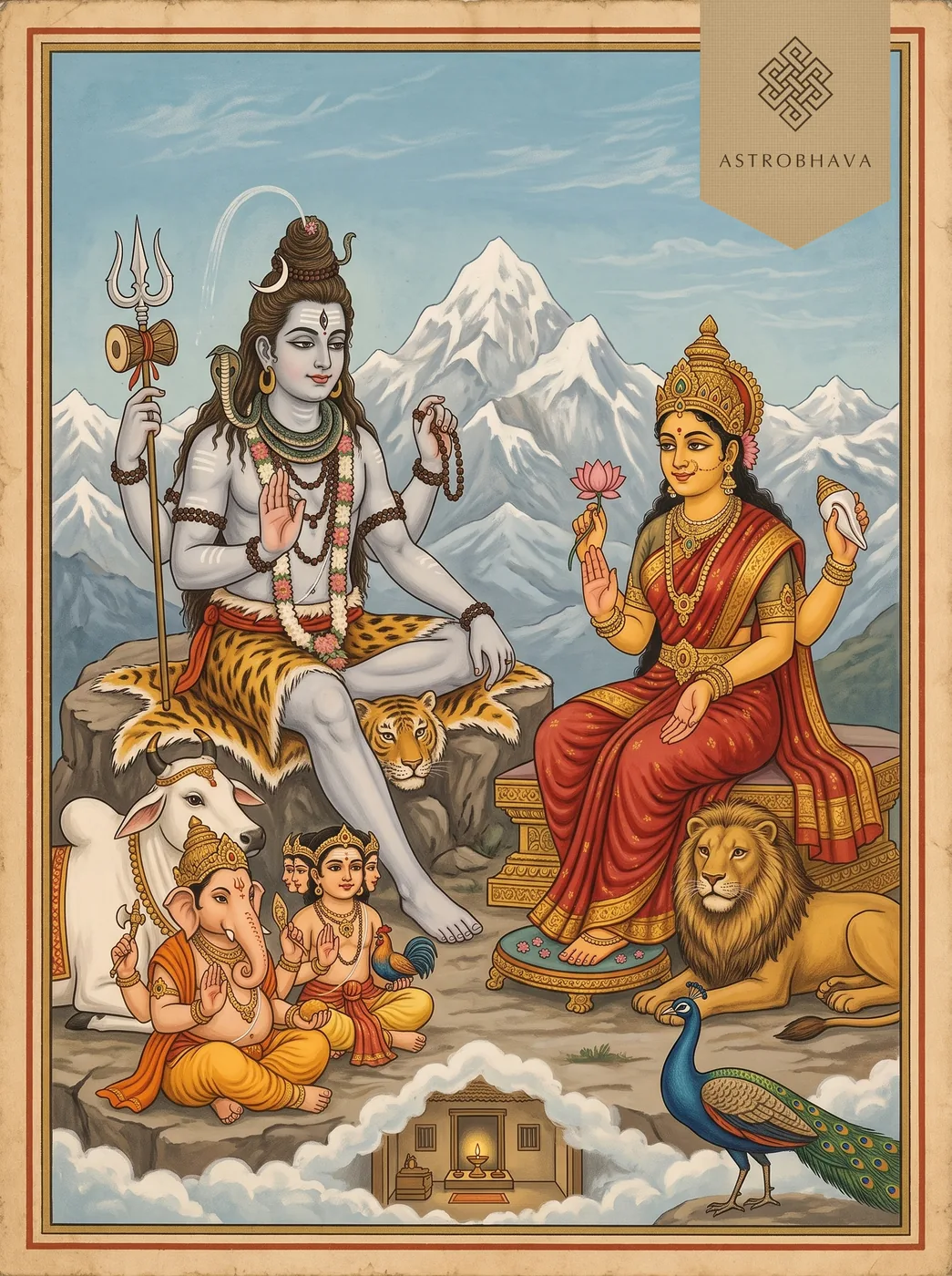
The Saptashloki Durga, also printed as the Durga Saptashloki, is a set of seven verses to the Goddess drawn out of the 700-verse Devi Mahatmya of the Markandeya Purana. It has no named author: the verses are the Purana's own, and a short traditional frame introduces them. Shiva asks a question, the Devi answers, and a viniyoga names Narayana as the seer, Anushtup as the metre, and Mahakali, Mahalakshmi and Mahasaraswati as the deities. The sequence moves through the larger text. Verse 1 comes from chapter 1, where the sage Medhas describes Mahamaya clouding even the minds of the wise. Verse 2 is taken from the gods' praise in chapter 4 after Mahishasura falls. Verses 3 to 7 all come from the Narayani Stuti of chapter 11, the hymn the gods sing once Shumbha is slain, ending on their plea that she calm the afflictions of the three worlds.
Shiva asks for a remedy in Kali
The seven verses carry their own setting in the two lines printed before them. Shiva, addressing the Devi as one easily reached by devotees, asks her to state with care the means by which undertakings may succeed in the Kali age. The Devi replies that she will reveal it out of affection for him alone, and calls what follows a praise of the Mother. Unusually, the Goddess is the one who teaches a hymn to herself; in the Devi Mahatmya proper, the praises are spoken by gods and sages, and she only listens and grants boons. No Purana is named as the home of this frame, and the standard printed edition of the Shri Durga Saptashati sets it among the shorter texts printed with the main reading. Where the selection was made, and by whom, is not recorded. According to tradition, reading these seven verses carries the essence of the full 700, which is why the set is often described as the Saptashati in miniature. The verses themselves keep their original speakers: the first is the narrator Medhas explaining Mahamaya to King Suratha, and the other six are the voices of the gods, first after the defeat of Mahishasura and then after the death of Shumbha, when they ask her to keep the three worlds free of affliction.
The mantra, in six scripts
- ॐ
- oṃ — Om
- ज्ञानिनामपि
- jñānināmapi — even of the wise
- चेतांसि
- cetāṃsi — the minds
- देवी
- devī — the Goddess
- भगवती
- bhagavatī — the blessed one
- हि
- hi — indeed
- सा
- sā — she
- बलादाकृष्य
- balādākṛṣya — drawing away by force
- मोहाय
- mohāya — to delusion
- महामाया
- mahāmāyā — Mahamaya, the great illusion
- प्रयच्छति
- prayacchati — hands over
Saptashloki Durga lyrics in full
Shiva's question, the Devi's reply and the viniyoga, followed by the seven verses.
All 10 verses, in Sanskrit, Tamil, Telugu, Kannada, Malayalam and English, each with its meaning. Choose a script:
Download the Saptashloki Durga PDFAll 10 verses with their meanings, in Sanskrit. Free to print and keep.
देवि त्वं भक्तसुलभे सर्वकार्यविधायिनी ।
कलौ हि कार्यसिद्ध्यर्थमुपायं ब्रूहि यत्नतः ॥
தேவி த்வம் பக்தஸுலபே ஸர்வகார்யவிதாயிநீ ।
கலௌ ஹி கார்யஸித்த்யர்தமுபாயம் ப்ரூஹி யத்நதஃ ॥
దేవి త్వం భక్తసులభే సర్వకార్యవిధాయినీ ।
కలౌ హి కార్యసిద్ధ్యర్థముపాయం బ్రూహి యత్నతః ॥
ದೇವಿ ತ್ವಂ ಭಕ್ತಸುಲಭೇ ಸರ್ವಕಾರ್ಯವಿಧಾಯಿನೀ ।
ಕಲೌ ಹಿ ಕಾರ್ಯಸಿದ್ಧ್ಯರ್ಥಮುಪಾಯಂ ಬ್ರೂಹಿ ಯತ್ನತಃ ॥
ദേവി ത്വം ഭക്തസുലഭേ സര്വകാര്യവിധായിനീ ।
കലൌ ഹി കാര്യസിദ്ധ്യര്ഥമുപായം ബ്രൂഹി യത്നതഃ ॥
devi tvaṃ bhaktasulabhe sarvakāryavidhāyinī |
kalau hi kāryasiddhyarthamupāyaṃ brūhi yatnataḥ ||
Shiva said: O Devi, you are easily reached by your devotees and you bring every undertaking to its end. Tell me carefully the means by which work can succeed in the Kali age.
शृणु देव प्रवक्ष्यामि कलौ सर्वेष्टसाधनम् ।
मया तवैव स्नेहेनाप्यम्बास्तुतिः प्रकाश्यते ॥
ஶ்ருணு தேவ ப்ரவக்ஷ்யாமி கலௌ ஸர்வேஷ்டஸாதநம் ।
மயா தவைவ ஸ்நேஹேநாப்யம்பாஸ்துதிஃ ப்ரகாஶ்யதே ॥
శృణు దేవ ప్రవక్ష్యామి కలౌ సర్వేష్టసాధనమ్ ।
మయా తవైవ స్నేహేనాప్యమ్బాస్తుతిః ప్రకాశ్యతే ॥
ಶೃಣು ದೇವ ಪ್ರವಕ್ಷ್ಯಾಮಿ ಕಲೌ ಸರ್ವೇಷ್ಟಸಾಧನಮ್ ।
ಮಯಾ ತವೈವ ಸ್ನೇಹೇನಾಪ್ಯಮ್ಬಾಸ್ತುತಿಃ ಪ್ರಕಾಶ್ಯತೇ ॥
ശൃണു ദേവ പ്രവക്ഷ്യാമി കലൌ സര്വേഷ്ടസാധനമ് ।
മയാ തവൈവ സ്നേഹേനാപ്യമ്ബാസ്തുതിഃ പ്രകാശ്യതേ ॥
śṛṇu deva pravakṣyāmi kalau sarveṣṭasādhanam |
mayā tavaiva snehenāpyambāstutiḥ prakāśyate ||
The Devi said: Listen, O Lord, I will tell you the means of gaining every wish in the Kali age. Out of my affection for you alone, I now reveal this praise of the Mother.
ॐ अस्य श्रीदुर्गासप्तश्लोकीस्तोत्रमन्त्रस्य नारायण ऋषिः, अनुष्टुप् छन्दः, श्रीमहाकालीमहालक्ष्मीमहासरस्वत्यो देवताः, श्रीदुर्गाप्रीत्यर्थं सप्तश्लोकी दुर्गापाठे विनियोगः ।
ௐ அஸ்ய ஶ்ரீதுர்காஸப்தஶ்லோகீஸ்தோத்ரமந்த்ரஸ்ய நாராயண ருஷிஃ, அநுஷ்டுப் சந்தஃ, ஶ்ரீமஹாகாலீமஹாலக்ஷ்மீமஹாஸரஸ்வத்யோ தேவதாஃ, ஶ்ரீதுர்காப்ரீத்யர்தம் ஸப்தஶ்லோகீ துர்காபாடே விநியோகஃ ।
ఓం అస్య శ్రీదుర్గాసప్తశ్లోకీస్తోత్రమన్త్రస్య నారాయణ ఋషిః, అనుష్టుప్ ఛన్దః, శ్రీమహాకాలీమహాలక్ష్మీమహాసరస్వత్యో దేవతాః, శ్రీదుర్గాప్రీత్యర్థం సప్తశ్లోకీ దుర్గాపాఠే వినియోగః ।
ಓಂ ಅಸ್ಯ ಶ್ರೀದುರ್ಗಾಸಪ್ತಶ್ಲೋಕೀಸ್ತೋತ್ರಮನ್ತ್ರಸ್ಯ ನಾರಾಯಣ ಋಷಿಃ, ಅನುಷ್ಟುಪ್ ಛನ್ದಃ, ಶ್ರೀಮಹಾಕಾಲೀಮಹಾಲಕ್ಷ್ಮೀಮಹಾಸರಸ್ವತ್ಯೋ ದೇವತಾಃ, ಶ್ರೀದುರ್ಗಾಪ್ರೀತ್ಯರ್ಥಂ ಸಪ್ತಶ್ಲೋಕೀ ದುರ್ಗಾಪಾಠೇ ವಿನಿಯೋಗಃ ।
ഓം അസ്യ ശ്രീദുര്ഗാസപ്തശ്ലോകീസ്തോത്രമന്ത്രസ്യ നാരായണ ഋഷിഃ, അനുഷ്ടുപ് ഛന്ദഃ, ശ്രീമഹാകാലീമഹാലക്ഷ്മീമഹാസരസ്വത്യോ ദേവതാഃ, ശ്രീദുര്ഗാപ്രീത്യര്ഥം സപ്തശ്ലോകീ ദുര്ഗാപാഠേ വിനിയോഗഃ ।
oṃ asya śrīdurgāsaptaślokīstotramantrasya nārāyaṇa ṛṣiḥ, anuṣṭup chandaḥ, śrīmahākālīmahālakṣmīmahāsarasvatyo devatāḥ, śrīdurgāprītyarthaṃ saptaślokī durgāpāṭhe viniyogaḥ |
Om. Of this Durga Saptashloki hymn-mantra, the seer is Narayana, the metre is Anushtup, and the deities are Mahakali, Mahalakshmi and Mahasaraswati. It is applied in the recitation of the seven verses to Durga, for the pleasure of Sri Durga.
ॐ ज्ञानिनामपि चेतांसि देवी भगवती हि सा ।
बलादाकृष्य मोहाय महामाया प्रयच्छति ॥
ௐ ஜ்ஞாநிநாமபி சேதாம்ஸி தேவீ பகவதீ ஹி ஸா ।
பலாதாக்ருஷ்ய மோஹாய மஹாமாயா ப்ரயச்சதி ॥
ఓం జ్ఞానినామపి చేతాంసి దేవీ భగవతీ హి సా ।
బలాదాకృష్య మోహాయ మహామాయా ప్రయచ్ఛతి ॥
ಓಂ ಜ್ಞಾನಿನಾಮಪಿ ಚೇತಾಂಸಿ ದೇವೀ ಭಗವತೀ ಹಿ ಸಾ ।
ಬಲಾದಾಕೃಷ್ಯ ಮೋಹಾಯ ಮಹಾಮಾಯಾ ಪ್ರಯಚ್ಛತಿ ॥
ഓം ജ്ഞാനിനാമപി ചേതാംസി ദേവീ ഭഗവതീ ഹി സാ ।
ബലാദാകൃഷ്യ മോഹായ മഹാമായാ പ്രയച്ഛതി ॥
oṃ jñānināmapi cetāṃsi devī bhagavatī hi sā |
balādākṛṣya mohāya mahāmāyā prayacchati ||
Om. That divine Bhagavati, Mahamaya, forcibly draws away even the minds of the wise and gives them over to delusion.
दुर्गे स्मृता हरसि भीतिमशेषजन्तोः स्वस्थैः स्मृता मतिमतीव शुभां ददासि ।
दारिद्र्यदुःखभयहारिणि का त्वदन्या सर्वोपकारकरणाय सदाऽऽर्द्रचित्ता ॥
துர்கே ஸ்ம்ருதா ஹரஸி பீதிமஶேஷஜந்தோஃ ஸ்வஸ்தைஃ ஸ்ம்ருதா மதிமதீவ ஶுபாம் ததாஸி ।
தாரித்ர்யதுஃகபயஹாரிணி கா த்வதந்யா ஸர்வோபகாரகரணாய ஸதார்த்ரசித்தா ॥
దుర్గే స్మృతా హరసి భీతిమశేషజన్తోః స్వస్థైః స్మృతా మతిమతీవ శుభాం దదాసి ।
దారిద్ర్యదుఃఖభయహారిణి కా త్వదన్యా సర్వోపకారకరణాయ సదాఽఽర్ద్రచిత్తా ॥
ದುರ್ಗೇ ಸ್ಮೃತಾ ಹರಸಿ ಭೀತಿಮಶೇಷಜನ್ತೋಃ ಸ್ವಸ್ಥೈಃ ಸ್ಮೃತಾ ಮತಿಮತೀವ ಶುಭಾಂ ದದಾಸಿ ।
ದಾರಿದ್ರ್ಯದುಃಖಭಯಹಾರಿಣಿ ಕಾ ತ್ವದನ್ಯಾ ಸರ್ವೋಪಕಾರಕರಣಾಯ ಸದಾಽಽರ್ದ್ರಚಿತ್ತಾ ॥
ദുര്ഗേ സ്മൃതാ ഹരസി ഭീതിമശേഷജന്തോഃ സ്വസ്ഥൈഃ സ്മൃതാ മതിമതീവ ശുഭാം ദദാസി ।
ദാരിദ്ര്യദുഃഖഭയഹാരിണി കാ ത്വദന്യാ സര്വോപകാരകരണായ സദാഽഽര്ദ്രചിത്താ ॥
durge smṛtā harasi bhītimaśeṣajantoḥ svasthaiḥ smṛtā matimatīva śubhāṃ dadāsi |
dāridryaduḥkhabhayahāriṇi kā tvadanyā sarvopakārakaraṇāya sadā''rdracittā ||
O Durga, when remembered you take away the fear of every creature, and when remembered by those at ease you give a mind that is wholly good. O remover of poverty, sorrow and fear, who but you has a heart always tender to help all beings?
सर्वमङ्गलमङ्गल्ये शिवे सर्वार्थसाधिके ।
शरण्ये त्र्यम्बके गौरि नारायणि नमोऽस्तु ते ॥
ஸர்வமங்கலமங்கல்யே ஶிவே ஸர்வார்தஸாதிகே ।
ஶரண்யே த்ர்யம்பகே கௌரி நாராயணி நமோஸ்து தே ॥
సర్వమఙ్గలమఙ్గల్యే శివే సర్వార్థసాధికే ।
శరణ్యే త్ర్యమ్బకే గౌరి నారాయణి నమోఽస్తు తే ॥
ಸರ್ವಮಙ್ಗಲಮಙ್ಗಲ್ಯೇ ಶಿವೇ ಸರ್ವಾರ್ಥಸಾಧಿಕೇ ।
ಶರಣ್ಯೇ ತ್ರ್ಯಮ್ಬಕೇ ಗೌರಿ ನಾರಾಯಣಿ ನಮೋಽಸ್ತು ತೇ ॥
സര്വമങ്ഗലമങ്ഗല്യേ ശിവേ സര്വാര്ഥസാധികേ ।
ശരണ്യേ ത്ര്യമ്ബകേ ഗൌരി നാരായണി നമോഽസ്തു തേ ॥
sarvamaṅgalamaṅgalye śive sarvārthasādhike |
śaraṇye tryambake gauri nārāyaṇi namo'stu te ||
O auspiciousness of all that is auspicious, O Shiva, who accomplishes every aim, O refuge, three-eyed one, Gauri, Narayani, salutation to you.
शरणागतदीनार्तपरित्राणपरायणे ।
सर्वस्यार्तिहरे देवि नारायणि नमोऽस्तु ते ॥
ஶரணாகததீநார்தபரித்ராணபராயணே ।
ஸர்வஸ்யார்திஹரே தேவி நாராயணி நமோஸ்து தே ॥
శరణాగతదీనార్తపరిత్రాణపరాయణే ।
సర్వస్యార్తిహరే దేవి నారాయణి నమోఽస్తు తే ॥
ಶರಣಾಗತದೀನಾರ್ತಪರಿತ್ರಾಣಪರಾಯಣೇ ।
ಸರ್ವಸ್ಯಾರ್ತಿಹರೇ ದೇವಿ ನಾರಾಯಣಿ ನಮೋಽಸ್ತು ತೇ ॥
ശരണാഗതദീനാര്തപരിത്രാണപരായണേ ।
സര്വസ്യാര്തിഹരേ ദേവി നാരായണി നമോഽസ്തു തേ ॥
śaraṇāgatadīnārtaparitrāṇaparāyaṇe |
sarvasyārtihare devi nārāyaṇi namo'stu te ||
You are devoted to saving the helpless and the suffering who come to you for refuge. O Devi, remover of the pain of all, O Narayani, salutation to you.
सर्वस्वरूपे सर्वेशे सर्वशक्तिसमन्विते ।
भयेभ्यस्त्राहि नो देवि दुर्गे देवि नमोऽस्तु ते ॥
ஸர்வஸ்வரூபே ஸர்வேஶே ஸர்வஶக்திஸமந்விதே ।
பயேப்யஸ்த்ராஹி நோ தேவி துர்கே தேவி நமோஸ்து தே ॥
సర్వస్వరూపే సర్వేశే సర్వశక్తిసమన్వితే ।
భయేభ్యస్త్రాహి నో దేవి దుర్గే దేవి నమోఽస్తు తే ॥
ಸರ್ವಸ್ವರೂಪೇ ಸರ್ವೇಶೇ ಸರ್ವಶಕ್ತಿಸಮನ್ವಿತೇ ।
ಭಯೇಭ್ಯಸ್ತ್ರಾಹಿ ನೋ ದೇವಿ ದುರ್ಗೇ ದೇವಿ ನಮೋಽಸ್ತು ತೇ ॥
സര്വസ്വരൂപേ സര്വേശേ സര്വശക്തിസമന്വിതേ ।
ഭയേഭ്യസ്ത്രാഹി നോ ദേവി ദുര്ഗേ ദേവി നമോഽസ്തു തേ ॥
sarvasvarūpe sarveśe sarvaśaktisamanvite |
bhayebhyastrāhi no devi durge devi namo'stu te ||
O you whose form is all things, ruler of all, endowed with every power: protect us from fears, O Devi. O Durga, O Devi, salutation to you.
रोगानशेषानपहंसि तुष्टा रुष्टा तु कामान् सकलानभीष्टान् ।
त्वामाश्रितानां न विपन्नराणां त्वामाश्रिता ह्याश्रयतां प्रयान्ति ॥
ரோகாநஶேஷாநபஹம்ஸி துஷ்டா ருஷ்டா து காமாந் ஸகலாநபீஷ்டாந் ।
த்வாமாஶ்ரிதாநாம் ந விபந்நராணாம் த்வாமாஶ்ரிதா ஹ்யாஶ்ரயதாம் ப்ரயாந்தி ॥
రోగానశేషానపహంసి తుష్టా రుష్టా తు కామాన్ సకలానభీష్టాన్ ।
త్వామాశ్రితానాం న విపన్నరాణాం త్వామాశ్రితా హ్యాశ్రయతాం ప్రయాన్తి ॥
ರೋಗಾನಶೇಷಾನಪಹಂಸಿ ತುಷ್ಟಾ ರುಷ್ಟಾ ತು ಕಾಮಾನ್ ಸಕಲಾನಭೀಷ್ಟಾನ್ ।
ತ್ವಾಮಾಶ್ರಿತಾನಾಂ ನ ವಿಪನ್ನರಾಣಾಂ ತ್ವಾಮಾಶ್ರಿತಾ ಹ್ಯಾಶ್ರಯತಾಂ ಪ್ರಯಾನ್ತಿ ॥
രോഗാനശേഷാനപഹംസി തുഷ്ടാ രുഷ്ടാ തു കാമാന് സകലാനഭീഷ്ടാന് ।
ത്വാമാശ്രിതാനാം ന വിപന്നരാണാം ത്വാമാശ്രിതാ ഹ്യാശ്രയതാം പ്രയാന്തി ॥
rogānaśeṣānapahaṃsi tuṣṭā ruṣṭā tu kāmān sakalānabhīṣṭān |
tvāmāśritānāṃ na vipannarāṇāṃ tvāmāśritā hyāśrayatāṃ prayānti ||
When pleased you destroy all illnesses, and when displeased you take away every cherished desire. The verse says that no misfortune comes to those who take refuge in you, and that those who rely on you become a refuge for others.
सर्वाबाधाप्रशमनं त्रैलोक्यस्याखिलेश्वरि ।
एवमेव त्वया कार्यमस्मद्वैरिविनाशनम् ॥
ஸர்வாபாதாப்ரஶமநம் த்ரைலோக்யஸ்யாகிலேஶ்வரி ।
ஏவமேவ த்வயா கார்யமஸ்மத்வைரிவிநாஶநம் ॥
సర్వాబాధాప్రశమనం త్రైలోక్యస్యాఖిలేశ్వరి ।
ఏవమేవ త్వయా కార్యమస్మద్వైరివినాశనమ్ ॥
ಸರ್ವಾಬಾಧಾಪ್ರಶಮನಂ ತ್ರೈಲೋಕ್ಯಸ್ಯಾಖಿಲೇಶ್ವರಿ ।
ಏವಮೇವ ತ್ವಯಾ ಕಾರ್ಯಮಸ್ಮದ್ವೈರಿವಿನಾಶನಮ್ ॥
സര്വാബാധാപ്രശമനം ത്രൈലോക്യസ്യാഖിലേശ്വരി ।
ഏവമേവ ത്വയാ കാര്യമസ്മദ്വൈരിവിനാശനമ് ॥
sarvābādhāpraśamanaṃ trailokyasyākhileśvari |
evameva tvayā kāryamasmadvairivināśanam ||
O Queen of all, in this very way calm every affliction of the three worlds and bring about the destruction of our enemies.
The syllable people get wrong
In verse 6, ruṣṭā (displeased) is set against tuṣṭā (pleased), so its first vowel is a short u and the ṣṭ is retroflex, said with the tongue curled back: ROOSH-taa clipped short, not a drawn-out 'roo-sta'. Lengthening the u, a slip that also turns up in print as rūṣṭā, breaks the rhyme the verse is built on.
When the Saptashloki Durga is chanted
Weekday. Friday
Festival. Navaratri, especially Sharad Navaratri
Questions
Have your chart read before you decide
Chanting is yours to do, and free. But which deity your situation calls for — and whether a mantra alone is the right response — depends on your chart. Sometimes it is; sometimes it is not.
- Over 30 years in the Guru–Sishya Parampara, from the age of five
- He reads every chart himself — 60 minutes, one to one, never delegated
- Charts are read only between sunrise and sunset, following tradition
