Durga Saptashati Chapter 1
सावर्णिः सूर्यतनयो यो मनुः कथ्यतेऽष्टमः । निशामय तदुत्पत्तिं विस्तराद् गदतो मम ॥In Devanagari, Tamil, Telugu, Kannada, Malayalam and English — with the meaning of every word, and the one syllable most people pronounce wrongly.
 The Chandi Homa, performed for youBook →
What the Durga Saptashati Chapter 1 is
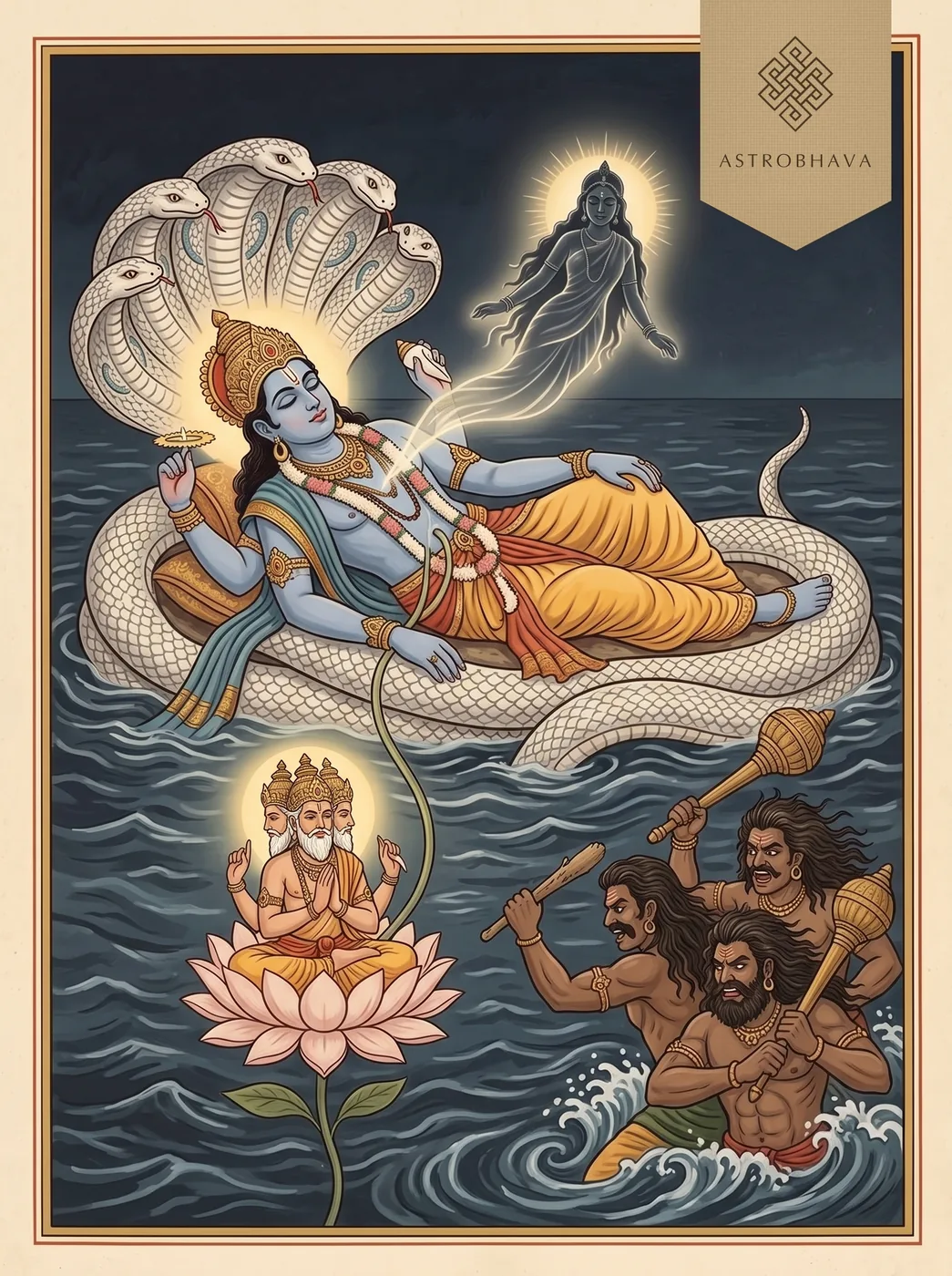
Durga Saptashati Chapter 1, called Madhu-Kaitabha Vadha in its closing colophon, the slaying of Madhu and Kaitabha, makes up the whole of the first episode of the Devi Mahatmya and is the only chapter given to Mahakali, whose meditation verse is printed before it. Verses 2 to 62 carry the frame told on the main Durga Saptashati page, ending as the sage Medhas names Mahamaya the yoga-sleep of Vishnu (verses 54 to 58) and the king asks who she is and how she came to be (verses 60 to 62). In verses 64 to 71 Medhas answers that she is eternal, yet is said to be born each time she acts for the gods, and opens the scene on the ocean that covers everything at the end of an age. Verses 73 to 87 are Brahma's hymn to Yoganidra, the one hymn in the chapter, which the standard printed edition gives a second time among the preliminary readings as the Ratri Sukta. Verses 89 to 103 tell of Vishnu's waking, the long fight, the bargain over a boon and the two deaths. Verse 104 has Medhas promise to say more of her power, the bridge into chapter 2.
Two demons, a sleeping Vishnu, Brahma's hymn
Medhas sets the episode at the close of an age, when the worlds have sunk into a single ocean and Vishnu lies on the serpent Shesha in yoga-sleep. Out of the wax in his ears grow two demons, Madhu and Kaitabha, and they turn on Brahma, who sits in the lotus rising from Vishnu's navel. Seeing the two and seeing that Vishnu does not stir, Brahma directs his praise not to Vishnu but to the sleep that holds him, the Goddess Yoganidra, who has made her home in Vishnu's eyes (verse 70). In verses 73 to 87 he names her as the ritual calls Svaha, Svadha and Vashat, as the half-syllable that cannot be spoken, as the night of time, and as the power within everything that exists, then asks her to confuse the demons and rouse the sleeper. The text says she comes out of Vishnu's eyes, mouth, nostrils, arms, heart and chest and stands where Brahma can see her. Vishnu rises and wrestles the pair with his bare arms for five thousand years. Clouded by Mahamaya, the demons offer him a boon, and he asks for their deaths. Outwitted, they look round at a world made of water and ask to be killed only where the earth is not flooded. Vishnu agrees, lays their heads on his thigh and severs them with his discus.
The mantra, in six scripts
- सावर्णिः
- sāvarṇiḥ — Savarni
- सूर्यतनयो
- sūryatanayo — son of the Sun
- यो
- yo — who
- मनुः
- manuḥ — Manu
- कथ्यतेऽष्टमः
- kathyate'ṣṭamaḥ — is called the eighth
- निशामय
- niśāmaya — hear
- तदुत्पत्तिं
- tadutpattiṃ — his origin
- विस्तराद्
- vistarād — in detail
- गदतो
- gadato — as (I) tell it
- मम
- mama — of me
Durga Saptashati Chapter 1 lyrics in full
The Mahakali meditation verse and all 104 numbered lines of the chapter in the standard numbering; the speaker of each passage is named above it.
All 104 numbered lines, in Sanskrit, Tamil, Telugu, Kannada, Malayalam and English, each with its meaning. Choose a script:
Download the Durga Saptashati Chapter 1 PDFAll 104 numbered lines with their meanings, in Sanskrit. Free to print and keep.
खड्गं चक्रगदेषुचापपरिघाञ्छूलं भुशुण्डीं शिरः शङ्खं संदधतीं करैस्त्रिनयनां सर्वाङ्गभूषावृताम् ।
नीलाश्मद्युतिमास्यपाददशकां सेवे महाकालिकां यामस्तौत्स्वपिते हरौ कमलजो हन्तुं मधुं कैटभम् ॥
கட்கம் சக்ரகதேஷுசாபபரிகாஞ்சூலம் புஶுண்டீம் ஶிரஃ ஶங்கம் ஸம்தததீம் கரைஸ்த்ரிநயநாம் ஸர்வாங்கபூஷாவ்ருதாம் ।
நீலாஶ்மத்யுதிமாஸ்யபாததஶகாம் ஸேவே மஹாகாலிகாம் யாமஸ்தௌத்ஸ்வபிதே ஹரௌ கமலஜோ ஹந்தும் மதும் கைடபம் ॥
ఖడ్గం చక్రగదేషుచాపపరిఘాఞ్ఛూలం భుశుణ్డీం శిరః శఙ్ఖం సందధతీం కరైస్త్రినయనాం సర్వాఙ్గభూషావృతామ్ ।
నీలాశ్మద్యుతిమాస్యపాదదశకాం సేవే మహాకాలికాం యామస్తౌత్స్వపితే హరౌ కమలజో హన్తుం మధుం కైటభమ్ ॥
ಖಡ್ಗಂ ಚಕ್ರಗದೇಷುಚಾಪಪರಿಘಾಞ್ಛೂಲಂ ಭುಶುಣ್ಡೀಂ ಶಿರಃ ಶಙ್ಖಂ ಸಂದಧತೀಂ ಕರೈಸ್ತ್ರಿನಯನಾಂ ಸರ್ವಾಙ್ಗಭೂಷಾವೃತಾಮ್ ।
ನೀಲಾಶ್ಮದ್ಯುತಿಮಾಸ್ಯಪಾದದಶಕಾಂ ಸೇವೇ ಮಹಾಕಾಲಿಕಾಂ ಯಾಮಸ್ತೌತ್ಸ್ವಪಿತೇ ಹರೌ ಕಮಲಜೋ ಹನ್ತುಂ ಮಧುಂ ಕೈಟಭಮ್ ॥
ഖഡ്ഗം ചക്രഗദേഷുചാപപരിഘാഞ്ഛൂലം ഭുശുണ്ഡീം ശിരഃ ശങ്ഖം സംദധതീം കരൈസ്ത്രിനയനാം സര്വാങ്ഗഭൂഷാവൃതാമ് ।
നീലാശ്മദ്യുതിമാസ്യപാദദശകാം സേവേ മഹാകാലികാം യാമസ്തൌത്സ്വപിതേ ഹരൌ കമലജോ ഹന്തും മധും കൈടഭമ് ॥
khaḍgaṃ cakragadeṣucāpaparighāñchūlaṃ bhuśuṇḍīṃ śiraḥ śaṅkhaṃ saṃdadhatīṃ karaistrinayanāṃ sarvāṅgabhūṣāvṛtām |
nīlāśmadyutimāsyapādadaśakāṃ seve mahākālikāṃ yāmastautsvapite harau kamalajo hantuṃ madhuṃ kaiṭabham ||
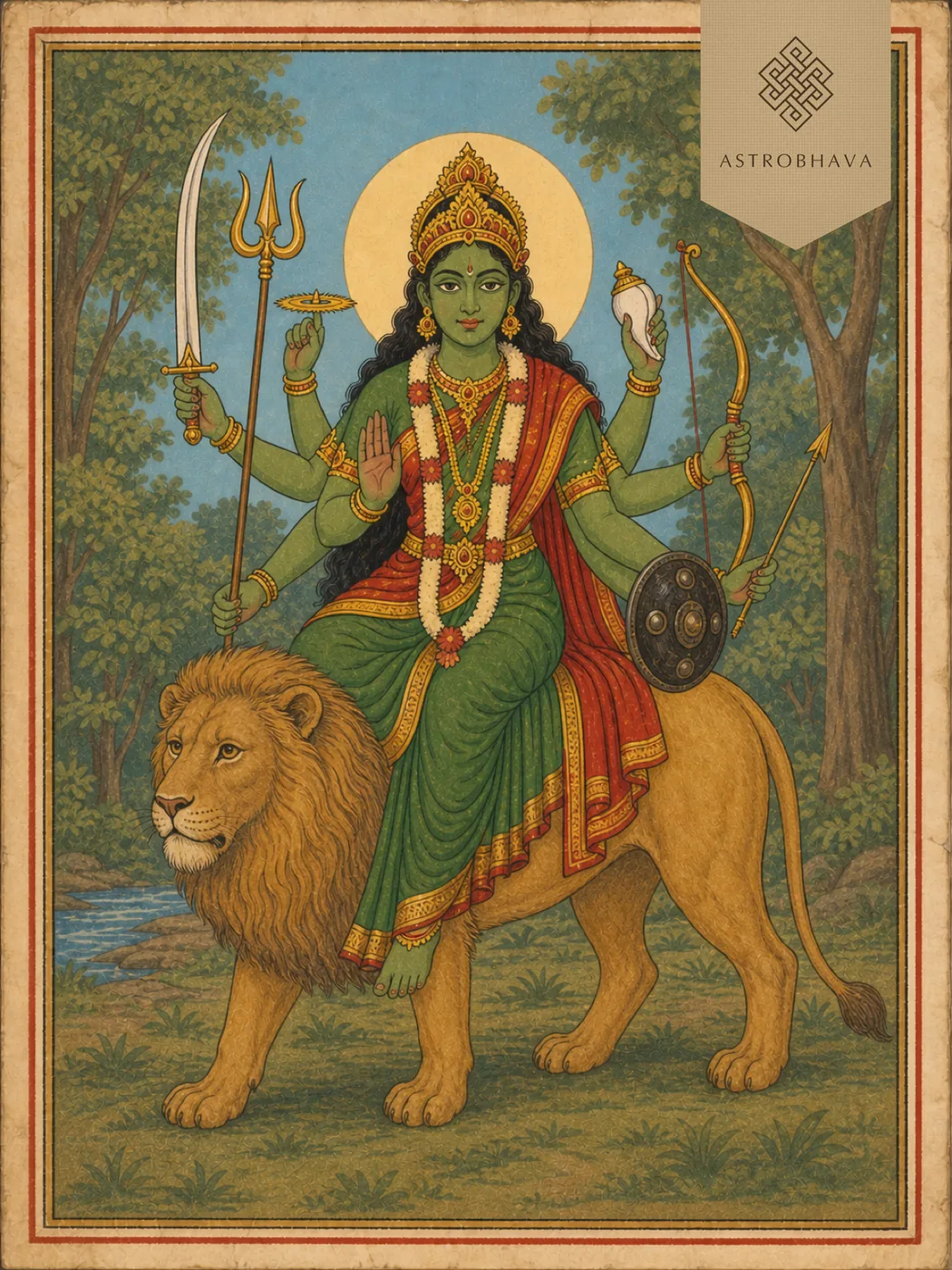
I worship Mahakali, who holds in her hands the sword, discus, mace, arrows, bow, iron club, trident, sling, a severed head and a conch; she has three eyes, is adorned on every limb, shines like a blue gem, and has ten faces and ten feet. She is the one whom the lotus-born Brahma praised, while Vishnu slept, so that Madhu and Kaitabha might be slain.
ॐ नमश्चण्डिकायै ॥
ௐ நமஶ்சண்டிகாயை ॥
ఓం నమశ్చణ్డికాయై ॥
ಓಂ ನಮಶ್ಚಣ್ಡಿಕಾಯೈ ॥
ഓം നമശ്ചണ്ഡികായൈ ॥
oṃ namaścaṇḍikāyai ||
Om, salutation to Chandika.
मार्कण्डेय उवाच
सावर्णिः सूर्यतनयो यो मनुः कथ्यतेऽष्टमः । निशामय तदुत्पत्तिं विस्तराद् गदतो मम ॥
மார்கண்டேய உவாச
ஸாவர்ணிஃ ஸூர்யதநயோ யோ மநுஃ கத்யதேஷ்டமஃ । நிஶாமய ததுத்பத்திம் விஸ்தராத் கததோ மம ॥
మార్కణ్డేయ ఉవాచ
సావర్ణిః సూర్యతనయో యో మనుః కథ్యతేఽష్టమః । నిశామయ తదుత్పత్తిం విస్తరాద్ గదతో మమ ॥
ಮಾರ್ಕಣ್ಡೇಯ ಉವಾಚ
ಸಾವರ್ಣಿಃ ಸೂರ್ಯತನಯೋ ಯೋ ಮನುಃ ಕಥ್ಯತೇಽಷ್ಟಮಃ । ನಿಶಾಮಯ ತದುತ್ಪತ್ತಿಂ ವಿಸ್ತರಾದ್ ಗದತೋ ಮಮ ॥
മാര്കണ്ഡേയ ഉവാച
സാവര്ണിഃ സൂര്യതനയോ യോ മനുഃ കഥ്യതേഽഷ്ടമഃ । നിശാമയ തദുത്പത്തിം വിസ്തരാദ് ഗദതോ മമ ॥
mārkaṇḍeya uvāca
sāvarṇiḥ sūryatanayo yo manuḥ kathyate'ṣṭamaḥ | niśāmaya tadutpattiṃ vistarād gadato mama ||
Markandeya said: Savarni, son of the Sun, is called the eighth Manu. Listen as I tell you in detail how he came to be.
महामायानुभावेन यथा मन्वन्तराधिपः ।
स बभूव महाभागः सावर्णिस्तनयो रवेः ॥
மஹாமாயாநுபாவேந யதா மந்வந்தராதிபஃ ।
ஸ பபூவ மஹாபாகஃ ஸாவர்ணிஸ்தநயோ ரவேஃ ॥
మహామాయానుభావేన యథా మన్వన్తరాధిపః ।
స బభూవ మహాభాగః సావర్ణిస్తనయో రవేః ॥
ಮಹಾಮಾಯಾನುಭಾವೇನ ಯಥಾ ಮನ್ವನ್ತರಾಧಿಪಃ ।
ಸ ಬಭೂವ ಮಹಾಭಾಗಃ ಸಾವರ್ಣಿಸ್ತನಯೋ ರವೇಃ ॥
മഹാമായാനുഭാവേന യഥാ മന്വന്തരാധിപഃ ।
സ ബഭൂവ മഹാഭാഗഃ സാവര്ണിസ്തനയോ രവേഃ ॥
mahāmāyānubhāvena yathā manvantarādhipaḥ |
sa babhūva mahābhāgaḥ sāvarṇistanayo raveḥ ||
Hear how the fortunate Savarni, son of the Sun, became the lord of a Manu-age through the power of Mahamaya.
स्वारोचिषेऽन्तरे पूर्वं चैत्रवंशसमुद्भवः ।
सुरथो नाम राजाभूत्समस्ते क्षितिमण्डले ॥
ஸ்வாரோசிஷேந்தரே பூர்வம் சைத்ரவம்ஶஸமுத்பவஃ ।
ஸுரதோ நாம ராஜாபூத்ஸமஸ்தே க்ஷிதிமண்டலே ॥
స్వారోచిషేఽన్తరే పూర్వం చైత్రవంశసముద్భవః ।
సురథో నామ రాజాభూత్సమస్తే క్షితిమణ్డలే ॥
ಸ್ವಾರೋಚಿಷೇಽನ್ತರೇ ಪೂರ್ವಂ ಚೈತ್ರವಂಶಸಮುದ್ಭವಃ ।
ಸುರಥೋ ನಾಮ ರಾಜಾಭೂತ್ಸಮಸ್ತೇ ಕ್ಷಿತಿಮಣ್ಡಲೇ ॥
സ്വാരോചിഷേഽന്തരേ പൂര്വം ചൈത്രവംശസമുദ്ഭവഃ ।
സുരഥോ നാമ രാജാഭൂത്സമസ്തേ ക്ഷിതിമണ്ഡലേ ॥
svārociṣe'ntare pūrvaṃ caitravaṃśasamudbhavaḥ |
suratho nāma rājābhūtsamaste kṣitimaṇḍale ||
Long ago, in the age of the Manu Svarochisha, there was a king named Suratha, born in the line of Chaitra, who ruled the whole circle of the earth.
तस्य पालयतः सम्यक् प्रजाः पुत्रानिवौरसान् ।
बभूवुः शत्रवो भूपाः कोलाविध्वंसिनस्तदा ॥
தஸ்ய பாலயதஃ ஸம்யக் ப்ரஜாஃ புத்ராநிவௌரஸாந் ।
பபூவுஃ ஶத்ரவோ பூபாஃ கோலாவித்வம்ஸிநஸ்ததா ॥
తస్య పాలయతః సమ్యక్ ప్రజాః పుత్రానివౌరసాన్ ।
బభూవుః శత్రవో భూపాః కోలావిధ్వంసినస్తదా ॥
ತಸ್ಯ ಪಾಲಯತಃ ಸಮ್ಯಕ್ ಪ್ರಜಾಃ ಪುತ್ರಾನಿವೌರಸಾನ್ ।
ಬಭೂವುಃ ಶತ್ರವೋ ಭೂಪಾಃ ಕೋಲಾವಿಧ್ವಂಸಿನಸ್ತದಾ ॥
തസ്യ പാലയതഃ സമ്യക് പ്രജാഃ പുത്രാനിവൌരസാന് ।
ബഭൂവുഃ ശത്രവോ ഭൂപാഃ കോലാവിധ്വംസിനസ്തദാ ॥
tasya pālayataḥ samyak prajāḥ putrānivaurasān |
babhūvuḥ śatravo bhūpāḥ kolāvidhvaṃsinastadā ||
While he protected his subjects well, as if they were his own sons, certain kings called the Kolavidhvamsins became his enemies.
तस्य तैरभवद् युद्धमतिप्रबलदण्डिनः ।
न्यूनैरपि स तैर्युद्धे कोलाविध्वंसिभिर्जितः ॥
தஸ்ய தைரபவத் யுத்தமதிப்ரபலதண்டிநஃ ।
ந்யூநைரபி ஸ தைர்யுத்தே கோலாவித்வம்ஸிபிர்ஜிதஃ ॥
తస్య తైరభవద్ యుద్ధమతిప్రబలదణ్డినః ।
న్యూనైరపి స తైర్యుద్ధే కోలావిధ్వంసిభిర్జితః ॥
ತಸ್ಯ ತೈರಭವದ್ ಯುದ್ಧಮತಿಪ್ರಬಲದಣ್ಡಿನಃ ।
ನ್ಯೂನೈರಪಿ ಸ ತೈರ್ಯುದ್ಧೇ ಕೋಲಾವಿಧ್ವಂಸಿಭಿರ್ಜಿತಃ ॥
തസ്യ തൈരഭവദ് യുദ്ധമതിപ്രബലദണ്ഡിനഃ ।
ന്യൂനൈരപി സ തൈര്യുദ്ധേ കോലാവിധ്വംസിഭിര്ജിതഃ ॥
tasya tairabhavad yuddhamatiprabaladaṇḍinaḥ |
nyūnairapi sa tairyuddhe kolāvidhvaṃsibhirjitaḥ ||
He, whose rule was very strong, went to war with them; and though they were fewer, the Kolavidhvamsins defeated him in battle.
ततः स्वपुरमायातो निजदेशाधिपोऽभवत् ।
आक्रान्तः स महाभागस्तैस्तदा प्रबलारिभिः ॥
ததஃ ஸ்வபுரமாயாதோ நிஜதேஶாதிபோபவத் ।
ஆக்ராந்தஃ ஸ மஹாபாகஸ்தைஸ்ததா ப்ரபலாரிபிஃ ॥
తతః స్వపురమాయాతో నిజదేశాధిపోఽభవత్ ।
ఆక్రాన్తః స మహాభాగస్తైస్తదా ప్రబలారిభిః ॥
ತತಃ ಸ್ವಪುರಮಾಯಾತೋ ನಿಜದೇಶಾಧಿಪೋಽಭವತ್ ।
ಆಕ್ರಾನ್ತಃ ಸ ಮಹಾಭಾಗಸ್ತೈಸ್ತದಾ ಪ್ರಬಲಾರಿಭಿಃ ॥
തതഃ സ്വപുരമായാതോ നിജദേശാധിപോഽഭവത് ।
ആക്രാന്തഃ സ മഹാഭാഗസ്തൈസ്തദാ പ്രബലാരിഭിഃ ॥
tataḥ svapuramāyāto nijadeśādhipo'bhavat |
ākrāntaḥ sa mahābhāgastaistadā prabalāribhiḥ ||
He then returned to his own city and ruled only his own land; but even there those powerful enemies attacked the noble king.
अमात्यैर्बलिभिर्दुष्टैर्दुर्बलस्य दुरात्मभिः ।
कोशो बलं चापहृतं तत्रापि स्वपुरे ततः ॥
அமாத்யைர்பலிபிர்துஷ்டைர்துர்பலஸ்ய துராத்மபிஃ ।
கோஶோ பலம் சாபஹ்ருதம் தத்ராபி ஸ்வபுரே ததஃ ॥
అమాత్యైర్బలిభిర్దుష్టైర్దుర్బలస్య దురాత్మభిః ।
కోశో బలం చాపహృతం తత్రాపి స్వపురే తతః ॥
ಅಮಾತ್ಯೈರ್ಬಲಿಭಿರ್ದುಷ್ಟೈರ್ದುರ್ಬಲಸ್ಯ ದುರಾತ್ಮಭಿಃ ।
ಕೋಶೋ ಬಲಂ ಚಾಪಹೃತಂ ತತ್ರಾಪಿ ಸ್ವಪುರೇ ತತಃ ॥
അമാത്യൈര്ബലിഭിര്ദുഷ്ടൈര്ദുര്ബലസ്യ ദുരാത്മഭിഃ ।
കോശോ ബലം ചാപഹൃതം തത്രാപി സ്വപുരേ തതഃ ॥
amātyairbalibhirduṣṭairdurbalasya durātmabhiḥ |
kośo balaṃ cāpahṛtaṃ tatrāpi svapure tataḥ ||
Since he had become weak, his own powerful, wicked and evil-minded ministers seized his treasury and his army there in his own city.
ततो मृगयाव्याजेन हृतस्वाम्यः स भूपतिः ।
एकाकी हयमारुह्य जगाम गहनं वनम् ॥
ததோ ம்ருகயாவ்யாஜேந ஹ்ருதஸ்வாம்யஃ ஸ பூபதிஃ ।
ஏகாகீ ஹயமாருஹ்ய ஜகாம கஹநம் வநம் ॥
తతో మృగయావ్యాజేన హృతస్వామ్యః స భూపతిః ।
ఏకాకీ హయమారుహ్య జగామ గహనం వనమ్ ॥
ತತೋ ಮೃಗಯಾವ್ಯಾಜೇನ ಹೃತಸ್ವಾಮ್ಯಃ ಸ ಭೂಪತಿಃ ।
ಏಕಾಕೀ ಹಯಮಾರುಹ್ಯ ಜಗಾಮ ಗಹನಂ ವನಮ್ ॥
തതോ മൃഗയാവ്യാജേന ഹൃതസ്വാമ്യഃ സ ഭൂപതിഃ ।
ഏകാകീ ഹയമാരുഹ്യ ജഗാമ ഗഹനം വനമ് ॥
tato mṛgayāvyājena hṛtasvāmyaḥ sa bhūpatiḥ |
ekākī hayamāruhya jagāma gahanaṃ vanam ||
Robbed of his sovereignty, the king mounted a horse alone on the pretext of hunting and went into a dense forest.
स तत्राश्रममद्राक्षीद् द्विजवर्यस्य मेधसः ।
प्रशान्तश्वापदाकीर्णं मुनिशिष्योपशोभितम् ॥
ஸ தத்ராஶ்ரமமத்ராக்ஷீத் த்விஜவர்யஸ்ய மேதஸஃ ।
ப்ரஶாந்தஶ்வாபதாகீர்ணம் முநிஶிஷ்யோபஶோபிதம் ॥
స తత్రాశ్రమమద్రాక్షీద్ ద్విజవర్యస్య మేధసః ।
ప్రశాన్తశ్వాపదాకీర్ణం మునిశిష్యోపశోభితమ్ ॥
ಸ ತತ್ರಾಶ್ರಮಮದ್ರಾಕ್ಷೀದ್ ದ್ವಿಜವರ್ಯಸ್ಯ ಮೇಧಸಃ ।
ಪ್ರಶಾನ್ತಶ್ವಾಪದಾಕೀರ್ಣಂ ಮುನಿಶಿಷ್ಯೋಪಶೋಭಿತಮ್ ॥
സ തത്രാശ്രമമദ്രാക്ഷീദ് ദ്വിജവര്യസ്യ മേധസഃ ।
പ്രശാന്തശ്വാപദാകീര്ണം മുനിശിഷ്യോപശോഭിതമ് ॥
sa tatrāśramamadrākṣīd dvijavaryasya medhasaḥ |
praśāntaśvāpadākīrṇaṃ muniśiṣyopaśobhitam ||
There he saw the hermitage of Medhas, best of the twice-born, filled with wild beasts grown peaceful and graced by the sage's disciples.
तस्थौ कंचित्स कालं च मुनिना तेन सत्कृतः ।
इतश्चेतश्च विचरंस्तस्मिन्मुनिवराश्रमे ॥
தஸ்தௌ கம்சித்ஸ காலம் ச முநிநா தேந ஸத்க்ருதஃ ।
இதஶ்சேதஶ்ச விசரம்ஸ்தஸ்மிந்முநிவராஶ்ரமே ॥
తస్థౌ కంచిత్స కాలం చ మునినా తేన సత్కృతః ।
ఇతశ్చేతశ్చ విచరంస్తస్మిన్మునివరాశ్రమే ॥
ತಸ್ಥೌ ಕಂಚಿತ್ಸ ಕಾಲಂ ಚ ಮುನಿನಾ ತೇನ ಸತ್ಕೃತಃ ।
ಇತಶ್ಚೇತಶ್ಚ ವಿಚರಂಸ್ತಸ್ಮಿನ್ಮುನಿವರಾಶ್ರಮೇ ॥
തസ്ഥൌ കംചിത്സ കാലം ച മുനിനാ തേന സത്കൃതഃ ।
ഇതശ്ചേതശ്ച വിചരംസ്തസ്മിന്മുനിവരാശ്രമേ ॥
tasthau kaṃcitsa kālaṃ ca muninā tena satkṛtaḥ |
itaścetaśca vicaraṃstasminmunivarāśrame ||
Welcomed with honour by the sage, he stayed there for some time, wandering here and there in the hermitage of that great sage.
सोऽचिन्तयत्तदा तत्र ममत्वाकृष्टचेतनः ।
मत्पूर्वैः पालितं पूर्वं मया हीनं पुरं हि तत् ॥
ஸோசிந்தயத்ததா தத்ர மமத்வாக்ருஷ்டசேதநஃ ।
மத்பூர்வைஃ பாலிதம் பூர்வம் மயா ஹீநம் புரம் ஹி தத் ॥
సోఽచిన్తయత్తదా తత్ర మమత్వాకృష్టచేతనః ।
మత్పూర్వైః పాలితం పూర్వం మయా హీనం పురం హి తత్ ॥
ಸೋಽಚಿನ್ತಯತ್ತದಾ ತತ್ರ ಮಮತ್ವಾಕೃಷ್ಟಚೇತನಃ ।
ಮತ್ಪೂರ್ವೈಃ ಪಾಲಿತಂ ಪೂರ್ವಂ ಮಯಾ ಹೀನಂ ಪುರಂ ಹಿ ತತ್ ॥
സോഽചിന്തയത്തദാ തത്ര മമത്വാകൃഷ്ടചേതനഃ ।
മത്പൂര്വൈഃ പാലിതം പൂര്വം മയാ ഹീനം പുരം ഹി തത് ॥
so'cintayattadā tatra mamatvākṛṣṭacetanaḥ |
matpūrvaiḥ pālitaṃ pūrvaṃ mayā hīnaṃ puraṃ hi tat ||
There, his mind drawn by attachment, he thought: That city, once ruled by my forefathers, is now lost to me.
मद्भृत्यैस्तैरसद्वृत्तैर्धर्मतः पाल्यते न वा ।
न जाने स प्रधानो मे शूरहस्ती सदामदः ॥
மத்ப்ருத்யைஸ்தைரஸத்வ்ருத்தைர்தர்மதஃ பால்யதே ந வா ।
ந ஜாநே ஸ ப்ரதாநோ மே ஶூரஹஸ்தீ ஸதாமதஃ ॥
మద్భృత్యైస్తైరసద్వృత్తైర్ధర్మతః పాల్యతే న వా ।
న జానే స ప్రధానో మే శూరహస్తీ సదామదః ॥
ಮದ್ಭೃತ್ಯೈಸ್ತೈರಸದ್ವೃತ್ತೈರ್ಧರ್ಮತಃ ಪಾಲ್ಯತೇ ನ ವಾ ।
ನ ಜಾನೇ ಸ ಪ್ರಧಾನೋ ಮೇ ಶೂರಹಸ್ತೀ ಸದಾಮದಃ ॥
മദ്ഭൃത്യൈസ്തൈരസദ്വൃത്തൈര്ധര്മതഃ പാല്യതേ ന വാ ।
ന ജാനേ സ പ്രധാനോ മേ ശൂരഹസ്തീ സദാമദഃ ॥
madbhṛtyaistairasadvṛttairdharmataḥ pālyate na vā |
na jāne sa pradhāno me śūrahastī sadāmadaḥ ||
I do not know whether my ill-behaved servants rule it rightly or not. And my chief elephant, brave and always in rut,
मम वैरिवशं यातः कान् भोगानुपलप्स्यते ।
ये ममानुगता नित्यं प्रसादधनभोजनैः ॥
மம வைரிவஶம் யாதஃ காந் போகாநுபலப்ஸ்யதே ।
யே மமாநுகதா நித்யம் ப்ரஸாததநபோஜநைஃ ॥
మమ వైరివశం యాతః కాన్ భోగానుపలప్స్యతే ।
యే మమానుగతా నిత్యం ప్రసాదధనభోజనైః ॥
ಮಮ ವೈರಿವಶಂ ಯಾತಃ ಕಾನ್ ಭೋಗಾನುಪಲಪ್ಸ್ಯತೇ ।
ಯೇ ಮಮಾನುಗತಾ ನಿತ್ಯಂ ಪ್ರಸಾದಧನಭೋಜನೈಃ ॥
മമ വൈരിവശം യാതഃ കാന് ഭോഗാനുപലപ്സ്യതേ ।
യേ മമാനുഗതാ നിത്യം പ്രസാദധനഭോജനൈഃ ॥
mama vairivaśaṃ yātaḥ kān bhogānupalapsyate |
ye mamānugatā nityaṃ prasādadhanabhojanaiḥ ||
now fallen into my enemies' hands, what treatment will he receive? Those who always followed me for my favour, wealth and food
अनुवृत्तिं ध्रुवं तेऽद्य कुर्वन्त्यन्यमहीभृताम् ।
असम्यग्व्ययशीलैस्तैः कुर्वद्भिः सततं व्ययम् ॥
அநுவ்ருத்திம் த்ருவம் தேத்ய குர்வந்த்யந்யமஹீப்ருதாம் ।
அஸம்யக்வ்யயஶீலைஸ்தைஃ குர்வத்பிஃ ஸததம் வ்யயம் ॥
అనువృత్తిం ధ్రువం తేఽద్య కుర్వన్త్యన్యమహీభృతామ్ ।
అసమ్యగ్వ్యయశీలైస్తైః కుర్వద్భిః సతతం వ్యయమ్ ॥
ಅನುವೃತ್ತಿಂ ಧ್ರುವಂ ತೇಽದ್ಯ ಕುರ್ವನ್ತ್ಯನ್ಯಮಹೀಭೃತಾಮ್ ।
ಅಸಮ್ಯಗ್ವ್ಯಯಶೀಲೈಸ್ತೈಃ ಕುರ್ವದ್ಭಿಃ ಸತತಂ ವ್ಯಯಮ್ ॥
അനുവൃത്തിം ധ്രുവം തേഽദ്യ കുര്വന്ത്യന്യമഹീഭൃതാമ് ।
അസമ്യഗ്വ്യയശീലൈസ്തൈഃ കുര്വദ്ഭിഃ സതതം വ്യയമ് ॥
anuvṛttiṃ dhruvaṃ te'dya kurvantyanyamahībhṛtām |
asamyagvyayaśīlaistaiḥ kurvadbhiḥ satataṃ vyayam ||
surely now serve other kings. And by those wasteful men who spend without care, constantly spending,
संचितः सोऽतिदुःखेन क्षयं कोशो गमिष्यति ।
एतच्चान्यच्च सततं चिन्तयामास पार्थिवः ॥
ஸம்சிதஃ ஸோதிதுஃகேந க்ஷயம் கோஶோ கமிஷ்யதி ।
ஏதச்சாந்யச்ச ஸததம் சிந்தயாமாஸ பார்திவஃ ॥
సంచితః సోఽతిదుఃఖేన క్షయం కోశో గమిష్యతి ।
ఏతచ్చాన్యచ్చ సతతం చిన్తయామాస పార్థివః ॥
ಸಂಚಿತಃ ಸೋಽತಿದುಃಖೇನ ಕ್ಷಯಂ ಕೋಶೋ ಗಮಿಷ್ಯತಿ ।
ಏತಚ್ಚಾನ್ಯಚ್ಚ ಸತತಂ ಚಿನ್ತಯಾಮಾಸ ಪಾರ್ಥಿವಃ ॥
സംചിതഃ സോഽതിദുഃഖേന ക്ഷയം കോശോ ഗമിഷ്യതി ।
ഏതച്ചാന്യച്ച സതതം ചിന്തയാമാസ പാര്ഥിവഃ ॥
saṃcitaḥ so'tiduḥkhena kṣayaṃ kośo gamiṣyati |
etaccānyacca satataṃ cintayāmāsa pārthivaḥ ||
the treasury I gathered with great hardship will be emptied. The king kept thinking of these and other such things.
तत्र विप्राश्रमाभ्याशे वैश्यमेकं ददर्श सः ।
स पृष्टस्तेन कस्त्वं भो हेतुश्चागमनेऽत्र कः ॥
தத்ர விப்ராஶ்ரமாப்யாஶே வைஶ்யமேகம் ததர்ஶ ஸஃ ।
ஸ ப்ருஷ்டஸ்தேந கஸ்த்வம் போ ஹேதுஶ்சாகமநேத்ர கஃ ॥
తత్ర విప్రాశ్రమాభ్యాశే వైశ్యమేకం దదర్శ సః ।
స పృష్టస్తేన కస్త్వం భో హేతుశ్చాగమనేఽత్ర కః ॥
ತತ್ರ ವಿಪ್ರಾಶ್ರಮಾಭ್ಯಾಶೇ ವೈಶ್ಯಮೇಕಂ ದದರ್ಶ ಸಃ ।
ಸ ಪೃಷ್ಟಸ್ತೇನ ಕಸ್ತ್ವಂ ಭೋ ಹೇತುಶ್ಚಾಗಮನೇಽತ್ರ ಕಃ ॥
തത്ര വിപ്രാശ്രമാഭ്യാശേ വൈശ്യമേകം ദദര്ശ സഃ ।
സ പൃഷ്ടസ്തേന കസ്ത്വം ഭോ ഹേതുശ്ചാഗമനേഽത്ര കഃ ॥
tatra viprāśramābhyāśe vaiśyamekaṃ dadarśa saḥ |
sa pṛṣṭastena kastvaṃ bho hetuścāgamane'tra kaḥ ||
Near the sage's hermitage he saw a merchant and asked him: Who are you, friend, and why have you come here?
सशोक इव कस्मात्त्वं दुर्मना इव लक्ष्यसे ।
इत्याकर्ण्य वचस्तस्य भूपतेः प्रणयोदितम् ॥
ஸஶோக இவ கஸ்மாத்த்வம் துர்மநா இவ லக்ஷ்யஸே ।
இத்யாகர்ண்ய வசஸ்தஸ்ய பூபதேஃ ப்ரணயோதிதம் ॥
సశోక ఇవ కస్మాత్త్వం దుర్మనా ఇవ లక్ష్యసే ।
ఇత్యాకర్ణ్య వచస్తస్య భూపతేః ప్రణయోదితమ్ ॥
ಸಶೋಕ ಇವ ಕಸ್ಮಾತ್ತ್ವಂ ದುರ್ಮನಾ ಇವ ಲಕ್ಷ್ಯಸೇ ।
ಇತ್ಯಾಕರ್ಣ್ಯ ವಚಸ್ತಸ್ಯ ಭೂಪತೇಃ ಪ್ರಣಯೋದಿತಮ್ ॥
സശോക ഇവ കസ്മാത്ത്വം ദുര്മനാ ഇവ ലക്ഷ്യസേ ।
ഇത്യാകര്ണ്യ വചസ്തസ്യ ഭൂപതേഃ പ്രണയോദിതമ് ॥
saśoka iva kasmāttvaṃ durmanā iva lakṣyase |
ityākarṇya vacastasya bhūpateḥ praṇayoditam ||
Why do you look so sorrowful and downcast? Hearing these kindly spoken words of the king,
प्रत्युवाच स तं वैश्यः प्रश्रयावनतो नृपम् ॥
ப்ரத்யுவாச ஸ தம் வைஶ்யஃ ப்ரஶ்ரயாவநதோ ந்ருபம் ॥
ప్రత్యువాచ స తం వైశ్యః ప్రశ్రయావనతో నృపమ్ ॥
ಪ್ರತ್ಯುವಾಚ ಸ ತಂ ವೈಶ್ಯಃ ಪ್ರಶ್ರಯಾವನತೋ ನೃಪಮ್ ॥
പ്രത്യുവാച സ തം വൈശ്യഃ പ്രശ്രയാവനതോ നൃപമ് ॥
pratyuvāca sa taṃ vaiśyaḥ praśrayāvanato nṛpam ||
the merchant bowed humbly and replied to the king.
वैश्य उवाच
समाधिर्नाम वैश्योऽहमुत्पन्नो धनिनां कुले ॥
வைஶ்ய உவாச
ஸமாதிர்நாம வைஶ்யோஹமுத்பந்நோ தநிநாம் குலே ॥
వైశ్య ఉవాచ
సమాధిర్నామ వైశ్యోఽహముత్పన్నో ధనినాం కులే ॥
ವೈಶ್ಯ ಉವಾಚ
ಸಮಾಧಿರ್ನಾಮ ವೈಶ್ಯೋಽಹಮುತ್ಪನ್ನೋ ಧನಿನಾಂ ಕುಲೇ ॥
വൈശ്യ ഉവാച
സമാധിര്നാമ വൈശ്യോഽഹമുത്പന്നോ ധനിനാം കുലേ ॥
vaiśya uvāca
samādhirnāma vaiśyo'hamutpanno dhanināṃ kule ||
The merchant said: I am a merchant named Samadhi, born in a wealthy family.
पुत्रदारैर्निरस्तश्च धनलोभादसाधुभिः ।
विहीनश्च धनैर्दारैः पुत्रैरादाय मे धनम् ॥
புத்ரதாரைர்நிரஸ்தஶ்ச தநலோபாதஸாதுபிஃ ।
விஹீநஶ்ச தநைர்தாரைஃ புத்ரைராதாய மே தநம் ॥
పుత్రదారైర్నిరస్తశ్చ ధనలోభాదసాధుభిః ।
విహీనశ్చ ధనైర్దారైః పుత్రైరాదాయ మే ధనమ్ ॥
ಪುತ್ರದಾರೈರ್ನಿರಸ್ತಶ್ಚ ಧನಲೋಭಾದಸಾಧುಭಿಃ ।
ವಿಹೀನಶ್ಚ ಧನೈರ್ದಾರೈಃ ಪುತ್ರೈರಾದಾಯ ಮೇ ಧನಮ್ ॥
പുത്രദാരൈര്നിരസ്തശ്ച ധനലോഭാദസാധുഭിഃ ।
വിഹീനശ്ച ധനൈര്ദാരൈഃ പുത്രൈരാദായ മേ ധനമ് ॥
putradārairnirastaśca dhanalobhādasādhubhiḥ |
vihīnaśca dhanairdāraiḥ putrairādāya me dhanam ||
My wicked sons and wife, greedy for wealth, have driven me out. Deprived of wealth, wife and sons, who took my money,
वनमभ्यागतो दुःखी निरस्तश्चाप्तबन्धुभिः ।
सोऽहं न वेद्मि पुत्राणां कुशलाकुशलात्मिकाम् ॥
வநமப்யாகதோ துஃகீ நிரஸ்தஶ்சாப்தபந்துபிஃ ।
ஸோஹம் ந வேத்மி புத்ராணாம் குஶலாகுஶலாத்மிகாம் ॥
వనమభ్యాగతో దుఃఖీ నిరస్తశ్చాప్తబన్ధుభిః ।
సోఽహం న వేద్మి పుత్రాణాం కుశలాకుశలాత్మికామ్ ॥
ವನಮಭ್ಯಾಗತೋ ದುಃಖೀ ನಿರಸ್ತಶ್ಚಾಪ್ತಬನ್ಧುಭಿಃ ।
ಸೋಽಹಂ ನ ವೇದ್ಮಿ ಪುತ್ರಾಣಾಂ ಕುಶಲಾಕುಶಲಾತ್ಮಿಕಾಮ್ ॥
വനമഭ്യാഗതോ ദുഃഖീ നിരസ്തശ്ചാപ്തബന്ധുഭിഃ ।
സോഽഹം ന വേദ്മി പുത്രാണാം കുശലാകുശലാത്മികാമ് ॥
vanamabhyāgato duḥkhī nirastaścāptabandhubhiḥ |
so'haṃ na vedmi putrāṇāṃ kuśalākuśalātmikām ||
and cast off by my trusted kinsmen, I have come to the forest in grief. Living here, I do not know whether my sons
प्रवृत्तिं स्वजनानां च दाराणां चात्र संस्थितः ।
किं नु तेषां गृहे क्षेममक्षेमं किं नु साम्प्रतम् ॥
ப்ரவ்ருத்திம் ஸ்வஜநாநாம் ச தாராணாம் சாத்ர ஸம்ஸ்திதஃ ।
கிம் நு தேஷாம் க்ருஹே க்ஷேமமக்ஷேமம் கிம் நு ஸாம்ப்ரதம் ॥
ప్రవృత్తిం స్వజనానాం చ దారాణాం చాత్ర సంస్థితః ।
కిం ను తేషాం గృహే క్షేమమక్షేమం కిం ను సామ్ప్రతమ్ ॥
ಪ್ರವೃತ್ತಿಂ ಸ್ವಜನಾನಾಂ ಚ ದಾರಾಣಾಂ ಚಾತ್ರ ಸಂಸ್ಥಿತಃ ।
ಕಿಂ ನು ತೇಷಾಂ ಗೃಹೇ ಕ್ಷೇಮಮಕ್ಷೇಮಂ ಕಿಂ ನು ಸಾಮ್ಪ್ರತಮ್ ॥
പ്രവൃത്തിം സ്വജനാനാം ച ദാരാണാം ചാത്ര സംസ്ഥിതഃ ।
കിം നു തേഷാം ഗൃഹേ ക്ഷേമമക്ഷേമം കിം നു സാമ്പ്രതമ് ॥
pravṛttiṃ svajanānāṃ ca dārāṇāṃ cātra saṃsthitaḥ |
kiṃ nu teṣāṃ gṛhe kṣemamakṣemaṃ kiṃ nu sāmpratam ||
my relatives and my wife are well or unwell. Is all well with them at home now, or not?
कथं ते किं नु सद्वृत्ता दुर्वृत्ताः किं नु मे सुताः ॥
கதம் தே கிம் நு ஸத்வ்ருத்தா துர்வ்ருத்தாஃ கிம் நு மே ஸுதாஃ ॥
కథం తే కిం ను సద్వృత్తా దుర్వృత్తాః కిం ను మే సుతాః ॥
ಕಥಂ ತೇ ಕಿಂ ನು ಸದ್ವೃತ್ತಾ ದುರ್ವೃತ್ತಾಃ ಕಿಂ ನು ಮೇ ಸುತಾಃ ॥
കഥം തേ കിം നു സദ്വൃത്താ ദുര്വൃത്താഃ കിം നു മേ സുതാഃ ॥
kathaṃ te kiṃ nu sadvṛttā durvṛttāḥ kiṃ nu me sutāḥ ||
How are my sons? Are they behaving well, or have they turned to bad ways?
राजोवाच
यैर्निरस्तो भवाँल्लुब्धैः पुत्रदारादिभिर्धनैः ॥
ராஜோவாச
யைர்நிரஸ்தோ பவாம்ல்லுப்தைஃ புத்ரதாராதிபிர்தநைஃ ॥
రాజోవాచ
యైర్నిరస్తో భవాఁల్లుబ్ధైః పుత్రదారాదిభిర్ధనైః ॥
ರಾಜೋವಾಚ
ಯೈರ್ನಿರಸ್ತೋ ಭವಾಁಲ್ಲುಬ್ಧೈಃ ಪುತ್ರದಾರಾದಿಭಿರ್ಧನೈಃ ॥
രാജോവാച
യൈര്നിരസ്തോ ഭവാഁല്ലുബ്ധൈഃ പുത്രദാരാദിഭിര്ധനൈഃ ॥
rājovāca
yairnirasto bhavāṃllubdhaiḥ putradārādibhirdhanaiḥ ||
The king said: Those greedy sons, wife and others who drove you out for the sake of wealth,
तेषु किं भवतः स्नेहमनुबध्नाति मानसम् ॥
தேஷு கிம் பவதஃ ஸ்நேஹமநுபத்நாதி மாநஸம் ॥
తేషు కిం భవతః స్నేహమనుబధ్నాతి మానసమ్ ॥
ತೇಷು ಕಿಂ ಭವತಃ ಸ್ನೇಹಮನುಬಧ್ನಾತಿ ಮಾನಸಮ್ ॥
തേഷു കിം ഭവതഃ സ്നേഹമനുബധ്നാതി മാനസമ് ॥
teṣu kiṃ bhavataḥ snehamanubadhnāti mānasam ||
why does your mind still bind itself in affection to them?
वैश्य उवाच
एवमेतद्यथा प्राह भवानस्मद्गतं वचः ॥
வைஶ்ய உவாச
ஏவமேதத்யதா ப்ராஹ பவாநஸ்மத்கதம் வசஃ ॥
వైశ్య ఉవాచ
ఏవమేతద్యథా ప్రాహ భవానస్మద్గతం వచః ॥
ವೈಶ್ಯ ಉವಾಚ
ಏವಮೇತದ್ಯಥಾ ಪ್ರಾಹ ಭವಾನಸ್ಮದ್ಗತಂ ವಚಃ ॥
വൈശ്യ ഉവാച
ഏവമേതദ്യഥാ പ്രാഹ ഭവാനസ്മദ്ഗതം വചഃ ॥
vaiśya uvāca
evametadyathā prāha bhavānasmadgataṃ vacaḥ ||
The merchant said: What you have said about me is just so.
किं करोमि न बध्नाति मम निष्ठुरतां मनः ।
यैः संत्यज्य पितृस्नेहं धनलुब्धैर्निराकृतः ॥
கிம் கரோமி ந பத்நாதி மம நிஷ்டுரதாம் மநஃ ।
யைஃ ஸம்த்யஜ்ய பித்ருஸ்நேஹம் தநலுப்தைர்நிராக்ருதஃ ॥
కిం కరోమి న బధ్నాతి మమ నిష్ఠురతాం మనః ।
యైః సంత్యజ్య పితృస్నేహం ధనలుబ్ధైర్నిరాకృతః ॥
ಕಿಂ ಕರೋಮಿ ನ ಬಧ್ನಾತಿ ಮಮ ನಿಷ್ಠುರತಾಂ ಮನಃ ।
ಯೈಃ ಸಂತ್ಯಜ್ಯ ಪಿತೃಸ್ನೇಹಂ ಧನಲುಬ್ಧೈರ್ನಿರಾಕೃತಃ ॥
കിം കരോമി ന ബധ്നാതി മമ നിഷ്ഠുരതാം മനഃ ।
യൈഃ സംത്യജ്യ പിതൃസ്നേഹം ധനലുബ്ധൈര്നിരാകൃതഃ ॥
kiṃ karomi na badhnāti mama niṣṭhuratāṃ manaḥ |
yaiḥ saṃtyajya pitṛsnehaṃ dhanalubdhairnirākṛtaḥ ||
What can I do? My mind will not turn hard. Those who, greedy for wealth, gave up love for a father and drove me away,
पतिस्वजनहार्दं च हार्दि तेष्वेव मे मनः ।
किमेतन्नाभिजानामि जानन्नपि महामते ॥
பதிஸ்வஜநஹார்தம் ச ஹார்தி தேஷ்வேவ மே மநஃ ।
கிமேதந்நாபிஜாநாமி ஜாநந்நபி மஹாமதே ॥
పతిస్వజనహార్దం చ హార్ది తేష్వేవ మే మనః ।
కిమేతన్నాభిజానామి జానన్నపి మహామతే ॥
ಪತಿಸ್ವಜನಹಾರ್ದಂ ಚ ಹಾರ್ದಿ ತೇಷ್ವೇವ ಮೇ ಮನಃ ।
ಕಿಮೇತನ್ನಾಭಿಜಾನಾಮಿ ಜಾನನ್ನಪಿ ಮಹಾಮತೇ ॥
പതിസ്വജനഹാര്ദം ച ഹാര്ദി തേഷ്വേവ മേ മനഃ ।
കിമേതന്നാഭിജാനാമി ജാനന്നപി മഹാമതേ ॥
patisvajanahārdaṃ ca hārdi teṣveva me manaḥ |
kimetannābhijānāmi jānannapi mahāmate ||
and abandoned love for husband and kin, toward them my heart is still loving. O wise one, though I know it, I cannot understand why this is,
यत्प्रेमप्रवणं चित्तं विगुणेष्वपि बन्धुषु ।
तेषां कृते मे निःश्वासो दौर्मनस्यं च जायते ॥
யத்ப்ரேமப்ரவணம் சித்தம் விகுணேஷ்வபி பந்துஷு ।
தேஷாம் க்ருதே மே நிஃஶ்வாஸோ தௌர்மநஸ்யம் ச ஜாயதே ॥
యత్ప్రేమప్రవణం చిత్తం విగుణేష్వపి బన్ధుషు ।
తేషాం కృతే మే నిఃశ్వాసో దౌర్మనస్యం చ జాయతే ॥
ಯತ್ಪ್ರೇಮಪ್ರವಣಂ ಚಿತ್ತಂ ವಿಗುಣೇಷ್ವಪಿ ಬನ್ಧುಷು ।
ತೇಷಾಂ ಕೃತೇ ಮೇ ನಿಃಶ್ವಾಸೋ ದೌರ್ಮನಸ್ಯಂ ಚ ಜಾಯತೇ ॥
യത്പ്രേമപ്രവണം ചിത്തം വിഗുണേഷ്വപി ബന്ധുഷു ।
തേഷാം കൃതേ മേ നിഃശ്വാസോ ദൌര്മനസ്യം ച ജായതേ ॥
yatpremapravaṇaṃ cittaṃ viguṇeṣvapi bandhuṣu |
teṣāṃ kṛte me niḥśvāso daurmanasyaṃ ca jāyate ||
that my mind leans in love toward kinsmen who lack all virtue. For their sake I sigh and feel dejected.
करोमि किं यन्न मनस्तेष्वप्रीतिषु निष्ठुरम् ॥
கரோமி கிம் யந்ந மநஸ்தேஷ்வப்ரீதிஷு நிஷ்டுரம் ॥
కరోమి కిం యన్న మనస్తేష్వప్రీతిషు నిష్ఠురమ్ ॥
ಕರೋಮಿ ಕಿಂ ಯನ್ನ ಮನಸ್ತೇಷ್ವಪ್ರೀತಿಷು ನಿಷ್ಠುರಮ್ ॥
കരോമി കിം യന്ന മനസ്തേഷ്വപ്രീതിഷു നിഷ്ഠുരമ് ॥
karomi kiṃ yanna manasteṣvaprītiṣu niṣṭhuram ||
What can I do, when my mind will not become hard toward those who have no love for me?
मार्कण्डेय उवाच
ततस्तौ सहितौ विप्र तं मुनिं समुपस्थितौ ॥
மார்கண்டேய உவாச
ததஸ்தௌ ஸஹிதௌ விப்ர தம் முநிம் ஸமுபஸ்திதௌ ॥
మార్కణ్డేయ ఉవాచ
తతస్తౌ సహితౌ విప్ర తం మునిం సముపస్థితౌ ॥
ಮಾರ್ಕಣ್ಡೇಯ ಉವಾಚ
ತತಸ್ತೌ ಸಹಿತೌ ವಿಪ್ರ ತಂ ಮುನಿಂ ಸಮುಪಸ್ಥಿತೌ ॥
മാര്കണ്ഡേയ ഉവാച
തതസ്തൌ സഹിതൌ വിപ്ര തം മുനിം സമുപസ്ഥിതൌ ॥
mārkaṇḍeya uvāca
tatastau sahitau vipra taṃ muniṃ samupasthitau ||
Markandeya said: Then, O Brahmin, the two of them together approached that sage.
समाधिर्नाम वैश्योऽसौ स च पार्थिवसत्तमः ।
कृत्वा तु तौ यथान्यायं यथार्हं तेन संविदम् ॥
ஸமாதிர்நாம வைஶ்யோஸௌ ஸ ச பார்திவஸத்தமஃ ।
க்ருத்வா து தௌ யதாந்யாயம் யதார்ஹம் தேந ஸம்விதம் ॥
సమాధిర్నామ వైశ్యోఽసౌ స చ పార్థివసత్తమః ।
కృత్వా తు తౌ యథాన్యాయం యథార్హం తేన సంవిదమ్ ॥
ಸಮಾಧಿರ್ನಾಮ ವೈಶ್ಯೋಽಸೌ ಸ ಚ ಪಾರ್ಥಿವಸತ್ತಮಃ ।
ಕೃತ್ವಾ ತು ತೌ ಯಥಾನ್ಯಾಯಂ ಯಥಾರ್ಹಂ ತೇನ ಸಂವಿದಮ್ ॥
സമാധിര്നാമ വൈശ്യോഽസൌ സ ച പാര്ഥിവസത്തമഃ ।
കൃത്വാ തു തൌ യഥാന്യായം യഥാര്ഹം തേന സംവിദമ് ॥
samādhirnāma vaiśyo'sau sa ca pārthivasattamaḥ |
kṛtvā tu tau yathānyāyaṃ yathārhaṃ tena saṃvidam ||
The merchant Samadhi and that best of kings greeted the sage with due and fitting courtesy,
उपविष्टौ कथाः काश्चिच्चक्रतुर्वैश्यपार्थिवौ ॥
உபவிஷ்டௌ கதாஃ காஶ்சிச்சக்ரதுர்வைஶ்யபார்திவௌ ॥
ఉపవిష్టౌ కథాః కాశ్చిచ్చక్రతుర్వైశ్యపార్థివౌ ॥
ಉಪವಿಷ್ಟೌ ಕಥಾಃ ಕಾಶ್ಚಿಚ್ಚಕ್ರತುರ್ವೈಶ್ಯಪಾರ್ಥಿವೌ ॥
ഉപവിഷ്ടൌ കഥാഃ കാശ്ചിച്ചക്രതുര്വൈശ്യപാര്ഥിവൌ ॥
upaviṣṭau kathāḥ kāściccakraturvaiśyapārthivau ||
sat down, and the merchant and the king began to speak with him.
राजोवाच
भगवंस्त्वामहं प्रष्टुमिच्छाम्येकं वदस्व तत् ॥
ராஜோவாச
பகவம்ஸ்த்வாமஹம் ப்ரஷ்டுமிச்சாம்யேகம் வதஸ்வ தத் ॥
రాజోవాచ
భగవంస్త్వామహం ప్రష్టుమిచ్ఛామ్యేకం వదస్వ తత్ ॥
ರಾಜೋವಾಚ
ಭಗವಂಸ್ತ್ವಾಮಹಂ ಪ್ರಷ್ಟುಮಿಚ್ಛಾಮ್ಯೇಕಂ ವದಸ್ವ ತತ್ ॥
രാജോവാച
ഭഗവംസ്ത്വാമഹം പ്രഷ്ടുമിച്ഛാമ്യേകം വദസ്വ തത് ॥
rājovāca
bhagavaṃstvāmahaṃ praṣṭumicchāmyekaṃ vadasva tat ||
The king said: Revered one, I wish to ask you one thing; please tell me.
दुःखाय यन्मे मनसः स्वचित्तायत्ततां विना ।
ममत्वं गतराज्यस्य राज्याङ्गेष्वखिलेष्वपि ॥
துஃகாய யந்மே மநஸஃ ஸ்வசித்தாயத்ததாம் விநா ।
மமத்வம் கதராஜ்யஸ்ய ராஜ்யாங்கேஷ்வகிலேஷ்வபி ॥
దుఃఖాయ యన్మే మనసః స్వచిత్తాయత్తతాం వినా ।
మమత్వం గతరాజ్యస్య రాజ్యాఙ్గేష్వఖిలేష్వపి ॥
ದುಃಖಾಯ ಯನ್ಮೇ ಮನಸಃ ಸ್ವಚಿತ್ತಾಯತ್ತತಾಂ ವಿನಾ ।
ಮಮತ್ವಂ ಗತರಾಜ್ಯಸ್ಯ ರಾಜ್ಯಾಙ್ಗೇಷ್ವಖಿಲೇಷ್ವಪಿ ॥
ദുഃഖായ യന്മേ മനസഃ സ്വചിത്തായത്തതാം വിനാ ।
മമത്വം ഗതരാജ്യസ്യ രാജ്യാങ്ഗേഷ്വഖിലേഷ്വപി ॥
duḥkhāya yanme manasaḥ svacittāyattatāṃ vinā |
mamatvaṃ gatarājyasya rājyāṅgeṣvakhileṣvapi ||
Because my mind is not under my control, it causes me pain: though my kingdom is gone, I still feel attachment to the kingdom and all its parts.
जानतोऽपि यथाज्ञस्य किमेतन्मुनिसत्तम ।
अयं च निकृतः पुत्रैर्दारैर्भृत्यैस्तथोज्झितः ॥
ஜாநதோபி யதாஜ்ஞஸ்ய கிமேதந்முநிஸத்தம ।
அயம் ச நிக்ருதஃ புத்ரைர்தாரைர்ப்ருத்யைஸ்ததோஜ்சிதஃ ॥
జానతోఽపి యథాజ్ఞస్య కిమేతన్మునిసత్తమ ।
అయం చ నికృతః పుత్రైర్దారైర్భృత్యైస్తథోజ్ఝితః ॥
ಜಾನತೋಽಪಿ ಯಥಾಜ್ಞಸ್ಯ ಕಿಮೇತನ್ಮುನಿಸತ್ತಮ ।
ಅಯಂ ಚ ನಿಕೃತಃ ಪುತ್ರೈರ್ದಾರೈರ್ಭೃತ್ಯೈಸ್ತಥೋಜ್ಝಿತಃ ॥
ജാനതോഽപി യഥാജ്ഞസ്യ കിമേതന്മുനിസത്തമ ।
അയം ച നികൃതഃ പുത്രൈര്ദാരൈര്ഭൃത്യൈസ്തഥോജ്ഝിതഃ ॥
jānato'pi yathājñasya kimetanmunisattama |
ayaṃ ca nikṛtaḥ putrairdārairbhṛtyaistathojjhitaḥ ||
I know it is no longer mine, yet I grieve like one who does not know; what is this, best of sages? And this man was wronged by his sons and wife and abandoned by his servants,
स्वजनेन च संत्यक्तस्तेषु हार्दी तथाप्यति ।
एवमेष तथाहं च द्वावप्यत्यन्तदुःखितौ ॥
ஸ்வஜநேந ச ஸம்த்யக்தஸ்தேஷு ஹார்தீ ததாப்யதி ।
ஏவமேஷ ததாஹம் ச த்வாவப்யத்யந்ததுஃகிதௌ ॥
స్వజనేన చ సంత్యక్తస్తేషు హార్దీ తథాప్యతి ।
ఏవమేష తథాహం చ ద్వావప్యత్యన్తదుఃఖితౌ ॥
ಸ್ವಜನೇನ ಚ ಸಂತ್ಯಕ್ತಸ್ತೇಷು ಹಾರ್ದೀ ತಥಾಪ್ಯತಿ ।
ಏವಮೇಷ ತಥಾಹಂ ಚ ದ್ವಾವಪ್ಯತ್ಯನ್ತದುಃಖಿತೌ ॥
സ്വജനേന ച സംത്യക്തസ്തേഷു ഹാര്ദീ തഥാപ്യതി ।
ഏവമേഷ തഥാഹം ച ദ്വാവപ്യത്യന്തദുഃഖിതൌ ॥
svajanena ca saṃtyaktasteṣu hārdī tathāpyati |
evameṣa tathāhaṃ ca dvāvapyatyantaduḥkhitau ||
and cast off by his own people, yet he still loves them dearly. So he and I are both deeply unhappy.
दृष्टदोषेऽपि विषये ममत्वाकृष्टमानसौ ।
तत्किमेतन्महाभाग यन्मोहो ज्ञानिनोरपि ॥
த்ருஷ்டதோஷேபி விஷயே மமத்வாக்ருஷ்டமாநஸௌ ।
தத்கிமேதந்மஹாபாக யந்மோஹோ ஜ்ஞாநிநோரபி ॥
దృష్టదోషేఽపి విషయే మమత్వాకృష్టమానసౌ ।
తత్కిమేతన్మహాభాగ యన్మోహో జ్ఞానినోరపి ॥
ದೃಷ್ಟದೋಷೇಽಪಿ ವಿಷಯೇ ಮಮತ್ವಾಕೃಷ್ಟಮಾನಸೌ ।
ತತ್ಕಿಮೇತನ್ಮಹಾಭಾಗ ಯನ್ಮೋಹೋ ಜ್ಞಾನಿನೋರಪಿ ॥
ദൃഷ്ടദോഷേഽപി വിഷയേ മമത്വാകൃഷ്ടമാനസൌ ।
തത്കിമേതന്മഹാഭാഗ യന്മോഹോ ജ്ഞാനിനോരപി ॥
dṛṣṭadoṣe'pi viṣaye mamatvākṛṣṭamānasau |
tatkimetanmahābhāga yanmoho jñāninorapi ||
Our minds are drawn by attachment to things whose faults we have plainly seen. Great one, why is it that we both have this delusion although we know better?
ममास्य च भवत्येषा विवेकान्धस्य मूढता ॥
மமாஸ்ய ச பவத்யேஷா விவேகாந்தஸ்ய மூடதா ॥
మమాస్య చ భవత్యేషా వివేకాన్ధస్య మూఢతా ॥
ಮಮಾಸ್ಯ ಚ ಭವತ್ಯೇಷಾ ವಿವೇಕಾನ್ಧಸ್ಯ ಮೂಢತಾ ॥
മമാസ്യ ച ഭവത്യേഷാ വിവേകാന്ധസ്യ മൂഢതാ ॥
mamāsya ca bhavatyeṣā vivekāndhasya mūḍhatā ||
This folly comes upon him and me as if we were blind to discernment.
ऋषिरुवाच
ज्ञानमस्ति समस्तस्य जन्तोर्विषयगोचरे ॥
ருஷிருவாச
ஜ்ஞாநமஸ்தி ஸமஸ்தஸ்ய ஜந்தோர்விஷயகோசரே ॥
ఋషిరువాచ
జ్ఞానమస్తి సమస్తస్య జన్తోర్విషయగోచరే ॥
ಋಷಿರುವಾಚ
ಜ್ಞಾನಮಸ್ತಿ ಸಮಸ್ತಸ್ಯ ಜನ್ತೋರ್ವಿಷಯಗೋಚರೇ ॥
ഋഷിരുവാച
ജ്ഞാനമസ്തി സമസ്തസ്യ ജന്തോര്വിഷയഗോചരേ ॥
ṛṣiruvāca
jñānamasti samastasya jantorviṣayagocare ||
The sage said: Every living creature has knowledge of the objects its senses reach.
विषयश्च महाभाग याति चैवं पृथक् पृथक् ।
दिवान्धाः प्राणिनः केचिद्रात्रावन्धास्तथापरे ॥
விஷயஶ்ச மஹாபாக யாதி சைவம் ப்ருதக் ப்ருதக் ।
திவாந்தாஃ ப்ராணிநஃ கேசித்ராத்ராவந்தாஸ்ததாபரே ॥
విషయశ్చ మహాభాగ యాతి చైవం పృథక్ పృథక్ ।
దివాన్ధాః ప్రాణినః కేచిద్రాత్రావన్ధాస్తథాపరే ॥
ವಿಷಯಶ್ಚ ಮಹಾಭಾಗ ಯಾತಿ ಚೈವಂ ಪೃಥಕ್ ಪೃಥಕ್ ।
ದಿವಾನ್ಧಾಃ ಪ್ರಾಣಿನಃ ಕೇಚಿದ್ರಾತ್ರಾವನ್ಧಾಸ್ತಥಾಪರೇ ॥
വിഷയശ്ച മഹാഭാഗ യാതി ചൈവം പൃഥക് പൃഥക് ।
ദിവാന്ധാഃ പ്രാണിനഃ കേചിദ്രാത്രാവന്ധാസ്തഥാപരേ ॥
viṣayaśca mahābhāga yāti caivaṃ pṛthak pṛthak |
divāndhāḥ prāṇinaḥ kecidrātrāvandhāstathāpare ||
And, fortunate one, the objects of sense are perceived differently by each: some creatures are blind by day, and others blind by night.
केचिद्दिवा तथा रात्रौ प्राणिनस्तुल्यदृष्टयः ।
ज्ञानिनो मनुजाः सत्यं किं तु ते न हि केवलम् ॥
கேசித்திவா ததா ராத்ரௌ ப்ராணிநஸ்துல்யத்ருஷ்டயஃ ।
ஜ்ஞாநிநோ மநுஜாஃ ஸத்யம் கிம் து தே ந ஹி கேவலம் ॥
కేచిద్దివా తథా రాత్రౌ ప్రాణినస్తుల్యదృష్టయః ।
జ్ఞానినో మనుజాః సత్యం కిం తు తే న హి కేవలమ్ ॥
ಕೇಚಿದ್ದಿವಾ ತಥಾ ರಾತ್ರೌ ಪ್ರಾಣಿನಸ್ತುಲ್ಯದೃಷ್ಟಯಃ ।
ಜ್ಞಾನಿನೋ ಮನುಜಾಃ ಸತ್ಯಂ ಕಿಂ ತು ತೇ ನ ಹಿ ಕೇವಲಮ್ ॥
കേചിദ്ദിവാ തഥാ രാത്രൌ പ്രാണിനസ്തുല്യദൃഷ്ടയഃ ।
ജ്ഞാനിനോ മനുജാഃ സത്യം കിം തു തേ ന ഹി കേവലമ് ॥
keciddivā tathā rātrau prāṇinastulyadṛṣṭayaḥ |
jñānino manujāḥ satyaṃ kiṃ tu te na hi kevalam ||
Some creatures see equally by day and by night. It is true that human beings have knowledge, but they are not the only ones,
यतो हि ज्ञानिनः सर्वे पशुपक्षिमृगादयः ।
ज्ञानं च तन्मनुष्याणां यत्तेषां मृगपक्षिणाम् ॥
யதோ ஹி ஜ்ஞாநிநஃ ஸர்வே பஶுபக்ஷிம்ருகாதயஃ ।
ஜ்ஞாநம் ச தந்மநுஷ்யாணாம் யத்தேஷாம் ம்ருகபக்ஷிணாம் ॥
యతో హి జ్ఞానినః సర్వే పశుపక్షిమృగాదయః ।
జ్ఞానం చ తన్మనుష్యాణాం యత్తేషాం మృగపక్షిణామ్ ॥
ಯತೋ ಹಿ ಜ್ಞಾನಿನಃ ಸರ್ವೇ ಪಶುಪಕ್ಷಿಮೃಗಾದಯಃ ।
ಜ್ಞಾನಂ ಚ ತನ್ಮನುಷ್ಯಾಣಾಂ ಯತ್ತೇಷಾಂ ಮೃಗಪಕ್ಷಿಣಾಮ್ ॥
യതോ ഹി ജ്ഞാനിനഃ സര്വേ പശുപക്ഷിമൃഗാദയഃ ।
ജ്ഞാനം ച തന്മനുഷ്യാണാം യത്തേഷാം മൃഗപക്ഷിണാമ് ॥
yato hi jñāninaḥ sarve paśupakṣimṛgādayaḥ |
jñānaṃ ca tanmanuṣyāṇāṃ yatteṣāṃ mṛgapakṣiṇām ||
for cattle, birds, wild animals and all others have knowledge too. The knowledge humans have is what beasts and birds also have,
मनुष्याणां च यत्तेषां तुल्यमन्यत्तथोभयोः ।
ज्ञानेऽपि सति पश्यैतान् पतङ्गाञ्छावचञ्चुषु ॥
மநுஷ்யாணாம் ச யத்தேஷாம் துல்யமந்யத்ததோபயோஃ ।
ஜ்ஞாநேபி ஸதி பஶ்யைதாந் பதங்காஞ்சாவசஞ்சுஷு ॥
మనుష్యాణాం చ యత్తేషాం తుల్యమన్యత్తథోభయోః ।
జ్ఞానేఽపి సతి పశ్యైతాన్ పతఙ్గాఞ్ఛావచఞ్చుషు ॥
ಮನುಷ್ಯಾಣಾಂ ಚ ಯತ್ತೇಷಾಂ ತುಲ್ಯಮನ್ಯತ್ತಥೋಭಯೋಃ ।
ಜ್ಞಾನೇಽಪಿ ಸತಿ ಪಶ್ಯೈತಾನ್ ಪತಙ್ಗಾಞ್ಛಾವಚಞ್ಚುಷು ॥
മനുഷ്യാണാം ച യത്തേഷാം തുല്യമന്യത്തഥോഭയോഃ ।
ജ്ഞാനേഽപി സതി പശ്യൈതാന് പതങ്ഗാഞ്ഛാവചഞ്ചുഷു ॥
manuṣyāṇāṃ ca yatteṣāṃ tulyamanyattathobhayoḥ |
jñāne'pi sati paśyaitān pataṅgāñchāvacañcuṣu ||
and what they have, humans have; in other things too the two are alike. Look at these birds: though they have understanding,
कणमोक्षादृतान्मोहात्पीड्यमानानपि क्षुधा ।
मानुषा मनुजव्याघ्र साभिलाषाः सुतान् प्रति ॥
கணமோக்ஷாத்ருதாந்மோஹாத்பீட்யமாநாநபி க்ஷுதா ।
மாநுஷா மநுஜவ்யாக்ர ஸாபிலாஷாஃ ஸுதாந் ப்ரதி ॥
కణమోక్షాదృతాన్మోహాత్పీడ్యమానానపి క్షుధా ।
మానుషా మనుజవ్యాఘ్ర సాభిలాషాః సుతాన్ ప్రతి ॥
ಕಣಮೋಕ್ಷಾದೃತಾನ್ಮೋಹಾತ್ಪೀಡ್ಯಮಾನಾನಪಿ ಕ್ಷುಧಾ ।
ಮಾನುಷಾ ಮನುಜವ್ಯಾಘ್ರ ಸಾಭಿಲಾಷಾಃ ಸುತಾನ್ ಪ್ರತಿ ॥
കണമോക്ഷാദൃതാന്മോഹാത്പീഡ്യമാനാനപി ക്ഷുധാ ।
മാനുഷാ മനുജവ്യാഘ്ര സാഭിലാഷാഃ സുതാന് പ്രതി ॥
kaṇamokṣādṛtānmohātpīḍyamānānapi kṣudhā |
mānuṣā manujavyāghra sābhilāṣāḥ sutān prati ||
out of delusion they drop grain into the beaks of their young even while they themselves suffer hunger. O tiger among men, humans long for sons
लोभात्प्रत्युपकाराय नन्वेतान् किं न पश्यसि ।
तथापि ममतावर्ते मोहगर्ते निपातिताः ॥
லோபாத்ப்ரத்யுபகாராய நந்வேதாந் கிம் ந பஶ்யஸி ।
ததாபி மமதாவர்தே மோஹகர்தே நிபாதிதாஃ ॥
లోభాత్ప్రత్యుపకారాయ నన్వేతాన్ కిం న పశ్యసి ।
తథాపి మమతావర్తే మోహగర్తే నిపాతితాః ॥
ಲೋಭಾತ್ಪ್ರತ್ಯುಪಕಾರಾಯ ನನ್ವೇತಾನ್ ಕಿಂ ನ ಪಶ್ಯಸಿ ।
ತಥಾಪಿ ಮಮತಾವರ್ತೇ ಮೋಹಗರ್ತೇ ನಿಪಾತಿತಾಃ ॥
ലോഭാത്പ്രത്യുപകാരായ നന്വേതാന് കിം ന പശ്യസി ।
തഥാപി മമതാവര്തേ മോഹഗര്തേ നിപാതിതാഃ ॥
lobhātpratyupakārāya nanvetān kiṃ na paśyasi |
tathāpi mamatāvarte mohagarte nipātitāḥ ||
out of desire for a return of their help; do you not see this? Even so, they are thrown into the whirlpool of attachment and the pit of delusion
महामायाप्रभावेण संसारस्थितिकारिणा ।
तन्नात्र विस्मयः कार्यो योगनिद्रा जगत्पतेः ॥
மஹாமாயாப்ரபாவேண ஸம்ஸாரஸ்திதிகாரிணா ।
தந்நாத்ர விஸ்மயஃ கார்யோ யோகநித்ரா ஜகத்பதேஃ ॥
మహామాయాప్రభావేణ సంసారస్థితికారిణా ।
తన్నాత్ర విస్మయః కార్యో యోగనిద్రా జగత్పతేః ॥
ಮಹಾಮಾಯಾಪ್ರಭಾವೇಣ ಸಂಸಾರಸ್ಥಿತಿಕಾರಿಣಾ ।
ತನ್ನಾತ್ರ ವಿಸ್ಮಯಃ ಕಾರ್ಯೋ ಯೋಗನಿದ್ರಾ ಜಗತ್ಪತೇಃ ॥
മഹാമായാപ്രഭാവേണ സംസാരസ്ഥിതികാരിണാ ।
തന്നാത്ര വിസ്മയഃ കാര്യോ യോഗനിദ്രാ ജഗത്പതേഃ ॥
mahāmāyāprabhāveṇa saṃsārasthitikāriṇā |
tannātra vismayaḥ kāryo yoganidrā jagatpateḥ ||
by the power of Mahamaya, who keeps the round of worldly existence going. So do not wonder at this: she is the yoga-sleep of Vishnu, lord of the world,
महामाया हरेश्चैषा तया संमोह्यते जगत् ।
ज्ञानिनामपि चेतांसि देवी भगवती हि सा ॥
மஹாமாயா ஹரேஶ்சைஷா தயா ஸம்மோஹ்யதே ஜகத் ।
ஜ்ஞாநிநாமபி சேதாம்ஸி தேவீ பகவதீ ஹி ஸா ॥
మహామాయా హరేశ్చైషా తయా సంమోహ్యతే జగత్ ।
జ్ఞానినామపి చేతాంసి దేవీ భగవతీ హి సా ॥
ಮಹಾಮಾಯಾ ಹರೇಶ್ಚೈಷಾ ತಯಾ ಸಂಮೋಹ್ಯತೇ ಜಗತ್ ।
ಜ್ಞಾನಿನಾಮಪಿ ಚೇತಾಂಸಿ ದೇವೀ ಭಗವತೀ ಹಿ ಸಾ ॥
മഹാമായാ ഹരേശ്ചൈഷാ തയാ സംമോഹ്യതേ ജഗത് ।
ജ്ഞാനിനാമപി ചേതാംസി ദേവീ ഭഗവതീ ഹി സാ ॥
mahāmāyā hareścaiṣā tayā saṃmohyate jagat |
jñānināmapi cetāṃsi devī bhagavatī hi sā ||
she is Hari's Mahamaya, and by her the world is deluded. That divine Goddess, the Bhagavati, seizes even the minds of the wise
बलादाकृष्य मोहाय महामाया प्रयच्छति ।
तया विसृज्यते विश्वं जगदेतच्चराचरम् ॥
பலாதாக்ருஷ்ய மோஹாய மஹாமாயா ப்ரயச்சதி ।
தயா விஸ்ருஜ்யதே விஶ்வம் ஜகதேதச்சராசரம் ॥
బలాదాకృష్య మోహాయ మహామాయా ప్రయచ్ఛతి ।
తయా విసృజ్యతే విశ్వం జగదేతచ్చరాచరమ్ ॥
ಬಲಾದಾಕೃಷ್ಯ ಮೋಹಾಯ ಮಹಾಮಾಯಾ ಪ್ರಯಚ್ಛತಿ ।
ತಯಾ ವಿಸೃಜ್ಯತೇ ವಿಶ್ವಂ ಜಗದೇತಚ್ಚರಾಚರಮ್ ॥
ബലാദാകൃഷ്യ മോഹായ മഹാമായാ പ്രയച്ഛതി ।
തയാ വിസൃജ്യതേ വിശ്വം ജഗദേതച്ചരാചരമ് ॥
balādākṛṣya mohāya mahāmāyā prayacchati |
tayā visṛjyate viśvaṃ jagadetaccarācaram ||
by force and hands them over to delusion. By her this whole universe, moving and unmoving, is brought forth.
सैषा प्रसन्ना वरदा नृणां भवति मुक्तये ।
सा विद्या परमा मुक्तेर्हेतुभूता सनातनी ॥
ஸைஷா ப்ரஸந்நா வரதா ந்ருணாம் பவதி முக்தயே ।
ஸா வித்யா பரமா முக்தேர்ஹேதுபூதா ஸநாதநீ ॥
సైషా ప్రసన్నా వరదా నృణాం భవతి ముక్తయే ।
సా విద్యా పరమా ముక్తేర్హేతుభూతా సనాతనీ ॥
ಸೈಷಾ ಪ್ರಸನ್ನಾ ವರದಾ ನೃಣಾಂ ಭವತಿ ಮುಕ್ತಯೇ ।
ಸಾ ವಿದ್ಯಾ ಪರಮಾ ಮುಕ್ತೇರ್ಹೇತುಭೂತಾ ಸನಾತನೀ ॥
സൈഷാ പ്രസന്നാ വരദാ നൃണാം ഭവതി മുക്തയേ ।
സാ വിദ്യാ പരമാ മുക്തേര്ഹേതുഭൂതാ സനാതനീ ॥
saiṣā prasannā varadā nṛṇāṃ bhavati muktaye |
sā vidyā paramā mukterhetubhūtā sanātanī ||
When she is pleased, she grants boons to people for their liberation. She is the supreme knowledge, the eternal cause of liberation,
संसारबन्धहेतुश्च सैव सर्वेश्वरेश्वरी ॥
ஸம்ஸாரபந்தஹேதுஶ்ச ஸைவ ஸர்வேஶ்வரேஶ்வரீ ॥
సంసారబన్ధహేతుశ్చ సైవ సర్వేశ్వరేశ్వరీ ॥
ಸಂಸಾರಬನ್ಧಹೇತುಶ್ಚ ಸೈವ ಸರ್ವೇಶ್ವರೇಶ್ವರೀ ॥
സംസാരബന്ധഹേതുശ്ച സൈവ സര്വേശ്വരേശ്വരീ ॥
saṃsārabandhahetuśca saiva sarveśvareśvarī ||
and she alone is also the cause of bondage to worldly life; she is the sovereign over all sovereigns.
राजोवाच
भगवन् का हि सा देवी महामायेति यां भवान् ॥
ராஜோவாச
பகவந் கா ஹி ஸா தேவீ மஹாமாயேதி யாம் பவாந் ॥
రాజోవాచ
భగవన్ కా హి సా దేవీ మహామాయేతి యాం భవాన్ ॥
ರಾಜೋವಾಚ
ಭಗವನ್ ಕಾ ಹಿ ಸಾ ದೇವೀ ಮಹಾಮಾಯೇತಿ ಯಾಂ ಭವಾನ್ ॥
രാജോവാച
ഭഗവന് കാ ഹി സാ ദേവീ മഹാമായേതി യാം ഭവാന് ॥
rājovāca
bhagavan kā hi sā devī mahāmāyeti yāṃ bhavān ||
The king said: Revered one, who is that Goddess whom you call Mahamaya?
ब्रवीति कथमुत्पन्ना सा कर्मास्याश्च किं द्विज ।
यत्प्रभावा च सा देवी यत्स्वरूपा यदुद्भवा ॥
ப்ரவீதி கதமுத்பந்நா ஸா கர்மாஸ்யாஶ்ச கிம் த்விஜ ।
யத்ப்ரபாவா ச ஸா தேவீ யத்ஸ்வரூபா யதுத்பவா ॥
బ్రవీతి కథముత్పన్నా సా కర్మాస్యాశ్చ కిం ద్విజ ।
యత్ప్రభావా చ సా దేవీ యత్స్వరూపా యదుద్భవా ॥
ಬ್ರವೀತಿ ಕಥಮುತ್ಪನ್ನಾ ಸಾ ಕರ್ಮಾಸ್ಯಾಶ್ಚ ಕಿಂ ದ್ವಿಜ ।
ಯತ್ಪ್ರಭಾವಾ ಚ ಸಾ ದೇವೀ ಯತ್ಸ್ವರೂಪಾ ಯದುದ್ಭವಾ ॥
ബ്രവീതി കഥമുത്പന്നാ സാ കര്മാസ്യാശ്ച കിം ദ്വിജ ।
യത്പ്രഭാവാ ച സാ ദേവീ യത്സ്വരൂപാ യദുദ്ഭവാ ॥
bravīti kathamutpannā sā karmāsyāśca kiṃ dvija |
yatprabhāvā ca sā devī yatsvarūpā yadudbhavā ||
O Brahmin, how did she arise, and what are her deeds? Whatever her power, her nature and her origin,
तत्सर्वं श्रोतुमिच्छामि त्वत्तो ब्रह्मविदां वर ॥
தத்ஸர்வம் ஶ்ரோதுமிச்சாமி த்வத்தோ ப்ரஹ்மவிதாம் வர ॥
తత్సర్వం శ్రోతుమిచ్ఛామి త్వత్తో బ్రహ్మవిదాం వర ॥
ತತ್ಸರ್ವಂ ಶ್ರೋತುಮಿಚ್ಛಾಮಿ ತ್ವತ್ತೋ ಬ್ರಹ್ಮವಿದಾಂ ವರ ॥
തത്സര്വം ശ്രോതുമിച്ഛാമി ത്വത്തോ ബ്രഹ്മവിദാം വര ॥
tatsarvaṃ śrotumicchāmi tvatto brahmavidāṃ vara ||
I wish to hear all of it from you, best of those who know Brahman.
ऋषिरुवाच
नित्यैव सा जगन्मूर्तिस्तया सर्वमिदं ततम् ॥
ருஷிருவாச
நித்யைவ ஸா ஜகந்மூர்திஸ்தயா ஸர்வமிதம் ததம் ॥
ఋషిరువాచ
నిత్యైవ సా జగన్మూర్తిస్తయా సర్వమిదం తతమ్ ॥
ಋಷಿರುವಾಚ
ನಿತ್ಯೈವ ಸಾ ಜಗನ್ಮೂರ್ತಿಸ್ತಯಾ ಸರ್ವಮಿದಂ ತತಮ್ ॥
ഋഷിരുവാച
നിത്യൈവ സാ ജഗന്മൂര്തിസ്തയാ സര്വമിദം തതമ് ॥
ṛṣiruvāca
nityaiva sā jaganmūrtistayā sarvamidaṃ tatam ||
The sage said: She is eternal; the world is her form, and by her all this is pervaded.
तथापि तत्समुत्पत्तिर्बहुधा श्रूयतां मम ।
देवानां कार्यसिद्ध्यर्थमाविर्भवति सा यदा ॥
ததாபி தத்ஸமுத்பத்திர்பஹுதா ஶ்ரூயதாம் மம ।
தேவாநாம் கார்யஸித்த்யர்தமாவிர்பவதி ஸா யதா ॥
తథాపి తత్సముత్పత్తిర్బహుధా శ్రూయతాం మమ ।
దేవానాం కార్యసిద్ధ్యర్థమావిర్భవతి సా యదా ॥
ತಥಾಪಿ ತತ್ಸಮುತ್ಪತ್ತಿರ್ಬಹುಧಾ ಶ್ರೂಯತಾಂ ಮಮ ।
ದೇವಾನಾಂ ಕಾರ್ಯಸಿದ್ಧ್ಯರ್ಥಮಾವಿರ್ಭವತಿ ಸಾ ಯದಾ ॥
തഥാപി തത്സമുത്പത്തിര്ബഹുധാ ശ്രൂയതാം മമ ।
ദേവാനാം കാര്യസിദ്ധ്യര്ഥമാവിര്ഭവതി സാ യദാ ॥
tathāpi tatsamutpattirbahudhā śrūyatāṃ mama |
devānāṃ kāryasiddhyarthamāvirbhavati sā yadā ||
Even so, her manifestation happens in many ways; hear of it from me. Whenever she appears to accomplish the purpose of the gods,
उत्पन्नेति तदा लोके सा नित्याप्यभिधीयते ।
योगनिद्रां यदा विष्णुर्जगत्येकार्णवीकृते ॥
உத்பந்நேதி ததா லோகே ஸா நித்யாப்யபிதீயதே ।
யோகநித்ராம் யதா விஷ்ணுர்ஜகத்யேகார்ணவீக்ருதே ॥
ఉత్పన్నేతి తదా లోకే సా నిత్యాప్యభిధీయతే ।
యోగనిద్రాం యదా విష్ణుర్జగత్యేకార్ణవీకృతే ॥
ಉತ್ಪನ್ನೇತಿ ತದಾ ಲೋಕೇ ಸಾ ನಿತ್ಯಾಪ್ಯಭಿಧೀಯತೇ ।
ಯೋಗನಿದ್ರಾಂ ಯದಾ ವಿಷ್ಣುರ್ಜಗತ್ಯೇಕಾರ್ಣವೀಕೃತೇ ॥
ഉത്പന്നേതി തദാ ലോകേ സാ നിത്യാപ്യഭിധീയതേ ।
യോഗനിദ്രാം യദാ വിഷ്ണുര്ജഗത്യേകാര്ണവീകൃതേ ॥
utpanneti tadā loke sā nityāpyabhidhīyate |
yoganidrāṃ yadā viṣṇurjagatyekārṇavīkṛte ||
then, though eternal, she is said in the world to have been born. When, at the end of an age, the world had become one ocean and Lord Vishnu
आस्तीर्य शेषमभजत्कल्पान्ते भगवान् प्रभुः ।
तदा द्वावसुरौ घोरौ विख्यातौ मधुकैटभौ ॥
ஆஸ்தீர்ய ஶேஷமபஜத்கல்பாந்தே பகவாந் ப்ரபுஃ ।
ததா த்வாவஸுரௌ கோரௌ விக்யாதௌ மதுகைடபௌ ॥
ఆస్తీర్య శేషమభజత్కల్పాన్తే భగవాన్ ప్రభుః ।
తదా ద్వావసురౌ ఘోరౌ విఖ్యాతౌ మధుకైటభౌ ॥
ಆಸ್ತೀರ್ಯ ಶೇಷಮಭಜತ್ಕಲ್ಪಾನ್ತೇ ಭಗವಾನ್ ಪ್ರಭುಃ ।
ತದಾ ದ್ವಾವಸುರೌ ಘೋರೌ ವಿಖ್ಯಾತೌ ಮಧುಕೈಟಭೌ ॥
ആസ്തീര്യ ശേഷമഭജത്കല്പാന്തേ ഭഗവാന് പ്രഭുഃ ।
തദാ ദ്വാവസുരൌ ഘോരൌ വിഖ്യാതൌ മധുകൈടഭൌ ॥
āstīrya śeṣamabhajatkalpānte bhagavān prabhuḥ |
tadā dvāvasurau ghorau vikhyātau madhukaiṭabhau ||
spread out the serpent Shesha as his bed and entered yoga-sleep, two terrible demons, the well-known Madhu and Kaitabha,
विष्णुकर्णमलोद्भूतौ हन्तुं ब्रह्माणमुद्यतौ ।
स नाभिकमले विष्णोः स्थितो ब्रह्मा प्रजापतिः ॥
விஷ்ணுகர்ணமலோத்பூதௌ ஹந்தும் ப்ரஹ்மாணமுத்யதௌ ।
ஸ நாபிகமலே விஷ்ணோஃ ஸ்திதோ ப்ரஹ்மா ப்ரஜாபதிஃ ॥
విష్ణుకర్ణమలోద్భూతౌ హన్తుం బ్రహ్మాణముద్యతౌ ।
స నాభికమలే విష్ణోః స్థితో బ్రహ్మా ప్రజాపతిః ॥
ವಿಷ್ಣುಕರ್ಣಮಲೋದ್ಭೂತೌ ಹನ್ತುಂ ಬ್ರಹ್ಮಾಣಮುದ್ಯತೌ ।
ಸ ನಾಭಿಕಮಲೇ ವಿಷ್ಣೋಃ ಸ್ಥಿತೋ ಬ್ರಹ್ಮಾ ಪ್ರಜಾಪತಿಃ ॥
വിഷ്ണുകര്ണമലോദ്ഭൂതൌ ഹന്തും ബ്രഹ്മാണമുദ്യതൌ ।
സ നാഭികമലേ വിഷ്ണോഃ സ്ഥിതോ ബ്രഹ്മാ പ്രജാപതിഃ ॥
viṣṇukarṇamalodbhūtau hantuṃ brahmāṇamudyatau |
sa nābhikamale viṣṇoḥ sthito brahmā prajāpatiḥ ||
born from the wax of Vishnu's ears, set out to kill Brahma. Brahma, the lord of creatures, seated in the lotus of Vishnu's navel,
दृष्ट्वा तावसुरौ चोग्रौ प्रसुप्तं च जनार्दनम् ।
तुष्टाव योगनिद्रां तामेकाग्रहृदयस्थितः ॥
த்ருஷ்ட்வா தாவஸுரௌ சோக்ரௌ ப்ரஸுப்தம் ச ஜநார்தநம் ।
துஷ்டாவ யோகநித்ராம் தாமேகாக்ரஹ்ருதயஸ்திதஃ ॥
దృష్ట్వా తావసురౌ చోగ్రౌ ప్రసుప్తం చ జనార్దనమ్ ।
తుష్టావ యోగనిద్రాం తామేకాగ్రహృదయస్థితః ॥
ದೃಷ್ಟ್ವಾ ತಾವಸುರೌ ಚೋಗ್ರೌ ಪ್ರಸುಪ್ತಂ ಚ ಜನಾರ್ದನಮ್ ।
ತುಷ್ಟಾವ ಯೋಗನಿದ್ರಾಂ ತಾಮೇಕಾಗ್ರಹೃದಯಸ್ಥಿತಃ ॥
ദൃഷ്ട്വാ താവസുരൌ ചോഗ്രൌ പ്രസുപ്തം ച ജനാര്ദനമ് ।
തുഷ്ടാവ യോഗനിദ്രാം താമേകാഗ്രഹൃദയസ്ഥിതഃ ॥
dṛṣṭvā tāvasurau cograu prasuptaṃ ca janārdanam |
tuṣṭāva yoganidrāṃ tāmekāgrahṛdayasthitaḥ ||
saw those two fierce demons and saw Janardana fast asleep. With a one-pointed heart he praised Yoganidra,
विबोधनार्थाय हरेर्हरिनेत्रकृतालयाम् ।
विश्वेश्वरीं जगद्धात्रीं स्थितिसंहारकारिणीम् ॥
விபோதநார்தாய ஹரேர்ஹரிநேத்ரக்ருதாலயாம் ।
விஶ்வேஶ்வரீம் ஜகத்தாத்ரீம் ஸ்திதிஸம்ஹாரகாரிணீம் ॥
విబోధనార్థాయ హరేర్హరినేత్రకృతాలయామ్ ।
విశ్వేశ్వరీం జగద్ధాత్రీం స్థితిసంహారకారిణీమ్ ॥
ವಿಬೋಧನಾರ್ಥಾಯ ಹರೇರ್ಹರಿನೇತ್ರಕೃತಾಲಯಾಮ್ ।
ವಿಶ್ವೇಶ್ವರೀಂ ಜಗದ್ಧಾತ್ರೀಂ ಸ್ಥಿತಿಸಂಹಾರಕಾರಿಣೀಮ್ ॥
വിബോധനാര്ഥായ ഹരേര്ഹരിനേത്രകൃതാലയാമ് ।
വിശ്വേശ്വരീം ജഗദ്ധാത്രീം സ്ഥിതിസംഹാരകാരിണീമ് ॥
vibodhanārthāya harerharinetrakṛtālayām |
viśveśvarīṃ jagaddhātrīṃ sthitisaṃhārakāriṇīm ||
to wake Hari: she who had made her home in Hari's eyes, the queen of the universe, the upholder of the world, the cause of its preservation and dissolution,
निद्रां भगवतीं विष्णोरतुलां तेजसः प्रभुः ॥
நித்ராம் பகவதீம் விஷ்ணோரதுலாம் தேஜஸஃ ப்ரபுஃ ॥
నిద్రాం భగవతీం విష్ణోరతులాం తేజసః ప్రభుః ॥
ನಿದ್ರಾಂ ಭಗವತೀಂ ವಿಷ್ಣೋರತುಲಾಂ ತೇಜಸಃ ಪ್ರಭುಃ ॥
നിദ്രാം ഭഗവതീം വിഷ്ണോരതുലാം തേജസഃ പ്രഭുഃ ॥
nidrāṃ bhagavatīṃ viṣṇoratulāṃ tejasaḥ prabhuḥ ||
the incomparable divine Sleep of Vishnu; so did Brahma, the lord of splendour, praise her.
ब्रह्मोवाच
त्वं स्वाहा त्वं स्वधा त्वं हि वषट्कारः स्वरात्मिका ॥
ப்ரஹ்மோவாச
த்வம் ஸ்வாஹா த்வம் ஸ்வதா த்வம் ஹி வஷட்காரஃ ஸ்வராத்மிகா ॥
బ్రహ్మోవాచ
త్వం స్వాహా త్వం స్వధా త్వం హి వషట్కారః స్వరాత్మికా ॥
ಬ್ರಹ್ಮೋವಾಚ
ತ್ವಂ ಸ್ವಾಹಾ ತ್ವಂ ಸ್ವಧಾ ತ್ವಂ ಹಿ ವಷಟ್ಕಾರಃ ಸ್ವರಾತ್ಮಿಕಾ ॥
ബ്രഹ്മോവാച
ത്വം സ്വാഹാ ത്വം സ്വധാ ത്വം ഹി വഷട്കാരഃ സ്വരാത്മികാ ॥
brahmovāca
tvaṃ svāhā tvaṃ svadhā tvaṃ hi vaṣaṭkāraḥ svarātmikā ||
Brahma said: You are Svaha, you are Svadha, you are the sacrificial call Vashat; you are the very essence of sound.
सुधा त्वमक्षरे नित्ये त्रिधामात्रात्मिका स्थिता ।
अर्धमात्रास्थिता नित्या यानुच्चार्या विशेषतः ॥
ஸுதா த்வமக்ஷரே நித்யே த்ரிதாமாத்ராத்மிகா ஸ்திதா ।
அர்தமாத்ராஸ்திதா நித்யா யாநுச்சார்யா விஶேஷதஃ ॥
సుధా త్వమక్షరే నిత్యే త్రిధామాత్రాత్మికా స్థితా ।
అర్ధమాత్రాస్థితా నిత్యా యానుచ్చార్యా విశేషతః ॥
ಸುಧಾ ತ್ವಮಕ್ಷರೇ ನಿತ್ಯೇ ತ್ರಿಧಾಮಾತ್ರಾತ್ಮಿಕಾ ಸ್ಥಿತಾ ।
ಅರ್ಧಮಾತ್ರಾಸ್ಥಿತಾ ನಿತ್ಯಾ ಯಾನುಚ್ಚಾರ್ಯಾ ವಿಶೇಷತಃ ॥
സുധാ ത്വമക്ഷരേ നിത്യേ ത്രിധാമാത്രാത്മികാ സ്ഥിതാ ।
അര്ധമാത്രാസ്ഥിതാ നിത്യാ യാനുച്ചാര്യാ വിശേഷതഃ ॥
sudhā tvamakṣare nitye tridhāmātrātmikā sthitā |
ardhamātrāsthitā nityā yānuccāryā viśeṣataḥ ||
You are the nectar. O imperishable, eternal one, you abide as the three measures of the sacred syllable, and you are also the eternal half-measure that cannot be specially uttered.
त्वमेव संध्या सावित्री त्वं देवि जननी परा ।
त्वयैतद्धार्यते विश्वं त्वयैतत्सृज्यते जगत् ॥
த்வமேவ ஸம்த்யா ஸாவித்ரீ த்வம் தேவி ஜநநீ பரா ।
த்வயைதத்தார்யதே விஶ்வம் த்வயைதத்ஸ்ருஜ்யதே ஜகத் ॥
త్వమేవ సంధ్యా సావిత్రీ త్వం దేవి జననీ పరా ।
త్వయైతద్ధార్యతే విశ్వం త్వయైతత్సృజ్యతే జగత్ ॥
ತ್ವಮೇವ ಸಂಧ್ಯಾ ಸಾವಿತ್ರೀ ತ್ವಂ ದೇವಿ ಜನನೀ ಪರಾ ।
ತ್ವಯೈತದ್ಧಾರ್ಯತೇ ವಿಶ್ವಂ ತ್ವಯೈತತ್ಸೃಜ್ಯತೇ ಜಗತ್ ॥
ത്വമേവ സംധ്യാ സാവിത്രീ ത്വം ദേവി ജനനീ പരാ ।
ത്വയൈതദ്ധാര്യതേ വിശ്വം ത്വയൈതത്സൃജ്യതേ ജഗത് ॥
tvameva saṃdhyā sāvitrī tvaṃ devi jananī parā |
tvayaitaddhāryate viśvaṃ tvayaitatsṛjyate jagat ||
You are Sandhya and Savitri; O Goddess, you are the supreme mother. By you this universe is upheld, by you this world is created,
त्वयैतत्पाल्यते देवि त्वमत्स्यन्ते च सर्वदा ।
विसृष्टौ सृष्टिरूपा त्वं स्थितिरूपा च पालने ॥
த்வயைதத்பால்யதே தேவி த்வமத்ஸ்யந்தே ச ஸர்வதா ।
விஸ்ருஷ்டௌ ஸ்ருஷ்டிரூபா த்வம் ஸ்திதிரூபா ச பாலநே ॥
త్వయైతత్పాల్యతే దేవి త్వమత్స్యన్తే చ సర్వదా ।
విసృష్టౌ సృష్టిరూపా త్వం స్థితిరూపా చ పాలనే ॥
ತ್ವಯೈತತ್ಪಾಲ್ಯತೇ ದೇವಿ ತ್ವಮತ್ಸ್ಯನ್ತೇ ಚ ಸರ್ವದಾ ।
ವಿಸೃಷ್ಟೌ ಸೃಷ್ಟಿರೂಪಾ ತ್ವಂ ಸ್ಥಿತಿರೂಪಾ ಚ ಪಾಲನೇ ॥
ത്വയൈതത്പാല്യതേ ദേവി ത്വമത്സ്യന്തേ ച സര്വദാ ।
വിസൃഷ്ടൌ സൃഷ്ടിരൂപാ ത്വം സ്ഥിതിരൂപാ ച പാലനേ ॥
tvayaitatpālyate devi tvamatsyante ca sarvadā |
visṛṣṭau sṛṣṭirūpā tvaṃ sthitirūpā ca pālane ||
by you it is protected, O Goddess, and you always consume it at the end. At creation you take the form of creation, in its keeping the form of preservation,
तथा संहृतिरूपान्ते जगतोऽस्य जगन्मये ।
महाविद्या महामाया महामेधा महास्मृतिः ॥
ததா ஸம்ஹ்ருதிரூபாந்தே ஜகதோஸ்ய ஜகந்மயே ।
மஹாவித்யா மஹாமாயா மஹாமேதா மஹாஸ்ம்ருதிஃ ॥
తథా సంహృతిరూపాన్తే జగతోఽస్య జగన్మయే ।
మహావిద్యా మహామాయా మహామేధా మహాస్మృతిః ॥
ತಥಾ ಸಂಹೃತಿರೂಪಾನ್ತೇ ಜಗತೋಽಸ್ಯ ಜಗನ್ಮಯೇ ।
ಮಹಾವಿದ್ಯಾ ಮಹಾಮಾಯಾ ಮಹಾಮೇಧಾ ಮಹಾಸ್ಮೃತಿಃ ॥
തഥാ സംഹൃതിരൂപാന്തേ ജഗതോഽസ്യ ജഗന്മയേ ।
മഹാവിദ്യാ മഹാമായാ മഹാമേധാ മഹാസ്മൃതിഃ ॥
tathā saṃhṛtirūpānte jagato'sya jaganmaye |
mahāvidyā mahāmāyā mahāmedhā mahāsmṛtiḥ ||
and at the end of this world the form of dissolution, O you who are the world itself. You are the great knowledge, the great illusion, the great intellect, the great memory,
महामोहा च भवती महादेवी महासुरी ।
प्रकृतिस्त्वं च सर्वस्य गुणत्रयविभाविनी ॥
மஹாமோஹா ச பவதீ மஹாதேவீ மஹாஸுரீ ।
ப்ரக்ருதிஸ்த்வம் ச ஸர்வஸ்ய குணத்ரயவிபாவிநீ ॥
మహామోహా చ భవతీ మహాదేవీ మహాసురీ ।
ప్రకృతిస్త్వం చ సర్వస్య గుణత్రయవిభావినీ ॥
ಮಹಾಮೋಹಾ ಚ ಭವತೀ ಮಹಾದೇವೀ ಮಹಾಸುರೀ ।
ಪ್ರಕೃತಿಸ್ತ್ವಂ ಚ ಸರ್ವಸ್ಯ ಗುಣತ್ರಯವಿಭಾವಿನೀ ॥
മഹാമോഹാ ച ഭവതീ മഹാദേവീ മഹാസുരീ ।
പ്രകൃതിസ്ത്വം ച സര്വസ്യ ഗുണത്രയവിഭാവിനീ ॥
mahāmohā ca bhavatī mahādevī mahāsurī |
prakṛtistvaṃ ca sarvasya guṇatrayavibhāvinī ||
the great delusion, the great Goddess and the great Asuri. You are the primal nature of all, bringing forth the three qualities.
कालरात्रिर्महारात्रिर्मोहरात्रिश्च दारुणा ।
त्वं श्रीस्त्वमीश्वरी त्वं ह्रीस्त्वं बुद्धिर्बोधलक्षणा ॥
காலராத்ரிர்மஹாராத்ரிர்மோஹராத்ரிஶ்ச தாருணா ।
த்வம் ஶ்ரீஸ்த்வமீஶ்வரீ த்வம் ஹ்ரீஸ்த்வம் புத்திர்போதலக்ஷணா ॥
కాలరాత్రిర్మహారాత్రిర్మోహరాత్రిశ్చ దారుణా ।
త్వం శ్రీస్త్వమీశ్వరీ త్వం హ్రీస్త్వం బుద్ధిర్బోధలక్షణా ॥
ಕಾಲರಾತ್ರಿರ್ಮಹಾರಾತ್ರಿರ್ಮೋಹರಾತ್ರಿಶ್ಚ ದಾರುಣಾ ।
ತ್ವಂ ಶ್ರೀಸ್ತ್ವಮೀಶ್ವರೀ ತ್ವಂ ಹ್ರೀಸ್ತ್ವಂ ಬುದ್ಧಿರ್ಬೋಧಲಕ್ಷಣಾ ॥
കാലരാത്രിര്മഹാരാത്രിര്മോഹരാത്രിശ്ച ദാരുണാ ।
ത്വം ശ്രീസ്ത്വമീശ്വരീ ത്വം ഹ്രീസ്ത്വം ബുദ്ധിര്ബോധലക്ഷണാ ॥
kālarātrirmahārātrirmoharātriśca dāruṇā |
tvaṃ śrīstvamīśvarī tvaṃ hrīstvaṃ buddhirbodhalakṣaṇā ||
You are the dreadful Night of Time, the Great Night and the Night of Delusion. You are Shri, you are the Ruler, you are modesty, and you are intelligence marked by understanding.
लज्जा पुष्टिस्तथा तुष्टिस्त्वं शान्तिः क्षान्तिरेव च ।
खड्गिनी शूलिनी घोरा गदिनी चक्रिणी तथा ॥
லஜ்ஜா புஷ்டிஸ்ததா துஷ்டிஸ்த்வம் ஶாந்திஃ க்ஷாந்திரேவ ச ।
கட்கிநீ ஶூலிநீ கோரா கதிநீ சக்ரிணீ ததா ॥
లజ్జా పుష్టిస్తథా తుష్టిస్త్వం శాన్తిః క్షాన్తిరేవ చ ।
ఖడ్గినీ శూలినీ ఘోరా గదినీ చక్రిణీ తథా ॥
ಲಜ್ಜಾ ಪುಷ್ಟಿಸ್ತಥಾ ತುಷ್ಟಿಸ್ತ್ವಂ ಶಾನ್ತಿಃ ಕ್ಷಾನ್ತಿರೇವ ಚ ।
ಖಡ್ಗಿನೀ ಶೂಲಿನೀ ಘೋರಾ ಗದಿನೀ ಚಕ್ರಿಣೀ ತಥಾ ॥
ലജ്ജാ പുഷ്ടിസ്തഥാ തുഷ്ടിസ്ത്വം ശാന്തിഃ ക്ഷാന്തിരേവ ച ।
ഖഡ്ഗിനീ ശൂലിനീ ഘോരാ ഗദിനീ ചക്രിണീ തഥാ ॥
lajjā puṣṭistathā tuṣṭistvaṃ śāntiḥ kṣāntireva ca |
khaḍginī śūlinī ghorā gadinī cakriṇī tathā ||
You are bashfulness, nourishment and contentment, peace and forbearance. You are fearsome, bearing the sword, the trident, the mace and the discus,
शङ्खिनी चापिनी बाणभुशुण्डीपरिघायुधा ।
सौम्या सौम्यतराशेषसौम्येभ्यस्त्वतिसुन्दरी ॥
ஶங்கிநீ சாபிநீ பாணபுஶுண்டீபரிகாயுதா ।
ஸௌம்யா ஸௌம்யதராஶேஷஸௌம்யேப்யஸ்த்வதிஸுந்தரீ ॥
శఙ్ఖినీ చాపినీ బాణభుశుణ్డీపరిఘాయుధా ।
సౌమ్యా సౌమ్యతరాశేషసౌమ్యేభ్యస్త్వతిసున్దరీ ॥
ಶಙ್ಖಿನೀ ಚಾಪಿನೀ ಬಾಣಭುಶುಣ್ಡೀಪರಿಘಾಯುಧಾ ।
ಸೌಮ್ಯಾ ಸೌಮ್ಯತರಾಶೇಷಸೌಮ್ಯೇಭ್ಯಸ್ತ್ವತಿಸುನ್ದರೀ ॥
ശങ്ഖിനീ ചാപിനീ ബാണഭുശുണ്ഡീപരിഘായുധാ ।
സൌമ്യാ സൌമ്യതരാശേഷസൌമ്യേഭ്യസ്ത്വതിസുന്ദരീ ॥
śaṅkhinī cāpinī bāṇabhuśuṇḍīparighāyudhā |
saumyā saumyatarāśeṣasaumyebhyastvatisundarī ||
the conch and the bow, with arrows, slings and iron clubs as your weapons. You are gentle, more gentle still, and more beautiful than all gentle things.
परापराणां परमा त्वमेव परमेश्वरी ।
यच्च किंचित्क्वचिद्वस्तु सदसद्वाखिलात्मिके ॥
பராபராணாம் பரமா த்வமேவ பரமேஶ்வரீ ।
யச்ச கிம்சித்க்வசித்வஸ்து ஸதஸத்வாகிலாத்மிகே ॥
పరాపరాణాం పరమా త్వమేవ పరమేశ్వరీ ।
యచ్చ కించిత్క్వచిద్వస్తు సదసద్వాఖిలాత్మికే ॥
ಪರಾಪರಾಣಾಂ ಪರಮಾ ತ್ವಮೇವ ಪರಮೇಶ್ವರೀ ।
ಯಚ್ಚ ಕಿಂಚಿತ್ಕ್ವಚಿದ್ವಸ್ತು ಸದಸದ್ವಾಖಿಲಾತ್ಮಿಕೇ ॥
പരാപരാണാം പരമാ ത്വമേവ പരമേശ്വരീ ।
യച്ച കിംചിത്ക്വചിദ്വസ്തു സദസദ്വാഖിലാത്മികേ ॥
parāparāṇāṃ paramā tvameva parameśvarī |
yacca kiṃcitkvacidvastu sadasadvākhilātmike ||
You are beyond both the higher and the lower; you alone are the supreme Goddess. O soul of all, whatever thing exists anywhere, real or unreal,
तस्य सर्वस्य या शक्तिः सा त्वं किं स्तूयसे तदा ।
यया त्वया जगत्स्रष्टा जगत्पात्यत्ति यो जगत् ॥
தஸ்ய ஸர்வஸ்ய யா ஶக்திஃ ஸா த்வம் கிம் ஸ்தூயஸே ததா ।
யயா த்வயா ஜகத்ஸ்ரஷ்டா ஜகத்பாத்யத்தி யோ ஜகத் ॥
తస్య సర్వస్య యా శక్తిః సా త్వం కిం స్తూయసే తదా ।
యయా త్వయా జగత్స్రష్టా జగత్పాత్యత్తి యో జగత్ ॥
ತಸ್ಯ ಸರ್ವಸ್ಯ ಯಾ ಶಕ್ತಿಃ ಸಾ ತ್ವಂ ಕಿಂ ಸ್ತೂಯಸೇ ತದಾ ।
ಯಯಾ ತ್ವಯಾ ಜಗತ್ಸ್ರಷ್ಟಾ ಜಗತ್ಪಾತ್ಯತ್ತಿ ಯೋ ಜಗತ್ ॥
തസ്യ സര്വസ്യ യാ ശക്തിഃ സാ ത്വം കിം സ്തൂയസേ തദാ ।
യയാ ത്വയാ ജഗത്സ്രഷ്ടാ ജഗത്പാത്യത്തി യോ ജഗത് ॥
tasya sarvasya yā śaktiḥ sā tvaṃ kiṃ stūyase tadā |
yayā tvayā jagatsraṣṭā jagatpātyatti yo jagat ||
the power of all of it is you; how then can you be praised? Even he who creates, protects and devours the world has, by you,
सोऽपि निद्रावशं नीतः कस्त्वां स्तोतुमिहेश्वरः ।
विष्णुः शरीरग्रहणमहमीशान एव च ॥
ஸோபி நித்ராவஶம் நீதஃ கஸ்த்வாம் ஸ்தோதுமிஹேஶ்வரஃ ।
விஷ்ணுஃ ஶரீரக்ரஹணமஹமீஶாந ஏவ ச ॥
సోఽపి నిద్రావశం నీతః కస్త్వాం స్తోతుమిహేశ్వరః ।
విష్ణుః శరీరగ్రహణమహమీశాన ఏవ చ ॥
ಸೋಽಪಿ ನಿದ್ರಾವಶಂ ನೀತಃ ಕಸ್ತ್ವಾಂ ಸ್ತೋತುಮಿಹೇಶ್ವರಃ ।
ವಿಷ್ಣುಃ ಶರೀರಗ್ರಹಣಮಹಮೀಶಾನ ಏವ ಚ ॥
സോഽപി നിദ്രാവശം നീതഃ കസ്ത്വാം സ്തോതുമിഹേശ്വരഃ ।
വിഷ്ണുഃ ശരീരഗ്രഹണമഹമീശാന ഏവ ച ॥
so'pi nidrāvaśaṃ nītaḥ kastvāṃ stotumiheśvaraḥ |
viṣṇuḥ śarīragrahaṇamahamīśāna eva ca ||
been brought under the sway of sleep; who here is able to praise you? Vishnu, I myself and Shiva too
कारितास्ते यतोऽतस्त्वां कः स्तोतुं शक्तिमान् भवेत् ।
सा त्वमित्थं प्रभावैः स्वैरुदारैर्देवि संस्तुता ॥
காரிதாஸ்தே யதோதஸ்த்வாம் கஃ ஸ்தோதும் ஶக்திமாந் பவேத் ।
ஸா த்வமித்தம் ப்ரபாவைஃ ஸ்வைருதாரைர்தேவி ஸம்ஸ்துதா ॥
కారితాస్తే యతోఽతస్త్వాం కః స్తోతుం శక్తిమాన్ భవేత్ ।
సా త్వమిత్థం ప్రభావైః స్వైరుదారైర్దేవి సంస్తుతా ॥
ಕಾರಿತಾಸ್ತೇ ಯತೋಽತಸ್ತ್ವಾಂ ಕಃ ಸ್ತೋತುಂ ಶಕ್ತಿಮಾನ್ ಭವೇತ್ ।
ಸಾ ತ್ವಮಿತ್ಥಂ ಪ್ರಭಾವೈಃ ಸ್ವೈರುದಾರೈರ್ದೇವಿ ಸಂಸ್ತುತಾ ॥
കാരിതാസ്തേ യതോഽതസ്ത്വാം കഃ സ്തോതും ശക്തിമാന് ഭവേത് ।
സാ ത്വമിത്ഥം പ്രഭാവൈഃ സ്വൈരുദാരൈര്ദേവി സംസ്തുതാ ॥
kāritāste yato'tastvāṃ kaḥ stotuṃ śaktimān bhavet |
sā tvamitthaṃ prabhāvaiḥ svairudārairdevi saṃstutā ||
have been made by you to take bodily form, so who could have the power to praise you? O Goddess, praised thus for your own exalted powers,
मोहयैतौ दुराधर्षावसुरौ मधुकैटभौ ।
प्रबोधं च जगत्स्वामी नीयतामच्युतो लघु ॥
மோஹயைதௌ துராதர்ஷாவஸுரௌ மதுகைடபௌ ।
ப்ரபோதம் ச ஜகத்ஸ்வாமீ நீயதாமச்யுதோ லகு ॥
మోహయైతౌ దురాధర్షావసురౌ మధుకైటభౌ ।
ప్రబోధం చ జగత్స్వామీ నీయతామచ్యుతో లఘు ॥
ಮೋಹಯೈತೌ ದುರಾಧರ್ಷಾವಸುರೌ ಮಧುಕೈಟಭೌ ।
ಪ್ರಬೋಧಂ ಚ ಜಗತ್ಸ್ವಾಮೀ ನೀಯತಾಮಚ್ಯುತೋ ಲಘು ॥
മോഹയൈതൌ ദുരാധര്ഷാവസുരൌ മധുകൈടഭൌ ।
പ്രബോധം ച ജഗത്സ്വാമീ നീയതാമച്യുതോ ലഘു ॥
mohayaitau durādharṣāvasurau madhukaiṭabhau |
prabodhaṃ ca jagatsvāmī nīyatāmacyuto laghu ||
bewilder these two unassailable demons, Madhu and Kaitabha, and let Achyuta, the lord of the world, be woken quickly,
बोधश्च क्रियतामस्य हन्तुमेतौ महासुरौ ॥
போதஶ்ச க்ரியதாமஸ்ய ஹந்துமேதௌ மஹாஸுரௌ ॥
బోధశ్చ క్రియతామస్య హన్తుమేతౌ మహాసురౌ ॥
ಬೋಧಶ್ಚ ಕ್ರಿಯತಾಮಸ್ಯ ಹನ್ತುಮೇತೌ ಮಹಾಸುರೌ ॥
ബോധശ്ച ക്രിയതാമസ്യ ഹന്തുമേതൌ മഹാസുരൌ ॥
bodhaśca kriyatāmasya hantumetau mahāsurau ||
and let the resolve be raised in him to slay these two great demons.
ऋषिरुवाच
एवं स्तुता तदा देवी तामसी तत्र वेधसा ॥
ருஷிருவாச
ஏவம் ஸ்துதா ததா தேவீ தாமஸீ தத்ர வேதஸா ॥
ఋషిరువాచ
ఏవం స్తుతా తదా దేవీ తామసీ తత్ర వేధసా ॥
ಋಷಿರುವಾಚ
ಏವಂ ಸ್ತುತಾ ತದಾ ದೇವೀ ತಾಮಸೀ ತತ್ರ ವೇಧಸಾ ॥
ഋഷിരുവാച
ഏവം സ്തുതാ തദാ ദേവീ താമസീ തത്ര വേധസാ ॥
ṛṣiruvāca
evaṃ stutā tadā devī tāmasī tatra vedhasā ||
The sage said: Praised thus by Brahma, the Goddess of tamas (the dark power of sleep)
विष्णोः प्रबोधनार्थाय निहन्तुं मधुकैटभौ ।
नेत्रास्यनासिकाबाहुहृदयेभ्यस्तथोरसः ॥
விஷ்ணோஃ ப்ரபோதநார்தாய நிஹந்தும் மதுகைடபௌ ।
நேத்ராஸ்யநாஸிகாபாஹுஹ்ருதயேப்யஸ்ததோரஸஃ ॥
విష్ణోః ప్రబోధనార్థాయ నిహన్తుం మధుకైటభౌ ।
నేత్రాస్యనాసికాబాహుహృదయేభ్యస్తథోరసః ॥
ವಿಷ್ಣೋಃ ಪ್ರಬೋಧನಾರ್ಥಾಯ ನಿಹನ್ತುಂ ಮಧುಕೈಟಭೌ ।
ನೇತ್ರಾಸ್ಯನಾಸಿಕಾಬಾಹುಹೃದಯೇಭ್ಯಸ್ತಥೋರಸಃ ॥
വിഷ്ണോഃ പ്രബോധനാര്ഥായ നിഹന്തും മധുകൈടഭൌ ।
നേത്രാസ്യനാസികാബാഹുഹൃദയേഭ്യസ്തഥോരസഃ ॥
viṣṇoḥ prabodhanārthāya nihantuṃ madhukaiṭabhau |
netrāsyanāsikābāhuhṛdayebhyastathorasaḥ ||
came forth, so that Vishnu would wake and slay Madhu and Kaitabha, from his eyes, mouth, nostrils, arms, heart and chest,
निर्गम्य दर्शने तस्थौ ब्रह्मणोऽव्यक्तजन्मनः ।
उत्तस्थौ च जगन्नाथस्तया मुक्तो जनार्दनः ॥
நிர்கம்ய தர்ஶநே தஸ்தௌ ப்ரஹ்மணோவ்யக்தஜந்மநஃ ।
உத்தஸ்தௌ ச ஜகந்நாதஸ்தயா முக்தோ ஜநார்தநஃ ॥
నిర్గమ్య దర్శనే తస్థౌ బ్రహ్మణోఽవ్యక్తజన్మనః ।
ఉత్తస్థౌ చ జగన్నాథస్తయా ముక్తో జనార్దనః ॥
ನಿರ್ಗಮ್ಯ ದರ್ಶನೇ ತಸ್ಥೌ ಬ್ರಹ್ಮಣೋಽವ್ಯಕ್ತಜನ್ಮನಃ ।
ಉತ್ತಸ್ಥೌ ಚ ಜಗನ್ನಾಥಸ್ತಯಾ ಮುಕ್ತೋ ಜನಾರ್ದನಃ ॥
നിര്ഗമ്യ ദര്ശനേ തസ്ഥൌ ബ്രഹ്മണോഽവ്യക്തജന്മനഃ ।
ഉത്തസ്ഥൌ ച ജഗന്നാഥസ്തയാ മുക്തോ ജനാര്ദനഃ ॥
nirgamya darśane tasthau brahmaṇo'vyaktajanmanaḥ |
uttasthau ca jagannāthastayā mukto janārdanaḥ ||
and stood in the sight of Brahma, whose birth is beyond understanding. Released by her, Janardana, lord of the world, rose up
एकार्णवेऽहिशयनात्ततः स ददृशे च तौ ।
मधुकैटभौ दुरात्मानावतिवीर्यपराक्रमौ ॥
ஏகார்ணவேஹிஶயநாத்ததஃ ஸ தத்ருஶே ச தௌ ।
மதுகைடபௌ துராத்மாநாவதிவீர்யபராக்ரமௌ ॥
ఏకార్ణవేఽహిశయనాత్తతః స దదృశే చ తౌ ।
మధుకైటభౌ దురాత్మానావతివీర్యపరాక్రమౌ ॥
ಏಕಾರ್ಣವೇಽಹಿಶಯನಾತ್ತತಃ ಸ ದದೃಶೇ ಚ ತೌ ।
ಮಧುಕೈಟಭೌ ದುರಾತ್ಮಾನಾವತಿವೀರ್ಯಪರಾಕ್ರಮೌ ॥
ഏകാര്ണവേഽഹിശയനാത്തതഃ സ ദദൃശേ ച തൌ ।
മധുകൈടഭൌ ദുരാത്മാനാവതിവീര്യപരാക്രമൌ ॥
ekārṇave'hiśayanāttataḥ sa dadṛśe ca tau |
madhukaiṭabhau durātmānāvativīryaparākramau ||
from his serpent bed on the single ocean, and saw the two wicked ones, Madhu and Kaitabha, of great strength and valour,
क्रोधरक्तेक्षणावत्तुं ब्रह्माणं जनितोद्यमौ ।
समुत्थाय ततस्ताभ्यां युयुधे भगवान् हरिः ॥
க்ரோதரக்தேக்ஷணாவத்தும் ப்ரஹ்மாணம் ஜநிதோத்யமௌ ।
ஸமுத்தாய ததஸ்தாப்யாம் யுயுதே பகவாந் ஹரிஃ ॥
క్రోధరక్తేక్షణావత్తుం బ్రహ్మాణం జనితోద్యమౌ ।
సముత్థాయ తతస్తాభ్యాం యుయుధే భగవాన్ హరిః ॥
ಕ್ರೋಧರಕ್ತೇಕ್ಷಣಾವತ್ತುಂ ಬ್ರಹ್ಮಾಣಂ ಜನಿತೋದ್ಯಮೌ ।
ಸಮುತ್ಥಾಯ ತತಸ್ತಾಭ್ಯಾಂ ಯುಯುಧೇ ಭಗವಾನ್ ಹರಿಃ ॥
ക്രോധരക്തേക്ഷണാവത്തും ബ്രഹ്മാണം ജനിതോദ്യമൌ ।
സമുത്ഥായ തതസ്താഭ്യാം യുയുധേ ഭഗവാന് ഹരിഃ ॥
krodharaktekṣaṇāvattuṃ brahmāṇaṃ janitodyamau |
samutthāya tatastābhyāṃ yuyudhe bhagavān hariḥ ||
their eyes red with anger, ready to devour Brahma. Then Lord Hari rose and fought with them.
पञ्चवर्षसहस्राणि बाहुप्रहरणो विभुः ।
तावप्यतिबलोन्मत्तौ महामायाविमोहितौ ॥
பஞ்சவர்ஷஸஹஸ்ராணி பாஹுப்ரஹரணோ விபுஃ ।
தாவப்யதிபலோந்மத்தௌ மஹாமாயாவிமோஹிதௌ ॥
పఞ్చవర్షసహస్రాణి బాహుప్రహరణో విభుః ।
తావప్యతిబలోన్మత్తౌ మహామాయావిమోహితౌ ॥
ಪಞ್ಚವರ್ಷಸಹಸ್ರಾಣಿ ಬಾಹುಪ್ರಹರಣೋ ವಿಭುಃ ।
ತಾವಪ್ಯತಿಬಲೋನ್ಮತ್ತೌ ಮಹಾಮಾಯಾವಿಮೋಹಿತೌ ॥
പഞ്ചവര്ഷസഹസ്രാണി ബാഹുപ്രഹരണോ വിഭുഃ ।
താവപ്യതിബലോന്മത്തൌ മഹാമായാവിമോഹിതൌ ॥
pañcavarṣasahasrāṇi bāhupraharaṇo vibhuḥ |
tāvapyatibalonmattau mahāmāyāvimohitau ||
The mighty Lord fought them with his bare arms for five thousand years. They, drunk with their great strength and bewildered by Mahamaya,
उक्तवन्तौ वरोऽस्मत्तो व्रियतामिति केशवम् ॥
உக்தவந்தௌ வரோஸ்மத்தோ வ்ரியதாமிதி கேஶவம் ॥
ఉక్తవన్తౌ వరోఽస్మత్తో వ్రియతామితి కేశవమ్ ॥
ಉಕ್ತವನ್ತೌ ವರೋಽಸ್ಮತ್ತೋ ವ್ರಿಯತಾಮಿತಿ ಕೇಶವಮ್ ॥
ഉക്തവന്തൌ വരോഽസ്മത്തോ വ്രിയതാമിതി കേശവമ് ॥
uktavantau varo'smatto vriyatāmiti keśavam ||
said to Keshava: Choose a boon from us.
श्रीभगवानुवाच
भवेतामद्य मे तुष्टौ मम वध्यावुभावपि ॥
ஶ்ரீபகவாநுவாச
பவேதாமத்ய மே துஷ்டௌ மம வத்யாவுபாவபி ॥
శ్రీభగవానువాచ
భవేతామద్య మే తుష్టౌ మమ వధ్యావుభావపి ॥
ಶ್ರೀಭಗವಾನುವಾಚ
ಭವೇತಾಮದ್ಯ ಮೇ ತುಷ್ಟೌ ಮಮ ವಧ್ಯಾವುಭಾವಪಿ ॥
ശ്രീഭഗവാനുവാച
ഭവേതാമദ്യ മേ തുഷ്ടൌ മമ വധ്യാവുഭാവപി ॥
śrībhagavānuvāca
bhavetāmadya me tuṣṭau mama vadhyāvubhāvapi ||
The Lord said: If you are pleased with me, then both of you should now be slain by me.
किमन्येन वरेणात्र एतावद्धि वृतं मम ॥
கிமந்யேந வரேணாத்ர ஏதாவத்தி வ்ருதம் மம ॥
కిమన్యేన వరేణాత్ర ఏతావద్ధి వృతం మమ ॥
ಕಿಮನ್ಯೇನ ವರೇಣಾತ್ರ ಏತಾವದ್ಧಿ ವೃತಂ ಮಮ ॥
കിമന്യേന വരേണാത്ര ഏതാവദ്ധി വൃതം മമ ॥
kimanyena vareṇātra etāvaddhi vṛtaṃ mama ||
What need is there of any other boon? This alone is what I choose.
ऋषिरुवाच
वञ्चिताभ्यामिति तदा सर्वमापोमयं जगत् ॥
ருஷிருவாச
வஞ்சிதாப்யாமிதி ததா ஸர்வமாபோமயம் ஜகத் ॥
ఋషిరువాచ
వఞ్చితాభ్యామితి తదా సర్వమాపోమయం జగత్ ॥
ಋಷಿರುವಾಚ
ವಞ್ಚಿತಾಭ್ಯಾಮಿತಿ ತದಾ ಸರ್ವಮಾಪೋಮಯಂ ಜಗತ್ ॥
ഋഷിരുവാച
വഞ്ചിതാഭ്യാമിതി തദാ സര്വമാപോമയം ജഗത് ॥
ṛṣiruvāca
vañcitābhyāmiti tadā sarvamāpomayaṃ jagat ||
The sage said: Thus outwitted, the two looked and saw that the whole world was covered with water,
विलोक्य ताभ्यां गदितो भगवान् कमलेक्षणः ।
आवां जहि न यत्रोर्वी सलिलेन परिप्लुता ॥
விலோக்ய தாப்யாம் கதிதோ பகவாந் கமலேக்ஷணஃ ।
ஆவாம் ஜஹி ந யத்ரோர்வீ ஸலிலேந பரிப்லுதா ॥
విలోక్య తాభ్యాం గదితో భగవాన్ కమలేక్షణః ।
ఆవాం జహి న యత్రోర్వీ సలిలేన పరిప్లుతా ॥
ವಿಲೋಕ್ಯ ತಾಭ್ಯಾಂ ಗದಿತೋ ಭಗವಾನ್ ಕಮಲೇಕ್ಷಣಃ ।
ಆವಾಂ ಜಹಿ ನ ಯತ್ರೋರ್ವೀ ಸಲಿಲೇನ ಪರಿಪ್ಲುತಾ ॥
വിലോക്യ താഭ്യാം ഗദിതോ ഭഗവാന് കമലേക്ഷണഃ ।
ആവാം ജഹി ന യത്രോര്വീ സലിലേന പരിപ്ലുതാ ॥
vilokya tābhyāṃ gadito bhagavān kamalekṣaṇaḥ |
āvāṃ jahi na yatrorvī salilena pariplutā ||
and they said to the lotus-eyed Lord: Slay us where the earth is not flooded with water.
ऋषिरुवाच
तथेत्युक्त्वा भगवता शङ्खचक्रगदाभृता । कृत्वा चक्रेण वै च्छिन्ने जघने शिरसी तयोः ॥
ருஷிருவாச
ததேத்யுக்த்வா பகவதா ஶங்கசக்ரகதாப்ருதா । க்ருத்வா சக்ரேண வை ச்சிந்நே ஜகநே ஶிரஸீ தயோஃ ॥
ఋషిరువాచ
తథేత్యుక్త్వా భగవతా శఙ్ఖచక్రగదాభృతా । కృత్వా చక్రేణ వై చ్ఛిన్నే జఘనే శిరసీ తయోః ॥
ಋಷಿರುವಾಚ
ತಥೇತ್ಯುಕ್ತ್ವಾ ಭಗವತಾ ಶಙ್ಖಚಕ್ರಗದಾಭೃತಾ । ಕೃತ್ವಾ ಚಕ್ರೇಣ ವೈ ಚ್ಛಿನ್ನೇ ಜಘನೇ ಶಿರಸೀ ತಯೋಃ ॥
ഋഷിരുവാച
തഥേത്യുക്ത്വാ ഭഗവതാ ശങ്ഖചക്രഗദാഭൃതാ । കൃത്വാ ചക്രേണ വൈ ച്ഛിന്നേ ജഘനേ ശിരസീ തയോഃ ॥
ṛṣiruvāca
tathetyuktvā bhagavatā śaṅkhacakragadābhṛtā | kṛtvā cakreṇa vai cchinne jaghane śirasī tayoḥ ||
The sage said: Saying So be it, the Lord who bears the conch, discus and mace placed their heads on his thigh and cut them off with his discus.
एवमेषा समुत्पन्ना ब्रह्मणा संस्तुता स्वयम् ।
प्रभावमस्या देव्यास्तु भूयः शृणु वदामि ते ॥
ஏவமேஷா ஸமுத்பந்நா ப்ரஹ்மணா ஸம்ஸ்துதா ஸ்வயம் ।
ப்ரபாவமஸ்யா தேவ்யாஸ்து பூயஃ ஶ்ருணு வதாமி தே ॥
ఏవమేషా సముత్పన్నా బ్రహ్మణా సంస్తుతా స్వయమ్ ।
ప్రభావమస్యా దేవ్యాస్తు భూయః శృణు వదామి తే ॥
ಏವಮೇಷಾ ಸಮುತ್ಪನ್ನಾ ಬ್ರಹ್ಮಣಾ ಸಂಸ್ತುತಾ ಸ್ವಯಮ್ ।
ಪ್ರಭಾವಮಸ್ಯಾ ದೇವ್ಯಾಸ್ತು ಭೂಯಃ ಶೃಣು ವದಾಮಿ ತೇ ॥
ഏവമേഷാ സമുത്പന്നാ ബ്രഹ്മണാ സംസ്തുതാ സ്വയമ് ।
പ്രഭാവമസ്യാ ദേവ്യാസ്തു ഭൂയഃ ശൃണു വദാമി തേ ॥
evameṣā samutpannā brahmaṇā saṃstutā svayam |
prabhāvamasyā devyāstu bhūyaḥ śṛṇu vadāmi te ||
In this way she herself appeared when praised by Brahma. Now hear further as I tell you of this Goddess's power.
The syllable people get wrong
In verse 73, vaṣaṭkāraḥ (वषट्कारः) carries two retroflex sounds: ṣ is a 'sh' made with the tongue curled back, and ṭ is a hard t from the same position. Say va-shaṭ-kaa-rah, not 'va-sat-kar'.
When the Durga Saptashati Chapter 1 is chanted
Weekday. Friday
Festival. Navaratri, as the first day's reading
Questions
Have your chart read before you decide
Chanting is yours to do, and free. But which deity your situation calls for — and whether a mantra alone is the right response — depends on your chart. Sometimes it is; sometimes it is not.
- Over 30 years in the Guru–Sishya Parampara, from the age of five
- He reads every chart himself — 60 minutes, one to one, never delegated
- Charts are read only between sunrise and sunset, following tradition
