Kilak Stotram
ॐ विशुद्धज्ञानदेहाय त्रिवेदीदिव्यचक्षुषे । श्रेयःप्राप्तिनिमित्ताय नमः सोमार्द्धधारिणे ॥In Devanagari, Tamil, Telugu, Kannada, Malayalam and English — with the meaning of every word, and the one syllable most people pronounce wrongly.
 The Chandi Homa, performed for youBook →
What the Kilak Stotram is
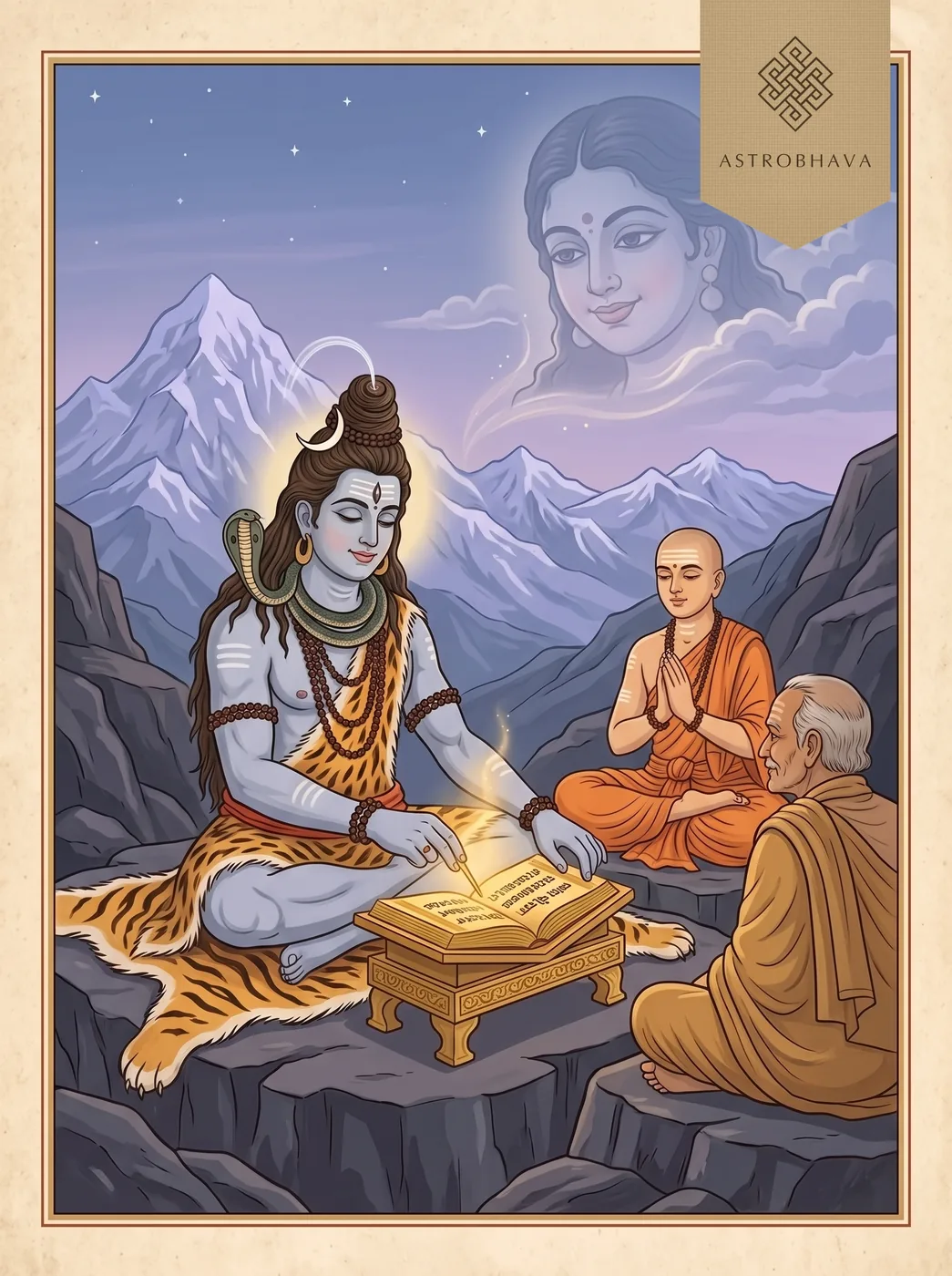
The Kilaka Stotram, or Kilakam, is the third and last of the short texts read before the Durga Saptashati, after the Devi Kavacham and the Argala Stotram; kilaka means a pin or peg, the kind that fastens a door. The Markandeya Purana's thirteen chapters do not contain it, and no author is named. After a salutation to Chandika, the sage Markandeya speaks all fourteen verses. The viniyoga set above it in the standard printed edition gives Shiva as its rishi, the anushtup as its metre and Mahasaraswati as its deity. Verse 1 salutes Shiva, whose body is pure knowledge and whose three eyes are the three Vedas. Verses 2 to 4 set worship of the Goddess through this hymn beside the repetition of other mantras, verses 5 to 8 tell how Shiva hid and fastened it, and verses 9 to 14 say what follows for one who releases the pin and recites it. The translation in the standard printed edition takes 'this hymn' throughout to mean the Saptashati itself. Some printings add two closing verses; the standard printed text ends at 14.
Why Shiva fastened the hymn with a pin
The Kilaka tells no battle and names no demon. Its story is a ruling. Verses 2 to 4 grant that one who keeps steadily to the repetition of other mantras also reaches well-being, and that rites such as uccatana, meant to drive an adversary from their place, succeed for them. Yet for those who praise the Goddess with this hymn, verse 3 says, she is won by the hymn alone, and verse 4 adds that no mantra, herb or other means is then needed. That left people with a doubt: if both roads lead to success, which is better? Verse 5 says Shiva, as Hara, took up this doubt and declared the whole hymn auspicious. In verse 6 he then kept the hymn of Chandika hidden, and its merit, the verse says, has no end. Verses 7 and 8 give the condition. On the fourteenth or the eighth day of the dark fortnight, with a collected mind, the reciter gives everything to her and receives it back from her; she is pleased in no other way. 'With a pin of this kind,' verse 8 ends, 'Mahadeva has fastened it.' A footnote in the standard printed edition reads this giving and receiving as a particular way of releasing the pin: the devotee offers their honestly earned wealth to the Goddess, then takes it back as her gift and spends it rightly. Verse 11 closes the account: knowing this, one should begin, and the wise begin only once the hymn is made whole.
The mantra, in six scripts
- ॐ
- oṃ — Om
- विशुद्धज्ञानदेहाय
- viśuddhajñānadehāya — to him whose body is pure knowledge
- त्रिवेदीदिव्यचक्षुषे
- trivedīdivyacakṣuṣe — whose divine eyes are the three Vedas
- श्रेयःप्राप्तिनिमित्ताय
- śreyaḥprāptinimittāya — the means of reaching the highest good
- नमः
- namaḥ — salutation
- सोमार्द्धधारिणे
- somārddhadhāriṇe — to the wearer of the half-moon
Kilak Stotram lyrics in full
The opening salutation and all 14 verses of the Kilaka in the standard numbering; the speaker is named above the first verse.
All 14 verses, in Sanskrit, Tamil, Telugu, Kannada, Malayalam and English, each with its meaning. Choose a script:
Download the Kilak Stotram PDFAll 14 verses with their meanings, in Sanskrit. Free to print and keep.
ॐ नमश्चण्डिकायै ॥
ௐ நமஶ்சண்டிகாயை ॥
ఓం నమశ్చణ్డికాయై ॥
ಓಂ ನಮಶ್ಚಣ್ಡಿಕಾಯೈ ॥
ഓം നമശ്ചണ്ഡികായൈ ॥
oṃ namaścaṇḍikāyai ||
Om, salutation to Chandika.
मार्कण्डेय उवाच
ॐ विशुद्धज्ञानदेहाय त्रिवेदीदिव्यचक्षुषे । श्रेयःप्राप्तिनिमित्ताय नमः सोमार्द्धधारिणे ॥
மார்கண்டேய உவாச
ௐ விஶுத்தஜ்ஞாநதேஹாய த்ரிவேதீதிவ்யசக்ஷுஷே । ஶ்ரேயஃப்ராப்திநிமித்தாய நமஃ ஸோமார்த்ததாரிணே ॥
మార్కణ్డేయ ఉవాచ
ఓం విశుద్ధజ్ఞానదేహాయ త్రివేదీదివ్యచక్షుషే । శ్రేయఃప్రాప్తినిమిత్తాయ నమః సోమార్ద్ధధారిణే ॥
ಮಾರ್ಕಣ್ಡೇಯ ಉವಾಚ
ಓಂ ವಿಶುದ್ಧಜ್ಞಾನದೇಹಾಯ ತ್ರಿವೇದೀದಿವ್ಯಚಕ್ಷುಷೇ । ಶ್ರೇಯಃಪ್ರಾಪ್ತಿನಿಮಿತ್ತಾಯ ನಮಃ ಸೋಮಾರ್ದ್ಧಧಾರಿಣೇ ॥
മാര്കണ്ഡേയ ഉവാച
ഓം വിശുദ്ധജ്ഞാനദേഹായ ത്രിവേദീദിവ്യചക്ഷുഷേ । ശ്രേയഃപ്രാപ്തിനിമിത്തായ നമഃ സോമാര്ദ്ധധാരിണേ ॥
mārkaṇḍeya uvāca
oṃ viśuddhajñānadehāya trivedīdivyacakṣuṣe | śreyaḥprāptinimittāya namaḥ somārddhadhāriṇe ||
Markandeya said: Salutation to Shiva, whose body is pure knowledge, whose three divine eyes are the three Vedas, who is the means of attaining the highest good, and who wears the half-moon.
सर्वमेतद्विजानीयान्मन्त्राणामभिकीलकम् ।
सोऽपि क्षेममवाप्नोति सततं जाप्यतत्परः ॥
ஸர்வமேதத்விஜாநீயாந்மந்த்ராணாமபிகீலகம் ।
ஸோபி க்ஷேமமவாப்நோதி ஸததம் ஜாப்யதத்பரஃ ॥
సర్వమేతద్విజానీయాన్మన్త్రాణామభికీలకమ్ ।
సోఽపి క్షేమమవాప్నోతి సతతం జాప్యతత్పరః ॥
ಸರ್ವಮೇತದ್ವಿಜಾನೀಯಾನ್ಮನ್ತ್ರಾಣಾಮಭಿಕೀಲಕಮ್ ।
ಸೋಽಪಿ ಕ್ಷೇಮಮವಾಪ್ನೋತಿ ಸತತಂ ಜಾಪ್ಯತತ್ಪರಃ ॥
സര്വമേതദ്വിജാനീയാന്മന്ത്രാണാമഭികീലകമ് ।
സോഽപി ക്ഷേമമവാപ്നോതി സതതം ജാപ്യതത്പരഃ ॥
sarvametadvijānīyānmantrāṇāmabhikīlakam |
so'pi kṣemamavāpnoti satataṃ jāpyatatparaḥ ||
One should know this whole hymn, which releases the lock that binds the mantras. Yet one who is always devoted to the repetition of other mantras also attains well-being.
सिद्ध्यन्त्युच्चाटनादीनि वस्तूनि सकलान्यपि ।
एतेन स्तुवतां देवी स्तोत्रमात्रेण सिद्ध्यति ॥
ஸித்த்யந்த்யுச்சாடநாதீநி வஸ்தூநி ஸகலாந்யபி ।
ஏதேந ஸ்துவதாம் தேவீ ஸ்தோத்ரமாத்ரேண ஸித்த்யதி ॥
సిద్ధ్యన్త్యుచ్చాటనాదీని వస్తూని సకలాన్యపి ।
ఏతేన స్తువతాం దేవీ స్తోత్రమాత్రేణ సిద్ధ్యతి ॥
ಸಿದ್ಧ್ಯನ್ತ್ಯುಚ್ಚಾಟನಾದೀನಿ ವಸ್ತೂನಿ ಸಕಲಾನ್ಯಪಿ ।
ಏತೇನ ಸ್ತುವತಾಂ ದೇವೀ ಸ್ತೋತ್ರಮಾತ್ರೇಣ ಸಿದ್ಧ್ಯತಿ ॥
സിദ്ധ്യന്ത്യുച്ചാടനാദീനി വസ്തൂനി സകലാന്യപി ।
ഏതേന സ്തുവതാം ദേവീ സ്തോത്രമാത്രേണ സിദ്ധ്യതി ॥
siddhyantyuccāṭanādīni vastūni sakalānyapi |
etena stuvatāṃ devī stotramātreṇa siddhyati ||
For such a person rites such as uccatana and all desired things succeed. But for those who praise her with this hymn, the Goddess is won by the hymn alone.
न मन्त्रो नौषधं तत्र न किञ्चिदपि विद्यते ।
विना जाप्येन सिद्ध्येत सर्वमुच्चाटनादिकम् ॥
ந மந்த்ரோ நௌஷதம் தத்ர ந கிஞ்சிதபி வித்யதே ।
விநா ஜாப்யேந ஸித்த்யேத ஸர்வமுச்சாடநாதிகம் ॥
న మన్త్రో నౌషధం తత్ర న కిఞ్చిదపి విద్యతే ।
వినా జాప్యేన సిద్ధ్యేత సర్వముచ్చాటనాదికమ్ ॥
ನ ಮನ್ತ್ರೋ ನೌಷಧಂ ತತ್ರ ನ ಕಿಞ್ಚಿದಪಿ ವಿದ್ಯತೇ ।
ವಿನಾ ಜಾಪ್ಯೇನ ಸಿದ್ಧ್ಯೇತ ಸರ್ವಮುಚ್ಚಾಟನಾದಿಕಮ್ ॥
ന മന്ത്രോ നൌഷധം തത്ര ന കിഞ്ചിദപി വിദ്യതേ ।
വിനാ ജാപ്യേന സിദ്ധ്യേത സര്വമുച്ചാടനാദികമ് ॥
na mantro nauṣadhaṃ tatra na kiñcidapi vidyate |
vinā jāpyena siddhyeta sarvamuccāṭanādikam ||
For them no mantra, no herb and nothing else is needed. The verse says that every rite, uccatana and the rest, succeeds even without other repetition.
समग्राण्यपि सिद्ध्यन्ति लोकशङ्कामिमां हरः ।
कृत्वा निमन्त्रयामास सर्वमेवमिदं शुभम् ॥
ஸமக்ராண்யபி ஸித்த்யந்தி லோகஶங்காமிமாம் ஹரஃ ।
க்ருத்வா நிமந்த்ரயாமாஸ ஸர்வமேவமிதம் ஶுபம் ॥
సమగ్రాణ్యపి సిద్ధ్యన్తి లోకశఙ్కామిమాం హరః ।
కృత్వా నిమన్త్రయామాస సర్వమేవమిదం శుభమ్ ॥
ಸಮಗ್ರಾಣ್ಯಪಿ ಸಿದ್ಧ್ಯನ್ತಿ ಲೋಕಶಙ್ಕಾಮಿಮಾಂ ಹರಃ ।
ಕೃತ್ವಾ ನಿಮನ್ತ್ರಯಾಮಾಸ ಸರ್ವಮೇವಮಿದಂ ಶುಭಮ್ ॥
സമഗ്രാണ്യപി സിദ്ധ്യന്തി ലോകശങ്കാമിമാം ഹരഃ ।
കൃത്വാ നിമന്ത്രയാമാസ സര്വമേവമിദം ശുഭമ് ॥
samagrāṇyapi siddhyanti lokaśaṅkāmimāṃ haraḥ |
kṛtvā nimantrayāmāsa sarvamevamidaṃ śubham ||
All their aims are fulfilled. Taking up this doubt of the people, Shiva called those who came to him and declared that this whole hymn is auspicious in this way.
स्तोत्रं वै चण्डिकायास्तु तच्च गुप्तं चकार सः ।
समाप्तिर्न च पुण्यस्य तां यथावन्नियन्त्रणाम् ॥
ஸ்தோத்ரம் வை சண்டிகாயாஸ்து தச்ச குப்தம் சகார ஸஃ ।
ஸமாப்திர்ந ச புண்யஸ்ய தாம் யதாவந்நியந்த்ரணாம் ॥
స్తోత్రం వై చణ్డికాయాస్తు తచ్చ గుప్తం చకార సః ।
సమాప్తిర్న చ పుణ్యస్య తాం యథావన్నియన్త్రణామ్ ॥
ಸ್ತೋತ್ರಂ ವೈ ಚಣ್ಡಿಕಾಯಾಸ್ತು ತಚ್ಚ ಗುಪ್ತಂ ಚಕಾರ ಸಃ ।
ಸಮಾಪ್ತಿರ್ನ ಚ ಪುಣ್ಯಸ್ಯ ತಾಂ ಯಥಾವನ್ನಿಯನ್ತ್ರಣಾಮ್ ॥
സ്തോത്രം വൈ ചണ്ഡികായാസ്തു തച്ച ഗുപ്തം ചകാര സഃ ।
സമാപ്തിര്ന ച പുണ്യസ്യ താം യഥാവന്നിയന്ത്രണാമ് ॥
stotraṃ vai caṇḍikāyāstu tacca guptaṃ cakāra saḥ |
samāptirna ca puṇyasya tāṃ yathāvanniyantraṇām ||
He then kept this hymn of Chandika hidden. The merit it brings has no end, and his ruling on it should be understood as it truly is.
सोऽपि क्षेममवाप्नोति सर्वमेवं न संशयः ।
कृष्णायां वा चतुर्दश्यामष्टम्यां वा समाहितः ॥
ஸோபி க்ஷேமமவாப்நோதி ஸர்வமேவம் ந ஸம்ஶயஃ ।
க்ருஷ்ணாயாம் வா சதுர்தஶ்யாமஷ்டம்யாம் வா ஸமாஹிதஃ ॥
సోఽపి క్షేమమవాప్నోతి సర్వమేవం న సంశయః ।
కృష్ణాయాం వా చతుర్దశ్యామష్టమ్యాం వా సమాహితః ॥
ಸೋಽಪಿ ಕ್ಷೇಮಮವಾಪ್ನೋತಿ ಸರ್ವಮೇವಂ ನ ಸಂಶಯಃ ।
ಕೃಷ್ಣಾಯಾಂ ವಾ ಚತುರ್ದಶ್ಯಾಮಷ್ಟಮ್ಯಾಂ ವಾ ಸಮಾಹಿತಃ ॥
സോഽപി ക്ഷേമമവാപ്നോതി സര്വമേവം ന സംശയഃ ।
കൃഷ്ണായാം വാ ചതുര്ദശ്യാമഷ്ടമ്യാം വാ സമാഹിതഃ ॥
so'pi kṣemamavāpnoti sarvamevaṃ na saṃśayaḥ |
kṛṣṇāyāṃ vā caturdaśyāmaṣṭamyāṃ vā samāhitaḥ ||
He too attains complete well-being, without doubt. On the fourteenth or the eighth day of the dark fortnight, with a collected mind,
ददाति प्रतिगृह्णाति नान्यथैषा प्रसीदति ।
इत्थंरूपेण कीलेन महादेवेन कीलितम् ॥
ததாதி ப்ரதிக்ருஹ்ணாதி நாந்யதைஷா ப்ரஸீததி ।
இத்தம்ரூபேண கீலேந மஹாதேவேந கீலிதம் ॥
దదాతి ప్రతిగృహ్ణాతి నాన్యథైషా ప్రసీదతి ।
ఇత్థంరూపేణ కీలేన మహాదేవేన కీలితమ్ ॥
ದದಾತಿ ಪ್ರತಿಗೃಹ್ಣಾತಿ ನಾನ್ಯಥೈಷಾ ಪ್ರಸೀದತಿ ।
ಇತ್ಥಂರೂಪೇಣ ಕೀಲೇನ ಮಹಾದೇವೇನ ಕೀಲಿತಮ್ ॥
ദദാതി പ്രതിഗൃഹ്ണാതി നാന്യഥൈഷാ പ്രസീദതി ।
ഇത്ഥംരൂപേണ കീലേന മഹാദേവേന കീലിതമ് ॥
dadāti pratigṛhṇāti nānyathaiṣā prasīdati |
itthaṃrūpeṇa kīlena mahādevena kīlitam ||
he offers everything to her and receives it back from her; she is not pleased in any other way. With a lock of this kind Mahadeva has locked the hymn.
यो निष्कीलां विधायैनां नित्यं जपति संस्फुटम् ।
स सिद्धः स गणः सोऽपि गन्धर्वो जायते नरः ॥
யோ நிஷ்கீலாம் விதாயைநாம் நித்யம் ஜபதி ஸம்ஸ்புடம் ।
ஸ ஸித்தஃ ஸ கணஃ ஸோபி கந்தர்வோ ஜாயதே நரஃ ॥
యో నిష్కీలాం విధాయైనాం నిత్యం జపతి సంస్ఫుటమ్ ।
స సిద్ధః స గణః సోఽపి గన్ధర్వో జాయతే నరః ॥
ಯೋ ನಿಷ್ಕೀಲಾಂ ವಿಧಾಯೈನಾಂ ನಿತ್ಯಂ ಜಪತಿ ಸಂಸ್ಫುಟಮ್ ।
ಸ ಸಿದ್ಧಃ ಸ ಗಣಃ ಸೋಽಪಿ ಗನ್ಧರ್ವೋ ಜಾಯತೇ ನರಃ ॥
യോ നിഷ്കീലാം വിധായൈനാം നിത്യം ജപതി സംസ്ഫുടമ് ।
സ സിദ്ധഃ സ ഗണഃ സോഽപി ഗന്ധര്വോ ജായതേ നരഃ ॥
yo niṣkīlāṃ vidhāyaināṃ nityaṃ japati saṃsphuṭam |
sa siddhaḥ sa gaṇaḥ so'pi gandharvo jāyate naraḥ ||
The verse says that the man who unlocks the hymn and recites it every day, clearly pronounced, becomes a siddha, an attendant of the Goddess, and a gandharva.
न चैवाप्यटतस्तस्य भयं क्वापीह जायते ।
नापमृत्युवशं याति मृतो मोक्षमवाप्नुयात् ॥
ந சைவாப்யடதஸ்தஸ்ய பயம் க்வாபீஹ ஜாயதே ।
நாபம்ருத்யுவஶம் யாதி ம்ருதோ மோக்ஷமவாப்நுயாத் ॥
న చైవాప్యటతస్తస్య భయం క్వాపీహ జాయతే ।
నాపమృత్యువశం యాతి మృతో మోక్షమవాప్నుయాత్ ॥
ನ ಚೈವಾಪ್ಯಟತಸ್ತಸ್ಯ ಭಯಂ ಕ್ವಾಪೀಹ ಜಾಯತೇ ।
ನಾಪಮೃತ್ಯುವಶಂ ಯಾತಿ ಮೃತೋ ಮೋಕ್ಷಮವಾಪ್ನುಯಾತ್ ॥
ന ചൈവാപ്യടതസ്തസ്യ ഭയം ക്വാപീഹ ജായതേ ।
നാപമൃത്യുവശം യാതി മൃതോ മോക്ഷമവാപ്നുയാത് ॥
na caivāpyaṭatastasya bhayaṃ kvāpīha jāyate |
nāpamṛtyuvaśaṃ yāti mṛto mokṣamavāpnuyāt ||
Wherever he wanders in this world, no fear arises for him. He does not fall to untimely death, and after death, the verse says, he attains liberation.
ज्ञात्वा प्रारभ्य कुर्वीत न कुर्वाणो विनश्यति ।
ततो ज्ञात्वैव सम्पन्नमिदं प्रारभ्यते बुधैः ॥
ஜ்ஞாத்வா ப்ராரப்ய குர்வீத ந குர்வாணோ விநஶ்யதி ।
ததோ ஜ்ஞாத்வைவ ஸம்பந்நமிதம் ப்ராரப்யதே புதைஃ ॥
జ్ఞాత్వా ప్రారభ్య కుర్వీత న కుర్వాణో వినశ్యతి ।
తతో జ్ఞాత్వైవ సమ్పన్నమిదం ప్రారభ్యతే బుధైః ॥
ಜ್ಞಾತ್ವಾ ಪ್ರಾರಭ್ಯ ಕುರ್ವೀತ ನ ಕುರ್ವಾಣೋ ವಿನಶ್ಯತಿ ।
ತತೋ ಜ್ಞಾತ್ವೈವ ಸಮ್ಪನ್ನಮಿದಂ ಪ್ರಾರಭ್ಯತೇ ಬುಧೈಃ ॥
ജ്ഞാത്വാ പ്രാരഭ്യ കുര്വീത ന കുര്വാണോ വിനശ്യതി ।
തതോ ജ്ഞാത്വൈവ സമ്പന്നമിദം പ്രാരഭ്യതേ ബുധൈഃ ॥
jñātvā prārabhya kurvīta na kurvāṇo vinaśyati |
tato jñātvaiva sampannamidaṃ prārabhyate budhaiḥ ||
Knowing this, one should begin the recitation and carry it out; one who does not do so comes to ruin. So the wise begin this hymn only after knowing it and making it complete.
सौभाग्यादि च यत्किञ्चिद् दृश्यते ललनाजने ।
तत्सर्वं तत्प्रसादेन तेन जाप्यमिदं शुभम् ॥
ஸௌபாக்யாதி ச யத்கிஞ்சித் த்ருஶ்யதே லலநாஜநே ।
தத்ஸர்வம் தத்ப்ரஸாதேந தேந ஜாப்யமிதம் ஶுபம் ॥
సౌభాగ్యాది చ యత్కిఞ్చిద్ దృశ్యతే లలనాజనే ।
తత్సర్వం తత్ప్రసాదేన తేన జాప్యమిదం శుభమ్ ॥
ಸೌಭಾಗ್ಯಾದಿ ಚ ಯತ್ಕಿಞ್ಚಿದ್ ದೃಶ್ಯತೇ ಲಲನಾಜನೇ ।
ತತ್ಸರ್ವಂ ತತ್ಪ್ರಸಾದೇನ ತೇನ ಜಾಪ್ಯಮಿದಂ ಶುಭಮ್ ॥
സൌഭാഗ്യാദി ച യത്കിഞ്ചിദ് ദൃശ്യതേ ലലനാജനേ ।
തത്സര്വം തത്പ്രസാദേന തേന ജാപ്യമിദം ശുഭമ് ॥
saubhāgyādi ca yatkiñcid dṛśyate lalanājane |
tatsarvaṃ tatprasādena tena jāpyamidaṃ śubham ||
Whatever good fortune and the like is seen among women, all of it comes by her grace. Therefore this auspicious hymn should be recited.
शनैस्तु जप्यमानेऽस्मिन् स्तोत्रे सम्पत्तिरुच्चकैः ।
भवत्येव समग्रापि ततः प्रारभ्यमेव तत् ॥
ஶநைஸ்து ஜப்யமாநேஸ்மிந் ஸ்தோத்ரே ஸம்பத்திருச்சகைஃ ।
பவத்யேவ ஸமக்ராபி ததஃ ப்ராரப்யமேவ தத் ॥
శనైస్తు జప్యమానేఽస్మిన్ స్తోత్రే సమ్పత్తిరుచ్చకైః ।
భవత్యేవ సమగ్రాపి తతః ప్రారభ్యమేవ తత్ ॥
ಶನೈಸ್ತು ಜಪ್ಯಮಾನೇಽಸ್ಮಿನ್ ಸ್ತೋತ್ರೇ ಸಮ್ಪತ್ತಿರುಚ್ಚಕೈಃ ।
ಭವತ್ಯೇವ ಸಮಗ್ರಾಪಿ ತತಃ ಪ್ರಾರಭ್ಯಮೇವ ತತ್ ॥
ശനൈസ്തു ജപ്യമാനേഽസ്മിന് സ്തോത്രേ സമ്പത്തിരുച്ചകൈഃ ।
ഭവത്യേവ സമഗ്രാപി തതഃ പ്രാരഭ്യമേവ തത് ॥
śanaistu japyamāne'smin stotre sampattiruccakaiḥ |
bhavatyeva samagrāpi tataḥ prārabhyameva tat ||
When this hymn is recited softly the reward is small, but when it is recited aloud the reward comes in full. So it should be begun aloud.
ऐश्वर्यं यत्प्रसादेन सौभाग्यारोग्यसम्पदः ।
शत्रुहानिः परो मोक्षः स्तूयते सा न किं जनैः ॥
ஐஶ்வர்யம் யத்ப்ரஸாதேந ஸௌபாக்யாரோக்யஸம்பதஃ ।
ஶத்ருஹாநிஃ பரோ மோக்ஷஃ ஸ்தூயதே ஸா ந கிம் ஜநைஃ ॥
ఐశ్వర్యం యత్ప్రసాదేన సౌభాగ్యారోగ్యసమ్పదః ।
శత్రుహానిః పరో మోక్షః స్తూయతే సా న కిం జనైః ॥
ಐಶ್ವರ್ಯಂ ಯತ್ಪ್ರಸಾದೇನ ಸೌಭಾಗ್ಯಾರೋಗ್ಯಸಮ್ಪದಃ ।
ಶತ್ರುಹಾನಿಃ ಪರೋ ಮೋಕ್ಷಃ ಸ್ತೂಯತೇ ಸಾ ನ ಕಿಂ ಜನೈಃ ॥
ഐശ്വര്യം യത്പ്രസാദേന സൌഭാഗ്യാരോഗ്യസമ്പദഃ ।
ശത്രുഹാനിഃ പരോ മോക്ഷഃ സ്തൂയതേ സാ ന കിം ജനൈഃ ॥
aiśvaryaṃ yatprasādena saubhāgyārogyasampadaḥ |
śatruhāniḥ paro mokṣaḥ stūyate sā na kiṃ janaiḥ ||
By her grace come power, good fortune, health, wealth, the defeat of enemies and the highest liberation. Why then do people not praise her?
The syllable people get wrong
In verse 9, niṣkīlāṃ (निष्कीलां), 'freed of the pin', has a retroflex ṣ, said with the tip of the tongue turned up to the roof of the mouth, followed straight by k, and two long vowels: say nish-KEE-laam, not 'nis-ki-lam'. The same long ī belongs in kīlaka itself, which is why the name is often written Keelaka.
When the Kilak Stotram is chanted
Weekday. Friday
Festival. Navaratri, read before each day's Saptashati
Questions
Have your chart read before you decide
Chanting is yours to do, and free. But which deity your situation calls for — and whether a mantra alone is the right response — depends on your chart. Sometimes it is; sometimes it is not.
- Over 30 years in the Guru–Sishya Parampara, from the age of five
- He reads every chart himself — 60 minutes, one to one, never delegated
- Charts are read only between sunrise and sunset, following tradition
