Mangala Chandika Stotram
देवीं षोडशवर्षीयां रम्यां सुस्थिरयौवनाम् । सर्वरूपगुणाढ्यां च कोमलाङ्गीं मनोहराम् ॥Also known as Raksha Raksha Jaganmatar
In Devanagari, Tamil, Telugu, Kannada, Malayalam and English — with the meaning of every word, and the one syllable most people pronounce wrongly.
 The Chandi Homam, performed for youBook →
What the Mangala Chandika Stotram is
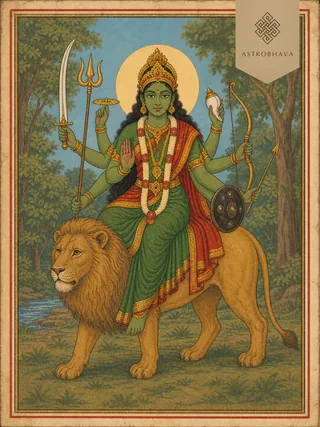
The Mangala Chandika Stotram is the hymn Shiva addresses to Mangala Chandika, the form of Durga whom the Brahmavaivarta Purana calls skilled in every kind of mangala, or well-being. It stands in the Prakriti Khanda, chapter 44, where Narayana tells the sage Narada about the goddesses who are portions of Prakriti, directly after the account of Shashthi in the chapter before. As chanted, it has three parts. Six lines of dhyanam picture her as a girl of sixteen, pale as the white champak flower, with jasmine in her braid and eyes like blue lotuses, a boat across the ocean of worldly life. Shiva's own hymn of six verses opens with the double cry raksha raksha and then turns the single word mangala over and over, until nearly every phrase holds it. Seven closing verses name the five who first worshipped her, from Shiva and the planet Mars to King Mangala and women on a Tuesday, and end with the phala shruti for those who listen.
Shiva's Prayer in the War with Tripura
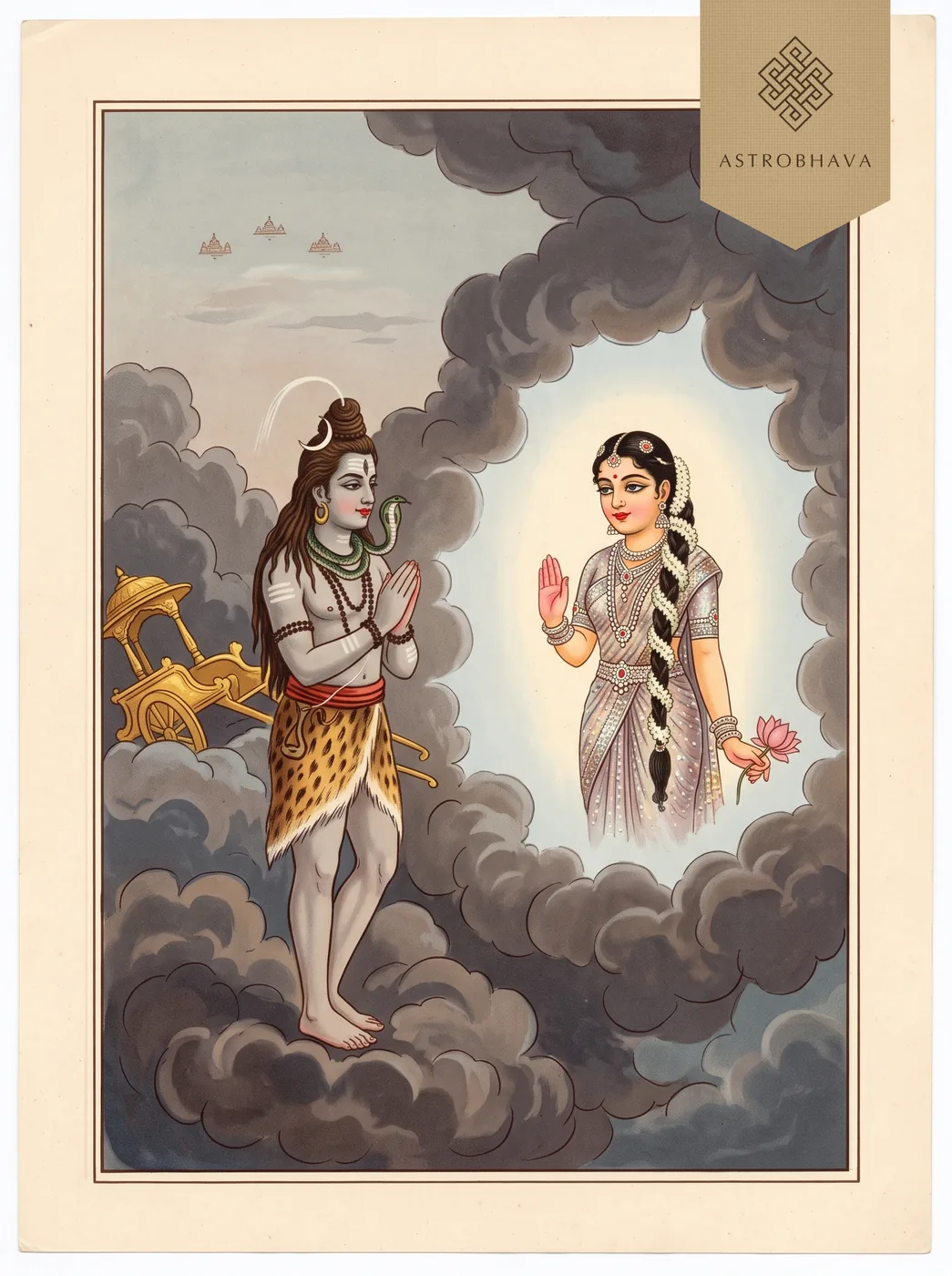
According to the Brahmavaivarta Purana, the first to worship Mangala Chandika was Shiva himself, at the worst moment of his war on the demon Tripura. Narayana tells Narada that the demon, in anger, threw down Shiva's vehicle so that it fell from the sky, and Shiva was left in danger. Urged on by Vishnu and taught by Brahma, he praised Durga, and she appeared before him in a changed form as Mangala Chandika. She told him there was nothing to fear: Vishnu would take the form of a bull to carry him, and she would become the very power of his fighting. Saying this she vanished and became his shakti, and Shiva killed the demon with the weapon Vishnu had given him, while flowers rained on his head. Afterwards, bathed and pure, he worshipped her with water for her feet, flowers, sandal paste, food, cloth, music and dance, meditating on her with the dhyanam the text calls taught in the Veda and accepted by all. The same chapter explains her name. She is Chandi, wakeful and fierce among enemies, and Mangala, skilled in what is auspicious; she is the chosen deity of Mangala, son of the Earth, and of King Mangala of Manu's line, ruler of the seven continents. The Purana also calls her the deity especially dear to women.
The mantra, in six scripts
- देवीं
- devīṃ — the Goddess
- षोडशवर्षीयां
- ṣoḍaśavarṣīyāṃ — sixteen years old
- रम्यां
- ramyāṃ — lovely
- सुस्थिरयौवनाम्
- susthirayauvanām — whose youth stays firm
- सर्वरूपगुणाढ्यां
- sarvarūpaguṇāḍhyāṃ — rich in every beauty and virtue
- च
- ca — and
- कोमलाङ्गीं
- komalāṅgīṃ — soft of limb
- मनोहराम्
- manoharām — enchanting
Mangala Chandika Stotram lyrics in full
Six lines of meditation, Shiva's six verses of praise and seven closing verses, as they stand in the Brahmavaivarta Purana.
All 20 verses, in Sanskrit, Tamil, Telugu, Kannada, Malayalam and English, each with its meaning. Choose a script:
Download the Mangala Chandika Stotram PDFAll 20 verses with their meanings, in Sanskrit. Free to print and keep.
देवीं षोडशवर्षीयां रम्यां सुस्थिरयौवनाम् ।
सर्वरूपगुणाढ्यां च कोमलाङ्गीं मनोहराम् ॥
தேவீம் ஷோடஶவர்ஷீயாம் ரம்யாம் ஸுஸ்திரயௌவநாம் ।
ஸர்வரூபகுணாட்யாம் ச கோமலாங்கீம் மநோஹராம் ॥
దేవీం షోడశవర్షీయాం రమ్యాం సుస్థిరయౌవనామ్ ।
సర్వరూపగుణాఢ్యాం చ కోమలాఙ్గీం మనోహరామ్ ॥
ದೇವೀಂ ಷೋಡಶವರ್ಷೀಯಾಂ ರಮ್ಯಾಂ ಸುಸ್ಥಿರಯೌವನಾಮ್ ।
ಸರ್ವರೂಪಗುಣಾಢ್ಯಾಂ ಚ ಕೋಮಲಾಙ್ಗೀಂ ಮನೋಹರಾಮ್ ॥
ദേവീം ഷോഡശവര്ഷീയാം രമ്യാം സുസ്ഥിരയൌവനാമ് ।
സര്വരൂപഗുണാഢ്യാം ച കോമലാങ്ഗീം മനോഹരാമ് ॥
devīṃ ṣoḍaśavarṣīyāṃ ramyāṃ susthirayauvanām |
sarvarūpaguṇāḍhyāṃ ca komalāṅgīṃ manoharām ||
I meditate on the Goddess who appears as a girl of sixteen, lovely, with youth that never fades. She is rich in every beauty and virtue, soft of limb and enchanting.
श्वेतचम्पकवर्णाभां चन्द्रकोटिसमप्रभाम् ।
वह्निशुद्धांशुकाधानां रत्नभूषणभूषिताम् ॥
ஶ்வேதசம்பகவர்ணாபாம் சந்த்ரகோடிஸமப்ரபாம் ।
வஹ்நிஶுத்தாம்ஶுகாதாநாம் ரத்நபூஷணபூஷிதாம் ॥
శ్వేతచమ్పకవర్ణాభాం చన్ద్రకోటిసమప్రభామ్ ।
వహ్నిశుద్ధాంశుకాధానాం రత్నభూషణభూషితామ్ ॥
ಶ್ವೇತಚಮ್ಪಕವರ್ಣಾಭಾಂ ಚನ್ದ್ರಕೋಟಿಸಮಪ್ರಭಾಮ್ ।
ವಹ್ನಿಶುದ್ಧಾಂಶುಕಾಧಾನಾಂ ರತ್ನಭೂಷಣಭೂಷಿತಾಮ್ ॥
ശ്വേതചമ്പകവര്ണാഭാം ചന്ദ്രകോടിസമപ്രഭാമ് ।
വഹ്നിശുദ്ധാംശുകാധാനാം രത്നഭൂഷണഭൂഷിതാമ് ॥
śvetacampakavarṇābhāṃ candrakoṭisamaprabhām |
vahniśuddhāṃśukādhānāṃ ratnabhūṣaṇabhūṣitām ||
Her complexion glows like the white champak flower and her radiance equals ten million moons. She wears garments purified by fire and is adorned with jewelled ornaments.
बिभ्रतीं कबरीभारं मल्लिकामाल्यभूषितम् ।
बिम्बोष्ठीं सुदतीं शुद्धां शरत्पद्मनिभाननाम् ॥
பிப்ரதீம் கபரீபாரம் மல்லிகாமால்யபூஷிதம் ।
பிம்போஷ்டீம் ஸுததீம் ஶுத்தாம் ஶரத்பத்மநிபாநநாம் ॥
బిభ్రతీం కబరీభారం మల్లికామాల్యభూషితమ్ ।
బిమ్బోష్ఠీం సుదతీం శుద్ధాం శరత్పద్మనిభాననామ్ ॥
ಬಿಭ್ರತೀಂ ಕಬರೀಭಾರಂ ಮಲ್ಲಿಕಾಮಾಲ್ಯಭೂಷಿತಮ್ ।
ಬಿಮ್ಬೋಷ್ಠೀಂ ಸುದತೀಂ ಶುದ್ಧಾಂ ಶರತ್ಪದ್ಮನಿಭಾನನಾಮ್ ॥
ബിഭ്രതീം കബരീഭാരം മല്ലികാമാല്യഭൂഷിതമ് ।
ബിമ്ബോഷ്ഠീം സുദതീം ശുദ്ധാം ശരത്പദ്മനിഭാനനാമ് ॥
bibhratīṃ kabarībhāraṃ mallikāmālyabhūṣitam |
bimboṣṭhīṃ sudatīṃ śuddhāṃ śaratpadmanibhānanām ||
She bears a heavy braid of hair decked with garlands of jasmine. Her lips are red as the bimba fruit, her teeth are fine, she is pure, and her face is like an autumn lotus.
ईषद्धास्यप्रसन्नास्यां सुनीलोत्पललोचनाम् ।
जगद्धात्रीं च दात्रीं च सर्वेभ्यः सर्वसम्पदाम् ॥
ஈஷத்தாஸ்யப்ரஸந்நாஸ்யாம் ஸுநீலோத்பலலோசநாம் ।
ஜகத்தாத்ரீம் ச தாத்ரீம் ச ஸர்வேப்யஃ ஸர்வஸம்பதாம் ॥
ఈషద్ధాస్యప్రసన్నాస్యాం సునీలోత్పలలోచనామ్ ।
జగద్ధాత్రీం చ దాత్రీం చ సర్వేభ్యః సర్వసమ్పదామ్ ॥
ಈಷದ್ಧಾಸ್ಯಪ್ರಸನ್ನಾಸ್ಯಾಂ ಸುನೀಲೋತ್ಪಲಲೋಚನಾಮ್ ।
ಜಗದ್ಧಾತ್ರೀಂ ಚ ದಾತ್ರೀಂ ಚ ಸರ್ವೇಭ್ಯಃ ಸರ್ವಸಮ್ಪದಾಮ್ ॥
ഈഷദ്ധാസ്യപ്രസന്നാസ്യാം സുനീലോത്പലലോചനാമ് ।
ജഗദ്ധാത്രീം ച ദാത്രീം ച സര്വേഭ്യഃ സര്വസമ്പദാമ് ॥
īṣaddhāsyaprasannāsyāṃ sunīlotpalalocanām |
jagaddhātrīṃ ca dātrīṃ ca sarvebhyaḥ sarvasampadām ||
Her face is serene with a gentle smile and her eyes are like deep blue lotuses. She sustains the world and gives every kind of wealth to all beings.
संसारसागरे घोरे पोतरूपां वरां भजे ॥
ஸம்ஸாரஸாகரே கோரே போதரூபாம் வராம் பஜே ॥
సంసారసాగరే ఘోరే పోతరూపాం వరాం భజే ॥
ಸಂಸಾರಸಾಗರೇ ಘೋರೇ ಪೋತರೂಪಾಂ ವರಾಂ ಭಜೇ ॥
സംസാരസാഗരേ ഘോരേ പോതരൂപാം വരാം ഭജേ ॥
saṃsārasāgare ghore potarūpāṃ varāṃ bhaje ||
I worship the excellent Goddess, who is a boat in the terrible ocean of worldly existence.
देव्याश्च ध्यानमित्येवं स्तवनं श्रूयतां मुने ।
प्रयतः सङ्कटग्रस्तो येन तुष्टाव शङ्करः ॥
தேவ்யாஶ்ச த்யாநமித்யேவம் ஸ்தவநம் ஶ்ரூயதாம் முநே ।
ப்ரயதஃ ஸங்கடக்ரஸ்தோ யேந துஷ்டாவ ஶங்கரஃ ॥
దేవ్యాశ్చ ధ్యానమిత్యేవం స్తవనం శ్రూయతాం మునే ।
ప్రయతః సఙ్కటగ్రస్తో యేన తుష్టావ శఙ్కరః ॥
ದೇವ್ಯಾಶ್ಚ ಧ್ಯಾನಮಿತ್ಯೇವಂ ಸ್ತವನಂ ಶ್ರೂಯತಾಂ ಮುನೇ ।
ಪ್ರಯತಃ ಸಙ್ಕಟಗ್ರಸ್ತೋ ಯೇನ ತುಷ್ಟಾವ ಶಙ್ಕರಃ ॥
ദേവ്യാശ്ച ധ്യാനമിത്യേവം സ്തവനം ശ്രൂയതാം മുനേ ।
പ്രയതഃ സങ്കടഗ്രസ്തോ യേന തുഷ്ടാവ ശങ്കരഃ ॥
devyāśca dhyānamityevaṃ stavanaṃ śrūyatāṃ mune |
prayataḥ saṅkaṭagrasto yena tuṣṭāva śaṅkaraḥ ||
Such is the meditation on the Goddess. Now hear, O sage, the hymn with which Shankara, caught in danger, praised her with a disciplined mind.
रक्ष रक्ष जगन्मातर्देवि मङ्गलचण्डिके ।
संहर्त्रि विपदां राशेर्हर्षमङ्गलकारिके ॥
ரக்ஷ ரக்ஷ ஜகந்மாதர்தேவி மங்கலசண்டிகே ।
ஸம்ஹர்த்ரி விபதாம் ராஶேர்ஹர்ஷமங்கலகாரிகே ॥
రక్ష రక్ష జగన్మాతర్దేవి మఙ్గలచణ్డికే ।
సంహర్త్రి విపదాం రాశేర్హర్షమఙ్గలకారికే ॥
ರಕ್ಷ ರಕ್ಷ ಜಗನ್ಮಾತರ್ದೇವಿ ಮಙ್ಗಲಚಣ್ಡಿಕೇ ।
ಸಂಹರ್ತ್ರಿ ವಿಪದಾಂ ರಾಶೇರ್ಹರ್ಷಮಙ್ಗಲಕಾರಿಕೇ ॥
രക്ഷ രക്ഷ ജഗന്മാതര്ദേവി മങ്ഗലചണ്ഡികേ ।
സംഹര്ത്രി വിപദാം രാശേര്ഹര്ഷമങ്ഗലകാരികേ ॥
rakṣa rakṣa jaganmātardevi maṅgalacaṇḍike |
saṃhartri vipadāṃ rāśerharṣamaṅgalakārike ||
Protect me, protect me, Mother of the world, Goddess Mangala Chandika. You destroy heaps of misfortune and bring joy and auspiciousness.
हर्षमङ्गलदक्षे च हर्षमङ्गलचण्डिके ।
शुभे मङ्गलदक्षे च शुभमङ्गलचण्डिके ॥
ஹர்ஷமங்கலதக்ஷே ச ஹர்ஷமங்கலசண்டிகே ।
ஶுபே மங்கலதக்ஷே ச ஶுபமங்கலசண்டிகே ॥
హర్షమఙ్గలదక్షే చ హర్షమఙ్గలచణ్డికే ।
శుభే మఙ్గలదక్షే చ శుభమఙ్గలచణ్డికే ॥
ಹರ್ಷಮಙ್ಗಲದಕ್ಷೇ ಚ ಹರ್ಷಮಙ್ಗಲಚಣ್ಡಿಕೇ ।
ಶುಭೇ ಮಙ್ಗಲದಕ್ಷೇ ಚ ಶುಭಮಙ್ಗಲಚಣ್ಡಿಕೇ ॥
ഹര്ഷമങ്ഗലദക്ഷേ ച ഹര്ഷമങ്ഗലചണ്ഡികേ ।
ശുഭേ മങ്ഗലദക്ഷേ ച ശുഭമങ്ഗലചണ്ഡികേ ॥
harṣamaṅgaladakṣe ca harṣamaṅgalacaṇḍike |
śubhe maṅgaladakṣe ca śubhamaṅgalacaṇḍike ||
You are skilled in giving joy and good fortune, O Chandika of joy and good fortune. O auspicious one, skilled in bestowing blessings, O Chandika of auspicious good fortune.
मङ्गले मङ्गलार्हे च सर्वमङ्गलमङ्गले ।
सतां मङ्गलदे देवि सर्वेषां मङ्गलालये ॥
மங்கலே மங்கலார்ஹே ச ஸர்வமங்கலமங்கலே ।
ஸதாம் மங்கலதே தேவி ஸர்வேஷாம் மங்கலாலயே ॥
మఙ్గలే మఙ్గలార్హే చ సర్వమఙ్గలమఙ్గలే ।
సతాం మఙ్గలదే దేవి సర్వేషాం మఙ్గలాలయే ॥
ಮಙ್ಗಲೇ ಮಙ್ಗಲಾರ್ಹೇ ಚ ಸರ್ವಮಙ್ಗಲಮಙ್ಗಲೇ ।
ಸತಾಂ ಮಙ್ಗಲದೇ ದೇವಿ ಸರ್ವೇಷಾಂ ಮಙ್ಗಲಾಲಯೇ ॥
മങ്ഗലേ മങ്ഗലാര്ഹേ ച സര്വമങ്ഗലമങ്ഗലേ ।
സതാം മങ്ഗലദേ ദേവി സര്വേഷാം മങ്ഗലാലയേ ॥
maṅgale maṅgalārhe ca sarvamaṅgalamaṅgale |
satāṃ maṅgalade devi sarveṣāṃ maṅgalālaye ||
O auspicious one, worthy of all auspiciousness, the blessing within every blessing. O Goddess, you give good fortune to the virtuous and are the home of auspiciousness for all.
पूज्या मङ्गलवारे च मङ्गलाभीष्टदैवते ।
पूज्ये मङ्गलभूपस्य मनुवंशस्य सन्ततम् ॥
பூஜ்யா மங்கலவாரே ச மங்கலாபீஷ்டதைவதே ।
பூஜ்யே மங்கலபூபஸ்ய மநுவம்ஶஸ்ய ஸந்ததம் ॥
పూజ్యా మఙ్గలవారే చ మఙ్గలాభీష్టదైవతే ।
పూజ్యే మఙ్గలభూపస్య మనువంశస్య సన్తతమ్ ॥
ಪೂಜ್ಯಾ ಮಙ್ಗಲವಾರೇ ಚ ಮಙ್ಗಲಾಭೀಷ್ಟದೈವತೇ ।
ಪೂಜ್ಯೇ ಮಙ್ಗಲಭೂಪಸ್ಯ ಮನುವಂಶಸ್ಯ ಸನ್ತತಮ್ ॥
പൂജ്യാ മങ്ഗലവാരേ ച മങ്ഗലാഭീഷ്ടദൈവതേ ।
പൂജ്യേ മങ്ഗലഭൂപസ്യ മനുവംശസ്യ സന്തതമ് ॥
pūjyā maṅgalavāre ca maṅgalābhīṣṭadaivate |
pūjye maṅgalabhūpasya manuvaṃśasya santatam ||
You are to be worshipped on Tuesday, the chosen deity of Mangala. You were worshipped constantly by King Mangala of the line of Manu.
मङ्गलाधिष्ठातृदेवि मङ्गलानां च मङ्गले ।
संसारमङ्गलाधारे मोक्षमङ्गलदायिनि ॥
மங்கலாதிஷ்டாத்ருதேவி மங்கலாநாம் ச மங்கலே ।
ஸம்ஸாரமங்கலாதாரே மோக்ஷமங்கலதாயிநி ॥
మఙ్గలాధిష్ఠాతృదేవి మఙ్గలానాం చ మఙ్గలే ।
సంసారమఙ్గలాధారే మోక్షమఙ్గలదాయిని ॥
ಮಙ್ಗಲಾಧಿಷ್ಠಾತೃದೇವಿ ಮಙ್ಗಲಾನಾಂ ಚ ಮಙ್ಗಲೇ ।
ಸಂಸಾರಮಙ್ಗಲಾಧಾರೇ ಮೋಕ್ಷಮಙ್ಗಲದಾಯಿನಿ ॥
മങ്ഗലാധിഷ്ഠാതൃദേവി മങ്ഗലാനാം ച മങ്ഗലേ ।
സംസാരമങ്ഗലാധാരേ മോക്ഷമങ്ഗലദായിനി ॥
maṅgalādhiṣṭhātṛdevi maṅgalānāṃ ca maṅgale |
saṃsāramaṅgalādhāre mokṣamaṅgaladāyini ||
O presiding Goddess of auspiciousness, the good fortune of all good fortunes. You are the support of well-being in worldly life and the giver of the blessing of liberation.
सारे च मङ्गलाधारे पारे त्वं सर्वकर्मणाम् ।
प्रतिमङ्गलवारे च पूज्ये त्वं मङ्गलप्रदे ॥
ஸாரே ச மங்கலாதாரே பாரே த்வம் ஸர்வகர்மணாம் ।
ப்ரதிமங்கலவாரே ச பூஜ்யே த்வம் மங்கலப்ரதே ॥
సారే చ మఙ్గలాధారే పారే త్వం సర్వకర్మణామ్ ।
ప్రతిమఙ్గలవారే చ పూజ్యే త్వం మఙ్గలప్రదే ॥
ಸಾರೇ ಚ ಮಙ್ಗಲಾಧಾರೇ ಪಾರೇ ತ್ವಂ ಸರ್ವಕರ್ಮಣಾಮ್ ।
ಪ್ರತಿಮಙ್ಗಲವಾರೇ ಚ ಪೂಜ್ಯೇ ತ್ವಂ ಮಙ್ಗಲಪ್ರದೇ ॥
സാരേ ച മങ്ഗലാധാരേ പാരേ ത്വം സര്വകര്മണാമ് ।
പ്രതിമങ്ഗലവാരേ ച പൂജ്യേ ത്വം മങ്ഗലപ്രദേ ॥
sāre ca maṅgalādhāre pāre tvaṃ sarvakarmaṇām |
pratimaṅgalavāre ca pūjye tvaṃ maṅgalaprade ||
You are the essence, the support of auspiciousness, and you stand beyond all actions. O giver of good fortune, you are to be worshipped every Tuesday.
स्तोत्रेणानेन शम्भुश्च स्तुत्वा मङ्गलचण्डिकाम् ।
प्रतिमङ्गलवारे च पूजां कृत्वा गतः शिवः ॥
ஸ்தோத்ரேணாநேந ஶம்புஶ்ச ஸ்துத்வா மங்கலசண்டிகாம் ।
ப்ரதிமங்கலவாரே ச பூஜாம் க்ருத்வா கதஃ ஶிவஃ ॥
స్తోత్రేణానేన శమ్భుశ్చ స్తుత్వా మఙ్గలచణ్డికామ్ ।
ప్రతిమఙ్గలవారే చ పూజాం కృత్వా గతః శివః ॥
ಸ್ತೋತ್ರೇಣಾನೇನ ಶಮ್ಭುಶ್ಚ ಸ್ತುತ್ವಾ ಮಙ್ಗಲಚಣ್ಡಿಕಾಮ್ ।
ಪ್ರತಿಮಙ್ಗಲವಾರೇ ಚ ಪೂಜಾಂ ಕೃತ್ವಾ ಗತಃ ಶಿವಃ ॥
സ്തോത്രേണാനേന ശമ്ഭുശ്ച സ്തുത്വാ മങ്ഗലചണ്ഡികാമ് ।
പ്രതിമങ്ഗലവാരേ ച പൂജാം കൃത്വാ ഗതഃ ശിവഃ ॥
stotreṇānena śambhuśca stutvā maṅgalacaṇḍikām |
pratimaṅgalavāre ca pūjāṃ kṛtvā gataḥ śivaḥ ||
Having praised Mangala Chandika with this hymn, Shambhu worshipped her every Tuesday, and then Shiva departed.
देव्याश्च मङ्गलस्तोत्रं यः शृणोति समाहितः ।
तन्मङ्गलं भवेच्छश्वन्न भवेत्तदमङ्गलम् ॥
தேவ்யாஶ்ச மங்கலஸ்தோத்ரம் யஃ ஶ்ருணோதி ஸமாஹிதஃ ।
தந்மங்கலம் பவேச்சஶ்வந்ந பவேத்ததமங்கலம் ॥
దేవ్యాశ్చ మఙ్గలస్తోత్రం యః శృణోతి సమాహితః ।
తన్మఙ్గలం భవేచ్ఛశ్వన్న భవేత్తదమఙ్గలమ్ ॥
ದೇವ್ಯಾಶ್ಚ ಮಙ್ಗಲಸ್ತೋತ್ರಂ ಯಃ ಶೃಣೋತಿ ಸಮಾಹಿತಃ ।
ತನ್ಮಙ್ಗಲಂ ಭವೇಚ್ಛಶ್ವನ್ನ ಭವೇತ್ತದಮಙ್ಗಲಮ್ ॥
ദേവ്യാശ്ച മങ്ഗലസ്തോത്രം യഃ ശൃണോതി സമാഹിതഃ ।
തന്മങ്ഗലം ഭവേച്ഛശ്വന്ന ഭവേത്തദമങ്ഗലമ് ॥
devyāśca maṅgalastotraṃ yaḥ śṛṇoti samāhitaḥ |
tanmaṅgalaṃ bhavecchaśvanna bhavettadamaṅgalam ||
The verse says that whoever listens with a collected mind to this auspicious hymn of the Goddess will always have good fortune, and misfortune will not come to them.
प्रथमे पूजिता देवी शम्भुना सर्वमङ्गला ।
द्वितीये पूजिता देवी मङ्गलेन ग्रहेण च ॥
ப்ரதமே பூஜிதா தேவீ ஶம்புநா ஸர்வமங்கலா ।
த்விதீயே பூஜிதா தேவீ மங்கலேந க்ரஹேண ச ॥
ప్రథమే పూజితా దేవీ శమ్భునా సర్వమఙ్గలా ।
ద్వితీయే పూజితా దేవీ మఙ్గలేన గ్రహేణ చ ॥
ಪ್ರಥಮೇ ಪೂಜಿತಾ ದೇವೀ ಶಮ್ಭುನಾ ಸರ್ವಮಙ್ಗಲಾ ।
ದ್ವಿತೀಯೇ ಪೂಜಿತಾ ದೇವೀ ಮಙ್ಗಲೇನ ಗ್ರಹೇಣ ಚ ॥
പ്രഥമേ പൂജിതാ ദേവീ ശമ്ഭുനാ സര്വമങ്ഗലാ ।
ദ്വിതീയേ പൂജിതാ ദേവീ മങ്ഗലേന ഗ്രഹേണ ച ॥
prathame pūjitā devī śambhunā sarvamaṅgalā |
dvitīye pūjitā devī maṅgalena graheṇa ca ||
First the Goddess Sarvamangala was worshipped by Shambhu. Second, the Goddess was worshipped by Mangala, the planet Mars.
तृतीये पूजिता भद्रा मङ्गलेन नृपेण च ।
चतुर्थे मङ्गले वारे सुन्दरीभिश्च पूजिता ।
पञ्चमे मङ्गलाकाङ्क्षैर्नरैर्मङ्गलचण्डिका ॥
த்ருதீயே பூஜிதா பத்ரா மங்கலேந ந்ருபேண ச ।
சதுர்தே மங்கலே வாரே ஸுந்தரீபிஶ்ச பூஜிதா ।
பஞ்சமே மங்கலாகாங்க்ஷைர்நரைர்மங்கலசண்டிகா ॥
తృతీయే పూజితా భద్రా మఙ్గలేన నృపేణ చ ।
చతుర్థే మఙ్గలే వారే సున్దరీభిశ్చ పూజితా ।
పఞ్చమే మఙ్గలాకాఙ్క్షైర్నరైర్మఙ్గలచణ్డికా ॥
ತೃತೀಯೇ ಪೂಜಿತಾ ಭದ್ರಾ ಮಙ್ಗಲೇನ ನೃಪೇಣ ಚ ।
ಚತುರ್ಥೇ ಮಙ್ಗಲೇ ವಾರೇ ಸುನ್ದರೀಭಿಶ್ಚ ಪೂಜಿತಾ ।
ಪಞ್ಚಮೇ ಮಙ್ಗಲಾಕಾಙ್ಕ್ಷೈರ್ನರೈರ್ಮಙ್ಗಲಚಣ್ಡಿಕಾ ॥
തൃതീയേ പൂജിതാ ഭദ്രാ മങ്ഗലേന നൃപേണ ച ।
ചതുര്ഥേ മങ്ഗലേ വാരേ സുന്ദരീഭിശ്ച പൂജിതാ ।
പഞ്ചമേ മങ്ഗലാകാങ്ക്ഷൈര്നരൈര്മങ്ഗലചണ്ഡികാ ॥
tṛtīye pūjitā bhadrā maṅgalena nṛpeṇa ca |
caturthe maṅgale vāre sundarībhiśca pūjitā |
pañcame maṅgalākāṅkṣairnarairmaṅgalacaṇḍikā ||
Third, the gracious Goddess was worshipped by King Mangala. Fourth, on a Tuesday, she was worshipped by beautiful women; and fifth, Mangala Chandika was worshipped by people who longed for good fortune.
पूजिता प्रतिविश्वेषु विश्वेशैः पूजिता सदा ।
ततः सर्वत्र सम्पूज्य सा बभूव सुरेश्वरी ॥
பூஜிதா ப்ரதிவிஶ்வேஷு விஶ்வேஶைஃ பூஜிதா ஸதா ।
ததஃ ஸர்வத்ர ஸம்பூஜ்ய ஸா பபூவ ஸுரேஶ்வரீ ॥
పూజితా ప్రతివిశ్వేషు విశ్వేశైః పూజితా సదా ।
తతః సర్వత్ర సమ్పూజ్య సా బభూవ సురేశ్వరీ ॥
ಪೂಜಿತಾ ಪ್ರತಿವಿಶ್ವೇಷು ವಿಶ್ವೇಶೈಃ ಪೂಜಿತಾ ಸದಾ ।
ತತಃ ಸರ್ವತ್ರ ಸಮ್ಪೂಜ್ಯ ಸಾ ಬಭೂವ ಸುರೇಶ್ವರೀ ॥
പൂജിതാ പ്രതിവിശ്വേഷു വിശ്വേശൈഃ പൂജിതാ സദാ ।
തതഃ സര്വത്ര സമ്പൂജ്യ സാ ബഭൂവ സുരേശ്വരീ ॥
pūjitā prativiśveṣu viśveśaiḥ pūjitā sadā |
tataḥ sarvatra sampūjya sā babhūva sureśvarī ||
She was worshipped in every universe, ever honoured by the lords of the universes. Then, worshipped everywhere, she became the sovereign Goddess of the gods.
देवादिभिश्च मुनिभिर्मनुभिर्मानवैर्मुने ।
देव्याश्च मङ्गलस्तोत्रं यः शृणोति समाहितः ॥
தேவாதிபிஶ்ச முநிபிர்மநுபிர்மாநவைர்முநே ।
தேவ்யாஶ்ச மங்கலஸ்தோத்ரம் யஃ ஶ்ருணோதி ஸமாஹிதஃ ॥
దేవాదిభిశ్చ మునిభిర్మనుభిర్మానవైర్మునే ।
దేవ్యాశ్చ మఙ్గలస్తోత్రం యః శృణోతి సమాహితః ॥
ದೇವಾದಿಭಿಶ್ಚ ಮುನಿಭಿರ್ಮನುಭಿರ್ಮಾನವೈರ್ಮುನೇ ।
ದೇವ್ಯಾಶ್ಚ ಮಙ್ಗಲಸ್ತೋತ್ರಂ ಯಃ ಶೃಣೋತಿ ಸಮಾಹಿತಃ ॥
ദേവാദിഭിശ്ച മുനിഭിര്മനുഭിര്മാനവൈര്മുനേ ।
ദേവ്യാശ്ച മങ്ഗലസ്തോത്രം യഃ ശൃണോതി സമാഹിതഃ ॥
devādibhiśca munibhirmanubhirmānavairmune |
devyāśca maṅgalastotraṃ yaḥ śṛṇoti samāhitaḥ ||
O sage, she was worshipped by the gods and others, by sages, by the Manus and by human beings. Whoever listens with a collected mind to this auspicious hymn of the Goddess...
तन्मङ्गलं भवेच्छश्वन्न भवेत्तदमङ्गलम् ।
वर्द्धन्ते तत्पुत्रपौत्रा मङ्गलं च दिने दिने ॥
தந்மங்கலம் பவேச்சஶ்வந்ந பவேத்ததமங்கலம் ।
வர்த்தந்தே தத்புத்ரபௌத்ரா மங்கலம் ச திநே திநே ॥
తన్మఙ్గలం భవేచ్ఛశ్వన్న భవేత్తదమఙ్గలమ్ ।
వర్ద్ధన్తే తత్పుత్రపౌత్రా మఙ్గలం చ దినే దినే ॥
ತನ್ಮಙ್ಗಲಂ ಭವೇಚ್ಛಶ್ವನ್ನ ಭವೇತ್ತದಮಙ್ಗಲಮ್ ।
ವರ್ದ್ಧನ್ತೇ ತತ್ಪುತ್ರಪೌತ್ರಾ ಮಙ್ಗಲಂ ಚ ದಿನೇ ದಿನೇ ॥
തന്മങ്ഗലം ഭവേച്ഛശ്വന്ന ഭവേത്തദമങ്ഗലമ് ।
വര്ദ്ധന്തേ തത്പുത്രപൌത്രാ മങ്ഗലം ച ദിനേ ദിനേ ॥
tanmaṅgalaṃ bhavecchaśvanna bhavettadamaṅgalam |
varddhante tatputrapautrā maṅgalaṃ ca dine dine ||
...the verse says, will always have good fortune and no misfortune. Their sons and grandsons flourish, and their well-being grows day by day.
इति श्रीब्रह्मवैवर्ते महापुराणे द्वितीये प्रकृतिखण्डे नारदनारायणसंवादे मङ्गलोपाख्याने तत्स्तोत्रादिकथनं नाम चतुश्चत्वारिंशत्तमोऽध्यायः ॥
இதி ஶ்ரீப்ரஹ்மவைவர்தே மஹாபுராணே த்விதீயே ப்ரக்ருதிகண்டே நாரதநாராயணஸம்வாதே மங்கலோபாக்யாநே தத்ஸ்தோத்ராதிகதநம் நாம சதுஶ்சத்வாரிம்ஶத்தமோத்யாயஃ ॥
ఇతి శ్రీబ్రహ్మవైవర్తే మహాపురాణే ద్వితీయే ప్రకృతిఖణ్డే నారదనారాయణసంవాదే మఙ్గలోపాఖ్యానే తత్స్తోత్రాదికథనం నామ చతుశ్చత్వారింశత్తమోఽధ్యాయః ॥
ಇತಿ ಶ್ರೀಬ್ರಹ್ಮವೈವರ್ತೇ ಮಹಾಪುರಾಣೇ ದ್ವಿತೀಯೇ ಪ್ರಕೃತಿಖಣ್ಡೇ ನಾರದನಾರಾಯಣಸಂವಾದೇ ಮಙ್ಗಲೋಪಾಖ್ಯಾನೇ ತತ್ಸ್ತೋತ್ರಾದಿಕಥನಂ ನಾಮ ಚತುಶ್ಚತ್ವಾರಿಂಶತ್ತಮೋಽಧ್ಯಾಯಃ ॥
ഇതി ശ്രീബ്രഹ്മവൈവര്തേ മഹാപുരാണേ ദ്വിതീയേ പ്രകൃതിഖണ്ഡേ നാരദനാരായണസംവാദേ മങ്ഗലോപാഖ്യാനേ തത്സ്തോത്രാദികഥനം നാമ ചതുശ്ചത്വാരിംശത്തമോഽധ്യായഃ ॥
iti śrībrahmavaivarte mahāpurāṇe dvitīye prakṛtikhaṇḍe nāradanārāyaṇasaṃvāde maṅgalopākhyāne tatstotrādikathanaṃ nāma catuścatvāriṃśattamo'dhyāyaḥ ||
Thus ends the forty-fourth chapter, telling the hymn of Mangala Chandika, in the story of Mangala in the dialogue between Narada and Narayana, in the second book, the Prakriti Khanda, of the Brahmavaivarta Purana.
The syllable people get wrong
In maṅgalacaṇḍike the ṇḍ is retroflex, said with the tongue curled back to the roof of the mouth, as in caṇḍī; many readers soften it to the dental n-d of candra, the moon, which makes a different word. Say mun-ga-la-CHUN-di-kay, with the curled ṇḍ and a long final e.
When the Mangala Chandika Stotram is chanted
Weekday. Friday
Festival. Tuesday (Mangalavara) worship of Mangala Chandika
Questions
Have your chart read before you decide
Chanting is yours to do, and free. But which deity your situation calls for — and whether a mantra alone is the right response — depends on your chart. Sometimes it is; sometimes it is not.
- Over 30 years in the Guru–Sishya Parampara, from the age of five
- He reads every chart himself — 60 minutes, one to one, never delegated
- Charts are read only between sunrise and sunset, following tradition
