Sakalakalavalli Malai
வெண்டா மரைக்கன்றி நின்பதந் தாங்கவென் வெள்ளையுள்ளத் தண்டா மரைக்குத் தகாதுகொ லோசக மேழுமளித்Also known as Sakalakalavalli Maalai
In Tamil and English — with the meaning of every word, and the one sound most people pronounce wrongly.
 The Saraswati Homam, performed for youBook →
What the Sakalakalavalli Malai is
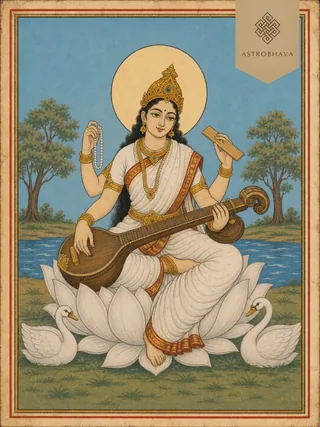
Sakalakalavalli Malai, also printed as Sakalakalavalli Maalai, the 'garland for Sakalakalavalli', is a Tamil decad of ten verses that the seventeenth-century Shaiva poet-saint Kumaraguruparar addressed to Saraswati, whom he names the mistress of all the arts. Each verse is in kattalai kalitturai, a four-line Tamil metre, and each ends on the same refrain, 'sakala kalavalliye'. The requests are those of a working poet. Verse 2 asks to be set to the service of singing the four kinds of poetry, rich in sense and in sound. Verse 4 asks for learning and abundant speech, and calls her the guardian of both Sanskrit lore and Tamil. Verse 6 asks that music, dance and verse come easily whenever he thinks of them, and verse 8 asks for avadhana, the art of holding many compositions in mind at once. Between the requests he pictures her as sugarcane, a golden creeper, a dancing peacock and a white swan. The tenth verse asks that kings bow before his song.
A Tamil monk at Dara Shukoh's court
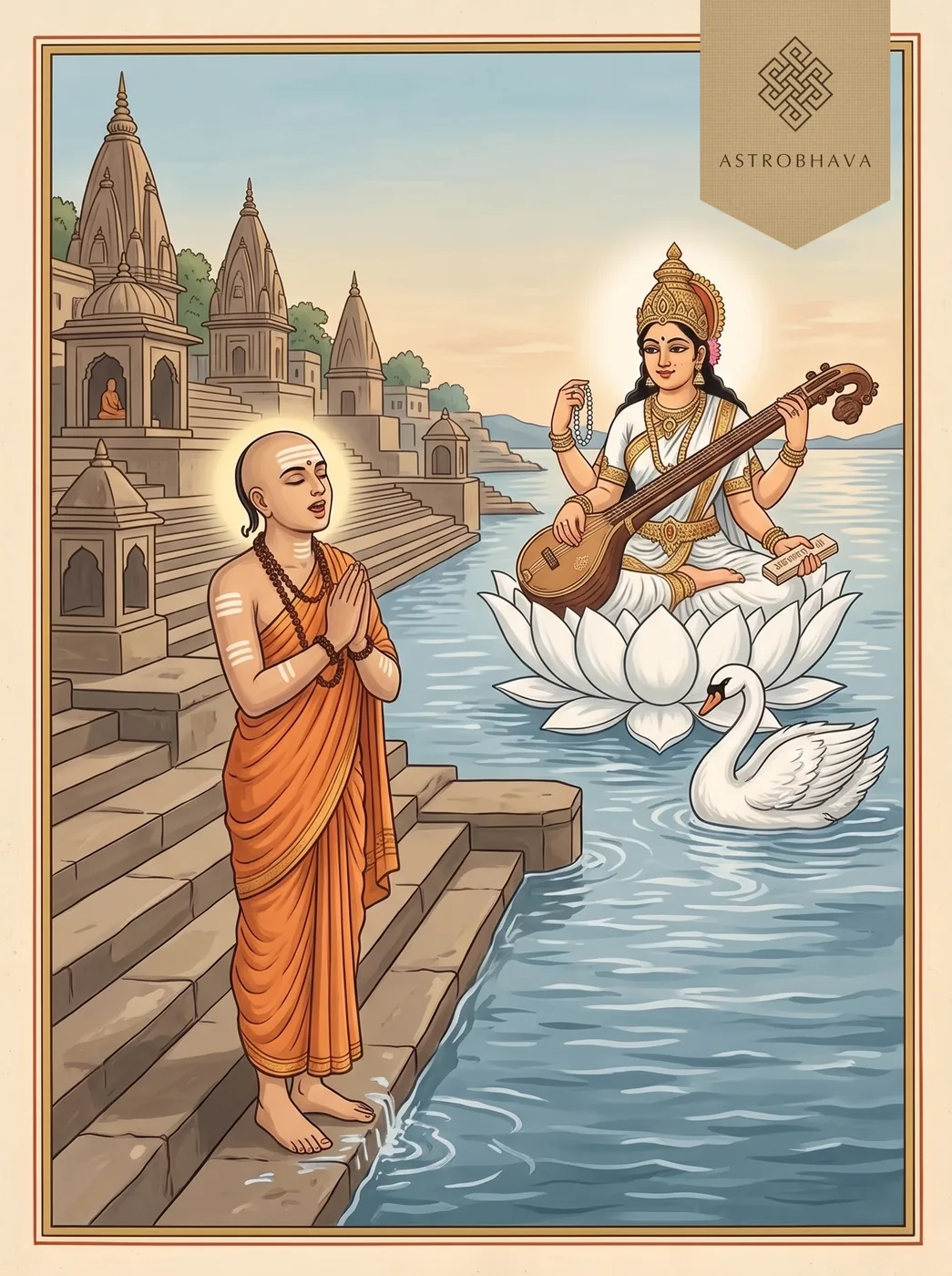
According to the traditional life of Kumaraguruparar, the hymn was sung at Kashi. His guru, Masilamani Desikar of the Dharmapuram monastery, had given him sannyasa and sent him north, and he reached the city around 1658, when the province was held by Dara Shukoh, son of the emperor Shah Jahan. Kumaraguruparar wanted land to restore the shrine of Kedareswarar and to found a monastery, but he knew only Tamil, and the account says the prince offered him no seat and would speak only in Hindustani, and only with someone he respected. Kumaraguruparar said he would return the next day. He bathed in the Ganga, meditated on Saraswati and sang these ten verses, and tradition holds that he came away able to speak Hindustani without having studied it. The story goes on that he rode into the court on a lion, and that the prince, now respectful, received him and heard him on Saiva Siddhanta. Asked for land, Dara is said to have replied that kites never flew over Kashi and offered whatever ground a kite circled; one circled the next day, and the Kumaraswamy Mutt at Kedar Ghat stands there. He stayed in Kashi until his death in 1688, teaching in Tamil and Hindustani.
The opening lines, in Tamil and English
- வெண்டா
- veṇṭā — to the white
- மரைக்கன்றி
- maraikkaṉṟi — lotus; not only to it
- நின்பதந்
- niṉpatan — your feet
- தாங்கவென்
- tāṅkaveṉ — to bear, my
- வெள்ளையுள்ளத்
- veḷḷaiyuḷḷat — pure white heart's
- தண்டா
- taṇṭā — cool
- மரைக்குத்
- maraikkut — lotus, for (it)
- தகாதுகொ
- takātuko — is it unfit
- லோசக
- lōcaka — (question); the worlds
- மேழுமளித்
- mēḻumaḷit — seven, guarding
- துண்டா
- tuṇṭā — and swallowing
- னுறங்க
- ṉuṟaṅka — (he who ate) sleeps
- வொழித்தான்பித்
- voḻittāṉpit — he who destroys, mad
- தாகவுண்
- tākavuṇ — being; creation
- டாக்கும்வண்ணம்
- ṭākkumvaṇṇam — (so) bringing about
- கண்டான்
- kaṇṭāṉ — he (Brahma) who beheld
- சுவைகொள்
- cuvaikoḷ — tasting
- கரும்பே
- karumpē — O sugarcane
- சகல
- cakala — all
- கலாவல்லியே
- kalāvalliyē — O mistress of the arts
Sakalakalavalli Malai lyrics in full
The ten verses in kattalai kalitturai metre, printed in the traditional joined metrical form.
All 40 lines, in Tamil and English, each with its meaning. Choose a script:
Download the Sakalakalavalli Malai PDFAll 40 lines with their meanings, in Tamil. Free to print and keep.
வெண்டா மரைக்கன்றி நின்பதந் தாங்கவென் வெள்ளையுள்ளத்
தண்டா மரைக்குத் தகாதுகொ லோசக மேழுமளித்
துண்டா னுறங்க வொழித்தான்பித் தாகவுண் டாக்கும்வண்ணம்
கண்டான் சுவைகொள் கரும்பே சகல கலாவல்லியே
veṇṭā maraikkaṉṟi niṉpatan tāṅkaveṉ veḷḷaiyuḷḷat
taṇṭā maraikkut takātuko lōcaka mēḻumaḷit
tuṇṭā ṉuṟaṅka voḻittāṉpit tākavuṇ ṭākkumvaṇṇam
kaṇṭāṉ cuvaikoḷ karumpē cakala kalāvalliyē
O Goddess, is the cool lotus of my pure white heart not fit to bear your feet, as the white lotus does? You are the sweet sugarcane tasted by Brahma, who goes on creating while Vishnu, having guarded and swallowed the seven worlds, sleeps and Shiva, who destroys them, roams like one possessed, O Sakalakalavalli, mistress of all the arts.
நாடும் பொருட்சுவை சொற்சுவை தோய்தர நாற்கவியும்
பாடும் பணியிற் பணித்தருள் வாய்பங்க யாசனத்திற்
கூடும் பசும்பொற் கொடியே கனதனக் குன்றுமைம்பாற்
காடுஞ் சுமக்குங் கரும்பே சகல கலாவல்லியே
nāṭum poruṭcuvai coṟcuvai tōytara nāṟkaviyum
pāṭum paṇiyiṟ paṇittaruḷ vāypaṅka yācaṉattiṟ
kūṭum pacumpoṟ koṭiyē kaṉataṉak kuṉṟumaimpāṟ
kāṭuñ cumakkuṅ karumpē cakala kalāvalliyē
Command me to the service of singing the four kinds of poetry, steeped in the flavour of meaning and the flavour of words that the learned seek. O fresh golden creeper seated on the lotus, O sugarcane who bears full breasts like hills and a forest of fivefold braided hair, O Sakalakalavalli.
அளிக்குஞ் செழுந்தமிழ்த் தெள்ளமு தார்ந்துன் னருட்கடலிற்
குளிக்கும் படிக்கென்று கூடுங்கொ லோவுளங் கொண்டுதெள்ளித்
தெளிக்கும் பனுவற் புலவோர் கவிமழை சிந்தக்கண்டு
களிக்குங் கலாப மயிலே சகல கலாவல்லியே
aḷikkuñ ceḻuntamiḻt teḷḷamu tārntuṉ ṉaruṭkaṭaliṟ
kuḷikkum paṭikkeṉṟu kūṭuṅko lōvuḷaṅ koṇṭuteḷḷit
teḷikkum paṉuvaṟ pulavōr kavimaḻai cintakkaṇṭu
kaḷikkuṅ kalāpa mayilē cakala kalāvalliyē
Will it ever come to pass that I drink the clear nectar of rich Tamil that you bestow and bathe in the ocean of your grace? O peacock with spread plumes, who dances for joy on seeing the rain of verse poured by poets who sift and refine their songs with care, O Sakalakalavalli.
தூக்கும் பனுவற் துறைதோய்ந்த கல்வியுஞ் சொற்சுவைதோய்
வாக்கும் பெருகப் பணித்தருள் வாய்வட நூற்கடலும்
தேக்குஞ் செழுந்தமிழ்ச் செல்வமுந் தொண்டர்செந் நாவினின்று
காக்குங் கருணைக் கடலே சகல கலாவல்லியே
tūkkum paṉuvaṟ tuṟaitōynta kalviyuñ coṟcuvaitōy
vākkum perukap paṇittaruḷ vāyvaṭa nūṟkaṭalum
tēkkuñ ceḻuntamiḻc celvamun toṇṭarcen nāviṉiṉṟu
kākkuṅ karuṇaik kaṭalē cakala kalāvalliyē
Grant in abundance learning steeped in the branches of weighty texts, and speech steeped in the sweetness of words. O ocean of compassion who dwells on the devoted tongues of your servants and from there guards both the vast sea of Sanskrit lore and the rich treasure of Tamil, O Sakalakalavalli.
பஞ்சப் பிதந்தரு செய்யபொற் பாதபங் கேருகமென்
நெஞ்சத் தடத்தல ராததென் னேநெடுந் தாட்கமலத்
தஞ்சத் துவச முயர்த்தோன்செந் நாவு மகமும்வெள்ளைக்
கஞ்சத் தவிசொத் திருந்தாய் சகல கலாவல்லியே
pañcap pitantaru ceyyapoṟ pātapaṅ kērukameṉ
neñcat taṭattala rātateṉ ṉēneṭun tāṭkamalat
tañcat tuvaca muyarttōṉcen nāvu makamumveḷḷaik
kañcat tavicot tiruntāy cakala kalāvalliyē
Why do your red, golden lotus feet, soft and soothing as cotton, not blossom in the pond of my heart? You dwell on the tongue and in the heart of Brahma, who raises the swan banner and sits on the long-stemmed lotus, as on your own white lotus seat, O Sakalakalavalli.
பண்ணும் பரதமுங் கல்வியுந் தீஞ்சொற் பனுவலும்யான்
எண்ணும் பொழுதெளி தெய்தநல் காயெழு தாமறையும்
விண்ணும் புவியும் புனலுங் கனலும்வெங் காலுமன்பர்
கண்ணுங் கருத்து நிறைந்தாய் சகல கலாவல்லியே
paṇṇum paratamuṅ kalviyun tīñcoṟ paṉuvalumyāṉ
eṇṇum poḻuteḷi teytanal kāyeḻu tāmaṟaiyum
viṇṇum puviyum puṉaluṅ kaṉalumveṅ kālumaṉpar
kaṇṇuṅ karuttu niṟaintāy cakala kalāvalliyē
Grant that music, dance, learning and verses of sweet words come to me easily whenever I think of them. You pervade the unwritten Veda, the sky, the earth, water, fire and the fierce wind, and fill the eyes and the minds of those who love you, O Sakalakalavalli.
பாட்டும் பொருளும் பொருளாற் பொருந்தும் பயனுமென்பாற்
கூட்டும் படிநின் கடைக்கணல் காயுளங் கொண்டுதொண்டர்
தீட்டுங் கலைத்தமிழ்த் தீம்பா லமுதந் தெளிக்கும்வண்ணம்
காட்டும்வெள் ளோதிமப் பேடே சகல கலாவல்லியே
pāṭṭum poruḷum poruḷāṟ poruntum payaṉumeṉpāṟ
kūṭṭum paṭiniṉ kaṭaikkaṇal kāyuḷaṅ koṇṭutoṇṭar
tīṭṭuṅ kalaittamiḻt tīmpā lamutan teḷikkumvaṇṇam
kāṭṭumveḷ ḷōtimap pēṭē cakala kalāvalliyē
Grant me your side-glance, so that poetry, its meaning, and the fruit that comes from that meaning are joined in me. O white female swan, who shows how to draw out the sweet milk-nectar from the artful Tamil that your devotees write with care, O Sakalakalavalli.
சொல்விற் பனமு மவதான முங்கவி சொல்லவல்ல
நல்வித்தை யுந்தந் தடிமைகொள் வாய்நளி னாசனஞ்சேர்
செல்விக் கரிதென் றொருகால முஞ்சிதை யாமைநல்கும்
கல்விப் பெருஞ்செல்வப் பேறே சகல கலாவல்லியே
colviṟ paṉamu mavatāṉa muṅkavi collavalla
nalvittai yuntan taṭimaikoḷ vāynaḷi ṉācaṉañcēr
celvik kariteṉ ṟorukāla muñcitai yāmainalkum
kalvip peruñcelvap pēṟē cakala kalāvalliyē
Take me as your servant and give me mastery of words, the art of avadhana (holding many things in mind at once), and the good learning that can compose poetry. O gift of the great wealth of learning, which never perishes at any time and is beyond even Lakshmi seated on the lotus to give, O Sakalakalavalli.
சொற்கும் பொருட்கு முயிராமெய்ஞ் ஞானத்தின் றோற்றமென்ன
நிற்கின்ற நின்னை நினைப்பவர் யார்நிலந் தோய்புழைக்கை
நற்குஞ் சரத்தின் பிடியோ டரசன்ன நாணநடை
கற்கும் பதாம்புயத் தாயே சகல கலாவல்லியே
coṟkum poruṭku muyirāmeyñ ñāṉattiṉ ṟōṟṟameṉṉa
niṟkiṉṟa niṉṉai niṉaippavar yārnilan tōypuḻaikkai
naṟkuñ carattiṉ piṭiyō ṭaracaṉṉa nāṇanaṭai
kaṟkum patāmpuyat tāyē cakala kalāvalliyē
Who can truly conceive of you, who stand as the very form of true knowledge, the life of word and of meaning? O Mother whose lotus feet move with a gait that the noble she-elephant, her trunk touching the ground, and the royal swan try to learn and are put to shame, O Sakalakalavalli.
மண்கண்ட வெண்குடைக் கீழாக மேற்பட்ட மன்னருமென்
பண்கண் டளவிற் பணியச்செய் வாய்படைப் போன்முதலாம்
விண்கண்ட தெய்வம்பல் கோடியுண் டேனும் விளம்பிலுன்போற்
கண்கண்ட தெய்வ முளதோ சகல கலாவல்லியே
maṇkaṇṭa veṇkuṭaik kīḻāka mēṟpaṭṭa maṉṉarumeṉ
paṇkaṇ ṭaḷaviṟ paṇiyaccey vāypaṭaip pōṉmutalām
viṇkaṇṭa teyvampal kōṭiyuṇ ṭēṉum viḷampiluṉpōṟ
kaṇkaṇṭa teyva muḷatō cakala kalāvalliyē
Make even the mightiest kings, under whose white parasol the earth rests, bow to me the moment they see my song. Though there are countless gods in heaven, beginning with Brahma the creator, if the truth be told, is there any god so plainly seen and felt as you, O Sakalakalavalli?
The syllable people get wrong
The refrain word கலாவல்லியே, kalāvalliyē, is often flattened to 'kala-valli-ye': the second syllable is a long ā and carries the weight, the ll is doubled and held, and the final ē is a long 'ay', so say 'ka-LAA-val-li-yay'.
When the Sakalakalavalli Malai is chanted
Weekday. Friday
Festival. Saraswati Puja and Vijayadashami
Questions
Have your chart read before you decide
Chanting is yours to do, and free. But which deity your situation calls for — and whether a mantra alone is the right response — depends on your chart. Sometimes it is; sometimes it is not.
- Over 30 years in the Guru–Sishya Parampara, from the age of five
- He reads every chart himself — 60 minutes, one to one, never delegated
- Charts are read only between sunrise and sunset, following tradition
