Sankat Mochan Hanuman Ashtak
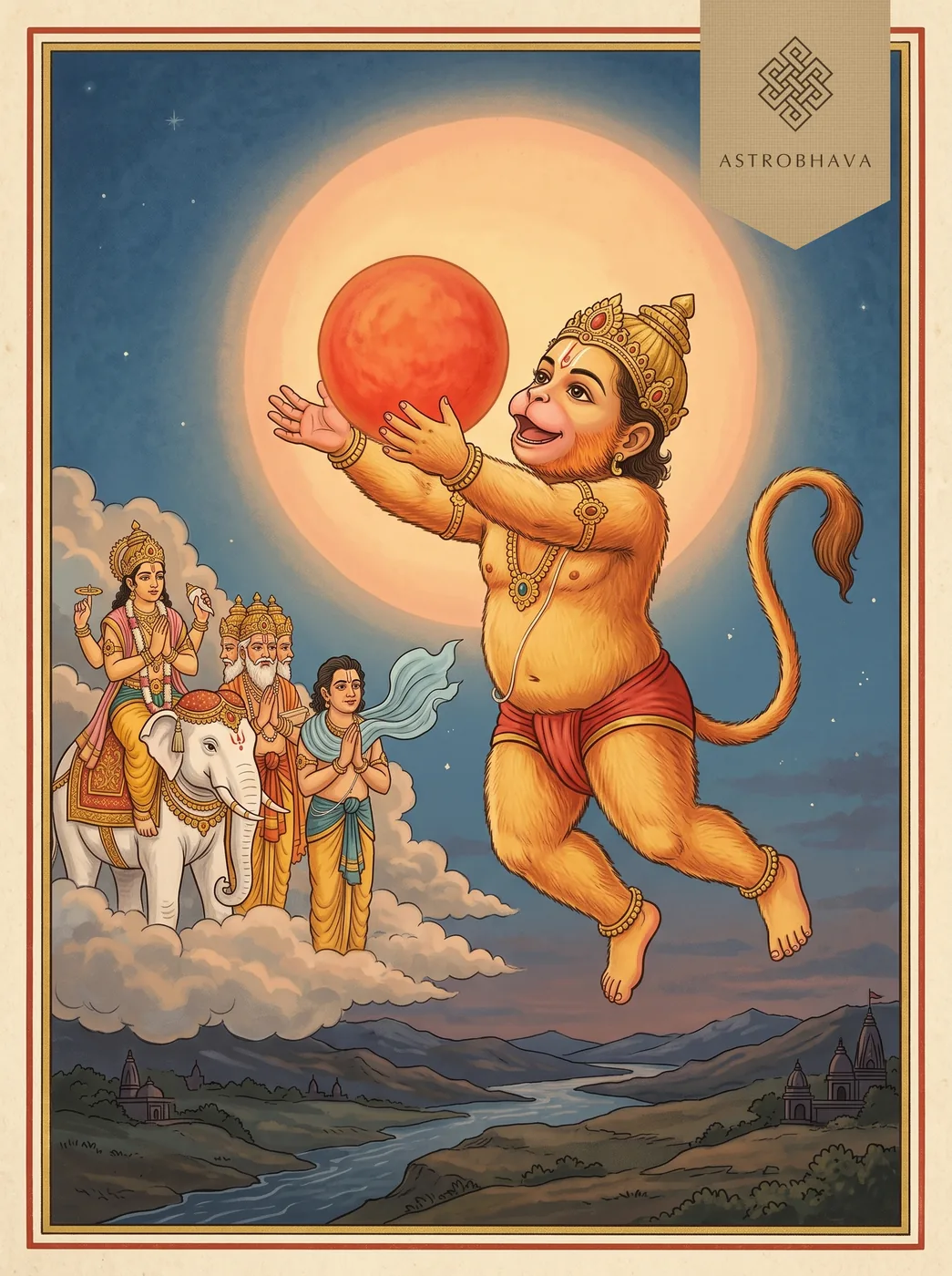
बाल समय रबि भक्षि लियो तब तीनहुँ लोक भयो अँधियारो । ताहि सों त्रास भयो जग को यह संकट काहु सों जात न टारो ॥ देवन आनि करी बिनती तब छाँड़ि दियो रबि कष्ट निवारो । को नहिं जानत है जग में कपि संकटमोचन नाम तिहारो ॥Also known as Hanuman Ashtak
In Devanagari, Tamil, Telugu, Kannada, Malayalam and English — with the meaning of every word, and the one syllable most people pronounce wrongly.
 The Hanuman Homa, performed for youBook →
What the Sankat Mochan Hanuman Ashtak is
The Sankat Mochan Hanuman Ashtak, printed in Hindi as Sankatmochan Hanumanashtak, is a set of eight stanzas addressed to Hanuman as the remover of trouble, closed by a single doha. It is traditionally attributed to Goswami Tulsidas and is written in the Awadhi and Braj speech of his time, in the long savaiya metre called mattagayanda. Each stanza tells one crisis and how Hanuman ended it: the swallowed sun, Sugriva hiding from Vali, the search party facing death on the shore, Sita in the Ashoka grove, Lakshmana struck down, the army bound by serpent arrows, and Rama and Lakshmana carried to the netherworld by Ahiravana. Every stanza closes on the same fourth line, asking who in the world does not know the name Sankat Mochan. The eighth stanza turns from the epic to the reciter, asking what trouble of 'this poor one' could be beyond him. The doha praises his red, thunderbolt-hard body.
A name shared with a shrine on the Assi
The ashtak takes its title from an epithet that, in Varanasi, belongs to one particular temple. According to tradition, Tulsidas had a vision of Hanuman beside the Assi river and established a shrine there to Hanuman as Sankat Mochan, the reliever of troubles; temple tradition also holds that he worked on the Ramcharitmanas at that spot. The temple, set in a wooded compound full of monkeys, still draws its largest crowds on Tuesdays and Saturdays, and on Hanuman Jayanti groups sing the Ramayana through the night. Devotional custom joins the hymn and the shrine by that shared name, though no early record states where the ashtak was composed. The attribution itself is traditional: the hymn does not appear among the twelve works that the Nagari Pracharini Sabha of Kashi published as Tulsidas's core canon, and it is found instead in the longer lists of works ascribed to him. The stanzas assume a listener who already knows the Ramayana. Stanza 2, for example, mentions only that a startled sage laid a curse; the reader is expected to remember that the sage Matanga barred Vali from the hill Rishyamuka after Vali flung the body of a slain demon onto the sage's sacrificial fire, which is why Sugriva could hide there.
The mantra, in six scripts
- बाल
- bāla — childhood
- समय
- samaya — at the time of
- रबि
- rabi — the sun
- भक्षि
- bhakṣi — swallowing
- लियो
- liyo — you took
- तब
- taba — then
- तीनहुँ
- tīnahuṃ — all three
- लोक
- loka — worlds
- भयो
- bhayo — became
- अँधियारो
- aṃdhiyāro — dark
- ताहि
- tāhi — that
- सों
- soṃ — from
- त्रास
- trāsa — terror
- भयो
- bhayo — arose
- जग
- jaga — the world
- को
- ko — for
- यह
- yaha — this
- संकट
- saṃkaṭa — calamity
- काहु
- kāhu — anyone
- सों
- soṃ — by
- जात
- jāta — could be
- न
- na — not
- टारो
- ṭāro — averted
Sankat Mochan Hanuman Ashtak lyrics in full
Eight savaiya stanzas, each with its full refrain as sung, and the closing doha.
All 9 verses, in Hindi, Tamil, Telugu, Kannada, Malayalam and English, each with its meaning. Choose a script:
Download the Sankat Mochan Hanuman Ashtak PDFAll 9 verses with their meanings, in Hindi. Free to print and keep.
बाल समय रबि भक्षि लियो तब तीनहुँ लोक भयो अँधियारो ।
ताहि सों त्रास भयो जग को यह संकट काहु सों जात न टारो ॥
देवन आनि करी बिनती तब छाँड़ि दियो रबि कष्ट निवारो ।
को नहिं जानत है जग में कपि संकटमोचन नाम तिहारो ॥
பால ஸமய ரபி பக்ஷி லியோ தப தீநஹும் லோக பயோ அம்தியாரோ ।
தாஹி ஸோம் த்ராஸ பயோ ஜக கோ யஹ ஸம்கட காஹு ஸோம் ஜாத ந டாரோ ॥
தேவந ஆநி கரீ பிநதீ தப சாம்டி தியோ ரபி கஷ்ட நிவாரோ ।
கோ நஹிம் ஜாநத ஹை ஜக மேம் கபி ஸம்கடமோசந நாம திஹாரோ ॥
బాల సమయ రబి భక్షి లియో తబ తీనహుఁ లోక భయో అఁధియారో ।
తాహి సోం త్రాస భయో జగ కో యహ సంకట కాహు సోం జాత న టారో ॥
దేవన ఆని కరీ బినతీ తబ ఛాఁడి దియో రబి కష్ట నివారో ।
కో నహిం జానత హై జగ మేం కపి సంకటమోచన నామ తిహారో ॥
ಬಾಲ ಸಮಯ ರಬಿ ಭಕ್ಷಿ ಲಿಯೋ ತಬ ತೀನಹುಁ ಲೋಕ ಭಯೋ ಅಁಧಿಯಾರೋ ।
ತಾಹಿ ಸೋಂ ತ್ರಾಸ ಭಯೋ ಜಗ ಕೋ ಯಹ ಸಂಕಟ ಕಾಹು ಸೋಂ ಜಾತ ನ ಟಾರೋ ॥
ದೇವನ ಆನಿ ಕರೀ ಬಿನತೀ ತಬ ಛಾಁಡಿ ದಿಯೋ ರಬಿ ಕಷ್ಟ ನಿವಾರೋ ।
ಕೋ ನಹಿಂ ಜಾನತ ಹೈ ಜಗ ಮೇಂ ಕಪಿ ಸಂಕಟಮೋಚನ ನಾಮ ತಿಹಾರೋ ॥
ബാല സമയ രബി ഭക്ഷി ലിയോ തബ തീനഹുഁ ലോക ഭയോ അഁധിയാരോ ।
താഹി സോം ത്രാസ ഭയോ ജഗ കോ യഹ സംകട കാഹു സോം ജാത ന ടാരോ ॥
ദേവന ആനി കരീ ബിനതീ തബ ഛാഁഡി ദിയോ രബി കഷ്ട നിവാരോ ।
കോ നഹിം ജാനത ഹൈ ജഗ മേം കപി സംകടമോചന നാമ തിഹാരോ ॥
bāla samaya rabi bhakṣi liyo taba tīnahuṃ loka bhayo aṃdhiyāro |
tāhi soṃ trāsa bhayo jaga ko yaha saṃkaṭa kāhu soṃ jāta na ṭāro ||
devana āni karī binatī taba chāṃṛi diyo rabi kaṣṭa nivāro |
ko nahiṃ jānata hai jaga meṃ kapi saṃkaṭamocana nāma tihāro ||
When as a child you swallowed the sun, darkness fell over the three worlds and the whole world was struck with fear; no one could remove this calamity. Then the gods came and pleaded with you, and you released the sun and ended their distress. Who in the world does not know your name, O Monkey, as Sankat Mochan, the remover of troubles?
बालि की त्रास कपीस बसै गिरि जात महाप्रभु पंथ निहारो ।
चौंकि महा मुनि साप दियो तब चाहिय कौन बिचार बिचारो ॥
कै द्विज रूप लिवाय महाप्रभु सो तुम दास के सोक निवारो ।
को नहिं जानत है जग में कपि संकटमोचन नाम तिहारो ॥
பாலி கீ த்ராஸ கபீஸ பஸை கிரி ஜாத மஹாப்ரபு பம்த நிஹாரோ ।
சௌம்கி மஹா முநி ஸாப தியோ தப சாஹிய கௌந பிசார பிசாரோ ॥
கை த்விஜ ரூப லிவாய மஹாப்ரபு ஸோ தும தாஸ கே ஸோக நிவாரோ ।
கோ நஹிம் ஜாநத ஹை ஜக மேம் கபி ஸம்கடமோசந நாம திஹாரோ ॥
బాలి కీ త్రాస కపీస బసై గిరి జాత మహాప్రభు పంథ నిహారో ।
చౌంకి మహా ముని సాప దియో తబ చాహియ కౌన బిచార బిచారో ॥
కై ద్విజ రూప లివాయ మహాప్రభు సో తుమ దాస కే సోక నివారో ।
కో నహిం జానత హై జగ మేం కపి సంకటమోచన నామ తిహారో ॥
ಬಾಲಿ ಕೀ ತ್ರಾಸ ಕಪೀಸ ಬಸೈ ಗಿರಿ ಜಾತ ಮಹಾಪ್ರಭು ಪಂಥ ನಿಹಾರೋ ।
ಚೌಂಕಿ ಮಹಾ ಮುನಿ ಸಾಪ ದಿಯೋ ತಬ ಚಾಹಿಯ ಕೌನ ಬಿಚಾರ ಬಿಚಾರೋ ॥
ಕೈ ದ್ವಿಜ ರೂಪ ಲಿವಾಯ ಮಹಾಪ್ರಭು ಸೋ ತುಮ ದಾಸ ಕೇ ಸೋಕ ನಿವಾರೋ ।
ಕೋ ನಹಿಂ ಜಾನತ ಹೈ ಜಗ ಮೇಂ ಕಪಿ ಸಂಕಟಮೋಚನ ನಾಮ ತಿಹಾರೋ ॥
ബാലി കീ ത്രാസ കപീസ ബസൈ ഗിരി ജാത മഹാപ്രഭു പംഥ നിഹാരോ ।
ചൌംകി മഹാ മുനി സാപ ദിയോ തബ ചാഹിയ കൌന ബിചാര ബിചാരോ ॥
കൈ ദ്വിജ രൂപ ലിവായ മഹാപ്രഭു സോ തുമ ദാസ കേ സോക നിവാരോ ।
കോ നഹിം ജാനത ഹൈ ജഗ മേം കപി സംകടമോചന നാമ തിഹാരോ ॥
bāli kī trāsa kapīsa basai giri jāta mahāprabhu paṃtha nihāro |
cauṃki mahā muni sāpa diyo taba cāhiya kauna bicāra bicāro ||
kai dvija rūpa livāya mahāprabhu so tuma dāsa ke soka nivāro |
ko nahiṃ jānata hai jaga meṃ kapi saṃkaṭamocana nāma tihāro ||
In fear of Vali, the monkey king Sugriva lived on the mountain, watching the road for the coming of the Lord. Because the great sage, startled, had laid a curse on Vali (barring him from that mountain), Sugriva wondered what course to take. Taking the form of a Brahmin, you brought the Lord to him and so ended the grief of your servant. Who in the world does not know your name, O Monkey, as Sankat Mochan?
अंगद के सँग लेन गये सिय खोज कपीस यह बैन उचारो ।
जीवत ना बचिहौ हम सो जु बिना सुधि लाए इहाँ पगु धारो ॥
हेरि थके तट सिंधु सबै तब लाय सिया-सुधि प्रान उबारो ।
को नहिं जानत है जग में कपि संकटमोचन नाम तिहारो ॥
அம்கத கே ஸம்க லேந கயே ஸிய கோஜ கபீஸ யஹ பைந உசாரோ ।
ஜீவத நா பசிஹௌ ஹம ஸோ ஜு பிநா ஸுதி லாஏ இஹாம் பகு தாரோ ॥
ஹேரி தகே தட ஸிம்து ஸபை தப லாய ஸியா-ஸுதி ப்ராந உபாரோ ।
கோ நஹிம் ஜாநத ஹை ஜக மேம் கபி ஸம்கடமோசந நாம திஹாரோ ॥
అంగద కే సఁగ లేన గయే సియ ఖోజ కపీస యహ బైన ఉచారో ।
జీవత నా బచిహౌ హమ సో జు బినా సుధి లాఏ ఇహాఁ పగు ధారో ॥
హేరి థకే తట సింధు సబై తబ లాయ సియా-సుధి ప్రాన ఉబారో ।
కో నహిం జానత హై జగ మేం కపి సంకటమోచన నామ తిహారో ॥
ಅಂಗದ ಕೇ ಸಁಗ ಲೇನ ಗಯೇ ಸಿಯ ಖೋಜ ಕಪೀಸ ಯಹ ಬೈನ ಉಚಾರೋ ।
ಜೀವತ ನಾ ಬಚಿಹೌ ಹಮ ಸೋ ಜು ಬಿನಾ ಸುಧಿ ಲಾಏ ಇಹಾಁ ಪಗು ಧಾರೋ ॥
ಹೇರಿ ಥಕೇ ತಟ ಸಿಂಧು ಸಬೈ ತಬ ಲಾಯ ಸಿಯಾ-ಸುಧಿ ಪ್ರಾನ ಉಬಾರೋ ।
ಕೋ ನಹಿಂ ಜಾನತ ಹೈ ಜಗ ಮೇಂ ಕಪಿ ಸಂಕಟಮೋಚನ ನಾಮ ತಿಹಾರೋ ॥
അംഗദ കേ സഁഗ ലേന ഗയേ സിയ ഖോജ കപീസ യഹ ബൈന ഉചാരോ ।
ജീവത നാ ബചിഹൌ ഹമ സോ ജു ബിനാ സുധി ലാഏ ഇഹാഁ പഗു ധാരോ ॥
ഹേരി ഥകേ തട സിംധു സബൈ തബ ലായ സിയാ-സുധി പ്രാന ഉബാരോ ।
കോ നഹിം ജാനത ഹൈ ജഗ മേം കപി സംകടമോചന നാമ തിഹാരോ ॥
aṃgada ke saṃga lena gaye siya khoja kapīsa yaha baina ucāro |
jīvata nā bacihau hama so ju binā sudhi lāe ihāṃ pagu dhāro ||
heri thake taṭa siṃdhu sabai taba lāya siyā-sudhi prāna ubāro |
ko nahiṃ jānata hai jaga meṃ kapi saṃkaṭamocana nāma tihāro ||
You went with Angada to search for Sita, and the monkey king Sugriva declared: whoever sets foot here without news of her will not escape alive. When all had searched until they were exhausted on the shore of the ocean, you brought news of Sita and saved their lives. Who in the world does not know your name, O Monkey, as Sankat Mochan?
रावन त्रास दई सिय को सब राक्षसि सों कहि सोक निवारो ।
ताहि समय हनुमान महाप्रभु जाय महा रजनीचर मारो ॥
चाहत सीय असोक सों आगि सु दै प्रभु मुद्रिका सोक निवारो ।
को नहिं जानत है जग में कपि संकटमोचन नाम तिहारो ॥
ராவந த்ராஸ தஈ ஸிய கோ ஸப ராக்ஷஸி ஸோம் கஹி ஸோக நிவாரோ ।
தாஹி ஸமய ஹநுமாந மஹாப்ரபு ஜாய மஹா ரஜநீசர மாரோ ॥
சாஹத ஸீய அஸோக ஸோம் ஆகி ஸு தை ப்ரபு முத்ரிகா ஸோக நிவாரோ ।
கோ நஹிம் ஜாநத ஹை ஜக மேம் கபி ஸம்கடமோசந நாம திஹாரோ ॥
రావన త్రాస దఈ సియ కో సబ రాక్షసి సోం కహి సోక నివారో ।
తాహి సమయ హనుమాన మహాప్రభు జాయ మహా రజనీచర మారో ॥
చాహత సీయ అసోక సోం ఆగి సు దై ప్రభు ముద్రికా సోక నివారో ।
కో నహిం జానత హై జగ మేం కపి సంకటమోచన నామ తిహారో ॥
ರಾವನ ತ್ರಾಸ ದಈ ಸಿಯ ಕೋ ಸಬ ರಾಕ್ಷಸಿ ಸೋಂ ಕಹಿ ಸೋಕ ನಿವಾರೋ ।
ತಾಹಿ ಸಮಯ ಹನುಮಾನ ಮಹಾಪ್ರಭು ಜಾಯ ಮಹಾ ರಜನೀಚರ ಮಾರೋ ॥
ಚಾಹತ ಸೀಯ ಅಸೋಕ ಸೋಂ ಆಗಿ ಸು ದೈ ಪ್ರಭು ಮುದ್ರಿಕಾ ಸೋಕ ನಿವಾರೋ ।
ಕೋ ನಹಿಂ ಜಾನತ ಹೈ ಜಗ ಮೇಂ ಕಪಿ ಸಂಕಟಮೋಚನ ನಾಮ ತಿಹಾರೋ ॥
രാവന ത്രാസ ദഈ സിയ കോ സബ രാക്ഷസി സോം കഹി സോക നിവാരോ ।
താഹി സമയ ഹനുമാന മഹാപ്രഭു ജായ മഹാ രജനീചര മാരോ ॥
ചാഹത സീയ അസോക സോം ആഗി സു ദൈ പ്രഭു മുദ്രികാ സോക നിവാരോ ।
കോ നഹിം ജാനത ഹൈ ജഗ മേം കപി സംകടമോചന നാമ തിഹാരോ ॥
rāvana trāsa daī siya ko saba rākṣasi soṃ kahi soka nivāro |
tāhi samaya hanumāna mahāprabhu jāya mahā rajanīcara māro ||
cāhata sīya asoka soṃ āgi su dai prabhu mudrikā soka nivāro |
ko nahiṃ jānata hai jaga meṃ kapi saṃkaṭamocana nāma tihāro ||
Ravana tormented Sita and told all the demonesses to talk her out of her grief and win her over. At that time, great lord Hanuman, you went and slew mighty night-roaming demons. When Sita begged the Ashoka tree for fire to end her life, you gave her the Lord's ring and took away her sorrow. Who in the world does not know your name, O Monkey, as Sankat Mochan?
बान लग्यो उर लछिमन के तब प्रान तजे सुत रावन मारो ।
लै गृह बैद्य सुषेन समेत तबै गिरि द्रोन सु बीर उपारो ॥
आनि सजीवन हाथ दई तब लछिमन के तुम प्रान उबारो ।
को नहिं जानत है जग में कपि संकटमोचन नाम तिहारो ॥
பாந லக்யோ உர லசிமந கே தப ப்ராந தஜே ஸுத ராவந மாரோ ।
லை க்ருஹ பைத்ய ஸுஷேந ஸமேத தபை கிரி த்ரோந ஸு பீர உபாரோ ॥
ஆநி ஸஜீவந ஹாத தஈ தப லசிமந கே தும ப்ராந உபாரோ ।
கோ நஹிம் ஜாநத ஹை ஜக மேம் கபி ஸம்கடமோசந நாம திஹாரோ ॥
బాన లగ్యో ఉర లఛిమన కే తబ ప్రాన తజే సుత రావన మారో ।
లై గృహ బైద్య సుషేన సమేత తబై గిరి ద్రోన సు బీర ఉపారో ॥
ఆని సజీవన హాథ దఈ తబ లఛిమన కే తుమ ప్రాన ఉబారో ।
కో నహిం జానత హై జగ మేం కపి సంకటమోచన నామ తిహారో ॥
ಬಾನ ಲಗ್ಯೋ ಉರ ಲಛಿಮನ ಕೇ ತಬ ಪ್ರಾನ ತಜೇ ಸುತ ರಾವನ ಮಾರೋ ।
ಲೈ ಗೃಹ ಬೈದ್ಯ ಸುಷೇನ ಸಮೇತ ತಬೈ ಗಿರಿ ದ್ರೋನ ಸು ಬೀರ ಉಪಾರೋ ॥
ಆನಿ ಸಜೀವನ ಹಾಥ ದಈ ತಬ ಲಛಿಮನ ಕೇ ತುಮ ಪ್ರಾನ ಉಬಾರೋ ।
ಕೋ ನಹಿಂ ಜಾನತ ಹೈ ಜಗ ಮೇಂ ಕಪಿ ಸಂಕಟಮೋಚನ ನಾಮ ತಿಹಾರೋ ॥
ബാന ലഗ്യോ ഉര ലഛിമന കേ തബ പ്രാന തജേ സുത രാവന മാരോ ।
ലൈ ഗൃഹ ബൈദ്യ സുഷേന സമേത തബൈ ഗിരി ദ്രോന സു ബീര ഉപാരോ ॥
ആനി സജീവന ഹാഥ ദഈ തബ ലഛിമന കേ തുമ പ്രാന ഉബാരോ ।
കോ നഹിം ജാനത ഹൈ ജഗ മേം കപി സംകടമോചന നാമ തിഹാരോ ॥
bāna lagyo ura lachimana ke taba prāna taje suta rāvana māro |
lai gṛha baidya suṣena sameta tabai giri drona su bīra upāro ||
āni sajīvana hātha daī taba lachimana ke tuma prāna ubāro |
ko nahiṃ jānata hai jaga meṃ kapi saṃkaṭamocana nāma tihāro ||
When the arrow struck Lakshmana's chest and he lay near death, struck by Ravana's son, you, O hero, carried off the physician Sushena with his very house and uprooted the Drona mountain. You brought the Sanjivani herb and placed it in his hands, and so saved Lakshmana's life. Who in the world does not know your name, O Monkey, as Sankat Mochan?
रावन जुद्ध अजान कियो तब नाग कि फाँस सबै सिर डारो ।
श्रीरघुनाथ समेत सबै दल मोह भयो यह संकट भारो ॥
आनि खगेस तबै हनुमान जु बंधन काटि सुत्रास निवारो ।
को नहिं जानत है जग में कपि संकटमोचन नाम तिहारो ॥
ராவந ஜுத்த அஜாந கியோ தப நாக கி பாம்ஸ ஸபை ஸிர டாரோ ।
ஶ்ரீரகுநாத ஸமேத ஸபை தல மோஹ பயோ யஹ ஸம்கட பாரோ ॥
ஆநி ககேஸ தபை ஹநுமாந ஜு பம்தந காடி ஸுத்ராஸ நிவாரோ ।
கோ நஹிம் ஜாநத ஹை ஜக மேம் கபி ஸம்கடமோசந நாம திஹாரோ ॥
రావన జుద్ధ అజాన కియో తబ నాగ కి ఫాఁస సబై సిర డారో ।
శ్రీరఘునాథ సమేత సబై దల మోహ భయో యహ సంకట భారో ॥
ఆని ఖగేస తబై హనుమాన జు బంధన కాటి సుత్రాస నివారో ।
కో నహిం జానత హై జగ మేం కపి సంకటమోచన నామ తిహారో ॥
ರಾವನ ಜುದ್ಧ ಅಜಾನ ಕಿಯೋ ತಬ ನಾಗ ಕಿ ಫಾಁಸ ಸಬೈ ಸಿರ ಡಾರೋ ।
ಶ್ರೀರಘುನಾಥ ಸಮೇತ ಸಬೈ ದಲ ಮೋಹ ಭಯೋ ಯಹ ಸಂಕಟ ಭಾರೋ ॥
ಆನಿ ಖಗೇಸ ತಬೈ ಹನುಮಾನ ಜು ಬಂಧನ ಕಾಟಿ ಸುತ್ರಾಸ ನಿವಾರೋ ।
ಕೋ ನಹಿಂ ಜಾನತ ಹೈ ಜಗ ಮೇಂ ಕಪಿ ಸಂಕಟಮೋಚನ ನಾಮ ತಿಹಾರೋ ॥
രാവന ജുദ്ധ അജാന കിയോ തബ നാഗ കി ഫാഁസ സബൈ സിര ഡാരോ ।
ശ്രീരഘുനാഥ സമേത സബൈ ദല മോഹ ഭയോ യഹ സംകട ഭാരോ ॥
ആനി ഖഗേസ തബൈ ഹനുമാന ജു ബംധന കാടി സുത്രാസ നിവാരോ ।
കോ നഹിം ജാനത ഹൈ ജഗ മേം കപി സംകടമോചന നാമ തിഹാരോ ॥
rāvana juddha ajāna kiyo taba nāga ki phāṃsa sabai sira ḍāro |
śrīraghunātha sameta sabai dala moha bhayo yaha saṃkaṭa bhāro ||
āni khagesa tabai hanumāna ju baṃdhana kāṭi sutrāsa nivāro |
ko nahiṃ jānata hai jaga meṃ kapi saṃkaṭamocana nāma tihāro ||
When Ravana fought a treacherous battle, he cast the noose of serpents over everyone. Sri Raghunatha and the whole army fell senseless, a heavy calamity. Then you, Hanuman, brought Garuda, lord of birds, who cut the bonds and ended the terror. Who in the world does not know your name, O Monkey, as Sankat Mochan?
बंधु समेत जबै अहिरावन लै रघुनाथ पताल सिधारो ।
देबिहिं पूजि भली बिधि सों बलि देउ सबै मिलि मंत्र बिचारो ॥
जाय सहाय भयो तब ही अहिरावन सैन्य समेत सँहारो ।
को नहिं जानत है जग में कपि संकटमोचन नाम तिहारो ॥
பம்து ஸமேத ஜபை அஹிராவந லை ரகுநாத பதால ஸிதாரோ ।
தேபிஹிம் பூஜி பலீ பிதி ஸோம் பலி தேஉ ஸபை மிலி மம்த்ர பிசாரோ ॥
ஜாய ஸஹாய பயோ தப ஹீ அஹிராவந ஸைந்ய ஸமேத ஸம்ஹாரோ ।
கோ நஹிம் ஜாநத ஹை ஜக மேம் கபி ஸம்கடமோசந நாம திஹாரோ ॥
బంధు సమేత జబై అహిరావన లై రఘునాథ పతాల సిధారో ।
దేబిహిం పూజి భలీ బిధి సోం బలి దేఉ సబై మిలి మంత్ర బిచారో ॥
జాయ సహాయ భయో తబ హీ అహిరావన సైన్య సమేత సఁహారో ।
కో నహిం జానత హై జగ మేం కపి సంకటమోచన నామ తిహారో ॥
ಬಂಧು ಸಮೇತ ಜಬೈ ಅಹಿರಾವನ ಲೈ ರಘುನಾಥ ಪತಾಲ ಸಿಧಾರೋ ।
ದೇಬಿಹಿಂ ಪೂಜಿ ಭಲೀ ಬಿಧಿ ಸೋಂ ಬಲಿ ದೇಉ ಸಬೈ ಮಿಲಿ ಮಂತ್ರ ಬಿಚಾರೋ ॥
ಜಾಯ ಸಹಾಯ ಭಯೋ ತಬ ಹೀ ಅಹಿರಾವನ ಸೈನ್ಯ ಸಮೇತ ಸಁಹಾರೋ ।
ಕೋ ನಹಿಂ ಜಾನತ ಹೈ ಜಗ ಮೇಂ ಕಪಿ ಸಂಕಟಮೋಚನ ನಾಮ ತಿಹಾರೋ ॥
ബംധു സമേത ജബൈ അഹിരാവന ലൈ രഘുനാഥ പതാല സിധാരോ ।
ദേബിഹിം പൂജി ഭലീ ബിധി സോം ബലി ദേഉ സബൈ മിലി മംത്ര ബിചാരോ ॥
ജായ സഹായ ഭയോ തബ ഹീ അഹിരാവന സൈന്യ സമേത സഁഹാരോ ।
കോ നഹിം ജാനത ഹൈ ജഗ മേം കപി സംകടമോചന നാമ തിഹാരോ ॥
baṃdhu sameta jabai ahirāvana lai raghunātha patāla sidhāro |
debihiṃ pūji bhalī bidhi soṃ bali deu sabai mili maṃtra bicāro ||
jāya sahāya bhayo taba hī ahirāvana sainya sameta saṃhāro |
ko nahiṃ jānata hai jaga meṃ kapi saṃkaṭamocana nāma tihāro ||
When Ahiravana carried Raghunatha and his brother away to the netherworld, worshipped the goddess with due rites, and all of them plotted together to offer the two as sacrifice, you went there and came to their aid, destroying Ahiravana along with his army. Who in the world does not know your name, O Monkey, as Sankat Mochan?
काज किये बड़ देवन के तुम बीर महाप्रभु देखि बिचारो ।
कौन सो संकट मोर गरीब को जो तुमसों नहिं जात है टारो ॥
बेगि हरो हनुमान महाप्रभु जो कछु संकट होय हमारो ।
को नहिं जानत है जग में कपि संकटमोचन नाम तिहारो ॥
காஜ கியே பட தேவந கே தும பீர மஹாப்ரபு தேகி பிசாரோ ।
கௌந ஸோ ஸம்கட மோர கரீப கோ ஜோ துமஸோம் நஹிம் ஜாத ஹை டாரோ ॥
பேகி ஹரோ ஹநுமாந மஹாப்ரபு ஜோ கசு ஸம்கட ஹோய ஹமாரோ ।
கோ நஹிம் ஜாநத ஹை ஜக மேம் கபி ஸம்கடமோசந நாம திஹாரோ ॥
కాజ కియే బడ దేవన కే తుమ బీర మహాప్రభు దేఖి బిచారో ।
కౌన సో సంకట మోర గరీబ కో జో తుమసోం నహిం జాత హై టారో ॥
బేగి హరో హనుమాన మహాప్రభు జో కఛు సంకట హోయ హమారో ।
కో నహిం జానత హై జగ మేం కపి సంకటమోచన నామ తిహారో ॥
ಕಾಜ ಕಿಯೇ ಬಡ ದೇವನ ಕೇ ತುಮ ಬೀರ ಮಹಾಪ್ರಭು ದೇಖಿ ಬಿಚಾರೋ ।
ಕೌನ ಸೋ ಸಂಕಟ ಮೋರ ಗರೀಬ ಕೋ ಜೋ ತುಮಸೋಂ ನಹಿಂ ಜಾತ ಹೈ ಟಾರೋ ॥
ಬೇಗಿ ಹರೋ ಹನುಮಾನ ಮಹಾಪ್ರಭು ಜೋ ಕಛು ಸಂಕಟ ಹೋಯ ಹಮಾರೋ ।
ಕೋ ನಹಿಂ ಜಾನತ ಹೈ ಜಗ ಮೇಂ ಕಪಿ ಸಂಕಟಮೋಚನ ನಾಮ ತಿಹಾರೋ ॥
കാജ കിയേ ബഡ ദേവന കേ തുമ ബീര മഹാപ്രഭു ദേഖി ബിചാരോ ।
കൌന സോ സംകട മോര ഗരീബ കോ ജോ തുമസോം നഹിം ജാത ഹൈ ടാരോ ॥
ബേഗി ഹരോ ഹനുമാന മഹാപ്രഭു ജോ കഛു സംകട ഹോയ ഹമാരോ ।
കോ നഹിം ജാനത ഹൈ ജഗ മേം കപി സംകടമോചന നാമ തിഹാരോ ॥
kāja kiye baṛa devana ke tuma bīra mahāprabhu dekhi bicāro |
kauna so saṃkaṭa mora garība ko jo tumasoṃ nahiṃ jāta hai ṭāro ||
begi haro hanumāna mahāprabhu jo kachu saṃkaṭa hoya hamāro |
ko nahiṃ jānata hai jaga meṃ kapi saṃkaṭamocana nāma tihāro ||
You accomplished great tasks for the gods; O hero, great lord, look and consider: what trouble of this poor one of yours is there that you cannot remove? Swiftly take away, great lord Hanuman, whatever trouble is ours. Who in the world does not know your name, O Monkey, as Sankat Mochan?
लाल देह लाली लसे अरु धरि लाल लँगूर ।
बज्र देह दानव दलन जय जय जय कपि सूर ॥
லால தேஹ லாலீ லஸே அரு தரி லால லம்கூர ।
பஜ்ர தேஹ தாநவ தலந ஜய ஜய ஜய கபி ஸூர ॥
లాల దేహ లాలీ లసే అరు ధరి లాల లఁగూర ।
బజ్ర దేహ దానవ దలన జయ జయ జయ కపి సూర ॥
ಲಾಲ ದೇಹ ಲಾಲೀ ಲಸೇ ಅರು ಧರಿ ಲಾಲ ಲಁಗೂರ ।
ಬಜ್ರ ದೇಹ ದಾನವ ದಲನ ಜಯ ಜಯ ಜಯ ಕಪಿ ಸೂರ ॥
ലാല ദേഹ ലാലീ ലസേ അരു ധരി ലാല ലഁഗൂര ।
ബജ്ര ദേഹ ദാനവ ദലന ജയ ജയ ജയ കപി സൂര ॥
lāla deha lālī lase aru dhari lāla laṃgūra |
bajra deha dānava dalana jaya jaya jaya kapi sūra ||
Your red body glows with red vermilion, and you bear a red tail. Your body is hard as a thunderbolt and crushes the demon hosts; victory, victory, victory to the heroic Monkey.
The syllable people get wrong
In the refrain word saṃkaṭamocana (संकटमोचन) the ṭ is retroflex, made with the tongue tip curled back to the roof of the mouth, not the soft dental t of English 'sun-cut'; and the c is a plain 'ch', so it is 'sun-kut-mo-chun', never 'mo-kun'.
When the Sankat Mochan Hanuman Ashtak is chanted
Weekday. Tuesday
Festival. Hanuman Jayanti
Questions
Have your chart read before you decide
Chanting is yours to do, and free. But which deity your situation calls for — and whether a mantra alone is the right response — depends on your chart. Sometimes it is; sometimes it is not.
- Over 30 years in the Guru–Sishya Parampara, from the age of five
- He reads every chart himself — 60 minutes, one to one, never delegated
- Charts are read only between sunrise and sunset, following tradition
