Shiva Raksha Stotram
चरितं देवदेवस्य महादेवस्य पावनम् । अपारं परमोदारं चतुर्वर्गस्य साधनम् ॥Also known as Abhayankara Kavacham
In Devanagari, Tamil, Telugu, Kannada, Malayalam and English — with the meaning of every word, and the one syllable most people pronounce wrongly.
 The Indrakshi Shiva Kavacha Homam, performed for youBook →
What the Shiva Raksha Stotram is
The Shiva Raksha Stotram, also printed as the Abhayankara Kavacham, is a twelve-verse armour hymn addressed to Shiva and attributed to the sage Yajnavalkya. No Purana or Agama is named as its source; it circulates as an independent stotra among collections of Shiva hymns. The first verse praises the story of Mahadeva as the means to all four aims of life, and the second sets the image to be held in mind: Shiva with five faces, three eyes and ten arms, with Gauri and Vinayaka beside him. Verses 3 to 8 then move down the body from crown to feet, giving each part to a named form of Shiva: the bearer of the Ganga for the head, the destroyer of Kama for the eyes, the blue-throated one for the neck, Mrityunjaya for the navel, the wearer of the tiger skin for the waist, and Sadashiva for every limb. Verses 9 to 11 are the phala shruti, and verse 12 tells how the text came to be written.
Narayana's dream lesson to Yajnavalkya
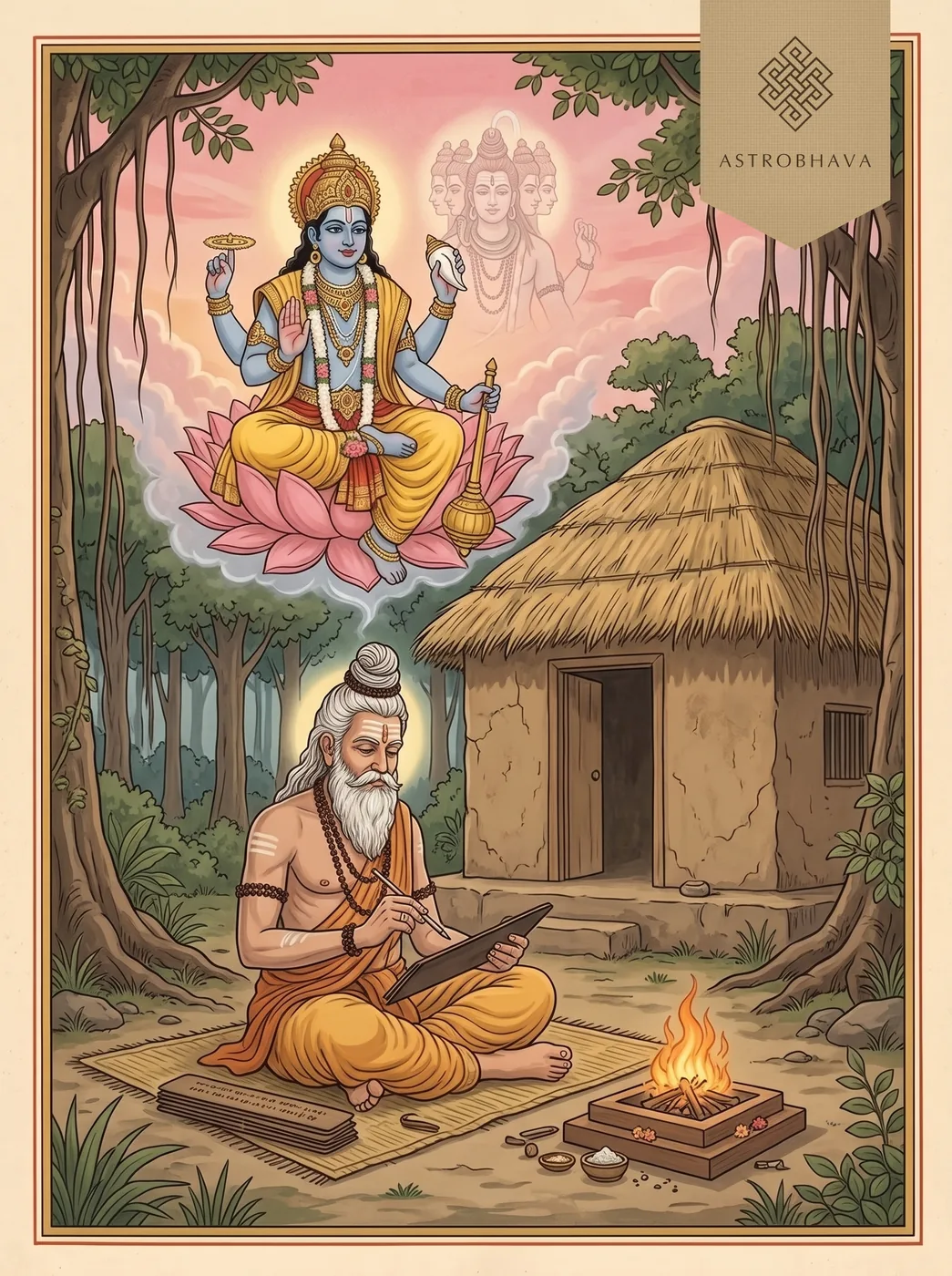
The only account of this hymn's origin is inside the hymn itself. Verse 12 says that Narayana taught the Shiva Raksha in a dream, and that Yajnavalkya, called there the foremost of yogis, rose at daybreak and recorded it in the same form. No Purana adds a fuller narrative, and the stotra has no known date. The standard printed edition places it among Shiva hymns with a short viniyoga that names Yajnavalkya as its seer, Sadashiva as its deity and Anushtubh as its metre. The seer it names is the sage of the Shukla Yajurveda, whose debate at King Janaka's assembly in Mithila and whose dialogue with his wife Maitreyi fill the Brihadaranyaka Upanishad. The opening verse of the Yajnavalkya Smriti calls him yogeshvara, lord of yogis, much the same title the hymn gives him as yogindra. According to tradition, then, the lesson passed from Vishnu to a Vedic master, and from him to anyone who reads these twelve short verses. The arrangement has a well-known counterpart. In the Rama Raksha Stotram it is Shiva who gives a hymn of Rama in a dream; here Vishnu gives a hymn of Shiva, so each god appears as the teacher of the other's protection.
The mantra, in six scripts
- चरितं
- caritaṃ — the story, the deeds
- देवदेवस्य
- devadevasya — of the god of gods
- महादेवस्य
- mahādevasya — of Mahadeva
- पावनम्
- pāvanam — purifying
- अपारं
- apāraṃ — boundless
- परमोदारं
- paramodāraṃ — supremely generous
- चतुर्वर्गस्य
- caturvargasya — of the four aims of life
- साधनम्
- sādhanam — the means
Shiva Raksha Stotram lyrics in full
Twelve verses, from the praise of Mahadeva's story to the verse that tells of Yajnavalkya's dream. The printed closing line is given at the end.
All 13 verses, in Sanskrit, Tamil, Telugu, Kannada, Malayalam and English, each with its meaning. Choose a script:
Download the Shiva Raksha Stotram PDFAll 13 verses with their meanings, in Sanskrit. Free to print and keep.
चरितं देवदेवस्य महादेवस्य पावनम् ।
अपारं परमोदारं चतुर्वर्गस्य साधनम् ॥
சரிதம் தேவதேவஸ்ய மஹாதேவஸ்ய பாவநம் ।
அபாரம் பரமோதாரம் சதுர்வர்கஸ்ய ஸாதநம் ॥
చరితం దేవదేవస్య మహాదేవస్య పావనమ్ ।
అపారం పరమోదారం చతుర్వర్గస్య సాధనమ్ ॥
ಚರಿತಂ ದೇವದೇವಸ್ಯ ಮಹಾದೇವಸ್ಯ ಪಾವನಮ್ ।
ಅಪಾರಂ ಪರಮೋದಾರಂ ಚತುರ್ವರ್ಗಸ್ಯ ಸಾಧನಮ್ ॥
ചരിതം ദേവദേവസ്യ മഹാദേവസ്യ പാവനമ് ।
അപാരം പരമോദാരം ചതുര്വര്ഗസ്യ സാധനമ് ॥
caritaṃ devadevasya mahādevasya pāvanam |
apāraṃ paramodāraṃ caturvargasya sādhanam ||
The story of Mahadeva, god of the gods, is purifying, boundless and most generous; it is the means to all four aims of life (dharma, wealth, desire and liberation).
गौरीविनायकोपेतं पञ्चवक्त्रं त्रिनेत्रकम् ।
शिवं ध्यात्वा दशभुजं शिवरक्षां पठेन्नरः ॥
கௌரீவிநாயகோபேதம் பஞ்சவக்த்ரம் த்ரிநேத்ரகம் ।
ஶிவம் த்யாத்வா தஶபுஜம் ஶிவரக்ஷாம் படேந்நரஃ ॥
గౌరీవినాయకోపేతం పఞ్చవక్త్రం త్రినేత్రకమ్ ।
శివం ధ్యాత్వా దశభుజం శివరక్షాం పఠేన్నరః ॥
ಗೌರೀವಿನಾಯಕೋಪೇತಂ ಪಞ್ಚವಕ್ತ್ರಂ ತ್ರಿನೇತ್ರಕಮ್ ।
ಶಿವಂ ಧ್ಯಾತ್ವಾ ದಶಭುಜಂ ಶಿವರಕ್ಷಾಂ ಪಠೇನ್ನರಃ ॥
ഗൌരീവിനായകോപേതം പഞ്ചവക്ത്രം ത്രിനേത്രകമ് ।
ശിവം ധ്യാത്വാ ദശഭുജം ശിവരക്ഷാം പഠേന്നരഃ ॥
gaurīvināyakopetaṃ pañcavaktraṃ trinetrakam |
śivaṃ dhyātvā daśabhujaṃ śivarakṣāṃ paṭhennaraḥ ||
Having meditated on Shiva with five faces, three eyes and ten arms, accompanied by Gauri and Vinayaka, one should recite this Shiva Raksha.
गङ्गाधरः शिरः पातु भालमर्धेन्दुशेखरः ।
नयने मदनध्वंसी कर्णौ सर्पविभूषणः ॥
கங்காதரஃ ஶிரஃ பாது பாலமர்தேந்துஶேகரஃ ।
நயநே மதநத்வம்ஸீ கர்ணௌ ஸர்பவிபூஷணஃ ॥
గఙ్గాధరః శిరః పాతు భాలమర్ధేన్దుశేఖరః ।
నయనే మదనధ్వంసీ కర్ణౌ సర్పవిభూషణః ॥
ಗಙ್ಗಾಧರಃ ಶಿರಃ ಪಾತು ಭಾಲಮರ್ಧೇನ್ದುಶೇಖರಃ ।
ನಯನೇ ಮದನಧ್ವಂಸೀ ಕರ್ಣೌ ಸರ್ಪವಿಭೂಷಣಃ ॥
ഗങ്ഗാധരഃ ശിരഃ പാതു ഭാലമര്ധേന്ദുശേഖരഃ ।
നയനേ മദനധ്വംസീ കര്ണൌ സര്പവിഭൂഷണഃ ॥
gaṅgādharaḥ śiraḥ pātu bhālamardhenduśekharaḥ |
nayane madanadhvaṃsī karṇau sarpavibhūṣaṇaḥ ||
May the bearer of the Ganga protect my head, and he who wears the half-moon as a crest my forehead. May the destroyer of Kama protect my eyes, and he who is adorned with serpents my ears.
घ्राणं पातु पुरारातिः मुखं पातु जगत्पतिः ।
जिह्वां वागीश्वरः पातु कन्धरां शितिकन्धरः ॥
க்ராணம் பாது புராராதிஃ முகம் பாது ஜகத்பதிஃ ।
ஜிஹ்வாம் வாகீஶ்வரஃ பாது கந்தராம் ஶிதிகந்தரஃ ॥
ఘ్రాణం పాతు పురారాతిః ముఖం పాతు జగత్పతిః ।
జిహ్వాం వాగీశ్వరః పాతు కన్ధరాం శితికన్ధరః ॥
ಘ್ರಾಣಂ ಪಾತು ಪುರಾರಾತಿಃ ಮುಖಂ ಪಾತು ಜಗತ್ಪತಿಃ ।
ಜಿಹ್ವಾಂ ವಾಗೀಶ್ವರಃ ಪಾತು ಕನ್ಧರಾಂ ಶಿತಿಕನ್ಧರಃ ॥
ഘ്രാണം പാതു പുരാരാതിഃ മുഖം പാതു ജഗത്പതിഃ ।
ജിഹ്വാം വാഗീശ്വരഃ പാതു കന്ധരാം ശിതികന്ധരഃ ॥
ghrāṇaṃ pātu purārātiḥ mukhaṃ pātu jagatpatiḥ |
jihvāṃ vāgīśvaraḥ pātu kandharāṃ śitikandharaḥ ||
May the enemy of the three cities protect my nose, and the lord of the world my mouth. May the lord of speech protect my tongue, and the blue-throated one my neck.
श्रीकण्ठः पातु मे कण्ठं स्कन्धौ विश्वधुरन्धरः ।
भुजौ भूभारसंहर्ता करौ पातु पिनाकधृक् ॥
ஶ்ரீகண்டஃ பாது மே கண்டம் ஸ்கந்தௌ விஶ்வதுரந்தரஃ ।
புஜௌ பூபாரஸம்ஹர்தா கரௌ பாது பிநாகத்ருக் ॥
శ్రీకణ్ఠః పాతు మే కణ్ఠం స్కన్ధౌ విశ్వధురన్ధరః ।
భుజౌ భూభారసంహర్తా కరౌ పాతు పినాకధృక్ ॥
ಶ್ರೀಕಣ್ಠಃ ಪಾತು ಮೇ ಕಣ್ಠಂ ಸ್ಕನ್ಧೌ ವಿಶ್ವಧುರನ್ಧರಃ ।
ಭುಜೌ ಭೂಭಾರಸಂಹರ್ತಾ ಕರೌ ಪಾತು ಪಿನಾಕಧೃಕ್ ॥
ശ്രീകണ്ഠഃ പാതു മേ കണ്ഠം സ്കന്ധൌ വിശ്വധുരന്ധരഃ ।
ഭുജൌ ഭൂഭാരസംഹര്താ കരൌ പാതു പിനാകധൃക് ॥
śrīkaṇṭhaḥ pātu me kaṇṭhaṃ skandhau viśvadhurandharaḥ |
bhujau bhūbhārasaṃhartā karau pātu pinākadhṛk ||
May Shrikantha protect my throat, and he who bears the burden of the universe my shoulders. May he who removes the burden of the earth protect my arms, and the holder of the Pinaka bow my hands.
हृदयं शङ्करः पातु जठरं गिरिजापतिः ।
नाभिं मृत्युञ्जयः पातु कटी व्याघ्राजिनाम्बरः ॥
ஹ்ருதயம் ஶங்கரஃ பாது ஜடரம் கிரிஜாபதிஃ ।
நாபிம் ம்ருத்யுஞ்ஜயஃ பாது கடீ வ்யாக்ராஜிநாம்பரஃ ॥
హృదయం శఙ్కరః పాతు జఠరం గిరిజాపతిః ।
నాభిం మృత్యుఞ్జయః పాతు కటీ వ్యాఘ్రాజినామ్బరః ॥
ಹೃದಯಂ ಶಙ್ಕರಃ ಪಾತು ಜಠರಂ ಗಿರಿಜಾಪತಿಃ ।
ನಾಭಿಂ ಮೃತ್ಯುಞ್ಜಯಃ ಪಾತು ಕಟೀ ವ್ಯಾಘ್ರಾಜಿನಾಮ್ಬರಃ ॥
ഹൃദയം ശങ്കരഃ പാതു ജഠരം ഗിരിജാപതിഃ ।
നാഭിം മൃത്യുഞ്ജയഃ പാതു കടീ വ്യാഘ്രാജിനാമ്ബരഃ ॥
hṛdayaṃ śaṅkaraḥ pātu jaṭharaṃ girijāpatiḥ |
nābhiṃ mṛtyuñjayaḥ pātu kaṭī vyāghrājināmbaraḥ ||
May Shankara protect my heart, and the husband of Girija my belly. May the conqueror of death protect my navel, and he who wears the tiger skin my waist.
सक्थिनी पातु दीनार्तशरणागतवत्सलः ।
ऊरू महेश्वरः पातु जानुनी जगदीश्वरः ॥
ஸக்திநீ பாது தீநார்தஶரணாகதவத்ஸலஃ ।
ஊரூ மஹேஶ்வரஃ பாது ஜாநுநீ ஜகதீஶ்வரஃ ॥
సక్థినీ పాతు దీనార్తశరణాగతవత్సలః ।
ఊరూ మహేశ్వరః పాతు జానునీ జగదీశ్వరః ॥
ಸಕ್ಥಿನೀ ಪಾತು ದೀನಾರ್ತಶರಣಾಗತವತ್ಸಲಃ ।
ಊರೂ ಮಹೇಶ್ವರಃ ಪಾತು ಜಾನುನೀ ಜಗದೀಶ್ವರಃ ॥
സക്ഥിനീ പാതു ദീനാര്തശരണാഗതവത്സലഃ ।
ഊരൂ മഹേശ്വരഃ പാതു ജാനുനീ ജഗദീശ്വരഃ ॥
sakthinī pātu dīnārtaśaraṇāgatavatsalaḥ |
ūrū maheśvaraḥ pātu jānunī jagadīśvaraḥ ||
May he who is tender to the poor, the suffering and those who seek refuge protect my hips. May Maheshvara protect my thighs, and the lord of the world my knees.
जङ्घे पातु जगत्कर्ता गुल्फौ पातु गणाधिपः ।
चरणौ करुणासिंधुः सर्वाङ्गानि सदाशिवः ॥
ஜங்கே பாது ஜகத்கர்தா குல்பௌ பாது கணாதிபஃ ।
சரணௌ கருணாஸிம்துஃ ஸர்வாங்காநி ஸதாஶிவஃ ॥
జఙ్ఘే పాతు జగత్కర్తా గుల్ఫౌ పాతు గణాధిపః ।
చరణౌ కరుణాసింధుః సర్వాఙ్గాని సదాశివః ॥
ಜಙ್ಘೇ ಪಾತು ಜಗತ್ಕರ್ತಾ ಗುಲ್ಫೌ ಪಾತು ಗಣಾಧಿಪಃ ।
ಚರಣೌ ಕರುಣಾಸಿಂಧುಃ ಸರ್ವಾಙ್ಗಾನಿ ಸದಾಶಿವಃ ॥
ജങ്ഘേ പാതു ജഗത്കര്താ ഗുല്ഫൌ പാതു ഗണാധിപഃ ।
ചരണൌ കരുണാസിംധുഃ സര്വാങ്ഗാനി സദാശിവഃ ॥
jaṅghe pātu jagatkartā gulphau pātu gaṇādhipaḥ |
caraṇau karuṇāsiṃdhuḥ sarvāṅgāni sadāśivaḥ ||
May the maker of the world protect my shins, and the lord of the ganas my ankles. May the ocean of compassion protect my feet, and Sadashiva every limb.
एतां शिवबलोपेतां रक्षां यः सुकृती पठेत् ।
स भुक्त्वा सकलान् कामान् शिवसायुज्यमाप्नुयात् ॥
ஏதாம் ஶிவபலோபேதாம் ரக்ஷாம் யஃ ஸுக்ருதீ படேத் ।
ஸ புக்த்வா ஸகலாந் காமாந் ஶிவஸாயுஜ்யமாப்நுயாத் ॥
ఏతాం శివబలోపేతాం రక్షాం యః సుకృతీ పఠేత్ ।
స భుక్త్వా సకలాన్ కామాన్ శివసాయుజ్యమాప్నుయాత్ ॥
ಏತಾಂ ಶಿವಬಲೋಪೇತಾಂ ರಕ್ಷಾಂ ಯಃ ಸುಕೃತೀ ಪಠೇತ್ ।
ಸ ಭುಕ್ತ್ವಾ ಸಕಲಾನ್ ಕಾಮಾನ್ ಶಿವಸಾಯುಜ್ಯಮಾಪ್ನುಯಾತ್ ॥
ഏതാം ശിവബലോപേതാം രക്ഷാം യഃ സുകൃതീ പഠേത് ।
സ ഭുക്ത്വാ സകലാന് കാമാന് ശിവസായുജ്യമാപ്നുയാത് ॥
etāṃ śivabalopetāṃ rakṣāṃ yaḥ sukṛtī paṭhet |
sa bhuktvā sakalān kāmān śivasāyujyamāpnuyāt ||
The verse says that the fortunate person who recites this protection, filled with Shiva's power, enjoys all wishes and then attains union with Shiva.
ग्रहभूतपिशाचाद्यास्त्रैलोक्ये विचरन्ति ये ।
दूरादाशु पलायन्ते शिवनामाभिरक्षणात् ॥
க்ரஹபூதபிஶாசாத்யாஸ்த்ரைலோக்யே விசரந்தி யே ।
தூராதாஶு பலாயந்தே ஶிவநாமாபிரக்ஷணாத் ॥
గ్రహభూతపిశాచాద్యాస్త్రైలోక్యే విచరన్తి యే ।
దూరాదాశు పలాయన్తే శివనామాభిరక్షణాత్ ॥
ಗ್ರಹಭೂತಪಿಶಾಚಾದ್ಯಾಸ್ತ್ರೈಲೋಕ್ಯೇ ವಿಚರನ್ತಿ ಯೇ ।
ದೂರಾದಾಶು ಪಲಾಯನ್ತೇ ಶಿವನಾಮಾಭಿರಕ್ಷಣಾತ್ ॥
ഗ്രഹഭൂതപിശാചാദ്യാസ്ത്രൈലോക്യേ വിചരന്തി യേ ।
ദൂരാദാശു പലായന്തേ ശിവനാമാഭിരക്ഷണാത് ॥
grahabhūtapiśācādyāstrailokye vicaranti ye |
dūrādāśu palāyante śivanāmābhirakṣaṇāt ||
The verse says that planetary afflictions, ghosts, pishachas and the like that roam the three worlds quickly flee far away because of the protection of Shiva's name.
अभयङ्करनामेदं कवचं पार्वतीपतेः ।
भक्त्या बिभर्ति यः कण्ठे तस्य वश्यं जगत्त्रयम् ॥
அபயங்கரநாமேதம் கவசம் பார்வதீபதேஃ ।
பக்த்யா பிபர்தி யஃ கண்டே தஸ்ய வஶ்யம் ஜகத்த்ரயம் ॥
అభయఙ్కరనామేదం కవచం పార్వతీపతేః ।
భక్త్యా బిభర్తి యః కణ్ఠే తస్య వశ్యం జగత్త్రయమ్ ॥
ಅಭಯಙ್ಕರನಾಮೇದಂ ಕವಚಂ ಪಾರ್ವತೀಪತೇಃ ।
ಭಕ್ತ್ಯಾ ಬಿಭರ್ತಿ ಯಃ ಕಣ್ಠೇ ತಸ್ಯ ವಶ್ಯಂ ಜಗತ್ತ್ರಯಮ್ ॥
അഭയങ്കരനാമേദം കവചം പാര്വതീപതേഃ ।
ഭക്ത്യാ ബിഭര്തി യഃ കണ്ഠേ തസ്യ വശ്യം ജഗത്ത്രയമ് ॥
abhayaṅkaranāmedaṃ kavacaṃ pārvatīpateḥ |
bhaktyā bibharti yaḥ kaṇṭhe tasya vaśyaṃ jagattrayam ||
This armour of the husband of Parvati is named Abhayankara, the giver of fearlessness. The verse says that the three worlds come under the sway of one who wears it at the throat with devotion.
इमां नारायणः स्वप्ने शिवरक्षां यथाऽऽदिशत् ।
प्रातरुत्थाय योगीन्द्रो याज्ञवल्क्यः तथाऽलिखत् ॥
இமாம் நாராயணஃ ஸ்வப்நே ஶிவரக்ஷாம் யதாதிஶத் ।
ப்ராதருத்தாய யோகீந்த்ரோ யாஜ்ஞவல்க்யஃ ததாலிகத் ॥
ఇమాం నారాయణః స్వప్నే శివరక్షాం యథాఽఽదిశత్ ।
ప్రాతరుత్థాయ యోగీన్ద్రో యాజ్ఞవల్క్యః తథాఽలిఖత్ ॥
ಇಮಾಂ ನಾರಾಯಣಃ ಸ್ವಪ್ನೇ ಶಿವರಕ್ಷಾಂ ಯಥಾಽಽದಿಶತ್ ।
ಪ್ರಾತರುತ್ಥಾಯ ಯೋಗೀನ್ದ್ರೋ ಯಾಜ್ಞವಲ್ಕ್ಯಃ ತಥಾಽಲಿಖತ್ ॥
ഇമാം നാരായണഃ സ്വപ്നേ ശിവരക്ഷാം യഥാഽഽദിശത് ।
പ്രാതരുത്ഥായ യോഗീന്ദ്രോ യാജ്ഞവല്ക്യഃ തഥാഽലിഖത് ॥
imāṃ nārāyaṇaḥ svapne śivarakṣāṃ yathā'diśat |
prātarutthāya yogīndro yājñavalkyaḥ tathā'likhat ||
Just as Narayana taught this Shiva Raksha in a dream, so Yajnavalkya, the foremost of yogis, rising at dawn, wrote it down.
इति श्रीयाज्ञवल्क्यप्रोक्तं शिवरक्षास्तोत्रं सम्पूर्णम् ॥
இதி ஶ்ரீயாஜ்ஞவல்க்யப்ரோக்தம் ஶிவரக்ஷாஸ்தோத்ரம் ஸம்பூர்ணம் ॥
ఇతి శ్రీయాజ్ఞవల్క్యప్రోక్తం శివరక్షాస్తోత్రం సమ్పూర్ణమ్ ॥
ಇತಿ ಶ್ರೀಯಾಜ್ಞವಲ್ಕ್ಯಪ್ರೋಕ್ತಂ ಶಿವರಕ್ಷಾಸ್ತೋತ್ರಂ ಸಮ್ಪೂರ್ಣಮ್ ॥
ഇതി ശ്രീയാജ്ഞവല്ക്യപ്രോക്തം ശിവരക്ഷാസ്തോത്രം സമ്പൂര്ണമ് ॥
iti śrīyājñavalkyaproktaṃ śivarakṣāstotraṃ sampūrṇam ||
Thus ends the Shiva Raksha Stotram, spoken by Shri Yajnavalkya.
The syllable people get wrong
In verse 4, śitikandharaḥ (the dark-necked one) is often read as if it began with śiva; say shi-ti-KAN-dha-rah, with a short i in śiti (dark blue) and an aspirated dh in kandhara (neck), so that it echoes kandharāṃ, the word for neck just before it.
When the Shiva Raksha Stotram is chanted
Weekday. Monday
Questions
Have your chart read before you decide
Chanting is yours to do, and free. But which deity your situation calls for — and whether a mantra alone is the right response — depends on your chart. Sometimes it is; sometimes it is not.
- Over 30 years in the Guru–Sishya Parampara, from the age of five
- He reads every chart himself — 60 minutes, one to one, never delegated
- Charts are read only between sunrise and sunset, following tradition
