Tuesday Mantra
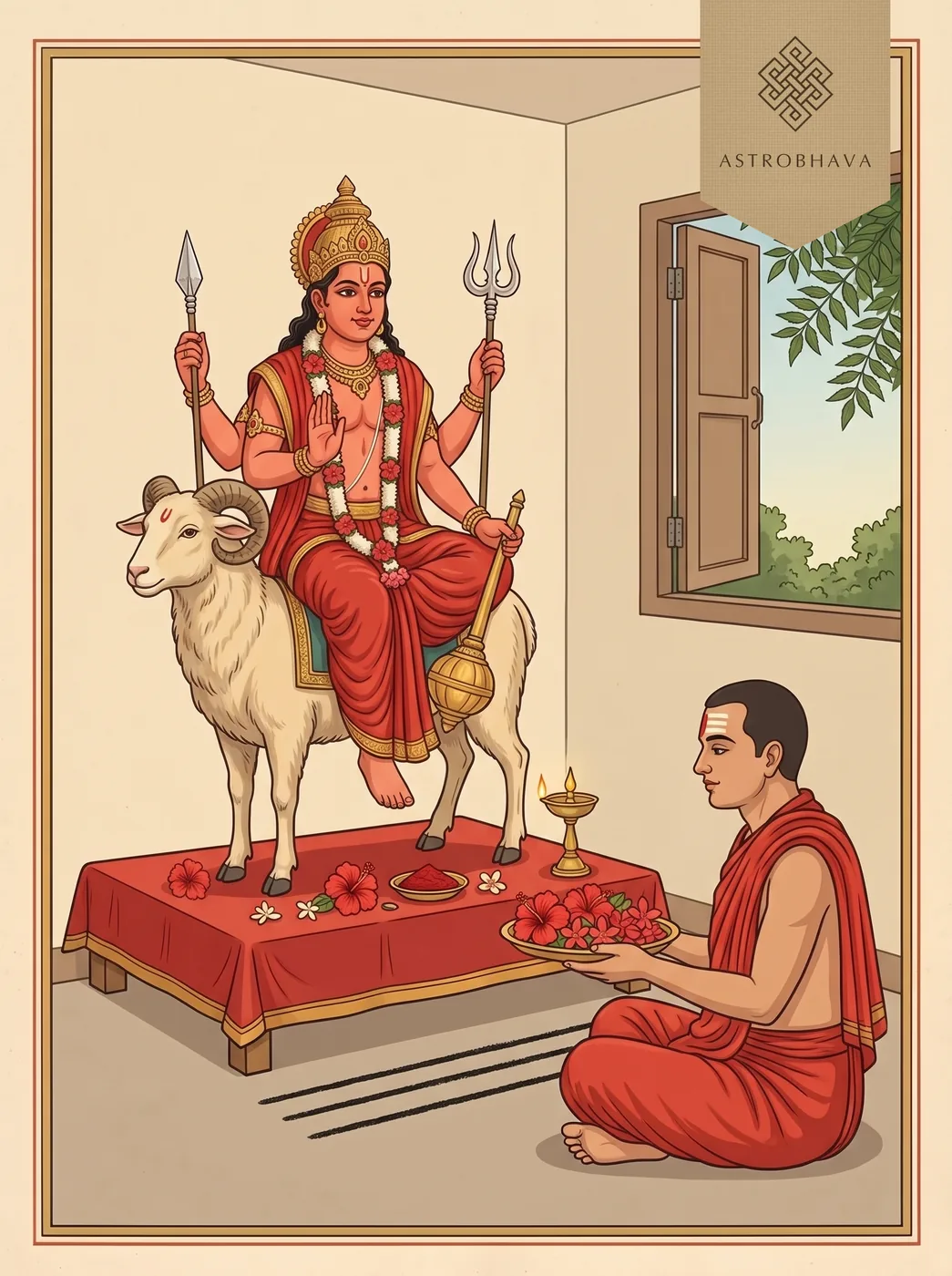
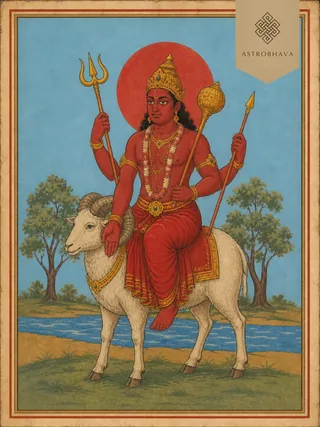
रक्तमाल्यांबरधरः शक्तिशूलगदाधरः । चतुर्भुजो मेषगमो वरदः स्याद्धरासुतः ॥Also known as Mangalavara Vrata
In Devanagari, Tamil, Telugu, Kannada, Malayalam and English — with the meaning of every word, and the one syllable most people pronounce wrongly.
 The Sevvai Homam, performed for youBook →
What the Tuesday Mantra is
The Tuesday mantra on this page is the set of Sanskrit verses of the Mangalavara vrata, the Tuesday vow to Mangala, the graha who rules Tuesday, also called Angaraka, Bhauma and Kuja. The verses come from that day's vow as the vrata digests give it, in the order of the Vratraja, an eighteenth-century digest compiled by Vishvanatha. The puja opens with a meditation on the four-armed, ram-riding son of the Earth and an invitation, then places the kavacham on the body, giving one of his titles to each part from the crown-lock to the feet and one weapon to each direction. A second meditation leads to the Angaraka Gayatri and the hymn of his twenty-one names with its two reward verses. Then come the line-wiping verses, five prayers and the verse said with the gift. Three of the prayers also stand in the Narada Purana, Purva Bhaga 69.105, 107 and 108, and the fifth names his birthplace as Ujjayini and his family line as Bharadvaja's.
Gautama's Question to the Red Graha
According to the Vratraja, the katha of the Tuesday vow comes from the Padma Purana and is told by Suta. Long ago the sage Gautama put a question to Mangala himself, the red-bodied great graha honoured by gods and daityas alike. Gautama asked for the hidden form of his worship, its mantra and its gift, described the figure he wished to meditate on, shining like gold with mount and weapons, and asked for the vow that makes a mortal fortunate. Mangala answers, 'Listen, learned one', and the telling of the vow follows. The puja printed before this katha keeps to one colour. The worshipper rises at dawn, bathes, wears red and offers red flowers and red sandal, and Mangala is worshipped in a triangle of twenty-one compartments, one for each name. Near the end, three lines are drawn on the ground with a charcoal of khadira wood and wiped away with the left foot while the line-wiping verses are said; then twenty-one sweets of wheat, sesame and jaggery are given with fruit and a fee to a Veda-learned brahmin. An older account of the same worship stands in the Narada Purana, chapter 69, where Sanatkumara teaches Narada the mantras of the grahas one by one. There the vow begins in Margashirsha or Vaishakha, is kept every Tuesday for a year, and ends with sesame offered in the fire.
The mantra, in six scripts
- रक्तमाल्यांबरधरः
- raktamālyāṃbaradharaḥ — wearing red garlands and red cloth
- शक्तिशूलगदाधरः
- śaktiśūlagadādharaḥ — holding spear, trident and mace
- चतुर्भुजो
- caturbhujo — four-armed
- मेषगमो
- meṣagamo — riding a ram
- वरदः
- varadaḥ — granting boons
- स्याद्धरासुतः
- syāddharāsutaḥ — may the son of the Earth be (syat + dharasutah)
Tuesday Mantra lyrics in full
The verses of the Tuesday vow in the order of its puja, from the first meditation to the verse said with the gift.
All 25 verses, in Sanskrit, Tamil, Telugu, Kannada, Malayalam and English, each with its meaning. Choose a script:
Download the Tuesday Mantra PDFAll 25 verses with their meanings, in Sanskrit. Free to print and keep.
रक्तमाल्यांबरधरः शक्तिशूलगदाधरः ।
चतुर्भुजो मेषगमो वरदः स्याद्धरासुतः ॥
ரக்தமால்யாம்பரதரஃ ஶக்திஶூலகதாதரஃ ।
சதுர்புஜோ மேஷகமோ வரதஃ ஸ்யாத்தராஸுதஃ ॥
రక్తమాల్యాంబరధరః శక్తిశూలగదాధరః ।
చతుర్భుజో మేషగమో వరదః స్యాద్ధరాసుతః ॥
ರಕ್ತಮಾಲ್ಯಾಂಬರಧರಃ ಶಕ್ತಿಶೂಲಗದಾಧರಃ ।
ಚತುರ್ಭುಜೋ ಮೇಷಗಮೋ ವರದಃ ಸ್ಯಾದ್ಧರಾಸುತಃ ॥
രക്തമാല്യാംബരധരഃ ശക്തിശൂലഗദാധരഃ ।
ചതുര്ഭുജോ മേഷഗമോ വരദഃ സ്യാദ്ധരാസുതഃ ॥
raktamālyāṃbaradharaḥ śaktiśūlagadādharaḥ |
caturbhujo meṣagamo varadaḥ syāddharāsutaḥ ||
The son of the Earth wears red garlands and red cloth and holds a spear, a trident and a mace. Four-armed and riding a ram, may he grant boons.
एह्येहि भगवन्भौम अंगारक महाप्रभो ।
त्वयि सर्वं समायातं त्रैलोक्यं सचराचरम् ॥
ஏஹ்யேஹி பகவந்பௌம அம்காரக மஹாப்ரபோ ।
த்வயி ஸர்வம் ஸமாயாதம் த்ரைலோக்யம் ஸசராசரம் ॥
ఏహ్యేహి భగవన్భౌమ అంగారక మహాప్రభో ।
త్వయి సర్వం సమాయాతం త్రైలోక్యం సచరాచరమ్ ॥
ಏಹ್ಯೇಹಿ ಭಗವನ್ಭೌಮ ಅಂಗಾರಕ ಮಹಾಪ್ರಭೋ ।
ತ್ವಯಿ ಸರ್ವಂ ಸಮಾಯಾತಂ ತ್ರೈಲೋಕ್ಯಂ ಸಚರಾಚರಮ್ ॥
ഏഹ്യേഹി ഭഗവന്ഭൌമ അംഗാരക മഹാപ്രഭോ ।
ത്വയി സര്വം സമായാതം ത്രൈലോക്യം സചരാചരമ് ॥
ehyehi bhagavanbhauma aṃgāraka mahāprabho |
tvayi sarvaṃ samāyātaṃ trailokyaṃ sacarācaram ||
Come, come, revered Bhauma, Angaraka, great master. In you the whole of the three worlds, moving and unmoving, has come together.
शिखायां मंगलः पातु भूमिपुत्रश्च मूर्धनि ।
ललाटे ऋणहर्ता च चक्षुषोश्च धनप्रदः ॥
ஶிகாயாம் மம்கலஃ பாது பூமிபுத்ரஶ்ச மூர்தநி ।
லலாடே ருணஹர்தா ச சக்ஷுஷோஶ்ச தநப்ரதஃ ॥
శిఖాయాం మంగలః పాతు భూమిపుత్రశ్చ మూర్ధని ।
లలాటే ఋణహర్తా చ చక్షుషోశ్చ ధనప్రదః ॥
ಶಿಖಾಯಾಂ ಮಂಗಲಃ ಪಾತು ಭೂಮಿಪುತ್ರಶ್ಚ ಮೂರ್ಧನಿ ।
ಲಲಾಟೇ ಋಣಹರ್ತಾ ಚ ಚಕ್ಷುಷೋಶ್ಚ ಧನಪ್ರದಃ ॥
ശിഖായാം മംഗലഃ പാതു ഭൂമിപുത്രശ്ച മൂര്ധനി ।
ലലാടേ ഋണഹര്താ ച ചക്ഷുഷോശ്ച ധനപ്രദഃ ॥
śikhāyāṃ maṃgalaḥ pātu bhūmiputraśca mūrdhani |
lalāṭe ṛṇahartā ca cakṣuṣośca dhanapradaḥ ||
May Mangala guard the crown-lock and the Son of the Earth the head; the Remover of Debt the forehead and the Giver of Wealth the eyes.
स्थिरासनः श्रोत्रयोश्च महाकायश्च नासिके ।
आस्यदंतोष्ठजिह्वासु सर्वकर्मावरोधकः ॥
ஸ்திராஸநஃ ஶ்ரோத்ரயோஶ்ச மஹாகாயஶ்ச நாஸிகே ।
ஆஸ்யதம்தோஷ்டஜிஹ்வாஸு ஸர்வகர்மாவரோதகஃ ॥
స్థిరాసనః శ్రోత్రయోశ్చ మహాకాయశ్చ నాసికే ।
ఆస్యదంతోష్ఠజిహ్వాసు సర్వకర్మావరోధకః ॥
ಸ್ಥಿರಾಸನಃ ಶ್ರೋತ್ರಯೋಶ್ಚ ಮಹಾಕಾಯಶ್ಚ ನಾಸಿಕೇ ।
ಆಸ್ಯದಂತೋಷ್ಠಜಿಹ್ವಾಸು ಸರ್ವಕರ್ಮಾವರೋಧಕಃ ॥
സ്ഥിരാസനഃ ശ്രോത്രയോശ്ച മഹാകായശ്ച നാസികേ ।
ആസ്യദംതോഷ്ഠജിഹ്വാസു സര്വകര്മാവരോധകഃ ॥
sthirāsanaḥ śrotrayośca mahākāyaśca nāsike |
āsyadaṃtoṣṭhajihvāsu sarvakarmāvarodhakaḥ ||
May the Firmly Seated one guard the ears and the Great-bodied one the nose; the Obstructor of All Deeds the mouth, teeth, lips and tongue.
हनौ मे लोहितः पातु लोहिताक्षश्च कंठके ।
स्कंधयोरुभयो रक्षेत्सामगानां कृपाकरः ॥
ஹநௌ மே லோஹிதஃ பாது லோஹிதாக்ஷஶ்ச கம்டகே ।
ஸ்கம்தயோருபயோ ரக்ஷேத்ஸாமகாநாம் க்ருபாகரஃ ॥
హనౌ మే లోహితః పాతు లోహితాక్షశ్చ కంఠకే ।
స్కంధయోరుభయో రక్షేత్సామగానాం కృపాకరః ॥
ಹನೌ ಮೇ ಲೋಹಿತಃ ಪಾತು ಲೋಹಿತಾಕ್ಷಶ್ಚ ಕಂಠಕೇ ।
ಸ್ಕಂಧಯೋರುಭಯೋ ರಕ್ಷೇತ್ಸಾಮಗಾನಾಂ ಕೃಪಾಕರಃ ॥
ഹനൌ മേ ലോഹിതഃ പാതു ലോഹിതാക്ഷശ്ച കംഠകേ ।
സ്കംധയോരുഭയോ രക്ഷേത്സാമഗാനാം കൃപാകരഃ ॥
hanau me lohitaḥ pātu lohitākṣaśca kaṃṭhake |
skaṃdhayorubhayo rakṣetsāmagānāṃ kṛpākaraḥ ||
May the Red one guard my jaw and the Red-eyed one my throat; may the one kind to the Sama singers guard both shoulders.
धरात्मजो भुजौ पातु कुजो रक्षेत्करद्वयम् ।
भौमो मे हृदयं पातु भूतिदस्तु तथोदरे ॥
தராத்மஜோ புஜௌ பாது குஜோ ரக்ஷேத்கரத்வயம் ।
பௌமோ மே ஹ்ருதயம் பாது பூதிதஸ்து ததோதரே ॥
ధరాత్మజో భుజౌ పాతు కుజో రక్షేత్కరద్వయమ్ ।
భౌమో మే హృదయం పాతు భూతిదస్తు తథోదరే ॥
ಧರಾತ್ಮಜೋ ಭುಜೌ ಪಾತು ಕುಜೋ ರಕ್ಷೇತ್ಕರದ್ವಯಮ್ ।
ಭೌಮೋ ಮೇ ಹೃದಯಂ ಪಾತು ಭೂತಿದಸ್ತು ತಥೋದರೇ ॥
ധരാത്മജോ ഭുജൌ പാതു കുജോ രക്ഷേത്കരദ്വയമ് ।
ഭൌമോ മേ ഹൃദയം പാതു ഭൂതിദസ്തു തഥോദരേ ॥
dharātmajo bhujau pātu kujo rakṣetkaradvayam |
bhaumo me hṛdayaṃ pātu bhūtidastu tathodare ||
May the Earth-born guard the arms and Kuja both hands; may Bhauma guard my heart and the Giver of Prosperity the belly.
भूमिनंदनो नाभौ तु गुह्ये त्वंगारकोऽवतु ।
ऊरू मम यमो रक्षेज्जान्वो रोगापहारकः ॥
பூமிநம்தநோ நாபௌ து குஹ்யே த்வம்காரகோவது ।
ஊரூ மம யமோ ரக்ஷேஜ்ஜாந்வோ ரோகாபஹாரகஃ ॥
భూమినందనో నాభౌ తు గుహ్యే త్వంగారకోఽవతు ।
ఊరూ మమ యమో రక్షేజ్జాన్వో రోగాపహారకః ॥
ಭೂಮಿನಂದನೋ ನಾಭೌ ತು ಗುಹ್ಯೇ ತ್ವಂಗಾರಕೋಽವತು ।
ಊರೂ ಮಮ ಯಮೋ ರಕ್ಷೇಜ್ಜಾನ್ವೋ ರೋಗಾಪಹಾರಕಃ ॥
ഭൂമിനംദനോ നാഭൌ തു ഗുഹ്യേ ത്വംഗാരകോഽവതു ।
ഊരൂ മമ യമോ രക്ഷേജ്ജാന്വോ രോഗാപഹാരകഃ ॥
bhūminaṃdano nābhau tu guhye tvaṃgārako'vatu |
ūrū mama yamo rakṣejjānvo rogāpahārakaḥ ||
May the Joy of the Earth guard the navel and Angaraka the private parts; may Yama guard my thighs and the Remover of Disease the knees.
जंघयोर्वृष्टिकर्ता च अपहर्ता च गुल्फयोः ।
पादांगुष्ठौ च गुल्फौ च सर्वकामफलप्रदः ॥
ஜம்கயோர்வ்ருஷ்டிகர்தா ச அபஹர்தா ச குல்பயோஃ ।
பாதாம்குஷ்டௌ ச குல்பௌ ச ஸர்வகாமபலப்ரதஃ ॥
జంఘయోర్వృష్టికర్తా చ అపహర్తా చ గుల్ఫయోః ।
పాదాంగుష్ఠౌ చ గుల్ఫౌ చ సర్వకామఫలప్రదః ॥
ಜಂಘಯೋರ್ವೃಷ್ಟಿಕರ್ತಾ ಚ ಅಪಹರ್ತಾ ಚ ಗುಲ್ಫಯೋಃ ।
ಪಾದಾಂಗುಷ್ಠೌ ಚ ಗುಲ್ಫೌ ಚ ಸರ್ವಕಾಮಫಲಪ್ರದಃ ॥
ജംഘയോര്വൃഷ്ടികര്താ ച അപഹര്താ ച ഗുല്ഫയോഃ ।
പാദാംഗുഷ്ഠൌ ച ഗുല്ഫൌ ച സര്വകാമഫലപ്രദഃ ॥
jaṃghayorvṛṣṭikartā ca apahartā ca gulphayoḥ |
pādāṃguṣṭhau ca gulphau ca sarvakāmaphalapradaḥ ||
May the Bringer of Rain guard the shanks and the one who withholds it the ankles; may the Granter of Every Wish guard the big toes and ankles.
शक्तिर्मे पूर्वतो रक्षेच्छूलं रक्षेच्च दक्षिणे ।
पश्चिमे च धनुः पातु उत्तरे च शरस्तथा ॥
ஶக்திர்மே பூர்வதோ ரக்ஷேச்சூலம் ரக்ஷேச்ச தக்ஷிணே ।
பஶ்சிமே ச தநுஃ பாது உத்தரே ச ஶரஸ்ததா ॥
శక్తిర్మే పూర్వతో రక్షేచ్ఛూలం రక్షేచ్చ దక్షిణే ।
పశ్చిమే చ ధనుః పాతు ఉత్తరే చ శరస్తథా ॥
ಶಕ್ತಿರ್ಮೇ ಪೂರ್ವತೋ ರಕ್ಷೇಚ್ಛೂಲಂ ರಕ್ಷೇಚ್ಚ ದಕ್ಷಿಣೇ ।
ಪಶ್ಚಿಮೇ ಚ ಧನುಃ ಪಾತು ಉತ್ತರೇ ಚ ಶರಸ್ತಥಾ ॥
ശക്തിര്മേ പൂര്വതോ രക്ഷേച്ഛൂലം രക്ഷേച്ച ദക്ഷിണേ ।
പശ്ചിമേ ച ധനുഃ പാതു ഉത്തരേ ച ശരസ്തഥാ ॥
śaktirme pūrvato rakṣecchūlaṃ rakṣecca dakṣiṇe |
paścime ca dhanuḥ pātu uttare ca śarastathā ||
May his spear guard me on the east and his trident on the south; his bow on the west and his arrow on the north.
ऊर्ध्वं पिंडाननः पातु अधस्तात्पृथिवी मम ।
एवं न्यस्तशरीरोऽसौ चिंतयेद्भूमिनंदनम् ॥
ஊர்த்வம் பிம்டாநநஃ பாது அதஸ்தாத்ப்ருதிவீ மம ।
ஏவம் ந்யஸ்தஶரீரோஸௌ சிம்தயேத்பூமிநம்தநம் ॥
ఊర్ధ్వం పిండాననః పాతు అధస్తాత్పృథివీ మమ ।
ఏవం న్యస్తశరీరోఽసౌ చింతయేద్భూమినందనమ్ ॥
ಊರ್ಧ್ವಂ ಪಿಂಡಾನನಃ ಪಾತು ಅಧಸ್ತಾತ್ಪೃಥಿವೀ ಮಮ ।
ಏವಂ ನ್ಯಸ್ತಶರೀರೋಽಸೌ ಚಿಂತಯೇದ್ಭೂಮಿನಂದನಮ್ ॥
ഊര്ധ്വം പിംഡാനനഃ പാതു അധസ്താത്പൃഥിവീ മമ ।
ഏവം ന്യസ്തശരീരോഽസൌ ചിംതയേദ്ഭൂമിനംദനമ് ॥
ūrdhvaṃ piṃḍānanaḥ pātu adhastātpṛthivī mama |
evaṃ nyastaśarīro'sau ciṃtayedbhūminaṃdanam ||
May Pindanana guard me above and the Earth below. Having placed this protection on the body, the worshipper should meditate on the Joy of the Earth.
असृजमरुणवर्णं रक्तमाल्यांगरागं कनककमलमालामालिनं विश्ववंद्यम् ।
अतिललितकराभ्यां बिभ्रतं शक्तिशूले भजत धरणिसूनुं मंगलं मंगलानाम् ॥
அஸ்ருஜமருணவர்ணம் ரக்தமால்யாம்கராகம் கநககமலமாலாமாலிநம் விஶ்வவம்த்யம் ।
அதிலலிதகராப்யாம் பிப்ரதம் ஶக்திஶூலே பஜத தரணிஸூநும் மம்கலம் மம்கலாநாம் ॥
అసృజమరుణవర్ణం రక్తమాల్యాంగరాగం కనకకమలమాలామాలినం విశ్వవంద్యమ్ ।
అతిలలితకరాభ్యాం బిభ్రతం శక్తిశూలే భజత ధరణిసూనుం మంగలం మంగలానామ్ ॥
ಅಸೃಜಮರುಣವರ್ಣಂ ರಕ್ತಮಾಲ್ಯಾಂಗರಾಗಂ ಕನಕಕಮಲಮಾಲಾಮಾಲಿನಂ ವಿಶ್ವವಂದ್ಯಮ್ ।
ಅತಿಲಲಿತಕರಾಭ್ಯಾಂ ಬಿಭ್ರತಂ ಶಕ್ತಿಶೂಲೇ ಭಜತ ಧರಣಿಸೂನುಂ ಮಂಗಲಂ ಮಂಗಲಾನಾಮ್ ॥
അസൃജമരുണവര്ണം രക്തമാല്യാംഗരാഗം കനകകമലമാലാമാലിനം വിശ്വവംദ്യമ് ।
അതിലലിതകരാഭ്യാം ബിഭ്രതം ശക്തിശൂലേ ഭജത ധരണിസൂനും മംഗലം മംഗലാനാമ് ॥
asṛjamaruṇavarṇaṃ raktamālyāṃgarāgaṃ kanakakamalamālāmālinaṃ viśvavaṃdyam |
atilalitakarābhyāṃ bibhrataṃ śaktiśūle bhajata dharaṇisūnuṃ maṃgalaṃ maṃgalānām ||
Worship the son of the Earth, blood-hued and ruddy, with red garlands and red unguent, wearing a garland of golden lotuses, honoured by all the world, holding spear and trident in his graceful hands: the auspicious one among all that is auspicious.
अंगारकाय विद्महे शक्तिहस्ताय धीमहि ।
तन्नो भौमः प्रचोदयात् ॥
அம்காரகாய வித்மஹே ஶக்திஹஸ்தாய தீமஹி ।
தந்நோ பௌமஃ ப்ரசோதயாத் ॥
అంగారకాయ విద్మహే శక్తిహస్తాయ ధీమహి ।
తన్నో భౌమః ప్రచోదయాత్ ॥
ಅಂಗಾರಕಾಯ ವಿದ್ಮಹೇ ಶಕ್ತಿಹಸ್ತಾಯ ಧೀಮಹಿ ।
ತನ್ನೋ ಭೌಮಃ ಪ್ರಚೋದಯಾತ್ ॥
അംഗാരകായ വിദ്മഹേ ശക്തിഹസ്തായ ധീമഹി ।
തന്നോ ഭൌമഃ പ്രചോദയാത് ॥
aṃgārakāya vidmahe śaktihastāya dhīmahi |
tanno bhaumaḥ pracodayāt ||
We know Angaraka; we meditate on the one who holds the spear. May Bhauma inspire us. (The Gayatri said after the 108 japa in the Tuesday vow.)
मंगलो भूमिपुत्रश्च ऋणहर्ता धनप्रदः ।
स्थिरासनो महाकायः सर्वकर्मावरोधकः ॥
மம்கலோ பூமிபுத்ரஶ்ச ருணஹர்தா தநப்ரதஃ ।
ஸ்திராஸநோ மஹாகாயஃ ஸர்வகர்மாவரோதகஃ ॥
మంగలో భూమిపుత్రశ్చ ఋణహర్తా ధనప్రదః ।
స్థిరాసనో మహాకాయః సర్వకర్మావరోధకః ॥
ಮಂಗಲೋ ಭೂಮಿಪುತ್ರಶ್ಚ ಋಣಹರ್ತಾ ಧನಪ್ರದಃ ।
ಸ್ಥಿರಾಸನೋ ಮಹಾಕಾಯಃ ಸರ್ವಕರ್ಮಾವರೋಧಕಃ ॥
മംഗലോ ഭൂമിപുത്രശ്ച ഋണഹര്താ ധനപ്രദഃ ।
സ്ഥിരാസനോ മഹാകായഃ സര്വകര്മാവരോധകഃ ॥
maṃgalo bhūmiputraśca ṛṇahartā dhanapradaḥ |
sthirāsano mahākāyaḥ sarvakarmāvarodhakaḥ ||
Mangala, Son of the Earth, Remover of Debt, Giver of Wealth, Firmly Seated, Great-bodied, Obstructor of All Deeds.
लोहितो लोहिताक्षश्च सामगानां कृपाकरः ।
धरात्मजः कुजो भौमो भूतिदो भूमिनंदनः ॥
லோஹிதோ லோஹிதாக்ஷஶ்ச ஸாமகாநாம் க்ருபாகரஃ ।
தராத்மஜஃ குஜோ பௌமோ பூதிதோ பூமிநம்தநஃ ॥
లోహితో లోహితాక్షశ్చ సామగానాం కృపాకరః ।
ధరాత్మజః కుజో భౌమో భూతిదో భూమినందనః ॥
ಲೋಹಿತೋ ಲೋಹಿತಾಕ್ಷಶ್ಚ ಸಾಮಗಾನಾಂ ಕೃಪಾಕರಃ ।
ಧರಾತ್ಮಜಃ ಕುಜೋ ಭೌಮೋ ಭೂತಿದೋ ಭೂಮಿನಂದನಃ ॥
ലോഹിതോ ലോഹിതാക്ഷശ്ച സാമഗാനാം കൃപാകരഃ ।
ധരാത്മജഃ കുജോ ഭൌമോ ഭൂതിദോ ഭൂമിനംദനഃ ॥
lohito lohitākṣaśca sāmagānāṃ kṛpākaraḥ |
dharātmajaḥ kujo bhaumo bhūtido bhūminaṃdanaḥ ||
The Red one, the Red-eyed one, kind to the Sama singers, Earth-born, Kuja, Bhauma, Giver of Prosperity, Joy of the Earth.
अंगारको यमश्चैव सर्वरोगापहारकः ।
वृष्टिकर्ताऽपहर्ता च सर्वकामफलप्रदः ॥
அம்காரகோ யமஶ்சைவ ஸர்வரோகாபஹாரகஃ ।
வ்ருஷ்டிகர்தாபஹர்தா ச ஸர்வகாமபலப்ரதஃ ॥
అంగారకో యమశ్చైవ సర్వరోగాపహారకః ।
వృష్టికర్తాఽపహర్తా చ సర్వకామఫలప్రదః ॥
ಅಂಗಾರಕೋ ಯಮಶ್ಚೈವ ಸರ್ವರೋಗಾಪಹಾರಕಃ ।
ವೃಷ್ಟಿಕರ್ತಾಽಪಹರ್ತಾ ಚ ಸರ್ವಕಾಮಫಲಪ್ರದಃ ॥
അംഗാരകോ യമശ്ചൈവ സര്വരോഗാപഹാരകഃ ।
വൃഷ്ടികര്താഽപഹര്താ ച സര്വകാമഫലപ്രദഃ ॥
aṃgārako yamaścaiva sarvarogāpahārakaḥ |
vṛṣṭikartā'pahartā ca sarvakāmaphalapradaḥ ||
Angaraka, Yama, Remover of All Disease, Bringer of Rain and the one who withholds it, Granter of Every Wish. These are the twenty-one names.
एकविंशतिनामानि पठित्वा तु दिनांतके ।
रूपवान्धनवांश्चैव जायते नात्र संशयः ॥
ஏகவிம்ஶதிநாமாநி படித்வா து திநாம்தகே ।
ரூபவாந்தநவாம்ஶ்சைவ ஜாயதே நாத்ர ஸம்ஶயஃ ॥
ఏకవింశతినామాని పఠిత్వా తు దినాంతకే ।
రూపవాన్ధనవాంశ్చైవ జాయతే నాత్ర సంశయః ॥
ಏಕವಿಂಶತಿನಾಮಾನಿ ಪಠಿತ್ವಾ ತು ದಿನಾಂತಕೇ ।
ರೂಪವಾನ್ಧನವಾಂಶ್ಚೈವ ಜಾಯತೇ ನಾತ್ರ ಸಂಶಯಃ ॥
ഏകവിംശതിനാമാനി പഠിത്വാ തു ദിനാംതകേ ।
രൂപവാന്ധനവാംശ്ചൈവ ജായതേ നാത്ര സംശയഃ ॥
ekaviṃśatināmāni paṭhitvā tu dināṃtake |
rūpavāndhanavāṃścaiva jāyate nātra saṃśayaḥ ||
The verse says that one who recites the twenty-one names at the close of the day becomes handsome and wealthy, without doubt.
एककालं द्विकालं वा यः पठेत्सुसमाहितः ।
एवं कृते न संदेहो ऋणं हित्वा सुखी भवेत् ॥
ஏககாலம் த்விகாலம் வா யஃ படேத்ஸுஸமாஹிதஃ ।
ஏவம் க்ருதே ந ஸம்தேஹோ ருணம் ஹித்வா ஸுகீ பவேத் ॥
ఏకకాలం ద్వికాలం వా యః పఠేత్సుసమాహితః ।
ఏవం కృతే న సందేహో ఋణం హిత్వా సుఖీ భవేత్ ॥
ಏಕಕಾಲಂ ದ್ವಿಕಾಲಂ ವಾ ಯಃ ಪಠೇತ್ಸುಸಮಾಹಿತಃ ।
ಏವಂ ಕೃತೇ ನ ಸಂದೇಹೋ ಋಣಂ ಹಿತ್ವಾ ಸುಖೀ ಭವೇತ್ ॥
ഏകകാലം ദ്വികാലം വാ യഃ പഠേത്സുസമാഹിതഃ ।
ഏവം കൃതേ ന സംദേഹോ ഋണം ഹിത്വാ സുഖീ ഭവേത് ॥
ekakālaṃ dvikālaṃ vā yaḥ paṭhetsusamāhitaḥ |
evaṃ kṛte na saṃdeho ṛṇaṃ hitvā sukhī bhavet ||
The verse says that one who recites it once or twice a day with a steady mind, having done so, is freed of debt and becomes happy, without doubt.
अंगारक महीपुत्र भगवन्भक्तवत्सल ।
त्वां नमस्यामि मे शेषं ऋणमाशु विनाशय ॥
அம்காரக மஹீபுத்ர பகவந்பக்தவத்ஸல ।
த்வாம் நமஸ்யாமி மே ஶேஷம் ருணமாஶு விநாஶய ॥
అంగారక మహీపుత్ర భగవన్భక్తవత్సల ।
త్వాం నమస్యామి మే శేషం ఋణమాశు వినాశయ ॥
ಅಂಗಾರಕ ಮಹೀಪುತ್ರ ಭಗವನ್ಭಕ್ತವತ್ಸಲ ।
ತ್ವಾಂ ನಮಸ್ಯಾಮಿ ಮೇ ಶೇಷಂ ಋಣಮಾಶು ವಿನಾಶಯ ॥
അംഗാരക മഹീപുത്ര ഭഗവന്ഭക്തവത്സല ।
ത്വാം നമസ്യാമി മേ ശേഷം ഋണമാശു വിനാശയ ॥
aṃgāraka mahīputra bhagavanbhaktavatsala |
tvāṃ namasyāmi me śeṣaṃ ṛṇamāśu vināśaya ||
Angaraka, son of the Earth, revered one who loves his devotees, I bow to you: quickly destroy whatever debt of mine remains. (Said after drawing three lines with a charcoal of khadira wood.)
ऋणरोगादिदारिद्र्यपापक्षुद्रापमृत्यवः ।
भवक्लेशमनस्तापा नश्यंतु मम सर्वदा ॥
ருணரோகாதிதாரித்ர்யபாபக்ஷுத்ராபம்ருத்யவஃ ।
பவக்லேஶமநஸ்தாபா நஶ்யம்து மம ஸர்வதா ॥
ఋణరోగాదిదారిద్ర్యపాపక్షుద్రాపమృత్యవః ।
భవక్లేశమనస్తాపా నశ్యంతు మమ సర్వదా ॥
ಋಣರೋಗಾದಿದಾರಿದ್ರ್ಯಪಾಪಕ್ಷುದ್ರಾಪಮೃತ್ಯವಃ ।
ಭವಕ್ಲೇಶಮನಸ್ತಾಪಾ ನಶ್ಯಂತು ಮಮ ಸರ್ವದಾ ॥
ഋണരോഗാദിദാരിദ്ര്യപാപക്ഷുദ്രാപമൃത്യവഃ ।
ഭവക്ലേശമനസ്താപാ നശ്യംതു മമ സര്വദാ ॥
ṛṇarogādidāridryapāpakṣudrāpamṛtyavaḥ |
bhavakleśamanastāpā naśyaṃtu mama sarvadā ||
May debt, disease, poverty, sin, petty troubles and untimely death, the hardships of worldly life and anguish of mind, always be destroyed for me.
ऋणहर्त्रे नमस्तेऽस्तु दुःखदारिद्र्यनाशक ।
सुखसौभाग्यधनदो भव मे धरणीसुत ॥
ருணஹர்த்ரே நமஸ்தேஸ்து துஃகதாரித்ர்யநாஶக ।
ஸுகஸௌபாக்யதநதோ பவ மே தரணீஸுத ॥
ఋణహర్త్రే నమస్తేఽస్తు దుఃఖదారిద్ర్యనాశక ।
సుఖసౌభాగ్యధనదో భవ మే ధరణీసుత ॥
ಋಣಹರ್ತ್ರೇ ನಮಸ್ತೇಽಸ್ತು ದುಃಖದಾರಿದ್ರ್ಯನಾಶಕ ।
ಸುಖಸೌಭಾಗ್ಯಧನದೋ ಭವ ಮೇ ಧರಣೀಸುತ ॥
ഋണഹര്ത്രേ നമസ്തേഽസ്തു ദുഃഖദാരിദ്ര്യനാശക ।
സുഖസൌഭാഗ്യധനദോ ഭവ മേ ധരണീസുത ॥
ṛṇahartre namaste'stu duḥkhadāridryanāśaka |
sukhasaubhāgyadhanado bhava me dharaṇīsuta ||
Salutation to you, Remover of Debt, destroyer of sorrow and poverty. Son of the Earth, be the giver of happiness, good fortune and wealth to me.
ग्रहराज नमस्तेऽस्तु सर्वकल्याणकारक ।
प्रसादात्तव देवेश सदा कल्याणभाजन ॥
க்ரஹராஜ நமஸ்தேஸ்து ஸர்வகல்யாணகாரக ।
ப்ரஸாதாத்தவ தேவேஶ ஸதா கல்யாணபாஜந ॥
గ్రహరాజ నమస్తేఽస్తు సర్వకల్యాణకారక ।
ప్రసాదాత్తవ దేవేశ సదా కల్యాణభాజన ॥
ಗ್ರಹರಾಜ ನಮಸ್ತೇಽಸ್ತು ಸರ್ವಕಲ್ಯಾಣಕಾರಕ ।
ಪ್ರಸಾದಾತ್ತವ ದೇವೇಶ ಸದಾ ಕಲ್ಯಾಣಭಾಜನ ॥
ഗ്രഹരാജ നമസ്തേഽസ്തു സര്വകല്യാണകാരക ।
പ്രസാദാത്തവ ദേവേശ സദാ കല്യാണഭാജന ॥
graharāja namaste'stu sarvakalyāṇakāraka |
prasādāttava deveśa sadā kalyāṇabhājana ||
Salutation to you, king among the planets, maker of every good. By your grace, ruler of the gods, one is always a vessel of welfare.
देवदानवगंधर्वयक्षराक्षसपन्नगाः ।
प्राप्नुवंति शिवं सर्वे सदा पूर्णमनोरथाः ॥
தேவதாநவகம்தர்வயக்ஷராக்ஷஸபந்நகாஃ ।
ப்ராப்நுவம்தி ஶிவம் ஸர்வே ஸதா பூர்ணமநோரதாஃ ॥
దేవదానవగంధర్వయక్షరాక్షసపన్నగాః ।
ప్రాప్నువంతి శివం సర్వే సదా పూర్ణమనోరథాః ॥
ದೇವದಾನವಗಂಧರ್ವಯಕ್ಷರಾಕ್ಷಸಪನ್ನಗಾಃ ।
ಪ್ರಾಪ್ನುವಂತಿ ಶಿವಂ ಸರ್ವೇ ಸದಾ ಪೂರ್ಣಮನೋರಥಾಃ ॥
ദേവദാനവഗംധര്വയക്ഷരാക്ഷസപന്നഗാഃ ।
പ്രാപ്നുവംതി ശിവം സര്വേ സദാ പൂര്ണമനോരഥാഃ ॥
devadānavagaṃdharvayakṣarākṣasapannagāḥ |
prāpnuvaṃti śivaṃ sarve sadā pūrṇamanorathāḥ ||
Gods, demons, gandharvas, yakshas, rakshasas and serpents all attain welfare, their wishes always fulfilled.
प्रसादं कुरु मे भौम सौभाग्यं मंगलप्रद ।
बालः कुमारको यस्तु स भौमः प्रार्थितो मया ॥
ப்ரஸாதம் குரு மே பௌம ஸௌபாக்யம் மம்கலப்ரத ।
பாலஃ குமாரகோ யஸ்து ஸ பௌமஃ ப்ரார்திதோ மயா ॥
ప్రసాదం కురు మే భౌమ సౌభాగ్యం మంగలప్రద ।
బాలః కుమారకో యస్తు స భౌమః ప్రార్థితో మయా ॥
ಪ್ರಸಾದಂ ಕುರು ಮೇ ಭೌಮ ಸೌಭಾಗ್ಯಂ ಮಂಗಲಪ್ರದ ।
ಬಾಲಃ ಕುಮಾರಕೋ ಯಸ್ತು ಸ ಭೌಮಃ ಪ್ರಾರ್ಥಿತೋ ಮಯಾ ॥
പ്രസാദം കുരു മേ ഭൌമ സൌഭാഗ്യം മംഗലപ്രദ ।
ബാലഃ കുമാരകോ യസ്തു സ ഭൌമഃ പ്രാര്ഥിതോ മയാ ॥
prasādaṃ kuru me bhauma saubhāgyaṃ maṃgalaprada |
bālaḥ kumārako yastu sa bhaumaḥ prārthito mayā ||
Bhauma, giver of auspiciousness, grant me your grace and good fortune. That youthful Bhauma, the boy, is the one I have prayed to.
उज्जयिन्यां समुत्पन्न नमो भौम चतुर्भुज ।
भरद्वाजकुले जात शूलशक्तिगदाधर ॥
உஜ்ஜயிந்யாம் ஸமுத்பந்ந நமோ பௌம சதுர்புஜ ।
பரத்வாஜகுலே ஜாத ஶூலஶக்திகதாதர ॥
ఉజ్జయిన్యాం సముత్పన్న నమో భౌమ చతుర్భుజ ।
భరద్వాజకులే జాత శూలశక్తిగదాధర ॥
ಉಜ್ಜಯಿನ್ಯಾಂ ಸಮುತ್ಪನ್ನ ನಮೋ ಭೌಮ ಚತುರ್ಭುಜ ।
ಭರದ್ವಾಜಕುಲೇ ಜಾತ ಶೂಲಶಕ್ತಿಗದಾಧರ ॥
ഉജ്ജയിന്യാം സമുത്പന്ന നമോ ഭൌമ ചതുര്ഭുജ ।
ഭരദ്വാജകുലേ ജാത ശൂലശക്തിഗദാധര ॥
ujjayinyāṃ samutpanna namo bhauma caturbhuja |
bharadvājakule jāta śūlaśaktigadādhara ||
Salutation to you, four-armed Bhauma, who arose in Ujjayini, born in the line of Bharadvaja, bearer of trident, spear and mace.
मंगलाय नमस्तुभ्यं सर्वमंगलदायक ।
वायनेन च संतुष्टः कुरु मे त्वं मनोरथान् ॥
மம்கலாய நமஸ்துப்யம் ஸர்வமம்கலதாயக ।
வாயநேந ச ஸம்துஷ்டஃ குரு மே த்வம் மநோரதாந் ॥
మంగలాయ నమస్తుభ్యం సర్వమంగలదాయక ।
వాయనేన చ సంతుష్టః కురు మే త్వం మనోరథాన్ ॥
ಮಂಗಲಾಯ ನಮಸ್ತುಭ್ಯಂ ಸರ್ವಮಂಗಲದಾಯಕ ।
ವಾಯನೇನ ಚ ಸಂತುಷ್ಟಃ ಕುರು ಮೇ ತ್ವಂ ಮನೋರಥಾನ್ ॥
മംഗലായ നമസ്തുഭ്യം സര്വമംഗലദായക ।
വായനേന ച സംതുഷ്ടഃ കുരു മേ ത്വം മനോരഥാന് ॥
maṃgalāya namastubhyaṃ sarvamaṃgaladāyaka |
vāyanena ca saṃtuṣṭaḥ kuru me tvaṃ manorathān ||
Salutation to you, Mangala, giver of every blessing. Pleased with this gift, fulfil my wishes. (Said when giving twenty-one wheat sweets with sesame and jaggery to a learned brahmin.)
The syllable people get wrong
In aṃgāraka (Avahanam 1, and aṃgārakāya in the Gayatri) the anusvara before g is sounded as the velar ṅ, as in 'sing', and the second vowel is long: say 'ung-GAA-ra-ka', not the clipped 'Angarak' with a short middle a.
When the Tuesday Mantra is chanted
Festival. Tuesdays (Mangalavara), the day of Mangala
Questions
Have your chart read before you decide
Chanting is yours to do, and free. But which deity your situation calls for — and whether a mantra alone is the right response — depends on your chart. Sometimes it is; sometimes it is not.
- Over 30 years in the Guru–Sishya Parampara, from the age of five
- He reads every chart himself — 60 minutes, one to one, never delegated
- Charts are read only between sunrise and sunset, following tradition