Mantra for Success
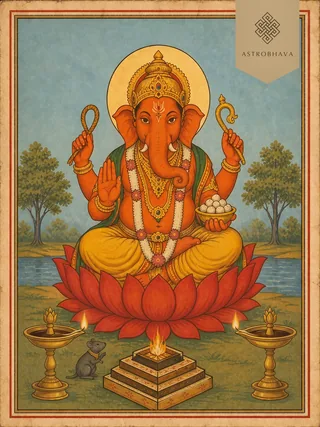
अभिप्रेतार्थसिद्ध्यर्थं पूजितो यः सुरैरपि । सर्वविघ्नच्छिदे तस्मै गणाधिपतये नमः ॥In Devanagari, Tamil, Telugu, Kannada, Malayalam and English — with the meaning of every word, and the one syllable most people pronounce wrongly.
 The Karya Siddhi Homam, performed for youBook →
What the Mantra for Success is
A mantra for success, in the sense this page uses the phrase, is a verse whose own words name success or victory, and four texts here do so. Verse 1, from the Padma Purana (Srishti Khanda 65.10), salutes Ganesha as Ganadhipati, leader of the ganas, the hosts who attend Shiva, whom even the gods worship 'abhipreta-artha-siddhyartham', for the accomplishment of the aim they desire. Verse 2, 'labhas tesham jayas tesham', is printed in several Puranas, among them the Skanda, Garuda and Padma: gain and victory, it says, belong to those who keep Janardana, a name of Vishnu, in the heart. Verse 3 is Bhagavad Gita 18.78, Sanjaya's last words in the Gita, which place fortune (shri) and victory (vijaya) wherever Krishna and Arjuna stand together. The longest text is Arjuna's thirteen-verse hymn to Durga from the Mahabharata, Bhishma Parva chapter 23, followed by its five reward verses (the phala shruti, lines stating what recitation brings). These verses are prayers; tradition does not treat them as a guarantee.
Arjuna's hymn on the eve of battle
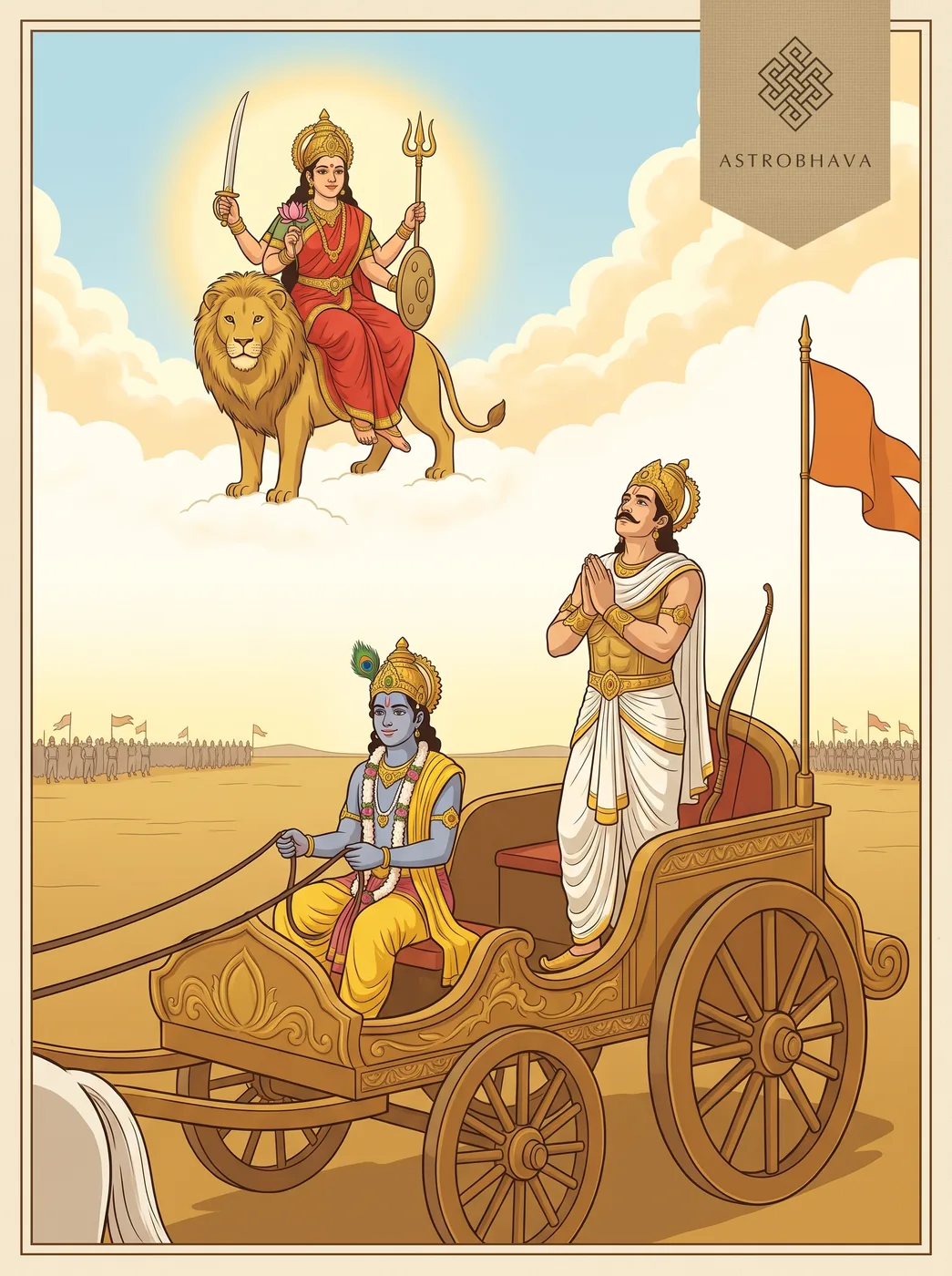
The Mahabharata sets Arjuna's hymn on the morning the two armies faced each other at Kurukshetra, two chapters before the Bhagavad Gita begins. Sanjaya, narrating the war to the blind king Dhritarashtra, relates that Krishna, seeing the Kaurava army advance, told Arjuna to purify himself and recite the hymn to Durga 'parajayaya shatrunam', for the defeat of the enemy. Arjuna stepped down from his chariot and, with joined palms, praised her by names that tie her to Krishna's own people: younger sister of the chief of cowherds, born in the clan of the cowherd Nanda. Only the tenth verse makes a request, that victory be his on the field of battle. The epic then says Durga appeared in the sky in Krishna's presence and told Arjuna he would soon overcome his foes, since he had Narayana as his helper. Arjuna climbed back into the chariot, and the two blew their conches. Sanjaya adds the reward verses and says he knows all this by Vyasa's grace; the chapter ends with his remark that where Krishna is, there is victory, the thought the Gita's last verse states again. The old commentator Nilakantha notes that the hymn appears in one group of northern manuscripts and in none from the south, so it belongs to the northern recension of the epic.
The mantra, in six scripts
- अभिप्रेतार्थसिद्ध्यर्थं
- abhipretārthasiddhyarthaṃ — for the accomplishment of the desired aim
- पूजितो
- pūjito — worshipped
- यः
- yaḥ — who
- सुरैरपि
- surairapi — even by the gods
- सर्वविघ्नच्छिदे
- sarvavighnacchide — to the one who cuts away every obstacle
- तस्मै
- tasmai — to him
- गणाधिपतये
- gaṇādhipataye — to the leader of the ganas
- नमः
- namaḥ — salutation
Mantra for Success lyrics in full
Three single verses, then Arjuna's hymn to Durga printed whole with its five reward verses, as the Mahabharata gives them. The printed closing line is given at the end.
All 22 verses, in Sanskrit, Tamil, Telugu, Kannada, Malayalam and English, each with its meaning. Choose a script:
Download the Mantra for Success PDFAll 22 verses with their meanings, in Sanskrit. Free to print and keep.
अभिप्रेतार्थसिद्ध्यर्थं पूजितो यः सुरैरपि ।
सर्वविघ्नच्छिदे तस्मै गणाधिपतये नमः ॥
அபிப்ரேதார்தஸித்த்யர்தம் பூஜிதோ யஃ ஸுரைரபி ।
ஸர்வவிக்நச்சிதே தஸ்மை கணாதிபதயே நமஃ ॥
అభిప్రేతార్థసిద్ధ్యర్థం పూజితో యః సురైరపి ।
సర్వవిఘ్నచ్ఛిదే తస్మై గణాధిపతయే నమః ॥
ಅಭಿಪ್ರೇತಾರ್ಥಸಿದ್ಧ್ಯರ್ಥಂ ಪೂಜಿತೋ ಯಃ ಸುರೈರಪಿ ।
ಸರ್ವವಿಘ್ನಚ್ಛಿದೇ ತಸ್ಮೈ ಗಣಾಧಿಪತಯೇ ನಮಃ ॥
അഭിപ്രേതാര്ഥസിദ്ധ്യര്ഥം പൂജിതോ യഃ സുരൈരപി ।
സര്വവിഘ്നച്ഛിദേ തസ്മൈ ഗണാധിപതയേ നമഃ ॥
abhipretārthasiddhyarthaṃ pūjito yaḥ surairapi |
sarvavighnacchide tasmai gaṇādhipataye namaḥ ||
Salutation to Ganadhipati, the leader of the ganas, who cuts away every obstacle and whom even the gods worship so that the aim they desire may be accomplished.
लाभस्तेषां जयस्तेषां कुतस्तेषां पराजयः ।
येषामिन्दीवरश्यामो हृदयस्थो जनार्दनः ॥
லாபஸ்தேஷாம் ஜயஸ்தேஷாம் குதஸ்தேஷாம் பராஜயஃ ।
யேஷாமிந்தீவரஶ்யாமோ ஹ்ருதயஸ்தோ ஜநார்தநஃ ॥
లాభస్తేషాం జయస్తేషాం కుతస్తేషాం పరాజయః ।
యేషామిన్దీవరశ్యామో హృదయస్థో జనార్దనః ॥
ಲಾಭಸ್ತೇಷಾಂ ಜಯಸ್ತೇಷಾಂ ಕುತಸ್ತೇಷಾಂ ಪರಾಜಯಃ ।
ಯೇಷಾಮಿನ್ದೀವರಶ್ಯಾಮೋ ಹೃದಯಸ್ಥೋ ಜನಾರ್ದನಃ ॥
ലാഭസ്തേഷാം ജയസ്തേഷാം കുതസ്തേഷാം പരാജയഃ ।
യേഷാമിന്ദീവരശ്യാമോ ഹൃദയസ്ഥോ ജനാര്ദനഃ ॥
lābhasteṣāṃ jayasteṣāṃ kutasteṣāṃ parājayaḥ |
yeṣāmindīvaraśyāmo hṛdayastho janārdanaḥ ||
The verse says that gain and victory belong to those in whose heart dwells Janardana, dark as the blue lotus, and asks how such people could ever be defeated.
यत्र योगेश्वरः कृष्णो यत्र पार्थो धनुर्धरः ।
तत्र श्रीर्विजयो भूतिर्ध्रुवा नीतिर्मतिर्मम ॥
யத்ர யோகேஶ்வரஃ க்ருஷ்ணோ யத்ர பார்தோ தநுர்தரஃ ।
தத்ர ஶ்ரீர்விஜயோ பூதிர்த்ருவா நீதிர்மதிர்மம ॥
యత్ర యోగేశ్వరః కృష్ణో యత్ర పార్థో ధనుర్ధరః ।
తత్ర శ్రీర్విజయో భూతిర్ధ్రువా నీతిర్మతిర్మమ ॥
ಯತ್ರ ಯೋಗೇಶ್ವರಃ ಕೃಷ್ಣೋ ಯತ್ರ ಪಾರ್ಥೋ ಧನುರ್ಧರಃ ।
ತತ್ರ ಶ್ರೀರ್ವಿಜಯೋ ಭೂತಿರ್ಧ್ರುವಾ ನೀತಿರ್ಮತಿರ್ಮಮ ॥
യത്ര യോഗേശ്വരഃ കൃഷ്ണോ യത്ര പാര്ഥോ ധനുര്ധരഃ ।
തത്ര ശ്രീര്വിജയോ ഭൂതിര്ധ്രുവാ നീതിര്മതിര്മമ ॥
yatra yogeśvaraḥ kṛṣṇo yatra pārtho dhanurdharaḥ |
tatra śrīrvijayo bhūtirdhruvā nītirmatirmama ||
Sanjaya says: wherever Krishna, the master of yoga, is, and wherever Arjuna, the bearer of the bow, is, there are fortune, victory, prosperity and steady right conduct. That is my conviction.
नमस्ते सिद्धसेनानि आर्ये मन्दरवासिनि ।
कुमारि कालि कापालि कपिले कृष्णपिङ्गले ॥
நமஸ்தே ஸித்தஸேநாநி ஆர்யே மந்தரவாஸிநி ।
குமாரி காலி காபாலி கபிலே க்ருஷ்ணபிங்கலே ॥
నమస్తే సిద్ధసేనాని ఆర్యే మన్దరవాసిని ।
కుమారి కాలి కాపాలి కపిలే కృష్ణపిఙ్గలే ॥
ನಮಸ್ತೇ ಸಿದ್ಧಸೇನಾನಿ ಆರ್ಯೇ ಮನ್ದರವಾಸಿನಿ ।
ಕುಮಾರಿ ಕಾಲಿ ಕಾಪಾಲಿ ಕಪಿಲೇ ಕೃಷ್ಣಪಿಙ್ಗಲೇ ॥
നമസ്തേ സിദ്ധസേനാനി ആര്യേ മന്ദരവാസിനി ।
കുമാരി കാലി കാപാലി കപിലേ കൃഷ്ണപിങ്ഗലേ ॥
namaste siddhasenāni ārye mandaravāsini |
kumāri kāli kāpāli kapile kṛṣṇapiṅgale ||
Salutation to you, leader of the army of the perfected ones, noble one who dwells on Mandara; maiden, Kali, consort of Kapali, tawny one, dark and reddish-brown one.
भद्रकालि नमस्तुभ्यं महाकालि नमोऽस्तु ते ।
चण्डि चण्डे नमस्तुभ्यं तारिणि वरवर्णिनि ॥
பத்ரகாலி நமஸ்துப்யம் மஹாகாலி நமோஸ்து தே ।
சண்டி சண்டே நமஸ்துப்யம் தாரிணி வரவர்ணிநி ॥
భద్రకాలి నమస్తుభ్యం మహాకాలి నమోఽస్తు తే ।
చణ్డి చణ్డే నమస్తుభ్యం తారిణి వరవర్ణిని ॥
ಭದ್ರಕಾಲಿ ನಮಸ್ತುಭ್ಯಂ ಮಹಾಕಾಲಿ ನಮೋಽಸ್ತು ತೇ ।
ಚಣ್ಡಿ ಚಣ್ಡೇ ನಮಸ್ತುಭ್ಯಂ ತಾರಿಣಿ ವರವರ್ಣಿನಿ ॥
ഭദ്രകാലി നമസ്തുഭ്യം മഹാകാലി നമോഽസ്തു തേ ।
ചണ്ഡി ചണ്ഡേ നമസ്തുഭ്യം താരിണി വരവര്ണിനി ॥
bhadrakāli namastubhyaṃ mahākāli namo'stu te |
caṇḍi caṇḍe namastubhyaṃ tāriṇi varavarṇini ||
Bhadrakali, salutation to you; Mahakali, salutation to you. Chandi, fierce one, salutation to you, who carries devotees across danger, fair one of noble form.
कात्यायनि महाभागे करालि विजये जये ।
शिखिपिच्छध्वजधरे नानाभरणभूषिते ॥
காத்யாயநி மஹாபாகே கராலி விஜயே ஜயே ।
ஶிகிபிச்சத்வஜதரே நாநாபரணபூஷிதே ॥
కాత్యాయని మహాభాగే కరాలి విజయే జయే ।
శిఖిపిచ్ఛధ్వజధరే నానాభరణభూషితే ॥
ಕಾತ್ಯಾಯನಿ ಮಹಾಭಾಗೇ ಕರಾಲಿ ವಿಜಯೇ ಜಯೇ ।
ಶಿಖಿಪಿಚ್ಛಧ್ವಜಧರೇ ನಾನಾಭರಣಭೂಷಿತೇ ॥
കാത്യായനി മഹാഭാഗേ കരാലി വിജയേ ജയേ ।
ശിഖിപിച്ഛധ്വജധരേ നാനാഭരണഭൂഷിതേ ॥
kātyāyani mahābhāge karāli vijaye jaye |
śikhipicchadhvajadhare nānābharaṇabhūṣite ||
Katyayani, greatly blessed one, terrible one, giver of victory, victory itself; you who bear a banner of peacock feathers and are adorned with many ornaments.
अट्टशूलप्रहरणे खङ्गखेटकधारिणि ।
गोपेन्द्रस्यानुजे ज्येष्ठे नन्दगोपकुलोद्भवे ॥
அட்டஶூலப்ரஹரணே கங்ககேடகதாரிணி ।
கோபேந்த்ரஸ்யாநுஜே ஜ்யேஷ்டே நந்தகோபகுலோத்பவே ॥
అట్టశూలప్రహరణే ఖఙ్గఖేటకధారిణి ।
గోపేన్ద్రస్యానుజే జ్యేష్ఠే నన్దగోపకులోద్భవే ॥
ಅಟ್ಟಶೂಲಪ್ರಹರಣೇ ಖಙ್ಗಖೇಟಕಧಾರಿಣಿ ।
ಗೋಪೇನ್ದ್ರಸ್ಯಾನುಜೇ ಜ್ಯೇಷ್ಠೇ ನನ್ದಗೋಪಕುಲೋದ್ಭವೇ ॥
അട്ടശൂലപ്രഹരണേ ഖങ്ഗഖേടകധാരിണി ।
ഗോപേന്ദ്രസ്യാനുജേ ജ്യേഷ്ഠേ നന്ദഗോപകുലോദ്ഭവേ ॥
aṭṭaśūlapraharaṇe khaṅgakheṭakadhāriṇi |
gopendrasyānuje jyeṣṭhe nandagopakulodbhave ||
You whose weapon is a mighty spear, who hold sword and shield; younger sister of the chief of cowherds, eldest one, born in the family of the cowherd Nanda.
महिषासृक्प्रिये नित्यं कौशिकि पीतवासिनि ।
अट्टहासे कोकमुखे नमस्तेऽस्तु रणप्रिये ॥
மஹிஷாஸ்ருக்ப்ரியே நித்யம் கௌஶிகி பீதவாஸிநி ।
அட்டஹாஸே கோகமுகே நமஸ்தேஸ்து ரணப்ரியே ॥
మహిషాసృక్ప్రియే నిత్యం కౌశికి పీతవాసిని ।
అట్టహాసే కోకముఖే నమస్తేఽస్తు రణప్రియే ॥
ಮಹಿಷಾಸೃಕ್ಪ್ರಿಯೇ ನಿತ್ಯಂ ಕೌಶಿಕಿ ಪೀತವಾಸಿನಿ ।
ಅಟ್ಟಹಾಸೇ ಕೋಕಮುಖೇ ನಮಸ್ತೇಽಸ್ತು ರಣಪ್ರಿಯೇ ॥
മഹിഷാസൃക്പ്രിയേ നിത്യം കൌശികി പീതവാസിനി ।
അട്ടഹാസേ കോകമുഖേ നമസ്തേഽസ്തു രണപ്രിയേ ॥
mahiṣāsṛkpriye nityaṃ kauśiki pītavāsini |
aṭṭahāse kokamukhe namaste'stu raṇapriye ||
You who are ever fond of the buffalo demon's blood, Kaushiki, clad in yellow; you of the loud laugh, of the wolf-like face, lover of battle, salutation to you.
उमे शाकम्भरि श्वेते कृष्णे कैटभनाशिनि ।
हिरण्याक्षि विरूपाक्षि सुधूम्राक्षि नमोऽस्तु ते ॥
உமே ஶாகம்பரி ஶ்வேதே க்ருஷ்ணே கைடபநாஶிநி ।
ஹிரண்யாக்ஷி விரூபாக்ஷி ஸுதூம்ராக்ஷி நமோஸ்து தே ॥
ఉమే శాకమ్భరి శ్వేతే కృష్ణే కైటభనాశిని ।
హిరణ్యాక్షి విరూపాక్షి సుధూమ్రాక్షి నమోఽస్తు తే ॥
ಉಮೇ ಶಾಕಮ್ಭರಿ ಶ್ವೇತೇ ಕೃಷ್ಣೇ ಕೈಟಭನಾಶಿನಿ ।
ಹಿರಣ್ಯಾಕ್ಷಿ ವಿರೂಪಾಕ್ಷಿ ಸುಧೂಮ್ರಾಕ್ಷಿ ನಮೋಽಸ್ತು ತೇ ॥
ഉമേ ശാകമ്ഭരി ശ്വേതേ കൃഷ്ണേ കൈടഭനാശിനി ।
ഹിരണ്യാക്ഷി വിരൂപാക്ഷി സുധൂമ്രാക്ഷി നമോഽസ്തു തേ ॥
ume śākambhari śvete kṛṣṇe kaiṭabhanāśini |
hiraṇyākṣi virūpākṣi sudhūmrākṣi namo'stu te ||
Uma, Shakambhari, white one, dark one, slayer of Kaitabha; golden-eyed one, one of many-formed eyes, one of smoke-coloured eyes, salutation to you.
वेदश्रुति महापुण्ये ब्रह्मण्ये जातवेदसि ।
जम्बूकटकचैत्येषु नित्यं सन्निहितालये ॥
வேதஶ்ருதி மஹாபுண்யே ப்ரஹ்மண்யே ஜாதவேதஸி ।
ஜம்பூகடகசைத்யேஷு நித்யம் ஸந்நிஹிதாலயே ॥
వేదశ్రుతి మహాపుణ్యే బ్రహ్మణ్యే జాతవేదసి ।
జమ్బూకటకచైత్యేషు నిత్యం సన్నిహితాలయే ॥
ವೇದಶ್ರುತಿ ಮಹಾಪುಣ್ಯೇ ಬ್ರಹ್ಮಣ್ಯೇ ಜಾತವೇದಸಿ ।
ಜಮ್ಬೂಕಟಕಚೈತ್ಯೇಷು ನಿತ್ಯಂ ಸನ್ನಿಹಿತಾಲಯೇ ॥
വേദശ്രുതി മഹാപുണ്യേ ബ്രഹ്മണ്യേ ജാതവേദസി ।
ജമ്ബൂകടകചൈത്യേഷു നിത്യം സന്നിഹിതാലയേ ॥
vedaśruti mahāpuṇye brahmaṇye jātavedasi |
jambūkaṭakacaityeṣu nityaṃ sannihitālaye ||
You who are the Veda and its hearing, most holy one, friend of sacred rites, knower of all that has been; you whose abode is ever present in the royal cities and shrines of Jambudvipa.
त्वं ब्रह्मविद्या विद्यानां महानिद्रा च देहिनाम् ।
स्कन्दमातर्भगवति दुर्गे कान्तारवासिनि ॥
த்வம் ப்ரஹ்மவித்யா வித்யாநாம் மஹாநித்ரா ச தேஹிநாம் ।
ஸ்கந்தமாதர்பகவதி துர்கே காந்தாரவாஸிநி ॥
త్వం బ్రహ్మవిద్యా విద్యానాం మహానిద్రా చ దేహినామ్ ।
స్కన్దమాతర్భగవతి దుర్గే కాన్తారవాసిని ॥
ತ್ವಂ ಬ್ರಹ್ಮವಿದ್ಯಾ ವಿದ್ಯಾನಾಂ ಮಹಾನಿದ್ರಾ ಚ ದೇಹಿನಾಮ್ ।
ಸ್ಕನ್ದಮಾತರ್ಭಗವತಿ ದುರ್ಗೇ ಕಾನ್ತಾರವಾಸಿನಿ ॥
ത്വം ബ്രഹ്മവിദ്യാ വിദ്യാനാം മഹാനിദ്രാ ച ദേഹിനാമ് ।
സ്കന്ദമാതര്ഭഗവതി ദുര്ഗേ കാന്താരവാസിനി ॥
tvaṃ brahmavidyā vidyānāṃ mahānidrā ca dehinām |
skandamātarbhagavati durge kāntāravāsini ||
Among all kinds of knowledge you are the knowledge of Brahman, and for embodied beings you are the great sleep. Mother of Skanda, blessed one, Durga, dweller in the wild forest.
स्वाहाकारः स्वधा चैव कला काष्ठा सरस्वती ।
सावित्री वेदमाता च तथा वेदान्त उच्यते ॥
ஸ்வாஹாகாரஃ ஸ்வதா சைவ கலா காஷ்டா ஸரஸ்வதீ ।
ஸாவித்ரீ வேதமாதா ச ததா வேதாந்த உச்யதே ॥
స్వాహాకారః స్వధా చైవ కలా కాష్ఠా సరస్వతీ ।
సావిత్రీ వేదమాతా చ తథా వేదాన్త ఉచ్యతే ॥
ಸ್ವಾಹಾಕಾರಃ ಸ್ವಧಾ ಚೈವ ಕಲಾ ಕಾಷ್ಠಾ ಸರಸ್ವತೀ ।
ಸಾವಿತ್ರೀ ವೇದಮಾತಾ ಚ ತಥಾ ವೇದಾನ್ತ ಉಚ್ಯತೇ ॥
സ്വാഹാകാരഃ സ്വധാ ചൈവ കലാ കാഷ്ഠാ സരസ്വതീ ।
സാവിത്രീ വേദമാതാ ച തഥാ വേദാന്ത ഉച്യതേ ॥
svāhākāraḥ svadhā caiva kalā kāṣṭhā sarasvatī |
sāvitrī vedamātā ca tathā vedānta ucyate ||
You are called the offering-call svaha and svadha, the small measures of time kala and kashtha, Sarasvati, Savitri, the mother of the Vedas, and Vedanta.
स्तुतासि त्वं महादेवि विशुद्धेनान्तरात्मना ।
जयो भवतु मे नित्यं त्वत्प्रसादाद्रणाजिरे ॥
ஸ்துதாஸி த்வம் மஹாதேவி விஶுத்தேநாந்தராத்மநா ।
ஜயோ பவது மே நித்யம் த்வத்ப்ரஸாதாத்ரணாஜிரே ॥
స్తుతాసి త్వం మహాదేవి విశుద్ధేనాన్తరాత్మనా ।
జయో భవతు మే నిత్యం త్వత్ప్రసాదాద్రణాజిరే ॥
ಸ್ತುತಾಸಿ ತ್ವಂ ಮಹಾದೇವಿ ವಿಶುದ್ಧೇನಾನ್ತರಾತ್ಮನಾ ।
ಜಯೋ ಭವತು ಮೇ ನಿತ್ಯಂ ತ್ವತ್ಪ್ರಸಾದಾದ್ರಣಾಜಿರೇ ॥
സ്തുതാസി ത്വം മഹാദേവി വിശുദ്ധേനാന്തരാത്മനാ ।
ജയോ ഭവതു മേ നിത്യം ത്വത്പ്രസാദാദ്രണാജിരേ ॥
stutāsi tvaṃ mahādevi viśuddhenāntarātmanā |
jayo bhavatu me nityaṃ tvatprasādādraṇājire ||
O great Devi, you have been praised by me with a pure inner self. By your grace may victory always be mine on the field of battle.
कान्तारभयदुर्गेषु भक्तानां चालयेषु च ।
नित्यं वससि पाताले युद्धे जयसि दानवान् ॥
காந்தாரபயதுர்கேஷு பக்தாநாம் சாலயேஷு ச ।
நித்யம் வஸஸி பாதாலே யுத்தே ஜயஸி தாநவாந் ॥
కాన్తారభయదుర్గేషు భక్తానాం చాలయేషు చ ।
నిత్యం వససి పాతాలే యుద్ధే జయసి దానవాన్ ॥
ಕಾನ್ತಾರಭಯದುರ್ಗೇಷು ಭಕ್ತಾನಾಂ ಚಾಲಯೇಷು ಚ ।
ನಿತ್ಯಂ ವಸಸಿ ಪಾತಾಲೇ ಯುದ್ಧೇ ಜಯಸಿ ದಾನವಾನ್ ॥
കാന്താരഭയദുര്ഗേഷു ഭക്താനാം ചാലയേഷു ച ।
നിത്യം വസസി പാതാലേ യുദ്ധേ ജയസി ദാനവാന് ॥
kāntārabhayadurgeṣu bhaktānāṃ cālayeṣu ca |
nityaṃ vasasi pātāle yuddhe jayasi dānavān ||
You dwell always in wild forests, in fearful and hard places, in the homes of your devotees and in the netherworld; in battle you defeat the demons.
त्वं जम्भनी मोहिनी च माया ह्रीः श्रीस्तथैव च ।
संध्या प्रभावती चैव सावित्री जननी तथा ॥
த்வம் ஜம்பநீ மோஹிநீ ச மாயா ஹ்ரீஃ ஶ்ரீஸ்ததைவ ச ।
ஸம்த்யா ப்ரபாவதீ சைவ ஸாவித்ரீ ஜநநீ ததா ॥
త్వం జమ్భనీ మోహినీ చ మాయా హ్రీః శ్రీస్తథైవ చ ।
సంధ్యా ప్రభావతీ చైవ సావిత్రీ జననీ తథా ॥
ತ್ವಂ ಜಮ್ಭನೀ ಮೋಹಿನೀ ಚ ಮಾಯಾ ಹ್ರೀಃ ಶ್ರೀಸ್ತಥೈವ ಚ ।
ಸಂಧ್ಯಾ ಪ್ರಭಾವತೀ ಚೈವ ಸಾವಿತ್ರೀ ಜನನೀ ತಥಾ ॥
ത്വം ജമ്ഭനീ മോഹിനീ ച മായാ ഹ്രീഃ ശ്രീസ്തഥൈവ ച ।
സംധ്യാ പ്രഭാവതീ ചൈവ സാവിത്രീ ജനനീ തഥാ ॥
tvaṃ jambhanī mohinī ca māyā hrīḥ śrīstathaiva ca |
saṃdhyā prabhāvatī caiva sāvitrī jananī tathā ||
You are drowsiness and the sleep that bewilders, illusion, modesty and prosperity; you are twilight, the radiant one, Savitri and the mother.
तुष्टिः पुष्टिर्धृतिर्दीप्तिश्चन्द्रादित्यविवर्धिनी ।
भूतिर्भूतिमतां सङ्ख्ये वीक्ष्यसे सिद्धचारणैः ॥
துஷ்டிஃ புஷ்டிர்த்ருதிர்தீப்திஶ்சந்த்ராதித்யவிவர்திநீ ।
பூதிர்பூதிமதாம் ஸங்க்யே வீக்ஷ்யஸே ஸித்தசாரணைஃ ॥
తుష్టిః పుష్టిర్ధృతిర్దీప్తిశ్చన్ద్రాదిత్యవివర్ధినీ ।
భూతిర్భూతిమతాం సఙ్ఖ్యే వీక్ష్యసే సిద్ధచారణైః ॥
ತುಷ್ಟಿಃ ಪುಷ್ಟಿರ್ಧೃತಿರ್ದೀಪ್ತಿಶ್ಚನ್ದ್ರಾದಿತ್ಯವಿವರ್ಧಿನೀ ।
ಭೂತಿರ್ಭೂತಿಮತಾಂ ಸಙ್ಖ್ಯೇ ವೀಕ್ಷ್ಯಸೇ ಸಿದ್ಧಚಾರಣೈಃ ॥
തുഷ്ടിഃ പുഷ്ടിര്ധൃതിര്ദീപ്തിശ്ചന്ദ്രാദിത്യവിവര്ധിനീ ।
ഭൂതിര്ഭൂതിമതാം സങ്ഖ്യേ വീക്ഷ്യസേ സിദ്ധചാരണൈഃ ॥
tuṣṭiḥ puṣṭirdhṛtirdīptiścandrādityavivardhinī |
bhūtirbhūtimatāṃ saṅkhye vīkṣyase siddhacāraṇaiḥ ||
You are contentment, nourishment, steadiness and light, who make the moon and sun shine; you are the prosperity of the prosperous, and the Siddhas and Charanas behold you in contemplation.
कृष्णार्जुनावेकरथौ दिव्यौ शङ्खौ प्रदध्मतुः ।
य इदं पठते स्तोत्रं कल्य उत्थाय मानवः ॥
க்ருஷ்ணார்ஜுநாவேகரதௌ திவ்யௌ ஶங்கௌ ப்ரதத்மதுஃ ।
ய இதம் படதே ஸ்தோத்ரம் கல்ய உத்தாய மாநவஃ ॥
కృష్ణార్జునావేకరథౌ దివ్యౌ శఙ్ఖౌ ప్రదధ్మతుః ।
య ఇదం పఠతే స్తోత్రం కల్య ఉత్థాయ మానవః ॥
ಕೃಷ್ಣಾರ್ಜುನಾವೇಕರಥೌ ದಿವ್ಯೌ ಶಙ್ಖೌ ಪ್ರದಧ್ಮತುಃ ।
ಯ ಇದಂ ಪಠತೇ ಸ್ತೋತ್ರಂ ಕಲ್ಯ ಉತ್ಥಾಯ ಮಾನವಃ ॥
കൃഷ്ണാര്ജുനാവേകരഥൌ ദിവ്യൌ ശങ്ഖൌ പ്രദധ്മതുഃ ।
യ ഇദം പഠതേ സ്തോത്രം കല്യ ഉത്ഥായ മാനവഃ ॥
kṛṣṇārjunāvekarathau divyau śaṅkhau pradadhmatuḥ |
ya idaṃ paṭhate stotraṃ kalya utthāya mānavaḥ ||
Krishna and Arjuna, standing on one chariot, blew their divine conches. Whoever rises at dawn and recites this hymn...
यक्षरक्षःपिशाचेभ्यो न भयं विद्यते सदा ।
न चापि रिपवस्तेभ्यः सर्पाद्या ये च दंष्ट्रिणः ॥
யக்ஷரக்ஷஃபிஶாசேப்யோ ந பயம் வித்யதே ஸதா ।
ந சாபி ரிபவஸ்தேப்யஃ ஸர்பாத்யா யே ச தம்ஷ்ட்ரிணஃ ॥
యక్షరక్షఃపిశాచేభ్యో న భయం విద్యతే సదా ।
న చాపి రిపవస్తేభ్యః సర్పాద్యా యే చ దంష్ట్రిణః ॥
ಯಕ್ಷರಕ್ಷಃಪಿಶಾಚೇಭ್ಯೋ ನ ಭಯಂ ವಿದ್ಯತೇ ಸದಾ ।
ನ ಚಾಪಿ ರಿಪವಸ್ತೇಭ್ಯಃ ಸರ್ಪಾದ್ಯಾ ಯೇ ಚ ದಂಷ್ಟ್ರಿಣಃ ॥
യക്ഷരക്ഷഃപിശാചേഭ്യോ ന ഭയം വിദ്യതേ സദാ ।
ന ചാപി രിപവസ്തേഭ്യഃ സര്പാദ്യാ യേ ച ദംഷ്ട്രിണഃ ॥
yakṣarakṣaḥpiśācebhyo na bhayaṃ vidyate sadā |
na cāpi ripavastebhyaḥ sarpādyā ye ca daṃṣṭriṇaḥ ||
The verse says such a person never has fear from yakshas, rakshasas or pishachas, and that enemies, snakes and other fanged creatures do not threaten them.
न भयं विद्यते तस्य सदा राजकुलादपि ।
विवादे जयमाप्नोति बद्धो मुच्यति बन्धनात् ॥
ந பயம் வித்யதே தஸ்ய ஸதா ராஜகுலாதபி ।
விவாதே ஜயமாப்நோதி பத்தோ முச்யதி பந்தநாத் ॥
న భయం విద్యతే తస్య సదా రాజకులాదపి ।
వివాదే జయమాప్నోతి బద్ధో ముచ్యతి బన్ధనాత్ ॥
ನ ಭಯಂ ವಿದ್ಯತೇ ತಸ್ಯ ಸದಾ ರಾಜಕುಲಾದಪಿ ।
ವಿವಾದೇ ಜಯಮಾಪ್ನೋತಿ ಬದ್ಧೋ ಮುಚ್ಯತಿ ಬನ್ಧನಾತ್ ॥
ന ഭയം വിദ്യതേ തസ്യ സദാ രാജകുലാദപി ।
വിവാദേ ജയമാപ്നോതി ബദ്ധോ മുച്യതി ബന്ധനാത് ॥
na bhayaṃ vidyate tasya sadā rājakulādapi |
vivāde jayamāpnoti baddho mucyati bandhanāt ||
The verse says such a person has no fear even from the king's house, wins in disputes, and if bound is freed from bonds.
दुर्गं तरति चावश्यं तथा चोरैर्विमुच्यते ।
संग्रामे विजयेन्नित्यं लक्ष्मीं प्राप्नोति केवलाम् ॥
துர்கம் தரதி சாவஶ்யம் ததா சோரைர்விமுச்யதே ।
ஸம்க்ராமே விஜயேந்நித்யம் லக்ஷ்மீம் ப்ராப்நோதி கேவலாம் ॥
దుర్గం తరతి చావశ్యం తథా చోరైర్విముచ్యతే ।
సంగ్రామే విజయేన్నిత్యం లక్ష్మీం ప్రాప్నోతి కేవలామ్ ॥
ದುರ್ಗಂ ತರತಿ ಚಾವಶ್ಯಂ ತಥಾ ಚೋರೈರ್ವಿಮುಚ್ಯತೇ ।
ಸಂಗ್ರಾಮೇ ವಿಜಯೇನ್ನಿತ್ಯಂ ಲಕ್ಷ್ಮೀಂ ಪ್ರಾಪ್ನೋತಿ ಕೇವಲಾಮ್ ॥
ദുര്ഗം തരതി ചാവശ്യം തഥാ ചോരൈര്വിമുച്യതേ ।
സംഗ്രാമേ വിജയേന്നിത്യം ലക്ഷ്മീം പ്രാപ്നോതി കേവലാമ് ॥
durgaṃ tarati cāvaśyaṃ tathā corairvimucyate |
saṃgrāme vijayennityaṃ lakṣmīṃ prāpnoti kevalām ||
The verse says such a person surely crosses every difficulty, is freed from thieves, is always victorious in battle, and gains fortune undivided.
आरोग्यबलसंपन्नो जीवेद्वर्षशतं तथा ।
एतद्दृष्टं प्रसादात्तु मया व्यासस्य धीमतः ॥
ஆரோக்யபலஸம்பந்நோ ஜீவேத்வர்ஷஶதம் ததா ।
ஏதத்த்ருஷ்டம் ப்ரஸாதாத்து மயா வ்யாஸஸ்ய தீமதஃ ॥
ఆరోగ్యబలసంపన్నో జీవేద్వర్షశతం తథా ।
ఏతద్దృష్టం ప్రసాదాత్తు మయా వ్యాసస్య ధీమతః ॥
ಆರೋಗ್ಯಬಲಸಂಪನ್ನೋ ಜೀವೇದ್ವರ್ಷಶತಂ ತಥಾ ।
ಏತದ್ದೃಷ್ಟಂ ಪ್ರಸಾದಾತ್ತು ಮಯಾ ವ್ಯಾಸಸ್ಯ ಧೀಮತಃ ॥
ആരോഗ്യബലസംപന്നോ ജീവേദ്വര്ഷശതം തഥാ ।
ഏതദ്ദൃഷ്ടം പ്രസാദാത്തു മയാ വ്യാസസ്യ ധീമതഃ ॥
ārogyabalasaṃpanno jīvedvarṣaśataṃ tathā |
etaddṛṣṭaṃ prasādāttu mayā vyāsasya dhīmataḥ ||
The verse says such a person lives a hundred years with health and strength. Sanjaya adds: I have seen all this by the grace of the wise Vyasa.
इति श्रीमन्महाभारते भीष्मपर्वणि भगवद्गीतापर्वणि त्रयोविंशोऽध्यायः ॥
இதி ஶ்ரீமந்மஹாபாரதே பீஷ்மபர்வணி பகவத்கீதாபர்வணி த்ரயோவிம்ஶோத்யாயஃ ॥
ఇతి శ్రీమన్మహాభారతే భీష్మపర్వణి భగవద్గీతాపర్వణి త్రయోవింశోఽధ్యాయః ॥
ಇತಿ ಶ್ರೀಮನ್ಮಹಾಭಾರತೇ ಭೀಷ್ಮಪರ್ವಣಿ ಭಗವದ್ಗೀತಾಪರ್ವಣಿ ತ್ರಯೋವಿಂಶೋಽಧ್ಯಾಯಃ ॥
ഇതി ശ്രീമന്മഹാഭാരതേ ഭീഷ്മപര്വണി ഭഗവദ്ഗീതാപര്വണി ത്രയോവിംശോഽധ്യായഃ ॥
iti śrīmanmahābhārate bhīṣmaparvaṇi bhagavadgītāparvaṇi trayoviṃśo'dhyāyaḥ ||
Thus ends the twenty-third chapter of the Bhagavadgita section of the Bhishma Parva in the glorious Mahabharata.
The syllable people get wrong
In Verse 1, sarvavighnacchide (सर्वविघ्नच्छिदे) carries a doubled consonant, c-ch: say sar-va-vigh-nach-chi-de, closing on the c before the breathy ch is released, and keep the gh aspirated; 'vighna-chide' with a single ch makes the syllable na short where the verse has it long.
Other texts for success
- Aditya HridayamIts own verse calls the hymn 'jayavaham', bringing victory; Agastya teaches it to Rama before the last battle.
- Rama Raksha StotramIts reward verses call the reciter 'vijayi', victorious, and its praise line says Rama 'sada vijayate', ever triumphs.
- Argala StotramIts refrain asks 'jayam dehi', give victory, beside beauty and glory, at the close of verse after verse.
- Ramayana Jaya MantramHanuman's war cry opens on 'jayati', is victorious, hailing Rama, Lakshmana and King Sugriva.
- Manyu SuktamThe Rigveda hymns ask Manyu to lead the army, strike down foes and raise the shout for victory.
- Pranamya Shirasa DevamVerse 1 names 'ayuh-kamartha-siddhaye', accomplishment of life, desire and aims; its reward verse speaks of siddhi within a year.
- Vakratunda Mahakaya MantraIt asks 'nirvighnam kuru me deva sarvakaryeshu sarvada', make every undertaking free of obstacles, always.
Questions
Have your chart read before you decide
Chanting is yours to do, and free. But which deity your situation calls for — and whether a mantra alone is the right response — depends on your chart. Sometimes it is; sometimes it is not.
- Over 30 years in the Guru–Sishya Parampara, from the age of five
- He reads every chart himself — 60 minutes, one to one, never delegated
- Charts are read only between sunrise and sunset, following tradition